
Homemade Cat Food for IBD (Low-Residue Recipes)

If your cat has inflammatory bowel disease (IBD), feeding can feel like a daily guessing game. You want to stop the vomiting and diarrhea, help them maintain weight, and still serve food they actually want to eat. As a veterinary assistant, I have seen how much diet can help some IBD cats, especially when the plan is simple, consistent, and truly digestible.
This page focuses on a vet-aligned approach: simple, easily digestible homemade templates using novel proteins like rabbit and duck, plus a step-by-step elimination diet method to help you identify triggers.
Important: These recipes are not nutritionally complete and are intended for short trial use unless your veterinarian or a board-certified veterinary nutritionist balances them for long-term feeding. In many cases, “short trial” means 3 to 7 days as a temporary bridge (for example, while you are transitioning onto a prescription diet or waiting for a nutritionist plan), unless your veterinarian directs a longer elimination trial. Cats have very specific nutrient requirements, and long-term unbalanced feeding can cause serious harm.
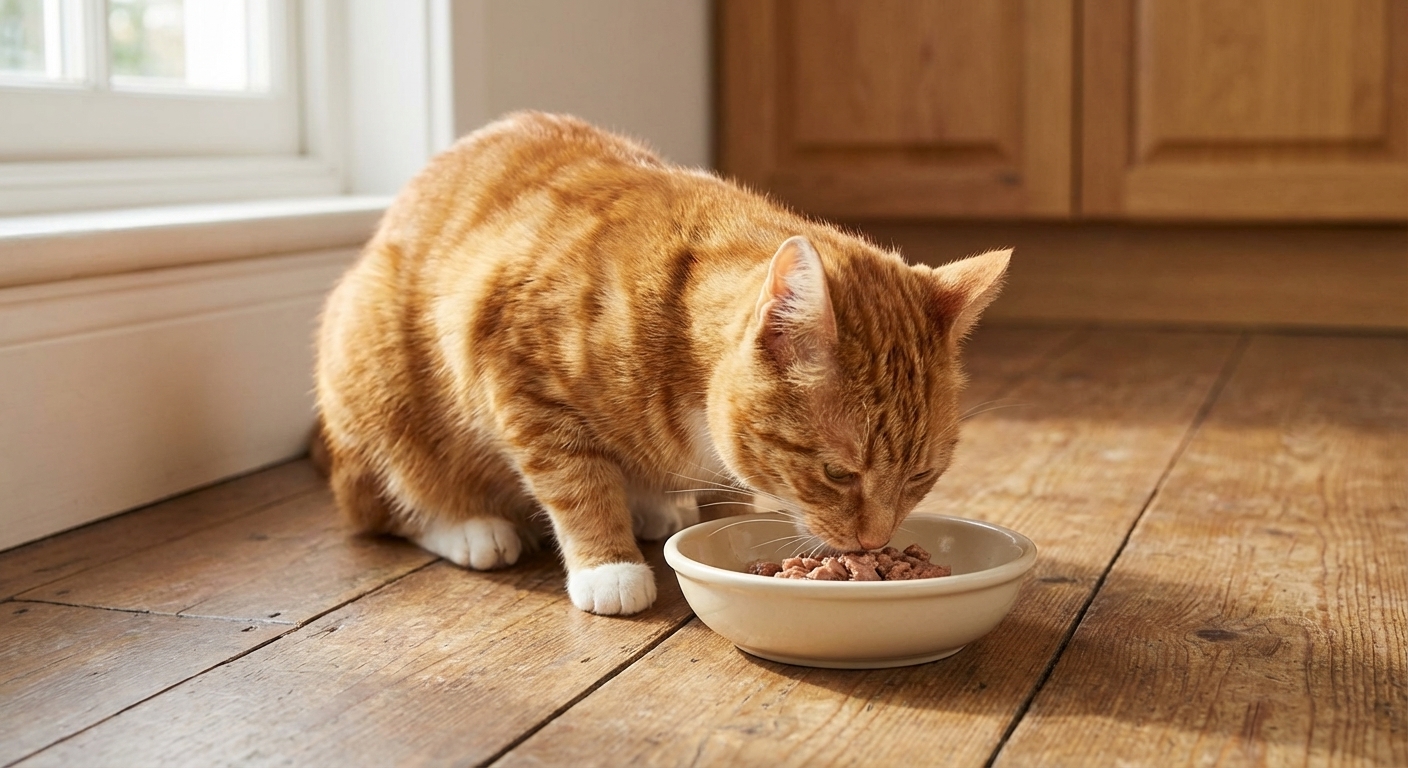
At a glance
- Best for: stable cats with suspected food-responsive GI disease who can eat reliably and whose vet has okayed a diet trial
- Not for: cats with significant weight loss, dehydration, kidney disease, pancreatitis, diabetes, or cats who are not eating well without a vet-guided plan
- Trial length: often 6 to 12 weeks, depending on your veterinarian
- What success can look like: fewer vomiting episodes, firmer stool, improved appetite, steady weekly weight
IBD is individualized
IBD refers to chronic inflammation of the gastrointestinal tract. In real life, that can look like vomiting, diarrhea, soft stool, gas, poor appetite, weight loss, and sometimes a dull coat.
One important nuance: a definitive IBD diagnosis may require biopsy, and many cats are managed presumptively after other causes are ruled out. IBD signs can also overlap with other conditions, so your veterinarian’s workup and guidance matter.
Diet can be a big lever, but there is no single best plan for every IBD cat. Some do best with a lower-residue, highly digestible approach. Others do better with moderate soluble fiber, a hydrolyzed prescription diet, or a different fat level. Your veterinarian helps match the plan to your cat and their test results.
Low residue, in plain terms
A low-residue approach aims to reduce stool volume and undigested material by using highly digestible ingredients and keeping the ingredient list short. In practice, that often means:
- Highly digestible protein as the foundation
- Minimal fiber, or only a tiny amount of soluble fiber if needed
- Moderate fat, since fat can trigger some cats
- Few ingredients so you can identify triggers
Think of it as a calm, predictable menu for a sensitive gut, not a one-size-fits-all rule.
Before you cook
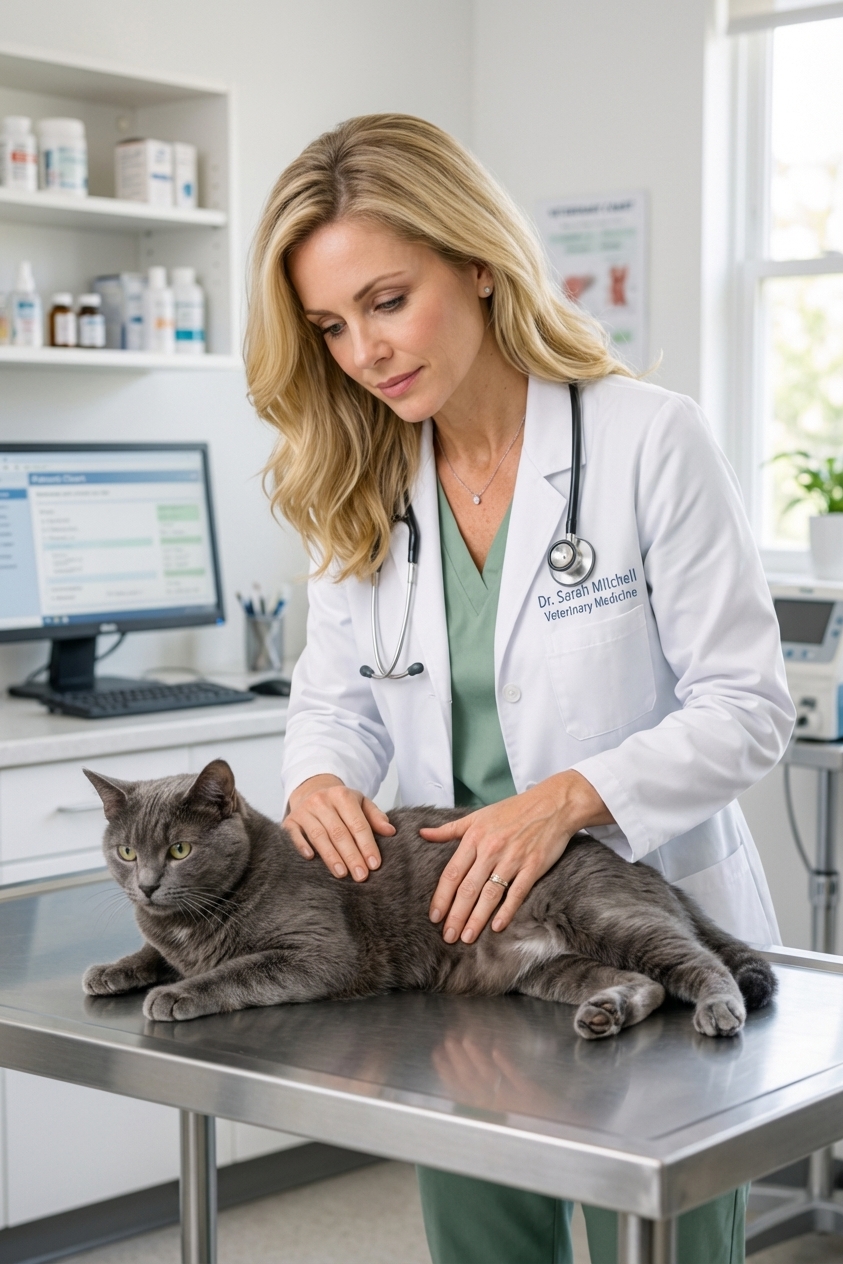
Diet is not a substitute for a workup
IBD signs can overlap with food allergy, parasites, chronic infections, pancreatitis, hyperthyroidism, and even intestinal lymphoma. If your cat is vomiting regularly, losing weight, or has blood in stool, please use diet as part of a plan, not the whole plan. Your veterinarian may recommend fecal testing, bloodwork, ultrasound, or additional diagnostics before (or alongside) a diet trial.
Homemade is not automatically balanced
Cats are obligate carnivores. They need specific nutrients in specific amounts, including taurine, arachidonic acid, vitamin A, and balanced calcium and phosphorus. Muscle meat alone is not complete, and unbalanced recipes can cause serious long-term problems. Boneless meat is especially low in calcium, which is one reason these templates are not appropriate as a long-term “forever diet” without balancing.
To keep these recipes realistic for home kitchens while still being responsible, I am giving them as short-term elimination style templates. For long-term feeding, ask your veterinarian about:
- A veterinary nutritionist formulated recipe for IBD
- A complete premix designed for cats (follow the label exactly)
- Whether your cat needs B12, probiotics, anti-nausea support, or appetite support during flares
Safety rules that matter
- Remove bones. Use boneless meat. If you are starting with a whole cut, remove all bones before cooking. Cooked bones can splinter and cause choking or GI perforation.
- Cook thoroughly. Many IBD cats tolerate cooked food well, and cooking reduces pathogen risk.
- Keep it plain. No onions, chives, or garlic. No seasoning blends.
- Broth warning: Avoid most store-bought human broths. They commonly contain onion or garlic powder, which are toxic to cats. If you use broth, use only a vet-approved pet broth or homemade meat cooking water made from plain meat only.
- Handle and store safely. Refrigerate cooked food within 2 hours, use within up to 48 hours, or freeze portions. Discard if it smells off or sits out too long.
- Weigh ingredients when possible for consistency.
- Transition slowly unless your veterinarian directs otherwise.
Simple novel-protein recipes
These are intentionally minimal-ingredient, easy-to-digest templates for a trial. They include baseline ratios so you do not accidentally overdo carbs or fiber.
Not complete: Each recipe below is not balanced for long-term use. If you want to use it beyond a short trial window, ask your veterinarian or a veterinary nutritionist to balance it with the correct supplements (especially taurine and calcium-phosphorus balance).
General starting ratio (by weight): For most trial meals, start around 90 to 95 percent cooked meat plus 5 to 10 percent optional carb or fiber add-in (only if your vet recommends it). Add warm water to reach a soft, wet-food texture.
Quick example: A 100 g meal could be 90 g cooked meat + 10 g congee, plus warm water to soften.
Serving note: Offer small, frequent meals. Warming slightly can improve aroma and acceptance.
Recipe 1: Rabbit congee
This soft, hydrating texture is often well tolerated during GI upset. Carbs are optional and should stay modest.
- Protein: cooked ground rabbit (boneless)
- Optional carb: white rice cooked into a thin congee
- Liquid: water or plain meat cooking water (see broth warning above)
Baseline proportions:
- Start with 9 parts cooked rabbit to 1 part cooked congee by weight (or skip rice entirely if your vet prefers all-meat).
- If using rice, keep it at no more than 10 percent of the meal by weight.
How to make: Cook white rice with extra water until very soft and porridge-like. Separately cook ground rabbit thoroughly. Mix rabbit into the congee to create a soft mash. Add warm water as needed.
Why it can fit some IBD cats: single novel protein, minimal ingredients, soft texture.
Recipe 2: Duck pate (skip yolk if fat sensitive)
Some IBD cats struggle to eat enough. Duck can be tempting, but it can also be richer. If your cat has pancreatitis history, high triglycerides, or worsens with fat, choose a leaner protein and skip the yolk.
- Protein: cooked duck meat, boneless, skin removed
- Optional: lightly cooked egg yolk for palatability
- Liquid: warm water or plain meat cooking water
Baseline proportions:
- Start with 100 percent duck plus water to blend.
- If your vet okays yolk, start with a pea-sized amount mixed into a meal. Use it only as needed for acceptance. Stop if there is any vomiting, soft stool, or appetite drop. Yolk size varies, and some cats are very fat-sensitive.
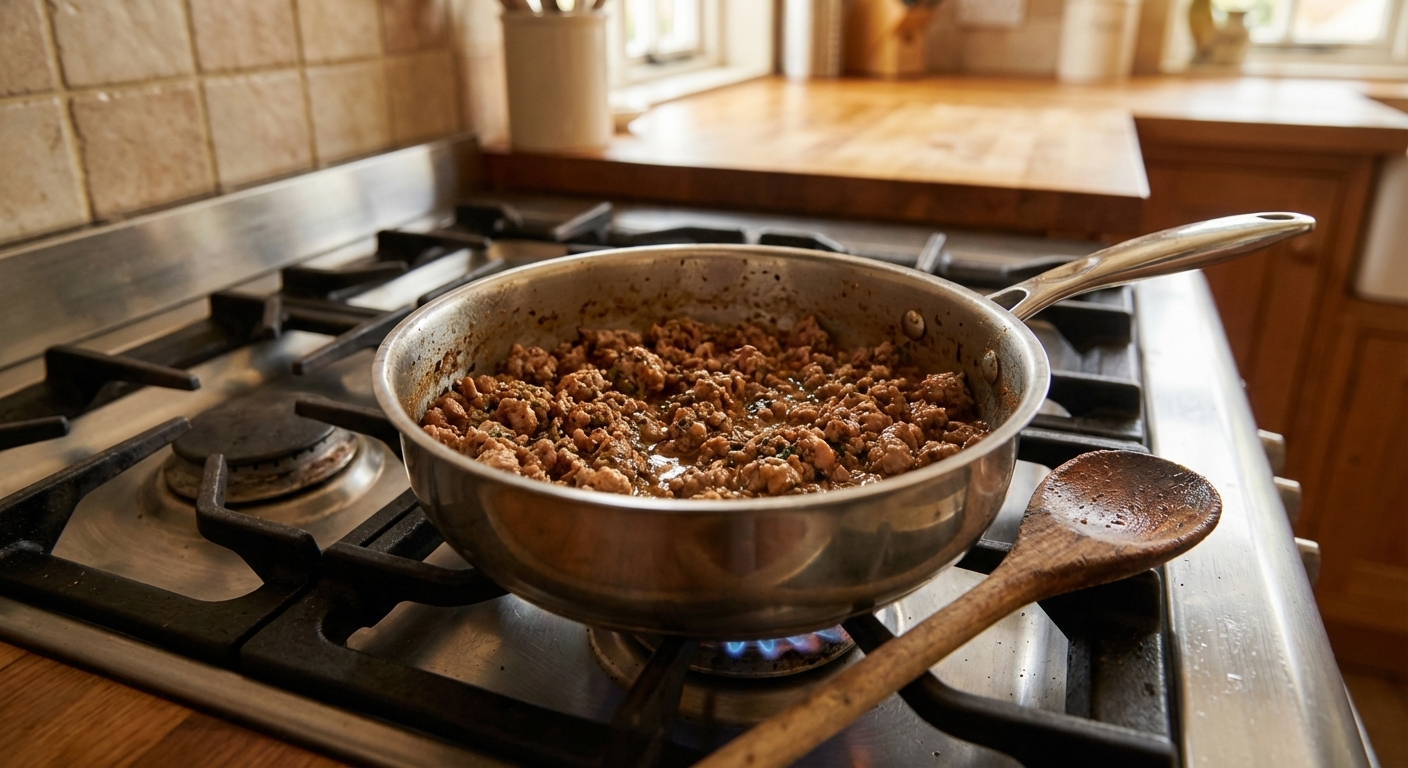
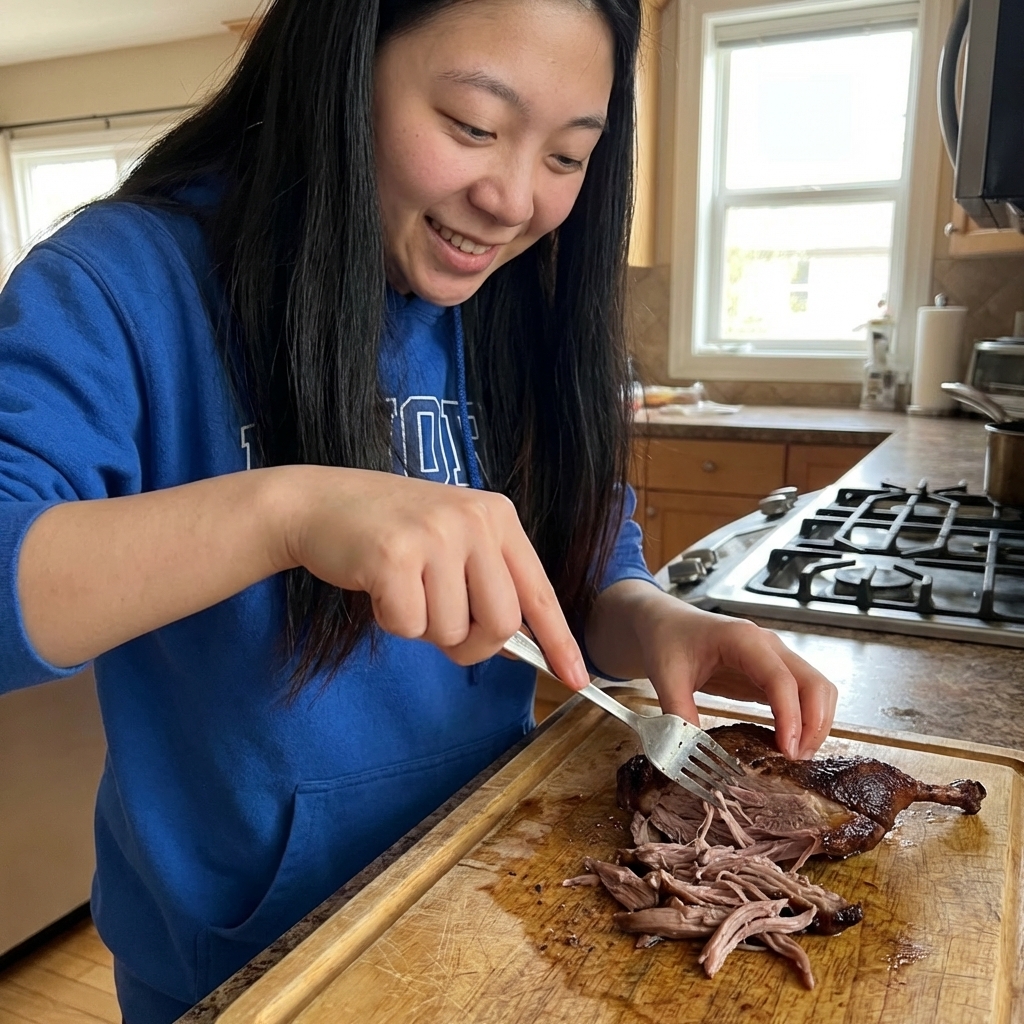
How to make: Poach or bake duck until fully cooked, then remove skin and visible fat. Blend with warm water into a smooth pate. Mix in a tiny amount of cooked egg yolk only if tolerated.
Why it can fit some IBD cats: limited ingredients, easy-to-chew texture, and many cats accept it well.
Recipe 3: Rabbit with tiny pumpkin
IBD is not one-size-fits-all. A very small amount of soluble fiber helps some cats, especially if stool is watery. The key is micro-dose, not a scoop.
- Protein: cooked rabbit (boneless)
- Fiber add-in: plain canned pumpkin (not pie filling)
- Liquid: water or plain meat cooking water
Baseline proportions:
- Aim for 95 percent rabbit and 5 percent pumpkin by weight at most.
- Per meal, start with 1/4 teaspoon pumpkin for an average adult cat. Do not exceed 1/2 teaspoon per meal unless your vet directs you.
How to make: Mix cooked rabbit with a splash of warm water. Stir in the measured pumpkin until evenly distributed.
Why it can fit some IBD cats: still a minimal-ingredient option with a controlled amount of soluble fiber.
Recipe 4: Duck with tapioca (vet-directed)
If your veterinarian suggests a carbohydrate during a flare and your cat does not tolerate rice, tapioca can be an option in some elimination plans. It is not required for most cats and should stay modest. Prioritize the duck.
- Protein: cooked duck (boneless, skin removed)
- Optional carb: cooked tapioca pearls fully softened, then mashed smooth
- Liquid: warm water to reach a soft texture
Baseline proportions:
- Start with 9 parts duck to 1 part mashed tapioca by weight.
- Keep tapioca at 10 percent or less of the meal by weight unless your vet gives a different target.
How to make: Cook tapioca until very soft and translucent, then mash until no chewy bits remain. Mix with finely chopped or blended cooked duck and warm water to make a smooth mash.
Why it can fit some IBD cats: limited ingredients, gentle texture, easy to portion for a trial.
Balance reminder: For any recipe you feed beyond a brief trial, ask your vet about a feline vitamin and mineral plan, especially taurine and calcium-phosphorus balance.
Elimination diet steps
Elimination diets are one of the most useful tools we have for food-responsive GI disease. The idea is simple: choose a protein your cat has never eaten before, keep ingredients minimal, and watch symptoms. The hard part is being strict.
Step 1: Pick the trial protein
Choose a true novel protein your cat has not eaten in kibble, treats, or flavored medications. Common options include rabbit or duck (and sometimes venison or kangaroo). Your veterinarian may recommend a prescription hydrolyzed diet instead, which is first-line for many cats and can be easier to keep consistent.
Step 2: Choose one recipe and commit
Feed one recipe and do not rotate proteins during the trial. Rotations can be great later, but during an elimination trial they make results hard to interpret.
Step 3: No extras
- No treats, lickable tubes, table food, or flavored toothpastes
- Watch flavored meds and supplements (ask your vet or pharmacist)
- If you need treats, use tiny pieces of the same trial meat only
- Prevent cross-contamination in the kitchen (separate cutting boards, wash hands, store clearly)
Step 4: Give it time
Many vets recommend a strict trial of 6 to 12 weeks. Some cats improve sooner, but your veterinarian may want a longer window to be confident.
Step 5: Track the right signals
- Vomiting frequency
- Stool score (simple 1 to 5 scale works: 1 very hard, 3 formed, 5 watery)
- Mucus or blood
- Appetite and energy
- Weekly weight checks
If your cat worsens significantly, stop and call your veterinarian. Dehydration and weight loss can happen quickly in cats.
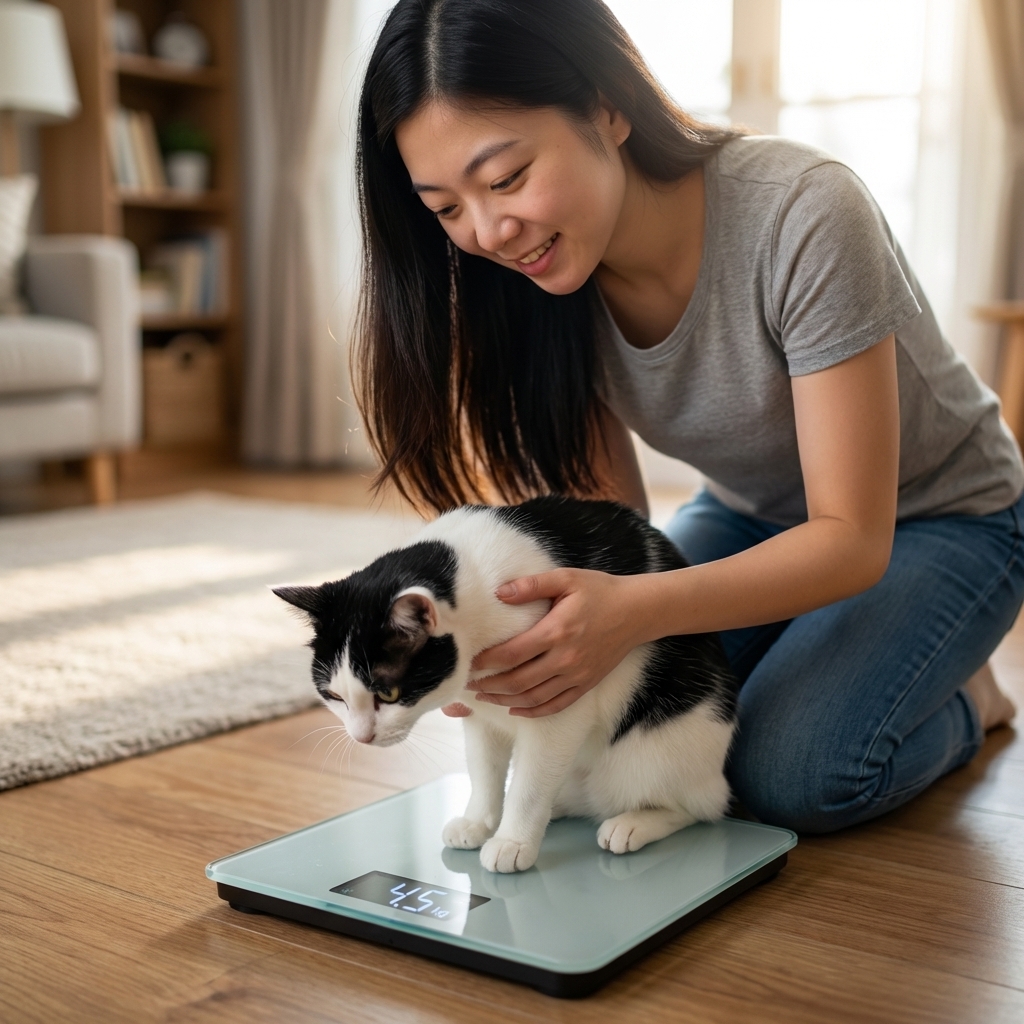
Portions and hydration
How much to feed
Calorie needs vary by size, age, activity, and whether your cat is losing weight. Your veterinarian can calculate a target calorie intake and a safe rate of weight gain if needed. If weight loss is part of the picture, do not guess for long. Get a plan.
Transition tips
- Start with 10 to 25 percent new food mixed into the current food
- Increase every 3 to 5 days if stool stays stable
- During flares, many cats do better with smaller, more frequent meals
Hydration helps
IBD cats can get dehydrated fast, especially with diarrhea. Adding warm water to meals can support hydration and also improves aroma. If your cat will not drink, talk with your vet about strategies (including wet food targets and, in some cases, subcutaneous fluids).
If your cat refuses the novel protein
If your cat refuses the trial food, do not try to “wait it out.” Call your veterinarian promptly. In cats, not eating can become dangerous quickly, and your vet can help you pivot to a different novel protein, a hydrolyzed canned option, or short-term nausea and appetite support.
When homemade is not the right tool
Homemade food may not be appropriate if your cat has:
- Severe weight loss or muscle wasting
- Concurrent pancreatitis that needs a specific fat target
- Kidney disease requiring controlled phosphorus
- Repeated dehydration episodes
- Uncontrolled diabetes or other complex conditions
In those cases, a veterinary therapeutic diet or a nutritionist-formulated recipe is often the safest path.
Call your vet now
- Not eating for 24 hours (or eating dramatically less). Cats are at risk for hepatic lipidosis when they stop eating, and it can become an emergency because the liver can begin accumulating fat in a way that quickly turns life-threatening.
- Repeated vomiting or inability to keep water down
- Blood in stool, black tarry stool, or severe lethargy
- Rapid weight loss
- Signs of dehydration (sticky or tacky gums, weakness)
IBD is treatable, and many cats do very well with the right combination of diet, targeted supplements, and medication when needed. The key is not to go it alone, especially when symptoms are active.
My gentle next step
If you are just starting, pick one novel protein and one simple template above, then talk with your veterinarian about whether a homemade elimination diet or a hydrolyzed prescription diet makes the most sense for your cat. Consistency is your best friend with GI disease. Keep ingredients minimal, keep notes, and give the plan enough time to show you a clear pattern.
With a steady plan and veterinary guidance, many cats become happier eaters with calmer stomachs.