Learn a vet-informed approach to homemade cat food: how to choose balanced recipes, use supplements, get calcium right, portion safely, transition slowly, an...
Article
•
Designer Mixes
Homemade Cat Food for Diabetic Cats: Low-Carb Recipes

Shari Shidate
Designer Mixes contributor
If your cat has diabetes, food can feel confusing fast. I see this a lot in veterinary settings. The encouraging news is that many diabetic cats do very well on a consistent, high-protein, low-carbohydrate approach because it can help reduce big post-meal blood sugar spikes and support steadier glucose control.
Homemade food can be a wonderful option when it is done safely and thoughtfully. Below, I will walk you through common macro targets, diabetic-friendly ingredients, what to avoid, portion guidance, and 4 simple low-carb recipes you can rotate.
How diet supports glucose control
Feline diabetes most often behaves similarly to type 2 diabetes in people, with insulin resistance playing a major role. Cats are natural carnivores, and their bodies are built to run on protein and fat much more than carbohydrates.
- Lower carbs often means lower post-meal glucose spikes, which can reduce how hard the pancreas has to work.
- Higher protein helps maintain lean muscle mass, supports satiety, and can aid weight management.
- Consistency matters. Feeding similar calories and carbs at similar times each day helps many cats stabilize.
Important: If your cat is already on insulin, switching to low-carb food can reduce insulin needs quickly. Work with your veterinarian so you can monitor glucose and adjust insulin safely.
Macro targets
Many clinicians aiming to support diabetic cats through nutrition target a pattern like this on a dry matter basis:
- Protein: about 40% to 60%
- Carbohydrates: under 10% ideally
- Fat: 20% to 40% often, adjusted for weight goals and tolerance
Targets can vary based on your cat’s goals and health history. For example, cats with kidney disease may need different protein and phosphorus management, and cats with a history of pancreatitis may do better with careful fat selection. Your veterinarian can help you choose a plan that fits the whole cat, not just the glucose number.
Homemade diets can easily be low-carb, but they can also become unbalanced if they are only meat. Cats need specific nutrients that are not optional, including taurine, calcium, and certain B vitamins. If you plan to feed homemade long-term, ask your veterinarian about a complete feline vitamin and mineral mix (formulated for homemade cat diets) or a recipe created by a board-certified veterinary nutritionist.
Safe low-carb ingredients
Best proteins
- Chicken thigh or breast
- Turkey (dark meat is often more palatable)
- Lean beef
- Pork loin (in moderation)
- Sardines in water (small amounts for flavor and omega-3s)
Low-carb add-ins (small amounts)
- Egg (cooked) for highly digestible protein
- Cooked pumpkin (tiny amounts) if your cat needs help with stool consistency
- Cooked zucchini or green beans (very small amounts, optional)
- Fish oil (pet-safe) for omega-3 support
What to avoid
- Onion, garlic, chives (toxic to cats)
- Grapes and raisins (best avoided, risk in cats is not as well defined as in dogs)
- Xylitol (sweetener)
- High-carb fillers like rice, bread, pasta, corn, peas, potatoes, and most flours
- Seasonings like salt blends, spicy rubs, and sauces
- Raw diets unless directly supervised by your veterinarian due to bacterial and parasite risk, especially in multi-pet or immunocompromised households
- Cooked bones (splinter risk and can cause intestinal injury)
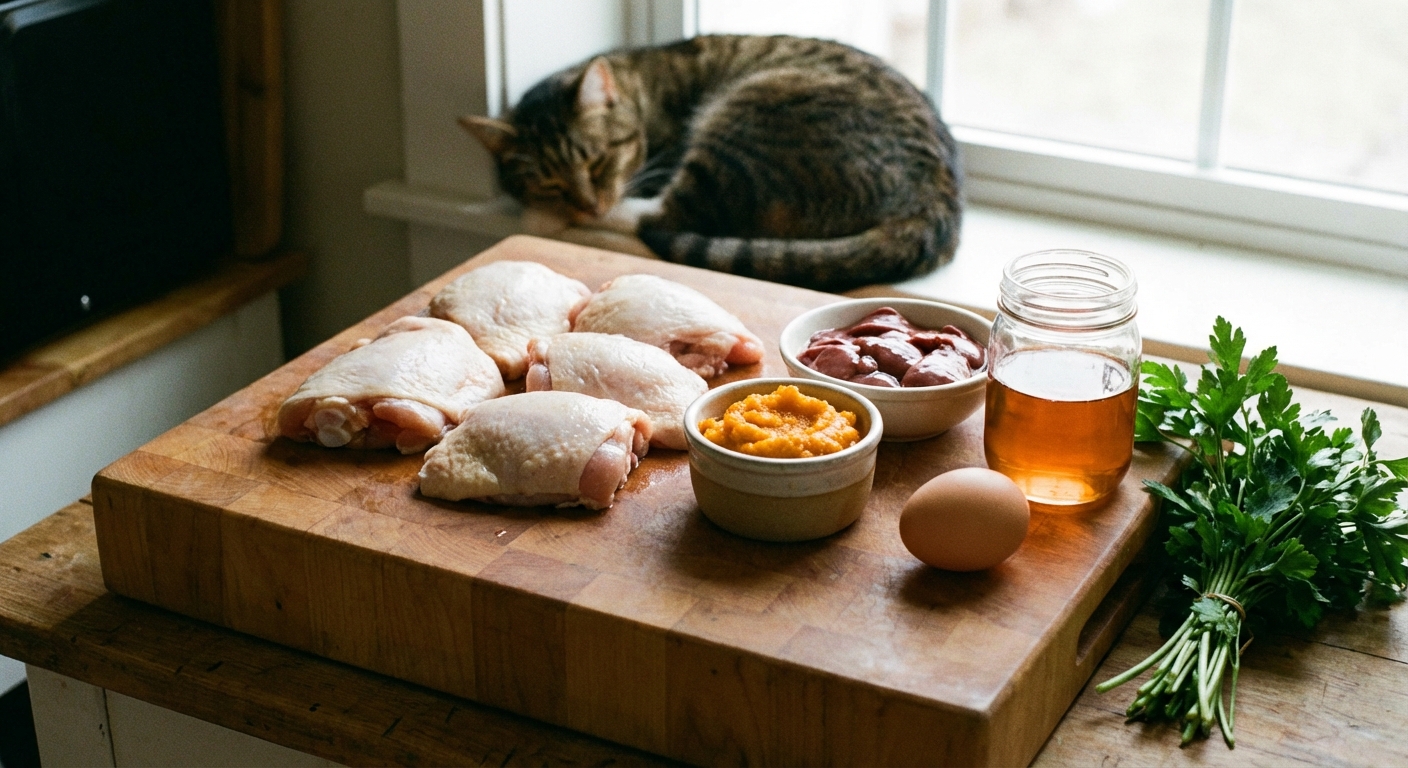
Portions and schedule
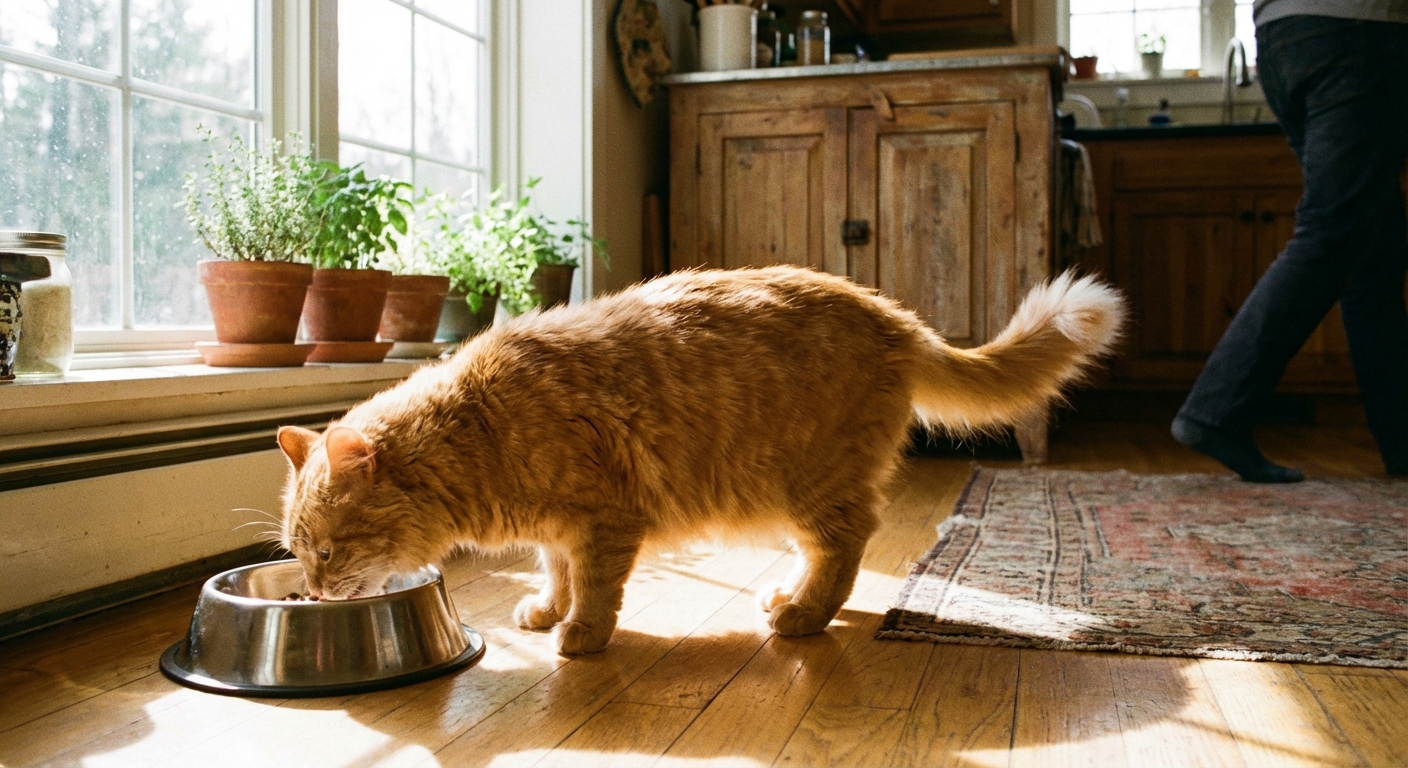
Diabetic cats tend to do best with predictable meals. Your veterinarian may recommend timed meals that line up with insulin dosing, or a structured multiple-meal schedule. Some cats do fine with several small meals across the day, while others benefit from more defined meal times. The best plan depends on the insulin type and your cat’s response, so follow your vet’s guidance.
How much to feed
Calories depend on your cat’s current weight, goal weight, activity, and whether weight loss is needed. As a starting estimate for many indoor adult cats:
- Rough daily calories: about 20 to 30 calories per pound of ideal body weight per day
- Split into 2 to 4 meals (based on your vet’s insulin plan and your cat’s preferences)
This is only a starting range. Some cats need notably less or more. If weight loss is part of the plan, ask your veterinarian for a specific calorie target and a safe rate of loss.
Monitoring matters
- Weigh your cat weekly at first.
- Track thirst, urination, appetite, energy, and stool quality.
- If you home-test glucose, keep a simple log you can share with your vet.
Call your veterinarian promptly if you see sudden hunger or restlessness, weakness, wobbliness, tremors, unusual sleepiness, or seizures. Those can be signs of hypoglycemia, which is an emergency.
Low-carb homemade recipes
These recipes are designed to be simple and low-carb, using gentle cooking methods and cat-safe ingredients.
Not complete as written: These recipes are not complete and balanced unless you add a veterinarian-recommended complete feline vitamin and mineral premix according to the label, or you use a recipe formulated specifically for your cat’s medical needs. As written, they are best used as short-term options, toppers, or rotation meals under veterinary guidance.
Calorie note: Any added oils or fats (including cooking oil, butter, drippings, fish oil, or extra skin-on meat) count toward your cat’s daily calories. If you add them for taste or extra energy, adjust portions accordingly and keep your vet in the loop, especially for weight loss plans.
Food safety note: Refrigerate promptly after cooking, discard food left out more than 1 to 2 hours, and reheat gently (or serve slightly warmed) to improve aroma. Store refrigerated portions up to 3 days unless your veterinarian advises otherwise.
Recipe 1: Turkey and egg skillet
Makes: about 3 to 4 cat-sized servings (depends on your cat and calorie needs)
- 1 pound ground turkey
- 1 large egg
- 1 to 2 teaspoons fish oil (optional)
- 2 tablespoons water or unsalted broth (no onion or garlic)
Steps:
- Cook turkey in a skillet over medium heat until fully cooked.
- Push turkey to the side, scramble the egg until fully cooked, then mix.
- Add water or broth for moisture.
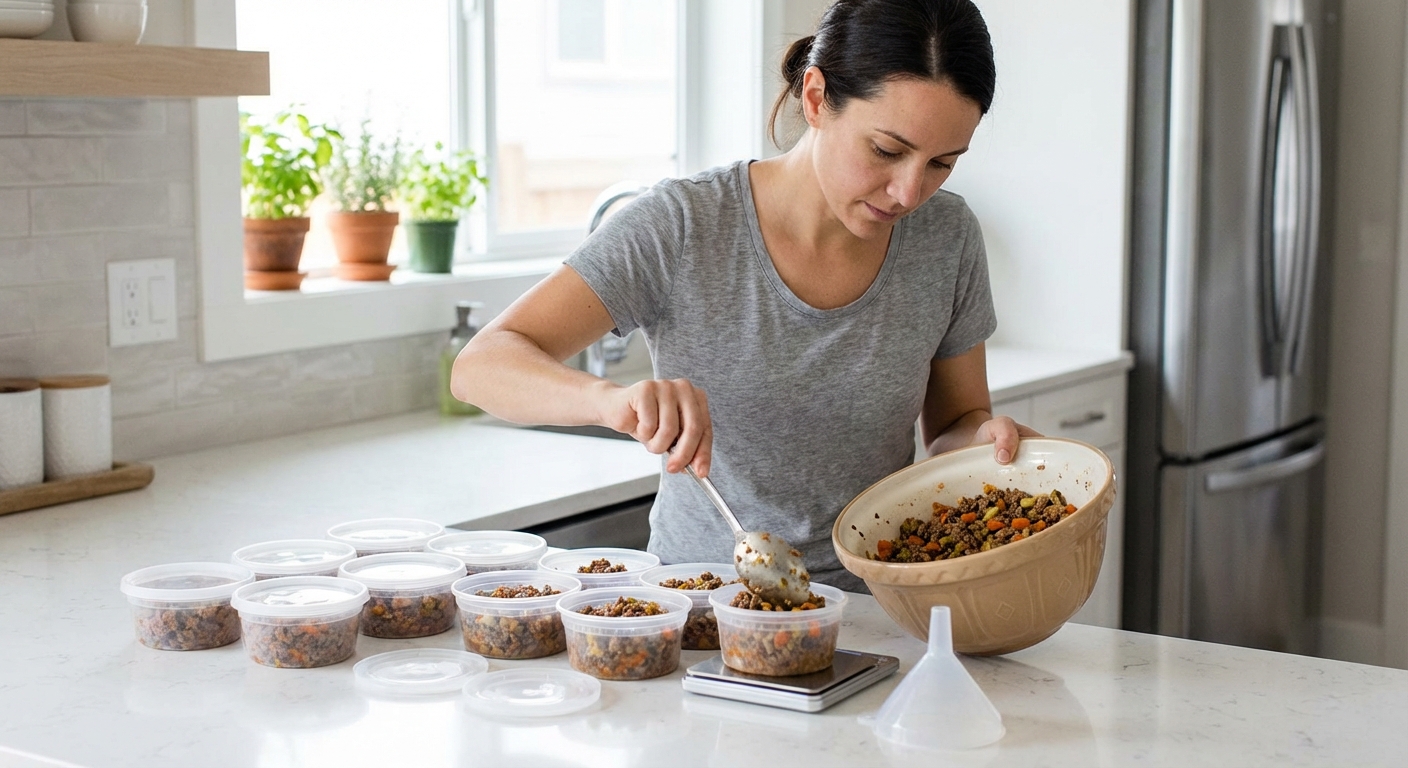
- Cool, portion, and refrigerate up to 3 days or freeze.
Recipe 2: Chicken and pumpkin bowl
Best for: cats that need a little stool support
- 1 pound boneless chicken thighs
- 1 to 2 tablespoons plain cooked pumpkin (not pie filling)
- 1 teaspoon fish oil (optional)
- Warm water as needed for texture
Steps:
- Bake or gently poach chicken until fully cooked.
- Chop finely or pulse in a food processor with a splash of warm water.
- Stir in pumpkin and fish oil after cooling.
Recipe 3: Beef and zucchini mince
Note: zucchini is optional and should be a small portion of the meal
- 1 pound lean ground beef
- 2 to 3 tablespoons finely chopped zucchini, cooked until soft
- 2 tablespoons water or unsalted broth (no onion or garlic)
Steps:
- Cook beef thoroughly and drain excess fat if your cat is prone to pancreatitis or digestive upset.
- Mix in the cooked zucchini and broth for moisture.
- Cool, portion, and store safely.
Recipe 4: Sardine topper plate
Best for: picky eaters who need extra encouragement to eat
- 3 to 4 ounces cooked chicken or turkey (finely chopped)
- 1 to 2 teaspoons sardines in water (mashed)
- Warm water to make a soft pate texture
Steps:
- Mix the cooked meat with warm water to create a softer texture.
- Stir in mashed sardines as a topper.
- Serve immediately and refrigerate leftovers.
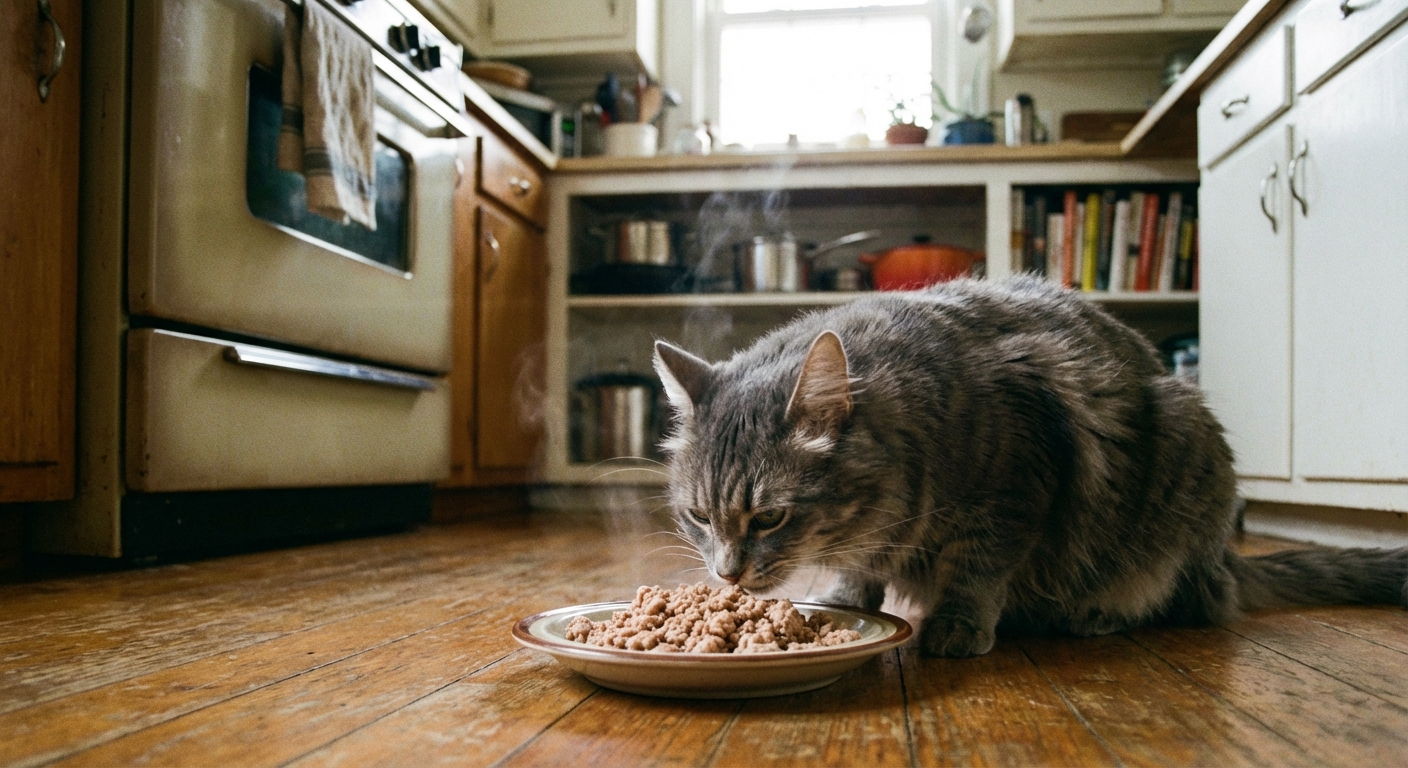
Texture tip: Many diabetic cats do well with a moist, pate-like consistency. Adding warm water can improve hydration and palatability without adding carbs.
Switching foods safely
Transition slowly to protect your cat’s stomach, but transition with medical awareness because glucose can change quickly on a low-carb diet.
- Days 1 to 3: 25% new, 75% current
- Days 4 to 6: 50% new, 50% current
- Days 7 to 9: 75% new, 25% current
- Days 10 to 14: 100% new
If your cat is on insulin, ask your veterinarian how often to check glucose during the transition and when to adjust dosing.
FAQs
Can a low-carb diet reverse diabetes in cats?
Some cats achieve diabetic remission, especially with early diagnosis, appropriate insulin, weight management if needed, and a consistent low-carb diet. Not every cat will go into remission, but nutrition often improves glycemic control and may reduce insulin requirements over time.
Should I feed raw to keep carbs low?
Raw is not required for low-carb. Lightly cooked, balanced recipes are often a safer starting point for households and still support excellent glucose management.
Do I really need supplements?
If homemade is a long-term plan, yes. Most cats need supplementation to meet requirements for taurine, calcium, and trace nutrients. A complete feline supplement designed for homemade diets is the simplest way to close those gaps.
Bottom line
For many diabetic cats, a high-protein, low-carb diet can be a game-changer. Homemade meals can absolutely fit into that plan when they are balanced, consistent, and vet-supervised. Start simple, monitor closely, and do not be shy about asking your veterinarian for help dialing in portions and insulin as your cat’s needs change.