Picky cat refusing meals? Try this vet-approved warm shredded chicken and broth topper. Learn the simple recipe, how to use it safely, and when appetite chan...
Article
•
Designer Mixes
Homemade Cat Food for Cats With Cancer

Shari Shidate
Designer Mixes contributor
If your cat has cancer, feeding them can suddenly feel like the hardest part of the day. Appetite changes, nausea, mouth soreness, and weight loss can turn even a favorite food into a struggle. I am Shari Shidate, a veterinary assistant from Frisco, Texas. While I am not a veterinarian, I have seen how much thoughtful nutrition support can help families feel less helpless. I want to reassure you of something important: you can make supportive, nourishing homemade meals without having to be perfect on day one.
Homemade food is not a replacement for veterinary cancer care. But when it is done safely and thoughtfully, it can help you deliver high-quality protein, maintain calories, and improve comfort and enjoyment around meals. The key is working with your veterinarian or a board-certified veterinary nutritionist to keep meals balanced and appropriate for your cat’s specific diagnosis, treatment plan, and lab work.
Safety first (and why balance matters)
Cats have very specific nutrient requirements. When we change a diet in a medical situation, we want to support the body, not create new problems. Cancer treatment can also affect the liver, kidneys, pancreas, and GI tract, which changes what is safest.
Ask your vet
- Does my cat have any kidney, liver, or pancreas concerns that change protein or fat targets?
- Is weight loss a major issue right now?
- Are you aiming for lower carbohydrates in my cat’s specific case (for example, if diabetes is present), or is that not a priority?
- Is my cat neutropenic or immunocompromised from chemo, meaning we should avoid raw foods?
- What supplements are appropriate with the medications my cat is taking?
- Can you refer me to a veterinary nutritionist to formulate a complete recipe?
Important: Avoid raw meat, raw eggs, and unpasteurized dairy for cats on chemotherapy or steroids unless your oncologist explicitly approves. Foodborne bacteria risk is not worth it when immunity is lowered.
Nutrition goals
There is no single “cancer diet” that fits every cat. In practice, many supportive plans focus on protecting muscle, keeping calories up, and making meals easier to eat. Your cat’s diagnosis, medications, and lab work should guide the details.
1) Protein to protect muscle
Cats are obligate carnivores. They generally do best with animal-based protein as the foundation of the meal. Muscle loss is common with cancer, so we prioritize highly digestible, complete proteins.
- Good options: cooked chicken thigh, turkey, lean beef, pork, sardines in water (as a topper), eggs (fully cooked), and organ meats in small amounts.
- Texture matters: many cats in treatment prefer finely chopped, shredded, or blended foods with extra moisture.
2) Fat for calories (with caution)
Fat is calorie-dense, which can help when your cat will only eat small portions. Higher-fat foods can be more appealing. The “right” fat level depends on GI tolerance and any history of pancreatitis.
- Calorie boosters to discuss with your vet: measured fish oil as approved, a small amount of the skimmed cooking fat from meat, or a veterinary recovery diet when you need a reliable, higher-calorie option.
- Use extra caution with: chicken skin drippings or very fatty add-ins. Even small amounts can trigger vomiting or diarrhea in sensitive cats. If your vet approves, keep it truly measured and increase slowly.
- Watch for: vomiting, greasy stools, diarrhea, or abdominal pain, which can signal poor fat tolerance.
- Dairy note: butter and other dairy can cause diarrhea in some cats. If you try any dairy at all, keep it minimal and stop if stools loosen.
3) Carbs: individual
Most cats do not need much starch. Some clinicians aim for lower carbohydrates in certain situations, especially if diabetes is also present. For many cats with cancer, the bigger priorities are overall calories, digestibility, and maintaining lean muscle. If your cat needs extra calories and tolerates some carbs, small amounts of easy-to-digest options can be used, but protein remains the priority.
- If needed: small portions of pumpkin, well-cooked sweet potato, or a little white rice can help some cats with stool quality and calorie intake.
4) Moisture
Hydration supports kidney function and overall comfort, and it can help cats eat more. Think “stew” consistency.
- Add warm water, unsalted broth, or the cooking juices from meat (no onion or garlic).
Quick guideline: Unless your veterinary team says otherwise, toppers and “extras” should stay a small part of the overall diet (often under about 10 percent of daily calories) so they do not crowd out balanced nutrition.
Omega-3s (EPA and DHA)
Omega-3 fatty acids, especially EPA and DHA from marine sources, are commonly discussed in supportive cancer nutrition for pets. They may help with inflammation and can be useful for some cats experiencing weight and muscle loss.
Sources
- Fish oil (salmon, anchovy, sardine based): use a reputable brand with quality testing. Dosing varies widely, so confirm the amount with your veterinarian.
- Sardines: tiny amounts of sardine in water (not oil, no salt added) can tempt picky eaters. Think “flavor topper,” not the main protein.
- Prescription omega-3 products: your veterinary team may prefer these for purity and consistent dosing.
Important: Too much fish oil can cause GI upset, add excessive calories, and affect blood clotting in some situations. Always clear omega-3 use with your vet, especially before surgery.
Calories when weight is dropping
In cancer care, keeping calories up is often a top priority. If your cat is losing weight, the goal is usually to increase intake without increasing meal stress.
Small changes
- Small, frequent meals: 4 to 6 mini-meals can be easier than 2 large meals.
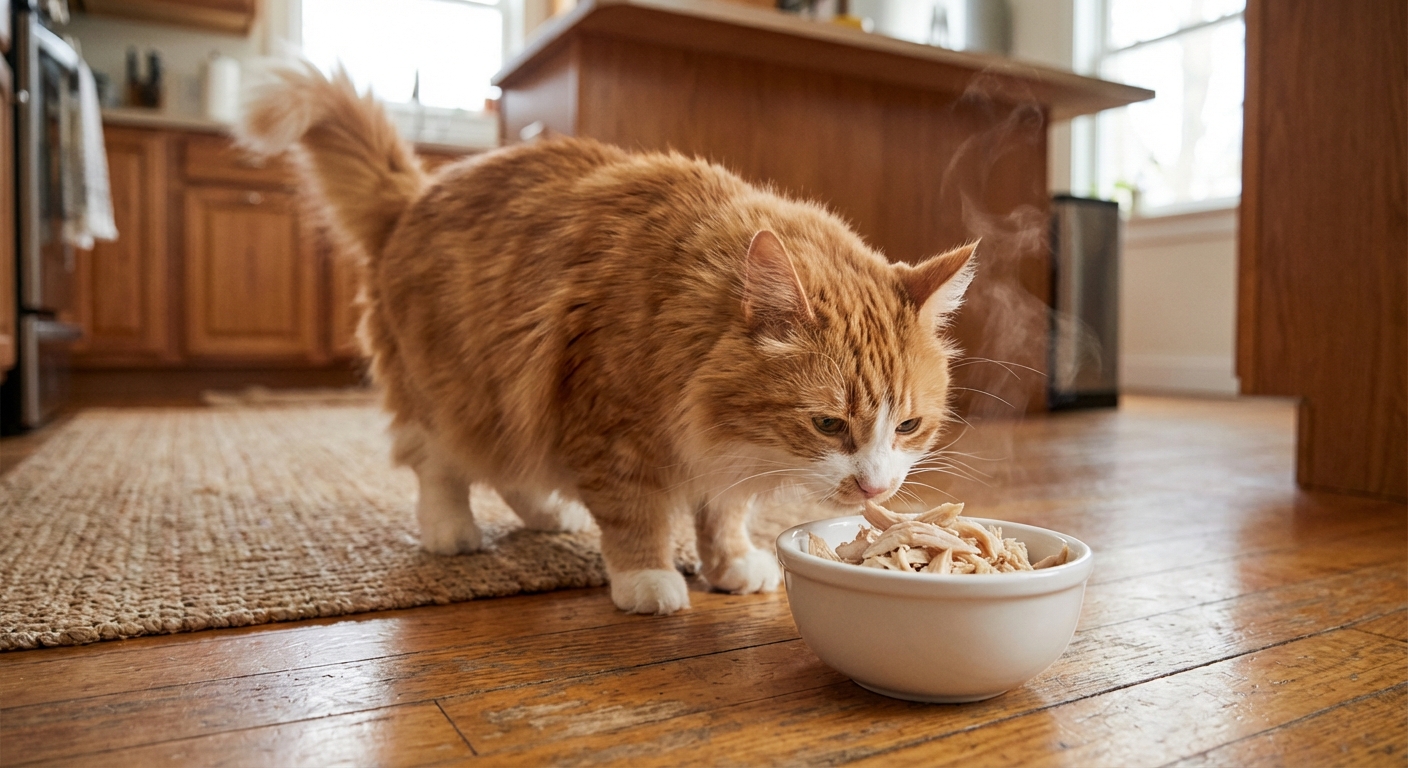
- Warm the food slightly: warming increases aroma. Aim for slightly warm, around body temperature, not hot. If you use a microwave, stir thoroughly and test the temperature with your finger to avoid hot spots that can burn the mouth.
- Increase moisture: a soft slurry is often easier to lap than to chew.
- Add calories slowly: increase fat or oils in tiny, measured steps and watch stools.
- Use toppers: a sprinkle of freeze-dried meat powder or a teaspoon of meat cooking juices can improve interest.
Ask about appetite support
If appetite is the main barrier, nutrition alone may not fix it. Many cats do better with anti-nausea medication, pain control, and appetite stimulants prescribed by the oncology team.
Chemo food aversions
Some cats develop “associative nausea,” meaning they start refusing a food they ate right before feeling sick. If your cat is having a rough day after treatment, it can help to:
- Offer a more “neutral” food around treatment days and save favorite foods for better days.
- Rotate proteins or textures so one food does not become the “sick day” food.
- Ask your vet about timing meals around anti-nausea medication.
Supplements to discuss
Supplements can be helpful, but in cancer patients they can also interfere with medications or worsen GI side effects. Bring every product to your vet for review, including “natural” powders and treats.
Common options
- Omega-3 (EPA/DHA): for supportive inflammation management and calorie support in some cases.
- Probiotics: may help some cats with diarrhea or antibiotic-related GI upset. Choose veterinary-specific products.
- Vitamin B12 (cobalamin): sometimes used if there is GI disease or poor absorption. Typically given as injections or specific oral forms under vet guidance.
- Taurine: essential for cats. If you are feeding homemade long-term, taurine adequacy is non-negotiable and should be formulated correctly.
- Fiber support: small amounts of pumpkin or a vet-approved fiber supplement for constipation or diarrhea, depending on the situation.
Use caution
- High-dose antioxidants during chemo or radiation: some oncologists prefer avoiding certain antioxidant supplements at specific times. Always ask first.
- Herbal blends: many are not well-studied in cats and can interact with medications or affect the liver.
Ingredients to avoid
- Onion, garlic, chives, leeks: toxic to cats, including in broths and seasoning blends.
- Chocolate and caffeine: toxic to cats.
- Grapes and raisins: possible toxicity has been reported in pets, but evidence in cats is limited. Best avoided.
- Xylitol: dangerous in dogs. Toxicity in cats is less clear, but it is best avoided.
- Bones: avoid bones in general, especially for soft diets or medically fragile cats. Cooked bones can splinter, and even raw bones can cause dental fractures, choking, constipation, or GI blockage.
- Raw diets: higher bacterial and parasite risk, especially during chemo or steroid therapy.
- High-salt foods: deli meats, heavily salted broths, and salty cheeses may be inappropriate for cats with kidney disease, heart disease, or hypertension. Ask your vet.
Simple recipe frameworks
These are intentionally simple frameworks, not fully balanced long-term diets. They can work as short-term supportive meals, toppers, or transition foods while you and your veterinarian finalize a complete recipe. Unless your vet directs otherwise, do not use these frameworks as the only diet for more than a few days.
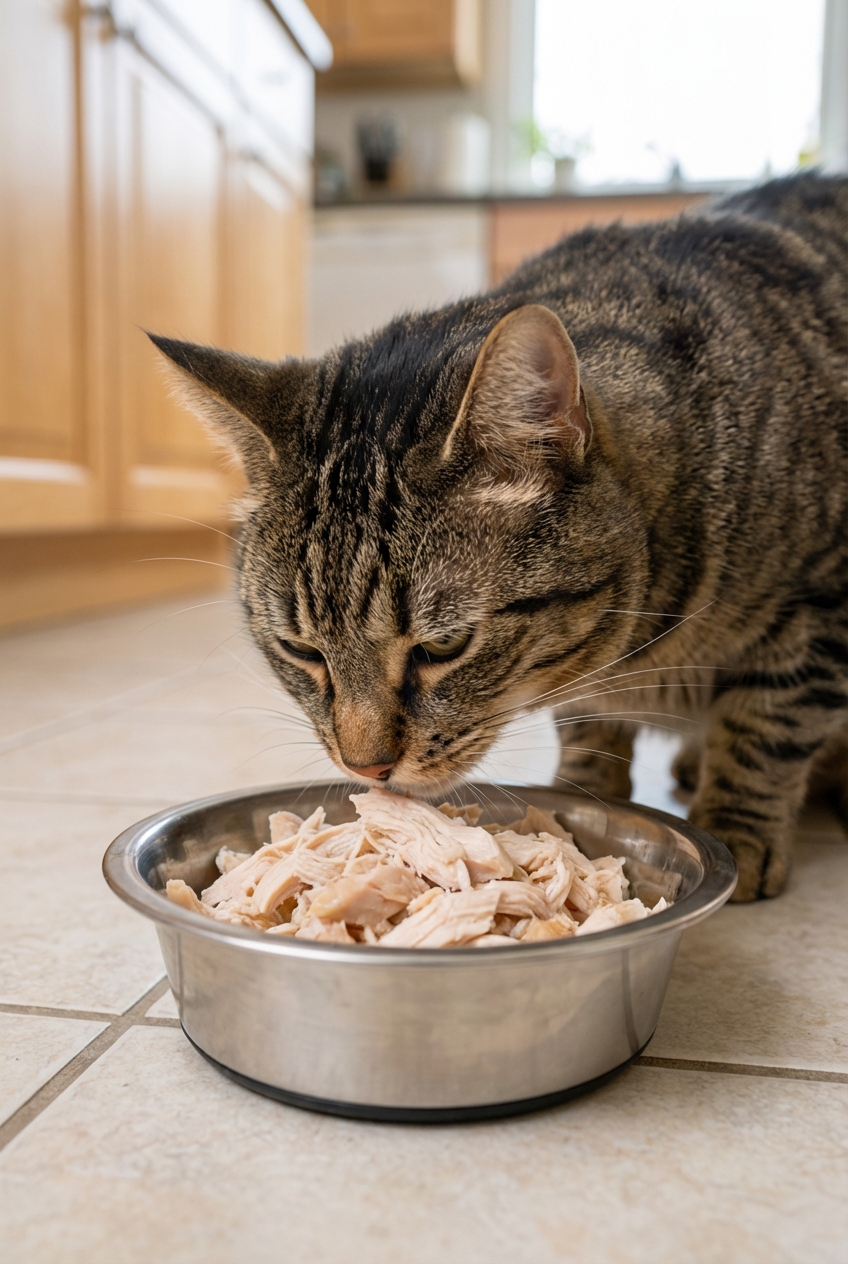
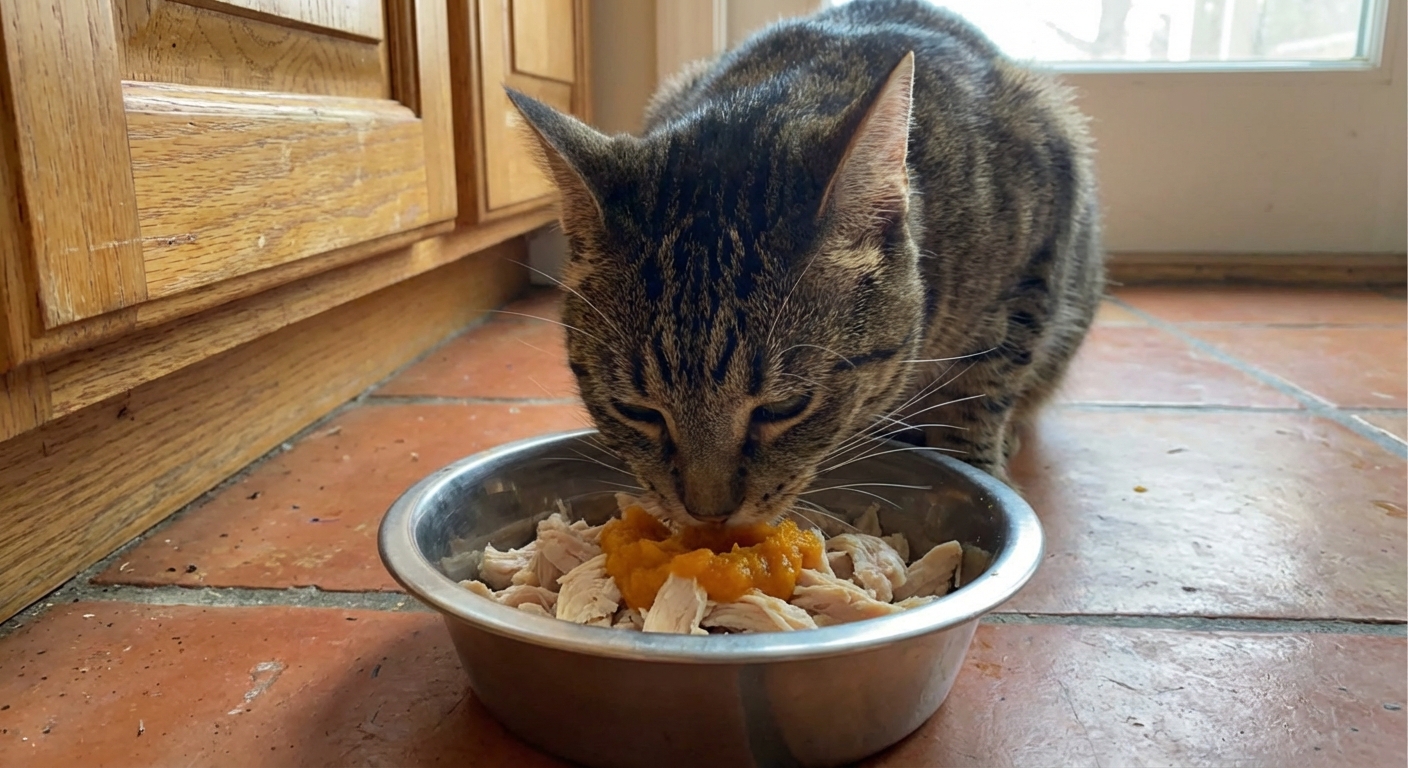
Framework 1: Shredded chicken stew
Best for: picky eaters, nausea days, cats that prefer soft textures.
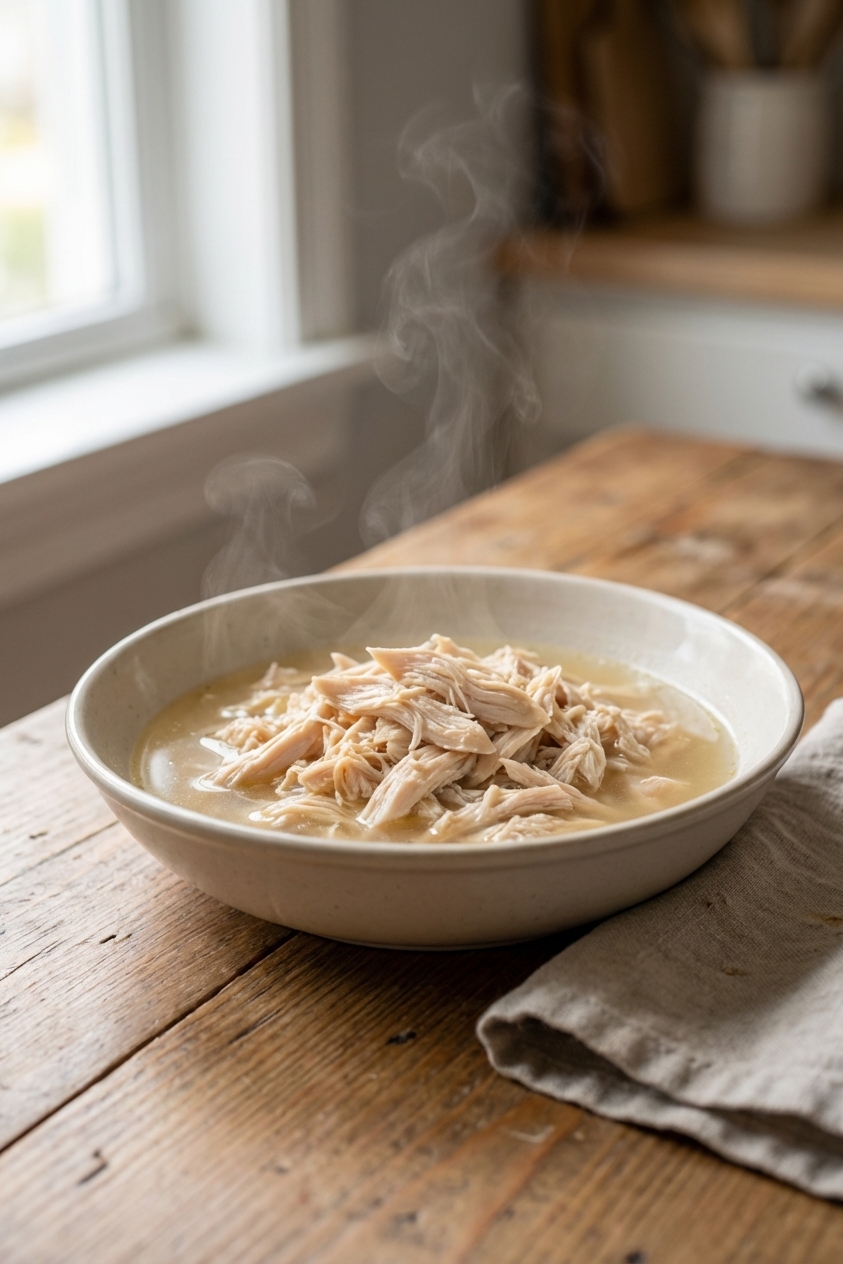
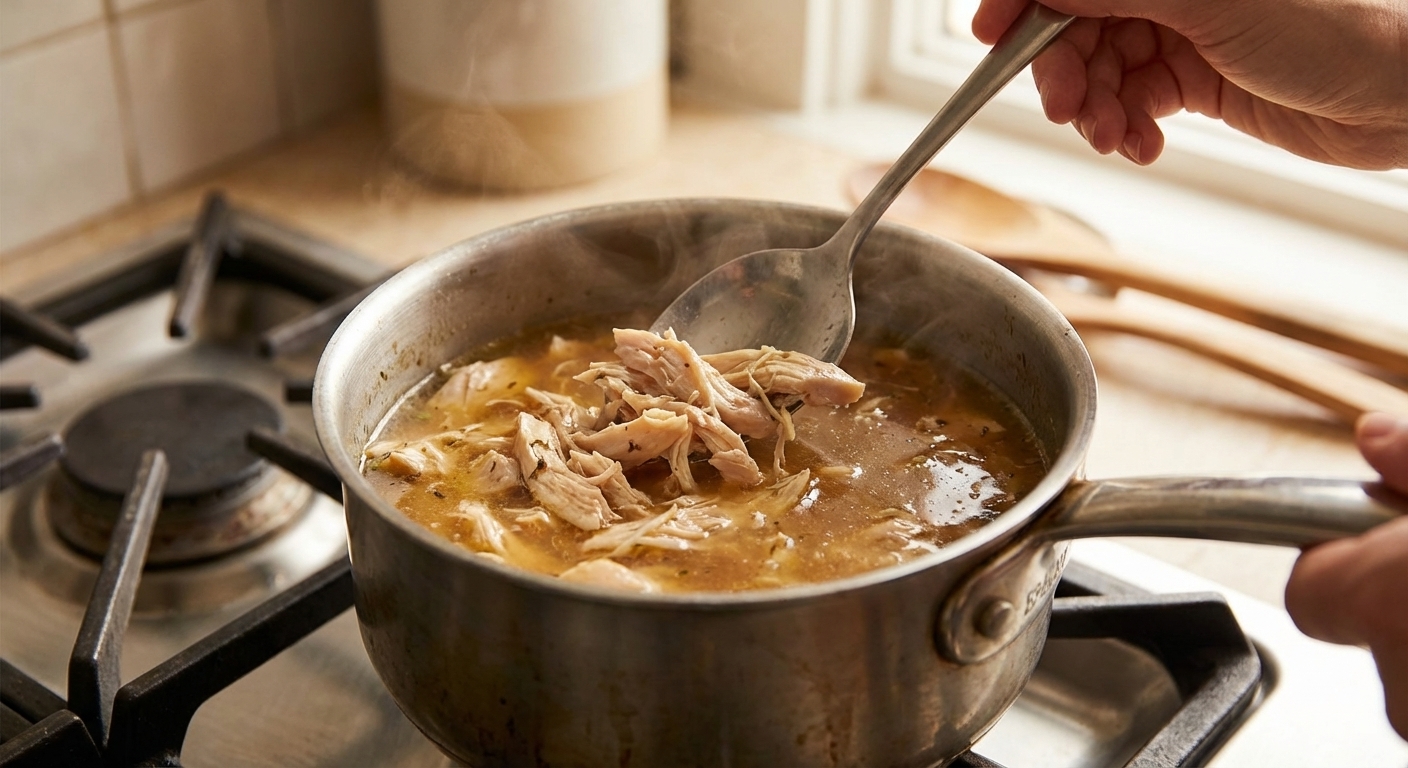
- Cooked chicken thigh or breast, finely shredded
- Warm water or unsalted chicken broth (no onion, no garlic)
- Optional: a small spoon of pumpkin for stool support
How to serve: mix to a spoonable stew consistency. Warm slightly before serving.
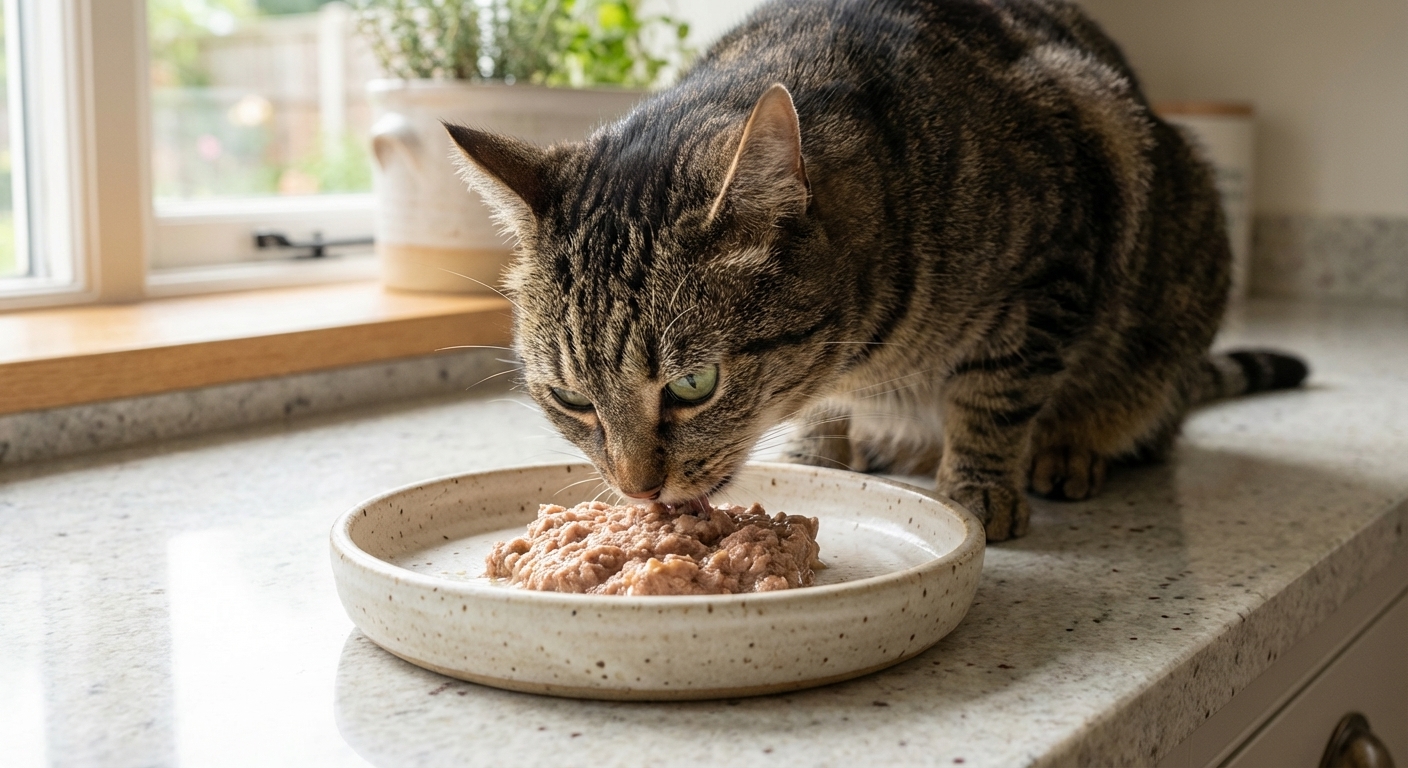
Framework 2: Turkey and egg mousse
Best for: cats with mouth soreness or cats that do better licking than chewing.
- Cooked ground turkey (drained if very fatty)
- Fully cooked egg (scrambled or hard-boiled)
- Warm water or broth to blend
How to serve: blend into a smooth mousse. Offer small amounts frequently.
Framework 3: Beef and organ micro-topper
Best for: cats who need extra palatability and micronutrient support, when approved by your vet.
- Cooked lean ground beef
- A very small amount of cooked liver (organ meat is potent)
- Water or broth to soften
How to serve: use as a topper over your cat’s regular food or a base protein. Keep liver minimal and infrequent unless your veterinary nutritionist formulates it.
Transition tips
Even when the ingredients are healthy, sudden change can cause diarrhea or refusal. For many cats in treatment, slow and steady works best.
- Start small: begin with 1 to 2 teaspoons mixed into the current food.
- Increase gradually: every 2 to 3 days, increase if stools stay normal.
- Keep notes: appetite, energy, vomiting, stool frequency, and any medication changes.
- Calories over perfection on hard days: if your cat will only eat one specific texture or protein today, that is information you can use tomorrow.
Food handling basics
Safe handling matters even more when your cat is immunocompromised.
- Refrigerate cooked food promptly and keep it covered.
- Serve only what your cat will eat in a short period, then discard leftovers from the bowl.
- Warm gently and stir well. Always check temperature before serving.
- Wash hands, utensils, and prep surfaces with hot soapy water after handling meat.
Making it complete
If homemade feeding becomes a longer-term plan, the most loving thing you can do is make it complete and balanced. That usually means a recipe designed for your cat’s weight, cancer type, lab values, and treatment plan. A veterinary nutritionist will often include a precise supplement mix for taurine, calcium, vitamins, and trace minerals.
A quick reminder: meat alone is not a complete diet for cats. Calcium and taurine are two of the most common gaps in “meat-only” home diets, and both matter for long-term health.
My favorite approach is to start with simple, soft, high-protein meals your cat will actually eat, then work with your veterinary team to make the recipe nutritionally complete for the long haul.
When to call the vet
Please contact your veterinary team right away if you notice any of the following during cancer treatment:
- Not eating for 24 hours (or significantly reduced intake for more than a day)
- Repeated vomiting or inability to keep water down
- Diarrhea that is watery, frequent, or contains blood
- Rapid weight loss, severe lethargy, or dehydration
- Signs of pain while eating (pawing at mouth, crying, dropping food)
You are doing a brave, caring thing by focusing on nutrition. With the right plan, homemade meals can be a comforting part of your cat’s support system during treatment.