Stop dog fleas quickly with a proven 3-part plan: treat your dog with safe, vet-recommended meds, deep-clean your home, and tackle the yard if needed—plus ...
Article
•
Designer Mixes
Home Remedies to Kill Fleas on Dogs

Shari Shidate
Designer Mixes contributor
If your dog is scratching like crazy, you are not imagining it. Fleas can turn a happy pup into a miserable one fast. As a veterinary assistant here in Frisco, Texas, I also want to be honest: the safest, most reliable way to kill fleas quickly is usually a veterinarian-recommended flea product. That said, there are several home-based steps that can absolutely help you reduce fleas, soothe your dog, and disrupt the flea life cycle, especially when you combine dog care with smart cleaning and prevention.
This article walks you through evidence-based home remedies, what actually helps, what is risky, and a few fun flea facts that make the whole problem easier to beat.
First, confirm it is fleas
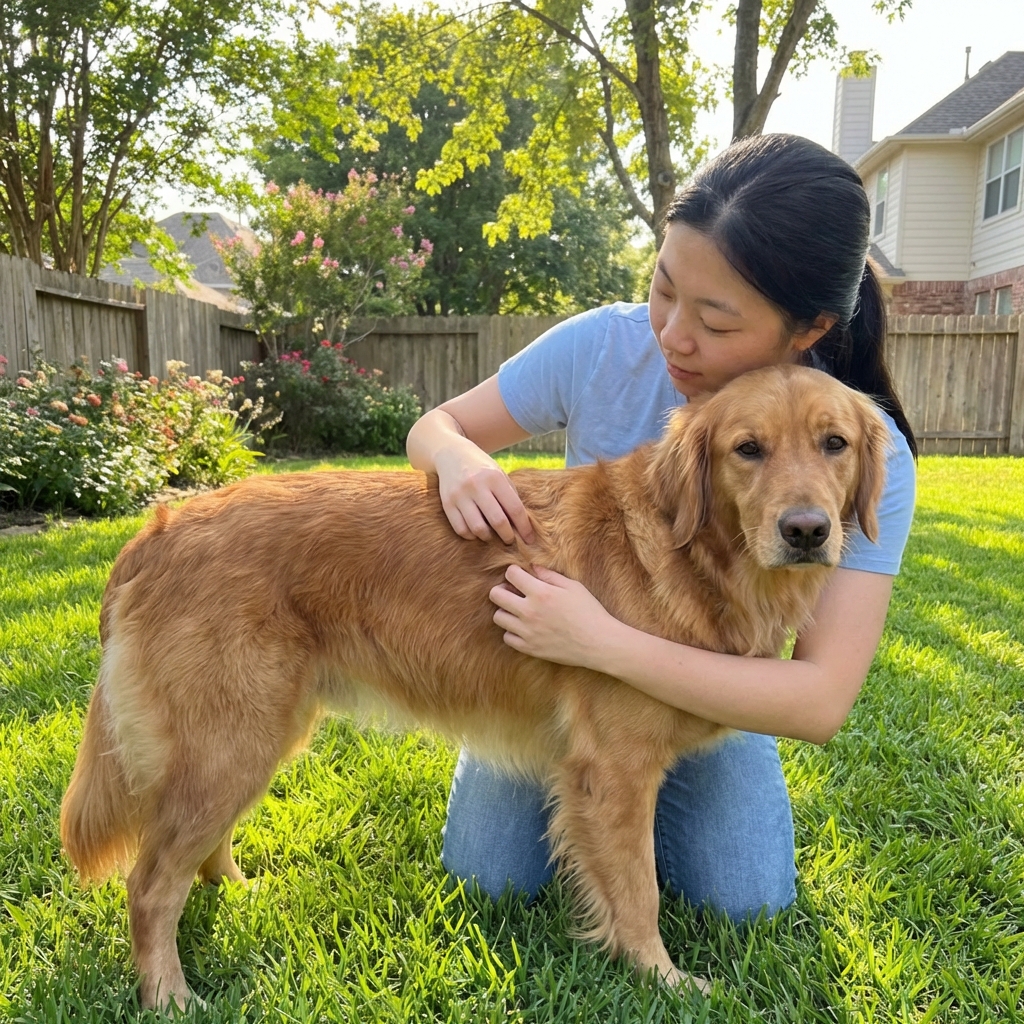
Before you treat, it helps to confirm what you are seeing. Fleas are not the only cause of itching.
- Look for flea dirt: Part the hair along the back and at the base of the tail. Flea dirt looks like black pepper.
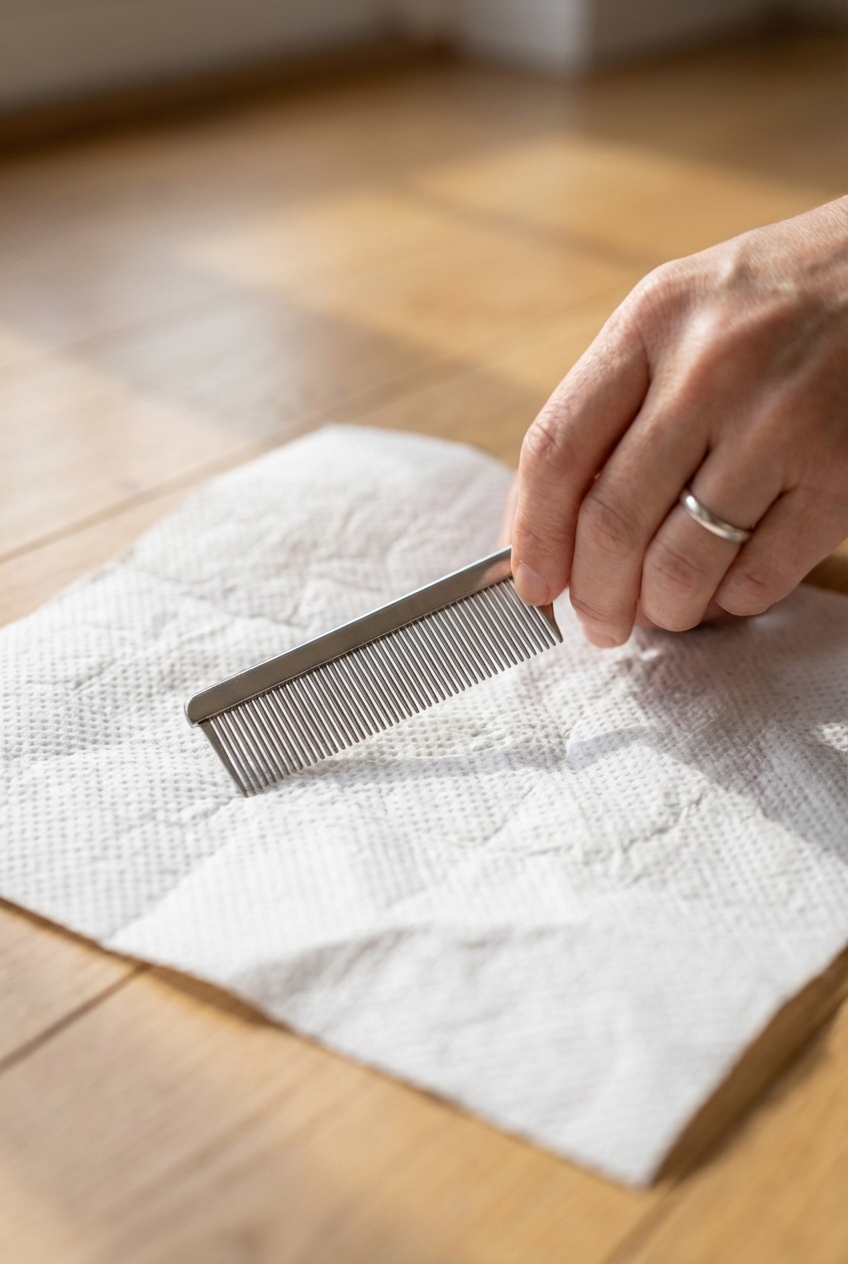
- Do the wet paper towel test: Put the specks on a damp white paper towel. If they smear reddish-brown, that is digested blood (flea dirt).
- Use a flea comb: Even if you do not see fleas, combing often finds them.
Know what you are up against
Fleas are tiny, but their life cycle is not. Adult fleas live on your dog, but most of the population is usually in your home as eggs, larvae, and pupae hiding in carpet, bedding, and cracks in flooring.
- Adult fleas bite and lay eggs on your dog.
- Eggs fall off into the environment (your house, car, yard).
- Larvae hatch and avoid light, burrowing into carpet and fabric.
- Pupae can wait for the right conditions, then hatch when they sense heat, vibration, and sometimes carbon dioxide.
Helpful mindset: treating your dog without treating the home is like bailing water without fixing the leak.
Quick safety checklist
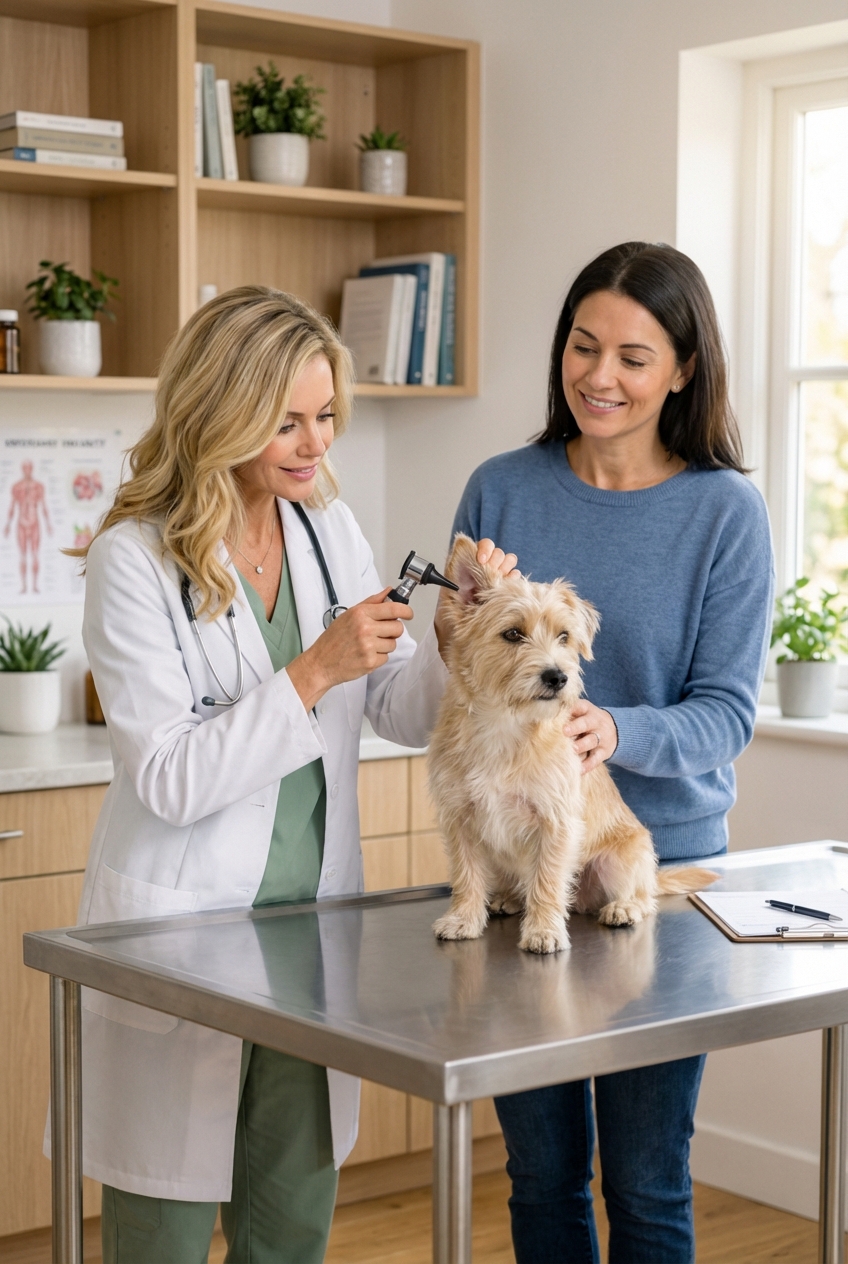
- Puppies, seniors, pregnant dogs, and dogs with medical issues should be treated with extra caution. Call your veterinarian first.
- If you have cats in the home, be extra careful. Several flea chemicals and many essential oils can be dangerous to cats. When in doubt, avoid scents and oils.
- Never use dog-only flea meds on cats and keep species-appropriate products stored separately.
- Seek veterinary help urgently if you see pale gums, weakness, rapid breathing, or lots of flea dirt across the coat, especially in small dogs or puppies. Flea anemia can happen.
- Treat every pet in the household with an appropriate product. If only one pet is treated, fleas often come right back.
Home steps that actually help
1) Flea combing
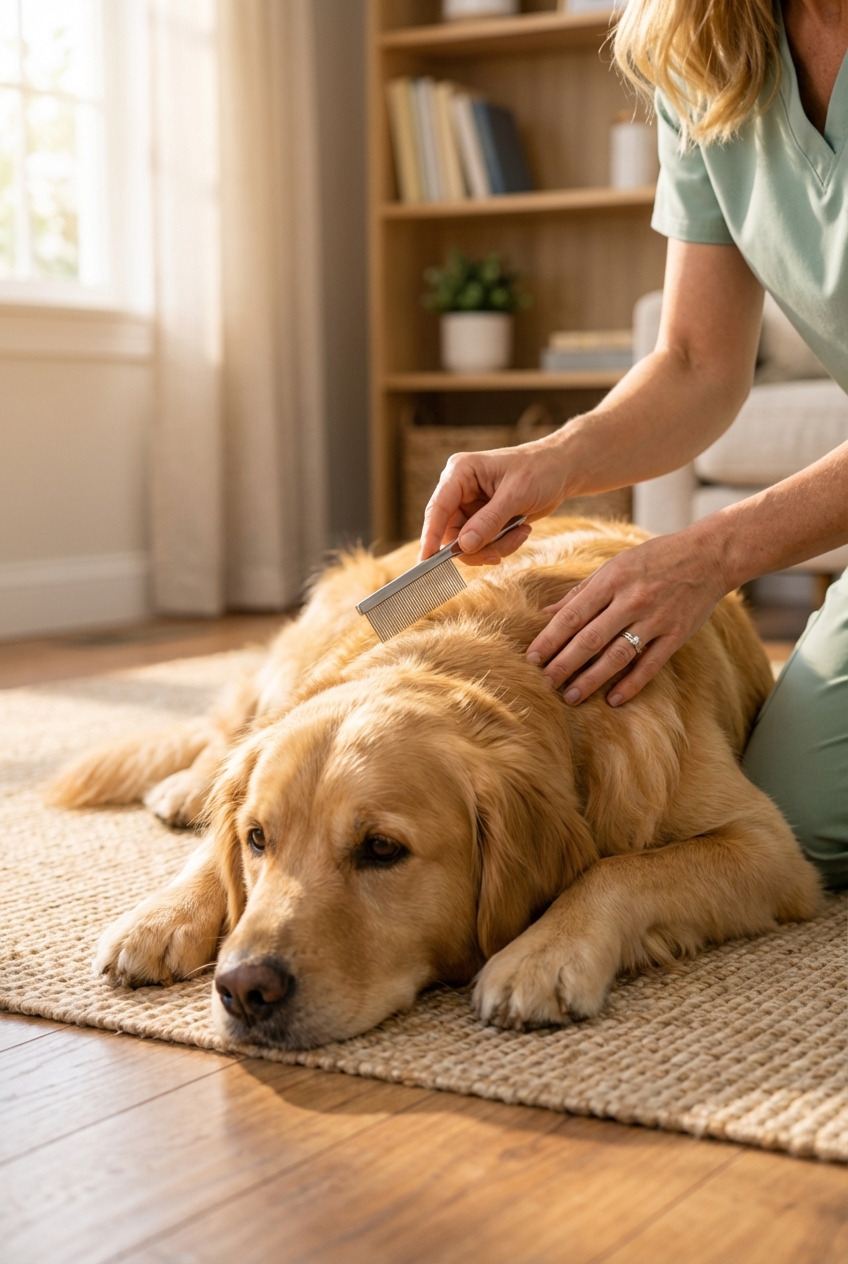
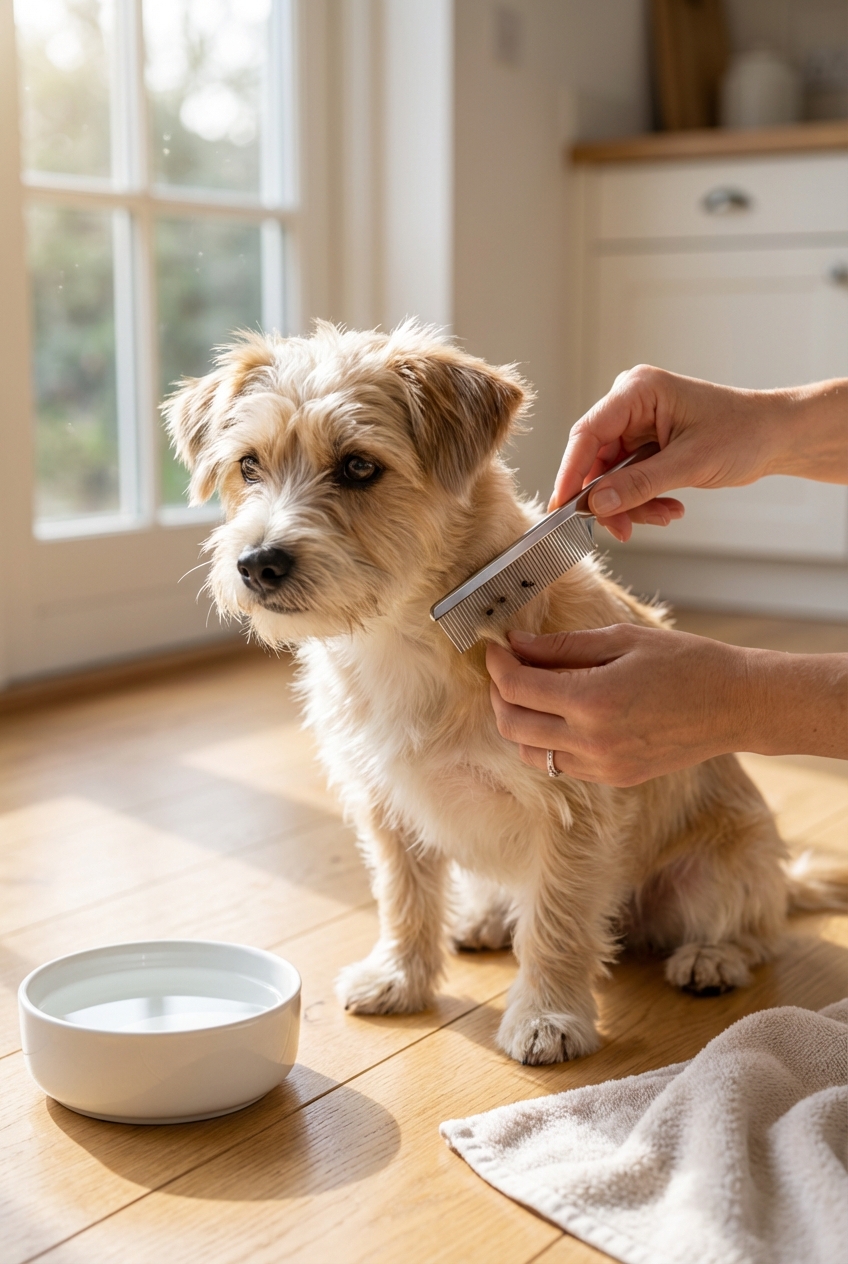
If I could pick one home tool to keep, it is a metal flea comb. This is one of the most dependable ways to physically remove adult fleas and flea dirt.
- Comb slowly from head to tail, paying attention to the neck, behind ears, armpits, and base of tail.
- Keep a bowl of warm water with a drop of dish soap nearby and dunk the comb often. The soap helps trap and drown fleas.
- Do this daily during an outbreak.
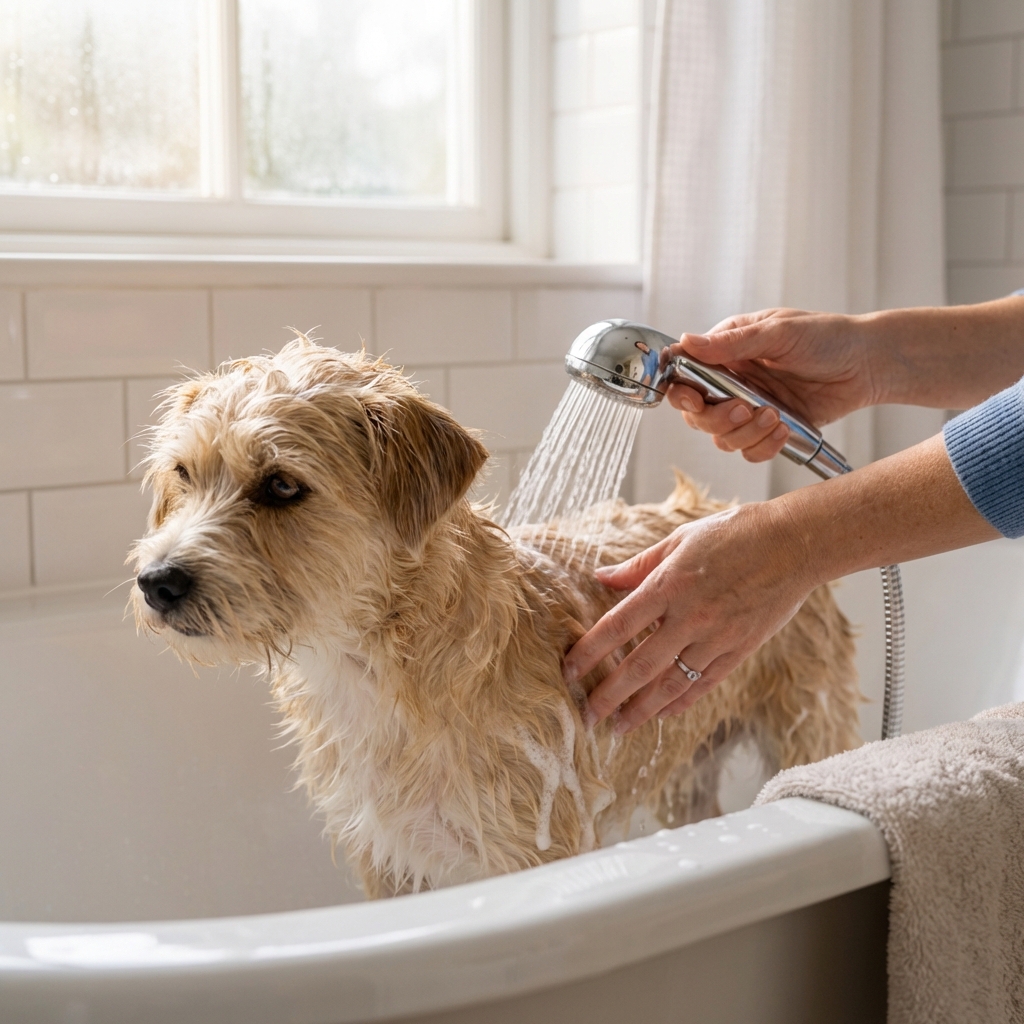
2) Bathing for quick relief
A bath can remove fleas, flea dirt, and allergens from the coat. It is not always enough by itself, but it can make your dog feel better fast.
- Use a mild dog shampoo. If you are in a pinch, a small amount of unscented dish soap can help remove fleas, but it can also be drying.
- Start by making a soap ring around the neck first. This can reduce fleas escaping to the face.
- Rinse extremely well and dry fully.
Caution: Avoid frequent dish soap baths. If your dog’s skin looks redder, drier, or more irritated afterward, stop and switch to a gentle dog shampoo. Over-bathing can damage the skin barrier, especially in flea-allergy dogs.
Tip: If your dog has irritated skin, ask your vet about an oatmeal-based shampoo and whether you should add any anti-itch support.
3) Wash and dry bedding and fabrics
Flea eggs and larvae love soft surfaces. Wash anything your dog lounges on.
- Wash bedding, blankets, and slipcovers in hot water when the fabric allows.
- Dry on high heat for at least 30 minutes, or follow the item’s care instructions. Heat is the key part.
- Do this weekly during active flea season, or more often during an outbreak.
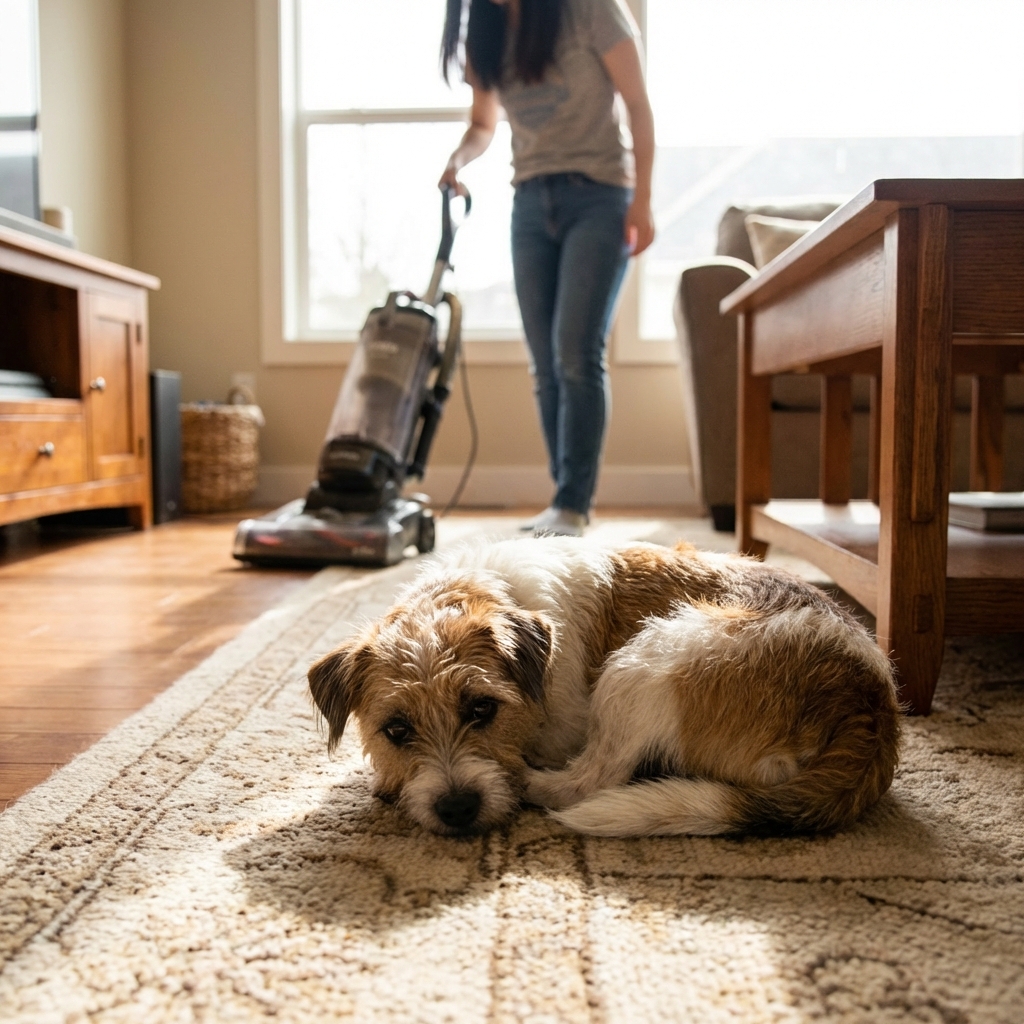
4) Vacuuming that disrupts the life cycle
Vacuuming is not glamorous, but it is powerful. It picks up eggs and larvae. It can also stimulate some pupae to emerge due to vibration, which sounds scary, but it can make them easier to remove and kill with consistent control.
- Vacuum carpets, rugs, baseboards, couches, and under furniture.
- Vacuum daily for 7 to 14 days during a bad infestation.
- Immediately empty the canister outdoors, or seal the bag in a trash bag and take it out.
Realistic note: Vacuuming alone will not eliminate pupae. New adults can continue to emerge for weeks, which is why consistency matters.
5) Dog-safe itch relief
Fleas often trigger skin inflammation. While you handle the infestation, soothing the skin can help prevent hot spots from constant chewing.
- Cool compress on itchy areas for a few minutes at a time.
- Colloidal oatmeal bath soak (a dog-specific product is easiest).
- Talk to your vet about oral antihistamines if your dog is very itchy. Dosing needs to be correct for your dog’s weight and health history.
Home and yard help
Once you start treating your dog, shift your energy to the environment. This is where most fleas are hiding.
Diatomaceous earth
You may hear about food-grade diatomaceous earth (DE) for carpets. DE can damage insects by drying them out, but it is not a magic cure and it can irritate lungs if inhaled.
- If you use it, choose food-grade only.
- Apply a very light dusting to cracks and carpet, keep pets and people away during application, and avoid creating airborne clouds.
- Vacuum it up thoroughly after a short contact period (follow the product guidance).
My take: Vacuuming and washing are usually safer and more dependable. If anyone in the home has asthma or respiratory sensitivity, skip DE.
Yard basics
- Mow and remove yard debris where fleas hide (shady, moist areas).
- Limit wildlife access if possible (opossums, feral cats, raccoons can carry fleas).
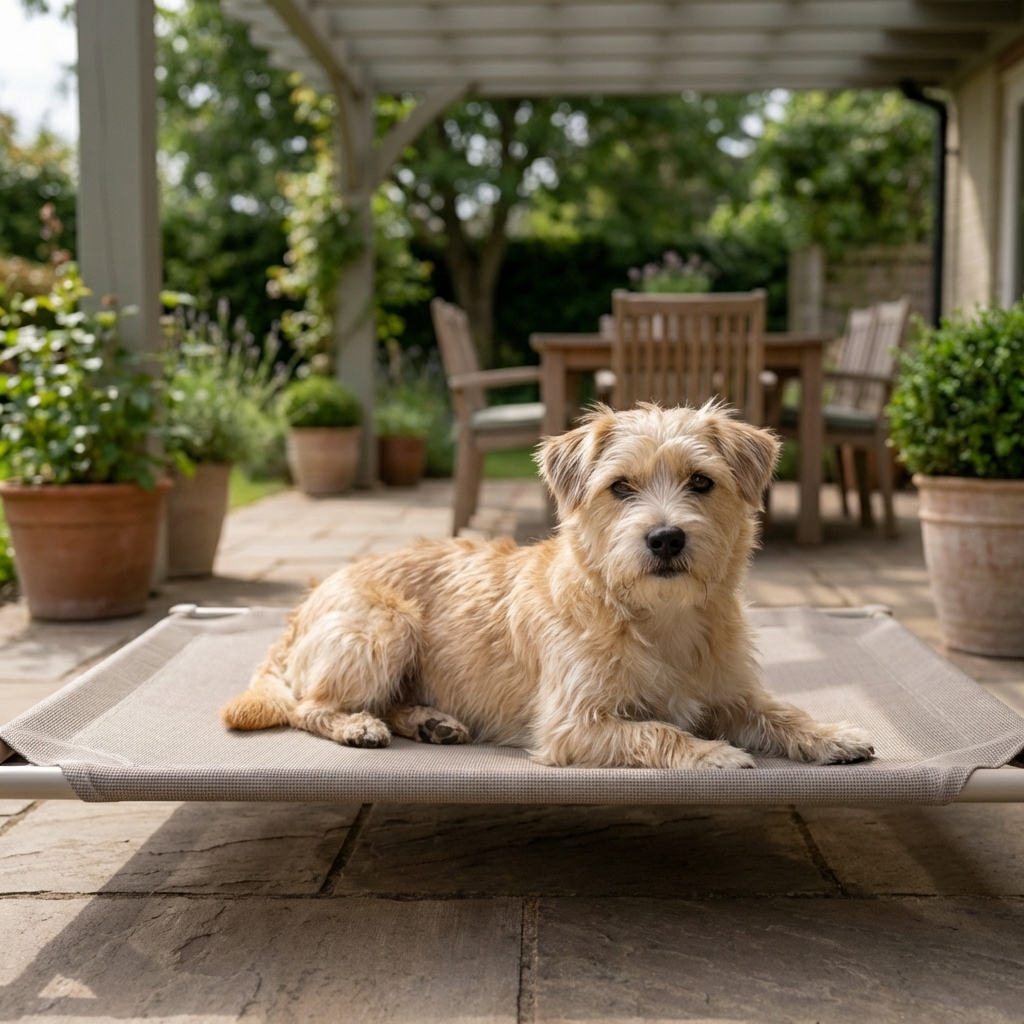
- Wash outdoor dog beds and clean patios where your dog rests.
When the infestation is bigger
If fleas are established in the home, cleaning plus pet treatment is still the foundation. In some cases, you may also need a targeted environmental product.
- Ask your vet about an IGR: Some home sprays contain an insect growth regulator (IGR) that helps prevent eggs and larvae from becoming biting adults. Use only as directed on the label, and keep pets away until the treated area is fully dry.
This is not about going chemical-heavy. It is about choosing the right tool when the flea life cycle is deeply established.
What to avoid
Essential oils on dogs
Many essential oils are too concentrated for pets, can irritate skin, and can be dangerous if licked. Some are especially risky in cat households. Unless your veterinarian has specifically guided you, do not apply essential oils directly to your dog for fleas.
Garlic for flea control
Garlic is frequently marketed as a flea remedy, but there is not strong evidence that it reliably prevents or kills fleas in real-world conditions. More importantly, garlic can be risky for some dogs, especially at higher doses or with certain health conditions. For flea control, I recommend choosing methods with clearer safety and effectiveness.
Alcohol, kerosene, and harsh chemicals
These are unsafe and can cause chemical burns, poisoning, and serious respiratory irritation. Please skip them completely.
When home care is not enough
If you are seeing fleas daily, your dog has flea allergy dermatitis, or your home is infested, a vet-recommended flea medication can be the difference between weeks of frustration and fast relief. The goal is to kill adult fleas quickly and keep doing it long enough to break the cycle.
Ask your veterinarian which option fits your dog’s age, weight, health history, and local flea pressure in your area. Consistency matters more than perfection.
- Plan on often 8 to 12 weeks of consistent control when dealing with a home infestation, because pupae can hatch later.
- Treat every pet in the household with an appropriate product, not just the itchiest one.
North Texas note: In and around Frisco, flea season can feel extra long. Many pets do best with consistent, vet-guided prevention year-round.
Fun flea facts
- Fleas can jump up to roughly 100 times their body length. That is why they spread so fast.
- Most fleas are not on your dog. Most are in the environment as eggs and larvae.
- Pupae are stubborn. They can wait and hatch when they sense a host nearby, which is why infestations can seem to come back.
- Flea dirt is digested blood. If you place black specks from the coat on a wet paper towel and it turns reddish-brown, that is flea dirt.
A simple 7-day plan
- Day 1: Bathe your dog, then flea comb once fully dry.
- Day 1: Wash and dry all pet bedding and blankets.
- Days 1 to 7: Vacuum daily and empty the vacuum outside.
- Days 1 to 7: Flea comb daily, especially at the base of the tail and neck.
- Day 3 and Day 7: Rewash high-use fabrics (dog bed cover, throw blanket, crate pad).
- Any day: If you keep finding fleas, call your veterinarian and add a proven flea preventive. If you have multiple pets, make sure they are all protected.
Small steps done consistently are what change the outcome. You do not have to do everything perfectly. You just need to keep steady pressure on the life cycle.
Quick FAQ
How do I know fleas are gone?
When you flea comb daily for several days and find no fleas or flea dirt, itching reduces, and you stop seeing fleas in the home, you are on the right track. Continue prevention for the season, because re-infestation is common.
Can I catch fleas from my dog?
Fleas prefer animal hosts, but they can bite people. If humans in the home are itchy, focus heavily on vacuuming and washing fabrics, and talk to your vet about household-wide pet treatment.
My dog is still itchy after fleas are treated. Why?
Itching can linger due to skin inflammation, secondary infection, or allergies. If your dog has scabs, hair loss, a strong odor, or persistent redness, book a vet visit.