Stop fleas for good with a behavior-based, vet-informed plan: treat every pet, wash and heat-dry fabrics, vacuum to break the life cycle, consider an IGR, an...
Article
•
Designer Mixes
Home Remedies for Fleas Behavior Guide

Shari Shidate
Designer Mixes contributor
Fleas are tiny, but the stress they cause in a home can feel huge. As a veterinary assistant in Frisco, Texas, I have seen sweet family pets turn into itchy, restless, jumpy shadows of themselves in a matter of days. The good news is that you can do a lot at home to reduce fleas and help your dog or cat feel calm again.
This guide focuses on two things: evidence-based home steps that actually lower flea numbers, and a behavior lens that helps you recognize what your pet is telling you. When you tackle both the bugs and the stress, everyone sleeps better.
One big truth up front: home cleaning works best when every pet in the household is on a proven, veterinarian-recommended flea preventive (yes, even indoor-only pets). Otherwise, fleas keep reproducing and the house becomes a revolving door.
First, know the flea cycle
Home remedies work best when you understand the flea life cycle. Adult fleas live on your pet, but that is only a small slice of the problem. Fleas lay eggs that fall off into carpets, bedding, cracks in floors, and even car upholstery. Those eggs hatch into larvae, then pupae, then new adults.
That means one bath or one spray rarely solves the issue. The most effective home approach is consistent, multi-step, and aimed at the environment just as much as the pet.
Why fleas seem to “come back”
- Pupae are protected. The pupal stage can sit quietly, then emerge when vibration, heat, or carbon dioxide signals a host nearby.
- Eggs keep dropping. If adult fleas remain on the pet, more eggs land in your home every day.
- Wildlife and yards matter. Squirrels, feral cats, and stray dogs can seed flea populations outdoors.
Is it fleas or something else?
Not every itchy pet has fleas. Allergies, dry skin, mange mites, and other parasites can look similar. A few clues that point toward fleas:
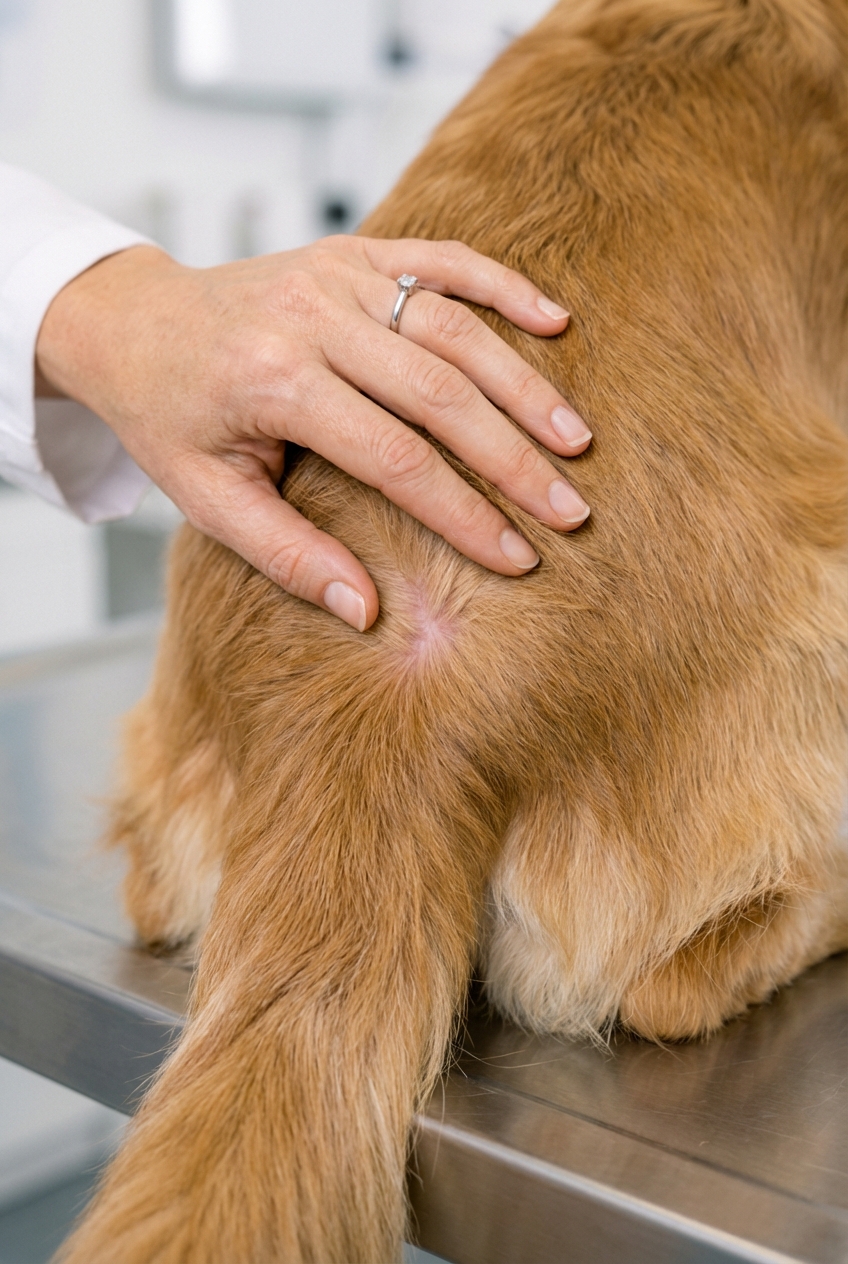
- Itch focused at the tail base and back legs.
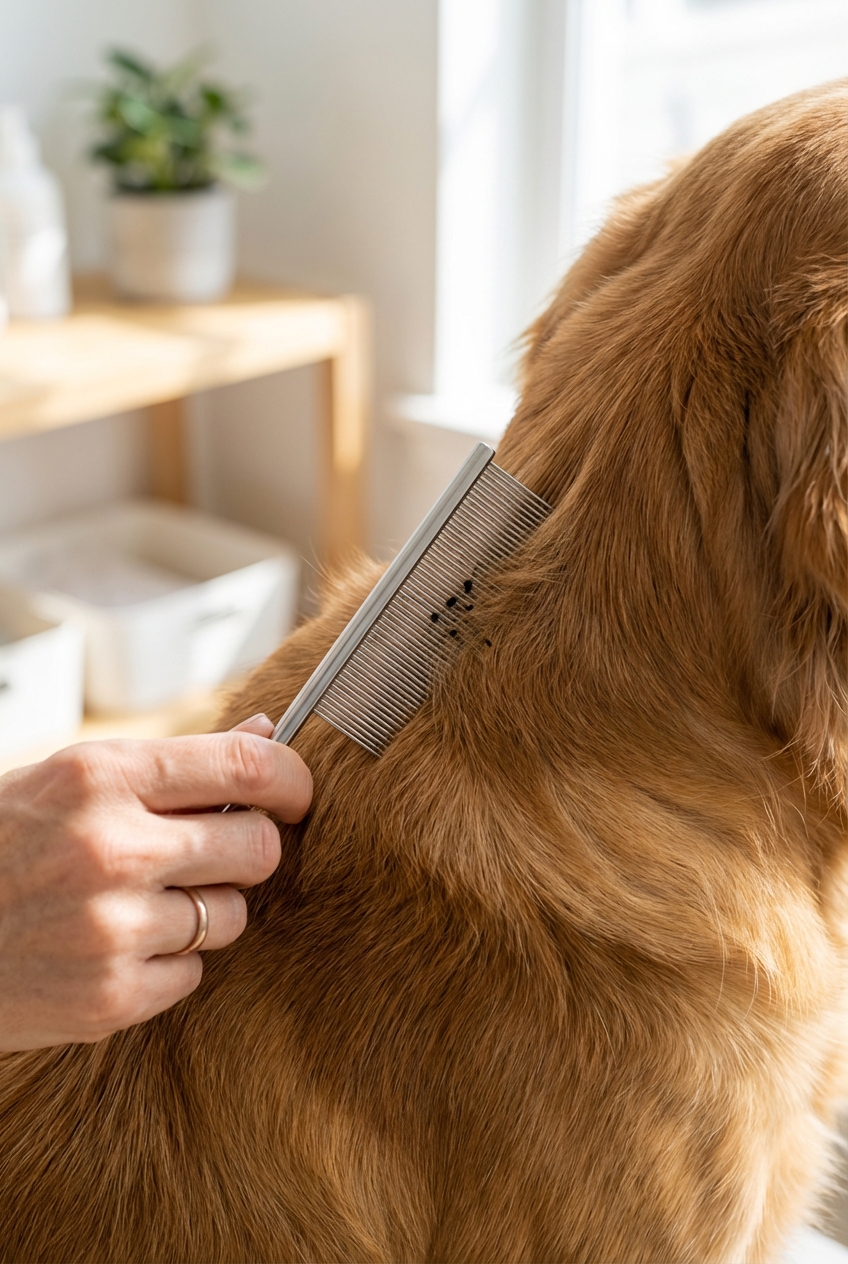
- Flea dirt (tiny black specks) in the coat.
- Seasonal flares or sudden itching after visits to parks, groomers, boarding, or a friend’s house.
If you see intense itching plus tiny black specks, you are likely seeing flea dirt. A simple test: place the specks on a damp paper towel. If it turns reddish-brown, that is digested blood.
Important: some pets have flea allergy dermatitis (FAD), which means one bite can trigger big inflammation even if you rarely see fleas. If your pet has recurring hot spots, scabs, hair loss, or constant chewing at the rear, talk with your veterinarian even if you are not catching fleas on a comb.
Flea clues in behavior
Fleas are not just an itch. For many pets, they trigger anxiety, discomfort, and sleep disruption. You may notice:
- “Pop-up chewing” where your dog suddenly spins to nibble at the tail base or inner thighs
- Overgrooming in cats, especially along the back and belly
- Restlessness at night or difficulty settling
- Hypervigilance such as twitching, scanning, or flinching when touched
- New irritability around handling, brushing, or being picked up
Home steps that help
Let’s be honest: most “miracle” flea hacks online do not hold up. The remedies below are practical because they either remove fleas physically, reduce the number in the environment, or support skin comfort while you break the cycle.
1) Flea combing
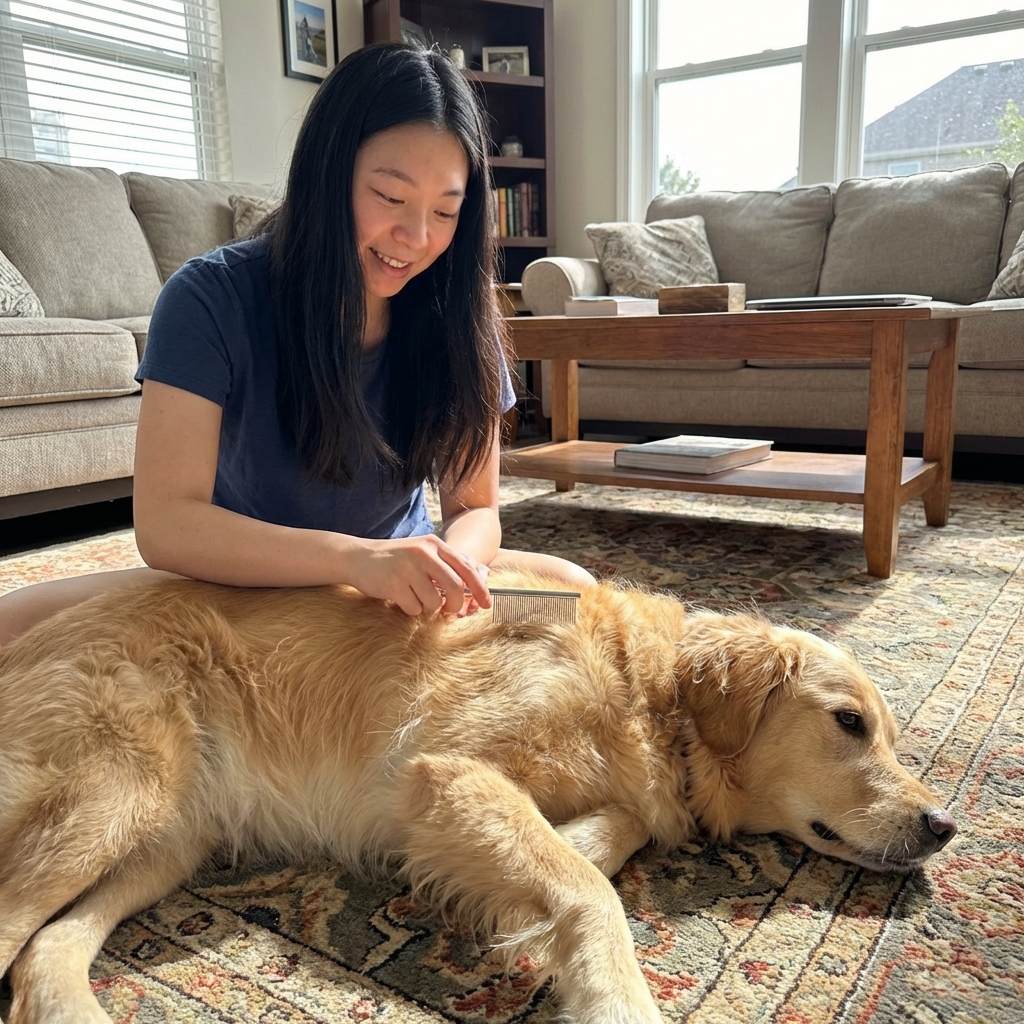
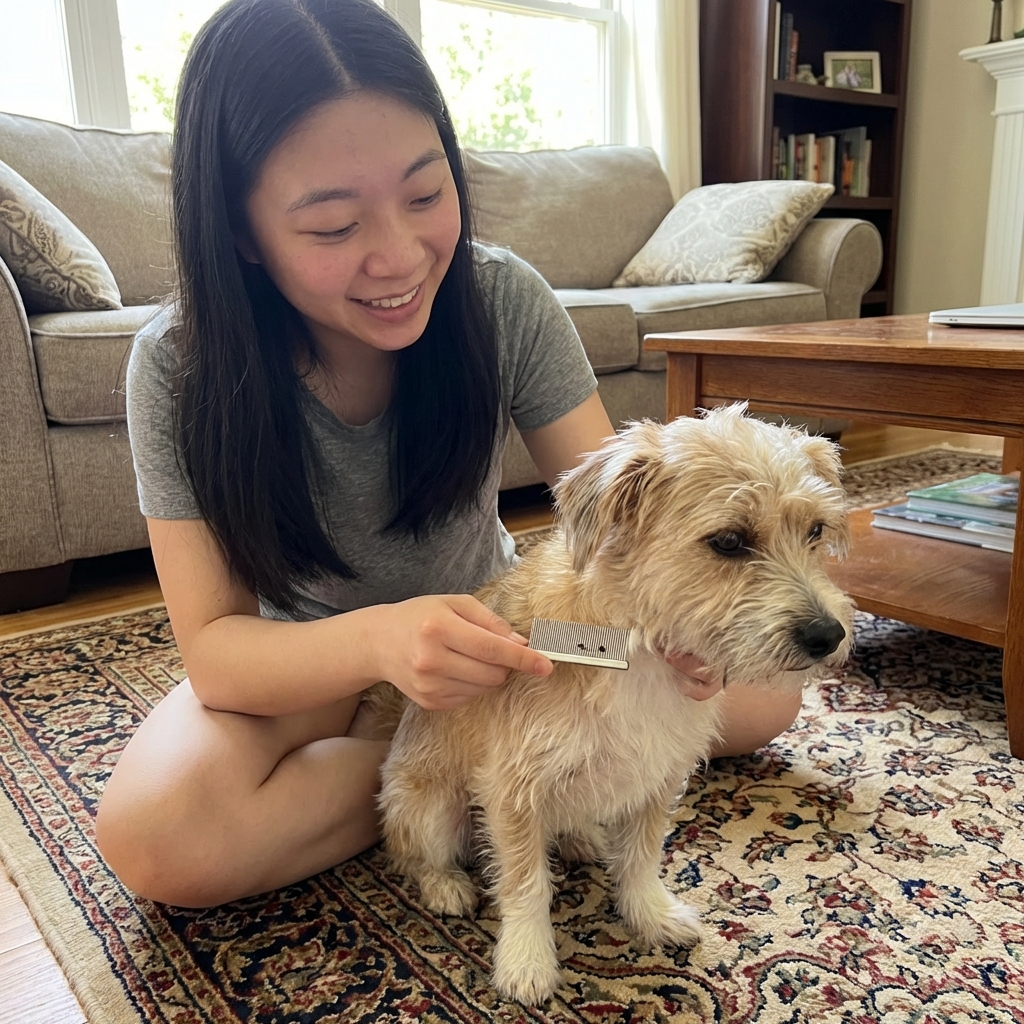
A fine-toothed flea comb is one of the most underrated tools. It removes adult fleas and flea dirt right away.
- Comb slowly from head to tail, focusing on the neck, behind ears, tail base, and belly.
- Dip the comb into a bowl of warm water with a drop of dish soap to trap and drown fleas.
- Do this daily for 7 to 14 days, then a few times weekly as maintenance.
2) Bathing for quick relief
A bath can reduce adult fleas on the pet. A pet-safe shampoo is the best choice.
If you are in a pinch, a small amount of mild dish soap can help drown some adult fleas, but use it sparingly because it can dry out skin. Rinse extremely well, avoid eyes and ears, and skip dish soap if your pet already has irritated skin, open sores, or a history of dermatitis.
Lather the neck first to reduce fleas running toward the face, then wash the body.
Important: bathing may remove some fleas and some eggs from the coat, but it will not address the environmental stages (eggs, larvae, pupae) in your home that drive reinfestation. Think of this as relief, not the full solution.
3) Vacuuming (your power tool)
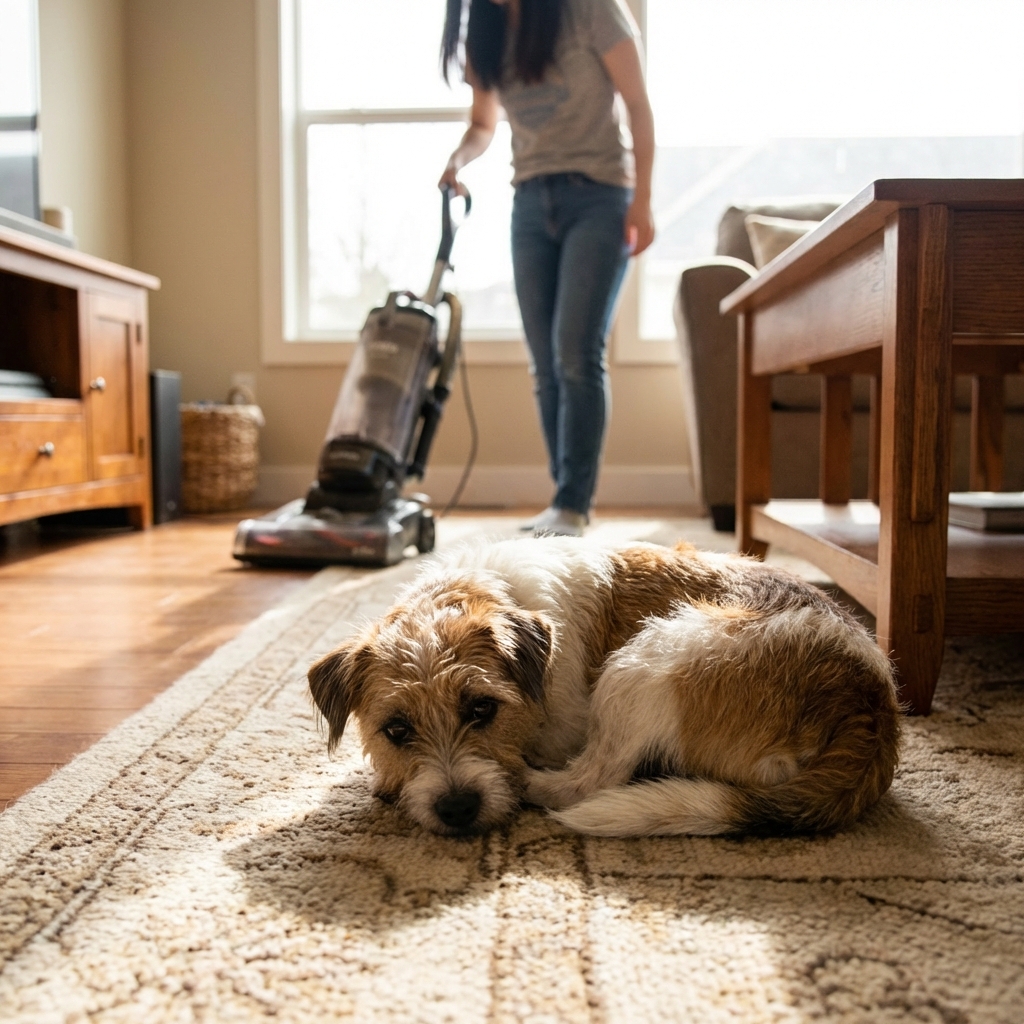
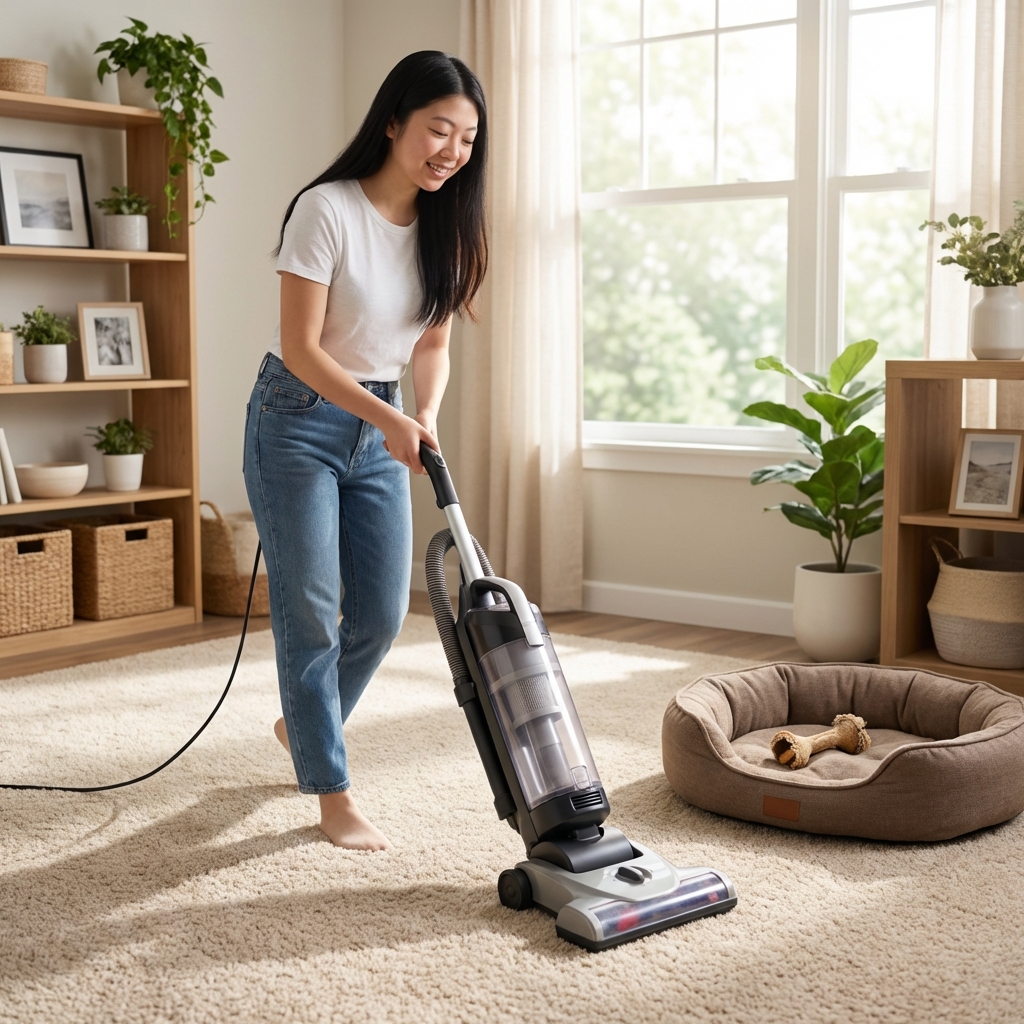
If you do only one home step, make it vacuuming. It removes eggs and larvae and may also encourage pupae to emerge sooner, which helps you catch more fleas in the cleanup cycle.
- Vacuum carpets, rugs, baseboards, couch cushions, and under furniture daily for 1 to 2 weeks.
- Empty the canister outside right away, or seal the bag and take it out.
- Do not forget cars, especially if your pet rides with you.
4) Hot laundry
Wash bedding, throws, crate blankets, and slipcovers in hot water when fabric allows, then dry on high heat. The high-heat dryer cycle is often the most reliably lethal step.
- Aim for 1 to 2 times per week during an active infestation.
- Include human bedding if your pet sleeps with you.
5) Clean the resting zones
Fleas concentrate where pets rest. Temporarily simplify and “clean-zone” those areas:
- Replace plush beds with washable bedding for a few weeks.
- Use a washable cover on favorite couch spots.
- Keep one primary resting area so you can clean it thoroughly and consistently.
6) Comfort care
Once fleas start, skin can stay inflamed even after flea numbers drop. For comfort, consider:
- Cool compresses on irritated areas (10 minutes, a few times daily). Do not apply ice directly to skin.
- Oatmeal baths using a pet-formulated oatmeal shampoo.
- Omega-3 fatty acids (ask your vet for dosing, especially if your pet has other conditions).
If you see open sores, oozing, a strong odor, or your pet is shaking their head a lot, that is a “call the vet” moment. Secondary skin infections and ear infections are common with flea allergies.
What I do not recommend
- Essential oils on pets (many are toxic to cats and irritating to dogs, and dosing is easy to get wrong).
- Garlic as a flea treatment (not reliable, and can be risky at higher amounts).
- DIY sprays with vinegar or lemon as a primary control method (may repel briefly, but rarely breaks the life cycle).
- Homemade powders in the coat that can be inhaled and irritate airways.
These ideas are popular because they feel natural, but “natural” is not automatically safe or effective. Your goal is fewer fleas, less itching, and a calm, healthy pet.
Optional: home products to discuss first
In heavier infestations, some families add an environmental product that contains an insect growth regulator (IGR) such as methoprene or pyriproxyfen. These products target developing fleas and can be helpful when used correctly.
- Follow the label exactly.
- Keep pets and children away until treated areas are fully dry and ventilated.
- If you are unsure, ask your veterinarian or a reputable pest professional.
Yard basics
If reinfestation keeps happening, the source may be outdoors. Simple steps that help without going overboard:
- Keep grass trimmed and remove yard debris where larvae like to hide.
- Focus on shaded resting spots, under decks, and areas where pets lounge.
- Limit wildlife attractants when possible (secure trash, do not leave pet food outside).
Outdoor pesticides are not always necessary and are easy to misuse. If you are considering yard treatment, get advice tailored to your region, your pets, and your household.
Help your pet cope
During an infestation, your pet’s nervous system is on high alert. That is why you might see pacing, clinginess, or reactivity. Along with the physical steps above, use behavior support that reduces stress and prevents itch habits from becoming a pattern.
Calm routine
- Keep walk and meal times consistent. Predictability lowers stress.
- Offer a quiet safe spot. A crate with a light blanket cover or a calm corner bed can help.
- Reduce touch when your pet is overstimulated. Some pets get snappy when skin is sore.
Interrupt itch loops
When dogs get stuck in an itch-chew loop, they can injure skin fast. Try:
- Short training sessions with treats to interrupt the cycle.
- Food puzzles or a frozen lick mat for calming enrichment.
- Gentle brushing only if your pet enjoys it and skin is not raw.
Protective tools
- E-collar or recovery collar if your pet is chewing sores.
- T-shirt or light onesie (dog-safe fit) to reduce access to irritated areas.
These are not punishments. They are temporary tools to give skin time to heal.
Realistic timeline
With consistent cleaning, you often see noticeable improvement in 7 to 14 days. Complete control can take 4 to 8 weeks because of the protected pupal stage, and it can vary based on severity, your home setup, and whether your pets are on an effective preventive.
- Days 1 to 3: heavy vacuuming, wash bedding, start combing, bathe if needed
- Week 1 to 2: daily vacuuming, frequent laundry, monitor skin and sleep
- Week 3 to 8: maintain vacuuming, keep bedding clean, watch for new bites
If you are still seeing live fleas after two weeks of diligent effort, it is time to add or adjust veterinary-grade prevention and consider stronger environmental support.
If you still see fleas
Persistent fleas usually mean one of these is happening:
- Not every pet is treated. Cats, dogs, and even visiting pets can keep the cycle going.
- Missed doses or wrong weight range. A product that is not dosed correctly will underperform.
- Reinfestation from outdoors. Yards, patios, and wildlife traffic can re-seed the home.
- Inconsistent cleaning. Skipping vacuuming for several days can give larvae time to mature.
- Look-alikes. If you are not finding flea dirt but the itching continues, it may be allergies or mites.
Your veterinarian can help you troubleshoot product choice, timing, and whether skin inflammation or infection is now part of the problem.
When home care is not enough
Please contact your veterinarian promptly if any of the following are true:
- Your pet is a puppy or kitten, senior, pregnant, or has chronic illness.
- You see pale gums, weakness, or extreme lethargy (fleas can contribute to anemia, especially in young pets).
- Your pet has scabs, hair loss, or recurring hot spots (possible flea allergy dermatitis).
- There are tapeworm segments in stool or around the rear (fleas can transmit tapeworms).
- Your home has multiple pets and the infestation keeps cycling.
Tapeworm note: if you see segments, flea control alone is not enough. Your pet needs veterinary deworming in addition to flea prevention.
Modern flea preventives recommended by your veterinarian are not a failure of “natural living.” They are a tool. Many families use vet prevention plus simple home cleaning, then step down to maintenance once the household is stable.
Quick checklist
- Put every pet on veterinarian-recommended flea prevention.
- Comb daily with a flea comb and soapy water bowl.
- Vacuum floors, furniture, and baseboards daily for 1 to 2 weeks.
- Wash and dry bedding on heat at least weekly.
- Simplify resting areas so cleaning is easier.
- Support comfort with oatmeal shampoo and calm enrichment.
- Call your vet if symptoms are severe or persistent.
My favorite mindset shift: do not chase a “perfect” one-time fix. Aim for consistent, simple steps that lower flea numbers week by week while keeping your pet comfortable and calm.