A practical guide to helping a constipated cat at home: hydration tips, plain pumpkin, vet-guided Miralax (PEG 3350), fiber, hairball support, red flags, and...
Article
•
Designer Mixes
Home Remedies for Feline Constipation

Shari Shidate
Designer Mixes contributor
Constipation in cats is fairly common, and it can range from mildly uncomfortable to truly dangerous. As a veterinary assistant, I always encourage two things at the same time: safe, gentle home care for mild cases, and a clear plan for when to call your veterinarian. The goal is simple: get stool moving again without causing pain, dehydration, or a bigger blockage.
Quick note: If your cat is straining, crying in the litter box, vomiting, refusing food, seems painful, or you are not sure whether they are trying to poop or pee, skip the home remedies and call your vet or an emergency clinic. Constipation can progress to obstipation or megacolon, and a urinary blockage can look very similar at a glance.
Signs of constipation
Many people assume constipation means “no poop,” but cats can also be constipated when they pass tiny hard stools or spend a long time in the box. Common signs include:
- Hard, dry stools or very small stools
- Frequent trips to the litter box with little output
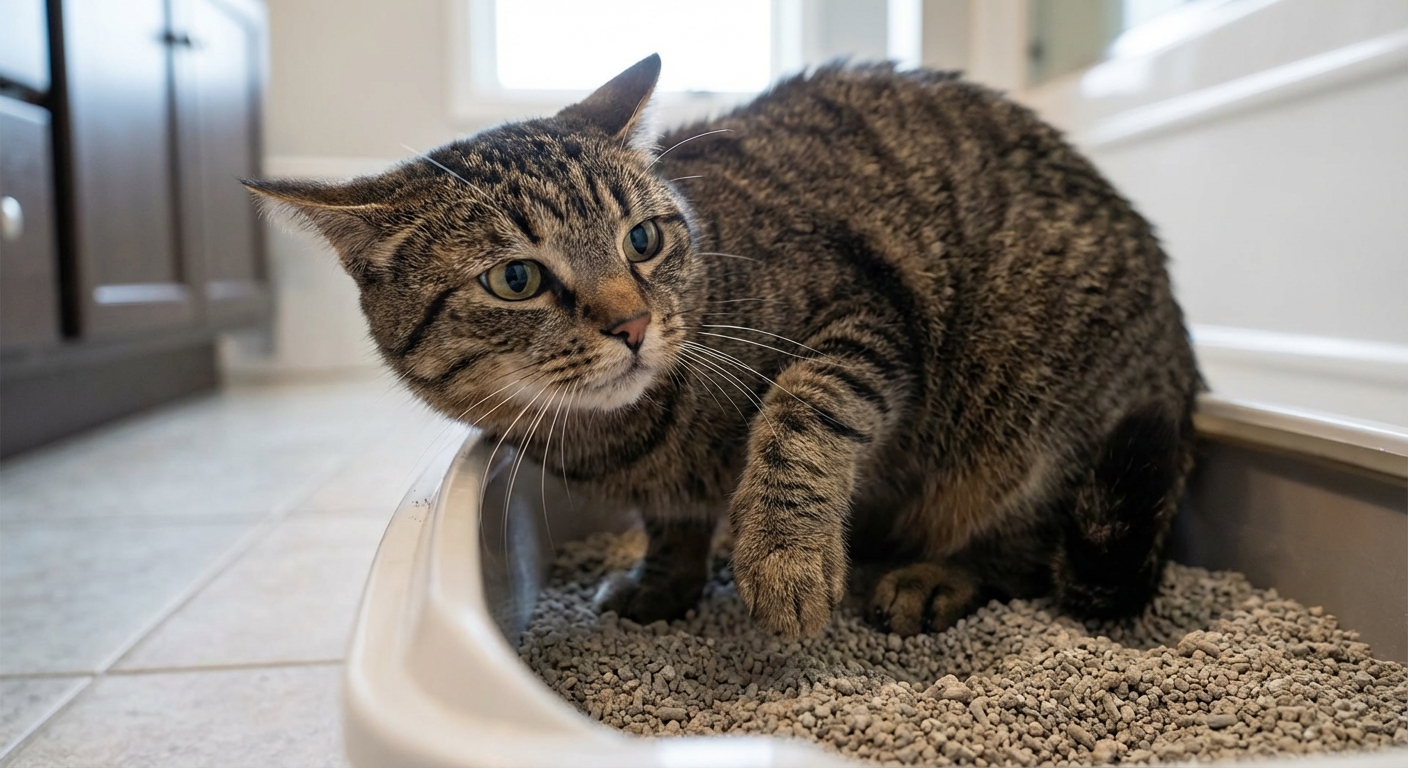
- Straining, grunting, or vocalizing
- Hiding, irritability, or decreased activity
- Decreased appetite, nausea, or occasional vomiting
- Poop stuck in long-haired fur near the rear end
Important: Straining can also be a sign of a blocked urinary tract, especially in male cats. If you see repeated straining with little to no urine, that is an emergency. When in doubt, treat it like an emergency and get help right away.
Common contributors
Constipation usually has more than one contributor. These are the big ones I see over and over:
- Dehydration: Cats often have a low thirst drive and tend to take in more water when eating wet diets.
- Diet factors: Some cats do better with added fiber, while others do better with moisture and motility support. Fiber is not one-size-fits-all.
- Hair ingestion: Grooming plus dry stool can slow transit.
- Obesity and inactivity: Movement helps the gut move.
- Stress and litter box avoidance: Cats may “hold it,” which dries stool out even more.
- Pain: Arthritis can make it uncomfortable to posture, so cats delay going.
Home remedies (mild cases only)
1) Increase water intake
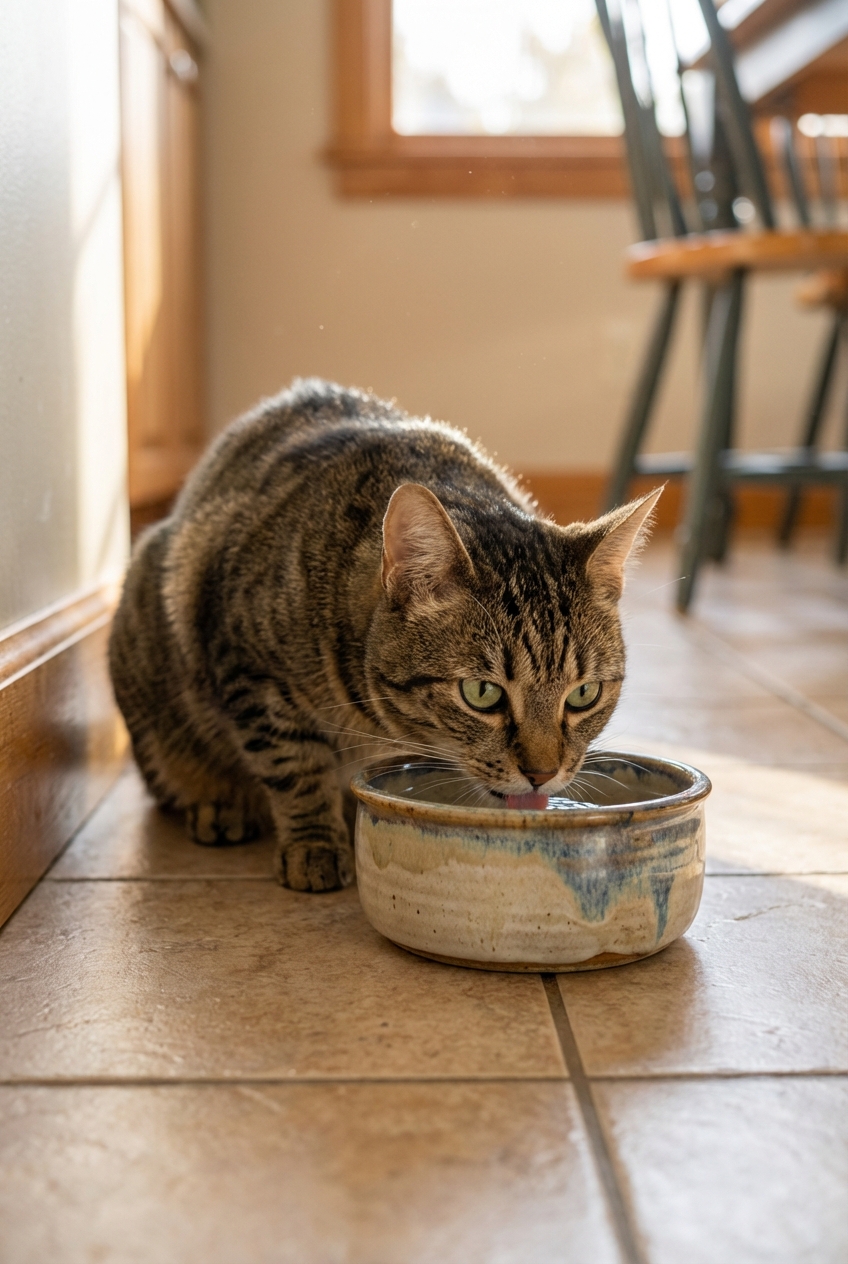
Hydration is the foundation. If stool is dry, the colon pulls even more water out of it, and it becomes a hard plug.
- Switch toward wet food: Even a partial switch helps. Try mixing a spoonful of canned food into your cat’s usual meal.
- Add water to meals: Start with 1 to 2 tablespoons of warm water mixed into wet food.
- Offer broth: Use low-sodium, onion-free, garlic-free broth only. Many broths made for people contain ingredients that are unsafe for cats.
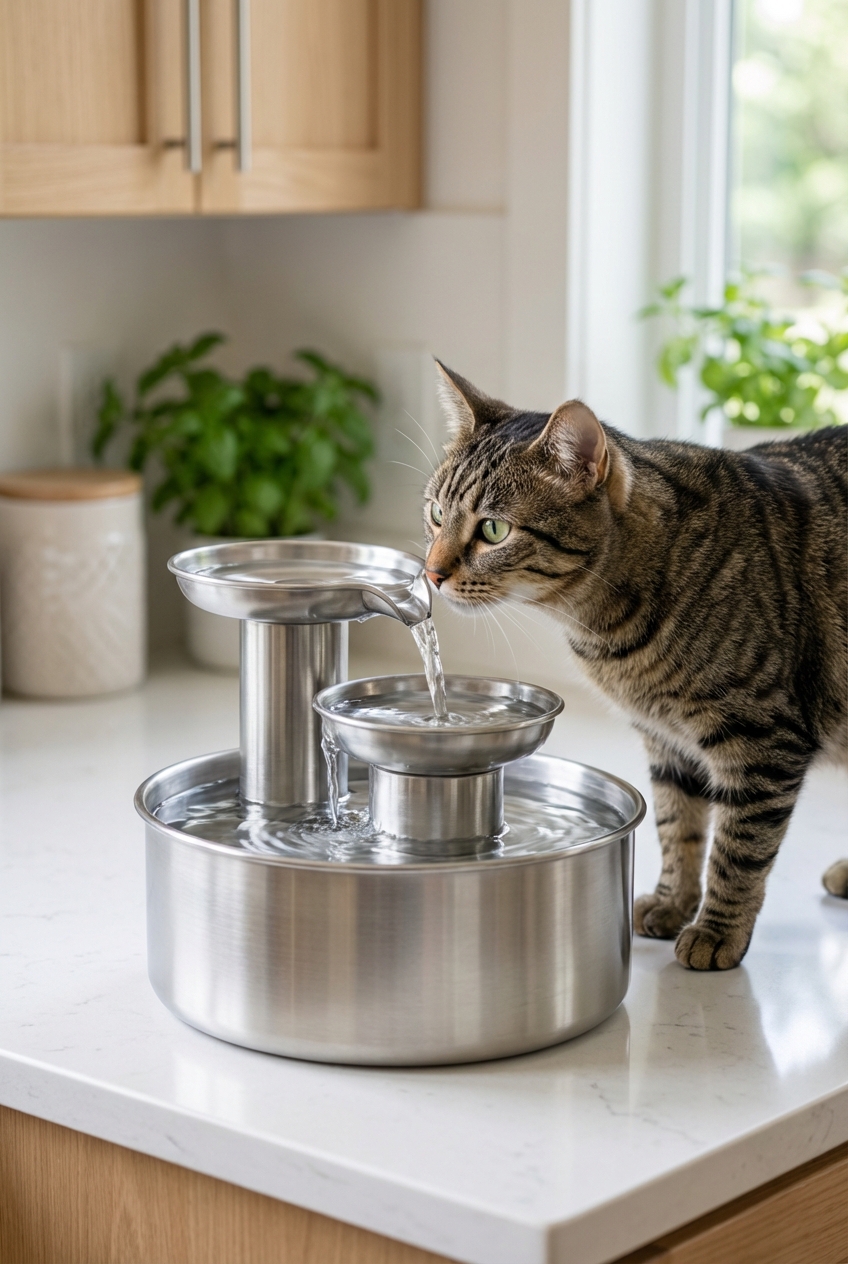
- Use a fountain: Many cats drink more from moving water.
- Spread bowls around the home: Quiet locations, away from the litter box.
2) Add gentle fiber, slowly
Fiber can help some cats by increasing stool moisture and bulk. The key is going slow, because too much fiber too fast can cause gas, discomfort, or even worse constipation if your cat is not drinking enough. Also, some constipated cats simply do not do well with added fiber, so pay attention to how your cat responds.
- Plain canned pumpkin: Start with about 1 teaspoon mixed into food once daily. Use plain pumpkin, not pie filling.
- Psyllium husk: This can be effective, but dosing matters and varies by the cat. Ask your veterinarian for a safe amount for your cat’s weight and specific situation.
If you try fiber for 2 to 3 days and see no improvement, or if symptoms worsen, do not keep escalating at home. Your cat may need an exam, imaging, fluids, or veterinary medications.
3) Encourage movement
Movement helps gut motility. For indoor cats, even short micro-sessions help.
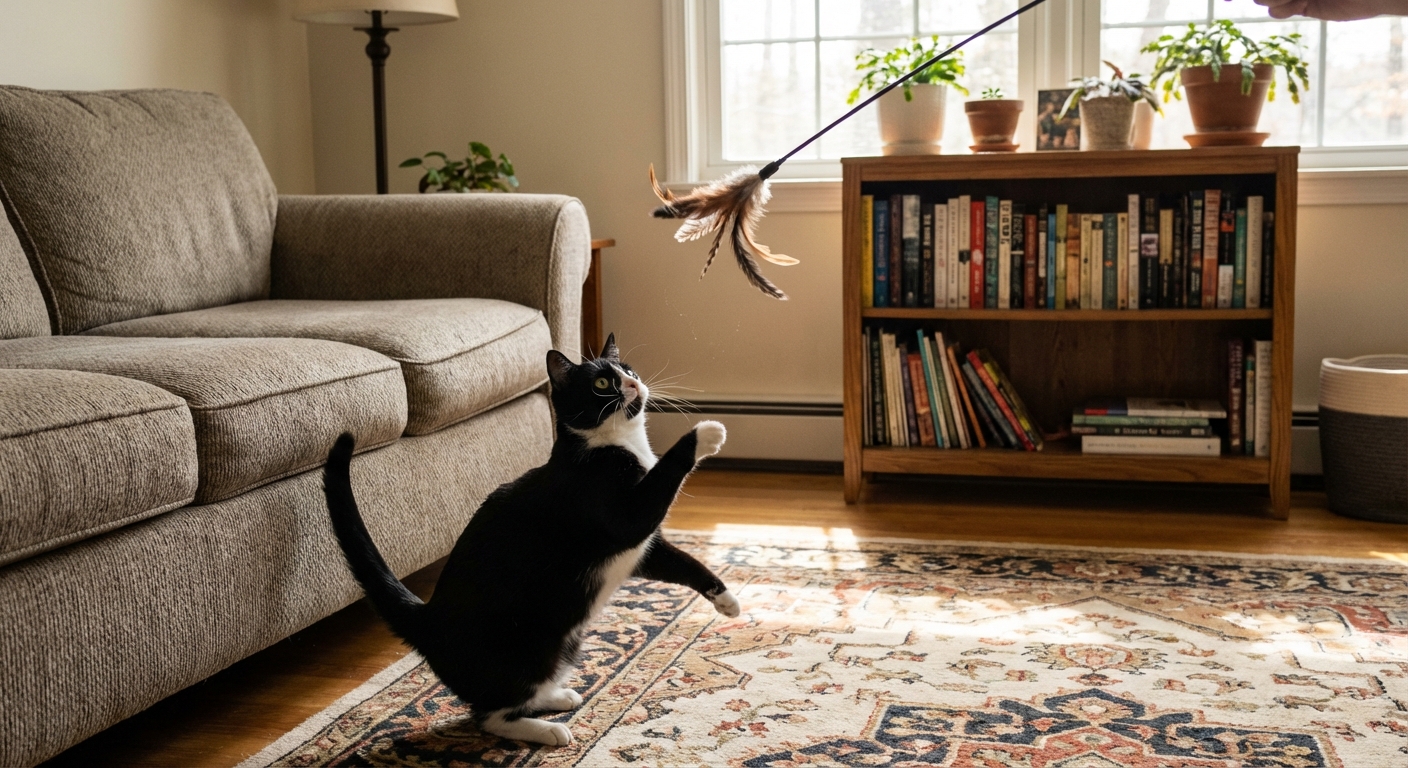
- Try 5 minutes of wand-toy play, 2 to 3 times per day
- Encourage climbing or gentle chasing with treat tosses
- Use puzzle feeders to add activity without stress
4) Help hair pass through
If hairballs are part of the picture, focus on prevention and gentle support.
- Brush more often: Daily brushing for long-haired cats can make a big difference.
- Consider a vet-approved hairball product: Ask your clinic which option fits your cat’s health history.
- Check the rear end: Long-haired cats can get feces stuck in the fur, which can make them avoid the litter box.
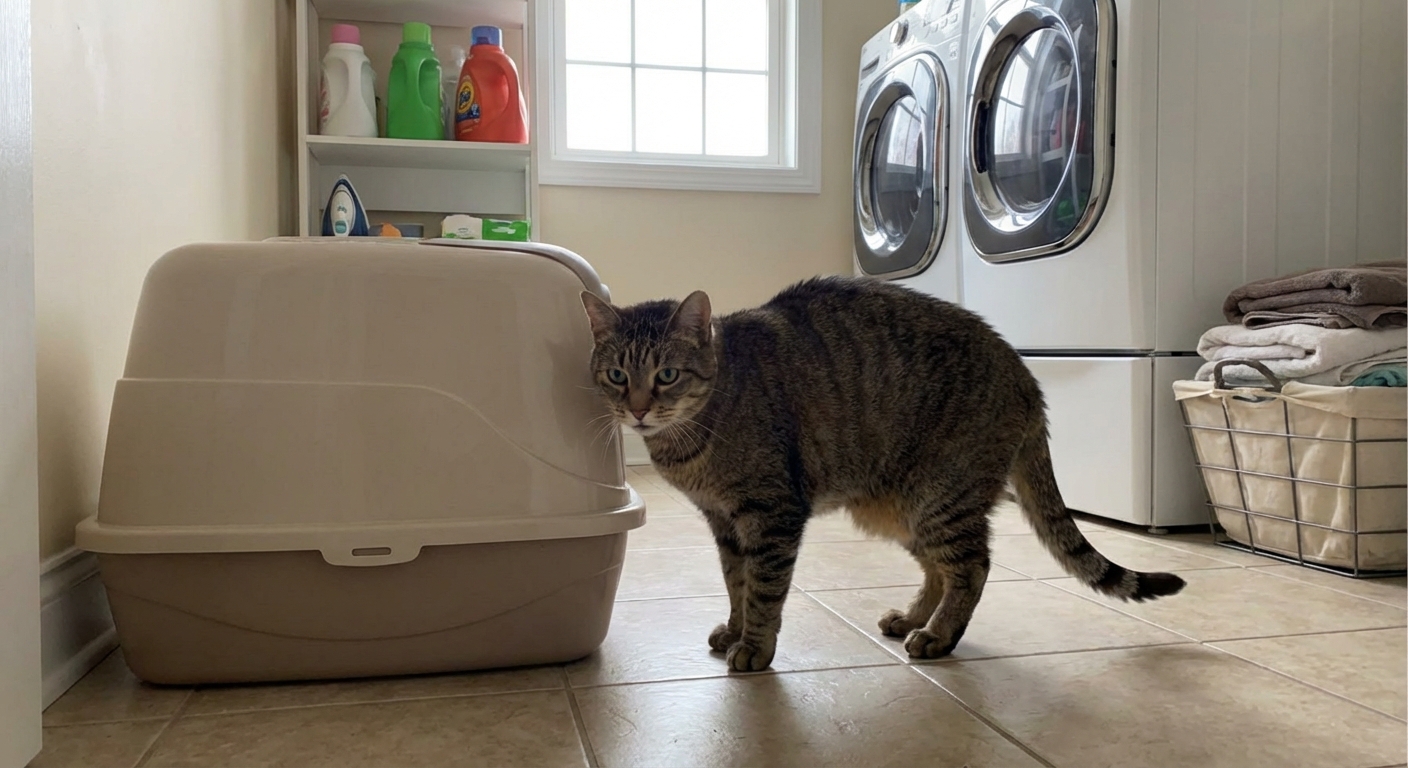
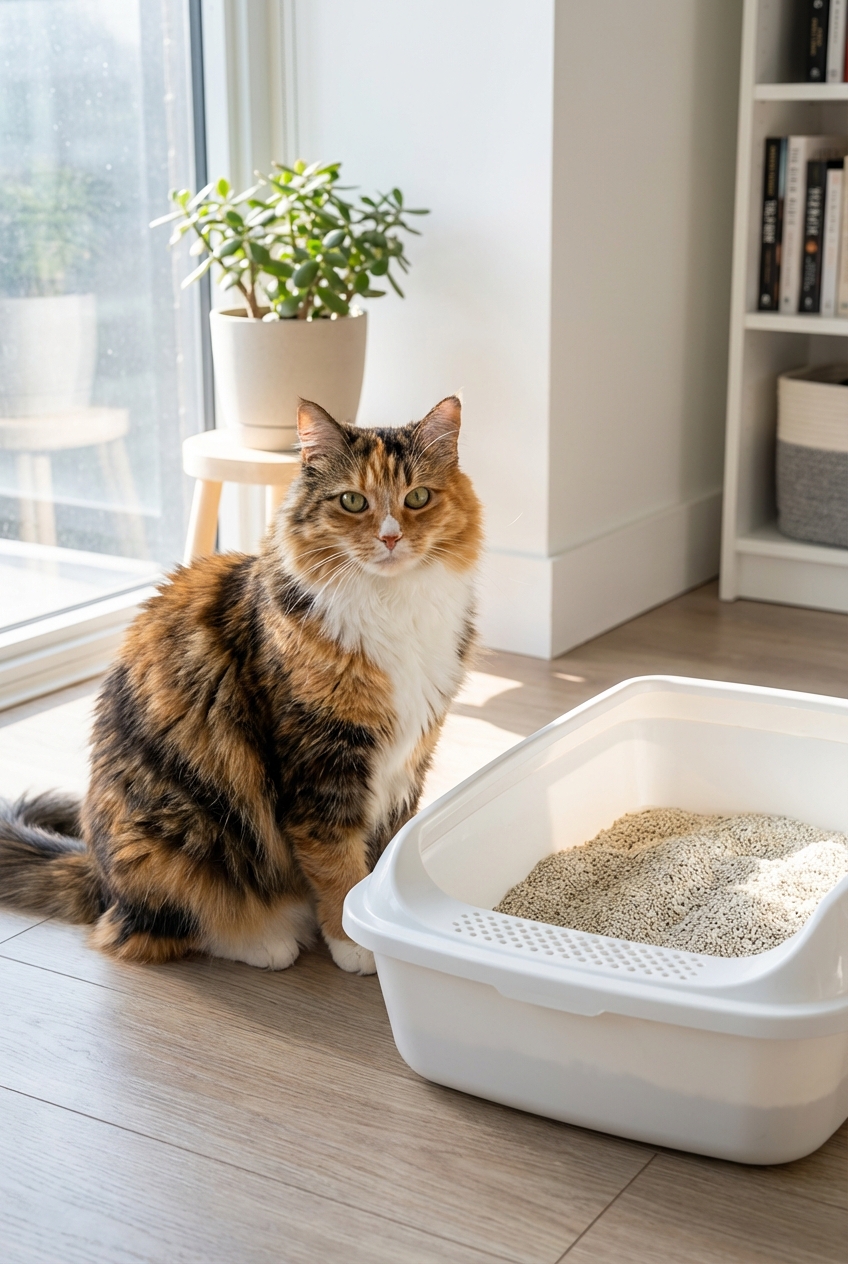
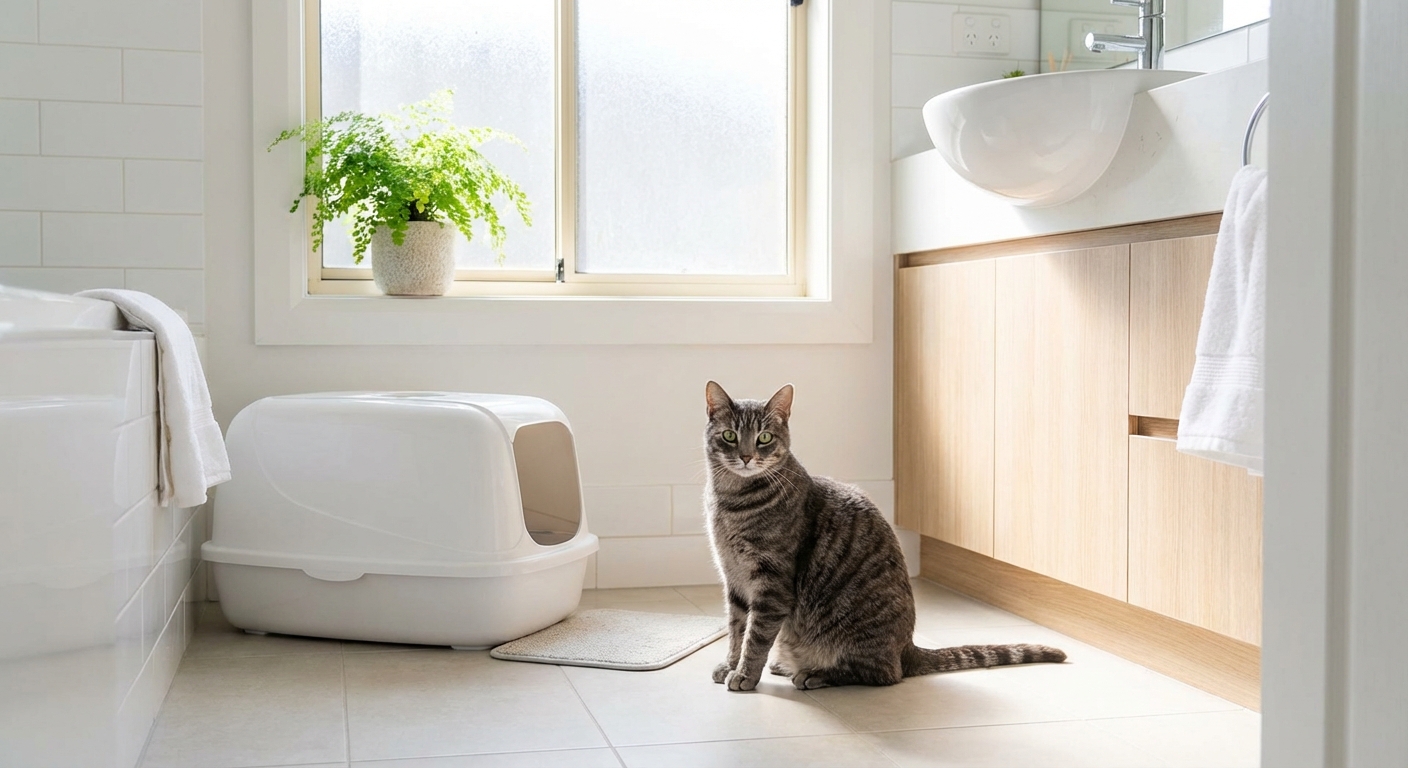
5) Set up the litter box for success
Constipation is not always a “gut” problem. Sometimes it is a behavior and comfort problem. Cats may avoid the box and hold stool until it becomes hard and painful.
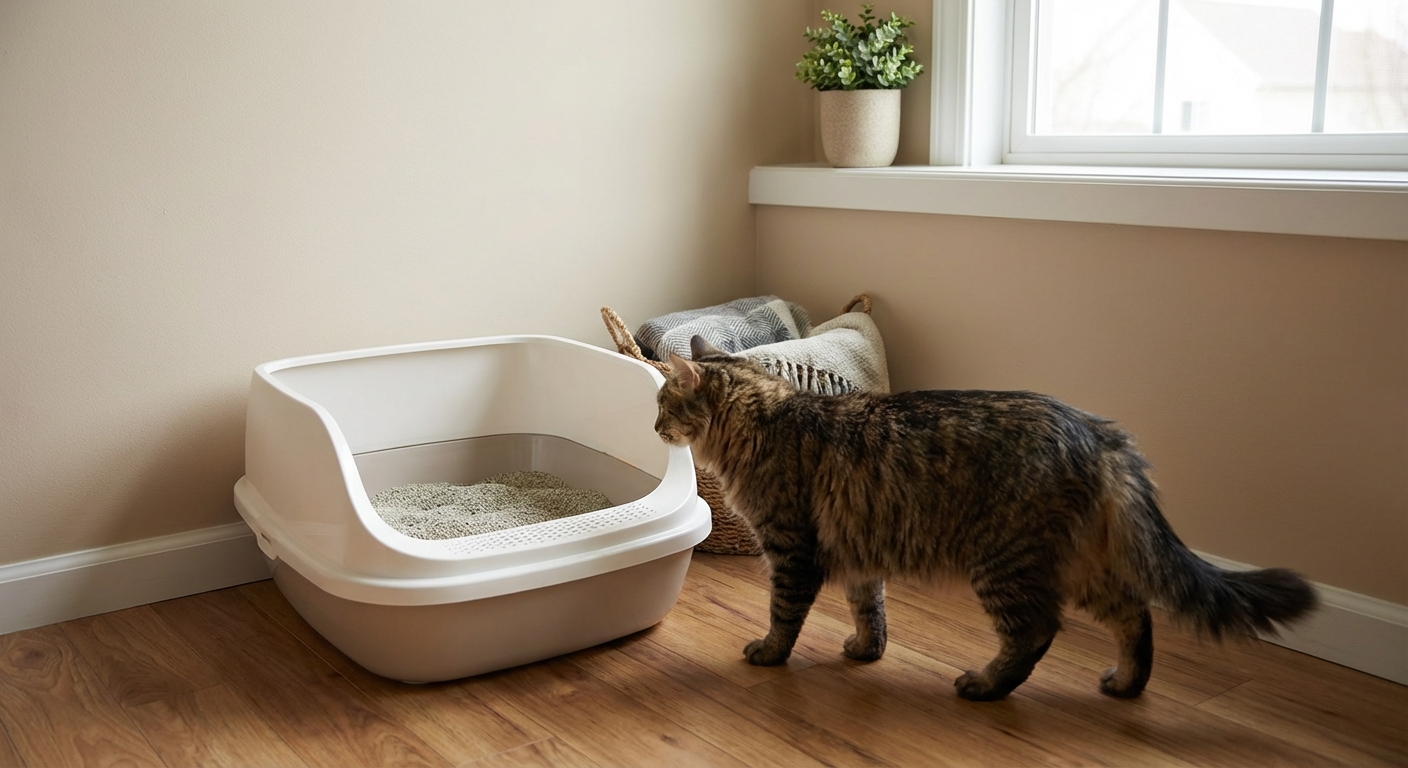
- Number of boxes: Aim for one box per cat, plus one extra.
- Location: Quiet, easy to access, not next to loud appliances.
- Size: Many adult cats need a larger box than the standard store size.
- Litter depth: Many cats prefer around 2 to 3 inches, but preferences vary.
- Cleanliness: Scoop daily, fully dump and wash regularly with mild soap.
- Gentle training: If you change litter type, transition gradually by mixing old and new litter over 1 to 2 weeks.
6) What not to do
These are common internet suggestions that can hurt cats:
- Do not use human laxatives unless your veterinarian specifically instructs you. Some are dangerous for cats.
- Do not give enemas at home, especially products made for people. Certain ingredients can be toxic and the procedure can cause injury.
- Do not force-feed oils like mineral oil. Aspiration can be life-threatening.
- Do not assume it will pass if your cat is straining, painful, vomiting, or not eating.
When to call the vet
Home care is only for mild constipation in a bright, alert cat that is eating and not vomiting. Please contact your veterinarian urgently if you notice any of the following:
- No stool for about 48 hours, or sooner if your cat seems unwell. Some cats may skip a day occasionally, so timing always needs to be considered with symptoms.
- Repeated straining with little to no stool
- Vomiting, lethargy, hiding, or obvious pain
- Loss of appetite for more than 24 hours
- Bloated belly or sudden abdominal enlargement
- Suspected foreign material ingestion (string, ribbon, toys)
- Senior cats, cats with kidney disease, diabetes, or a history of constipation or megacolon
- Straining with little to no urine output
In clinic, treatment may include hydration support, stool softeners, motility medications, and safe veterinary enemas. Your veterinarian may recommend diagnostics like bloodwork and X-rays to check hydration, electrolytes, and to rule out obstruction or megacolon. You may also hear medication names like lactulose or polyethylene glycol (PEG 3350). These can be very helpful, but dosing and monitoring should come from your veterinary team.
If it keeps happening
If your cat gets constipated repeatedly, it is worth a real workup rather than repeated home fixes. Recurring constipation can be tied to problems like chronic dehydration from kidney disease, hyperthyroidism, past pelvic injury or narrowing, arthritis-related pain, neurologic issues, or early megacolon. The earlier you build a long-term plan with your vet, the easier it is to prevent painful episodes.
A 48-hour plan
If your cat is acting normal, eating, and producing at least a small amount of stool, this gentle approach is a reasonable start:
- Day 1: Add moisture. Offer wet food, mix in warm water, refresh multiple water stations, and encourage two short play sessions.
- Day 2: Continue moisture. Add a small amount of plain canned pumpkin mixed into food. Brush well, especially if your cat is a heavy groomer.
- Stop and call your vet: If there is no improvement by the end of Day 2, if symptoms worsen, or if any red-flag symptom appears.
Prevention
Once your cat is comfortable again, prevention is the best gift you can give them.
- Make hydration the norm: Wet food, fountains, and multiple water stations.
- Keep a steady routine: Cats thrive on predictability, and stress can impact gut motility.
- Maintain a healthy weight: Extra weight reduces activity and can worsen constipation.
- Talk to your vet about long-term support: Cats with recurring constipation may need a tailored plan, including diet, fiber type, or prescription meds.
Bottom line: mild constipation often improves with moisture, small dietary adjustments, and a litter box setup your cat truly likes. But if your cat is straining, vomiting, painful, not producing stool, or you are not sure whether they are trying to pee or poop, it is time for veterinary care.