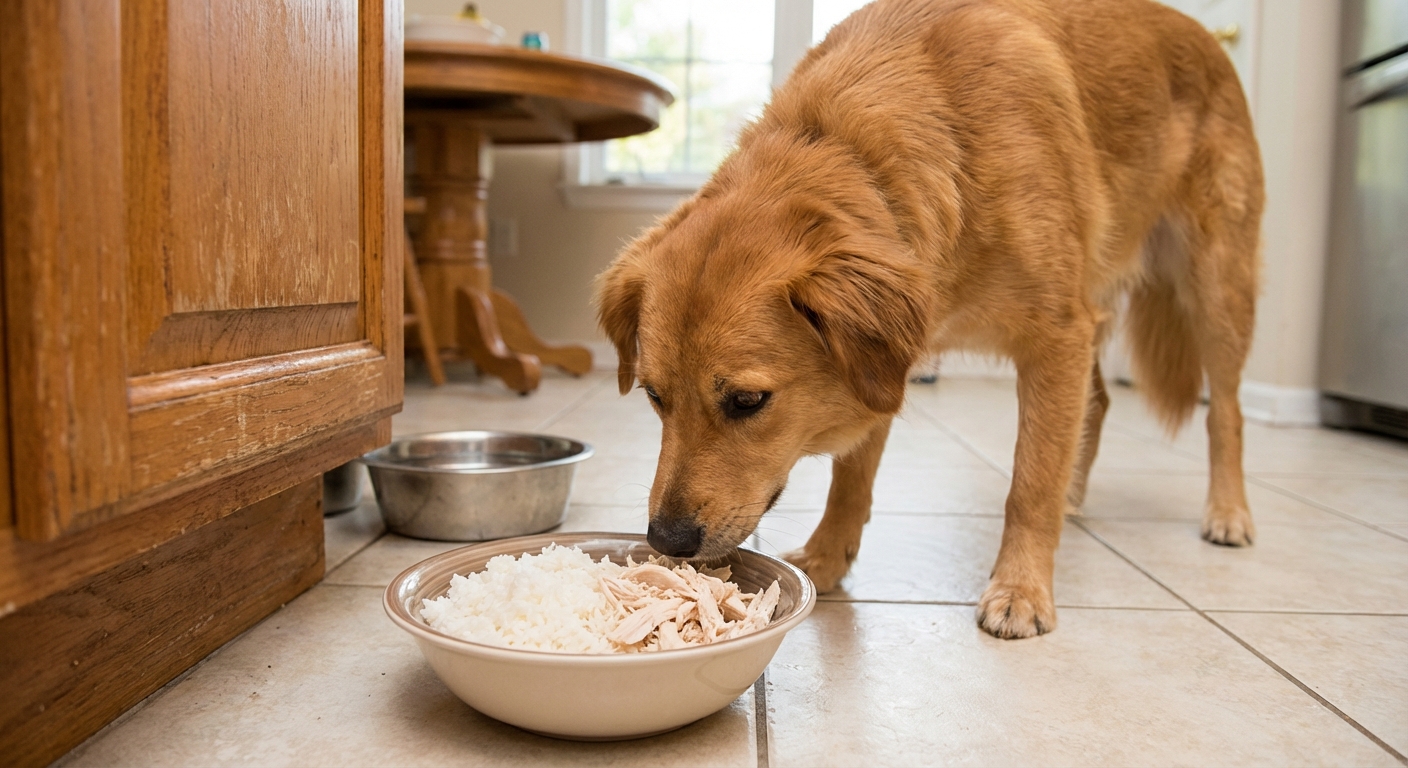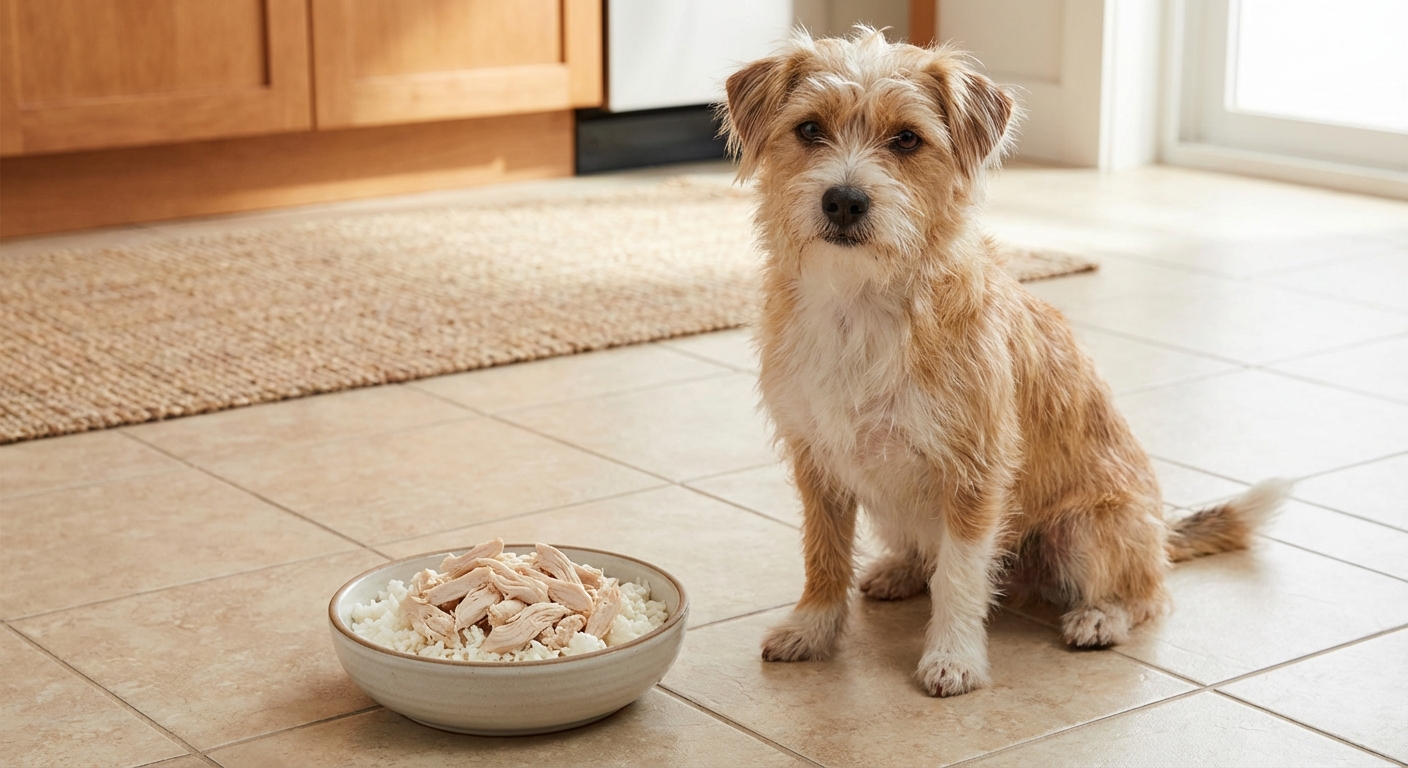
Chicken and rice can soothe mild stomach upset and help dogs transition back to normal food. Learn safe recipes, portions, how long to feed it, and when to c...
Article
•
Designer Mixes
Home Remedies for Dog Diarrhea and Vomiting

Shari Shidate
Designer Mixes contributor
When a dog has diarrhea and vomiting, it is scary, messy, and exhausting. As a veterinary assistant here in Frisco, Texas, I want you to know two things can be true at once: many mild stomach upsets improve with simple home care, and some cases need urgent veterinary attention.
This guide helps you quickly decide what is safe to do at home, what to avoid, and exactly when to call your veterinarian.
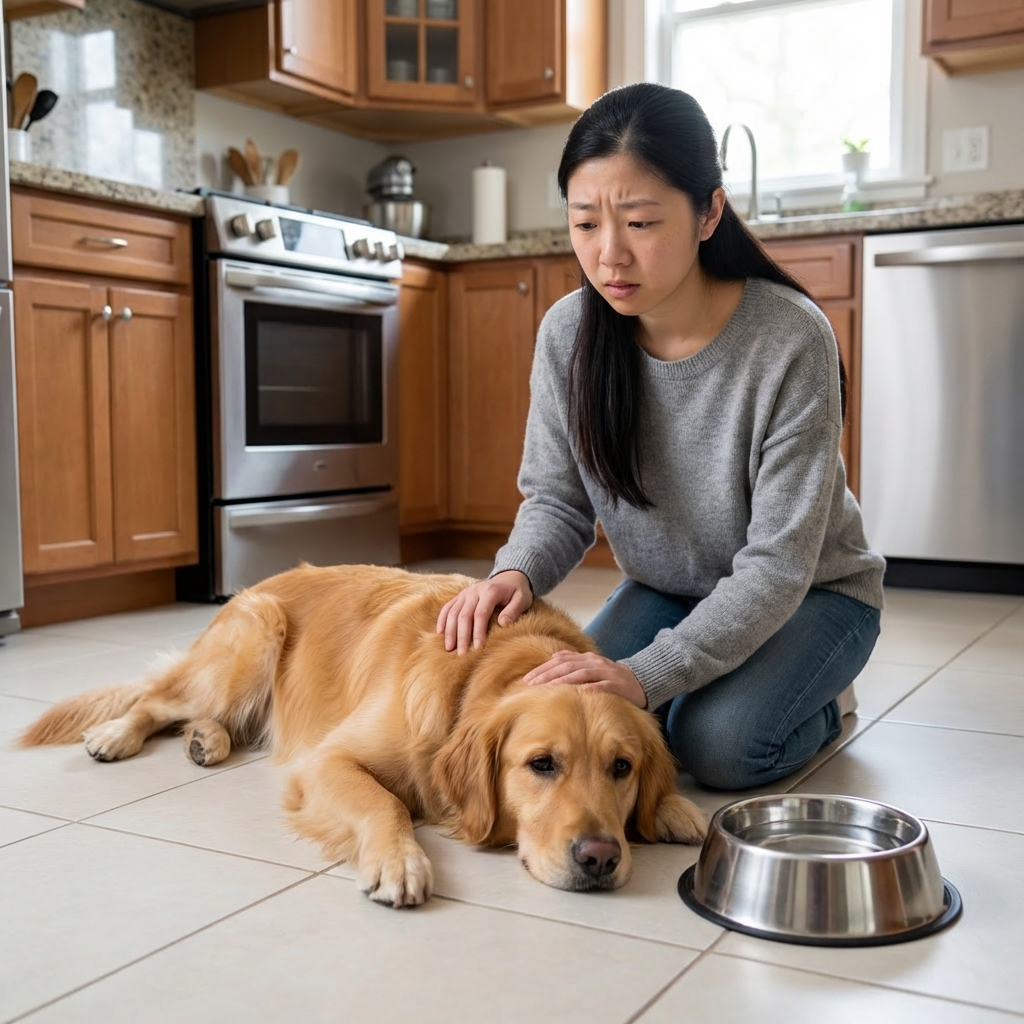
First, decide if it is safe to treat at home
Before you try any home remedy, do a quick safety check. If you see any of the red flags below, skip home care and contact your veterinarian or an emergency clinic.
Go to the vet now if you notice any of these
- Repeated vomiting that will not slow down, or your dog cannot keep water down
- Blood in vomit or stool (red streaks or a black, tar-like stool)
- Severe lethargy, collapse, weakness, or trouble standing
- Bloated or painful abdomen, retching with little coming up, or rapid swelling of the belly (possible bloat)
- Possible blockage signs: repeated straining with little stool, inability to pass stool, persistent gagging, or obvious abdominal pain
- Dehydration signs (tacky or dry gums, sunken eyes, very low energy, skin staying “tented” when gently lifted)
- Vomiting plus diarrhea in a puppy, senior dog, or any dog with diabetes, kidney disease, Addison’s disease, heart disease, or on long-term medications
- Possible toxin exposure (xylitol, grapes or raisins, chocolate, onions, rodenticides, medications, THC products, household cleaners)
- Foreign body risk (your dog chewed toys, socks, bones, corn cobs, sticks, or trash)
- High pancreatitis concern: repeated vomiting plus belly pain, hunched posture, or recent fatty food
- Symptoms lasting more than 24 hours, or diarrhea not improving within 24 to 48 hours
What “mild” usually looks like
- 1 to 2 vomits, then it stops
- Soft stool or a few diarrhea episodes, but your dog is still alert and responsive
- Drinking at least some water and able to keep small amounts down
- No blood, no severe belly pain, no collapse
If your dog seems stable and you have no red flags, supportive home care is often reasonable. If you are unsure, it is always OK to call your veterinarian early.
Why dogs get diarrhea and vomiting
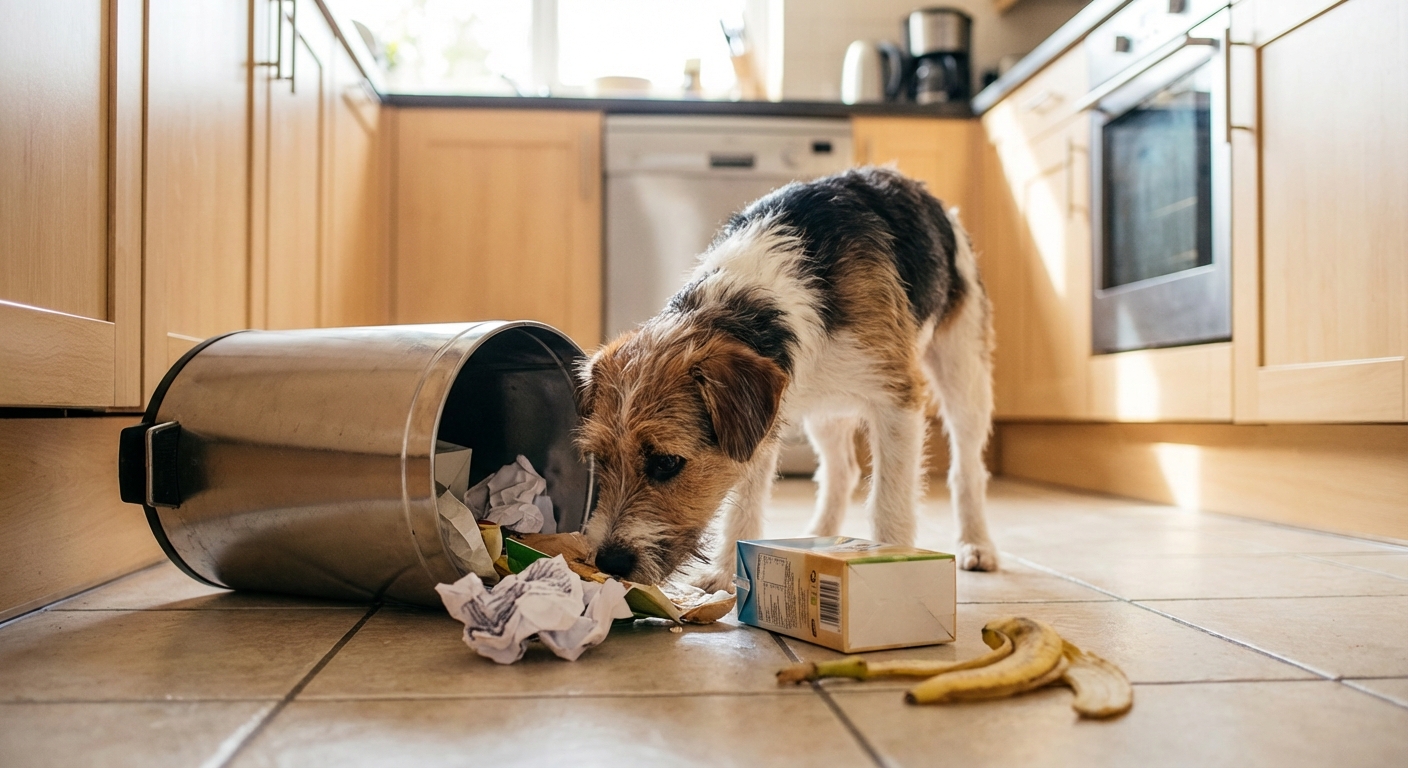
Most short-lived stomach upsets come from “dietary indiscretion,” which is a polite way of saying your dog ate something their gut did not agree with. Other common causes include sudden food changes, rich treats, stress, parasites, viral or bacterial infections, pancreatitis, food intolerance, medication side effects, and eating something that causes a blockage.
Home care is meant for mild cases, not for diagnosing the cause. If symptoms keep returning, you will want your vet to look deeper.
The safest home remedies that help
1) Hydration first
Dehydration is the biggest short-term risk with vomiting and diarrhea. Offer small, frequent drinks rather than letting your dog chug.
- Offer water often. If your dog vomits after drinking, wait 30 to 60 minutes, then try again with a smaller amount.
- Small amount guide (approximate): start with 1 to 2 teaspoons every 5 to 10 minutes for small dogs, or 1 to 2 tablespoons every 5 to 10 minutes for medium to large dogs. If that stays down for an hour, slowly increase.
- Ice chips can be easier to tolerate than a full bowl of water for some dogs.
- Electrolytes: Ask your veterinarian about a dog-safe oral electrolyte option. The main sweetener danger is xylitol (also called birch sugar). Avoid any product that contains xylitol.
2) Brief stomach rest (only if your vet agrees)
If vomiting is the main issue, your veterinarian may recommend a short break from food. For some healthy adult dogs, that can be around 6 to 12 hours, but it is not right for every dog or every situation. If vomiting continues, do not keep waiting. Call your veterinarian.
Important: Do not fast puppies, toy breeds prone to low blood sugar, or dogs with medical conditions unless your veterinarian tells you to.
3) Then feed a bland, low-fat diet
Once vomiting has stopped and your dog can keep water down, start a bland diet for 2 to 3 days.
- Boiled skinless chicken breast with plain white rice
- Boiled lean turkey with white rice
- Low-fat cottage cheese (small amounts) with rice for dogs that tolerate dairy
Feed small portions 3 to 6 times per day. A good starting point is about one quarter to one third of their normal meal size, then slowly increase if stools improve and there is no vomiting.
Keep it low fat. Greasy foods can worsen diarrhea and may trigger pancreatitis in susceptible dogs.
Stop all extras while your dog recovers, including treats, bully sticks, rawhides, table scraps, and flavored chews. Keep it boring until the gut calms down.
4) Add gentle soluble fiber (when diarrhea is the main symptom)
Soluble fiber can help firm stools by absorbing water and supporting healthy gut bacteria.
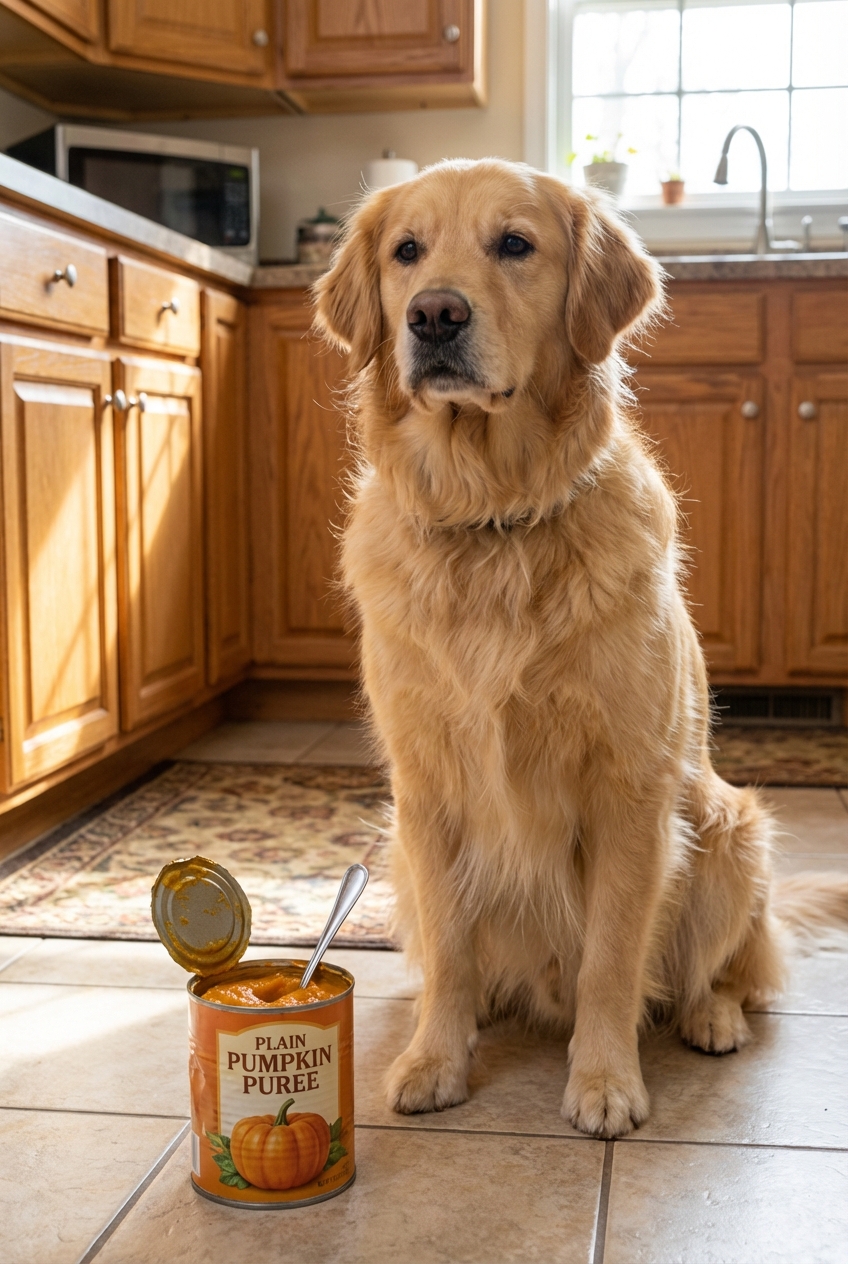
- Plain canned pumpkin (not pie filling): about 1 teaspoon per 10 pounds of body weight mixed into meals, 1 to 2 times daily
- Cooked sweet potato in small amounts can be another option
If fiber makes stools worse, stop and call your veterinarian.
5) Consider a dog-specific probiotic
Some dog-specific probiotics may help with mild, uncomplicated acute diarrhea, although results can vary by strain and product. Choose a dog-specific probiotic from a reputable brand, and follow label instructions. If your dog is immunocompromised or very ill, ask your veterinarian first.
6) Quiet rest and a bathroom plan
GI upset takes energy out of a dog. Keep activity calm, limit excitement, and offer frequent potty breaks. A dog with diarrhea may need to go out every 1 to 2 hours at first.
What not to do at home
Avoid these mistakes
- Do not give human anti-diarrhea meds (like loperamide or bismuth) unless your veterinarian specifically approves. Loperamide can be risky for some herding breeds (MDR1 mutation risk) and may be unsafe if infection, toxin exposure, or a blockage is possible. Bismuth can also darken stool, which can make it harder to recognize true black, tarry stool.
- Do not give NSAIDs like ibuprofen or naproxen. They can cause dangerous stomach ulcers and kidney injury.
- Avoid greasy foods, bacon, sausage, butter, and high-fat scraps.
- Avoid broth with onions or garlic and avoid onion-containing foods entirely.
- Do not force-feed a nauseated dog. Focus on hydration and small, gentle meals when they are ready.
- Do not switch foods repeatedly in one day. Too many changes can prolong diarrhea.
A simple 48-hour at-home plan
If your dog is stable and you have no red flags, this is a reasonable at-home approach.
Hours 0 to 12
- Offer small amounts of water frequently
- If vomiting is ongoing, call your veterinarian for advice on whether a brief food pause is appropriate (healthy adults only)
- Keep your dog calm and warm
Hours 12 to 48
- Start bland meals in small portions, 3 to 6 times daily
- Add a small amount of pumpkin if diarrhea is prominent (about 1 teaspoon per 10 pounds, 1 to 2 times daily)
- Optional: begin a dog-specific probiotic
- Monitor stool frequency, stool appearance, energy, and appetite
Return to normal food
Once stools are improving and vomiting has stopped for at least 24 hours, transition back slowly over 3 to 5 days by mixing:
- Day 1: 75% bland, 25% regular
- Day 2: 50% bland, 50% regular
- Day 3: 25% bland, 75% regular
- Day 4: 100% regular
If symptoms return during the transition, step back to the previous ratio and contact your veterinarian.
How to monitor dehydration at home
Here are quick checks you can do safely. These are more reliable than nose moisture, which can vary for normal reasons.
- Gums: should be slick and moist, not tacky or dry
- Capillary refill time: press the gum gently until it blanches, then release. Color should return within about 2 seconds.
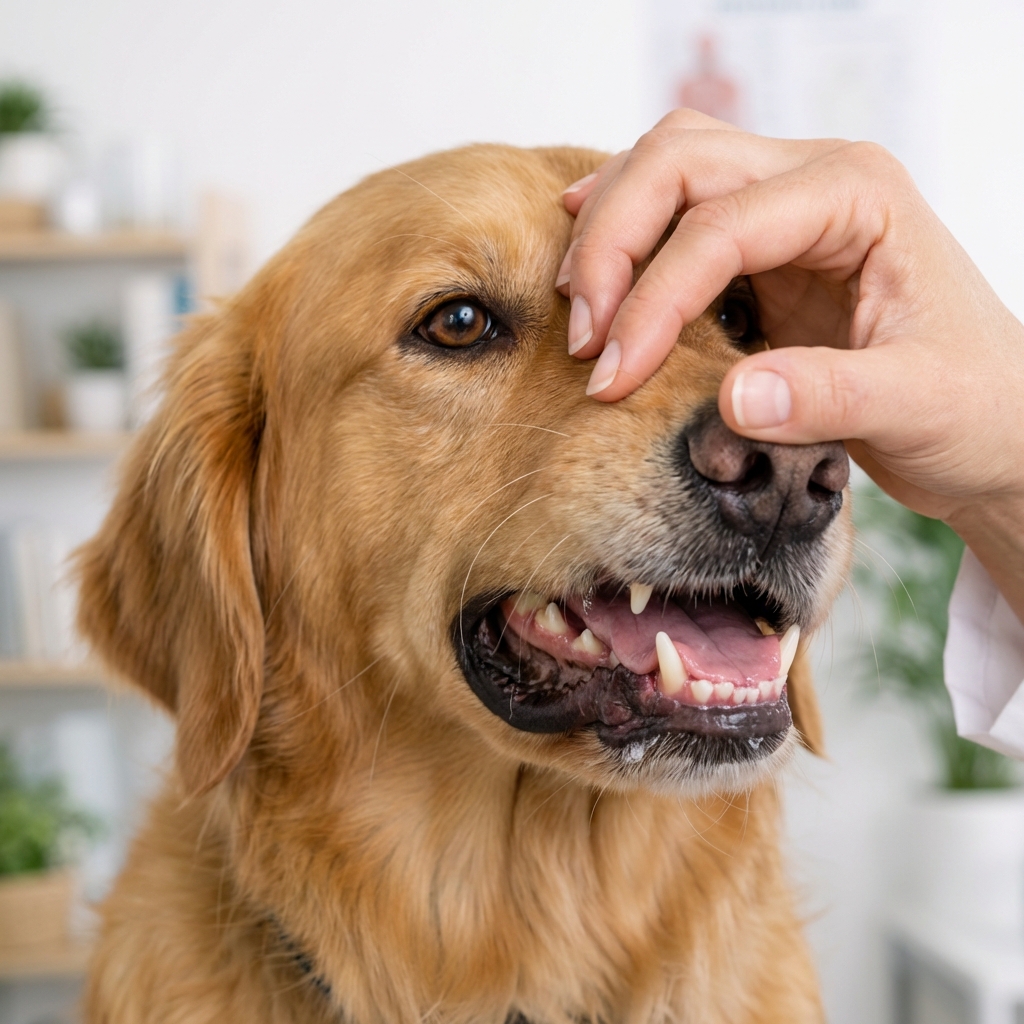
- Skin tent: gently lift skin over the shoulder blades and release. It should snap back quickly in a well-hydrated dog. This can be less reliable in overweight dogs, very young puppies, senior dogs, and some breeds, so use it along with the gum check and overall behavior.
- Overall mentation: unusual quietness, weakness, or glazed eyes can mean your dog needs help sooner
If you are unsure, it is better to call your veterinarian early. Dehydration can escalate fast, especially in small dogs and puppies.
When to call your vet
- Vomiting continues beyond 12 to 24 hours, or returns repeatedly after brief improvement
- Diarrhea is not improving within 24 to 48 hours, or is frequent and urgent
- Your dog refuses water or cannot keep water down
- There is blood, black tar-like stool, or significant weakness
- Your dog recently started a new medication or got into trash
- Symptoms keep recurring every few weeks
Bring a fresh stool sample if your vet requests it. Parasites and giardia are common and treatable, but they need the right testing.
Hygiene and contagious risk
Some causes of diarrhea are contagious to other dogs, and a few can affect people too.
- Pick up stool promptly and disinfect soiled areas
- Wash hands after cleaning accidents
- If you have multiple dogs, limit shared water bowls and close contact until things improve
Extra caution for mixed breeds
Mixed-breed dogs can inherit breed tendencies, so it helps to think about body size and likely traits when you make home-care decisions.
- Small mixes can dehydrate quickly and can be more sensitive to fasting.
- Herding-breed mixes may be more likely to have drug sensitivities, including MDR1-related issues. Ask your veterinarian before using any over-the-counter GI medication.
- Deep-chested mixes can be at higher risk for bloat. Retching with little vomit and a tight, swollen abdomen is an emergency.
My bottom line
Most mild diarrhea and vomiting can improve with three basics: hydration, rest, and a bland low-fat diet. But your instincts matter. If your dog looks painful, weak, unusually quiet, cannot keep water down, or you are seeing blood, do not wait it out.
If you want, tell me your dog’s age, weight, breed mix, how long symptoms have been happening, and what they last ate. I can help you decide what questions to ask your veterinarian and what supportive care is safest.