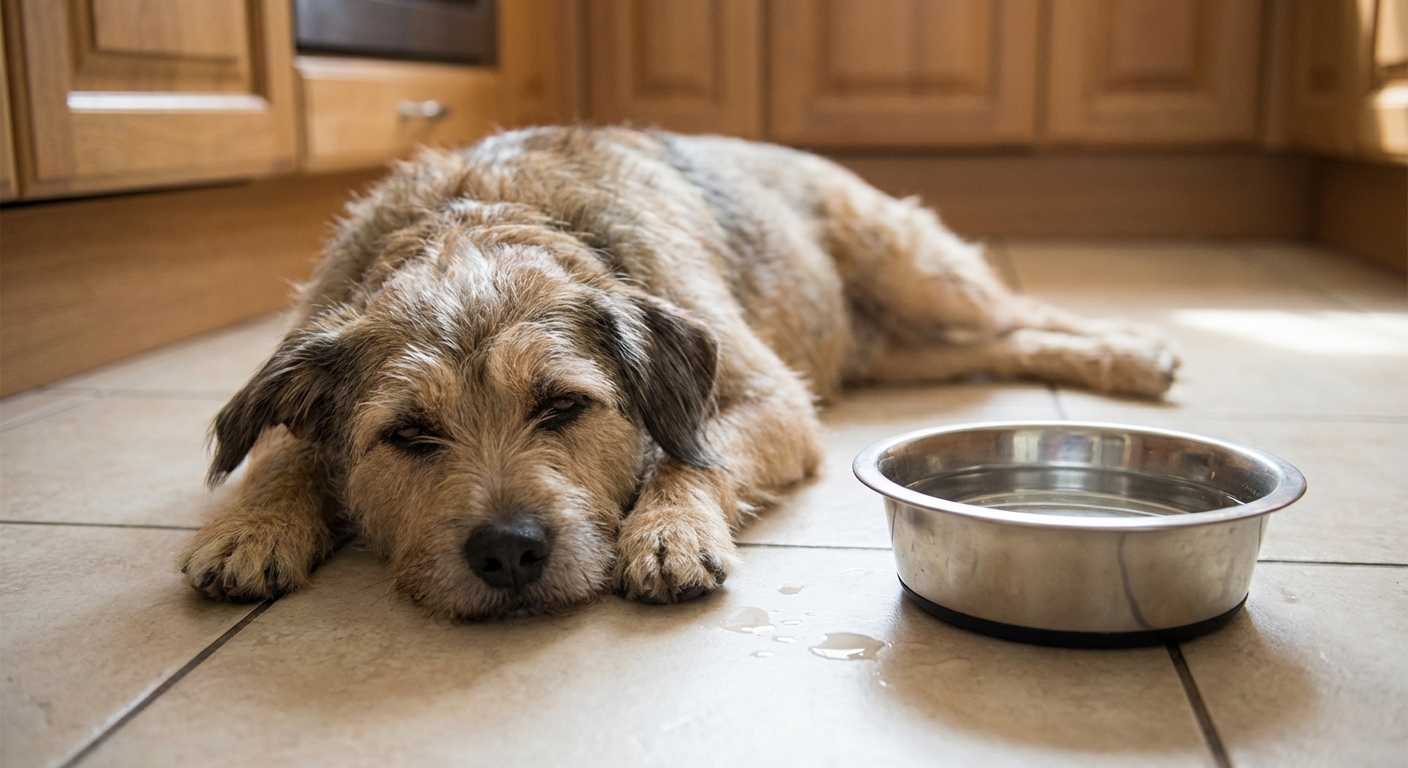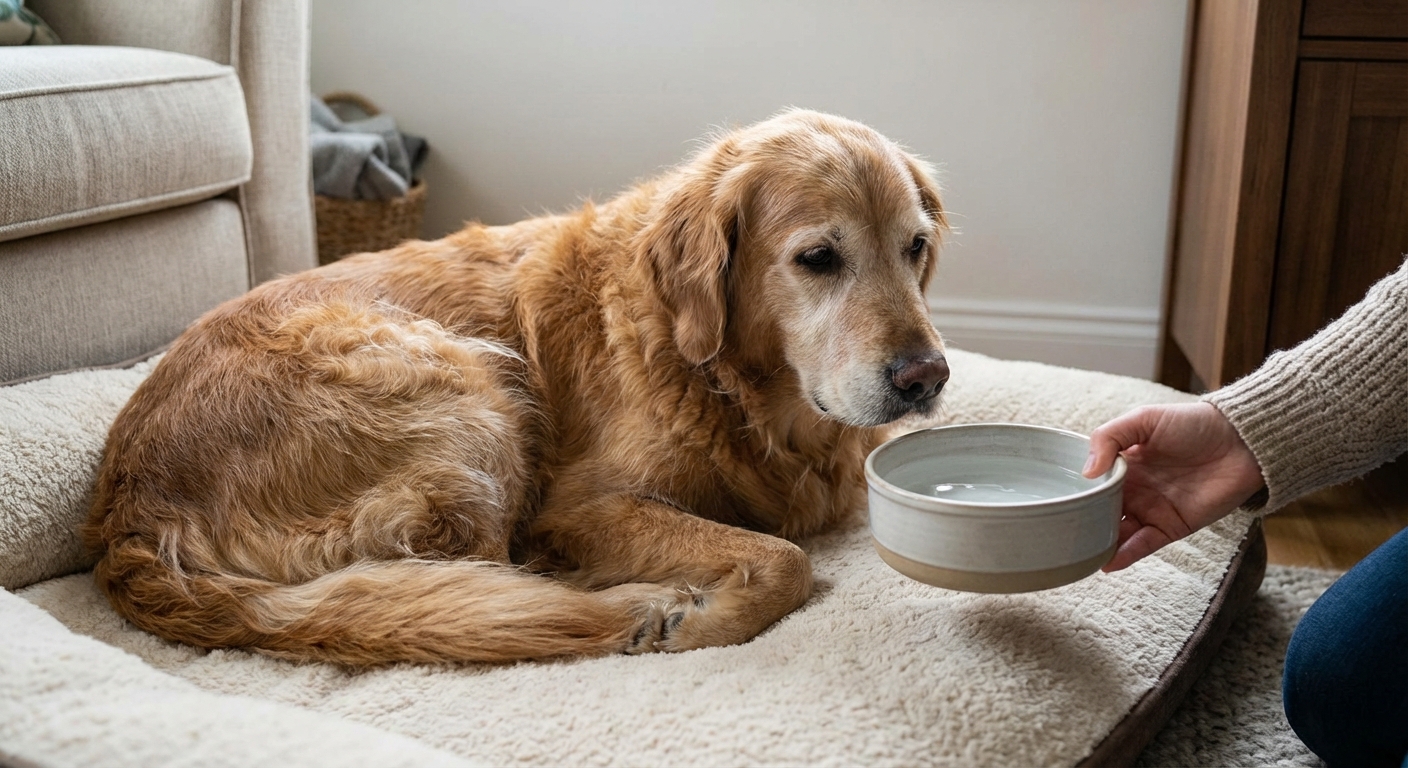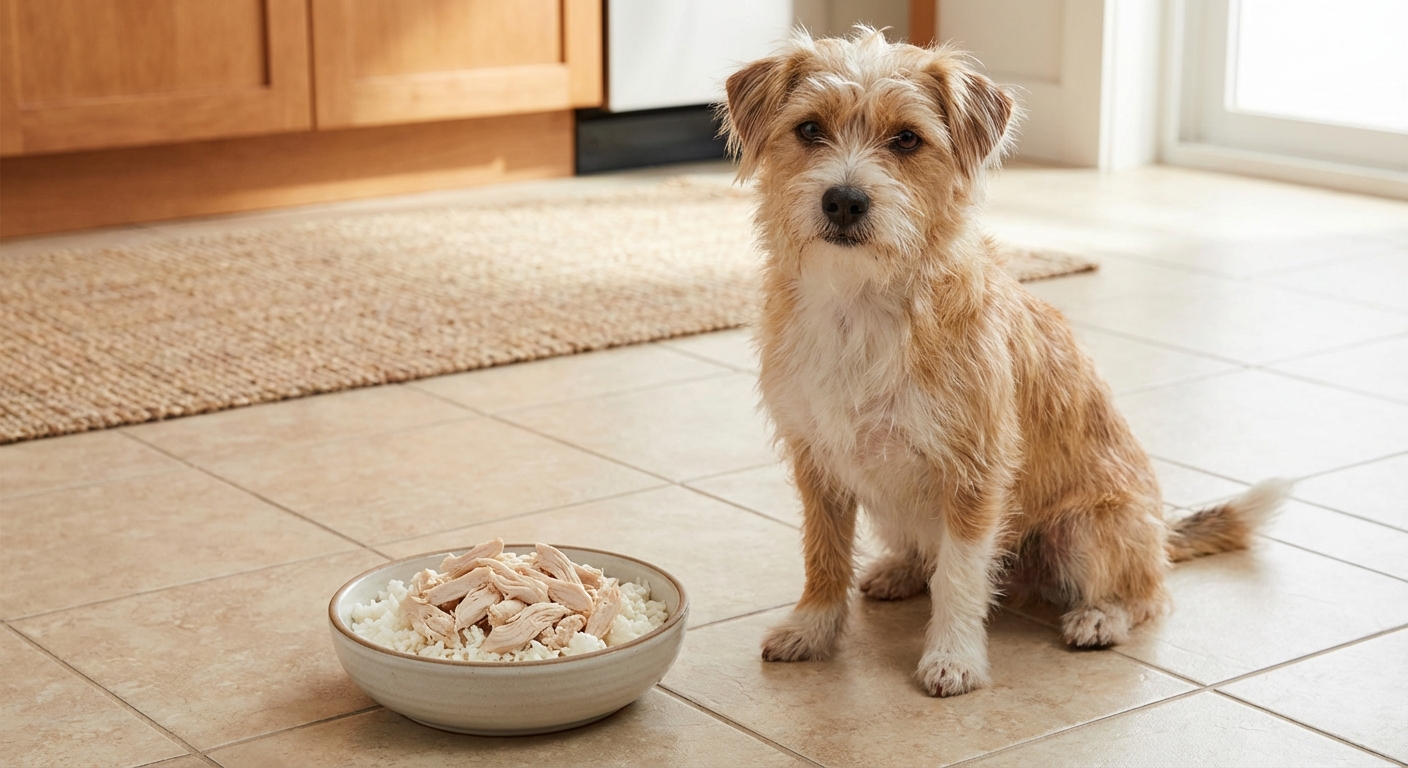
Chicken and rice can soothe mild stomach upset and help dogs transition back to normal food. Learn safe recipes, portions, how long to feed it, and when to c...
Article
•
Designer Mixes
Home Bland Diet for Dogs: Portions Made Simple

Shari Shidate
Designer Mixes contributor
When your dog has an upset tummy, your vet may recommend a short-term bland diet to give the gastrointestinal tract a break. A bland diet is not meant to be “forever food.” It is a simple, low-fat, easy-to-digest plan that can help with mild, uncomplicated vomiting or diarrhea while you monitor closely and follow your veterinarian’s guidance.
As a veterinary assistant, I love bland diets because they give you a clear, practical way to support your dog at home. The big question I hear most is: How much do I feed? Let’s make portions simple, consistent, and safe.
When a bland diet fits
A home bland diet is commonly used for 24 to 72 hours for mild GI upset. If it needs to continue beyond that, it should be only with veterinary direction because chicken and rice is not complete and balanced nutrition.
It can be helpful when your dog is bright, alert, drinking water, and symptoms are not severe. If your dog has been vomiting, ask your vet about timing. Some dogs do best with a short rest period from food, then small meals. Others should not have food withheld (especially tiny dogs, puppies, and dogs with certain medical issues).
Call your vet urgently if you notice
- Repeated vomiting, vomiting that won’t stop, or your dog cannot keep water down
- Bloody diarrhea, black tarry stool, or large amounts of blood
- Marked lethargy, collapse, pale gums, or signs of dehydration
- Painful or swollen abdomen, retching without producing vomit
- Puppies, seniors, pregnant dogs, or dogs with chronic illness (kidney disease, diabetes, pancreatitis, Addison’s, etc.)
- Suspected toxin exposure or foreign object ingestion (toy, sock, bones, corn cob)
The bland diet basics
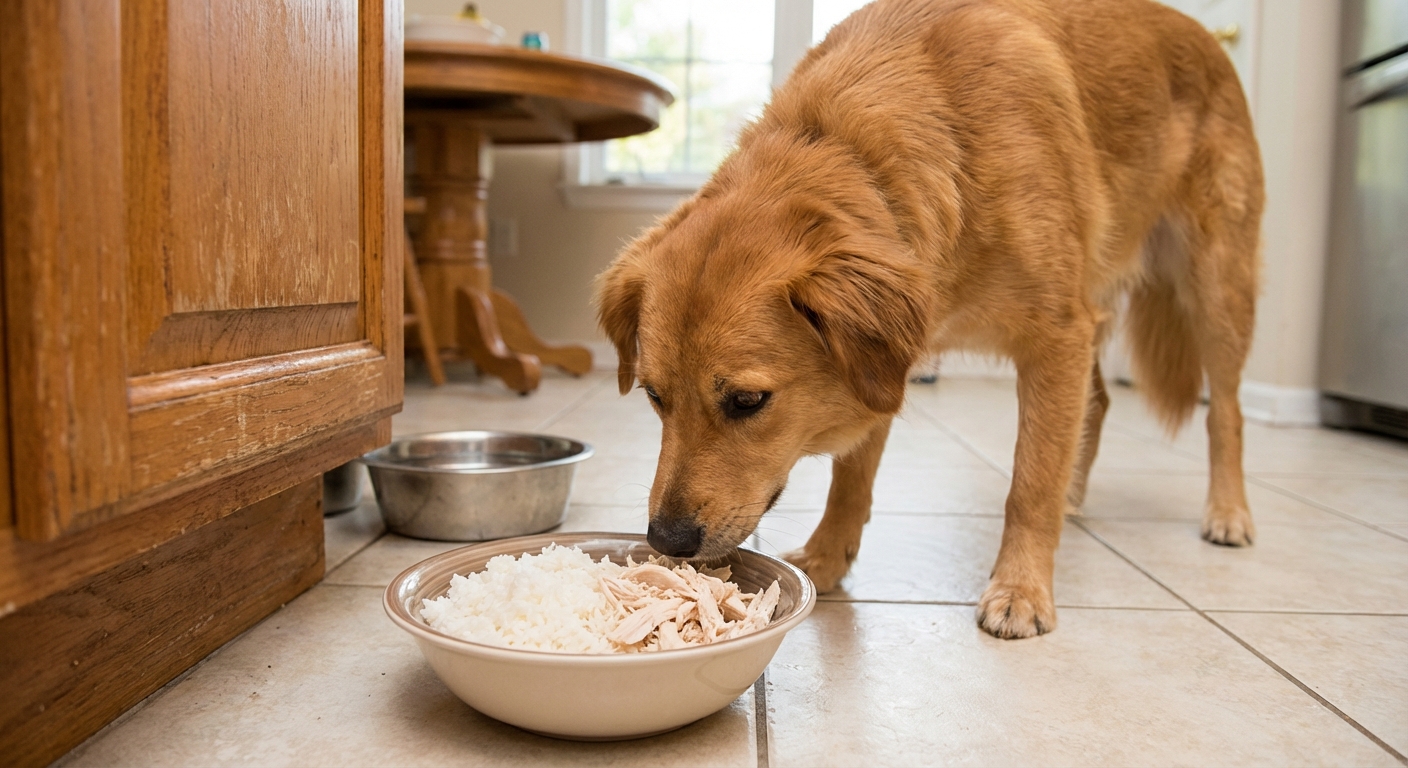
Most veterinarians recommend a very basic combination of:
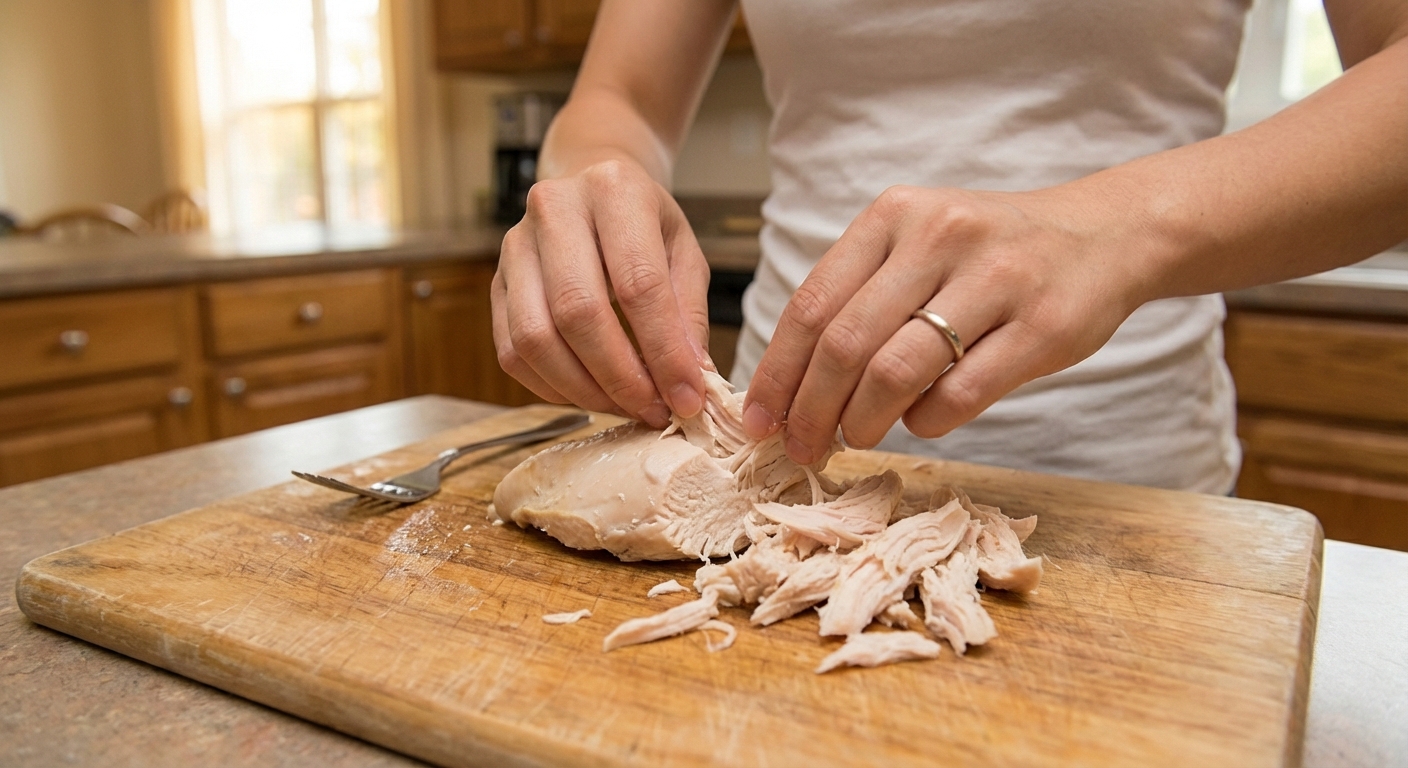
- Lean protein: boiled, skinless chicken breast or very lean turkey
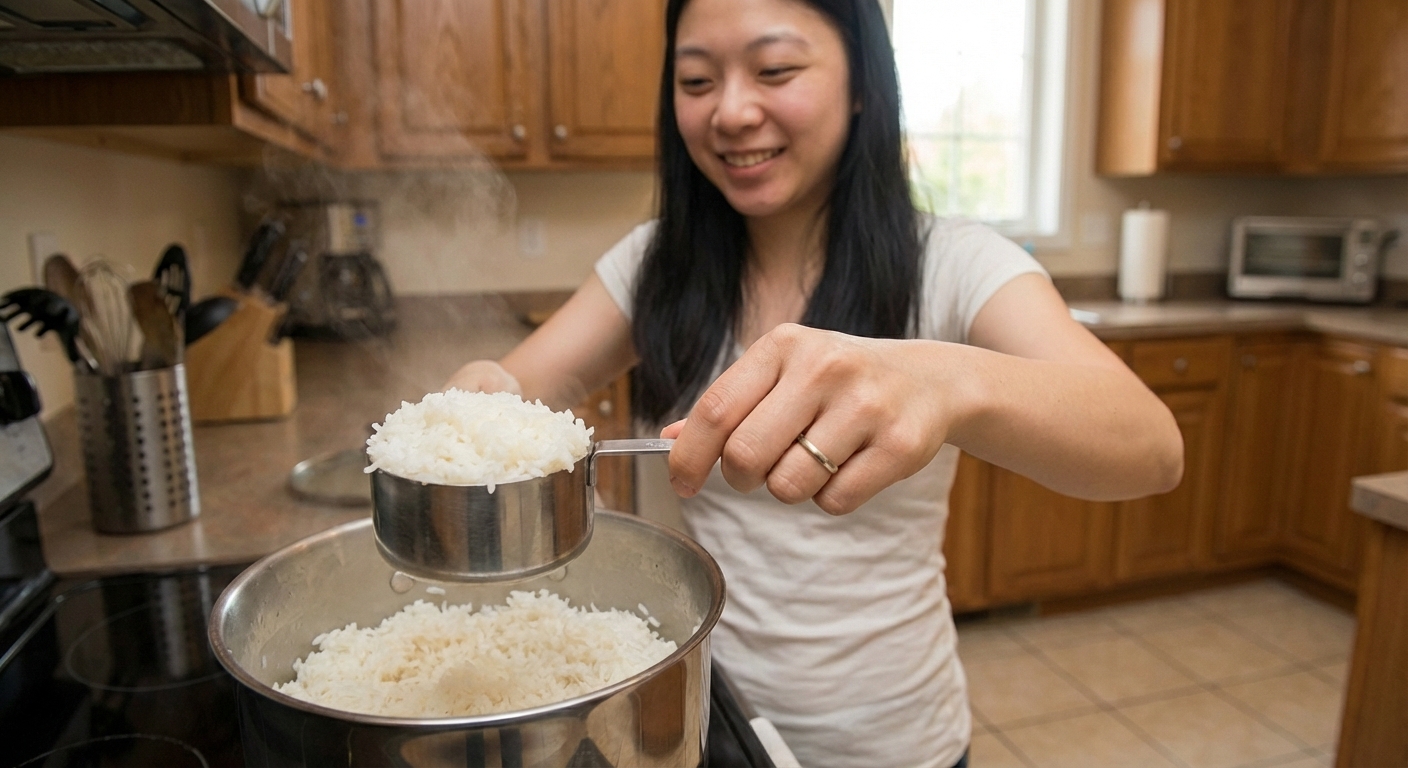
- Carbohydrate: plain white rice
Standard ratio: 1 part protein to 2 parts carbohydrate (by volume of cooked foods). This is gentle and lower fat.
Example: 1 cup shredded chicken mixed with 2 cups cooked white rice.
Diarrhea vs vomiting
- Loose stool often does well with the standard 1:2 ratio.
- Vomiting often does best with smaller, more frequent meals once your vet says it is time to reintroduce food. Ask your vet if a temporarily higher rice ratio is appropriate for your dog.
Portions (start here)
Instead of “exact” portions (because calorie needs vary a lot by age, breed, and activity), I recommend a safe starting range for a short-term bland diet.
Goal: feed enough to keep your dog comfortable and hydrated without overloading an irritated gut. Appetite often returns before the intestines are fully settled, so resist the urge to jump to very large meals.
Important: these cup amounts are intentionally short-term and conservative. Calories per cup can vary based on how moist the rice is, how finely the chicken is shredded, and how densely you pack a measuring cup. If your dog needs precise targets, ask your vet about calorie-based goals (often discussed as RER or MER).
Daily amount by weight (cooked food)
These totals are for the full day and assume a 1:2 mix of cooked chicken and cooked white rice. Split the daily amount into multiple small meals.
- 5 lb dog: 1/4 to 1/2 cup per day
- 10 lb dog: 1/2 to 1 cup per day
- 15 lb dog: 3/4 to 1 1/2 cups per day
- 20 lb dog: 1 to 2 cups per day
- 30 lb dog: 1 1/2 to 3 cups per day
- 40 lb dog: 2 to 4 cups per day
- 50 lb dog: 2 1/2 to 5 cups per day
- 60 lb dog: 3 to 6 cups per day
- 70 lb dog: 3 1/2 to 7 cups per day
- 80 lb dog: 4 to 7 1/2 cups per day
- 90 lb dog: 4 1/2 to 8 cups per day
- 100 lb dog: 5 to 8 cups per day
Large dog note: metabolism does not scale perfectly with size. For dogs over about 50 lb, many do well closer to the lower to middle end of the range at first. If your dog seems uncomfortable, bloated, or starts vomiting again, reduce volume and call your vet.
How many meals per day?
- Small dogs: split into 4 to 6 small meals
- Medium to large dogs: split into 3 to 4 meals
Quick measuring help: 1/4 cup = 4 tablespoons, and 1 tablespoon = 3 teaspoons.
Example: A 20 lb dog might start around 1 1/2 cups per day. If you feed 4 meals, that is about 6 tablespoons per meal (a generous 1/3 cup).
If feeding less at first
Sometimes your vet will recommend temporarily feeding a fraction of your dog’s normal intake, especially after vomiting. Here is a simple way to do it without guessing.
Step-by-step
- Pick a starting point from the daily range above (most dogs do best starting in the lower half if vomiting has been involved).
- If your vet says to feed 50% for the first day, feed half of that chosen daily amount.
- Split the new total into 4 to 6 small meals.
Example: A 10 lb dog may start at 1/2 cup/day. If your vet wants you to start at 50%, feed 1/4 cup/day total, split into 4 to 6 meals (about 2 to 3 teaspoons per meal).
If your dog vomits again after re-feeding, stop the food, offer water in small amounts, and contact your vet for next steps. Do not keep pushing meals through repeated vomiting.
Cooking and measuring tips
- Boil the meat (best for bland diets). Boiling can render some fat out into the water, which you then discard. With skinless chicken breast the fat reduction is modest, but boiling still helps you avoid added oils and keeps things simple.
- Use skinless chicken breast or very lean turkey. No oils, butter, seasoning, onion, garlic, or spice mixes.
- Drain well. Rinsing is usually most helpful for ground meats (like very lean ground turkey or beef) if you are trying to remove as much fat as possible. Boiled skinless chicken breast is already quite low fat.
- Use plain white rice cooked fully. Avoid rich broths and salty stocks unless your vet okays it.
- Measure portions as cooked volumes (measuring cup) so day-to-day portions stay consistent.
- Keep fresh water available at all times. Quick hydration check: gums should be slick and moist, not tacky or dry. If your dog seems weak, refuses water, or is peeing much less than normal, call your vet.
Add-ons (ask your vet)
These can help in the right dog, but they are not always appropriate for every GI issue. If you add anything, keep it simple and add one thing at a time.
If any add-on seems to make vomiting or diarrhea worse, stop it and check in with your veterinarian.
Common options
- Plain canned pumpkin (not pie filling): many vets suggest a small amount to support stool quality, but it is not a fit for every case and too much can loosen stools. A conservative starting point is 1 teaspoon per meal for small dogs and 1 tablespoon per meal for medium to large dogs. Start low, and confirm what is right for your dog.
- Probiotics: veterinary probiotics can support the gut microbiome, especially after stress diarrhea or antibiotics.
- Eggs: scrambled (plain) or hard-boiled can be a little rich for some dogs and are not my first choice for pancreatitis-prone pups. Ask your vet before using them as the main protein during a GI flare.
If your dog has a history of pancreatitis, fat sensitivity, or recurrent GI disease, check with your veterinarian before adding anything beyond chicken and rice.
Chicken not an option?
If your dog has a known chicken sensitivity, ask your vet about swapping the protein. Common bland options include lean turkey or plain white fish (fully cooked, no oil or seasoning). If your dog has food allergies or is on a prescription diet, do not switch proteins without veterinary guidance.
How long and how to switch back
Most uncomplicated stomach upsets improve within a couple of days. Once stools are formed and your dog is acting normal, transition back slowly. Abrupt diet changes can restart diarrhea.
Simple transition
- Day 1: 75% bland diet + 25% regular food
- Day 2: 50% bland diet + 50% regular food
- Day 3: 25% bland diet + 75% regular food
- Day 4: 100% regular food (if symptoms stay resolved)
If symptoms return at any point, pause the transition and contact your vet. If diarrhea lasts more than 24 to 48 hours despite bland feeding, or your dog will not eat, that is also a good time to call.
Quick FAQ
Can I use ground beef?
Only if it is very lean and thoroughly cooked, then drained well (rinsing can reduce fat even more). Higher fat foods can worsen GI upset and may trigger pancreatitis in susceptible dogs.
Can I use brown rice?
Brown rice has more fiber and can be harder to digest for some dogs during a flare. White rice is typically preferred for short-term bland feeding.
My dog is hungry. Can I feed more?
Sometimes appetite rebounds before the gut is fully calm. Increase slowly and prioritize more frequent small meals over large portions. If signs worsen, go back to smaller meals and call your vet.
What if my dog refuses the bland diet?
Do not force food. If your dog refuses food for more than 24 hours, call your vet sooner for puppies and small dogs. If your dog will not drink water, seems weak, or continues vomiting, treat it as urgent.
The takeaway
A home bland diet can be a gentle, effective bridge when your dog’s stomach is upset, but portions still matter. Use the 1 part lean protein to 2 parts white rice ratio, start with the weight-based daily range above, split into small meals, and keep a close eye on hydration and energy.
This is short-term supportive care, not a substitute for diagnosis. If you are ever unsure, your veterinarian can tailor portions and timing to your dog’s age, medical history, and symptoms.