
Histoplasmosis in Dogs: Symptoms, Hotspot Regions, and ER Red Flags

If you live in an area with lots of river valleys, moist soil, or old bird and bat droppings, it is normal to worry when your dog starts coughing, acting tired, or losing weight. Histoplasmosis is one of those infections that can look like several other illnesses at first, but it can become serious quickly in some dogs.
As a veterinary assistant, I want you to leave this page with two things: a clear sense of what to watch for and a practical plan for what to do next if your dog might have been exposed.
What is histoplasmosis in dogs?
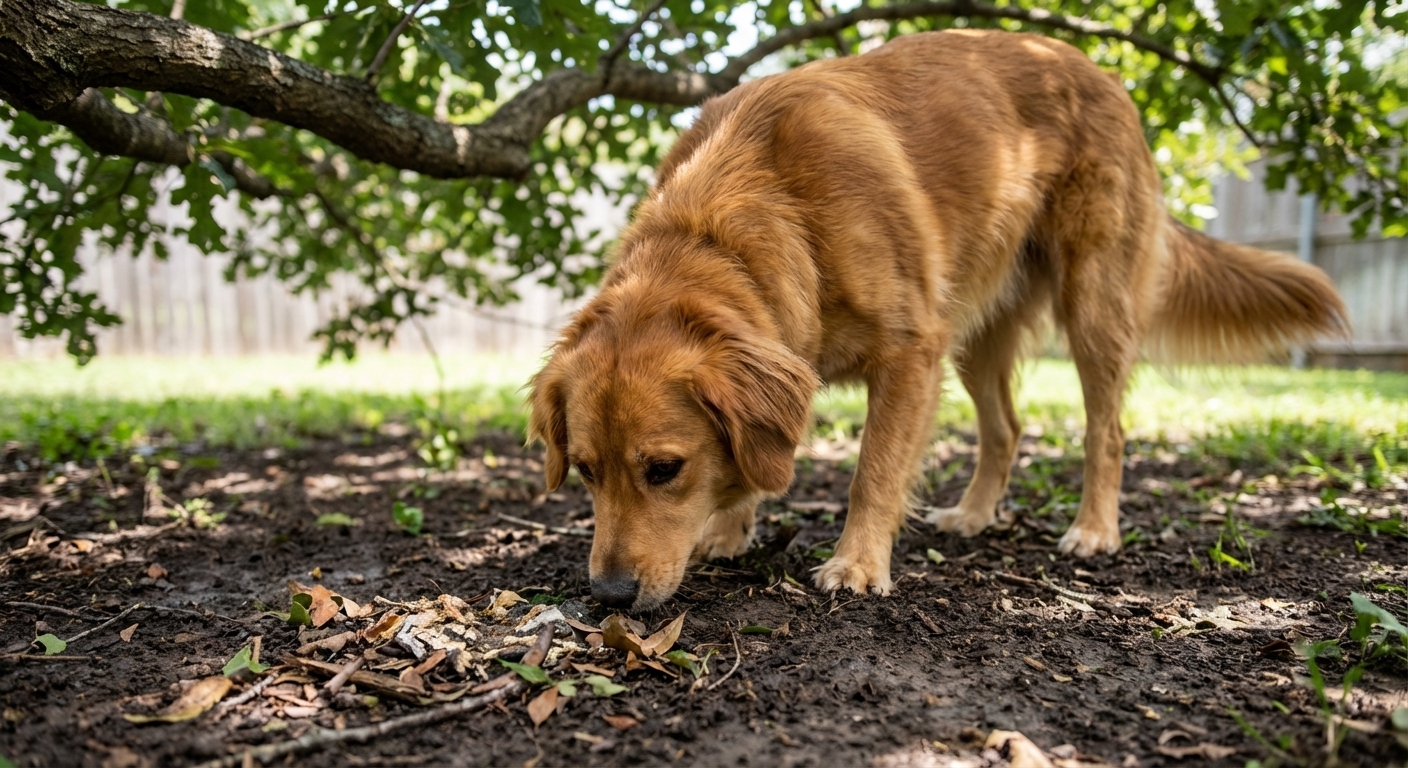
Histoplasmosis is a fungal infection caused by Histoplasma capsulatum. The fungus lives in the environment and thrives in soil that is enriched by bird or bat droppings. Dogs typically get infected by inhaling microscopic fungal spores that become airborne when contaminated soil or droppings are disturbed.
Some dogs will have mild disease and recover, but others can develop severe pneumonia or a body-wide (systemic) infection called disseminated histoplasmosis.
How dogs catch Histoplasma
Common exposure scenarios
Dogs are curious, nose-to-the-ground explorers, which is exactly why this fungus can catch them off guard. The risk goes up any time a dog (or a person) disturbs contaminated soil or droppings and stirs spores into the air.
- Digging in damp soil, especially near trees or shaded areas
- Exploring chicken coops, barns, or old sheds
- Walking near caves or areas where bats roost
- Construction, landscaping, or yard work that disturbs soil
- Parks and riverbanks with bird roosting sites
Can dogs spread histoplasmosis to people or other pets?
In most everyday situations, dogs do not directly transmit histoplasmosis to people or other pets because the main route is inhalation from the environment. Direct spread from a dog to a person is considered extremely unlikely. That said, your household may share the same exposure source, so if your dog is diagnosed, it is smart to think about where the exposure happened and avoid that area until you have guidance from your veterinarian.
Hotspot regions
Histoplasmosis is considered endemic in parts of the United States, especially in the Ohio and Mississippi River valleys. Risk also increases in areas with moist soil and abundant bird or bat activity. Distribution outside the classic hotspots can be patchy, so your veterinarian will weigh local patterns and your dog’s exact exposure history.
Higher-risk areas often include
- Ohio River Valley and surrounding states
- Mississippi River Valley
- Parts of the Midwest and some areas near major waterways where conditions are favorable
- Any location with bat caves, dense bird roosting sites, or heavily contaminated soil
If you are in the Southwest and you are thinking, “Isn’t this Valley fever?” you are not wrong to consider it. The tricky part is that fungal diseases can overlap in symptoms, and where you live heavily influences what your vet suspects first.

Symptoms: lung vs body-wide
Histoplasmosis commonly starts in the lungs because spores are inhaled. From there, some dogs keep the infection localized, and others have spread to organs like the intestines, liver, spleen, bone marrow, eyes, skin, or lymph nodes.
Signs that can fit pulmonary (lung) histoplasmosis
- Cough that persists or worsens
- Fast breathing or working harder to breathe
- Exercise intolerance, tiring quickly on walks
- Fever
- Decreased appetite
- Weight loss
Signs that can fit disseminated histoplasmosis
Disseminated disease often looks more “whole body” and sometimes more gastrointestinal.
- Weight loss and poor appetite
- Chronic diarrhea (sometimes with mucus or blood)
- Vomiting
- Swollen lymph nodes (you may notice lumps under the jaw, in front of shoulders, or behind knees)
- Enlarged abdomen from enlarged liver or spleen, or fluid buildup
- Pale gums (possible anemia)
- Eye inflammation, squinting, or sudden vision changes
- Lethargy and weakness
Important: Some dogs have a mix of both lung and disseminated signs, so it is not always a neat box.
Why it can look like other diseases
Histoplasmosis is a master of disguise. It can resemble bacterial pneumonia, cancer, inflammatory bowel disease, or other fungal infections. This is why veterinarians rely on a combination of geography, history, imaging, and lab tests, not just one symptom.
Fungal diseases that can overlap
- Blastomycosis: can also cause cough, fever, weight loss, and eye or skin issues
- Coccidioidomycosis (Valley fever): more common in the Desert Southwest, often respiratory plus bone or joint pain
- Cryptococcosis: may show nasal signs, neurologic signs, or eye involvement
- Aspergillosis: can cause nasal disease or disseminated illness, depending on type
This overlap is exactly why it helps to tell your vet about:
- Recent travel
- Digging, hunting, barn exposure, caves, chicken coops
- Any known bird or bat droppings in the yard
- Construction or landscaping nearby
Diagnostics owners hear about
If your veterinarian suspects histoplasmosis, you may hear about several tests. Not every dog needs every test, and your vet will choose based on severity, budget, and how stable your dog is.
Chest X-rays (radiographs)
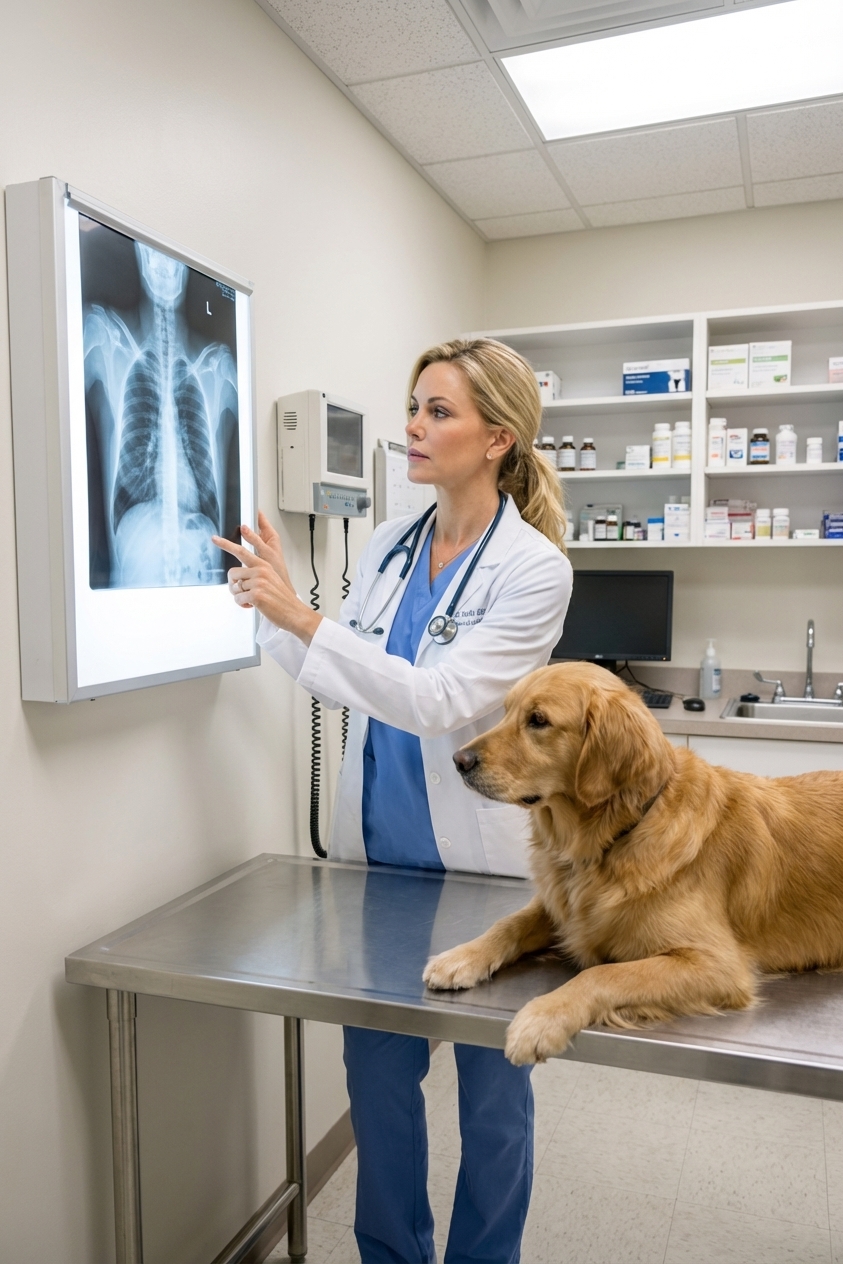
Chest X-rays can show patterns consistent with fungal pneumonia, enlarged lymph nodes in the chest, or other changes. X-rays can support suspicion, but they usually do not give a final answer by themselves.
Histoplasma antigen testing
This is a common, practical test that looks for fungal components called antigens, often in urine and sometimes in blood. It can be very helpful for diagnosing and also for monitoring response to treatment over time.
One note owners should know: antigen tests can sometimes show cross-reactivity with other fungal infections (especially some other systemic fungi), meaning a positive result may need to be interpreted alongside the rest of the case.
Cytology and biopsies
Your vet may recommend sampling an enlarged lymph node, a lung wash, or an intestinal sample to look for organisms under the microscope. Seeing the organism in cells can be a strong confirmation.
Bloodwork and urinalysis
These tests help assess the overall impact on the body. Dogs with disseminated disease may have anemia, low protein, abnormal liver values, or other changes that guide treatment decisions.
Ultrasound or advanced imaging
If gastrointestinal signs or organ enlargement are present, an abdominal ultrasound can help evaluate the liver, spleen, intestines, and lymph nodes and guide safe sampling.
ER red flags
If you are in an endemic area and your dog might have been exposed, it is tempting to wait and see. But with fungal pneumonia or disseminated infection, the safest move is to treat breathing trouble and severe weakness as urgent.
Go to an emergency vet immediately if you notice
- Labored breathing (belly heaving, open-mouth breathing, nostrils flaring)
- Blue, gray, or very pale gums
- Fainting, collapse, or extreme weakness
- Rapidly worsening cough, breathing rate, or lethargy over hours to a day
- Signs of dehydration with ongoing vomiting or diarrhea (sunken eyes, tacky gums, not keeping water down)
- Distended belly that appears suddenly or comes with weakness
- High fever plus severe lethargy
- Eye pain, sudden redness, or apparent vision loss
- Neurologic signs like seizures, severe wobbliness, or disorientation
If you are unsure, you can also do a quick at-home breathing check while your dog is resting or sleeping. A resting rate that is consistently over about 30 breaths per minute, or any breathing that looks effortful (even if the number is lower), is a reason to call your vet urgently.
Treatment basics
Treatment decisions depend on severity, location of infection, and how stable your dog is.
Antifungal medications
Most dogs are treated with oral antifungal medications, often for a long course measured in months, not days. The medication name you will most commonly hear is itraconazole. Depending on the case, your veterinarian may also discuss other antifungals and, in severe cases, stronger hospital-based options.
It is very common for veterinarians to recheck labs periodically because some antifungals can affect the liver, and because dose adjustments or medication changes are sometimes needed.
Hospital care for severe cases
Dogs with significant respiratory distress, dehydration, or severe systemic illness may need hospitalization for oxygen support, IV fluids, anti-nausea medications, nutrition support, and close monitoring.
Monitoring and follow-up
Owners often hear about:
- Repeat bloodwork to monitor organ function
- Repeat imaging for lungs in some cases
- Repeat antigen testing to track improvement
My gentle reminder here is that fungal disease can be a marathon. Many dogs do very well with steady treatment and good follow-up, even if the first few weeks feel scary.
Prognosis
Prognosis depends on how early the disease is caught, how sick your dog is at diagnosis, and whether infection is limited to the lungs or has spread through the body. In general, dogs with strictly pulmonary disease often have a better outlook than dogs with severe disseminated disease. Your veterinarian is the best person to talk you through what this means for your dog specifically, based on test results and response to treatment.
Lowering risk at home
You cannot bubble-wrap a dog. But you can reduce high-risk exposure, especially if your dog loves to dig or explore.
- Block access to areas with bird or bat droppings (under roosting trees, attics, sheds)
- Discourage digging in moist, shaded soil or along riverbanks
- Use a leash around chicken coops, barns, or construction sites
- Avoid caves or known bat roosting areas with your dog
- During landscaping or excavation, keep pets away from disturbed soil and dust
If your dog is immunocompromised or on immune-suppressing medication (including steroids), talk with your veterinarian about extra precautions and earlier testing when symptoms appear. Lower immune defenses can make fungal infections harder to contain.
What to tell your vet
When owners bring a clear, simple exposure story, it helps the medical team narrow down possibilities faster.
- Where you live and any recent travel (even weekend trips)
- Recent digging, barn visits, chicken coop exposure, cave visits, or construction nearby
- Timeline of symptoms: when cough started, appetite changes, weight loss
- GI details: frequency of diarrhea, vomiting, any blood
- Breathing rate and effort at rest
If your gut says your dog is getting worse, trust that feeling. Fungal diseases can start quietly, then ramp up. It is always okay to call your veterinarian and ask, “Does this need ER today?”
Quick symptom checklist
If your dog has been in a high-risk area and you are seeing a combination of these signs, schedule a vet visit soon, and go to ER for any red flags listed above.
- Cough lasting more than a few days
- Fast or effortful breathing
- Fever, lethargy, decreased appetite
- Weight loss
- Chronic diarrhea or vomiting
- Swollen lymph nodes
- Eye redness, squinting, or vision concerns
And please do not blame yourself. This fungus is part of the environment in endemic regions. The best thing you can do is act early, share a good history, and follow through with the diagnostic plan.