A practical, vet-informed guide to dog arthritis care: recognize signs, confirm diagnosis, improve traction and comfort at home, use joint supplements, and k...
Article
•
Designer Mixes
Hip Problems in Dogs: Step-by-Step Health Guide

Shari Shidate
Designer Mixes contributor
Hip pain can sneak up on even the happiest, bounciest dog. One day your pup is racing around the yard, and the next you notice a little “bunny hop,” a stiff get-up, or a reluctance to climb stairs. As a veterinary assistant here in Frisco, Texas, I want you to know two things: hip problems are common, and there is a lot you can do to make your dog more comfortable while you work with your veterinarian on a clear plan.
This guide walks you step-by-step through what to look for, what to do at home right away, how veterinarians diagnose hip issues, and the evidence-based options that can improve quality of life.
Step 1: Know common hip issues
“Hip problems” is a big umbrella. These are the conditions I see and hear about most often:
- Hip dysplasia: A developmental condition where the hip joint does not fit together tightly. Over time, that looseness can lead to arthritis (degenerative joint disease). Common in large breeds, but any dog can be affected.
- Osteoarthritis (arthritis): Wear-and-tear changes to the joint cartilage and surrounding tissues. Arthritis can be secondary to dysplasia, injury, or normal aging.
- Legg-Calvé-Perthes disease: More common in small breeds, where the head of the femur loses blood supply and degenerates, leading to pain and lameness.
- Trauma: Slips, falls, rough play, or car accidents can cause strains, ligament injuries, or even hip dislocation.
- Iliopsoas or muscle strains: Can mimic hip pain, especially in active dogs.
Quick note: signs that look like “hip pain” can also come from other places, like the knee (for example, CCL tears), the lower back (lumbosacral disease), or kneecap issues in smaller dogs. That is one reason an exam matters.
If you remember only one takeaway: hip discomfort is not always “just old age.” It is worth evaluating.
Step 2: Spot early signs
Dogs are experts at pushing through pain. Subtle changes matter. Watch for:
- Stiffness after rest, especially in the morning
- Reluctance to jump onto furniture or into the car
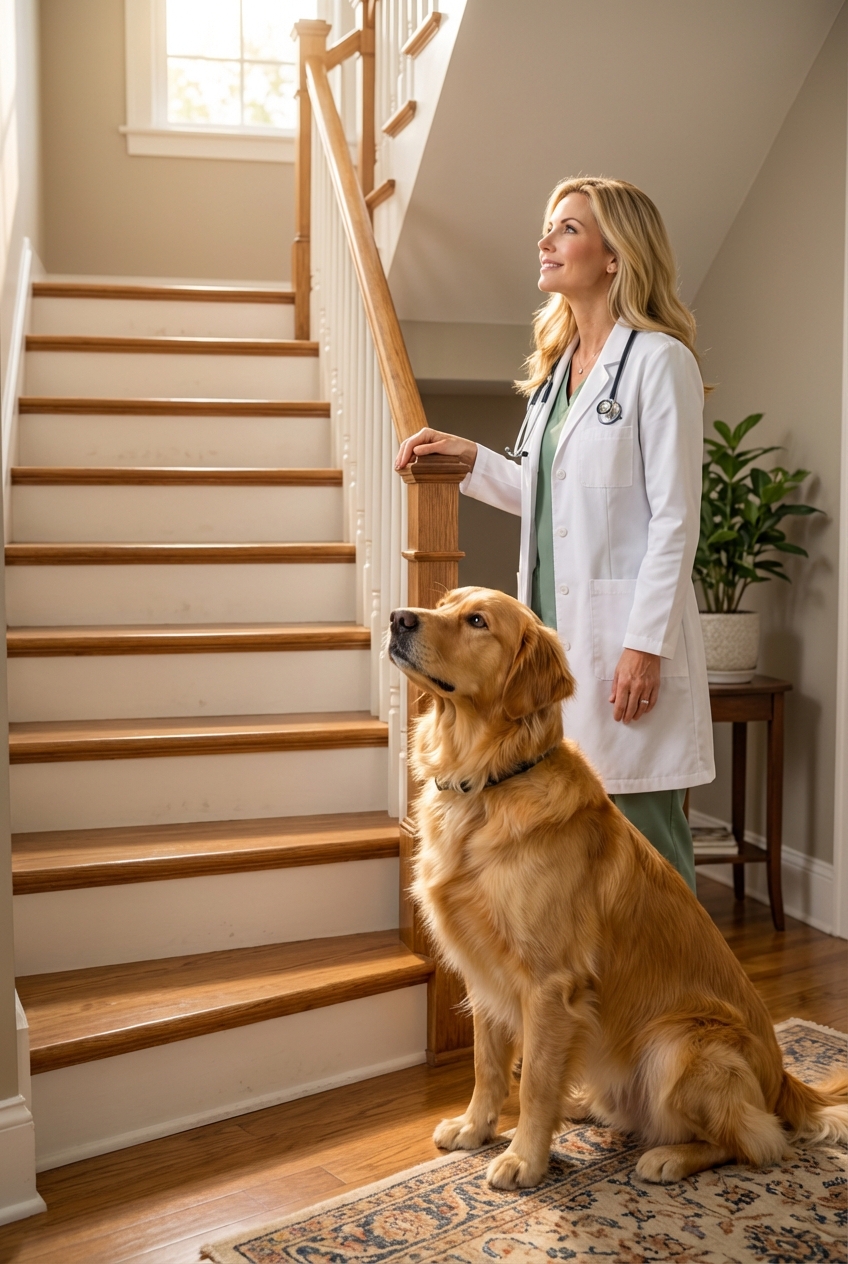
- Trouble with stairs
- “Bunny hopping” with both back legs together
- Decreased interest in walks or play
- Limping that comes and goes
- Hind-end weakness, slipping, or nails scuffing the floor
- Soreness when hips are touched, or your dog moves away
- Behavior changes like irritability, restlessness, or hiding
For puppies and young dogs: You might notice stiffness after play, a “bunny hop,” or reluctance to run or jump like littermates. If you have a large-breed puppy, talk to your veterinarian about slow, steady growth and appropriate nutrition, since rapid weight gain can make joint issues harder to manage.
Step 3: Do a safe home check
You do not need to “test” the hip by forcing range of motion. Keep it gentle. Here is a safe check:
Watch your dog move
- Walk away and toward you: Do you see a sway in the hips or uneven steps?
- Slow sit: Does your dog “plop” down, sit crooked, or keep one leg out?
- Rise from lying down: Is there hesitation, a stretch, or a struggle?
Check for muscle loss
From behind, compare the muscle on each thigh. Noticeable thinning can happen when a dog avoids using a painful leg.
Track it
Start a simple note on your phone: date, what you saw, and what your dog did that day (walk length, play, stairs). This becomes incredibly helpful at the veterinarian.
If your dog cannot bear weight, cries out, has a sudden severe limp, or you suspect trauma, skip the home check and call an emergency clinic.
Step 4: Know when it is urgent
Seek veterinary care right away if you see:
- Sudden inability to stand or walk
- Severe pain, yelping, trembling, or panting that does not settle
- A leg that looks “out of place” or rotated oddly
- Swelling, heat, or a suspected bite or wound
- Dragging the back legs, knuckling, or loss of bladder or bowel control
- Fever, refusal to eat, or extreme lethargy with lameness
Hip pain can overlap with neurological problems and other serious issues. When in doubt, it is always safer to be seen.
Step 5: What your veterinarian will do
A thorough diagnosis is the fastest route to real relief. A typical workup may include:
History and exam
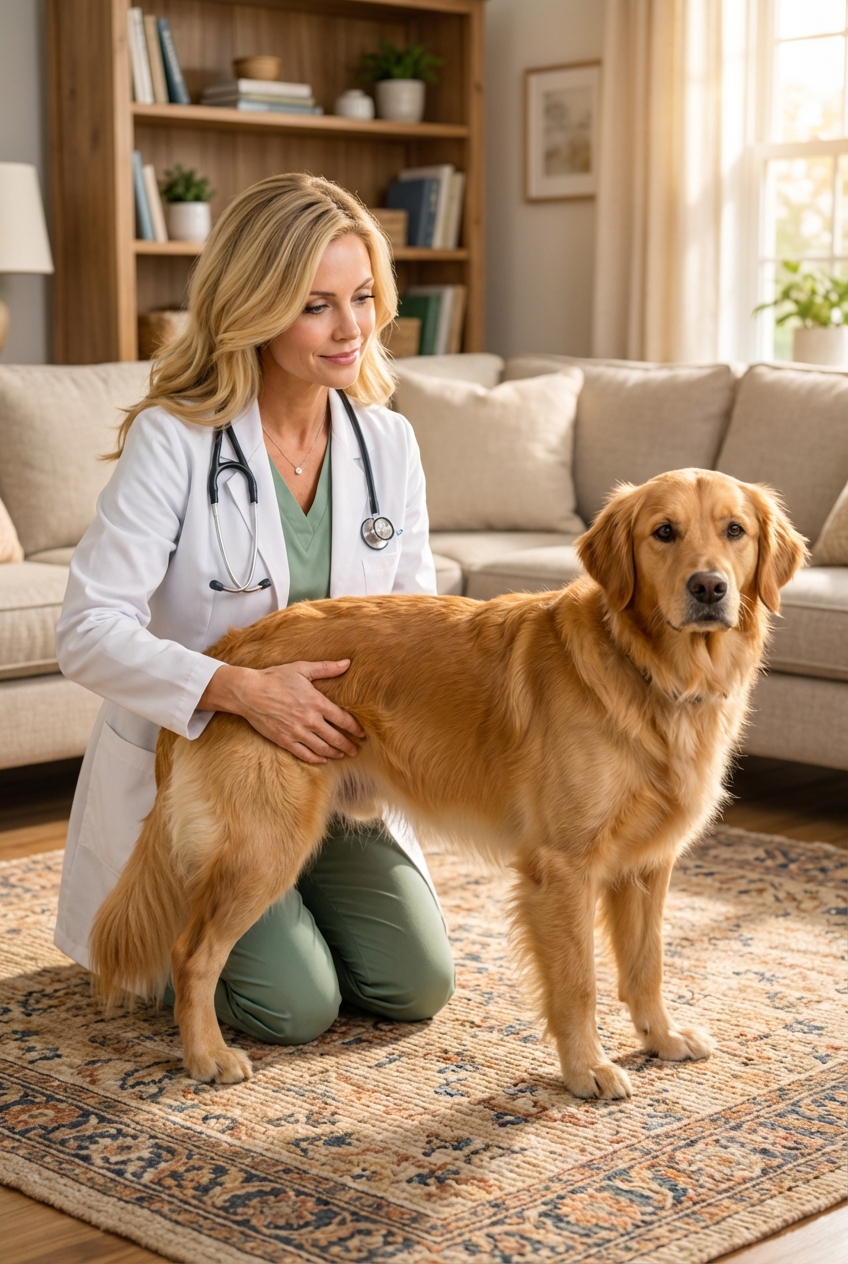
Your veterinarian will ask about age, breed, weight, when symptoms started, activity level, and any injuries. They will evaluate gait, muscle tone, and joint range of motion.
Orthopedic tests
Veterinarians may assess hip laxity and pain response. Some tests are best done with sedation, both because tense muscles can hide instability and because we do not want to cause discomfort.
X-rays (radiographs)
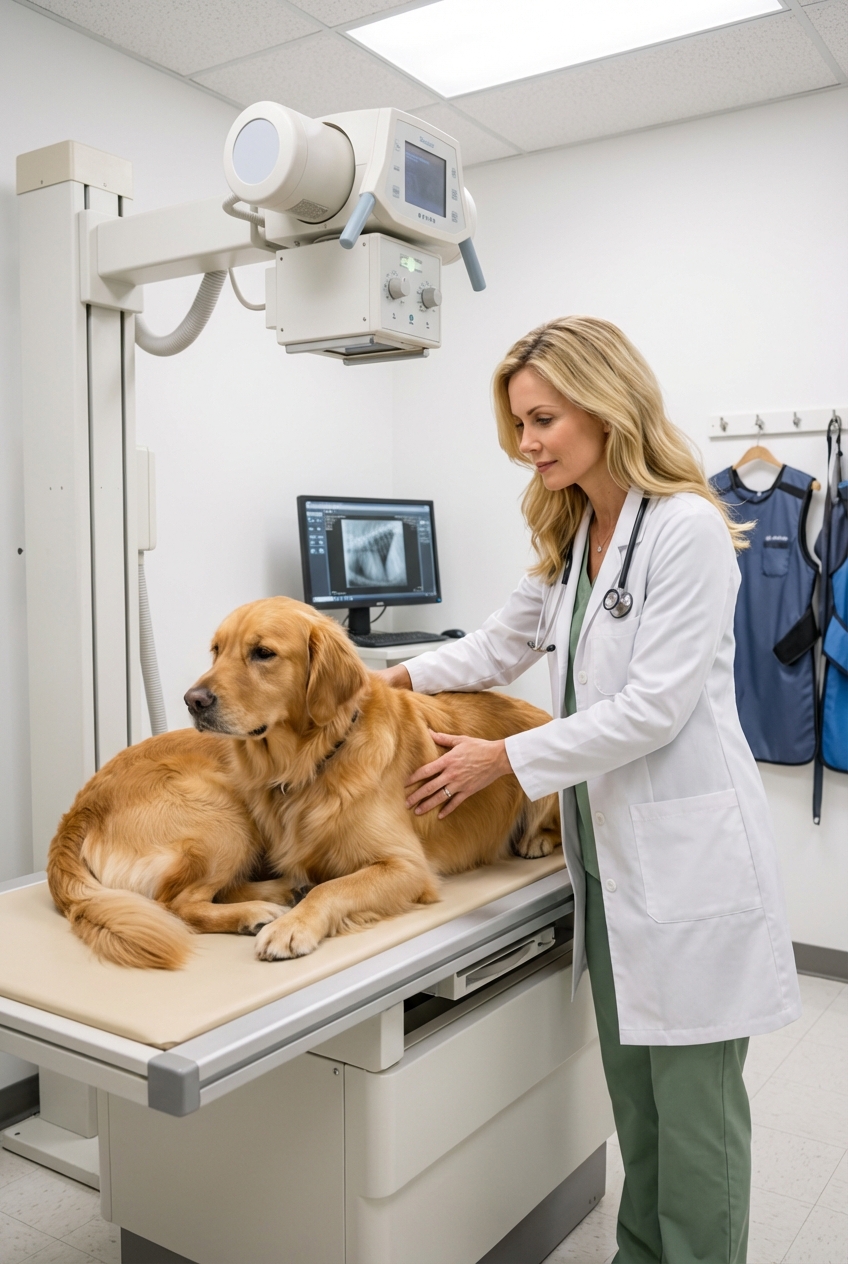
X-rays are a mainstay for hip dysplasia and arthritis. They show joint shape, remodeling, and arthritic changes.
Advanced imaging
In complicated cases, your veterinarian may recommend CT, MRI, or referral to an orthopedic specialist, especially if the pain source is unclear.
Step 6: Start comfort care today
While you are scheduling diagnostics or waiting on results, these steps often make a meaningful difference.
Rest, not total inactivity
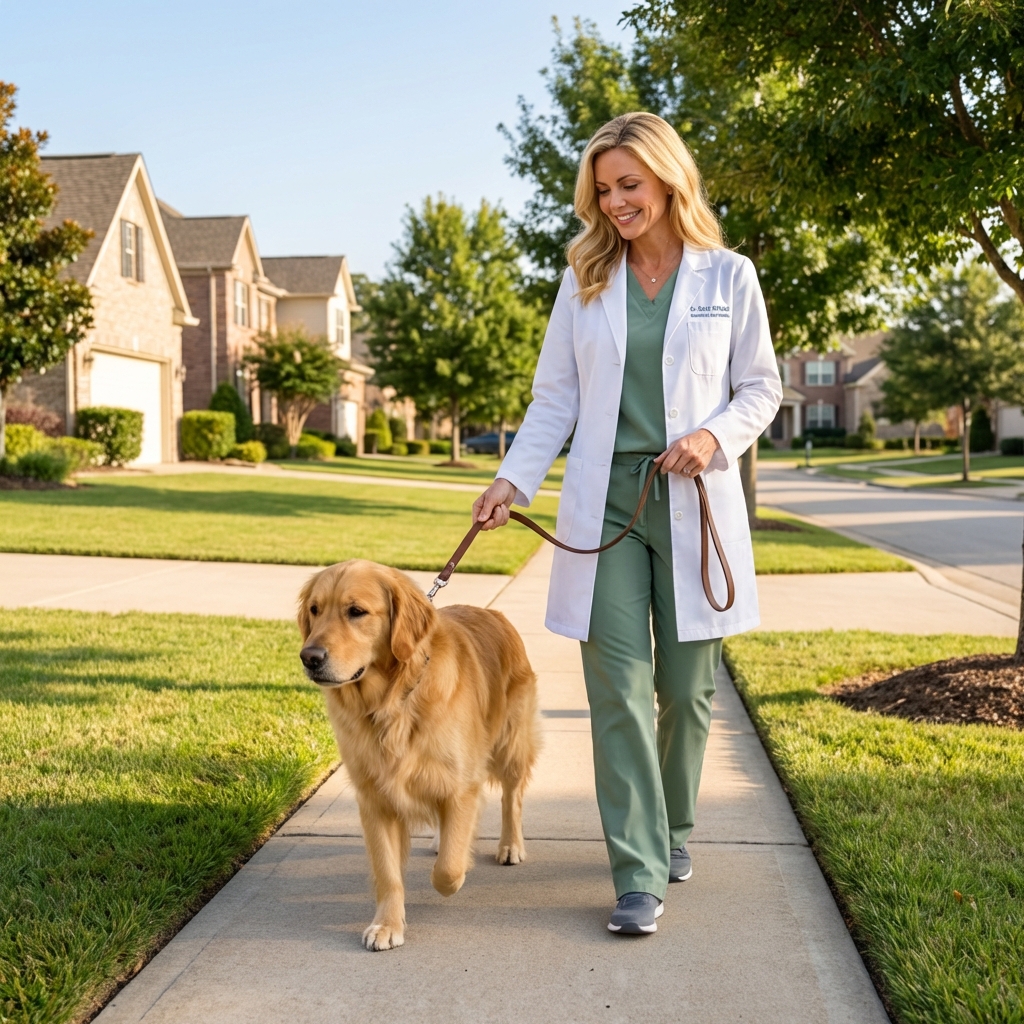
- Choose short, controlled leash walks instead of running, jumping, or rough play.
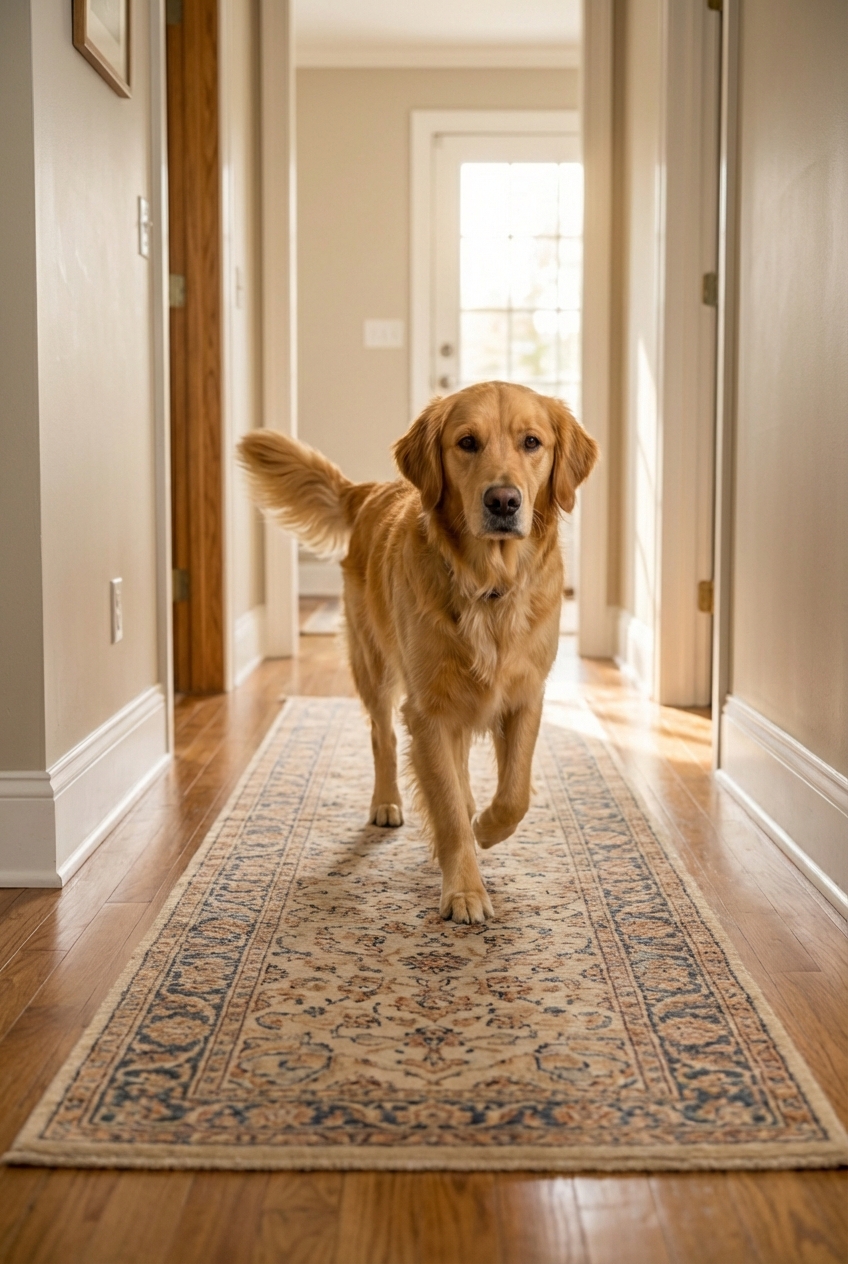
- Avoid slippery floors. Use runners or yoga mats for traction.
Cold or heat
- Cold packs can help after a flare-up or suspected strain (about 10 minutes, wrapped in a towel, never directly on skin). Stop if your dog seems uncomfortable or the skin looks very red or overly cold.
- Heat can ease stiffness in chronic arthritis (about 10 to 15 minutes, warm not hot, wrapped, never directly on skin). Stop if the skin becomes red or your dog pulls away.
Supportive sleep setup
- A thick orthopedic bed helps reduce pressure on painful joints.
- Keep water and food easy to reach.
Use a harness
A well-fitted harness reduces strain and gives you better control if your dog stumbles.
Avoid human pain meds
Do not give ibuprofen or naproxen. These can be dangerous or even fatal to dogs. Acetaminophen is also risky if misdosed and should only be used when specifically prescribed by your veterinarian. When in doubt, call your clinic before giving any medication or supplement.
Important: Comfort care helps, but it is not a substitute for diagnosis. If your dog is still limping, slowing down, or avoiding activity, it is time to get a clear answer on the cause.
Step 7: Treatment options
The best plan depends on your dog’s age, size, severity, lifestyle, and your goals. Many dogs do wonderfully with a combined approach.
Weight management
If your dog is even a little overweight, reducing body fat decreases load on the hips and can significantly improve comfort. Ask your veterinarian for a safe target weight and calorie plan.
Prescription anti-inflammatories and pain relief
Veterinarians commonly use dog-specific NSAIDs for arthritis and hip dysplasia pain. These medications can be life-changing when properly prescribed and monitored. Bloodwork may be recommended before and during long-term use to support safety.
Call your veterinarian right away if you see vomiting, diarrhea, refusal to eat, marked lethargy, or black or tarry stool while on an NSAID.
Extra pain control
Depending on the case, your veterinarian may add medications that target chronic pain pathways (including nerve-related or long-standing pain). The goal is comfort with the lowest effective dose and the best quality of life.
Rehab and targeted exercise
Rehab can build muscle to stabilize the joint and improve mobility. Options include:
- Therapeutic exercises
- Underwater treadmill
- Stretching and massage (guided by a professional)
Please do not force stretches at home. If it looks painful, it is not “helpful stretching.”
Joint supplements
Some supplements have supportive evidence for joint comfort, especially when paired with weight control and appropriate medication. Benefits can be modest, and supplements are not regulated like drugs, so quality varies a lot. Discuss these with your veterinarian:
- Omega-3 fatty acids (EPA and DHA) from fish oil
- Glucosamine and chondroitin (results vary by dog and evidence is mixed)
- Green-lipped mussel extracts (some dogs respond well)
Quality matters. Look for products with clear labeling, third-party testing when possible, and veterinary guidance on dosing.
Injectables and advanced therapies
In some cases, veterinarians may recommend joint injections or regenerative medicine options. Availability and evidence vary, so a candid conversation with your veterinarian or specialist is important.
Surgery
Surgical options can be excellent for the right candidate, especially when pain cannot be managed well with conservative care.
- Femoral head ostectomy (FHO): Often used in smaller dogs or specific cases, creating a “false joint” that can be comfortable with rehab.
- Total hip replacement (THR): A highly effective option for severe hip disease in many medium to large dogs, typically with great return to function when performed by an experienced surgeon.
- Early interventions for young dogs: In select puppies or adolescents with dysplasia, procedures like juvenile pubic symphysiodesis (JPS) or pelvic osteotomy surgeries (TPO or DPO) may help improve hip function and reduce future arthritis risk. These are age and criteria dependent, so timing matters.
Step 8: Nutrition for hip support
Food cannot “cure” hip dysplasia, but nutrition can absolutely support a healthier weight, reduce inflammation, and build stronger muscle. Here are practical, veterinarian-friendly basics:
Choose a lean, balanced diet
- Choose a complete and balanced diet appropriate for your dog’s life stage.
- Measure portions. Guessing almost always leads to creep in calories.
Add omega-3s intentionally
Omega-3 fatty acids (especially EPA and DHA) have evidence for supporting joint comfort. If you want to use fish oil, ask your veterinarian for a product and dose that fits your dog’s size and any medical conditions.
Keep treats low-calorie
Try low-calorie options like small pieces of carrot or green beans if your dog tolerates them. Treat calories add up fast, especially for dogs on limited activity during recovery.
Homemade diets need expert formulation
I love whole foods, but hips need more than “good ingredients.” Dogs need correct calcium to phosphorus balance and essential nutrients in the right amounts. If you want to incorporate homemade meals, consider starting with a partial transition and use a recipe formulated by a board-certified veterinary nutritionist or a veterinarian trained in nutrition.
Step 9: Make your home hip-friendly
Small environmental changes reduce slips, strain, and flare-ups:
- Traction: Place runners on slick floors and use non-slip pads under rugs.
- Ramps: Use a ramp for the couch, bed, or car if jumping causes pain.
- Nail and paw care: Keep nails trimmed and consider paw grip products if recommended.
- Stairs: Use a baby gate to limit stair access during flares.
- Lift support: A rear-end support harness can help larger dogs during bad days.
Step 10: Track progress
Hip conditions are often managed over time. The goal is a comfortable dog who can move, play, and rest well. Keep an eye on:
- Daily comfort and willingness to move
- Ability to rise and lie down
- Walk length before slowing down
- Stair use and jumping attempts
- Appetite, sleep, mood, and engagement
- Any medication side effects (vomiting, diarrhea, appetite changes, black or tarry stool)
If you are not seeing improvement after starting a plan, that does not mean you failed. It usually means your dog needs a tweak, a different medication strategy, rehab support, additional diagnostics, or a specialist consult.
Frequently asked questions
Can hip dysplasia show up later?
Yes. Some dogs compensate for years and then show symptoms as arthritis progresses or after an activity change or minor injury.
Is exercise good or bad?
Appropriate, low-impact exercise is usually helpful because it maintains muscle. High-impact activities like repetitive jumping or intense sprinting can worsen pain in many dogs.
Will my dog need surgery?
Not always. Many dogs do well with weight management, medication, rehab, and home modifications. Surgery becomes more likely when pain is severe or function is significantly limited despite good conservative care.
Are supplements enough?
Supplements can support a plan, but they rarely replace proven pain control, weight management, and structured exercise. Think of them as a “plus,” not the foundation.
One last note
When hips hurt, it can feel scary and frustrating, especially if your dog is slowing down. But you have a lot of tools: smart diagnostics, safe pain relief, rehab, nutrition, and simple home changes that protect the joint. Start with the steps above, partner closely with your veterinarian, and celebrate small wins. They add up to a much better life for your best friend.