Hands-off slow cooker dog food for busy owners: 3 easy recipes (chicken/rice, turkey/sweet potato, beef/pumpkin) plus calcium guidance, safe ingredients, por...
Article
•
Designer Mixes
Hip Dysplasia In Dogs: Help & Care

Shari Shidate
Designer Mixes contributor
Hip dysplasia is one of the more common orthopedic problems we see in dogs, especially in larger breeds. Mixed-breed dogs can be affected too, particularly when large-breed ancestry is involved. The good news is that there is a lot you can do to reduce pain, protect mobility, and help your dog enjoy a full, happy life. As a veterinary assistant in Frisco, Texas, I have seen firsthand how the right mix of early detection, weight management, smart exercise, and veterinary care can make a huge difference.

Quick note: This article is for education and support, and it does not replace an exam or treatment plan from your veterinarian.
What hip dysplasia is
Canine hip dysplasia (CHD) is a developmental condition where the hip joint does not fit together as snugly as it should. Over time, that looseness can lead to inflammation, cartilage wear, and arthritis. The joint works, but with poor alignment, and that wear adds up over time.
Hip dysplasia has a strong genetic component, but environment matters too. Rapid growth, excess weight, and repetitive high-impact activity can worsen symptoms and speed up arthritis.
Common signs
Many dogs do not cry out. Instead, they quietly change how they move or play. Early signs are easy to miss, especially in young dogs who are otherwise energetic.
- “Bunny hopping” when running or going upstairs
- Stiffness after resting, especially in the morning
- Reluctance to jump into the car or onto furniture
- Hip swaying or a wobbly rear gait
- Decreased endurance on walks or during play
- Muscle loss in the hind end, sometimes with bigger shoulder muscles from compensating
- Behavior changes like irritability when touched around the hips
If you are noticing any of these, it is worth a conversation with your veterinarian. In clinic, we often hear “I thought they were just slowing down” or “They are being stubborn,” and it turns out discomfort is the real reason. Catching it early can prevent months or years of unnecessary pain.
Higher-risk dogs
Hip dysplasia is seen most often in medium to large dogs, but any dog can be affected.
- Larger breeds like German Shepherd Dogs, Labradors, Golden Retrievers, Rottweilers, and Great Danes
- Fast-growing puppies (especially if overfed or on a diet not appropriate for growth)
- Overweight dogs of any breed
- Dogs with a family history of hip issues
Important note: even “healthy-looking” young dogs can have hip laxity. They may not show clear pain until arthritis develops later.
How it is diagnosed
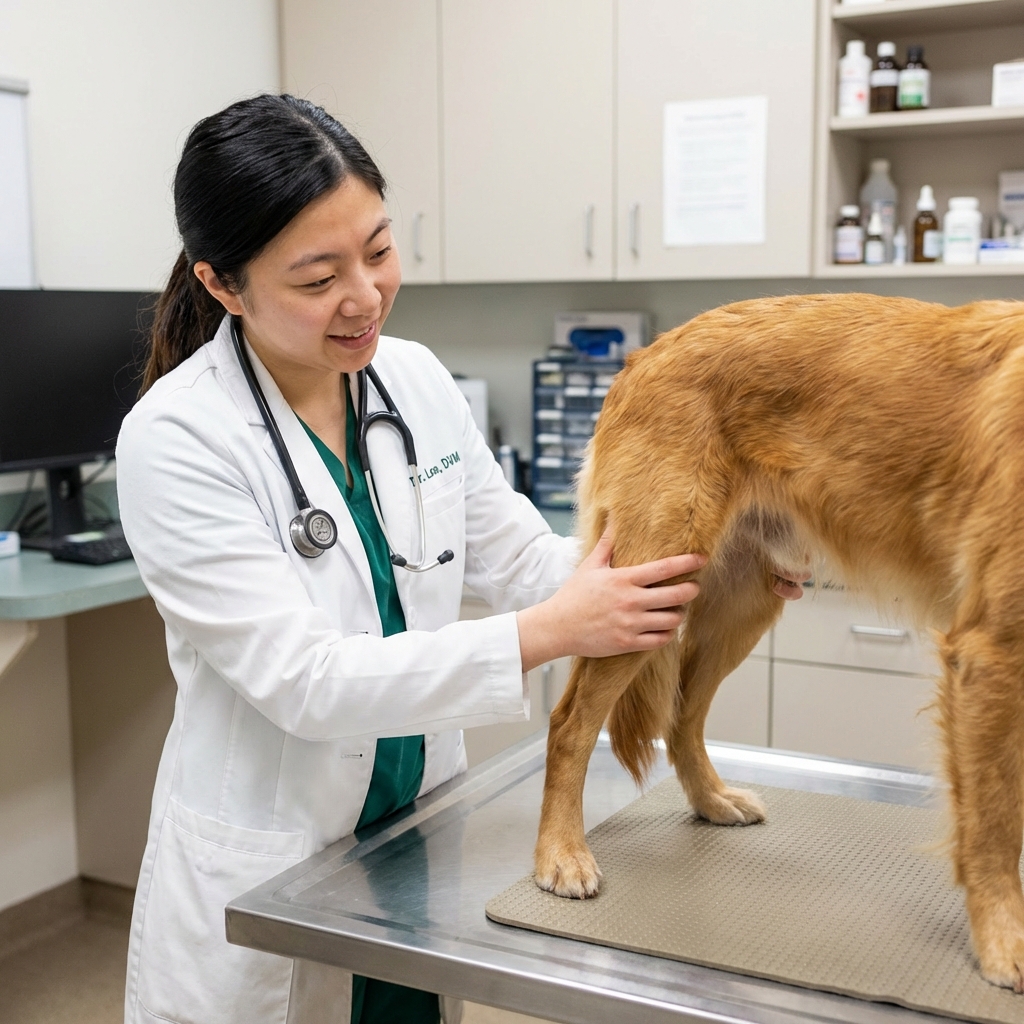
Your vet will start with a physical exam, an orthopedic assessment, a gait evaluation, and a detailed history of what you are seeing at home. Hip dysplasia is often suspected based on these findings, and X-rays (radiographs) are commonly used to confirm and grade changes in the joint. Some dogs need light sedation for positioning and comfort.
What X-rays can show
- How well the ball and socket fit together
- Whether arthritis changes are already present
- How severe the problem is and what treatment options make the most sense
For screening, organizations like the Orthopedic Foundation for Animals (OFA) and PennHIP provide standardized evaluations that breeders often use. PennHIP, in particular, measures laxity (a distraction index) and can help estimate future arthritis risk even before major changes are visible on standard views.
Home care that helps
Once you have a diagnosis (or even a strong suspicion), the next step is building a realistic plan you can stick with. Hip dysplasia care is not one magic pill. It is consistency. With the right approach, some dogs feel noticeably better within weeks, while others need longer-term adjustments and medication support.
1) Weight management
Every extra pound increases stress on painful joints. Keeping your dog lean reduces strain and can improve day-to-day comfort and stamina. A simple goal: you should be able to feel ribs easily with light pressure and see a waist from above.
- Measure meals instead of free-feeding
- Use treats strategically, or swap in low-calorie options like small pieces of carrot or cucumber
- Ask your vet for an ideal weight target and a safe weekly weight-loss rate if needed
2) Smart exercise
Controlled, consistent activity helps build muscle that supports the hips. What usually worsens pain is explosive running, hard stops, and repetitive jumping.
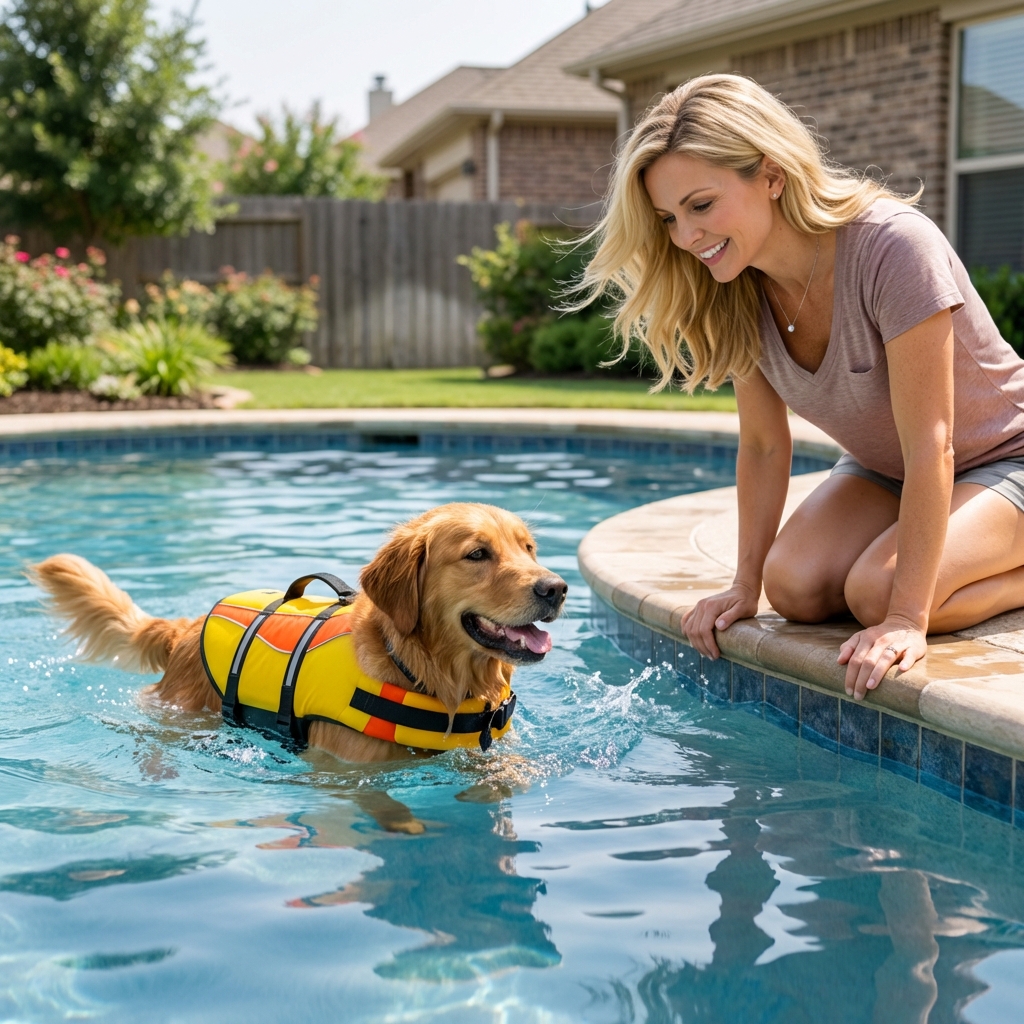
- Best bets: leash walks on even ground, swimming, underwater treadmill rehab
- Use caution: fetch marathons, rough play, indoor “zoomies” on slick floors
- Try this: two to three shorter walks instead of one long walk
3) Make your home hip friendly
- Place rugs or runners on slippery floors for traction
- Use a ramp for the car and couch if jumping hurts
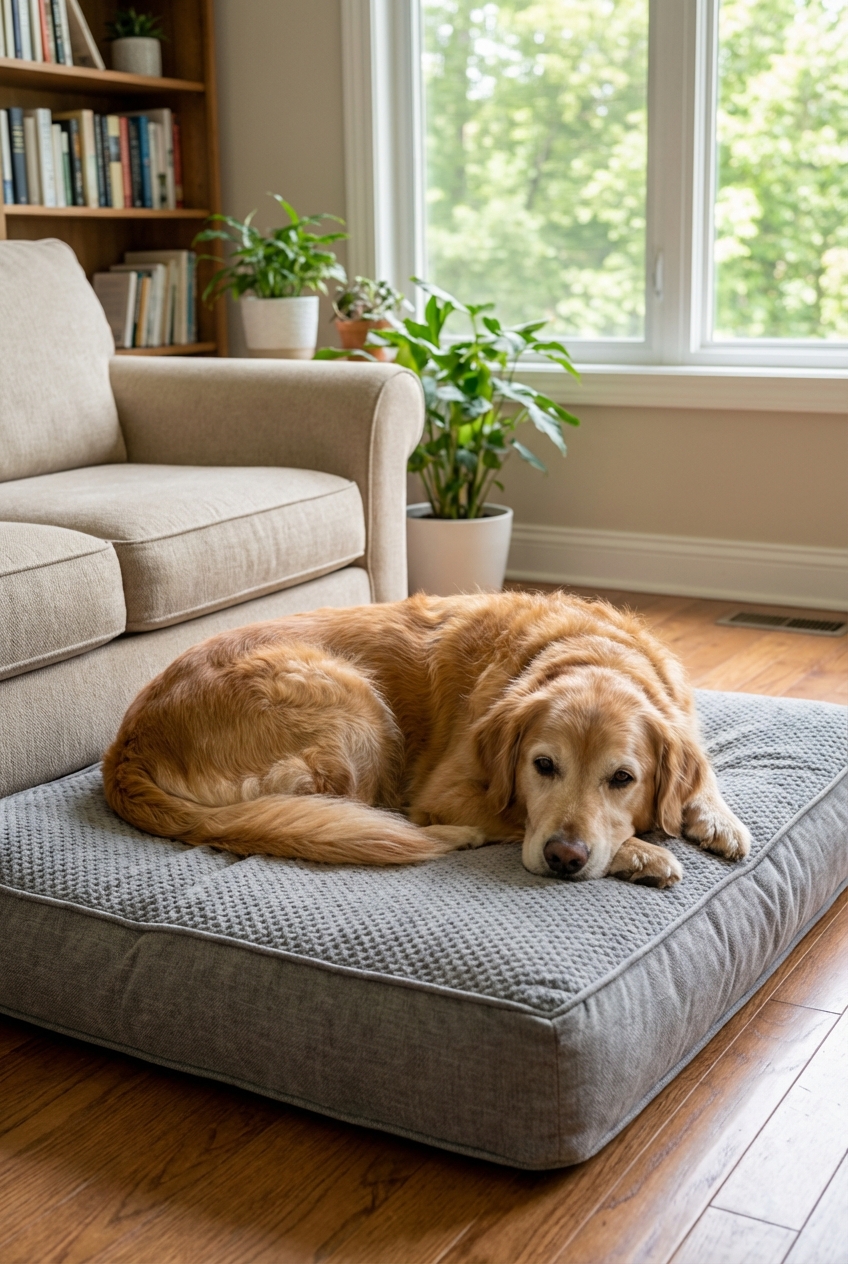
- Choose an orthopedic bed with good joint support
- Keep nails and paw hair trimmed to reduce slipping
4) Comfort care
Warm compresses, gentle massage, and stretching recommended by a rehab professional can reduce stiffness. If your dog has a painful flare-up, reduce activity for a few days and contact your veterinarian for next steps.
Vet treatments
Treatment is personalized based on age, severity, arthritis changes, and your dog’s lifestyle. Many dogs do well with a conservative plan, and some need surgical intervention for long-term comfort.
Pain and inflammation control
- NSAIDs (non-steroidal anti-inflammatory drugs) are commonly prescribed for arthritis pain. These should only be used under veterinary guidance with appropriate monitoring.
- Adjunct pain meds may be added depending on your dog’s needs. Options your vet may discuss can include medications such as gabapentin or amantadine, among others.
Important: Never give human pain medications unless your veterinarian specifically instructs you. Some are dangerous for dogs.
Injections and newer options
Depending on your location and your veterinarian’s offerings, your dog may be a candidate for therapies like joint injections or other newer approaches. Evidence and outcomes vary, so ask your vet what is supported by current research for your dog’s specific case.
Rehab therapy
Canine rehab can be incredibly helpful for building supportive muscle, improving range of motion, and reducing pain. Underwater treadmill work, targeted strengthening, and balance exercises are common.
Surgery options
Surgery is typically considered when pain cannot be controlled well, or when a young dog has significant laxity and is a good candidate for an early intervention procedure.
- JPS (juvenile pubic symphysiodesis): may be considered in select young puppies before arthritis is advanced
- TPO/DPO (triple or double pelvic osteotomy): may be considered in certain young dogs with laxity and minimal arthritis
- FHO (femoral head ostectomy): removes the ball portion of the hip joint, often used in smaller dogs or certain cases
- Total hip replacement: replaces the joint and can restore excellent function in many dogs
Your veterinarian or a board-certified veterinary surgeon can help you weigh benefits, risks, cost, and expected recovery.
Nutrition and supplements
Food cannot change hip structure, but it can influence inflammation, body weight, and muscle health. For dogs with hip dysplasia, I focus on lean body condition, high-quality protein, and a plan that supports comfort and mobility.
Key goals
- Maintain a healthy weight (priority number one)
- Support muscle with adequate protein
- Support joints with omega-3 fatty acids (EPA and DHA) from fish oil when appropriate
Supplements to discuss
- Omega-3 fatty acids (EPA/DHA): evidence supports benefits for osteoarthritis in many dogs
- Glucosamine and chondroitin: mixed evidence, but some dogs do benefit
- Green-lipped mussel: promising support for some dogs with arthritis
Because supplement quality varies, ask your veterinarian for a reputable product and the right dose for your dog’s weight and health status.
Puppies and prevention
When hip dysplasia shows up in young dogs, it is emotional. I get it. Try to focus on what you can control. Early intervention often means better outcomes.
- Feed an age-appropriate diet, including a large-breed puppy formula if your vet recommends it
- Avoid overfeeding during growth spurts, and do not add calcium supplements unless your veterinarian tells you to
- Avoid forced running and repetitive jumping during rapid growth phases
- Build strength gradually with controlled exercise
- Work with your vet on timing for imaging and treatment options
If you got your puppy from a breeder, it is reasonable to ask whether the parents were screened through OFA or PennHIP and to share your puppy’s diagnosis. Responsible breeders want that information.
Long-term monitoring
Hip dysplasia management is ongoing. Regular rechecks help your vet adjust exercise, rehab, and medications as your dog ages. If your dog uses NSAIDs long-term, your veterinarian may recommend periodic lab work to monitor overall health. At home, many families find it helpful to track “good days and bad days,” note changes in stairs or jumping, and bring short videos to appointments.
When to call the vet
- Sudden inability to use a back leg
- Crying out in pain or signs of severe distress
- Refusing to eat, vomiting, diarrhea, or black stools while on pain medication
- Rapid worsening of mobility
Hip dysplasia pain can flare, and other issues like cruciate ligament tears can happen too. If something changes quickly, it is safest to get checked.
Living well with it
Hip dysplasia is a diagnosis, not a life sentence. Prognosis depends on severity, how much arthritis is present, and how consistent you can be with weight, exercise, and pain control. With a thoughtful plan, many dogs hike, play, snuggle, and enjoy their routines for years. Start with the basics: keep your dog lean, keep them moving in joint-friendly ways, and partner with your veterinarian so pain never has to be “normal.”
Action step: Take a 20-second video of your dog walking away from you and coming back. Bring it to your vet visit. Those small gait changes tell an important story.