

Understand canine hip dysplasia with clear signs to watch for, how vets diagnose it, and practical home care—weight control, joint-friendly exercise, rehab...
Article
•
Designer Mixes
Hip Dysplasia in Dogs

Shari Shidate
Designer Mixes contributor
Hip dysplasia is one of those diagnoses that can feel scary at first, especially if your dog is young and full of life. As a veterinary assistant, I want you to know this right up front: many dogs with hip dysplasia can still live happy, active lives with the right plan. The key is catching the signs early, getting a clear diagnosis, and choosing management options that fit your dog’s body and your family’s budget.
Quick note: This article is for general education and is not a substitute for veterinary care. If your dog is painful, limping, or slowing down, schedule an exam.
What it is
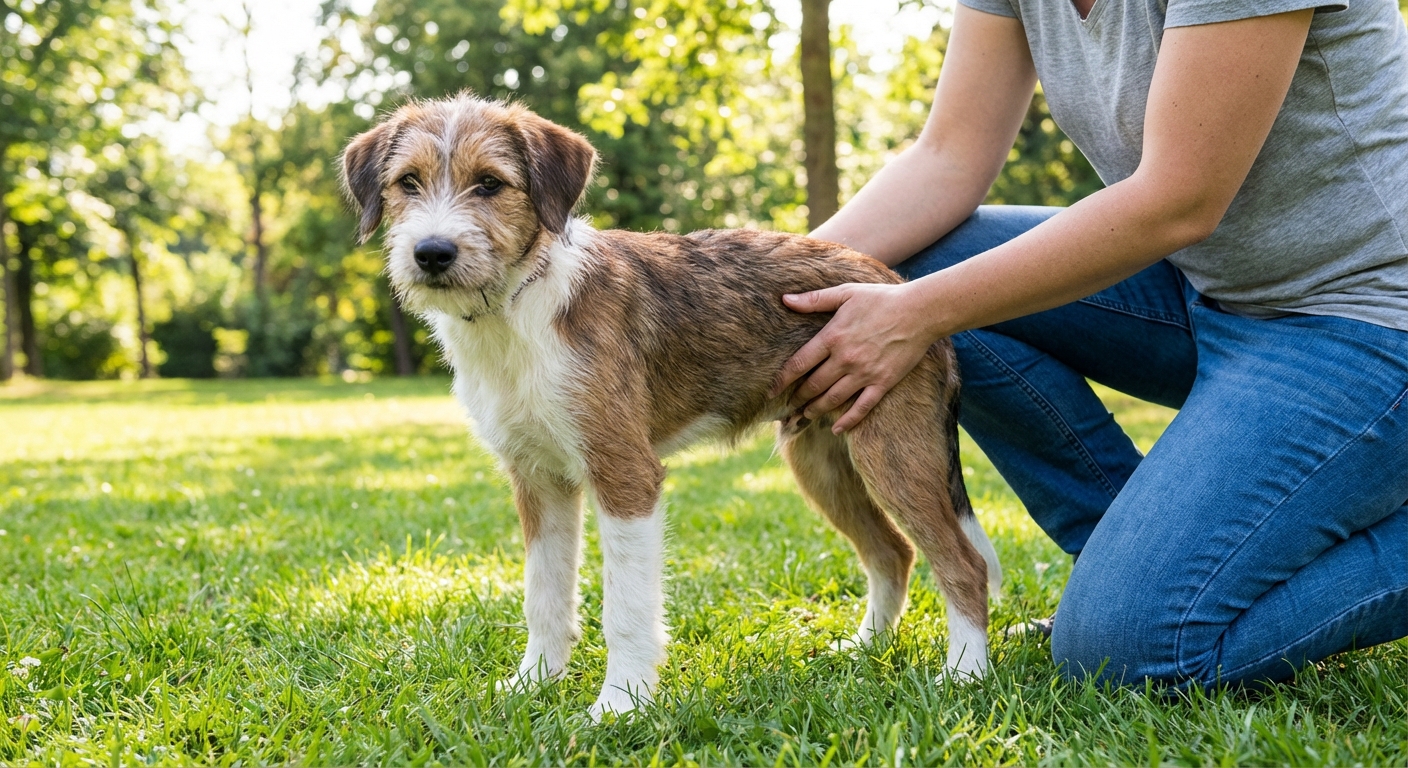
Canine hip dysplasia (CHD) is a condition where the hip joint does not fit together as tightly as it should. Over time, that looseness can lead to cartilage wear, inflammation, pain, and arthritis.
Hip dysplasia is influenced by genetics, growth rate, body weight, exercise patterns during development, and sometimes early life nutrition. It is common in large and giant breeds, but it also shows up in smaller dogs and mixes. Designer mixes can absolutely be affected, especially if one or both parent breeds are predisposed.
Early signs
Some dogs show clear symptoms, and others compensate so well you might not notice until arthritis is advanced. If you have a “something just feels off” gut feeling, trust it and schedule a vet visit.
Common signs at home
- Difficulty getting up from lying down or sitting
- Hesitation to jump into the car, on the couch, or climb stairs
- “Bunny hopping” with the back legs when running
- Reduced interest in walks or play, or tiring quickly
- Stiffness after rest that improves after warming up
- Swaying gait in the back end
- Muscle loss in the hind legs and increased muscle in the front shoulders from compensating
- Behavior changes like irritability when touched near the hips

Diagnosis
Diagnosis usually includes a physical exam and X-rays. Your veterinarian may feel for hip laxity, pain, or reduced range of motion. In many cases, sedation is recommended for high-quality hip radiographs because it allows proper positioning and reduces stress and discomfort.
You may also hear about specialized screening methods:
- OFA (Orthopedic Foundation for Animals): a radiographic hip evaluation and registry that grades hips (commonly used for breeding decisions).
- PennHIP: measures hip laxity (distraction index) and can often be performed as early as about 16 weeks in many clinics.
If your dog is limping or painful, your veterinarian may recommend additional imaging or tests to rule out other orthopedic issues like cranial cruciate ligament disease, patellar luxation, or spinal pain.
Surgery options and costs
Surgery is not the right choice for every dog, but it can be life changing for the right patient. The best procedure depends on your dog’s age, body size, how advanced the arthritis is, and your goals for activity.
Common options
- Femoral Head Ostectomy (FHO): the top of the femur is removed and a “false joint” forms. Often considered for smaller dogs, cats, and some medium dogs. With good rehab, many pets do very well.
- Total Hip Replacement (THR): the damaged joint is replaced with an implant. This is often the gold standard for severe hip dysplasia with pain and arthritis, especially in medium to large dogs.
- Juvenile Pubic Symphysiodesis (JPS): an early intervention for very young puppies, typically performed around 12 to 20 weeks (timing is critical and varies by surgeon).
- Double or Triple Pelvic Osteotomy (DPO/TPO): typically for young dogs before significant arthritis develops, often under about 10 to 12 months depending on the case and surgeon.
What it can cost
Pricing varies widely by region, surgeon expertise, hospital type (specialty vs general practice), and your dog’s size and needs. These are ballpark ranges in the U.S. that many families see quoted, and they are typically per hip:
- FHO: often about $1,500 to $4,000 per hip
- THR (total hip replacement): often about $5,000 to $10,000+ per hip (and can exceed this in some metro areas)
- DPO/TPO: often about $3,500 to $7,500
- JPS: often about $800 to $2,500
Ask for an estimate that clearly lists what is included. In many hospitals, anesthesia, hospitalization, implants (for THR), pre-op imaging, bloodwork, take-home meds, rehab, and follow-ups may be separate line items. Those items can add hundreds to thousands of dollars depending on the plan.
Tip to reduce surprise costs: ask your clinic for a “high end” estimate that includes common add-ons like extra pain control, additional radiographs, and rehab sessions.
Non-surgical care
Many dogs can be managed successfully without surgery, especially when pain is mild to moderate or when surgery is not an option right now. A strong plan usually combines weight control, targeted exercise, supportive therapies, and thoughtful pain relief.
1) Weight management
Extra pounds increase joint stress and inflammation. Even small weight loss can improve comfort and mobility. If your dog is overweight, talk with your veterinarian about a safe calorie goal and monthly weigh-ins.
2) Smart exercise
Complete rest usually leads to weaker muscles and stiffer joints. The goal is consistent, low impact movement that builds strength.
- Leashed walks on level ground
- Short, frequent sessions instead of one long outing
- Swimming or underwater treadmill when available
- Controlled hill walking can help some dogs once pain is stable
Avoid repetitive high impact activities during flare-ups, like nonstop fetch, hard landings, and slippery-floor zoomies.
3) Home setup
- Non-slip rugs or traction runners on slick floors
- Ramps for the car and furniture
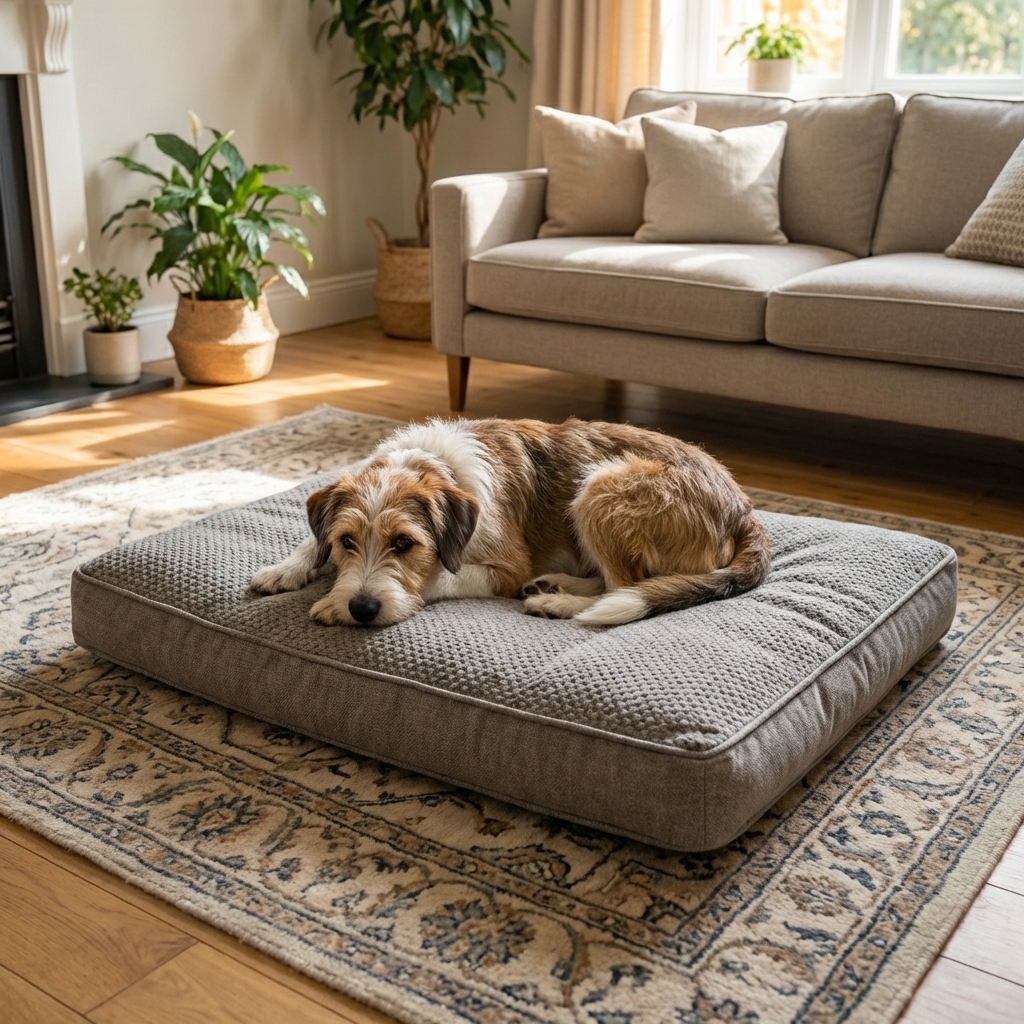
- An orthopedic bed with good hip support
- Food and water setup that reduces strain for your individual dog, if recommended by your vet
Meds and supplements
There is no single “magic pill,” but there are multiple tools that can reduce pain and improve quality of life. Always discuss doses and combinations with your veterinarian, since some products interact with each other or are unsafe for certain conditions.
Common veterinary options
- NSAIDs (non-steroidal anti-inflammatory drugs): often first-line for arthritis pain. These require appropriate dosing and monitoring, and many dogs need periodic bloodwork while on long-term therapy.
- Adjunct pain medications: options may include gabapentin, amantadine, or others depending on the case.
- Injectable arthritis and joint options: depending on your location and your dog’s needs, your vet may discuss disease-modifying joint injections (such as polysulfated glycosaminoglycans) and newer arthritis pain injections (such as anti-NGF monoclonal antibody therapy where available). Evidence and availability vary by product and region.
Supplements that may help
- Omega-3 fatty acids (EPA and DHA): among the best-supported supplements for inflammation and arthritis comfort.
- Glucosamine and chondroitin: mixed evidence, but some dogs do show improvement and they are commonly used.
- Green-lipped mussel: may support joint comfort in some dogs.
If your dog is on an NSAID, do not add over-the-counter human pain relievers unless your veterinarian specifically instructs you to. Common medications like ibuprofen and naproxen can be dangerous for dogs.
Rehab and other therapies
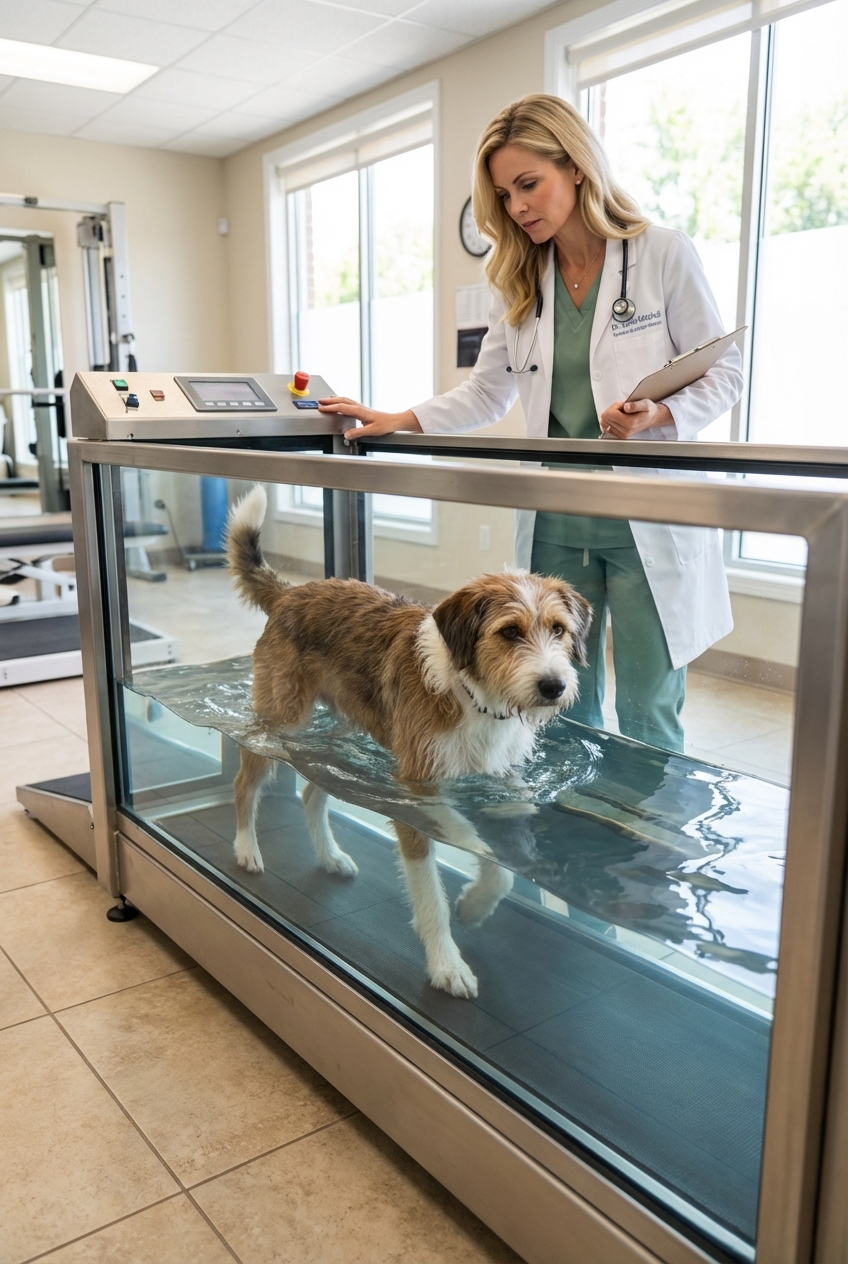
Rehabilitation is one of the most underused game changers for hip dysplasia. A certified canine rehab professional can create a safe strengthening plan that protects the joint while building the muscles that stabilize it.
- Physical therapy: targeted strengthening and range-of-motion work
- Hydrotherapy: excellent for low-impact conditioning
- Laser therapy: can reduce discomfort for some dogs
- Acupuncture: helpful for some dogs as part of a larger plan
- Massage: can relieve muscle tension from compensating
Nutrition and daily habits
Nutrition matters because inflammation, body weight, and muscle maintenance all tie back to what your dog eats. If you are interested in fresh food, you do not have to go from zero to 100 percent overnight. Even small additions can be helpful when they are vet-approved, portion-controlled, and do not unbalance the overall diet.
Dogs with joint disease still need complete and balanced nutrition. If you home cook, work with your veterinarian or a board-certified veterinary nutritionist to ensure proper calcium, phosphorus, and essential nutrients. An unbalanced homemade diet can create new problems while you are trying to solve joint pain.
One more practical caution: be careful with diet trends (like certain boutique or grain-free diets) unless your veterinarian recommends them for a specific medical reason. If you are considering a major diet switch, ask your vet what makes a food nutritionally sound for long-term use.
Simple daily habits
- Keep nails trimmed for better traction
- Warm up with a slow walk before active play
- Use a harness for better control and less strain
- Track flare-ups: weather changes, activity spikes, and slippery floors are common triggers
When to see the vet fast
Make an appointment if you notice subtle changes, but seek prompt care if you see any of these:
- Sudden inability to bear weight on a back leg
- Crying out in pain, shaking, or refusing to move
- Loss of appetite or lethargy alongside pain
- Worsening symptoms despite rest
Hip dysplasia symptoms can overlap with other serious problems, so it is important not to self-diagnose.
Living well
Hip dysplasia is long-term, but it is also something you can actively manage. Recommendations often look different for a young dog with laxity and minimal arthritis versus an older dog with established arthritis. That is why imaging and staging matter.
The best outcomes come from a plan you can stick with: steady weight control, appropriate movement, good footing at home, and pain management that keeps your dog comfortable. If your dog is on long-term pain meds, ask your veterinarian what recheck schedule and monitoring (like bloodwork) makes sense for your situation.
If you are feeling overwhelmed, start with the simplest next step: schedule an exam and ask your vet for a written plan with short-term goals for the next 2 to 4 weeks. Small, consistent changes often bring the biggest improvements.
Sources
- American College of Veterinary Surgeons (ACVS). Canine Hip Dysplasia and surgical options.
- Orthopedic Foundation for Animals (OFA). Hip evaluation information and hip dysplasia overview.
- PennHIP. Hip laxity testing and program information.
- American Animal Hospital Association (AAHA). Pain management and arthritis care guidance.
- FDA Center for Veterinary Medicine. Updates related to diet-associated dilated cardiomyopathy (context for diet trend discussions).