Worried your cat is slowing down? Learn subtle arthritis signs, what your vet may recommend, safe pain-control options, and simple home changes to improve co...
Article
•
Designer Mixes
Hip Dysplasia in Cats

Shari Shidate
Designer Mixes contributor
When people hear the words hip dysplasia, they often think of large-breed dogs. But cats can absolutely develop hip dysplasia too. The tricky part is that cats are masters at hiding pain, so hip problems can simmer quietly for months or even years.
As a veterinary assistant, I have seen many cats labeled as “just getting older” when they were actually coping with chronic joint discomfort. The good news is that with the right diagnosis and a thoughtful plan, many cats regain comfort and confidence at every life stage.
How common is it? Hip dysplasia is generally discussed less often in cats than in dogs, and many cases are mild or found incidentally on X-rays taken for other reasons. That does not make it unimportant. It just means it can be easier to miss without a careful workup.
What it is
Hip dysplasia is a condition where the hip joint does not fit together as snugly as it should. The hip is a ball-and-socket joint. In dysplasia, the “ball” (femoral head) and “socket” (acetabulum) do not align perfectly, which can create extra wear, inflammation, and over time, arthritis.
Hip dysplasia can be present from a young age (developmental), but symptoms often show up later when arthritis builds. Some cats have mild dysplasia and do fine for years. Others develop significant pain and mobility changes earlier.
Is it genetic?
Genetics appear to play a role. Hip dysplasia has been reported more often in some purebred and larger-framed cats (Maine Coons are commonly mentioned), though any cat can be affected. Weight, activity level, and overall body structure can influence how strongly the condition shows up day to day.
Signs to watch for
Cats often do not limp as obviously as dogs. Instead, you may notice subtle behavior changes. If you see one sign, it does not automatically mean hip dysplasia, but it is a strong reason to book a veterinary exam.
Also keep in mind that these signs can overlap with other issues like knee injuries, spinal pain, neurologic disease, or even problems outside the joints (such as constipation or urinary discomfort). That is why a proper exam matters.
Kittens and young cats
- Reluctance to jump up even though they are physically capable
- “Bunny hopping” with the back legs when running
- Stiffness after play
- Unusual irritability when picked up around the hips
Adult cats
- Decreased jumping and climbing, choosing lower surfaces
- Less play, shorter bursts of activity, or stopping mid-play
- Muscle loss in the hindquarters
- Changes in grooming habits, especially not grooming the lower back or rear legs
- Litter box issues because stepping into a high-sided box hurts
Senior cats
- Stiffness after rest, slower warm-up time
- More sleeping, less interest in activities they used to enjoy
- Difficulty using stairs or getting onto furniture
- Accidents outside the litter box due to painful posture changes
How vets diagnose it
A proper diagnosis matters because hip dysplasia can look like other conditions such as knee injuries, spinal pain, or neurologic issues.
1) History and home clues
Your veterinarian will ask about jumping, litter box habits, play, and any behavior changes. If you can safely take a short video at home of your cat walking, jumping, or using stairs, it can be incredibly helpful.
2) Physical exam
The exam may include gently checking hip range of motion, muscle symmetry, and signs of pain. Cats can tense up at the clinic, so the exam is only one piece of the puzzle. Some cats may need mild sedation for a more accurate orthopedic exam and a less stressful experience.
3) X-rays (radiographs)
X-rays are the most common way to evaluate hip structure and arthritis, and they often confirm suspected hip dysplasia. Positioning matters, which is why sedation is frequently recommended. Radiographs are interpreted alongside clinical signs because mild dysplasia can be an incidental finding, and some cats with impressive arthritis changes may still act “fine” at home.
Your vet will look for changes like shallow sockets, poor joint coverage, remodeling, and arthritic changes.
4) Other tests (sometimes)
Advanced imaging like CT is not common for routine cases, but it may be used in select situations, especially for surgical planning or if the diagnosis is unclear.
If your cat is “acting fine” at home but X-rays show significant arthritis, that is not a contradiction. It is a reminder that cats hide pain, and we treat the patient, not just the picture.
Proven treatment options
The best plan is usually multi-modal, meaning we combine several approaches for better comfort with fewer side effects. Your veterinarian will tailor options based on your cat’s age, weight, kidney and liver health, and severity of arthritis.
Vet pain relief (do not DIY)
Never give human pain medications to cats unless a veterinarian specifically directs you. Common products like ibuprofen and acetaminophen can be dangerous or fatal for cats.
- Prescription anti-inflammatory medications: In select cats, veterinarians may use cat-appropriate NSAIDs with careful dosing and monitoring.
- Non-NSAID pain medications: Some cats do well with other prescription options (for example, medications commonly used for chronic pain or nerve-related discomfort).
- Long-acting injectables: Depending on your region and your cat’s medical history, longer-acting injectable options for osteoarthritis pain control may be available through your veterinarian.
Weight management: a high-impact step
If your cat is overweight, even modest weight loss can reduce joint strain and improve mobility. Ask your clinic to calculate a realistic calorie goal and weigh your cat regularly. Slow, steady progress is safer than rapid weight loss.
Joint supplements with evidence
Supplements are not instant, but many owners notice improved ease of movement over several weeks. Quality and purity can vary because supplements are not regulated like prescription drugs, so it is worth using a veterinary-recommended product.
- Omega-3 fatty acids (EPA and DHA): Fish oil can help reduce inflammation and support joint health. Use a veterinary-recommended product to ensure proper dosing and purity.
- Glucosamine and chondroitin: Evidence is mixed, but some cats benefit, particularly when combined with other strategies.
- Green-lipped mussel: Contains omega-3s and other compounds that may support joint comfort.
Because cats are small, dosing accuracy matters. Always confirm dose and product choice with your veterinarian.
Rehab and gentle movement
Just like people, cats with joint issues often do better with consistent, gentle activity than with long periods of inactivity.
- Short play sessions using wand toys that encourage slow stepping and controlled movement
- Food puzzles placed on the floor to promote light movement
- Veterinary rehabilitation or at-home exercises recommended by a professional
Home setup that protects the hips
Simple environment changes often create huge quality-of-life improvements:
- Ramps or pet stairs to favorite sleeping spots
- Low-entry litter box or a box with one side cut lower
- Non-slip surfaces like runners or yoga mats in slippery areas
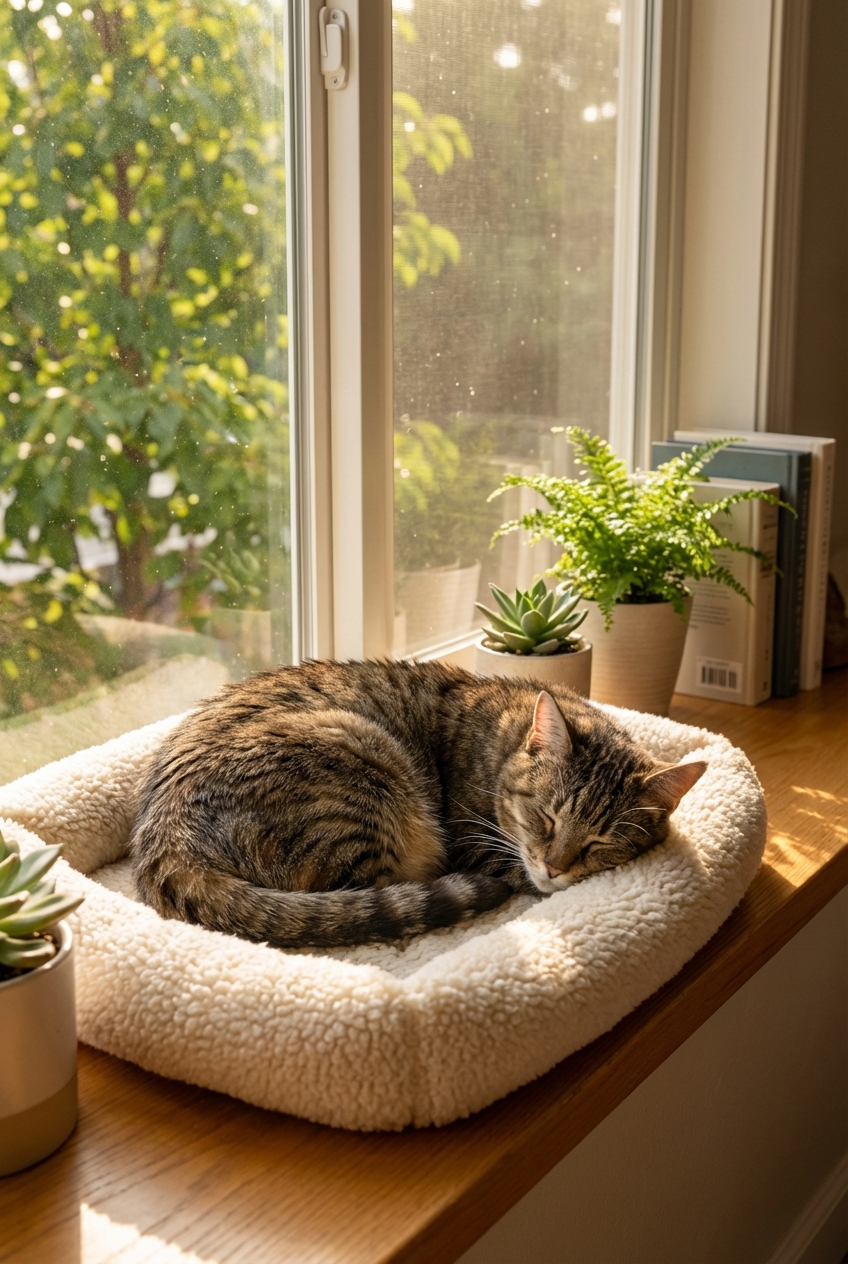
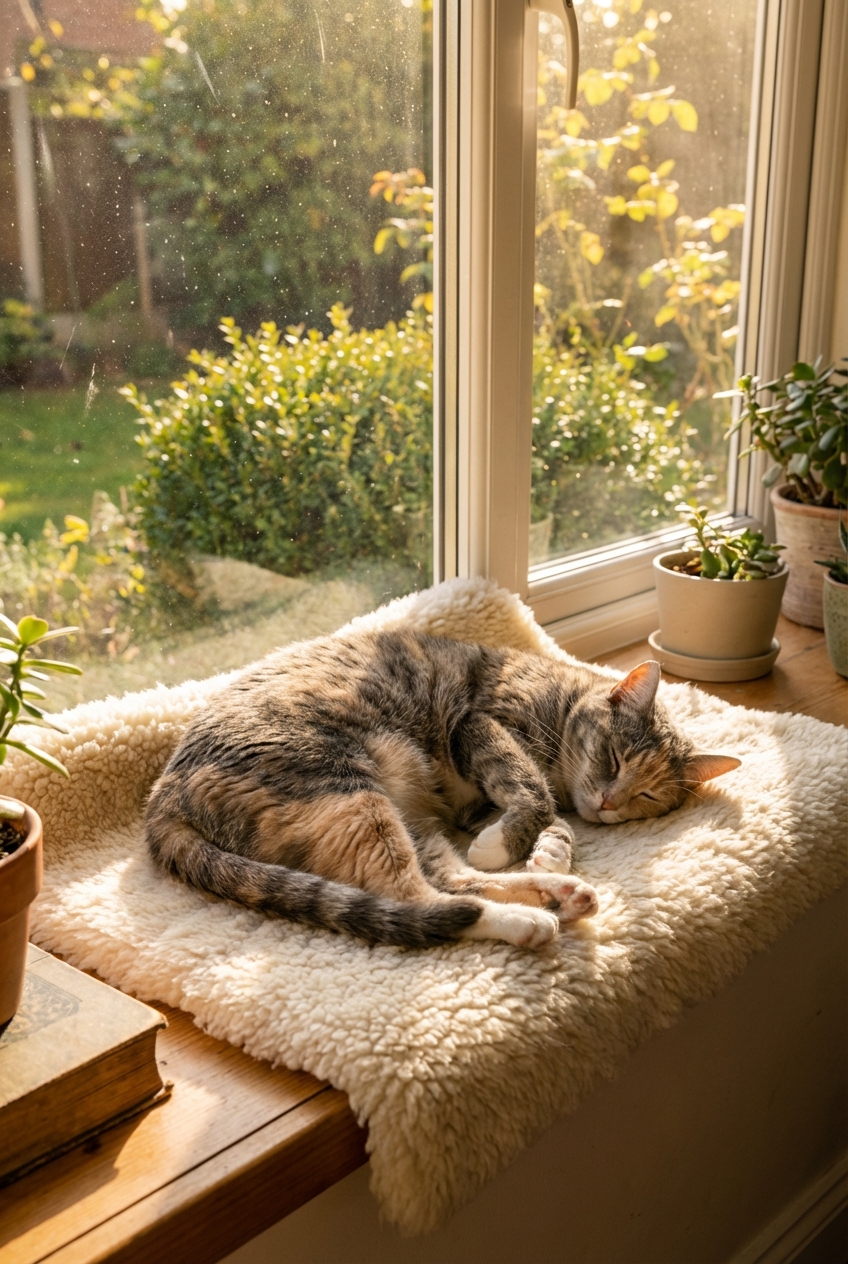
- Warm, supportive bedding in quiet spots
- Raised food and water if crouching seems uncomfortable
Surgery (when needed)
Many cats do well with medical management alone. But when pain is persistent or the joint is severely malformed, surgery may be recommended. Your veterinarian may refer you to a veterinary orthopedic surgeon.
Femoral head ostectomy (FHO)
FHO removes the femoral head so the painful bone-on-bone contact is eliminated. A “false joint” forms with scar tissue, and many cats regain excellent function, especially with good pain control and rehab after surgery.
Total hip replacement (THR)
In select cases, a total hip replacement can restore near-normal function. It is a more advanced procedure with higher cost and specific candidacy requirements, but outcomes can be very good with an experienced surgical team.
Nutrition support
Food is not a stand-alone cure for hip dysplasia, but nutrition can strongly support comfort and mobility.
Keep the body condition lean
A lean cat places less mechanical stress on the hip joint. If you are not sure whether your cat is overweight, ask your vet team for a body condition score and a target weight range.
Consider mobility diets
Some veterinary diets are formulated for mobility support and may include omega-3 fatty acids and other targeted nutrients. They can be especially helpful if supplements are difficult to give.
Hydration matters
Arthritis management is easier when overall health is supported. Encourage hydration with wet food, water fountains, or adding a little water to meals if your cat tolerates it.
When to see a vet quickly
Hip dysplasia is often chronic, but certain signs should be treated as urgent.
- Sudden inability to use a back leg
- Crying out, hiding, or aggression that is new
- Refusing food or water
- Open-mouth breathing or significant stress after a painful episode
- Constipation or straining, which can happen if posture is painful
Outlook
Many cats do very well once pain is recognized and consistently managed. Some improvements (like easier movement after starting pain control) can be seen relatively quickly, while others (like better muscle tone and mobility after weight loss and rehab) often take weeks to months. The goal is not just “less limping.” It is better sleep, easier grooming, more confidence jumping, and a cat who feels like themselves again.
Living well with hip dysplasia
Hip dysplasia can sound scary, but many cats live happy, cozy, playful lives with the right plan. The proven path is usually not one magic product. It is consistency: accurate diagnosis, safe pain control, healthy weight, joint-supportive nutrition, and a home environment that lets your cat move without fear of pain.
If you take one action today, let it be this: track your cat’s mobility for one week. Note jumps, stairs, litter box use, and playtime, then bring those notes to your veterinarian. That simple record can lead to faster answers and better comfort.