A curious nose. A very waggy welcome.
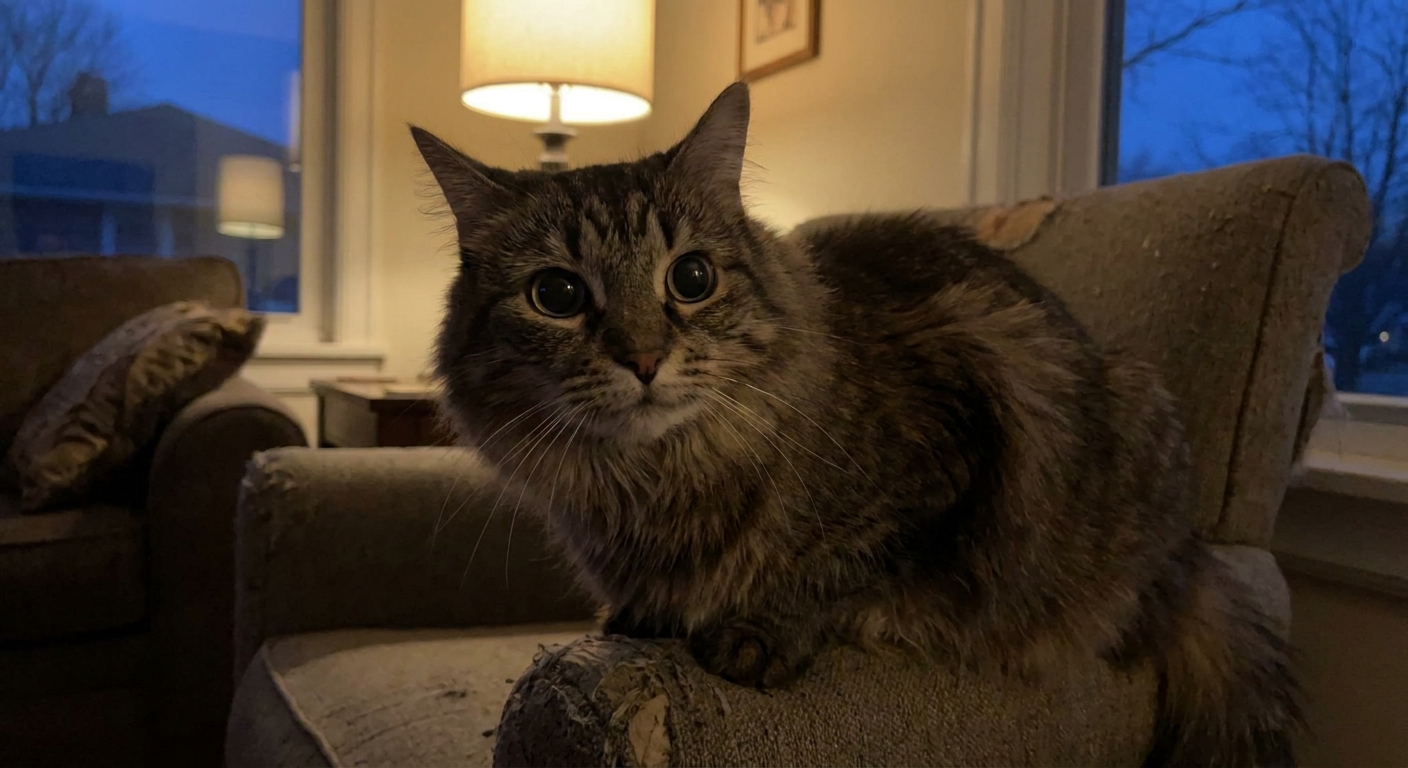
Yes, I am a dog person, but my soft spot for cats is real. So if your older cat is suddenly yowling at night, bumping into furniture, or staring around with big, dilated pupils, my puppy-scout brain goes straight to one big question: what changed in their body so fast?
One overlooked answer is high blood pressure, also called systemic hypertension. In cats, it can creep up quietly and then show up dramatically, especially through the eyes and behavior.
What high blood pressure means in cats
High blood pressure in cats is when arterial pressure stays persistently elevated. Over time, that extra pressure can injure delicate tissues and organs.
Veterinarians worry about hypertension because it can cause target organ damage, meaning harm to organs that are especially sensitive to pressure changes, such as:
- Eyes (retina)
- Brain and nervous system
- Kidneys
- Heart
In cats, the eye signs can be the most sudden and startling.
Why it happens more in older cats
Hypertension is most common in middle-aged to senior cats. In cats, it is most often secondary, meaning it develops alongside another medical problem. Primary (also called idiopathic) hypertension can happen, but it is considered less common.
The two big medical neighbors are:
- Chronic kidney disease (CKD)
- Hyperthyroidism
Those problems deserve their own full guides. What matters here is the connection: kidney and thyroid disease can raise blood pressure, and high blood pressure can also make kidney damage and other complications worse. That is why vets often check blood pressure when a cat is older, losing weight, drinking more, or showing sudden vision or behavior changes.
Other underlying issues your vet may consider include diabetes, hyperaldosteronism, certain medications, pain, and stress. The goal is not for you to diagnose at home, but to make sure high blood pressure does not get missed in the workup.
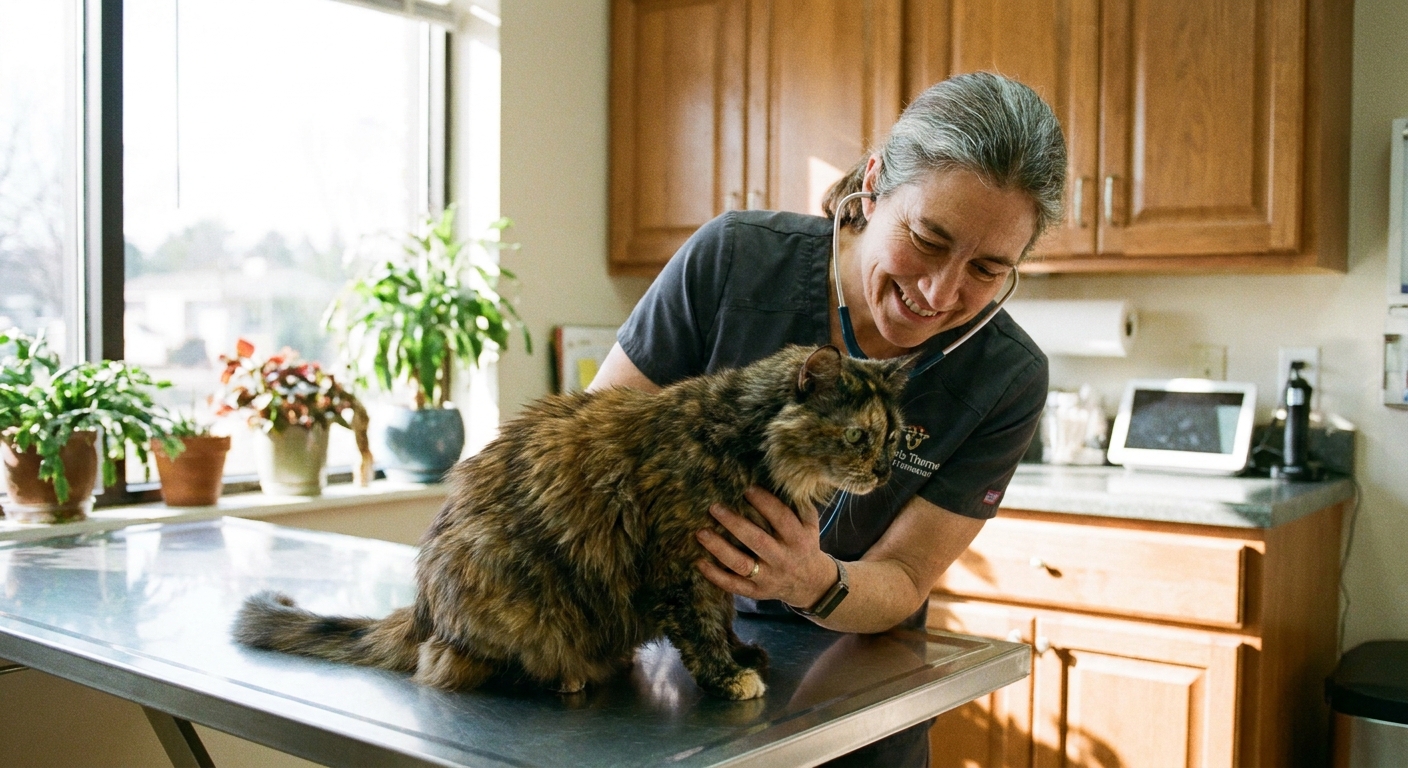
Signs of high blood pressure in cats
Many cats with hypertension look normal at home until damage has started. When signs show up, they can feel sudden.
Sudden blindness
This is one of the biggest red flags. High blood pressure can cause bleeding or fluid changes in the back of the eye, and it may lead to retinal detachment. Owners often notice:
- Bumping into walls or furniture
- Hesitating at stairs
- Missing jumps they used to nail
- Acting startled or clingy in familiar spaces
Sudden vision changes are urgent. A same-day vet visit is worth it.
Dilated pupils
Dilated pupils can happen for lots of reasons, but paired with new clumsiness or staring into space, it can fit the hypertension picture. Some cats also have eyes that look “different,” like a new shine, redness, or uneven pupil response to light.
Night yowling and restlessness
High blood pressure can affect the brain and nervous system when it is severe. That can look like:
- Yowling or crying more after dark
- Pacing
- Acting unsettled, jumpy, or “not quite themselves”
- Changes in sleep patterns
Important nuance: hypertension is not the most common cause of night yowling by itself. It is more suspicious when it shows up alongside eye signs, sudden neurologic changes, or a known history of kidney or thyroid disease.
Night vocalizing also has other common causes, including thyroid disease, in-heat vocalizing (estrus) in unspayed females, cognitive changes, pain, sensory decline, and anxiety. The pattern matters.
Neurologic clues
When blood pressure is very high, some cats show signs that look neurological, such as:
- Head tilt
- Disorientation
- Weakness or wobbliness
- Seizures (less common, but possible)
Any seizure, collapse, or sudden severe disorientation is an emergency.
Less obvious signs
Some cats have hypertension with only subtle changes, like reduced appetite, hiding more, or seeming uncomfortable. That is why routine screening matters for seniors and for cats with kidney or thyroid diagnoses.
How a blood pressure check helps your vet
A blood pressure reading gives your veterinarian a piece of information that can change the whole plan, especially when the symptoms are vague.
It can help your vet:
- Confirm hypertension as a real problem that needs treatment
- Explain eye findings such as bleeding in the eye or retinal changes
- Interpret kidney lab work in context (high blood pressure can both result from and worsen kidney disease)
- Evaluate hyperthyroid cats where blood pressure can rise alongside thyroid hormone changes
- Decide urgency when sudden blindness or neurologic signs are present
For a little context, many veterinary guidelines consider sustained systolic pressures around 160 mmHg and above to carry increased risk for target organ damage, with higher risk around 180 mmHg and above. Your vet will interpret results based on your cat’s full picture, and on the fact that stress can temporarily spike readings.
What the test is like
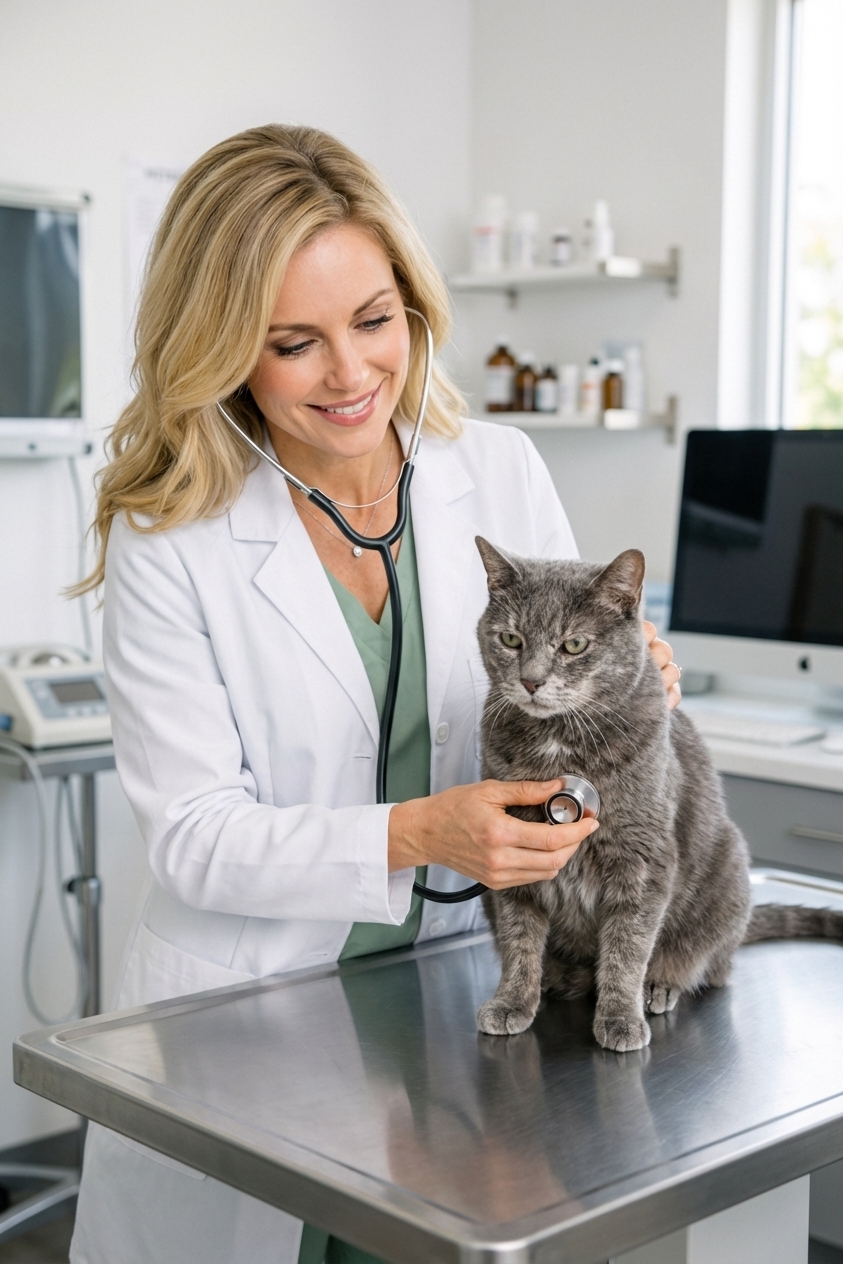
Most clinics measure feline blood pressure with a cuff and a monitor, usually on a front leg or the tail. It is noninvasive and feels a lot like a quick squeeze.
Cats can get “white coat” stress readings, so many veterinarians:
- Let the cat settle in a quiet room first
- Take multiple readings and average them
- Repeat measurements on another day if results are borderline
Home blood pressure monitoring is not common for most cats. The equipment and technique matter, and your cat’s stress level can make results misleading. If your vet thinks home readings would help, they will coach you on the specifics.
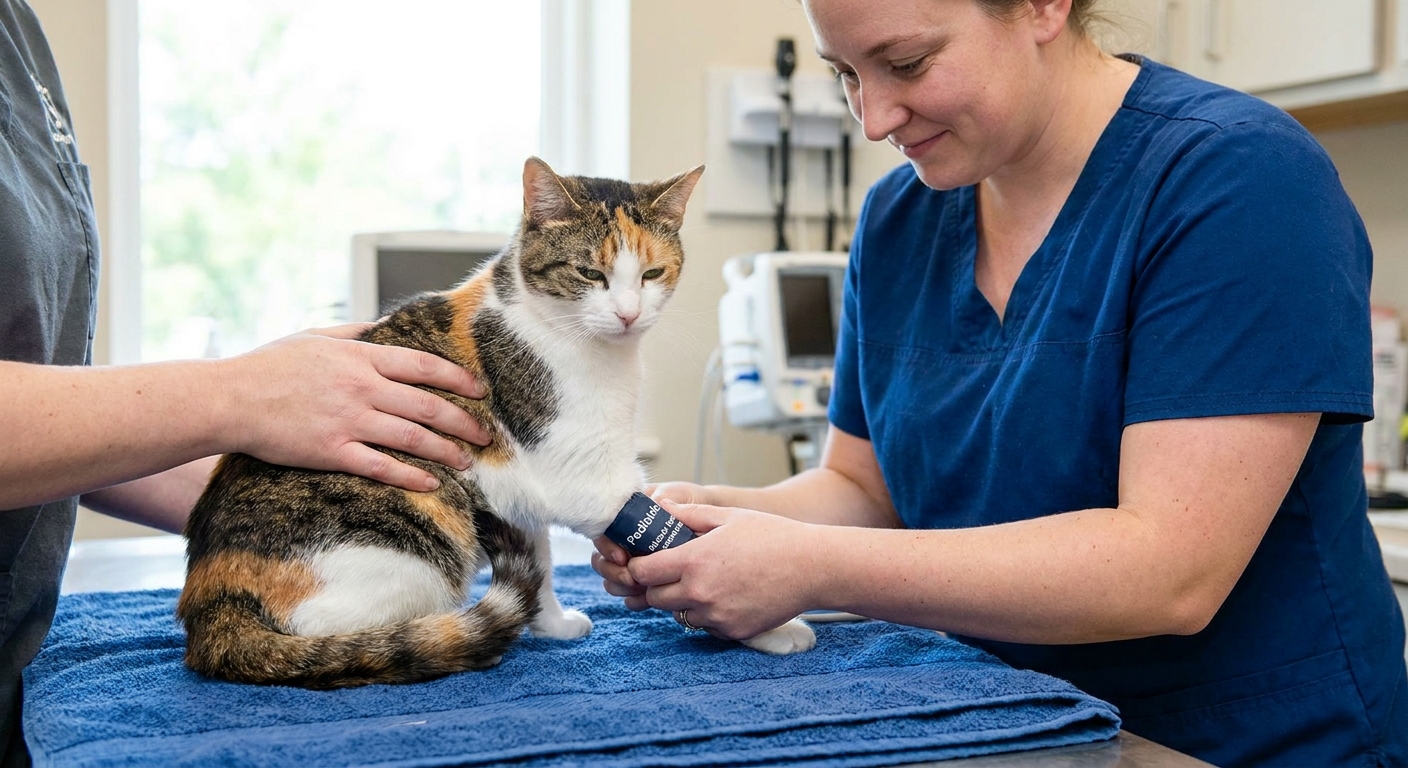
How hypertension can connect to kidney or thyroid disease
Think of systemic hypertension as a pressure problem that often shares a fence with other illnesses.
Kidney disease and blood pressure
The kidneys help regulate fluid balance and hormones that influence blood pressure. When kidneys are not working well, blood pressure can rise. Then high blood pressure can further injure kidney tissue. It can become a loop, which is why blood pressure checks are common in cats with CKD.
Hyperthyroidism and blood pressure
Hyperthyroidism speeds up the body’s metabolism and can increase heart rate and circulation demands. In some cats, that comes with higher blood pressure. Treating the thyroid condition helps, but some cats still need direct blood pressure management too.
If your cat already has kidney or thyroid disease, ask your vet how often blood pressure should be monitored and what changes at home should prompt a quicker recheck.
What treatment usually focuses on
Treatment plans are individualized, but they usually have two goals:
- Lower blood pressure to a safer range to reduce ongoing organ damage
- Address any underlying disease that may be contributing, like kidney or thyroid disease
Vets often use blood pressure medications, most commonly a calcium channel blocker (amlodipine is a standard first-line choice), and then recheck readings to fine-tune the dose. Follow-up matters because the “right” dose is whatever reliably brings your cat into a safer zone without causing low blood pressure.
Other medications may be used in specific situations. For example, ACE inhibitors are sometimes used in cats with kidney disease and protein in the urine, but they are not typically the first choice if the main goal is lowering blood pressure quickly and reliably. Your vet will match the drug to the problem in front of them.
If the eyes are involved, your vet may also recommend an urgent eye exam and, in some cases, referral to a veterinary ophthalmologist. Vision can sometimes improve if treatment happens quickly, but not always.
When to call the vet right away
If you notice any of the following, treat it as urgent:
- Sudden blindness or bumping into objects
- New, persistently dilated pupils or eyes that look painful or unusual
- Seizure, collapse, or extreme disorientation
- Sudden, intense night yowling with other signs like clumsiness or pupil changes
If your cat has kidney disease or hyperthyroidism and starts acting “off,” it is also reasonable to ask whether a blood pressure check should be part of the visit.
Helping at home while you wait for answers
While you arrange a veterinary visit, a few gentle steps can keep your cat safer and calmer, especially if vision might be affected:
- Keep furniture and pathways stable so your cat can map the room
- Block stairs if your cat seems unsteady
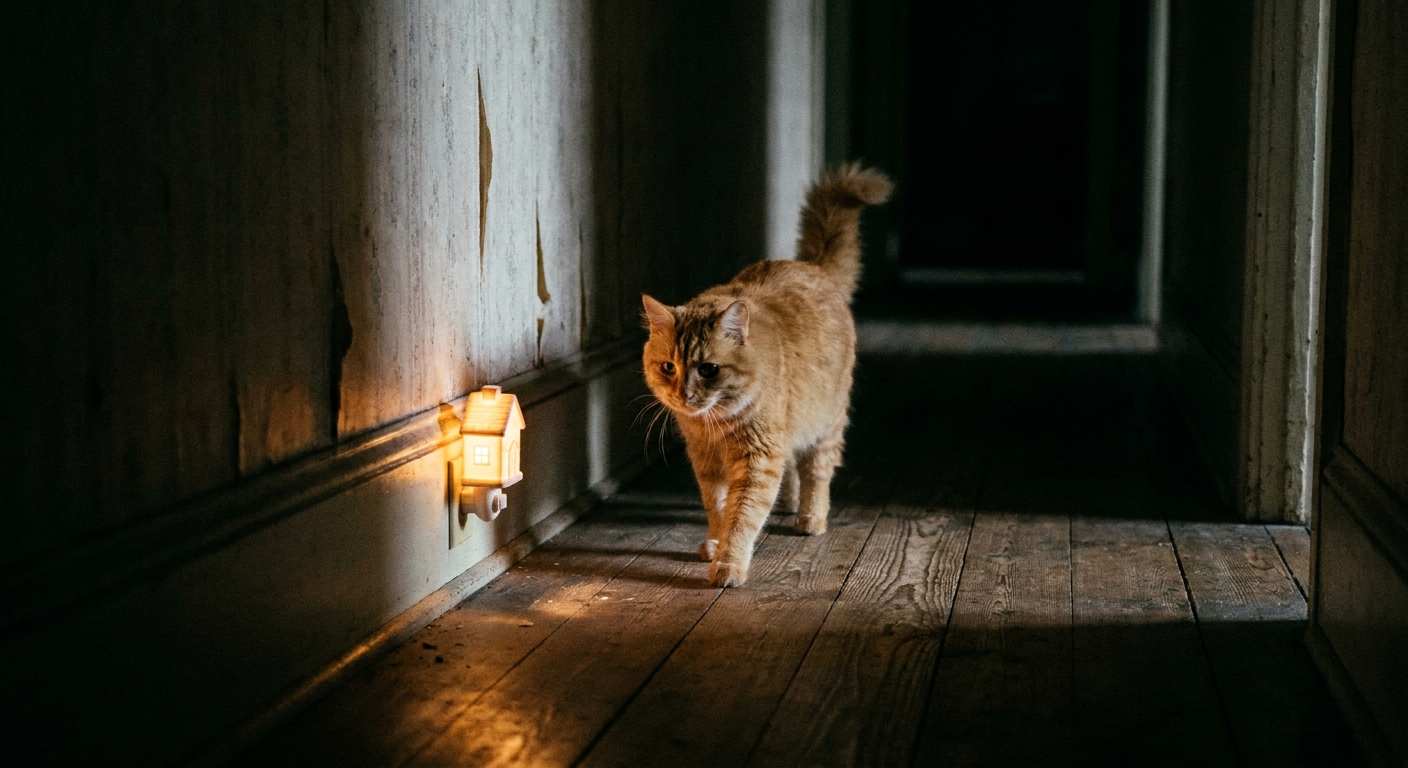
- Use night lights in hallways and near litter boxes
- Make food, water, and litter easy to reach
- Record what you notice, including when yowling happens, appetite changes, water intake, and any stumbling
If you are heading in, mention any recent diagnoses or meds, and ask whether your cat should also have a retinal exam (fundic exam), urinalysis, bloodwork (chemistry panel), and thyroid testing (T4) as part of the bigger picture. Those basics often travel together when hypertension is on the table.
FAQ
Can high blood pressure cause night yowling in cats?
It can, especially if blood pressure is high enough to affect the brain and nervous system. That said, hypertension is not a common standalone cause of night yowling. It is more concerning when paired with eye changes, sudden clumsiness, disorientation, or known kidney or thyroid disease.
Can cats have high blood pressure with no symptoms?
Yes. Some cats have hypertension without obvious signs until damage has started, especially in the eyes or kidneys. That is one reason vets may recommend routine blood pressure checks for senior cats and for cats with kidney disease or hyperthyroidism.
Is sudden blindness in a cat always high blood pressure?
No. Sudden blindness can have multiple causes, but hypertension is a major, urgent one to rule out because it can cause retinal bleeding or detachment. Any sudden vision change should be treated as an emergency.
How is feline blood pressure measured?
Usually with a small cuff on a leg or tail and a monitor. Because stress can raise readings, clinics often take multiple measurements and average them, sometimes repeating on another day if results are borderline.
Can high blood pressure be cured in cats?
Some cats improve significantly when an underlying issue like hyperthyroidism is treated. Others need long-term blood pressure medication and monitoring. The goal is control, protecting the eyes, brain, kidneys, and heart as much as possible.