
HGE in Dogs: Sudden Bloody Diarrhea

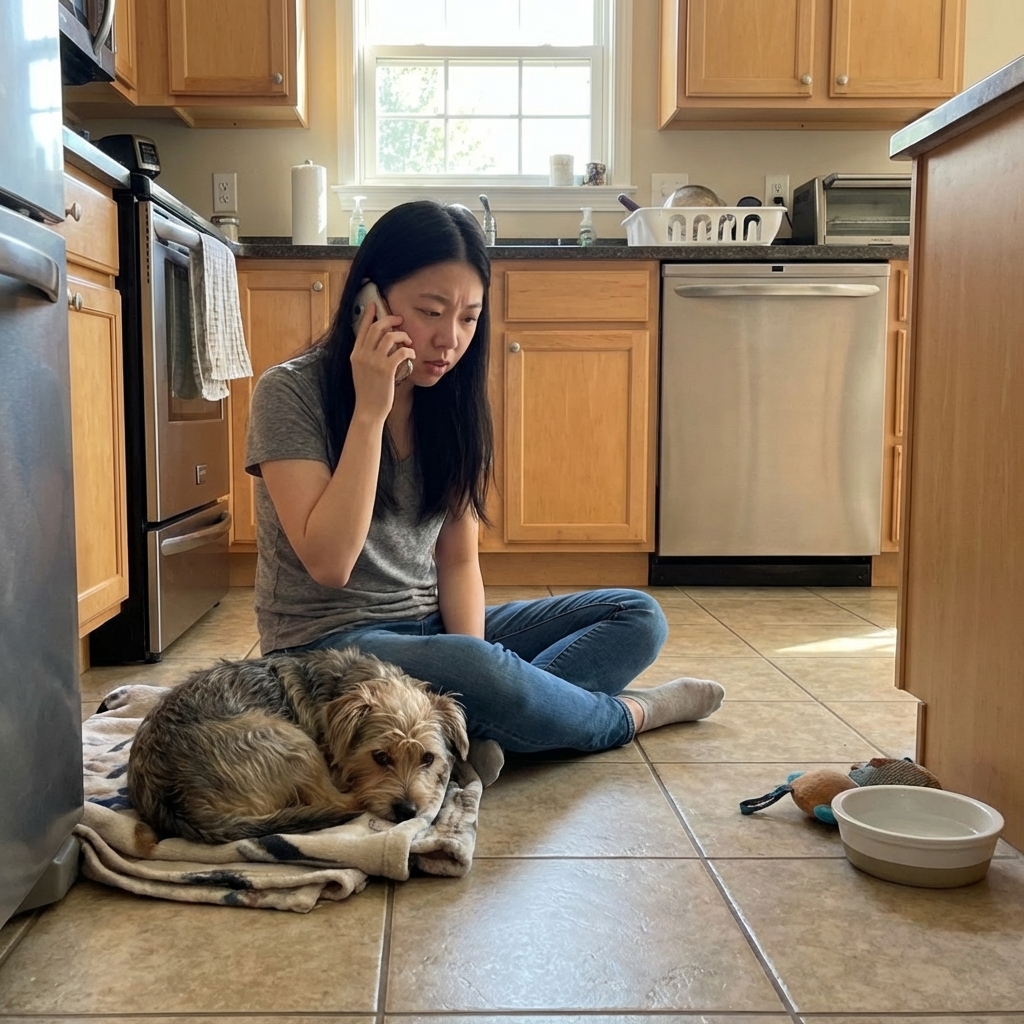
Seeing bright red, bloody diarrhea in your dog can stop you in your tracks. One minute your dog is acting fairly normal, and the next you are cleaning up a mess that looks like raspberry jam. Hemorrhagic gastroenteritis, often shortened to HGE, is one possible cause of sudden bloody diarrhea, and it can become an emergency quickly because dogs can dehydrate fast.
As a veterinary assistant here in Frisco, Texas, I have seen how scary this can feel. The good news is that many dogs do very well with prompt treatment. The key is knowing when to treat bloody diarrhea as an emergency and what supportive care usually looks like.
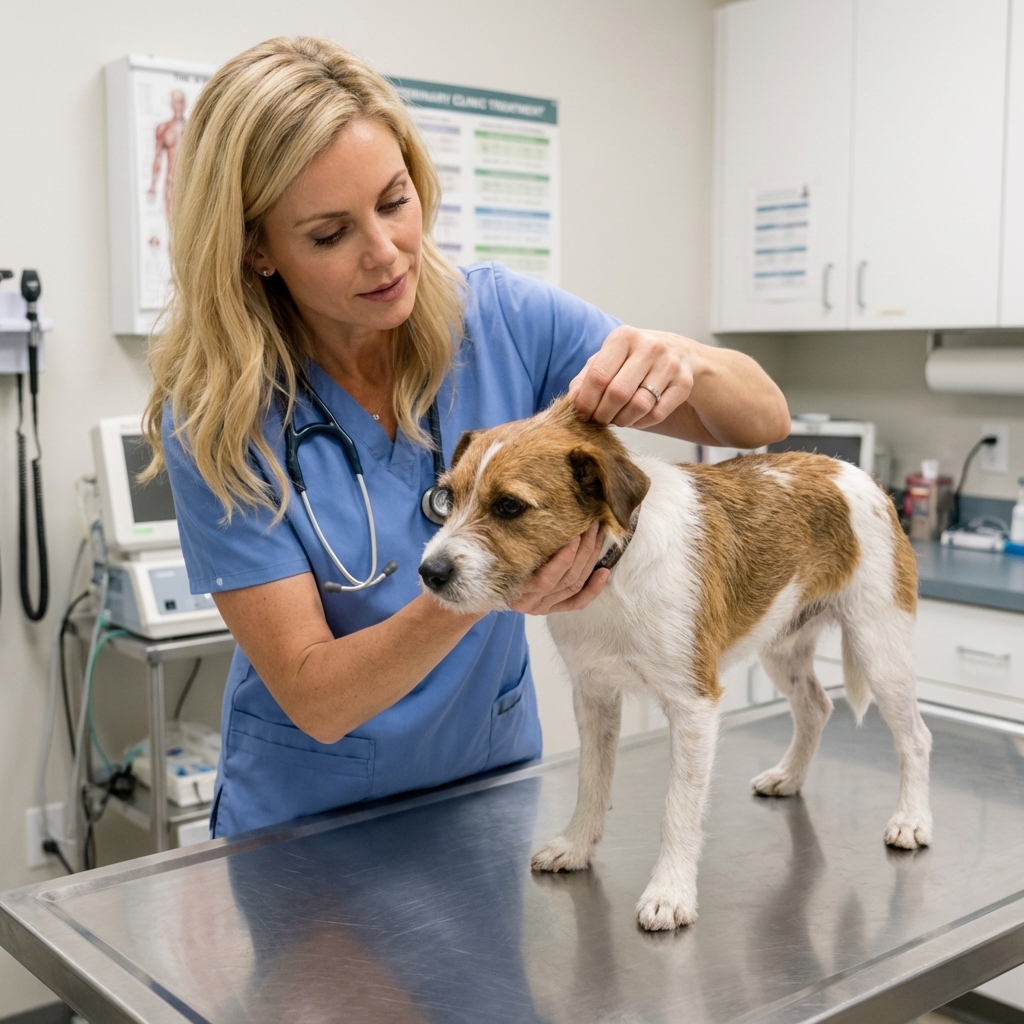
What is HGE in dogs?
Hemorrhagic gastroenteritis is a syndrome where the intestines become acutely inflamed and, in many cases, there are major fluid shifts into the GI tract. The result can be sudden onset watery, bloody diarrhea. Many dogs also vomit and become weak.
You may also hear veterinarians use the term acute hemorrhagic diarrhea syndrome (AHDS), which is the more current medical term. In everyday conversation, many people still say HGE as a legacy label. The exact trigger is not always identified, but the condition is known for its rapid onset and the risk of dehydration.
Which dogs are most often affected?
HGE can happen in any dog, but it is classically seen in small breeds and smaller mixed-breed dogs. It often appears in otherwise healthy dogs and can start with little warning.

What it looks like at home
Most families describe a very sudden change, often over just a few hours.
- Bloody diarrhea that is watery, bright red, or dark red
- Stool that can look like red jelly or “raspberry jam” due to mucus and blood
- Vomiting, sometimes repeatedly
- Loss of appetite
- Lethargy or acting “off”
- Abdominal discomfort or hunched posture
Even if your dog seems okay between episodes, this kind of acute GI illness can worsen fast. The main danger is rapid fluid loss and dehydration.
When it is an emergency
Any bloody diarrhea deserves a call to your vet. It is also important not to assume it is “just HGE,” because bloody stool can also be caused by things like parasites, pancreatitis, GI ulceration, foreign body obstruction, heat stroke, toxin exposure, or clotting disorders.
These signs raise the urgency because they suggest dehydration, shock risk, toxin exposure, obstruction, or severe infection.
Go to an ER now if you notice:
- Large amounts of blood or frequent bloody diarrhea
- Repeated vomiting, or vomiting plus diarrhea together
- Weakness, collapse, or wobbliness
- Pale or white gums
- Fast breathing or a racing heart
- Distended (bloated) abdomen or severe pain
- Black, tarry stool (digested blood)
- Puppy, senior dog, or a dog with chronic illness (kidney disease, diabetes, Addison’s disease, heart disease)
- Known or suspected ingestion of a toxin (rat poison, certain medications, xylitol, grapes, etc.)
If your dog has bloody diarrhea and seems dehydrated or weak, it is safest to treat it like an emergency. A lot of dogs with AHDS look worse very quickly, and prompt fluids can be life-saving.
Quick dehydration checks
These are not perfect, but they help you decide how urgent things may be:
- Gum moisture: Healthy gums are slick and moist. Tacky or dry gums can signal dehydration.
- Skin tent: Gently lift the skin over the shoulders and release. In a hydrated dog, it snaps back quickly. Slower return can mean dehydration.
- Energy level: A dog who cannot settle, cannot get comfortable, or seems unusually tired needs prompt evaluation.
Note: Some dogs (especially seniors) have less elastic skin, and some anxious dogs pant and drool, which can confuse things. When in doubt, call your veterinarian or an emergency clinic.
One more important safety note: Do not give over-the-counter human meds for diarrhea or pain (like loperamide/Imodium, bismuth/Pepto, aspirin, ibuprofen, or naproxen) unless your veterinarian specifically instructs you to. Some can make dogs worse or be dangerous depending on the situation.
HGE vs parvo vs diet upset
Bloody diarrhea has multiple causes. AHDS (often called HGE) is one. Parvovirus is another, and it can be deadly, especially in puppies and unvaccinated dogs. A diet change, garbage snack, or stress colitis can also cause blood, but usually with a milder overall picture.
HGE vs parvo
- Age and vaccine history: Parvo is most common in puppies and unvaccinated dogs. AHDS can occur in adult dogs too.
- Severity of depression: Many parvo dogs become profoundly sick with fever, significant vomiting, and extreme lethargy.
- Testing: Vets commonly run a parvo test on a stool sample to help rule it in or out.
Important: AHDS and parvo can look similar at home. You cannot reliably tell the difference without veterinary testing.
HGE vs “diet indiscretion”
- Speed and amount of blood: AHDS is often dramatic and sudden with a lot of blood.
- Dehydration risk: AHDS dogs can dehydrate quickly due to fluid shifts and volume loss.
- Lab pattern: AHDS frequently shows a high packed cell volume (PCV) and signs of dehydration on bloodwork, which helps guide treatment.
What causes it?
In many cases, we do not identify a single “smoking gun.” Current research suggests AHDS may involve a combination of factors, such as:
- Sudden disruption of the gut barrier
- Changes in gut bacteria, which have been associated with Clostridium species in some studies
- Dietary triggers (rich foods, abrupt changes, scavenging)
- Stress
- Underlying inflammation or sensitivity
Because different problems can cause the same symptom, the safest path is to treat bloody diarrhea as a symptom that needs evaluation, not as a diagnosis you can confirm at home.
What the vet may do
At the clinic, the first goal is to assess stability and hydration, then look for red flags like parvo, pancreatitis, foreign body obstruction, parasites, bleeding disorders, or toxin exposure.
Common vet steps
- Physical exam: hydration status, gum color, abdominal pain, temperature
- Fecal testing: may include a parvo test and parasite checks depending on age and history
- Bloodwork: to evaluate dehydration, electrolyte balance, inflammation, anemia, protein levels, and organ function
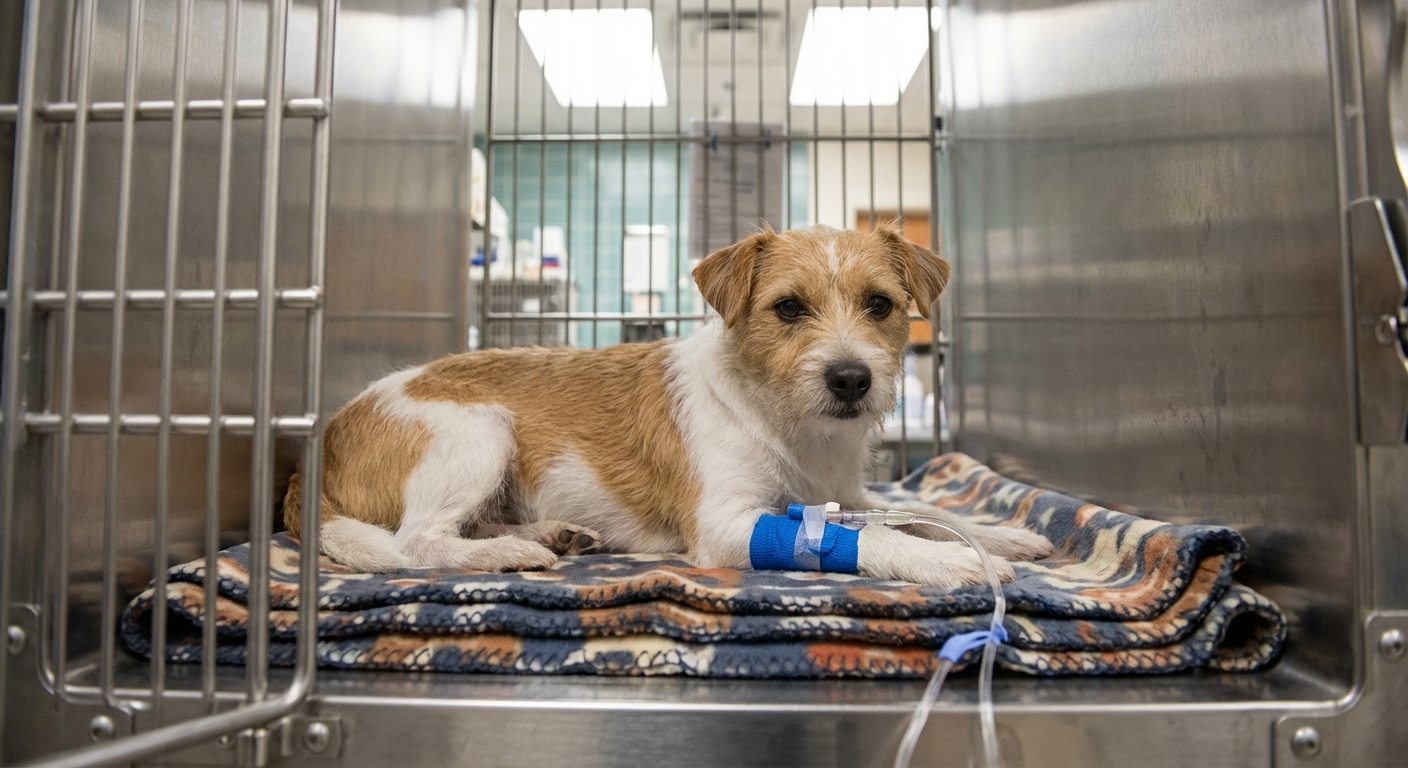
- Fluids: many AHDS dogs need IV fluids. Some mild cases may do well with subcutaneous fluids, but that decision depends on the dog.
- Anti-nausea medication: to control vomiting and help them keep fluids down
- Pain control: if the belly is painful
- Gut protectants: sometimes used if there is concern for irritation or ulceration
- Antibiotics: many uncomplicated cases are treated without antibiotics. They may be prescribed when there is concern for bacterial translocation or sepsis risk, systemic inflammatory response, neutropenia, or other specific clinical red flags.
- Hospitalization: for ongoing fluid therapy, monitoring, and quicker stabilization if your dog is dehydrated or weak
Many dogs improve noticeably within 12 to 24 hours once dehydration is corrected and vomiting is controlled, but some need longer monitoring.
What to bring to the vet
- A photo of the stool or vomit (this helps more than you would think)
- A list of anything your dog could have eaten, including trash, table scraps, new treats, medications, and potential toxins
- Your dog’s current medications and supplements
- Vaccine history if you have it, especially for puppies
At-home care after
Your veterinarian will tailor a plan to your dog, but home care usually focuses on three things: hydration, gentle nutrition, and medication compliance.
Feeding during recovery
Feeding too much too fast can trigger another episode, so think “small and steady.” Always follow your vet’s instructions, especially if your dog has pancreatitis risk or other conditions.
- Start with small, frequent meals: for many dogs, that means 4 to 6 small meals a day at first.
- Choose a bland, easily digestible diet: common options include boiled skinless chicken breast with white rice, or a veterinary gastrointestinal diet.
- Slowly transition back: once stools are improving and appetite is normal, gradually mix back to the regular diet over several days.
Hydration support
- Provide fresh water at all times.
- If your dog gulps water and vomits, offer small sips more frequently and ask your vet if an oral rehydration approach is appropriate.
- Do not force water into a nauseated dog. It can increase vomiting and aspiration risk.
Probiotics and gut support
Some vets recommend a probiotic to help normalize the gut microbiome after acute diarrhea. Use a product recommended by your veterinarian, since quality and strains matter.
How long does it last?
With prompt veterinary care, many dogs start improving within a day and are much better within 2 to 3 days. Some cases take longer, especially if there are complications, significant dehydration, or another underlying problem that needs treatment.
Call your vet again if:
- Vomiting returns
- Bloody diarrhea continues or worsens after initial improvement
- Your dog will not eat for more than 24 hours (or sooner for small dogs)
- Your dog seems weak, painful, or dehydrated
Can it be prevented?
Not always, but you can lower risk by reducing common triggers and keeping the gut as steady as possible.
- Keep diet consistent, and make food changes gradually over 7 to 10 days.
- Prevent scavenging by using a leash outdoors and securing trash.
- Limit rich treats and fatty foods, especially in small dogs.
- Stay current on vaccines and talk to your vet about parasite prevention.
- Manage stress during travel, boarding, or household changes when you can.
If your dog has had AHDS before, ask your veterinarian what early warning signs to watch for and whether they recommend having a specific bland diet or probiotic on hand.
A note on homemade food
Gentle homemade options can be helpful during recovery when your veterinarian approves them. The most important part is balance and transition. During an acute GI episode, the gut needs simplicity, not novelty.
Once your dog is stable, your vet may ok a gradual shift toward more fresh, minimally processed foods, especially if food sensitivity is suspected. Go slowly and keep a close eye on stool quality, energy, and hydration.
Bottom line
AHDS (often called HGE) can be frightening because it is sudden and dramatic, and dehydration can become dangerous quickly. If your dog has sudden bloody diarrhea, especially with vomiting or lethargy, treat it as urgent and contact your veterinarian or an emergency clinic right away.
With prompt care, most dogs recover well and get back to their happy, tail-wagging selves.