
Hepatic Lipidosis in Cats: When Not Eating Becomes an Emergency

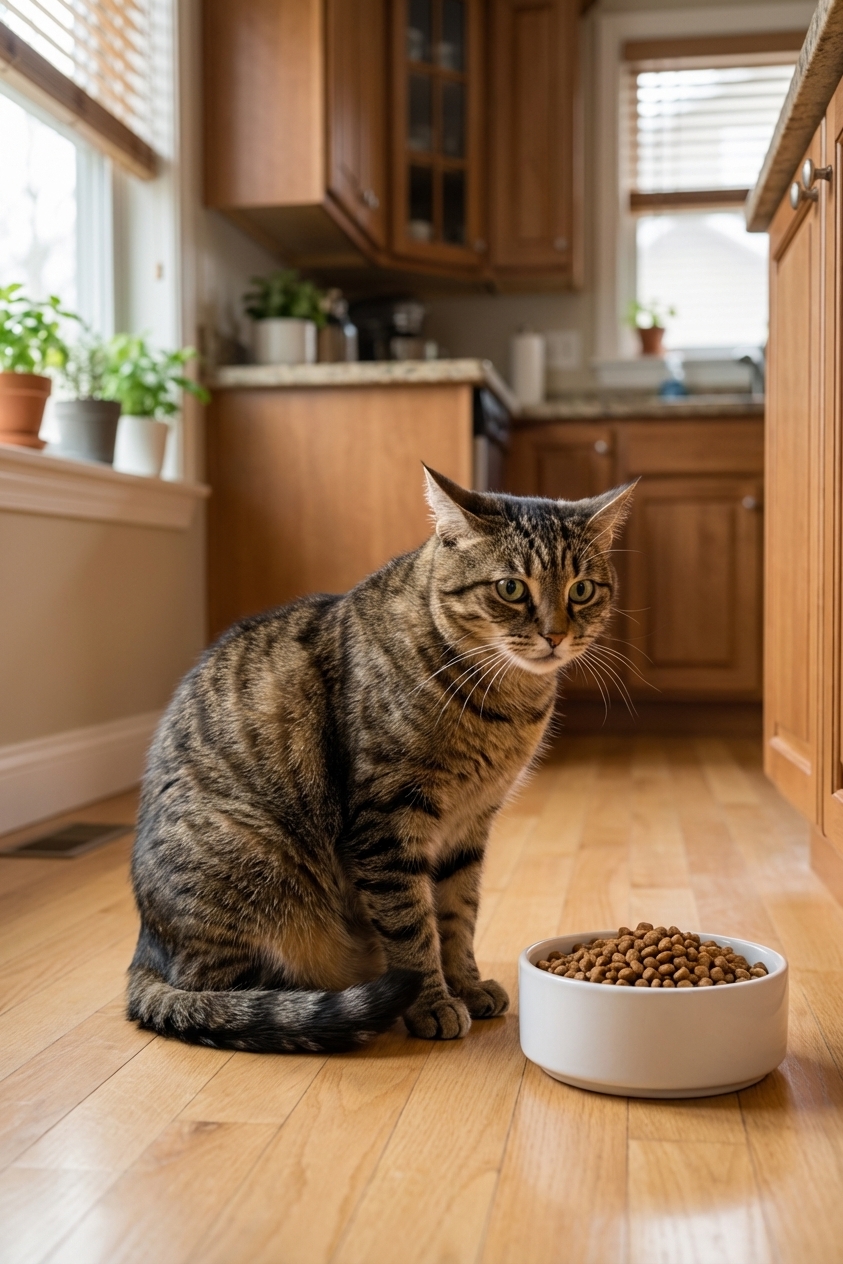
When a cat stops eating, it is not just a picky phase. In cats, poor appetite can quickly turn into a serious and sometimes life-threatening condition called hepatic lipidosis, also known as fatty liver disease. As a veterinary assistant, I have seen how fast it can snowball, especially after a stressful event or another illness.
Do not wait it out. As a rule of thumb, contact your veterinarian if your cat’s appetite is significantly reduced for 24 hours, or if they have eaten nothing for about 48 hours. For kittens, seniors, and cats that are already ill, call within 24 hours of poor intake. If you see yellow eyes or gums, weakness, or repeated vomiting, treat it as urgent.
What it is and why it happens
A cat’s liver plays a huge role in processing fats, proteins, and toxins. When a cat suddenly stops eating, the body begins mobilizing stored fat for energy. Cats are uniquely vulnerable because their livers can become overwhelmed by this fat processing.
The result is fat accumulation in liver cells, which can impair liver function. That is hepatic lipidosis in a nutshell: not enough calories in leads to too much fat rushing to the liver, which can cause severe liver dysfunction and can be life-threatening without prompt treatment.
Which cats are at higher risk?
- Overweight or obese cats (they have more stored fat to mobilize)
- Cats that experience sudden stress (moving, new pets, boarding, construction noise)
- Cats recovering from illness, pain, dental disease, or surgery
- Cats with underlying disease that reduces appetite, such as pancreatitis, GI disease, diabetes, kidney disease, hyperthyroidism, or cancer
Important note: hepatic lipidosis is often secondary to another problem. That means your vet is not only treating the fatty liver, they are also working to find and address why your cat stopped eating in the first place.
How fast can it develop?
There is no single “safe” number of days to wait. In general, hepatic lipidosis can begin after several days of inadequate intake, and it can progress quickly from there. Overweight cats are at higher risk, and partial anorexia can still contribute if it continues for days.
One nuance I like families to know: hepatic lipidosis is classically seen in overweight adult cats, not kittens. However, kittens can decline rapidly from not eating due to low reserves, dehydration, and low blood sugar. So even if fatty liver is less likely in a kitten, the situation is still urgent.
If you are asking, “Should I worry?”, it is time to call.
Signs to watch for
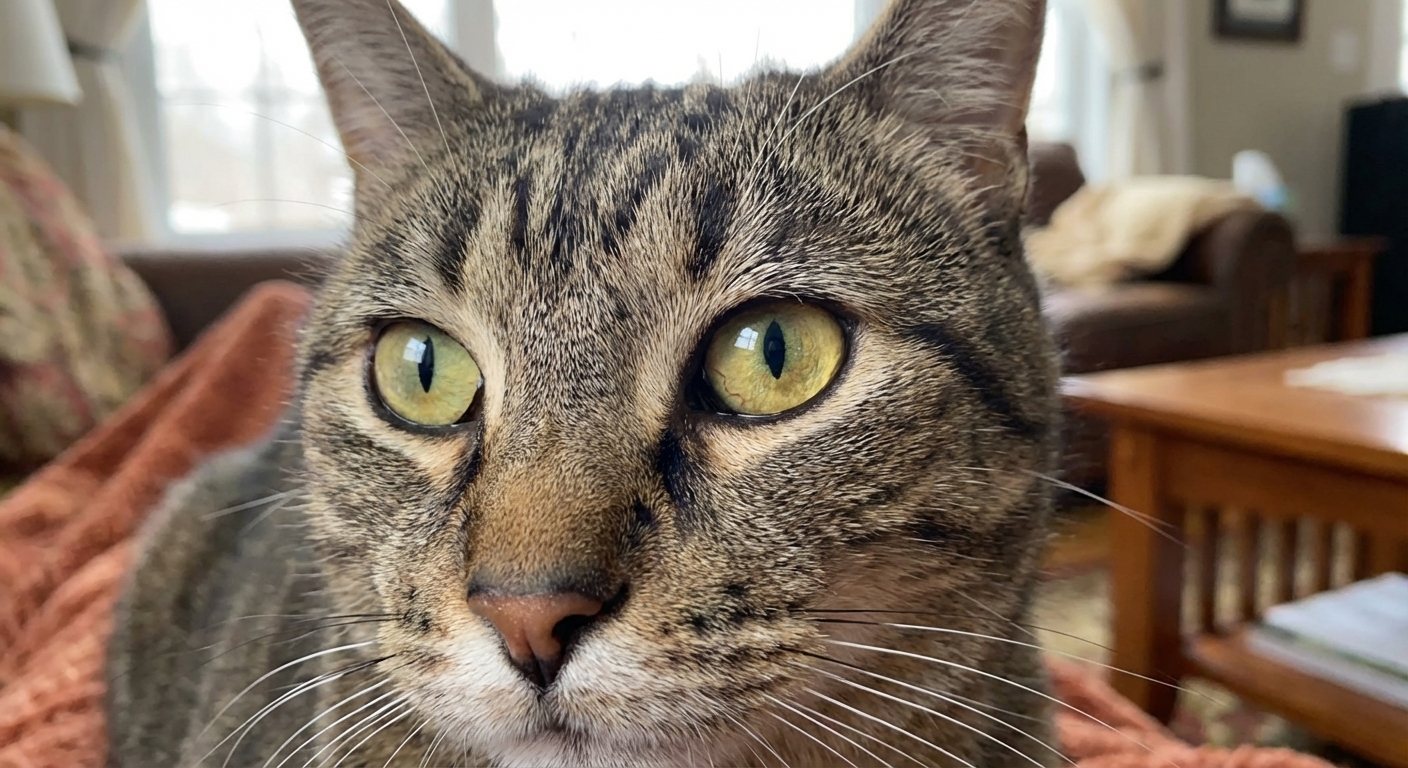
Appetite problems do not always look dramatic at first. Sometimes it starts as hiding, turning away from food, or acting “off.” These subtle changes matter, especially when they persist.
Early signs
- Skipping meals, sniffing food then walking away
- Eating only treats, licking gravy only, or eating less each day
- Hiding more, decreased social behavior
- Nausea signs such as drooling, lip-smacking, or gagging
- Vomiting or diarrhea
- Weight loss (may be rapid)
Red flags
- Jaundice: yellow tint to the whites of the eyes, gums, or inside the ears
- Marked lethargy, weakness, or collapse
- Dehydration, sunken eyes, tacky gums
- Behavior changes such as disorientation
- Continued refusal to eat
Why force-feeding can backfire
I completely understand the urge to syringe-feed a little food at home. It feels like the most direct way to help. But unplanned force-feeding can create new problems, especially if your cat is nauseated, painful, or at risk for aspiration.
Risks without guidance
- Aspiration pneumonia if food enters the airway
- Food aversion, where the cat begins to associate eating with fear or nausea
- Worsening vomiting if the underlying issue is not addressed
- Delay in diagnosing the true cause (dental pain, pancreatitis, obstruction, toxin exposure, and more)
That does not mean nutrition support is wrong. It means the plan needs veterinary oversight so your cat gets calories safely, with nausea and pain controlled, and with a clear medical diagnosis guiding the approach.
What the vet may do
Treatment varies depending on how sick your cat is and what triggered the appetite loss. Many cats need a combination of stabilization, diagnostics, and structured nutritional support.
Common diagnostics
- Physical exam with body weight and hydration assessment
- Bloodwork including liver enzymes and bilirubin
- Electrolytes and blood sugar checks
- Urinalysis
- Imaging like abdominal ultrasound or radiographs if indicated
When fatty liver is suspected
- Additional liver testing may be recommended (for example bile acids)
- Clotting tests may be checked in some cases before procedures or if bleeding risk is a concern
- Ultrasound can support suspicion and help look for underlying causes
- In select cases, your veterinarian may discuss a liver aspirate or biopsy to confirm the diagnosis or rule out other disease
Supportive care
- Fluids to correct dehydration and support circulation
- Anti-nausea medications
- Pain control if pain is a factor
- Vitamin support, often including B vitamins as directed by your veterinarian
- Appetite stimulants when appropriate
One important point: appetite stimulants can be helpful, but in true hepatic lipidosis they are often not enough on their own. They should not delay a real nutrition plan if your cat is not meeting calorie needs.
Nutrition support
In many hepatic lipidosis cases, getting consistent calories in is what turns the corner. Your veterinarian may recommend:
- Assisted feeding with a prescription recovery diet
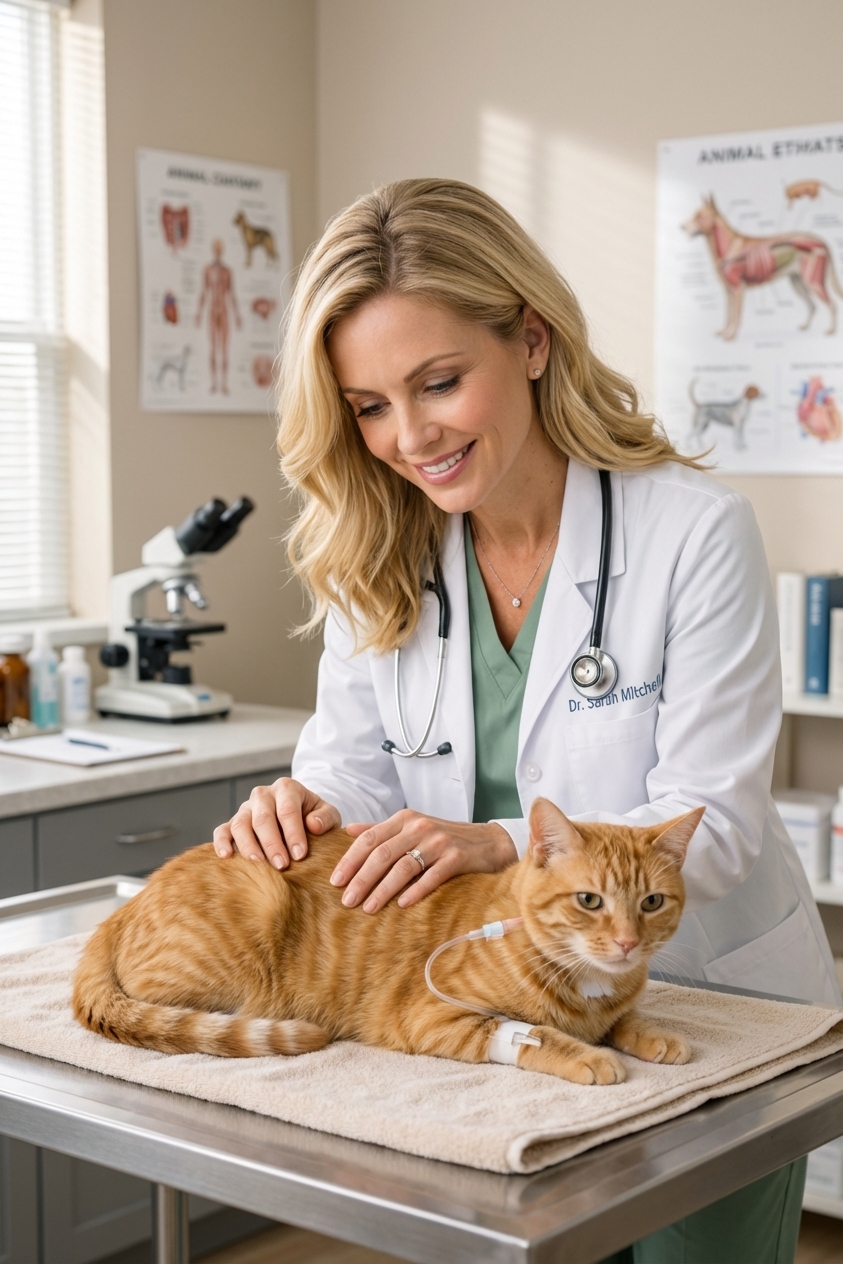
- A feeding tube when a cat will not eat enough voluntarily (often esophagostomy, nasogastric, or gastrostomy)
Feeding tubes sound scary, but for many cats they are a compassionate, effective tool. They allow gentle, consistent feeding and medication without daily battles, and they help protect the human-animal bond during recovery.
Recovery often takes time. Some cats need tube feeding for weeks, and your vet will guide a gradual increase in calories to support safe refeeding.
What you can do at home
If you are waiting to be seen, focus on safety and observation. Do not delay professional care if your cat has not eaten.
- Track time: When did your cat last eat a real meal? Not just a lick or a treat.
- Offer strong-smelling food: Warmed wet food can increase aroma. Warm, not hot.
- Reduce stress: Quiet room, easy access to water and litter box, separate from other pets.
- Check for simple barriers: Mouth pain, drooling, bad breath, hiding, or difficulty chewing.
- Call sooner if you see jaundice: Yellow eyes or gums should be treated as urgent.
Avoid giving human medications, essential oils, or supplements unless your veterinarian specifically instructs you to. Cats are very sensitive to many substances that are safe for people.
Food transitions and prevention
If you care deeply about nutrition, I am with you. Better ingredients and thoughtful diets can be a wonderful part of long-term health. But hepatic lipidosis is one reason I am such a believer in slow, cat-led transitions.
Transition basics
- Never abruptly switch foods, especially in a cat that is already stressed or ill.
- Transition gradually over 7 to 14 days or longer for sensitive cats.
- Make sure your cat is still eating enough total calories during the switch.
- Weigh your cat weekly during transitions, and watch litter box habits.
- If intake drops significantly, pause the transition and contact your vet.
Homemade or fresh food plans can be part of a healthy routine, but cats have precise nutrient needs. If you are considering homemade, work with your veterinarian or a boarded veterinary nutritionist to ensure the recipe is complete and balanced for your cat’s life stage and health status.
When it is an emergency
Call your veterinarian or an emergency clinic now if:
- Your cat has eaten nothing for about 48 hours, or intake has been significantly reduced for 24 hours
- Your cat is a kitten, senior, or medically fragile and has not eaten normally for about 24 hours
- You see jaundice (yellow eyes, gums, skin)
- Your cat is weak, collapsing, or breathing abnormally
- There is repeated vomiting, especially with lethargy
- Your cat is a known high-risk cat (overweight, diabetic, recent stressor, recent illness)
In cats, not eating is never “just a stomach bug.” If your cat’s appetite is fading, trust that instinct and get help early. Early intervention can be the difference between a short setback and a true crisis.
Nutrition-friendly next steps
If your cat is recovering from hepatic lipidosis or any recent appetite loss, ask your veterinarian about a step-by-step feeding plan that includes:
- Daily calorie targets and how to measure progress
- How to manage nausea and constipation during refeeding
- Safe treat options that do not replace balanced meals
- How and when to transition back to your preferred long-term diet
- What recovery timeline to expect, including how long a feeding tube might be needed
With the right support, many cats do recover well. The most important thing is taking “my cat is not eating” seriously from day one.