Hairballs can be normal—but frequent gagging or vomiting may signal a bigger issue. Get vet-approved tips on brushing, hydration, fiber, diet, gels, and wh...
Article
•
Designer Mixes
Helping Your Cat Pass a Hairball

Shari Shidate
Designer Mixes contributor
As a veterinary assistant here in Frisco, Texas, I can tell you hairballs are a very common reason cat parents call the clinic. The good news is that many hairballs can be managed safely at home. The key is knowing what is normal and what is a red flag, because vomiting that looks like a hairball is sometimes something much more serious.
Quick note: This is general information, not a diagnosis for your cat. When you are unsure, a quick call to your veterinarian is always a smart move.
What a hairball is (and what it is not)
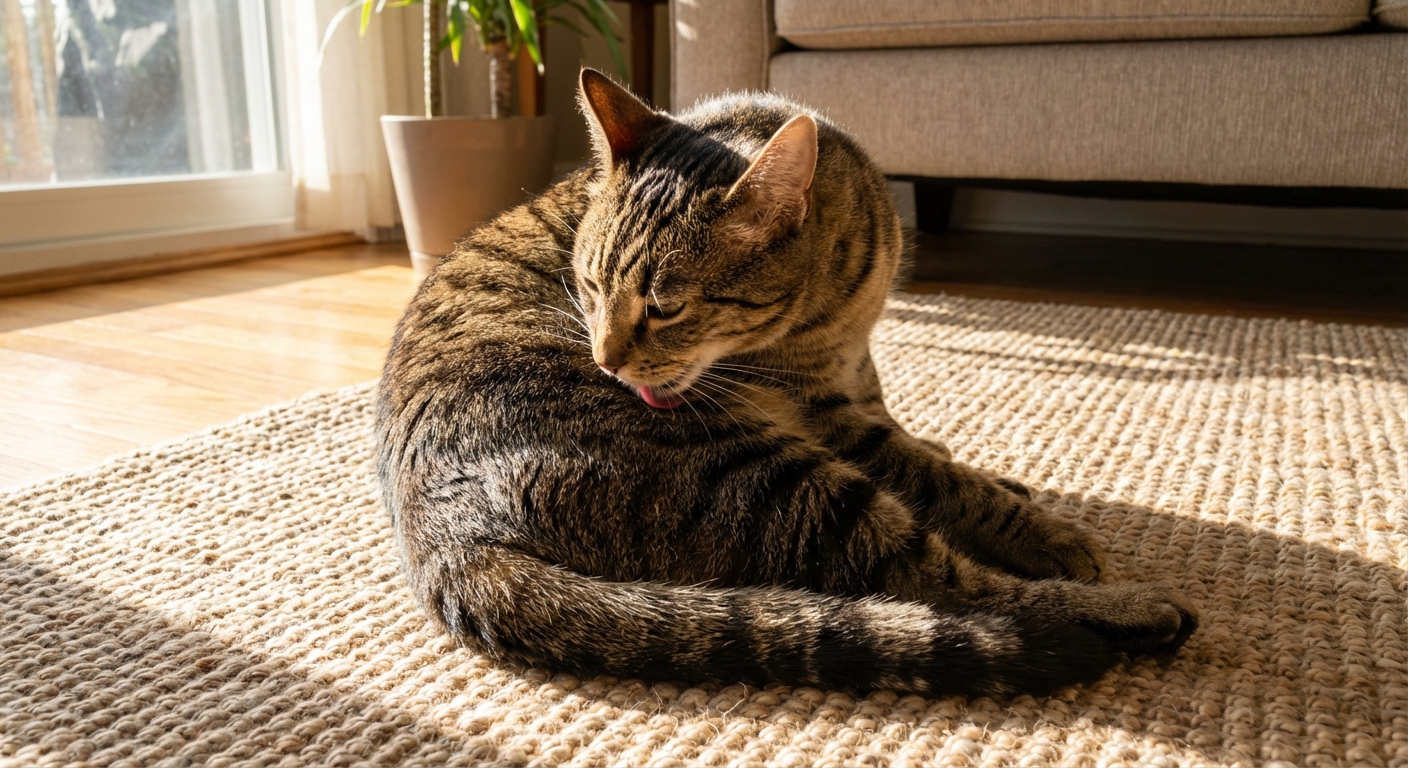
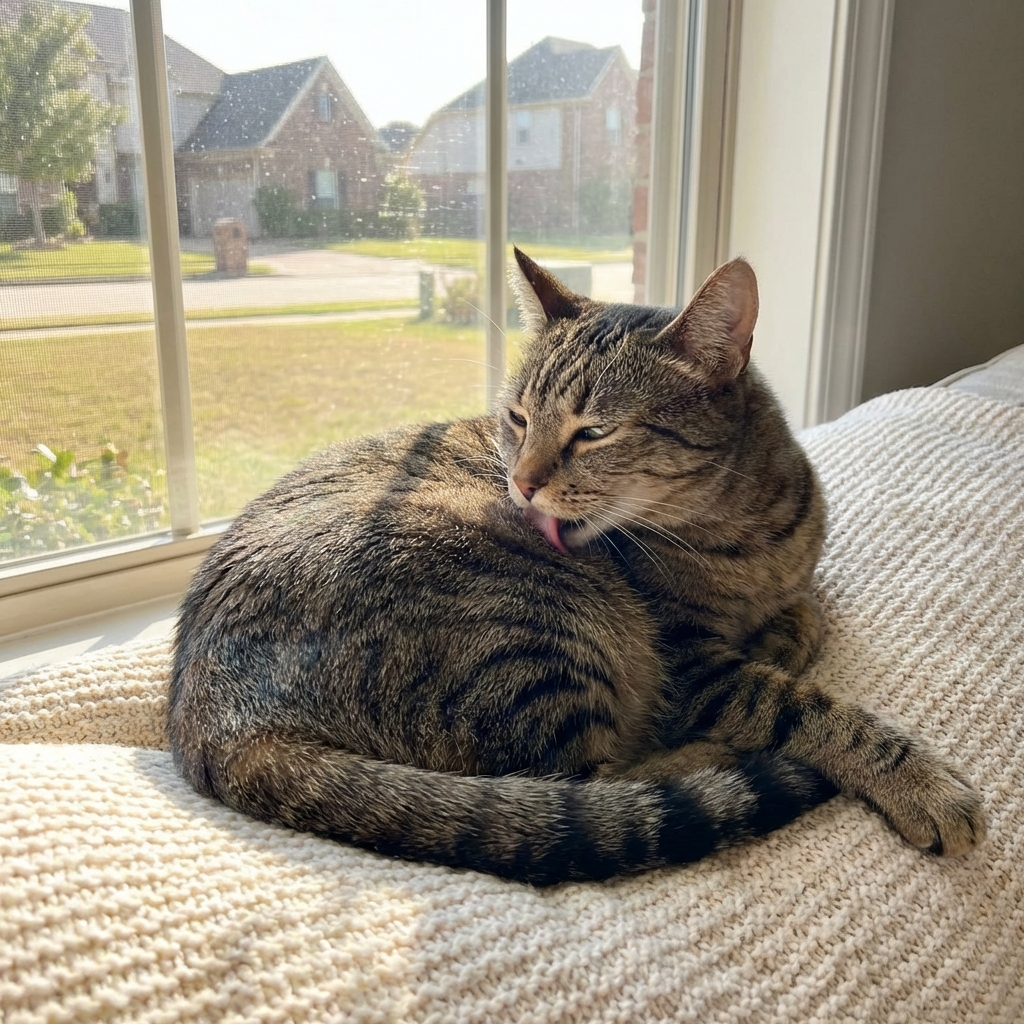
When cats groom, tiny barbed tongues pull loose hair into the mouth. Most swallowed hair passes through the digestive tract and ends up in the litter box. A hairball happens when hair collects in the stomach and forms a felt-like wad that your cat then coughs or vomits up. Long-haired cats and heavy groomers tend to be more prone to hair buildup.
A typical hairball episode often looks like:
- Repeated gagging or retching
- A cough-like hacking sound
- Then a tubular clump of hair, sometimes with clear or foamy fluid
Hairballs should be occasional. As a practical guideline, if it is happening more than once a month, or your cat has frequent hacking episodes that rarely produce a hairball, it is worth discussing with your veterinarian. Frequent episodes can signal excessive shedding, skin disease, stress grooming, diet issues, airway disease, or a digestive problem that needs attention. Some cats are vomiting for another reason and just happen to bring up hair at the same time.
First: decide if home care is reasonable
When home care makes sense
- Your cat is bright, alert, and acting mostly normal
- They gagged and then produced a hairball, or they are having mild intermittent hacking
- They are eating, drinking, and using the litter box normally (or close to normal)
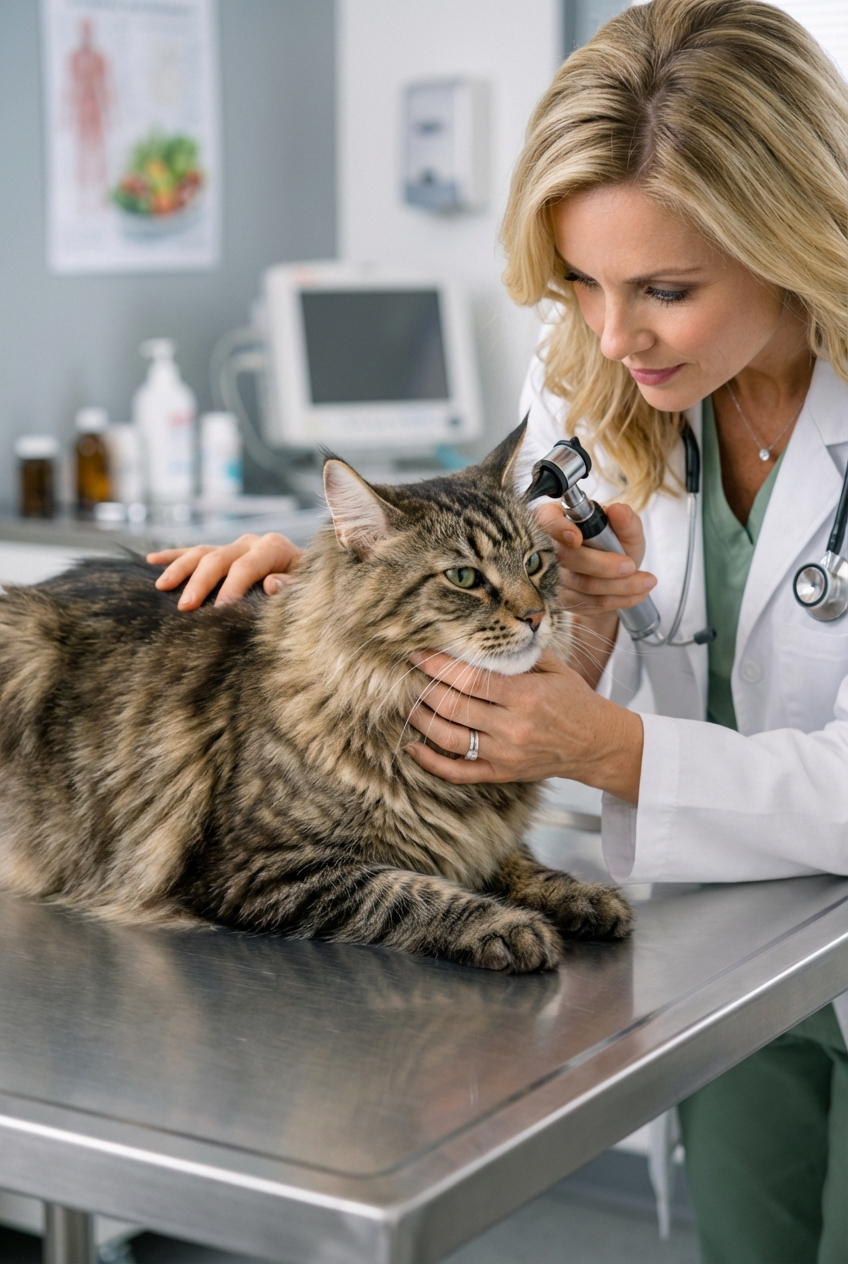
Go to a vet or emergency clinic now
Please treat these as urgent, because a blockage or breathing issue can look like “a stubborn hairball” at first.
- Persistent or repeated unproductive retching (trying to vomit but nothing comes up), especially if it continues, worsens, or keeps happening over the next hour or two
- Breathing trouble, open-mouth breathing, or blue or pale gums
- Lethargy, collapse, or weakness
- Not eating for 24 hours (or 12 hours for kittens), or sooner if vomiting, pain, or low energy is also present
- Vomiting multiple times in a day, or vomiting with blood
- Constipation signs like straining, crying in the litter box, or a significant change from your cat’s normal stool pattern (especially if paired with vomiting or appetite loss)
- Painful belly, hunched posture, hiding, or crying
- String from the mouth or rectum (do not pull it)
If your cat is a senior, has known GI disease, has had past obstructions, or is the type to eat non-food items (string, toys, plants), I would call sooner rather than later.
If your cat keeps gagging and nothing comes up, do not assume it is “just a hairball.” Cats can have intestinal blockages, asthma, infections, and other conditions that need fast treatment.
How to help at home
The goals at home are to keep your cat comfortable, support normal gut movement, and avoid adding more irritation. If your cat seems sick or the symptoms keep returning, a vet visit is the safest next step.
1) Offer water and encourage hydration
Hydration helps keep the GI tract moving. Try:
- Fresh bowls in multiple rooms
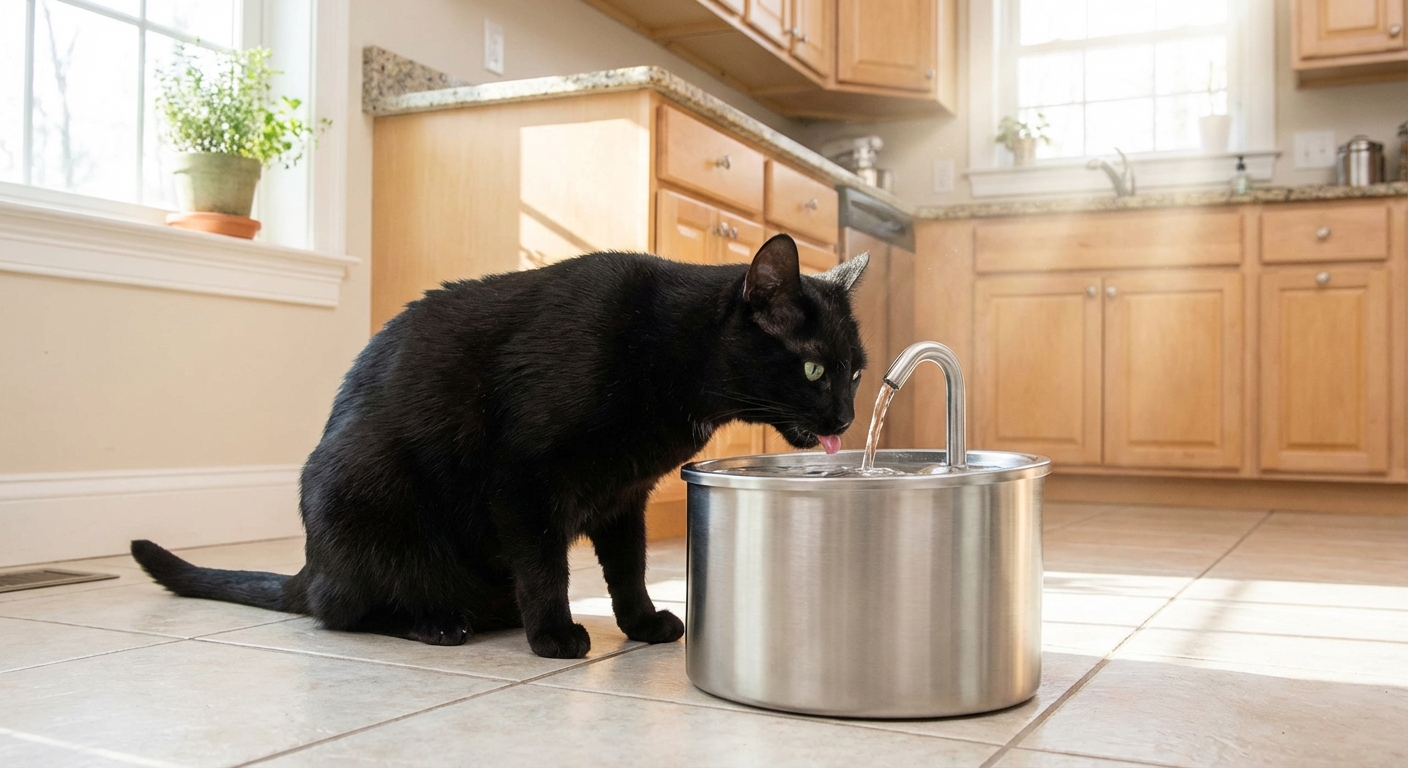
- A cat water fountain
- Adding a little warm water to wet food to make a “gravy”
2) Serve a small wet-food meal (not a big bowl)
Wet food supports hydration and is often easier on the stomach than a large dry meal when a cat is queasy. Offer a small portion and see how your cat does. If they keep it down and act hungry, you can give another small meal later.
3) Reduce new hair intake (especially during peak shedding)
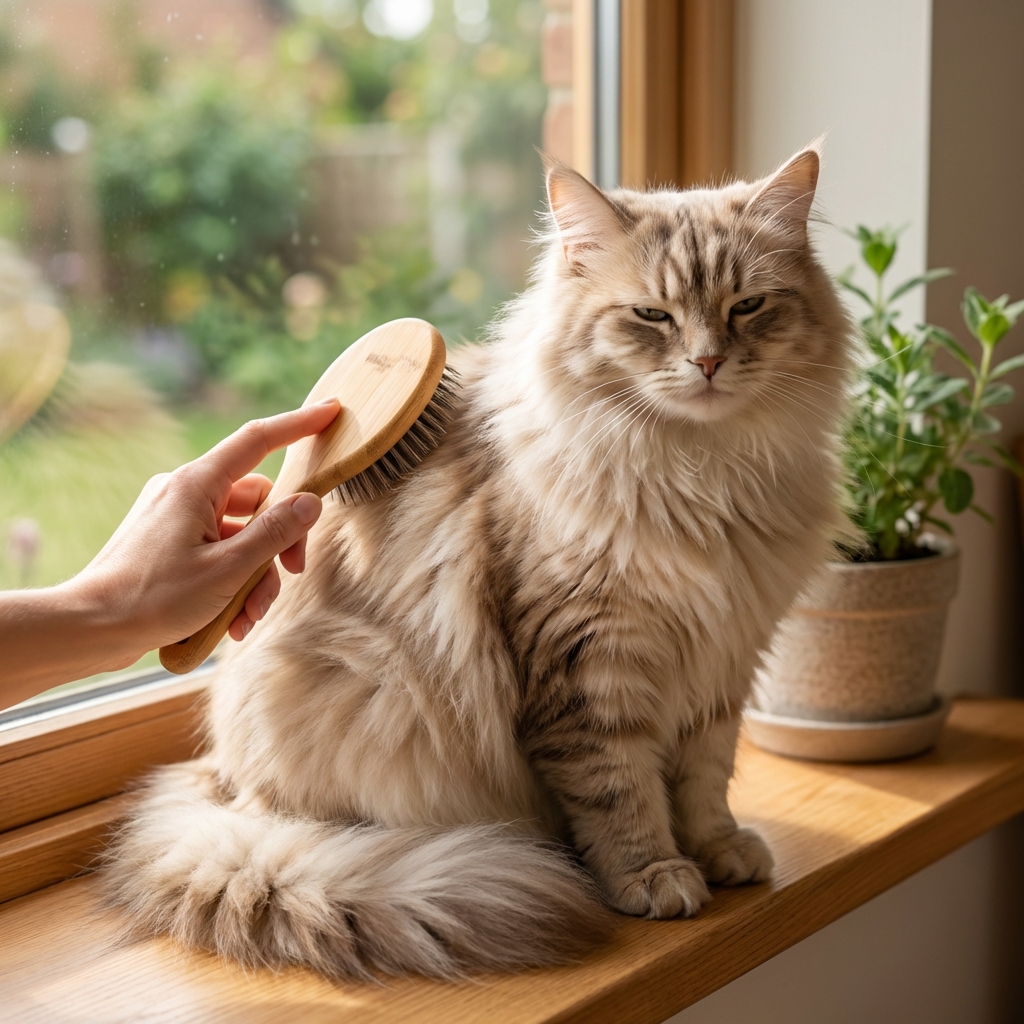
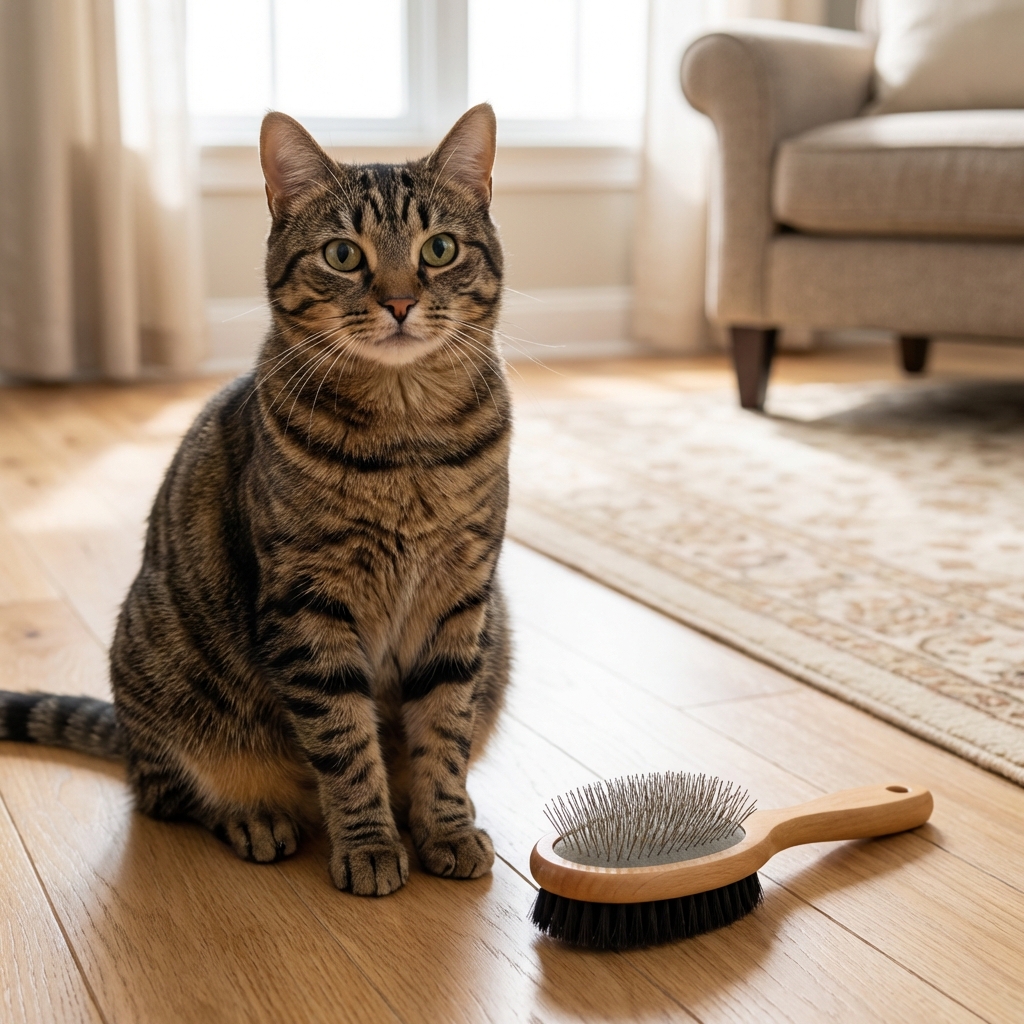
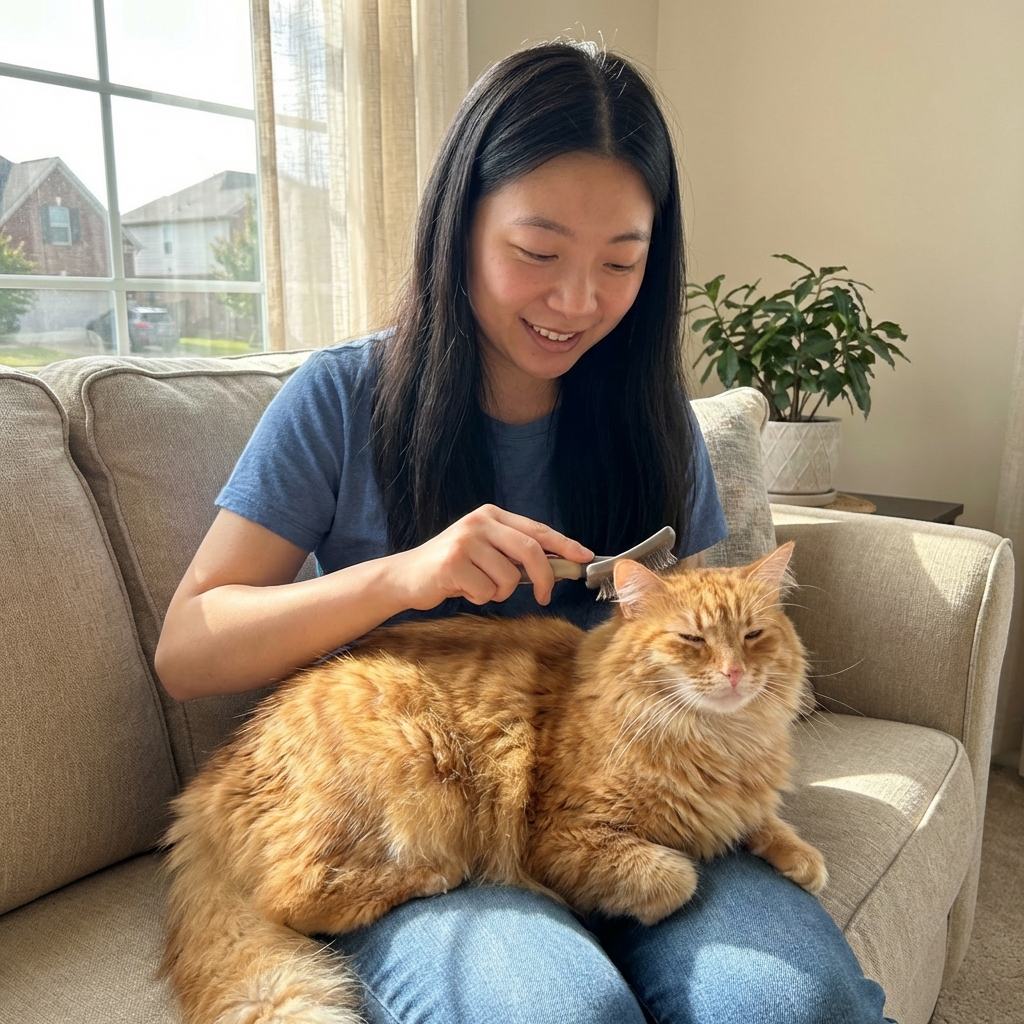
Brushing does not “push out” an existing hairball right away, but it does help by removing loose hair so your cat is not swallowing more while their stomach and intestines are already irritated. This is one of the most reliable ways to reduce future hairballs too. If your cat hates brushing, go slow and keep sessions short, even 30 to 60 seconds at a time.
4) Consider a hairball lubricant, but use it correctly
Many veterinarians recommend petrolatum-based hairball gels or similar lubricants for short-term use. They are intended to help hair move through the intestines more easily. Follow the label directions and ask your vet for guidance, especially if your cat has:
- Diabetes (some products contain sugars)
- A pancreatitis history
- Chronic vomiting
- Any current medications
Important: Do not force a gel into a cat that is actively choking, struggling to breathe, or repeatedly gagging without producing anything. In those cases, seek urgent care.
5) Add fiber carefully (only if your cat is otherwise well)
Fiber can help move hair through the digestive tract for some cats, but it is not right for every situation. Talk to your veterinarian first, especially for cats with constipation, megacolon, or kidney disease. Common vet-approved strategies include:
- A veterinarian-recommended hairball diet with added fiber
- Small amounts of plain canned pumpkin (not pie filling), often around 1/2 to 1 teaspoon mixed into food for some cats
Go slowly. Too much fiber too fast can cause gas, loose stool, constipation, or refusal to eat.
6) Keep your cat calm and observe
Stress can worsen overgrooming and upset stomach. Provide a quiet room, easy litter access, and your cat’s favorite resting spot. Then watch for these reassuring signs over the next 24 hours:
- They eat small meals
- They drink
- They pass stool
- Gagging decreases
What not to do
- Do not give human laxatives unless your veterinarian specifically instructs you. Many are unsafe for cats.
- Do not give oils or butter as a home remedy. Extra fat can trigger GI upset and is not a reliable fix.
- Do not force feed a cat that is nauseated or retching.
- Do not ignore repeated episodes. “Frequent hairballs” should be evaluated.
- Do not assume it is a hairball if your cat could have eaten string, ribbon, toy pieces, or plants. Those can mimic hairball symptoms and become emergencies.
Prevention that helps
Grooming
Long-haired cats often need daily brushing during heavy shedding seasons. Short-haired cats still benefit a few times a week. If matting is an issue, ask your vet or a cat-experienced groomer about safe options.
Nutrition
Some cats do better on diets formulated to support hairball management through fiber blends and digestibility. The “best” diet depends on your cat’s age, weight, stool quality, and medical history, so it is worth discussing with your veterinarian.
Hydration
Many cats simply do not drink enough from a bowl. Wet food, fountains, and multiple water stations can be game-changers.
Address overgrooming
If your cat is grooming excessively, look for underlying causes:
- Fleas or mites
- Allergies
- Skin infections
- Stress and anxiety
- Pain (some cats overgroom painful areas)
Solving the “why” reduces hairballs more than any gel or treat ever will.
Hairballs vs. asthma
One tricky point: some cats that look like they are trying to bring up a hairball are actually coughing due to feline asthma or airway irritation. If you notice:
- A low, repetitive cough with the neck stretched out
- Episodes that happen often but rarely produce a hairball
- Wheezing or faster breathing
Schedule a veterinary exam. Cats with asthma often improve dramatically with the right treatment, and it is safer than assuming hairballs are the culprit.
Quick checklist (next 24 hours)
- Offer water and small wet-food meals
- Brush gently to reduce swallowed hair
- Use a vet-approved hairball product only as directed
- Monitor appetite, energy, stool, and vomiting
- Seek urgent care if retching is frequent and unproductive or your cat seems unwell
When in doubt, call your veterinarian. I would always rather see a cat early for a possible blockage than late when they are dehydrated and painful.