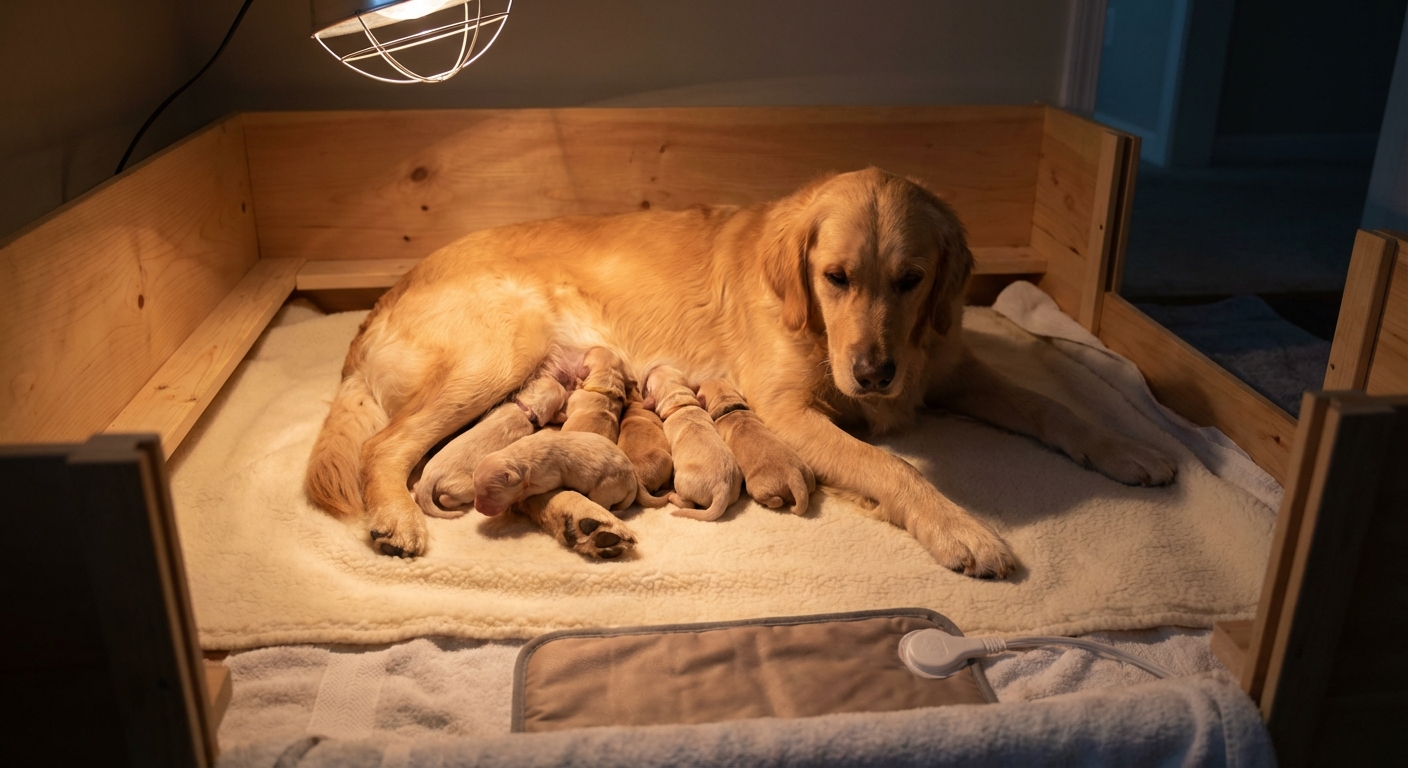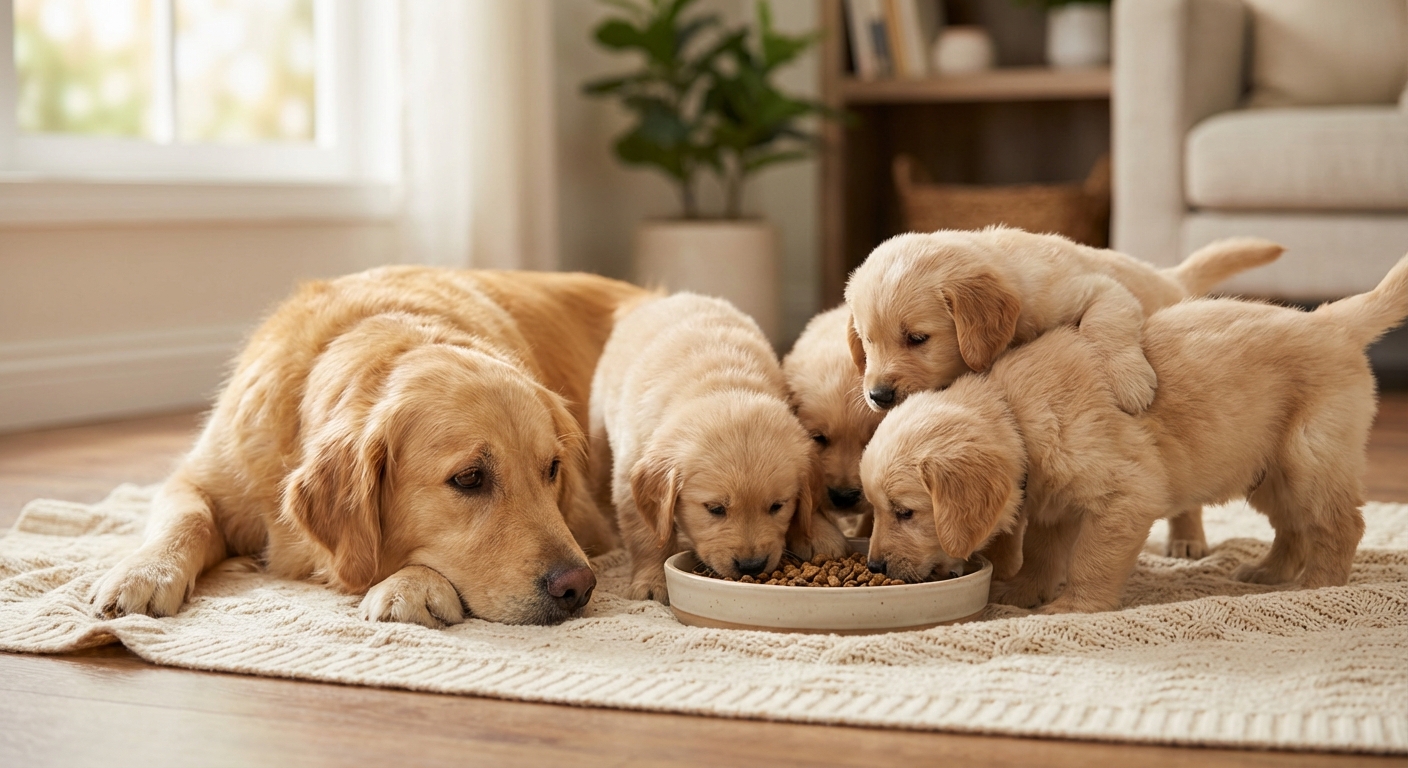
Step-by-step puppy weaning guidance from weeks 3–8: when to start, how to make puppy gruel, meal schedules, weight checks, parasite tips, and how to protec...
Article
•
Designer Mixes
Helpful Weaning Puppies Handbook

Shari Shidate
Designer Mixes contributor
Weaning is the gentle, step-by-step process of helping puppies move from mom’s milk to solid food. Done well, it supports steady growth, a healthy digestive system, and confident eaters. Done too fast, it can lead to diarrhea, poor weight gain, food aversions, and a stressed-out mom.
As a veterinary assistant in a small-animal practice, I like to keep weaning simple, evidence-based, and kind to both puppies and their mother. This handbook walks you through timing, tools, what to feed, how much, and what to watch for so you can feel confident every step of the way.
When to start weaning
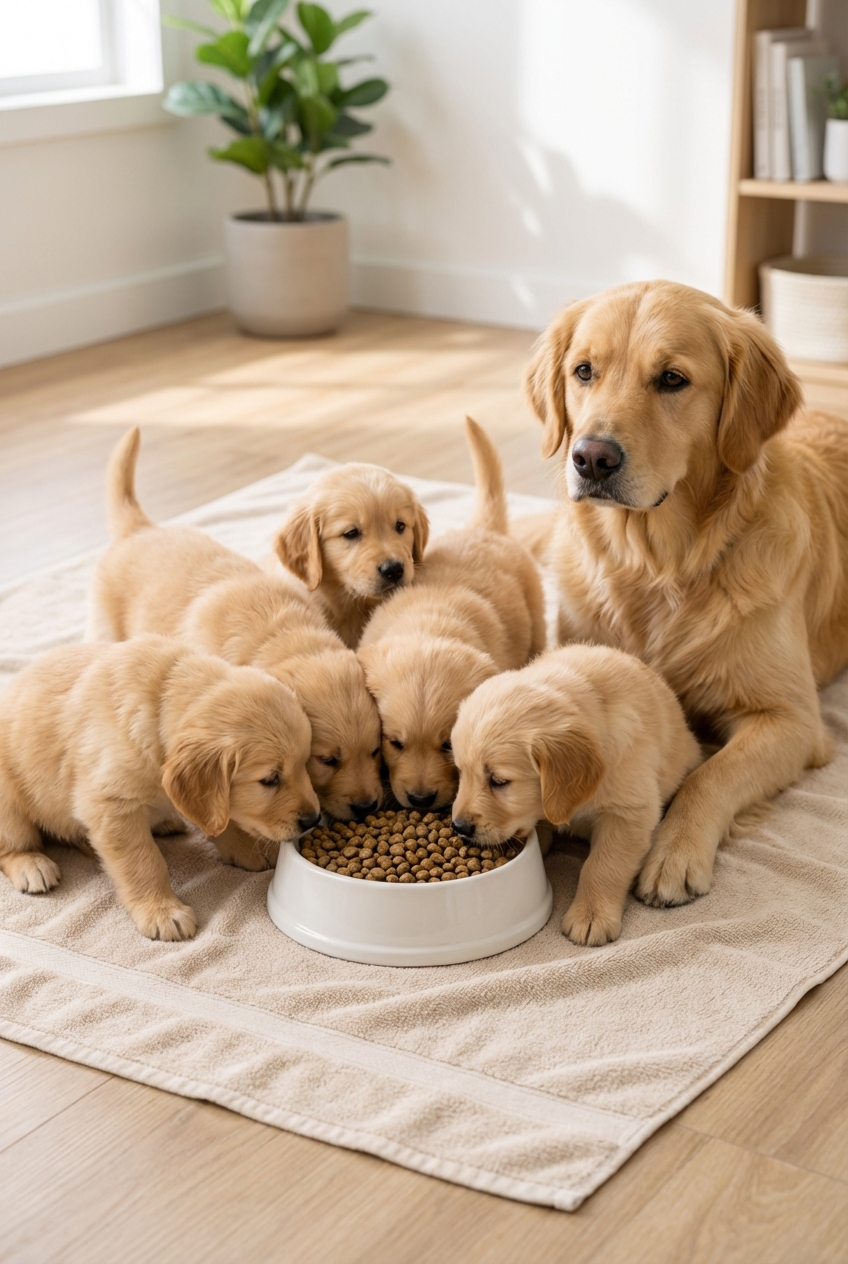
Most puppies begin weaning around 3 to 4 weeks of age. They are usually ready when you notice a few of these signs:
- They start chewing or licking at mom’s food.
- They can stand and walk well enough to move to a dish.
- They begin teething and may nurse more roughly, making mom less willing to stay for long.
- They show interest in new smells and tastes.
Many puppies are eating mostly solid meals by 6 to 7 weeks, and most are fully weaned by 7 to 8 weeks. Small breeds may take a bit longer. Large-breed puppies may need extra attention to balanced growth.
Note: There is normal variation by breed and individual puppy. Orphaned or hand-raised litters often follow a different plan, so it is best to work with your veterinarian on timing and technique.
Goal: a gradual transition that keeps stools formed, puppies growing, and mom comfortable.
What to feed during weaning
Best first foods
For most litters, the easiest and safest first step is a complete and balanced puppy diet (commercial puppy kibble or canned puppy food) turned into a soft “gruel.” Puppy formulas are designed for growth and have the right calorie density and nutrient profile.
Look for products labeled for “growth” or “all life stages” and ideally from companies with strong quality control and veterinary nutrition expertise. If you are raising a large-breed puppy, choose a large-breed puppy formula to help support healthy bone and joint development.
How to make puppy gruel
Start thin and gradually thicken over 1 to 2 weeks:
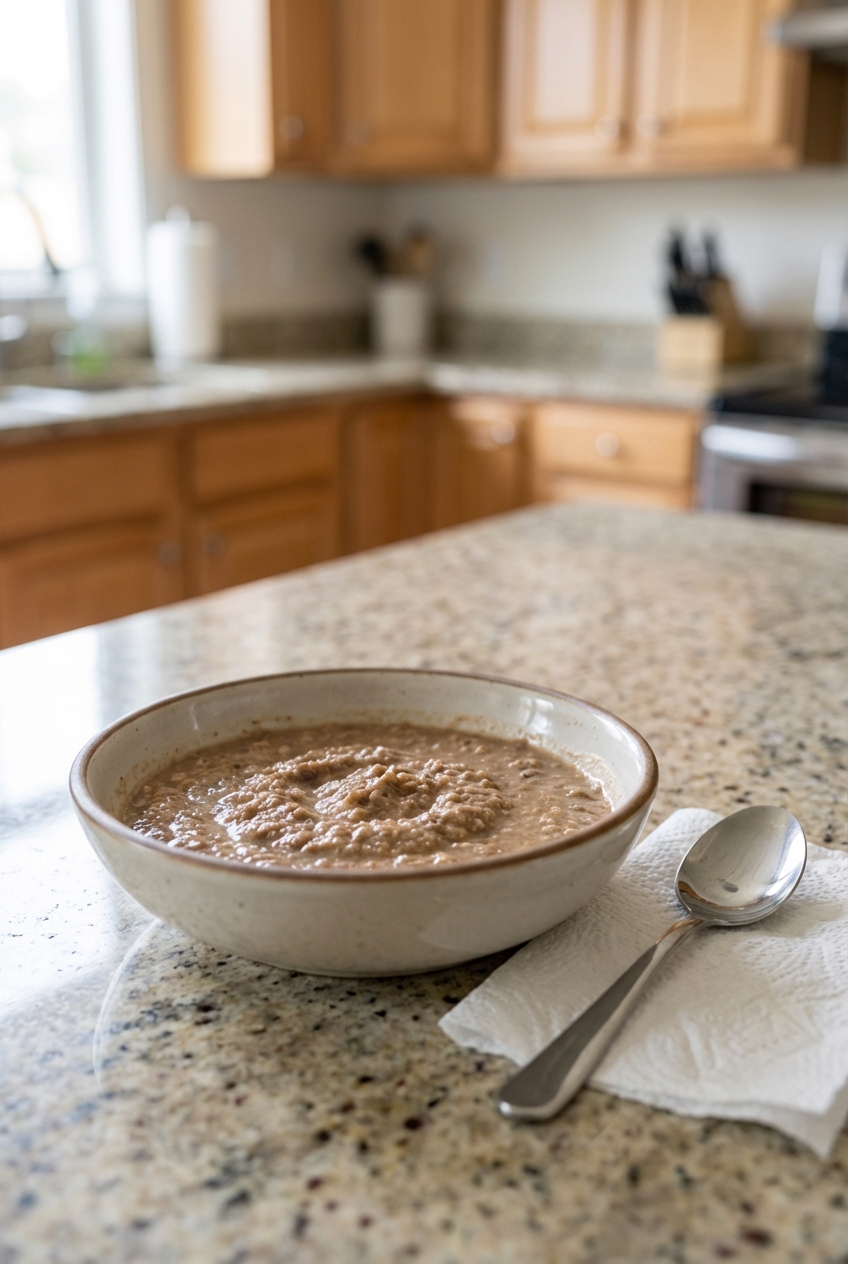
- Week 3 to early week 4: 1 part puppy food to 2 to 3 parts warm water or puppy milk replacer.
- Week 4 to 5: 1 part puppy food to 1 to 2 parts liquid.
- Week 5 to 6: thicker mash, then softened kibble, then mostly solid.
If you use kibble, let it soak until it is very soft, then mash it with a fork. Use warm liquid for aroma and easier eating, but avoid serving it hot.
Food handling tip: Gruel spoils quickly. Offer small portions, remove the dish after about 15 to 20 minutes, and wash bowls well. Refrigerate leftovers promptly and discard any food that has been sitting out.
Milk options
Cow milk is not ideal for weaning because many puppies cannot digest lactose well, which can cause diarrhea. If you need extra liquid, warm water is often enough. If you want additional calories, choose a puppy milk replacer formulated for puppies.
Some breeders use small amounts of goat milk and report that it seems easier on the stomach for some puppies. Evidence is limited, and it is still not a complete diet. If you use it, treat it as a short-term helper for thinning gruel, not a nutritional replacement for puppy food.
Weaning schedule (weeks 3 to 8)
Week 3: Start
- Offer gruel 1 to 2 times daily after nursing.
- Use a shallow dish. Keep sessions short, about 10 to 15 minutes.
- Expect messy faces and paws. That is normal.
Week 4: Routine
- Increase to 3 meals per day.
- Gradually thicken the gruel.
- Start offering water in a separate shallow dish.
Week 5: Soft solids
- Move toward a thick mash and softened kibble.
- Feed 3 to 4 meals per day.
- Most puppies still nurse, but sessions are shorter.
Weeks 6 to 7: Mostly solid
- Offer mostly solid puppy food with minimal soaking.
- Feed 3 to 4 meals per day.
- Puppies should be confidently eating from a dish.
Week 8: Stable
- Most puppies are ready for a consistent puppy diet and schedule.
- Many families feed 3 meals per day at this age.
Transition tip: Avoid introducing multiple new foods at once. One steady puppy diet, changed gradually, is much easier on tiny stomachs.
Every litter is a little different. The best pace is the one that keeps digestion steady and growth on track.
How much to feed
Puppy calorie needs rise quickly, and their stomachs are tiny. That is why frequent meals help. Use the feeding guide on your puppy food as a starting point, then adjust based on body condition and growth.
- Too little: poor weight gain, constant crying, low energy, pot-bellied look paired with thin ribs.
- Too much or too fast: loose stool, bloating, spit-up, gassy puppies.
Helpful tip: Weigh puppies regularly during the transition, and consider daily weighing for any runt or at-risk puppy. A simple kitchen scale can be your best friend. What you want to see is steady gain over time.
What success looks like: puppies eagerly approach the dish, eat with less mess each week, stools stay mostly formed, and weights trend upward.
Setup tips
A calm, clean weaning area helps prevent germs and makes puppies feel secure.
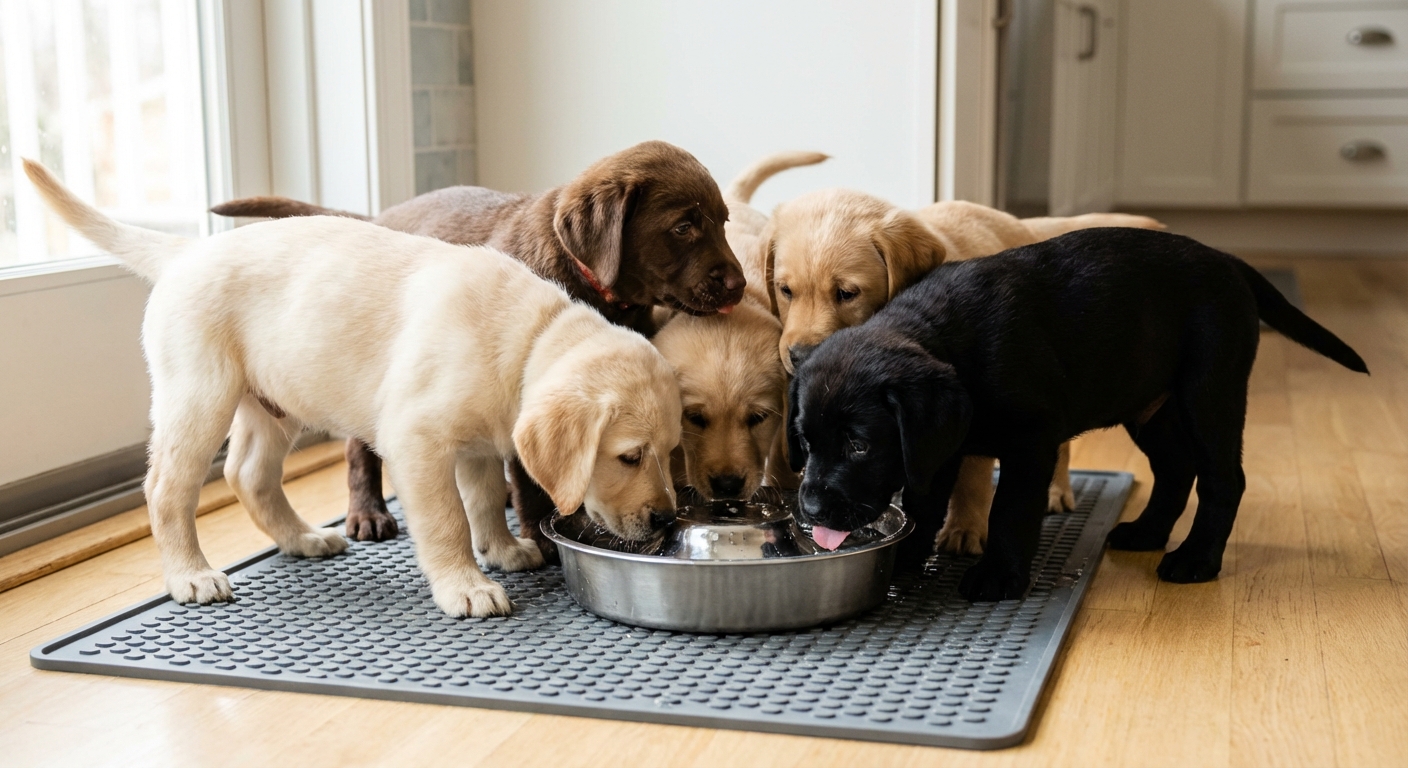
- Shallow, wide dishes: reduce face dunking and make it easier for puppies to lap safely.
- Non-slip surface: a towel or rubber mat helps puppies stand and balance.
- Warmth: puppies still need a warm environment, especially after messy meals.
- Hygiene: wash bowls after every meal, change bedding often, and wipe puppies clean and dry.
Helping mom
Weaning is not just about puppies. Mom’s comfort matters too.
Prevent engorgement
- As puppies eat more solids, mom will naturally spend less time nursing.
- Avoid suddenly separating mom from the litter without a plan, because her milk supply needs time to decrease.
Adjust mom’s diet
Nursing moms need more calories. As nursing tapers, you can slowly reduce her food back to maintenance levels under your veterinarian’s guidance. This also helps reduce milk production naturally.
Watch for mastitis
Call your veterinarian promptly if you notice:
- Hot, painful, swollen mammary glands
- Red or discolored skin on the belly
- Fever, lethargy, loss of appetite
- Milk that looks bloody, clumpy, or abnormal
Common problems
Diarrhea
Loose stool is the most common weaning hiccup. Causes include switching foods too quickly, overfeeding, parasites, or infection.
- Slow down and make the gruel thinner again for a day or two.
- Ensure bowls and bedding are very clean.
- Bring a fresh stool sample to your vet to check for parasites like roundworms, hookworms, coccidia, or giardia.
Not interested in food
- Try offering after a short nursing session, not when they are starving.
- Warm the gruel slightly to boost aroma.
- Keep sessions short and positive, and remove the dish after 10 to 15 minutes.
Coughing or sneezing at meals
This can happen if food gets into the nose, especially if the gruel is very thin or puppies plunge their faces into the bowl. Use a shallower dish, aim for a thicker consistency, and supervise closely. If coughing persists, or if you see nasal discharge, fever, or lethargy, contact your veterinarian to rule out aspiration pneumonia.
Pushing others away
Some puppies shove siblings aside. Offer multiple dishes spaced apart so everyone gets a fair chance. For very small or timid puppies, a separate feeding spot can make a big difference.
Runt or struggling puppy
If one puppy is not gaining well, gets tired at the bowl, or consistently misses meals, ask your veterinarian about a plan. That may include separate feedings, a higher-calorie puppy diet, or short-term supplementation.
Safety checklist
- Avoid cow milk as a routine weaning liquid.
- Fresh water available once puppies start solids.
- Food should be soft at first, not chunky.
- Supervise meals to reduce choking risk and to ensure every puppy eats.
- Remove leftovers after about 15 to 20 minutes and wash bowls well.
- Keep everything clean to reduce bacterial load and diarrhea risk.
- Deworming and vet care on schedule. Timing varies by region and risk, so follow your veterinarian’s guidance.
Social development
While food changes are happening, puppies are also learning important life skills from mom and littermates. When possible, keep puppies with mom and siblings through at least 8 weeks. This supports bite inhibition, communication, and resilience.
If a puppy must be separated earlier due to medical or welfare reasons, work closely with your veterinarian and prioritize gentle handling, appropriate warmth, and a structured feeding plan.
When to call your vet
Please reach out if you see any of the following:
- Diarrhea lasting more than 24 hours, or diarrhea with blood
- Vomiting, especially repeated vomiting
- Failure to gain weight or weight loss
- Weakness, lethargy, pale gums, or dehydration
- Coughing with meals or labored breathing
- Mom showing signs of mastitis or illness
Trust your instincts. Puppies can decline quickly, and early support makes a big difference.
Quick tips
- Begin around 3 to 4 weeks with a thin gruel and a shallow dish.
- Increase meals slowly and thicken the texture gradually.
- Stick with one puppy diet and avoid sudden food changes.
- Track weights during the transition, and check daily for any runt or at-risk puppy.
- Keep the feeding area warm, calm, and very clean.
- Support mom with a gradual reduction in nursing, not an abrupt stop.
Weaning does not have to be perfect to be successful. It just needs to be steady, clean, and kind.