Not sure if your cat has a UTI, cystitis, crystals, or a blockage? Learn key symptoms, emergency red flags, what the vet may do, and gentle home care plus li...
Article
•
Designer Mixes
Helpful UTI in Cats Advice You Need

Shari Shidate
Designer Mixes contributor
When your cat is making frequent trips to the litter box, crying while urinating, or peeing outside the box, it is easy to assume “UTI.” But in cats, lower urinary tract signs are often not caused by a simple bacterial infection. That is exactly why this topic matters. The right next step can prevent pain, repeat flare-ups, and in some cases a true emergency.
As a veterinary assistant in Frisco, Texas, I want you to feel supported and confident here. You do not need to guess. You need a clear plan.
Is it really a UTI?
Many cat parents use “UTI” as a catch-all term for urinary problems. In reality, cats can have similar symptoms from several different conditions.
Common causes of UTI-like symptoms in cats
- Feline Idiopathic Cystitis (FIC): Sterile bladder inflammation often associated with stress and concentrated urine (often related to low moisture intake). This is very common, especially in young to middle-aged cats.
- Urinary crystals or stones: Can irritate the bladder and, in some cases, contribute to blockage.
- Bacterial urinary tract infection: More common in older cats, cats with diabetes, or cats with kidney disease. It is less common in healthy young cats than many people think.
- Urinary obstruction (blockage): Most common in male cats. This is an emergency.
- Other issues: Pain, arthritis (difficulty posturing), constipation, or even behavioral litter box aversion can look similar at first.
The symptoms can look the same, but the treatment can be very different. That is why testing matters.
Signs you should not ignore
If you notice any of the following, it is time to take action. Some signs are urgent today, not “watch and wait.”
Common warning signs
- Frequent litter box trips with little urine produced
- Straining to urinate
- Crying out or seeming painful in the box
- Blood in urine or pink-tinged urine
- Urinating outside the litter box
- Excessive licking of the genital area
- Strong-smelling urine (not always present and not specific for infection)
Emergency signs of possible blockage
Go to an emergency vet immediately if your cat:
- Cannot pass urine at all, or only produces a few drops despite repeated straining
- Has a firm, painful belly
- Is vomiting, hiding, suddenly very lethargic, or refusing food
- Is a male cat showing urinary distress
A blocked cat can become critically ill fast, sometimes in hours and often within 24 to 48 hours. If you are unsure, it is safer to treat it as urgent and get seen.
What your vet may recommend
Because “UTI” is not always the true cause, your veterinarian will often focus on testing first instead of guessing with antibiotics.
Helpful diagnostics
- Urinalysis: Looks for blood, inflammation, crystals, urine concentration, and signs that suggest infection.
- Urine culture: Confirms whether bacteria are present and which antibiotic works best. For accuracy, many vets prefer collecting urine by cystocentesis (a sterile sample taken from the bladder). If your clinic wants you to bring a sample from home, they will tell you exactly how.
- Imaging (X-ray or ultrasound): Helps identify stones, thickened bladder walls, or other concerns.
- Bloodwork: Especially for older cats or cats that seem sick, to check kidney function and underlying disease.
If your cat is diagnosed with a true bacterial UTI, your vet may prescribe an antibiotic and pain relief, and they may recommend a recheck urine test depending on your cat’s history and risk factors. If it is FIC, the focus shifts toward pain control, hydration, stress reduction, and sometimes a therapeutic urinary diet.
What you can do now
You cannot fully “treat” a urinary problem at home without knowing the cause, but you can do a lot to support your cat safely while you arrange care.
1) Increase water intake gently
- Switch to or add wet food. More moisture can help dilute urine and reduce bladder irritation.
- Add a small amount of water or low-sodium broth (no onion or garlic) to wet food to make a “gravy.”
- Provide multiple water stations, and consider a cat water fountain.
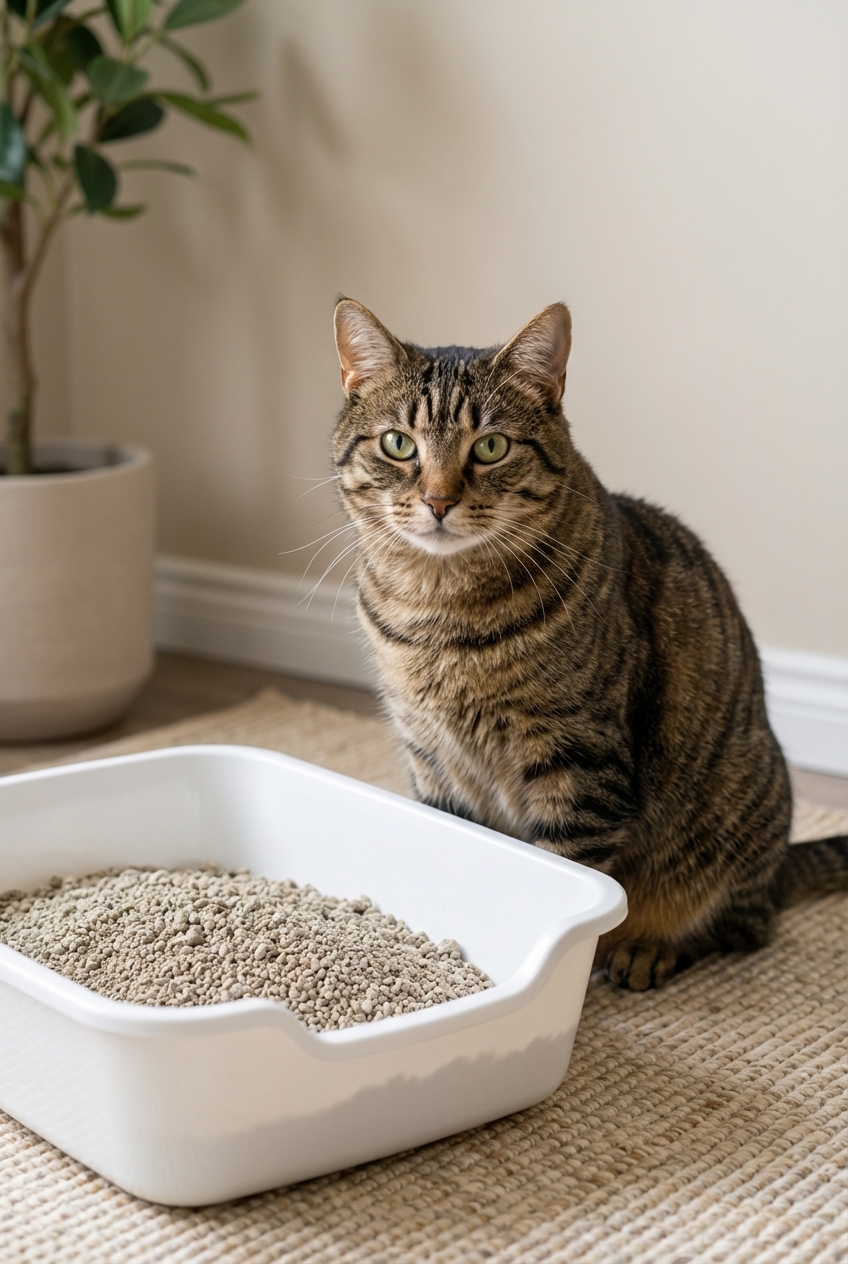
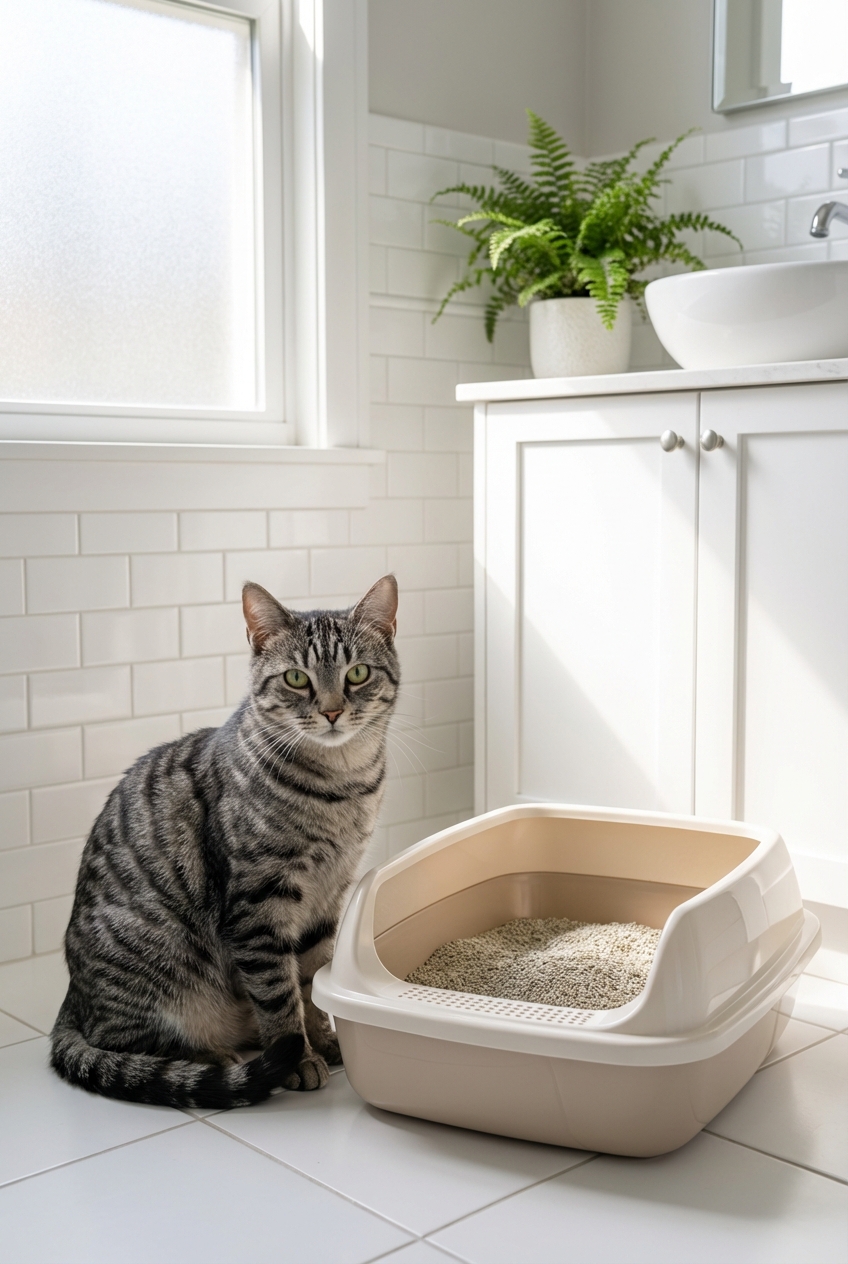
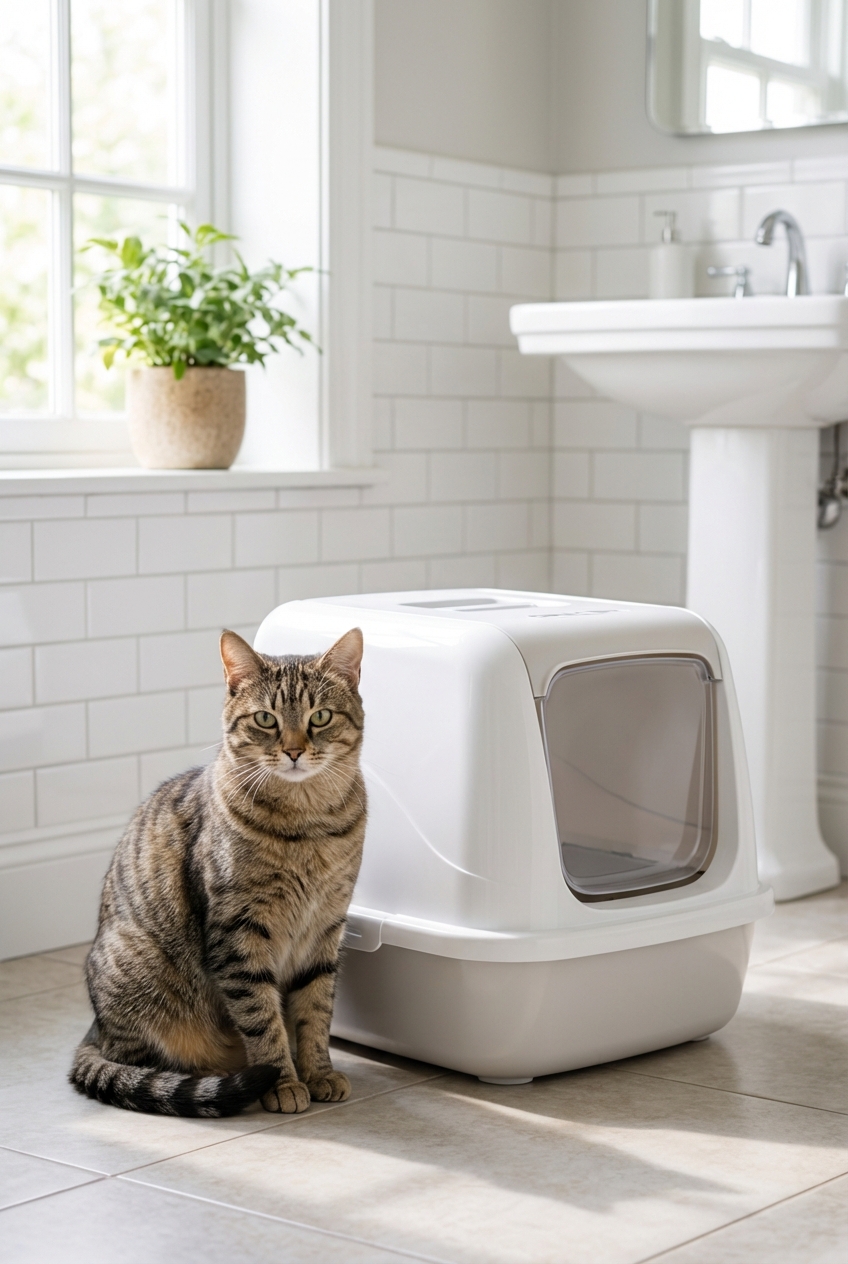
2) Keep the litter box calm and clean
- Scoop at least once daily. Twice is even better during a flare-up.
- Offer an extra box in a quiet area so your cat does not feel rushed or threatened.
- A helpful rule of thumb is number of cats plus one litter boxes, spread out in different areas.
- Avoid sudden changes in litter type when your cat is already uncomfortable.
3) Reduce stress triggers
Stress can play a huge role in FIC. Even small changes can help:
- Maintain a predictable routine for feeding and playtime
- Give your cat a safe “hideaway” space
- Use feline pheromone diffusers if your vet agrees
- Increase interactive play for gentle exercise and confidence
4) Track symptoms clearly
Write down:
- How often your cat tries to urinate (example: 3 trips in 10 minutes with only a few drops)
- Whether urine is produced
- Any blood seen
- Appetite, vomiting, energy level
- Which cat in a multi-cat home is having the problem (if possible)
This information helps your vet move faster.
What not to do
- Do not use leftover antibiotics or medication from another pet. It may be the wrong drug, the wrong dose, or unnecessary.
- Do not give human pain meds like ibuprofen, naproxen, or acetaminophen. These can be extremely dangerous for cats.
- Do not assume it is “just behavior.” Peeing outside the litter box can be your cat’s way of saying, “I hurt.”
- Do not wait it out if your cat is straining, crying, or producing little to no urine.
- Do not try essential oils or harsh “detox” products. Many are unsafe for cats.
Preventing repeat flare-ups
Once your cat feels better, prevention becomes the long game. The goal is fewer flare-ups, less inflammation, and healthier, more dilute urine.
Hydration matters
- Prioritize wet food or a wet-plus-dry plan guided by your vet
- Encourage drinking with fresh, appealing water options
- Ask your veterinarian whether a urinary diet is appropriate, especially if crystals or stones are present
Weight and movement help
Overweight cats are at higher risk for urinary issues. Gentle play and portion control can make a real difference over time.
Stress support for sensitive cats
For cats prone to FIC, think in terms of “environmental wellness”:
- Vertical space like cat trees and shelves
- Multiple resources in multi-cat homes (food, water, boxes, resting spots)
- Consistent routines
- Quiet recovery spaces during household changes
If flare-ups are frequent, your veterinarian may discuss anti-anxiety support, pain management plans, or supplements marketed for bladder lining support. Evidence varies, so ask your vet about safety and whether they are a good fit for your cat.
When to call the vet
Call your veterinarian within 24 hours if you see:
- Blood in urine
- Straining with some urine produced
- Urinating outside the litter box with any signs of discomfort
Go to urgent care or ER now if:
- No urine is coming out
- Your cat is repeatedly straining with little to nothing produced
- Vomiting
- Severe lethargy
- Collapse
- A painful, firm belly
You know your cat best. If something feels off, trust that instinct and get help.