Support your dog’s heart with a vet-smart homemade diet. Learn how to manage sodium, keep weight and muscle stable, choose safe ingredients, and discuss su...
Article
•
Designer Mixes
Helpful Treatment for Congestive Heart Failure in Dogs

Shari Shidate
Designer Mixes contributor
Hearing the words congestive heart failure (CHF) at the vet can feel scary and heavy. I get it. As a veterinary assistant here in Frisco, Texas, I have sat with families who are trying to process what CHF means and what to do next.
The encouraging news is this: many dogs with CHF can feel better and live meaningful, happy months to years with the right combination of medication, monitoring, nutrition, and smart lifestyle adjustments. This overview walks you through evidence-based, veterinarian-guided treatment options and what you can do at home to support your dog safely.
Educational note: This article is for general education and is not a substitute for veterinary care. Your dog’s safest plan should be tailored by your veterinarian or a veterinary cardiologist.

Key takeaways
- CHF is treatable: most plans combine a diuretic plus heart-support meds.
- Track resting breathing: trends in resting respiratory rate (RRR) can catch trouble early.
- Know the emergency signs: labored breathing, blue gums, collapse, or open-mouth breathing need urgent care.
- Nutrition helps, but it should not replace prescription meds.
- Rechecks matter: kidney values and electrolytes often guide safe dosing.
What CHF means (in plain language)
CHF is not a specific disease. It is a syndrome that happens when the heart can no longer pump efficiently, causing fluid to back up where it does not belong.
- Left-sided CHF most often causes fluid buildup in the lungs (pulmonary edema), leading to coughing and breathing difficulty.
- Right-sided CHF more often causes fluid buildup in the belly (ascites) or swelling in the limbs.
- Fluid around the lungs (pleural effusion) can also occur and can make breathing hard. Your vet uses imaging to confirm what type of fluid is present and how to treat it.
In dogs, common underlying causes include:
- Degenerative mitral valve disease (very common in small and toy breeds)
- Dilated cardiomyopathy (DCM) (seen more in large breeds). In some dogs, DCM may be influenced by nutrition. This is a fast-evolving area, so it is best evaluated with your veterinarian or cardiologist and may include a detailed diet history and sometimes taurine testing.
- Congenital heart defects (present from birth)
- Heartworm disease (preventable, but still seen)
Signs that CHF may be worsening
CHF symptoms can look like “normal aging” at first, so I always encourage pet parents to trust their instincts and call their vet promptly if anything feels off.
Common signs
- Coughing, especially at night or after resting
- Faster breathing rate at rest
- Difficulty breathing, increased effort, belly heaving
- Decreased stamina on walks, tiring faster
- Restlessness, trouble getting comfortable
- Reduced appetite, weight loss, weakness
- Pot-bellied appearance (fluid) in right-sided CHF
- Fainting or collapse (can indicate arrhythmia or poor blood flow)
Important nuance: coughing is not always CHF. Some dogs cough from airway disease, tracheal collapse, bronchitis, or enlarged heart pressing on the airways. That is why diagnostics matter before changing medications.
When it is an emergency
Go to an emergency clinic now if your dog has open-mouth breathing, blue or gray gums, collapse, severe weakness, or is breathing hard even at rest. Do not wait for a regular appointment.
If you can, call ahead so the team can be ready. Keep your dog calm, avoid heat, and minimize stress on the way there.

How CHF is diagnosed and staged
Getting the diagnosis right matters because treatment is tailored to the cause and the stage.
Common tests your vet may recommend
- Chest X-rays to look for an enlarged heart and fluid in or around the lungs
- Echocardiogram (ultrasound of the heart) to confirm valve disease, DCM, or congenital problems
- Electrocardiogram (ECG) if arrhythmias are suspected
- Blood pressure measurement
- Lab work (kidney values and electrolytes are especially important once diuretics are used)
- NT-proBNP blood test in some cases to help assess cardiac strain
Many cardiologists use a staging system (often based on ACVIM guidelines) ranging from dogs at risk but without disease, to dogs with disease but no CHF yet, to dogs with active or recurrent CHF. Knowing the stage helps your veterinarian pick the safest plan.
Core treatments that help dogs with CHF
CHF treatment usually has two big goals: remove excess fluid and help the heart work more efficiently. Most dogs do best with a combination approach.
1) Diuretics (remove fluid)
Furosemide is the most commonly used diuretic for CHF. It helps the body eliminate extra fluid, which often improves breathing and comfort quickly.
- Why it helps: reduces fluid in the lungs or body
- What to monitor: thirst, urination, kidney values, electrolytes
- Important note: dosing is individualized, and too much can dehydrate your dog or strain the kidneys
In some dogs, other diuretics like torsemide may be used. Spironolactone is also commonly used as an add-on in many CHF plans because it blocks aldosterone (a hormone that can worsen fluid retention and heart remodeling over time) and provides mild diuretic support.
2) Pimobendan (supports heart pumping)
Pimobendan is a cornerstone medication for many dogs with CHF from mitral valve disease and some cases of DCM. It helps the heart contract more effectively and can reduce the workload on the heart.
- Why it helps: improves forward blood flow and can improve quality of life
- How it is used: often long-term, and sometimes started before CHF develops in select patients under veterinary guidance
3) ACE inhibitors or ARBs (hormone pathway support)
Medications such as enalapril or benazepril (ACE inhibitors) are often used in many heart patients to help blunt the body’s stress-hormone systems (RAAS). Benefits can vary by patient and stage, and your veterinarian will weigh potential upsides against kidney function and blood pressure. Some dogs may be managed with related drug classes (including ARBs) depending on their needs.
- Why it may help: can lower vascular resistance and may support long-term heart function in some patients
- Monitoring: kidney values and blood pressure, especially when combined with diuretics
4) Antiarrhythmics (when rhythm is part of the problem)
If your dog has an abnormal rhythm, your veterinarian or cardiologist may prescribe medication to control it. The best choice depends on the type of arrhythmia and your dog’s underlying heart condition.
5) Oxygen and hospital care during flare-ups
Acute CHF episodes can require:
- Oxygen therapy
- Injectable diuretics
- Careful sedation if anxiety is worsening breathing effort
- Repeat imaging and lab monitoring
Any sedation choices should be clinician-directed because some medications can affect blood pressure, heart rhythm, or breathing. If your vet recommends hospitalization during a breathing crisis, it is not “overreacting.” It can be lifesaving.
6) Procedures for certain fluid types (as needed)
If fluid collects around the lungs (pleural effusion), some dogs need a procedure called thoracocentesis to remove it so they can breathe more comfortably. Your vet will decide based on your dog’s exam and imaging.
At-home monitoring that truly makes a difference
One of the most helpful things you can do is track your dog’s breathing. This gives your veterinary team early warning before a crisis.
Resting respiratory rate (RRR)
- Count breaths while your dog is asleep or deeply resting.
- One breath equals chest rise plus chest fall.
- Count for 30 seconds and multiply by 2.
As a general benchmark, many stable dogs are often around under 30 to 35 breaths per minute at rest, but the most important number is your dog’s normal and the target your vet gives you. If the resting rate is consistently rising over a couple of days, or suddenly jumps above your dog’s usual baseline, call your vet. Breathing effort matters too, not just the number.
Other things to track
- Appetite and energy
- Cough frequency (a quick daily note helps)
- Weight (unexpected gain can mean fluid retention)
- Hydration and gum moisture, especially on diuretics
- Medication timing and any side effects
If it helps, use a notes app or a simple calendar log and bring it to rechecks.

Nutrition and supplements: helpful, but must be safe
Food can support the heart, but it should never replace prescription medications for CHF. Think of nutrition as a powerful team player that can improve stamina, maintain muscle, and reduce extra strain on the body.
Sodium: usually lower is better
Many dogs with CHF do better when dietary sodium is moderated because sodium can promote fluid retention. The right level depends on your dog’s stage, medications, appetite, and kidney function. Ask your vet for a specific target and recommended foods.
A practical tip: avoid salty add-ons like deli meat, bacon, salty cheese, and heavily salted broths.
Maintain lean muscle
CHF can lead to muscle loss over time. Adequate, high-quality protein is often important, but dogs with kidney disease may need different adjustments. This is where personalized veterinary guidance matters.
Omega-3 fatty acids (EPA and DHA)
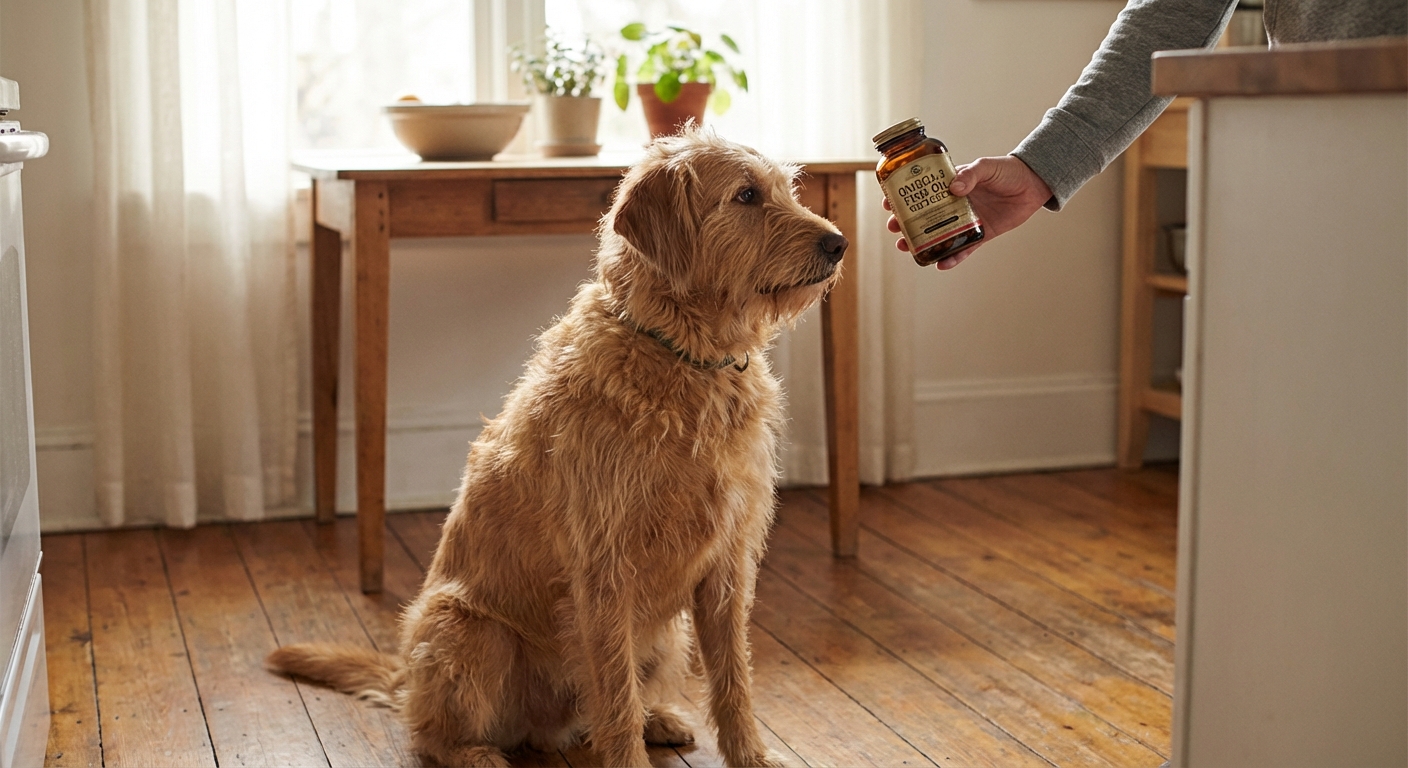
Fish oil (with EPA and DHA) has evidence for supporting heart health through anti-inflammatory effects and may help with cardiac cachexia in some patients. Dosing varies by product, so do not guess. Ask your veterinarian for a dose based on your dog’s weight and diet.
Taurine and L-carnitine (in select cases)
These are sometimes recommended, especially in certain DCM scenarios or when diet-associated concerns exist. Supplementing without a clear reason is not always necessary, so it is best to use them under veterinary direction.
Homemade diets: proceed carefully
I love whole foods, and I also want you to have the full picture: in heart patients, a homemade diet must be properly balanced for calories, amino acids, minerals, and sodium. If you want to cook for your CHF dog, consider working with a board-certified veterinary nutritionist or use a veterinarian-approved recipe formulated for heart disease.
Exercise and lifestyle changes
Most dogs with controlled CHF still benefit from gentle movement. The key is to avoid pushing them to the point of heavy panting or exhaustion.
- Short, frequent walks are often better than one long walk.
- Keep your dog cool in Texas heat. Heat and humidity increase breathing effort.
- Use a harness instead of a neck collar to reduce pressure on the airway.
- Reduce stress and avoid overexcitement if it triggers coughing or fast breathing.
Medication tips (so treatment actually works)
CHF medications can be very effective, but consistency is everything.
- Use a written schedule or phone reminders.
- Do not stop diuretics suddenly unless a veterinarian tells you to.
- Plan for bathroom breaks because increased urination is expected with diuretics.
- Bring all medications to rechecks so your vet can confirm doses.
- Ask before adding over-the-counter meds. Some human medications and supplements can interfere with heart drugs.
Side effects and red flags
Call your vet promptly if you notice:
- Possible dehydration: sudden weakness, tacky gums, poor appetite, vomiting, diarrhea, or your dog seems “off” on a diuretic
- Kidney or electrolyte concerns: worsening lethargy, not eating, tremors, unusual weakness after medication changes
- Worsening cough or breathing: increased RRR, more effort, or new breathing distress
- Fainting or collapse: can be an arrhythmia or low blood flow emergency
If cost is a barrier, tell your veterinary team. There may be therapeutic alternatives, compounding options, or dosing strategies that still protect your dog’s comfort and safety.
Follow-up care: the part that keeps dogs stable
CHF is typically a long-term condition. Treatment is adjusted based on how your dog feels and what their tests show.
Typical recheck plan
- Early rechecks after starting or changing diuretics (often within 3 to 14 days) to reassess breathing, hydration, kidney values, and electrolytes
- Periodic chest X-rays when symptoms change or to confirm fluid control
- Cardiology follow-ups and echocardiograms as recommended
These visits are not just routine. They are what help your veterinarian find the sweet spot where your dog breathes well without over-stressing the kidneys.
Quality of life and loving support
One of the kindest things you can do is focus on what matters most: comfort, connection, and good days. Many CHF dogs still enjoy:
- sniff walks
- gentle play
- sun naps
- favorite people and routines
If your dog’s symptoms are becoming harder to control, ask your veterinarian about additional options like medication adjustments, cough control strategies when appropriate, and palliative care support. You do not have to navigate this alone.
Your best treatment tool at home is simple: consistent meds, calm routines, and paying attention to breathing. Small observations can prevent big emergencies.
Quick FAQ
Can CHF in dogs be cured?
CHF is usually managed rather than cured. The underlying heart disease often progresses, but treatment can significantly improve comfort and extend life.
What is the most helpful first step after diagnosis?
Follow your veterinarian’s medication plan exactly, schedule rechecks, and start tracking your dog’s resting respiratory rate at home.
Should I switch foods right away?
Do not make abrupt diet changes during a crisis. Once stable, talk with your vet about a heart-supportive diet strategy that fits your dog’s needs and appetite.