Vomiting or diarrhea can be scary. Learn common causes, vet red flags, and safe at-home steps like hydration and bland meals—plus what not to do and when t...
Article
•
Designer Mixes
Helpful Remedies for Dog Diarrhea

Shari Shidate
Designer Mixes contributor
Diarrhea is a very common reason dog caregivers call a clinic, and I get it. It can be messy, stressful, and confusing, especially when your dog still wants to play like nothing is wrong.
The good news is that many cases of mild diarrhea improve quickly with the right home care. The important part is knowing when it is safe to try supportive remedies and when you need a veterinarian right away.
What counts as “mild”? Generally: your dog is bright and alert, drinking water, able to keep food down, and you are not seeing blood or black stool.
First, decide if this is an emergency
Before you try any remedies, do a quick safety check. Call your veterinarian or an emergency clinic promptly if you notice any of the following:
- Blood in the stool (red streaks) or black, tarry stool (called melena, which can indicate upper GI bleeding)
- Repeated vomiting, or vomiting plus diarrhea together, especially if your dog cannot keep water down
- Significant lethargy, weakness, collapse, or pale gums
- Dehydration (dry gums, sunken eyes, sticky saliva, skin that does not “snap back” quickly)
- Abdominal pain, bloating, repeated stretching like a “prayer pose,” or whining when picked up
- Puppies, seniors, or immune-compromised dogs with diarrhea, even if it seems mild
- Diarrhea that lasts more than 24 to 48 hours or keeps coming back (recurrent episodes)
- Very frequent watery diarrhea (for example, every hour), even if you are not seeing other red flags yet
- Known or suspected ingestion of toxins (xylitol, grapes or raisins, onions, chocolate, rat bait, medications) or foreign objects (socks, toys)
When in doubt, call. A quick phone check with your vet can save your dog a lot of discomfort and can prevent dehydration from sneaking up.
Common causes of diarrhea in dogs
Diarrhea is a symptom, not a diagnosis. Some of the most common triggers I see include:
- Dietary indiscretion (trash snacking, greasy food, too many treats)
- Sudden diet change or a new chew or treat
- Stress (boarding, travel, house changes)
- Parasites (giardia, roundworms, hookworms)
- Food sensitivity or intolerance
- Infections (viral or bacterial, more likely with exposure to many dogs)
- Medication side effects, especially antibiotics
At-home care that helps
1) Protect hydration first
Diarrhea increases fluid and electrolyte loss. Your number one job is keeping your dog hydrated.
- Offer fresh water at all times.
- If your vet approves, you can offer small amounts of an unflavored electrolyte solution made for pets, or ask your clinic what they recommend for your dog’s size and health status.
- Encourage drinking by adding a splash of low-sodium broth to water, as long as it does not contain onion or garlic (including powders).
2) Consider a short food break only with veterinary guidance
For some adult dogs with mild diarrhea and no red flags, some veterinarians may recommend a brief food break (often 8 to 12 hours). Recommendations vary by case, so this should be vet-directed.
This is not for puppies, tiny dogs prone to low blood sugar, diabetic dogs, or dogs with other medical conditions. Do not withhold water.
3) Feed a gentle bland diet for 1 to 3 days
A simple bland diet can give the GI tract time to settle. A classic option is:
- Boiled, skinless chicken breast (or very lean turkey)
- Plain white rice
Feed small, frequent meals. Think 4 to 6 mini-meals instead of 1 to 2 large meals.
If chicken is a suspected trigger or your dog has food sensitivities, ask your vet about alternatives like lean turkey, a prescription GI diet, or a novel protein option.
If your dog has a history of pancreatitis, needs a prescription diet, or has chronic GI disease, check with your veterinarian before switching foods, even to a bland diet.
4) Add fiber in the right way
Fiber can help normalize stool consistency, but the type and dose matter.
- Plain canned pumpkin (not pie filling) is a gentle option many dogs tolerate well. Ask your vet for an amount based on your dog’s weight.
- Psyllium husk can be helpful for some dogs, but dosing is important, so check with your vet first.
5) Use probiotics with evidence behind them
Probiotics may shorten the duration of acute diarrhea in some dogs, especially when diarrhea is linked to stress or antibiotics. Look for a product made specifically for dogs, ideally one your veterinarian recommends (many clinics carry veterinary strains such as Enterococcus faecium SF68).
- Use it consistently for several days.
- If diarrhea worsens, stop and call your clinic.
6) Avoid quick fixes that can backfire
These are common mistakes that I see well-meaning caregivers make:
- Do not give human anti-diarrheal meds (like loperamide) unless your vet tells you to. Some dogs can have serious side effects, and breeds that may carry the MDR1 mutation (including many Collies, Shetland Sheepdogs, and Australian Shepherds) are at higher risk.
- Avoid fatty foods, rich treats, dairy, and table scraps while the gut is irritated.
- Skip bones and hard chews until stools are normal.
7) Reduce contact with other dogs for now
Some causes of diarrhea are contagious. Until your dog’s stool is back to normal, avoid dog parks and group play, and practice good cleanup hygiene.
Care and training tips
Potty routine
Diarrhea creates urgency. Your dog is not being “bad.” They may simply not be able to hold it.
- Take your dog out more often, including one extra late-night potty trip.
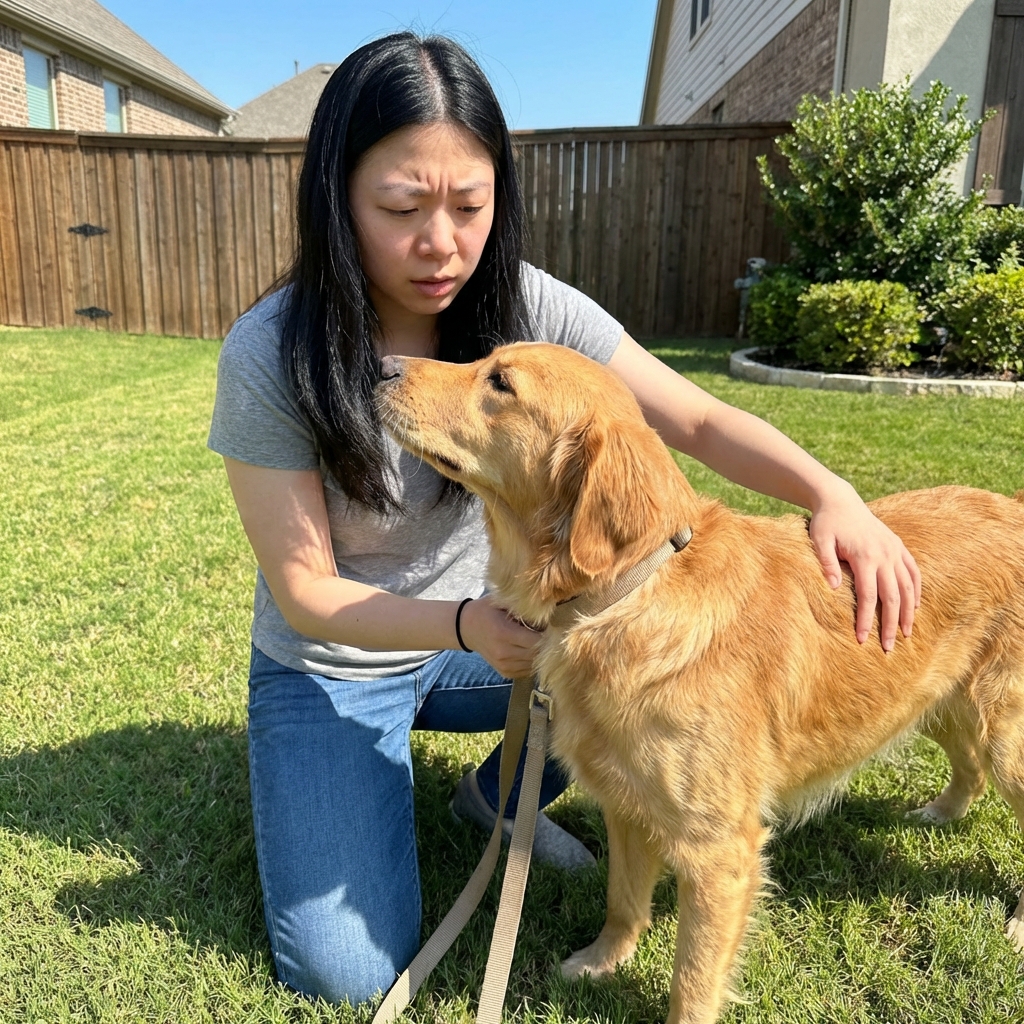
- Use a leash even in the yard so you can quickly guide them to an easy-clean area.
- Choose one consistent potty spot so your dog learns where to go when it hits fast.
Reward the right thing
Keep rewards simple while the stomach is sensitive.
- Use tiny bits of the bland diet as a reward, or ask your vet about an appropriate low-fat treat.
- Praise calmly right after they go outside.
- Avoid punishment for accidents. It increases stress and can make GI upset worse.
Clean-up
- Use an enzymatic cleaner for indoor accidents to remove odor cues.
- Wash bedding on hot and sanitize hard floors promptly.
- If parasites are a concern, pick up stool immediately outdoors and wash hands after cleanup.
How to reintroduce normal food
Once stool is formed and your dog is acting normal, transition slowly back to their regular diet. A common approach is to mix bland food with regular food over 2 to 4 days:
- Day 1: 75% bland, 25% regular
- Day 2: 50% bland, 50% regular
- Day 3: 25% bland, 75% regular
- Day 4: 100% regular
If diarrhea returns during the transition, step back to the previous ratio and contact your veterinarian.
Prevention tips
- Transition diets slowly over 7 to 10 days.
- Keep treats to 10% or less of daily calories.
- Schedule routine fecal testing and use parasite prevention as recommended by your vet.
- Secure trash, pick safe chews, and supervise new toys.
- For sensitive dogs, ask your vet about a GI-support probiotic during travel or boarding.
What to tell your veterinarian
If you do call or go in, these details help your vet team move faster:
- How long the diarrhea has been happening and how often
- Any vomiting, appetite changes, or behavior changes
- Stool appearance: watery, pudding-like, mucus, blood, or black and tarry
- Diet history, new treats, new chews, and any possible “trash finds”
- Medication and supplement list
- Exposure to other dogs, dog parks, boarding, or new environments
One simple tip from the clinic side: if you can safely collect a fresh stool sample the same day, bring it in. If you cannot get to the clinic right away, ask your clinic if you should refrigerate it and for how long.
A gentle reminder
You are doing the right thing by paying attention. Mild diarrhea is often manageable with supportive care, hydration, and a short bland diet. But persistent or recurrent diarrhea, very frequent watery stool, or any red flags deserve medical attention.
Your dog depends on you to notice the small changes, and those small changes are exactly what help us help them.