Cats purr for more than happiness. Learn the science, common meanings, stress and pain signs, a quick checklist to read context, and when to call your vet.
Article
•
Designer Mixes
Helpful Reasons Cats Purr

Shari Shidate
Designer Mixes contributor
If you live with a cat, you have probably felt that gentle rumble when they curl up beside you. Purring is one of the sweetest sounds in the pet world, but it is also more complex than many people realize. Cats purr for comfort, communication, and sometimes as a coping tool when they do not feel their best.
As a veterinary assistant, I always encourage cat parents to treat purring as one important clue, not the whole story. A purring cat may be relaxed and happy, but they can also be stressed, in pain, or trying to soothe themselves. When you learn some of the common reasons behind purring, you can respond with the right kind of care.
What purring is, in simple terms
Purring is a rhythmic sound that is generally thought to come from rapid, repeated movements of muscles in and around the larynx during breathing. That motion affects airflow and vibration in the voice box, producing the familiar rumble. Most cats purr with their mouth closed, and you can often feel the vibration in the chest, throat, and sometimes through the whole body.
Not every cat purrs at the same volume. Some cats are “quiet purrers,” and you may only notice it when you place a hand on them or hear it in a silent room. Others purr so softly that it is more of a vibration than a sound.
Common reasons cats purr
1) Contentment and bonding
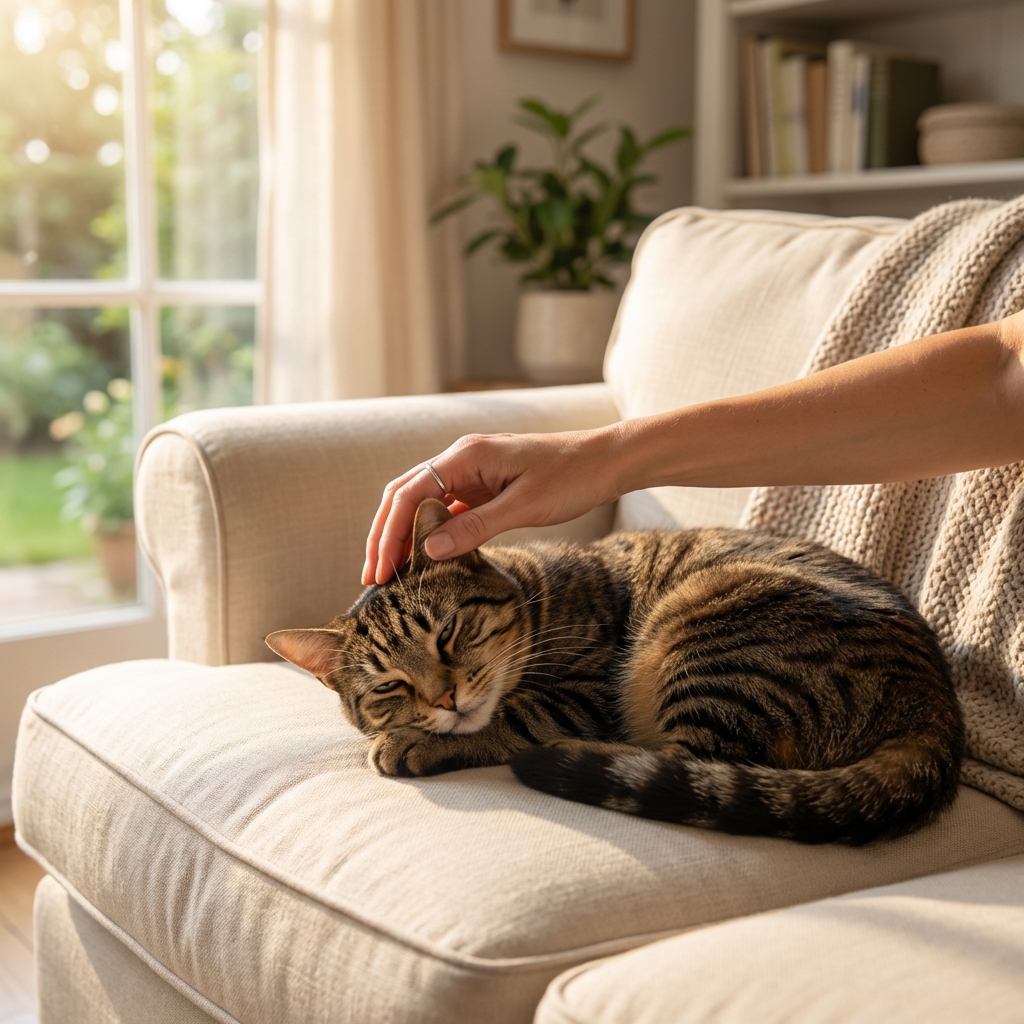
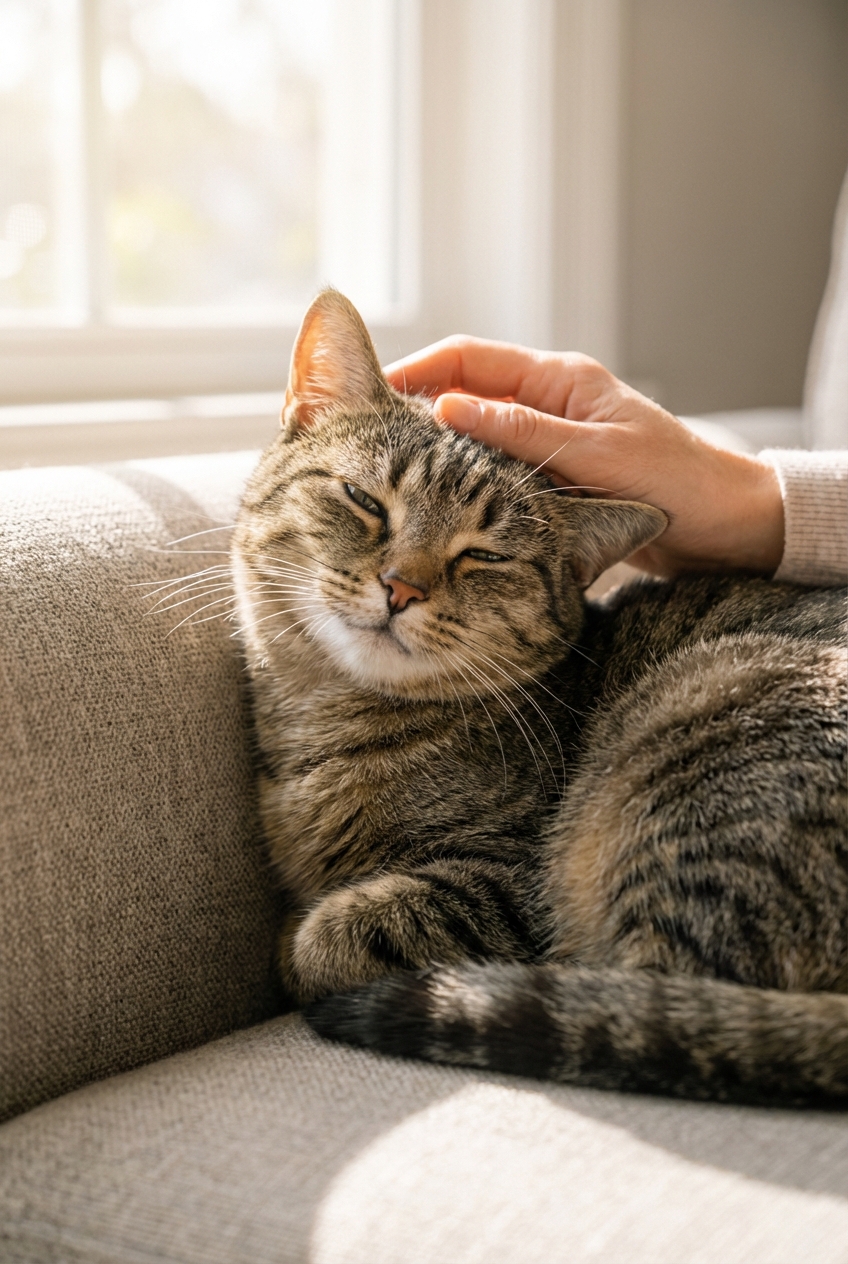
This is the purr most people recognize. Cats often purr when they are cozy, being petted, resting in a favorite spot, or snuggling with a trusted person. In many cats, purring is a social signal that suggests comfort and safety.
2) Communication with people
Cats are smart about what works. Many develop a “request purr,” often paired with meows, rubbing, or following you to the kitchen. One well-known study suggested that some cats add a higher-pitched element to their purr when they want attention or food, which many humans find especially hard to ignore.
3) Self-soothing during stress
Cats may purr in situations that are clearly not relaxing, such as a vet visit, a car ride, a new home, or after a loud event. In these moments, purring can function like a calming behavior, similar to how humans might hum, rock, or take deep breaths.
4) Pain, illness, or discomfort
This surprises many cat parents. Cats sometimes purr when they are hurt or not feeling well. Purring is not a reliable pain meter, but it can be part of a broader “I am coping” picture. It may also function as a general appeasement signal in some situations, although we cannot interpret it as one specific message every time.
Practical takeaway: If your cat is purring but also hiding, acting “off,” eating less, limping, breathing fast, or suddenly avoiding touch, treat purring as a possible red flag and look at the whole picture.
5) Mother-kitten connection
Kittens can hear and feel purring early in life, which helps them locate mom and nurse. Mother cats purr to reassure kittens and keep the family calm. This is one reason purring is so closely tied to feelings of safety.
6) Possible links to recovery
You may have heard that purring has healing properties. While purring is not a medical treatment, it is interesting that cats often purr at frequencies commonly reported in the 25 to 150 Hz range. Frequencies in that general range have been studied in other contexts for possible effects on tissue and bone. What we can say with confidence is that purring is commonly seen when cats are resting and conserving energy, which supports recovery behaviors overall.
How to tell a happy purr from a worried purr
Purring alone cannot tell you everything, so use a quick “whole cat” check. Here are helpful signs to look for.
Signs your cat is likely comfortable
- Loose, relaxed body posture and soft facial expression
- Normal appetite and normal litter box habits
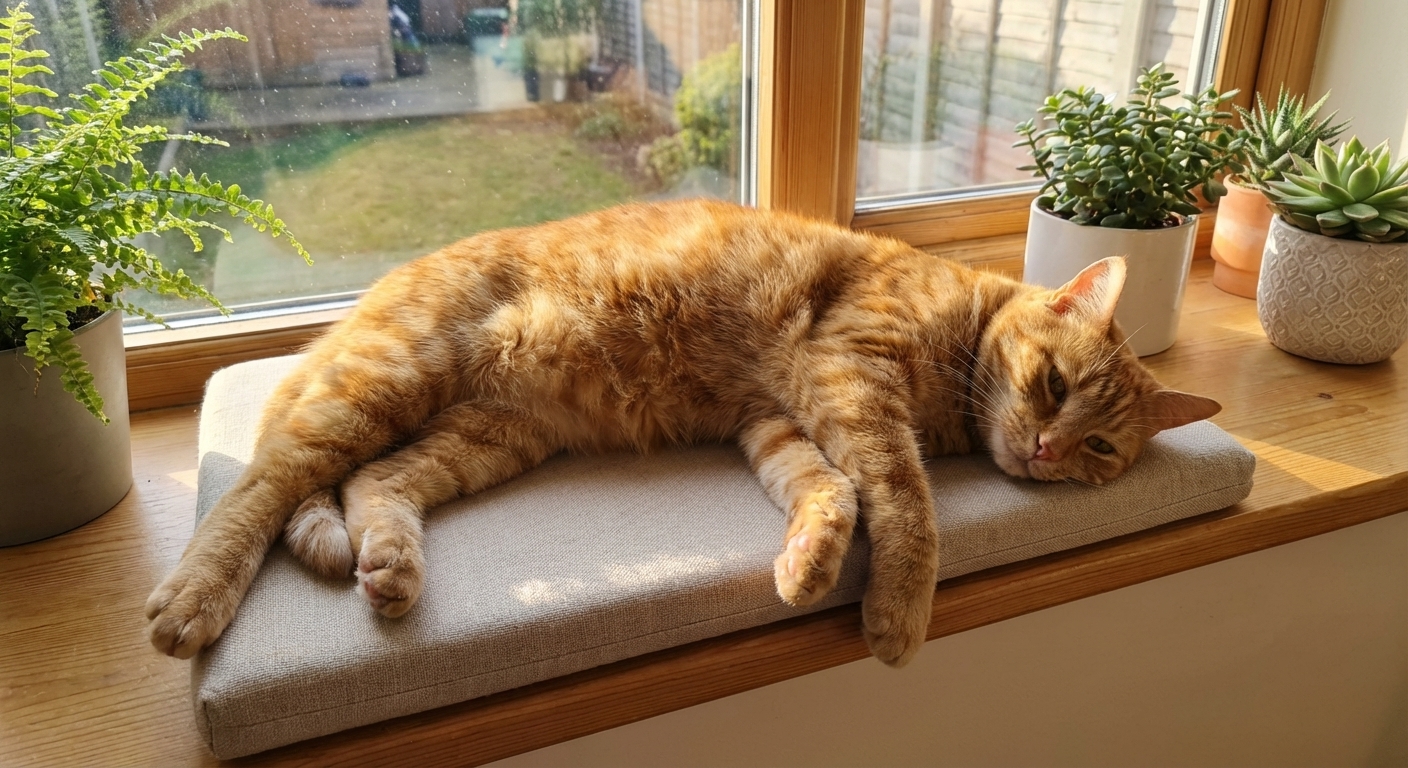
- Slow blinking, gentle kneading, relaxed tail
- Enjoys being near you and accepts normal touch
Signs purring may be stress or discomfort
- Hiding more than usual or suddenly isolating
- Growling, hissing, swatting, or flinching when touched
- Changes in appetite, water intake, or litter box use
- Vomiting, diarrhea, coughing, sneezing, or drooling
- Limping, stiffness, or reluctance to jump
- Fast breathing, open-mouth breathing, or belly effort when breathing
- A change in voice or purr quality, such as new hoarseness or a raspy sound
If you see breathing distress, repeated vomiting, inability to urinate, sudden collapse, or extreme lethargy, that is an urgent situation. Contact an emergency vet right away.
Care tips that support healthy purring
Make safety and routine easy
- Predictable schedules: Regular feeding and play times reduce stress.
- Quiet rest zones: Provide a bed or covered “hideaway” in a calm room.
- Vertical space: Cat trees and shelves help cats feel secure and in control.
Keep the body comfortable
- Gentle grooming: Especially for long-haired cats to prevent painful mats.
- Soft bedding: Helpful for seniors or cats with arthritis.
- Weight support: Healthy body weight reduces joint strain and inflammation.
Support emotional wellness
- Daily play: Short sessions with wand toys or chase games mimic hunting and reduce anxiety.
- Choice and consent: Let your cat initiate contact. Many cats prefer cheek and chin scratches over belly rubs.
- Multi-cat harmony: Provide multiple resources: litter boxes, water stations, and resting spots.
When purring should prompt a vet call
Urgent now
- Breathing distress, open-mouth breathing, or blue or pale gums
- Repeated vomiting or suspected toxin exposure
- Inability to urinate or straining with little to no urine produced
- Sudden collapse, severe weakness, or extreme lethargy
Schedule soon
Purring is wonderful, but it should never override your instincts. Consider scheduling a veterinary visit if purring is paired with:
- Noticeable change in behavior lasting more than 24 to 48 hours
- Reduced appetite, weight loss, or increased hiding
- New sensitivity to touch, especially around the belly or back
- Changes in litter box use, straining, or accidents
- Any sign of pain such as limping, hunched posture, or reluctance to jump
- A new change in purr or voice quality, including persistent hoarseness
If you can, take a short video of the behavior and write down when you noticed it. Those small details can help your veterinary team connect the dots faster.
The bottom line
Cats purr for many reasons, including comfort, bonding, communication, stress relief, and sometimes as a coping tool when something feels wrong. The most loving approach is to enjoy the purr and also stay curious. Watch your cat’s body language, habits, and energy level. When you pair that awareness with gentle, consistent care, you will do more than understand purring. You will support the whole cat.