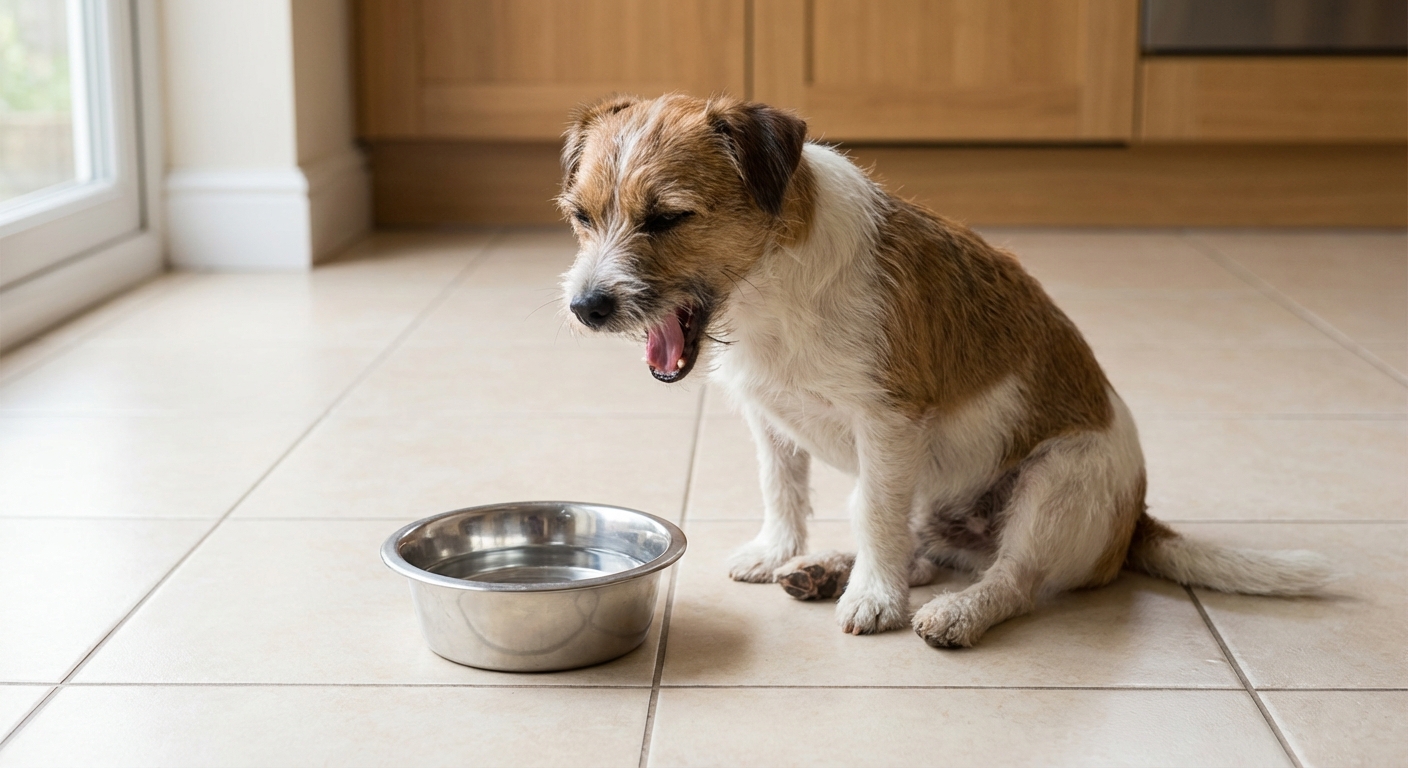
Step-by-step home care for mild dog diarrhea and vomiting: short food break, small sips of water, bland diet, pumpkin, probiotics, dehydration checks, and ur...
Article
•
Designer Mixes
Helpful Dogs With Diarrhea Insights & Help

Shari Shidate
Designer Mixes contributor
Diarrhea is one of the most common reasons pet parents call a clinic, and I get it. It is messy, stressful, and it can come on fast. The good news is that mild cases often improve within 24 to 48 hours with smart home care, depending on the cause. The not-so-good news is that diarrhea can also be a sign of something more serious, especially in puppies, seniors, and small dogs.
This guide will help you sort out what is normal, what is not, and what to do next so you can help your dog feel better while protecting their hydration and gut health.
First, a quick safety check
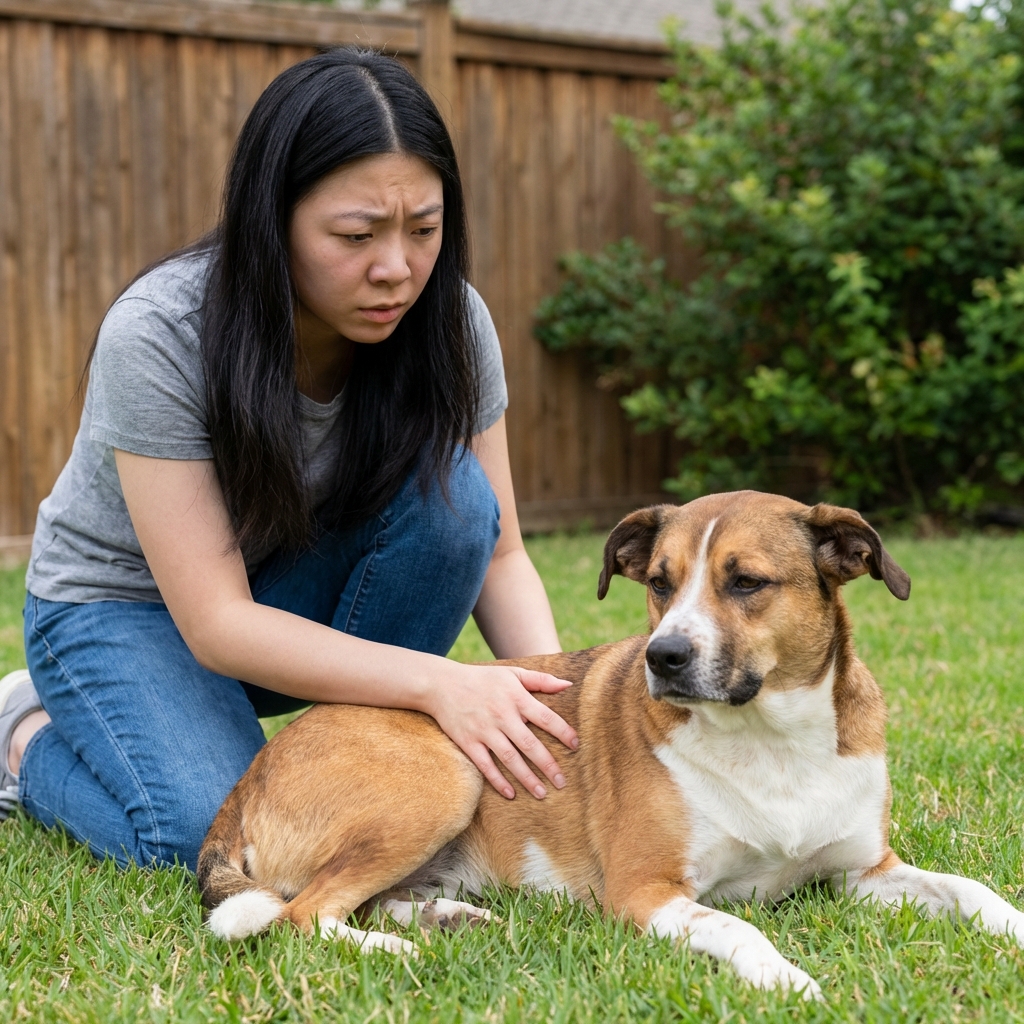
Before you change food or give any remedies, check for red flags. Some situations call for an urgent ER visit, while others are best handled with a same-day call to your veterinarian for triage.
Go to an emergency vet now if you notice:
- Black, tarry stool (can mean digested blood from higher in the GI tract)
- Large amounts of blood in stool, or rapidly worsening bleeding
- Repeated vomiting, refusing water, or signs of dehydration
- Lethargy, weakness, collapse, pale gums, or a painful, swollen abdomen
- Possible toxin exposure (xylitol, grapes/raisins, rat bait, human medications, cannabis, etc.)
- Suspected blockage (they ate a toy, sock, bone, corn cob, or have repeated unproductive straining)
- Very frequent watery diarrhea every hour or two, especially if your dog cannot keep water down
- Unvaccinated or under-vaccinated puppy with diarrhea, especially with vomiting, fever, or low energy (parvovirus is an emergency)
Call your vet today (or within 24 hours) if:
- Diarrhea lasts more than 24 hours in a puppy, senior, small dog, or dog with other health issues
- Diarrhea lasts more than 48 hours in a healthy adult dog
- Your dog has mucus, mild streaks of bright red blood, or straining but is otherwise stable
- The diarrhea keeps coming back, even if it improves temporarily
Hydration matters: If gums feel tacky or dry, eyes look sunken, your dog is unusually sleepy, or they are not peeing normally, dehydration can become dangerous quickly.
What diarrhea is telling you
Diarrhea is not a diagnosis. It is a symptom, and it often points toward one of a few common categories.
Common causes
- Dietary indiscretion: trash, rich treats, table food, new chews
- Sudden diet change: switching food too fast, especially to higher fat
- Stress: boarding, travel, storms, new routines
- Parasites: Giardia, roundworms, hookworms, coccidia
- Infection or imbalance: viral illness (such as parvovirus in puppies), bacterial infection (such as Salmonella or Campylobacter), or gut dysbiosis
- Food intolerance: sensitivity to certain proteins, fats, dairy, or additives
- Medication side effects: antibiotics and some NSAIDs can disrupt the gut
- Underlying disease: pancreatitis, IBD, Addison’s, liver disease, and more
Small intestine vs large intestine clues
These clues are not perfect, but they can help you communicate better with your vet.
- Small intestine diarrhea: larger volume stool, less urgency, may include weight loss or vomiting
- Large intestine diarrhea: small, frequent stools, mucus, urgency, straining, and bright red blood is more common
What to do at home for mild diarrhea
If your dog is bright, alert, and still drinking water, you can often try gentle home care. If anything worsens, stop home treatment and call your veterinarian.
Step 1: Support hydration
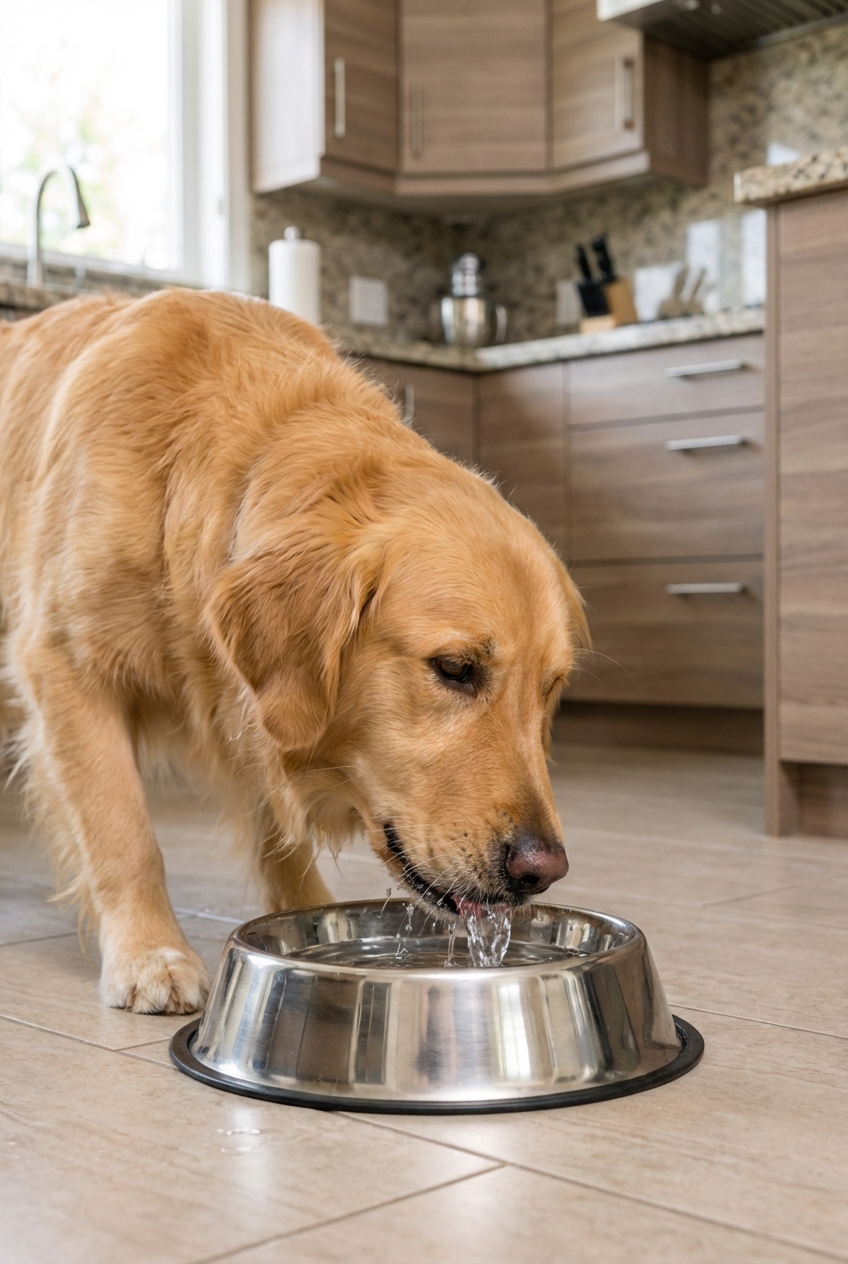
- Keep fresh water available at all times.
- Offer small, frequent sips if your dog gulps and then vomits.
- Ask your veterinarian about pet-safe electrolyte solutions if stools are very watery. Avoid human sports drinks and do not use homemade salt or sugar mixes unless your vet instructs you.
Step 2: Consider a short rest from food, only if appropriate
Some veterinarians may recommend a brief food break for some healthy adult dogs to help calm an irritated gut. It is not a must, and it is not right for every dog. Do not fast puppies, toy breeds prone to low blood sugar, seniors, pregnant dogs, or dogs with diabetes or other medical conditions. When in doubt, skip the fast and go right to small bland meals.
Step 3: Feed a bland, low-fat diet for 24 to 48 hours
A simple bland diet gives the intestines a chance to recover. Choose one protein and one carb, cooked plainly with no butter, oil, seasoning, onions, or garlic.
- Protein options: boiled skinless chicken breast, lean turkey, or very lean ground beef (drained well)
- Carb options: white rice or plain mashed sweet potato
Feed small portions 3 to 6 times a day. Signs things are improving include less frequent diarrhea, more formed stool, less urgency, and a returning appetite and energy.
If stools improve, transition back to the regular diet slowly over 3 to 5 days by mixing increasing amounts of their normal food. If diarrhea returns during the transition, pause and call your vet for guidance.
Step 4: Add soluble fiber if it fits your dog
Soluble fiber can help absorb water and improve stool quality in some cases, but it is not a fix for everything.
- Plain canned pumpkin (not pie filling) is a common choice.
- Start small. Too much can cause gas or make diarrhea worse.
- Skip fiber if you are worried about a blockage, your dog is in significant pain, or symptoms are severe. Call your veterinarian.
Step 5: Use a dog-specific probiotic
Probiotics can help rebalance the gut microbiome, especially after stress or antibiotics. Choose a canine probiotic and follow the label dosing. Results can vary by product and strain. If your dog is immunocompromised, ask your vet first.
What not to do
When you are worried, it is tempting to throw a lot of remedies at the problem. A few common choices can backfire.
- Do not give human anti-diarrheal meds unless your veterinarian tells you to. Some are unsafe for dogs or risky with certain infections and conditions.
- Avoid fatty foods like bacon, greasy hamburger, cheese, or rich treats. Fat can trigger pancreatitis and prolong diarrhea.
- Do not switch foods repeatedly in a short time. Rapid changes can keep the gut irritated.
- Skip bones and rawhides during recovery. They can irritate the GI tract and increase blockage risk.
When a stool sample helps most
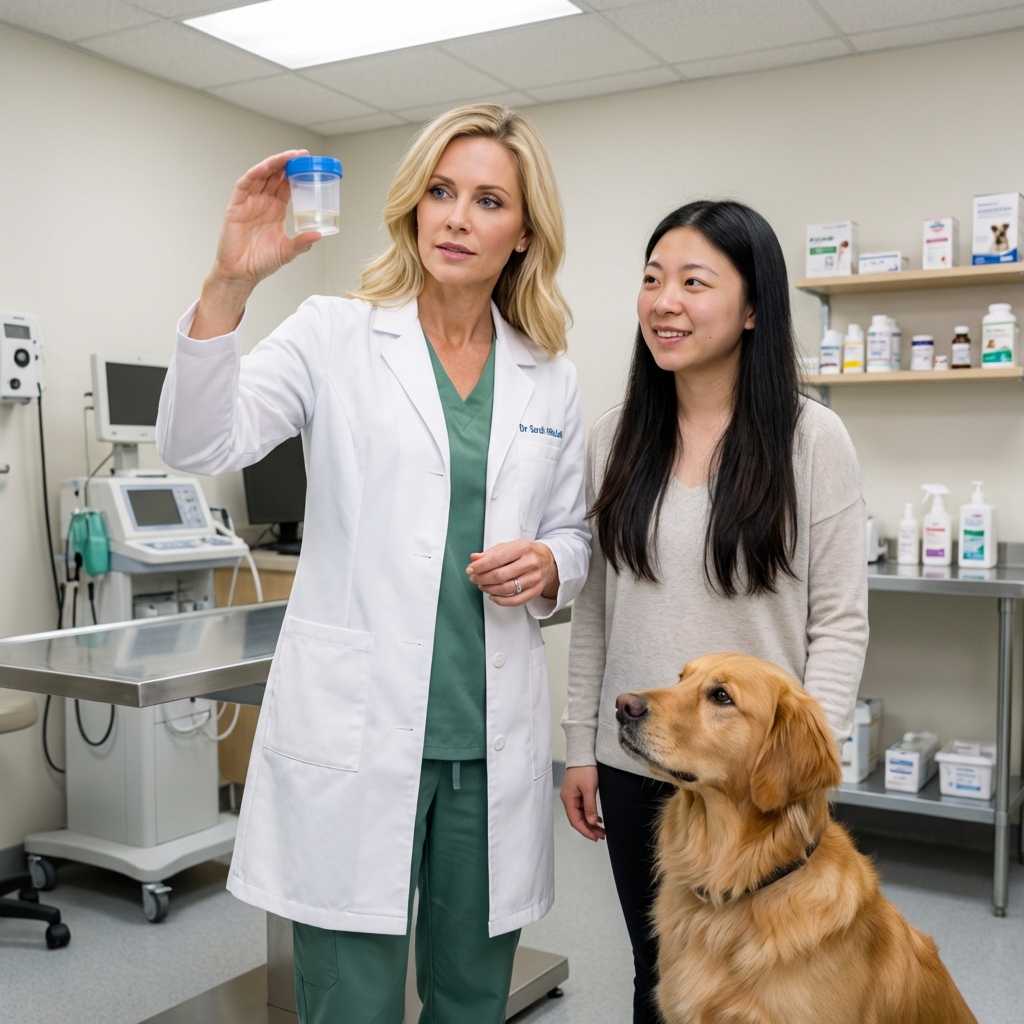
If diarrhea keeps returning, a stool test is often the fastest path to answers. Parasites are common, even in well-cared-for dogs, and Giardia in particular can cause intermittent loose stool that lingers. Also, keep in mind that some parasite preventives do not cover Giardia, so testing can still matter even if your dog is on prevention.
Tips for bringing a sample
- Bring a fresh sample, ideally the same day.
- Use a clean bag or container and keep it cool.
- If your dog has multiple episodes, your clinic may recommend collecting from more than one stool.
Special situations
Puppies
Puppies can dehydrate quickly, and they have less room for “wait and see.” If you have a puppy with diarrhea, especially with vomiting or poor appetite, call your veterinarian sooner rather than later. In puppies, diarrhea can be caused by parasites, diet changes, or more serious infections. If your puppy is not fully vaccinated, diarrhea can be a sign of parvovirus, which needs emergency care.
Seniors and small dogs
Seniors and small dogs can also dehydrate faster. For seniors, diarrhea may signal an underlying condition such as pancreatitis, kidney disease, or a medication side effect. If your older dog suddenly has diarrhea, I recommend checking in with your veterinarian.
Prevention that works
Once your dog is feeling better, a few habits can reduce repeat flare-ups.
- Transition foods slowly over 7 to 10 days.
- Limit high-fat treats and keep portions small.
- Use consistent parasite prevention and schedule fecal checks as recommended.
- Secure the trash and supervise chews to prevent “snack accidents.”
- Support gut health with a steady, high-quality diet and vet-approved probiotics when needed.
Hygiene and contagion
Some causes of diarrhea are contagious to other dogs, and a few can affect people too.
- Pick up stool promptly and wash hands after cleanup.
- Clean soiled areas with an appropriate disinfectant.
- Until stools are normal, skip dog parks and shared water bowls, and limit close contact with other dogs.
If you are ever unsure, take a photo of the stool and note when it started, how often it is happening, and any new foods, treats, stressors, or medications. That simple timeline is incredibly helpful for your veterinary team.
A simple diarrhea log
If symptoms persist beyond a day or two, keeping a quick log can speed up diagnosis.
- Start time and frequency of diarrhea
- Any vomiting, appetite changes, or behavior changes
- New foods, treats, chews, or table scraps
- Possible toxin exposure or scavenging
- Current medications and supplements
- Energy level and water intake