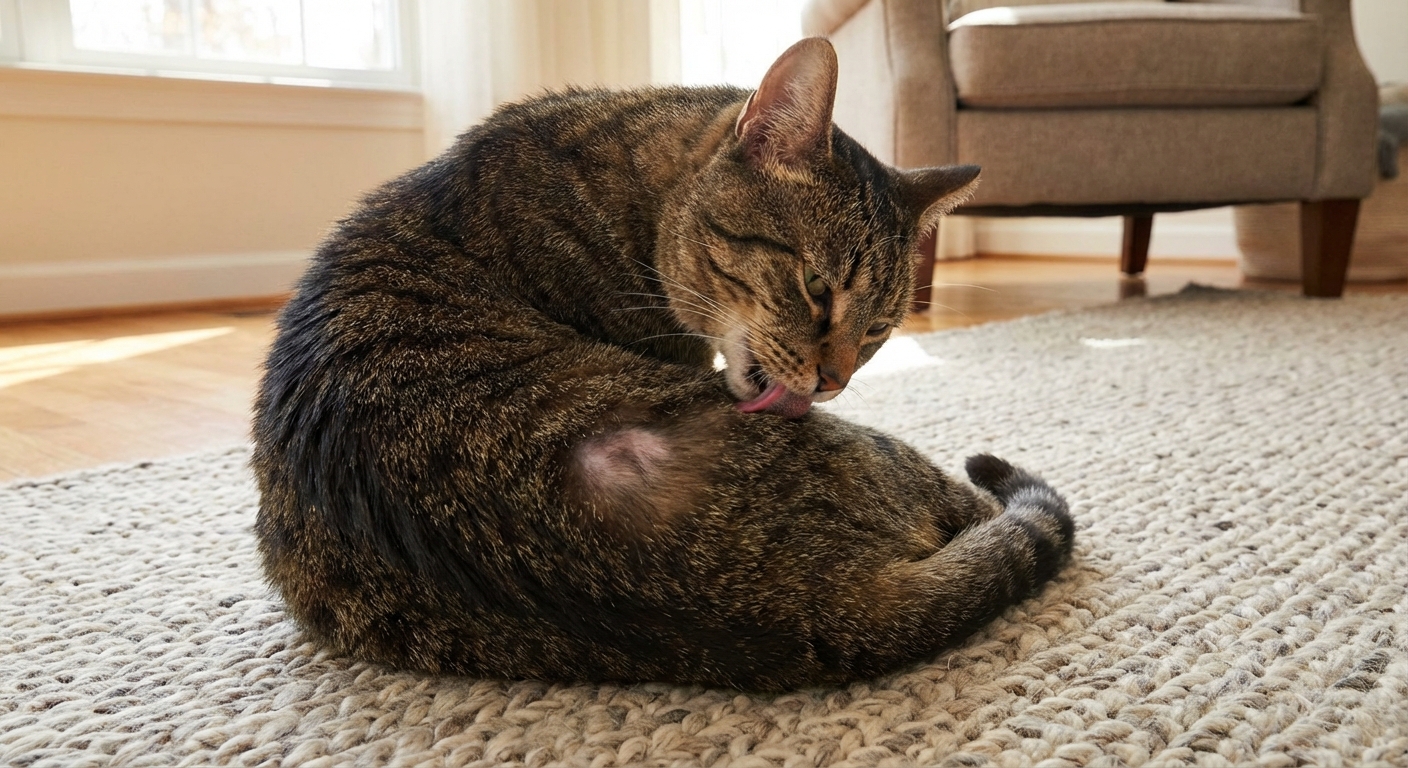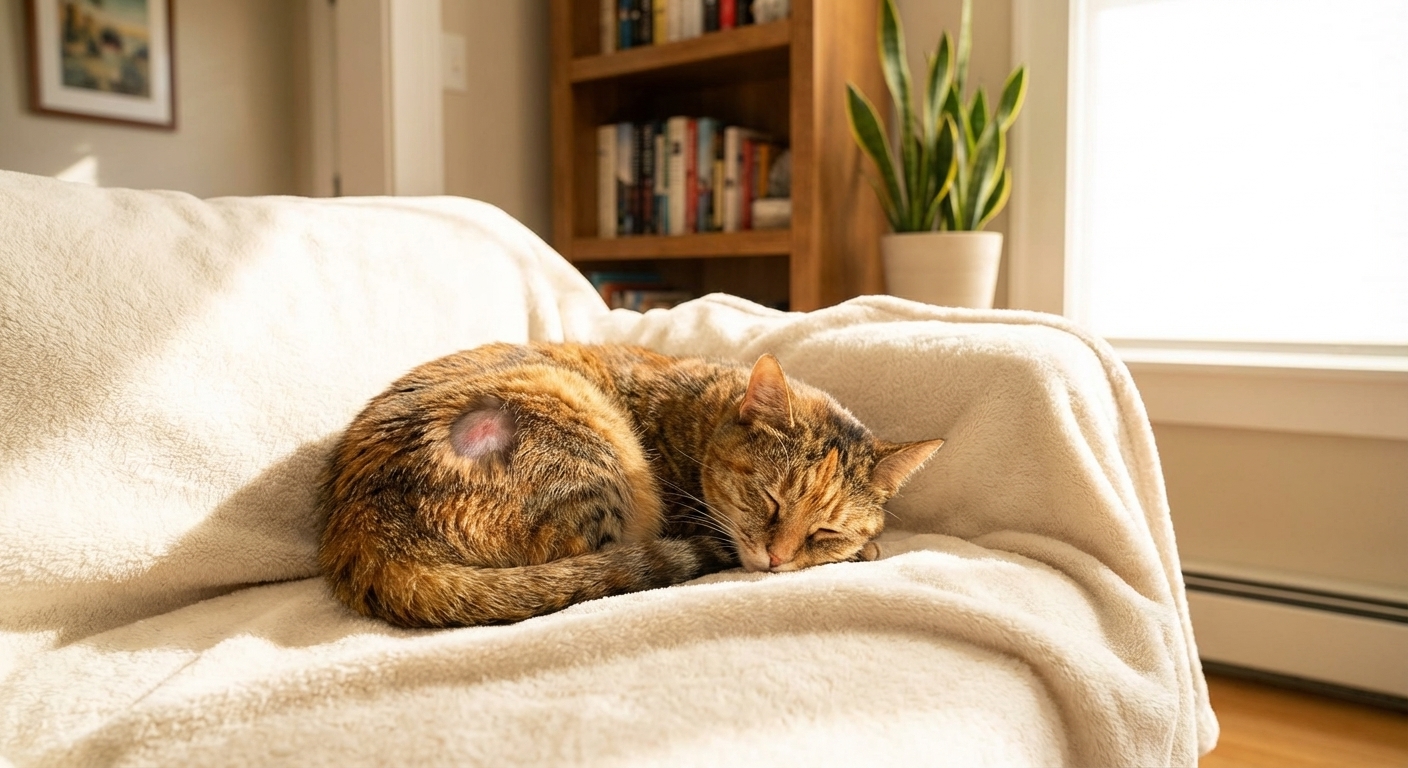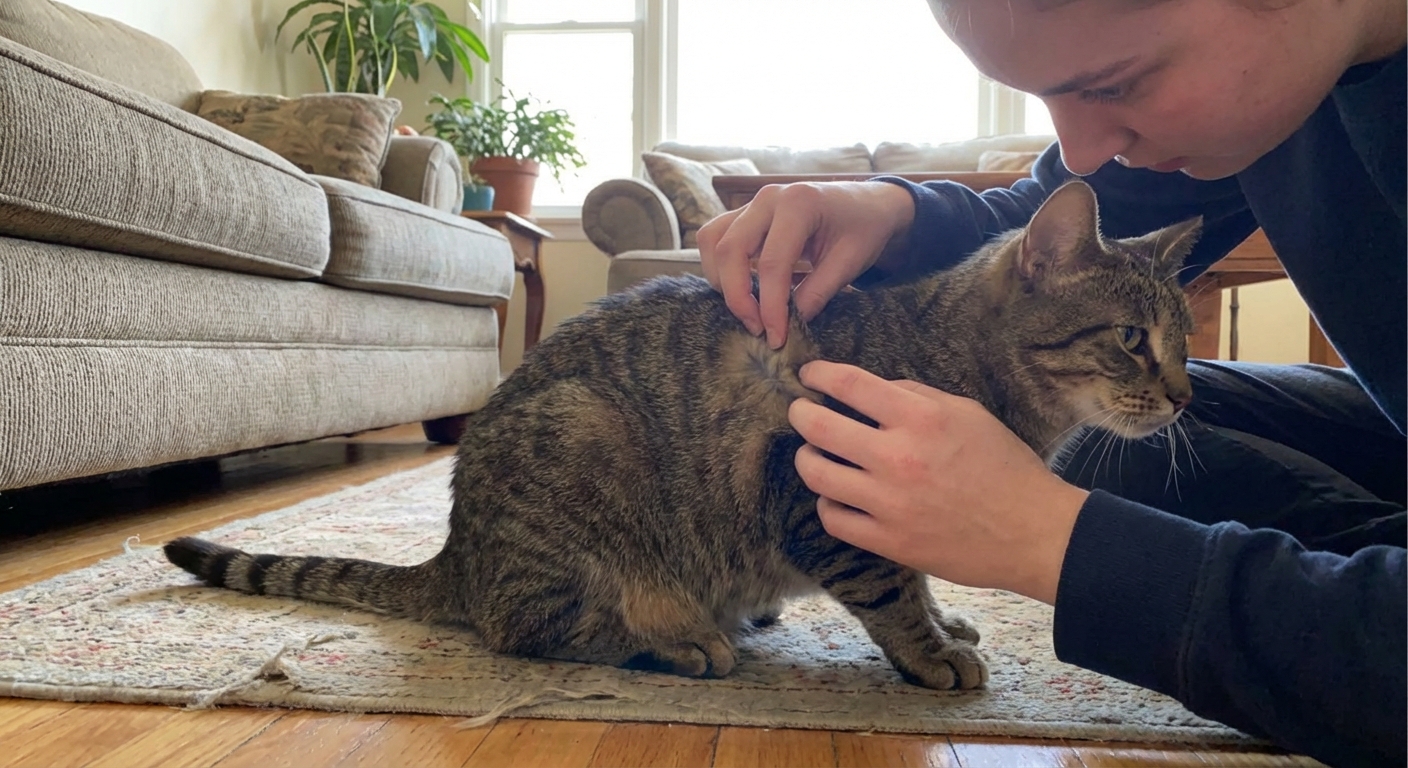
Bald spots or shedding in cats can come from fleas, ringworm, mites, allergies, stress overgrooming, infections, or pain. Learn safe home checks, vet tests, ...
Article
•
Designer Mixes
Helpful Cat Hair Loss Facts and Tips

Shari Shidate
Designer Mixes contributor
Noticing more fur on the couch, a thinning patch on your cat’s belly, or little “bald spots” behind the ears can be stressful. As a veterinary assistant, I can tell you this is common, and it can be something simple or something that needs medical help. The good news is that when you know what to look for, you can act quickly and keep your cat comfortable.

Tip to remember: Hair loss is not a diagnosis. It is a clue. Your job is to notice patterns, your veterinarian’s job is to find the cause.
Key facts about cat hair loss
- Cats can lose hair without looking “itchy.” Some cats overgroom quietly, especially at night, so the main sign is thinning fur or broken hairs.
- In flea-allergic cats, one bite can trigger a big reaction. Some cats with flea allergy dermatitis react strongly to very small exposure, even if you never see live fleas. You may still find flea dirt (digested blood) even when fleas are hard to spot.
- Overgrooming can be a stress signal. Cats sometimes cope with anxiety by licking, which can lead to symmetrical hair loss on the belly, inner thighs, or sides.
- Some shedding is normal, bald patches are not. Mild seasonal shedding can happen even indoors, but true bald spots, stubbly “barbering,” scabs, or red skin deserve a closer look.
- Cat skin is thin and sensitive. Harsh shampoos, essential oils, and some home remedies can irritate skin and make hair loss worse.
What cat hair loss can look like
Hair loss is not always a single bald circle. Watch for subtle changes, especially in short-haired cats.
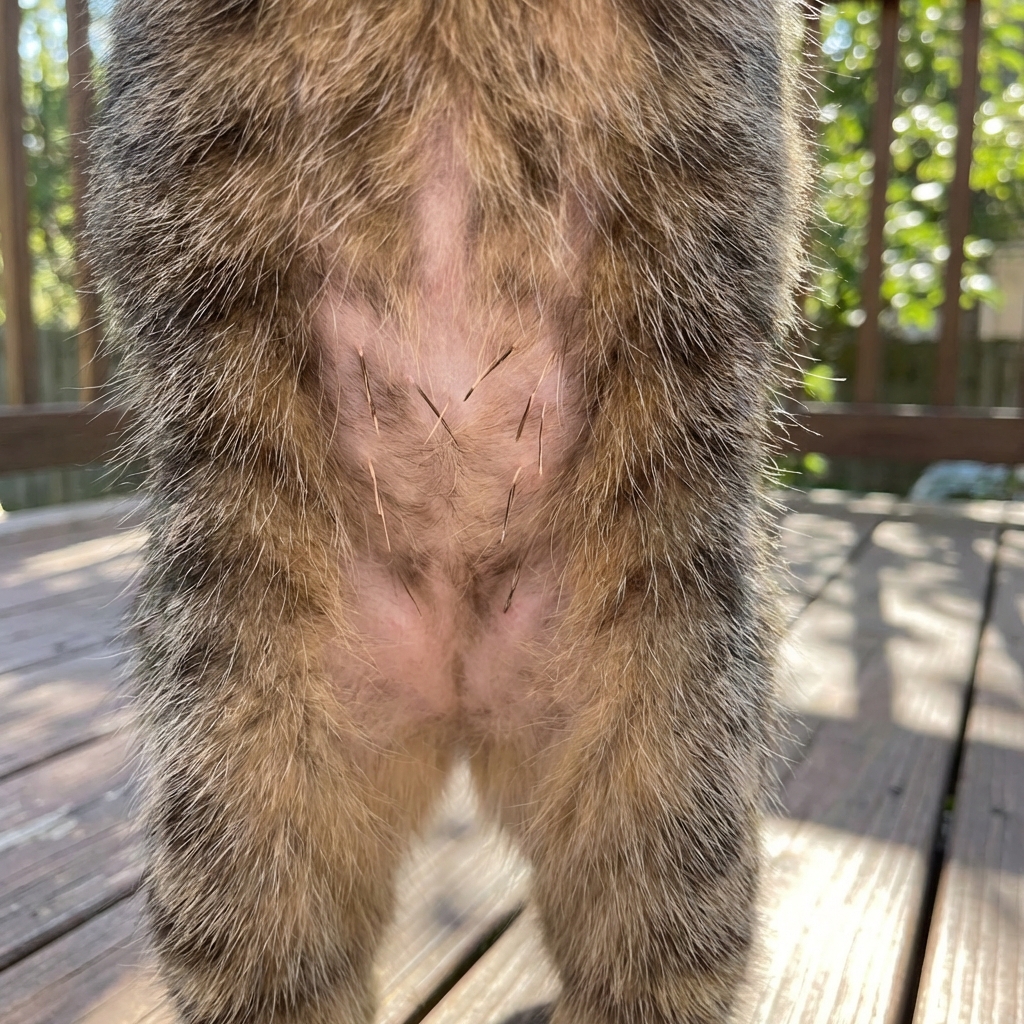
- Thinning coat that feels “moth-eaten” or looks dull
- Broken hairs that look like stubble, often from licking
- Symmetrical hair loss on both sides of the body
- Redness, scabs, or dark specks in the fur (sometimes flea dirt)
- Crusty edges, circular patches that may suggest ringworm
Most common causes vets see
Once you know the “pattern” of the hair loss, it gets easier to narrow down what could be driving it.
Parasites (fleas, mites)
Fleas are one of the most common reasons cats get itchy, and flea allergy is a top cause of hair loss. Mites can also cause intense itchiness, flaky skin, and thinning fur.
- Clues: scratching at the neck and base of tail, scabs, restlessness, flea dirt, other pets itching
- Helpful at-home step: use a flea comb over a white paper towel and look for black specks that smear reddish-brown when damp (this can be digested blood)
Allergies (flea, food, environmental)
Cats can be allergic to fleas, certain foods, or environmental allergens like dust mites and pollens. Allergies often show up as itchiness, hair loss, and skin inflammation, not just sneezing.
- Clues: recurrent ear wax/debris or ear infections, licking paws, chin acne, seasonal flare-ups, chronic itch
Ringworm (fungal infection)
Ringworm is fairly common, especially in kittens, shelter cats, and some multi-pet homes. It can be contagious and tricky because it can look like many other skin issues. It can spread to people and other pets.
- Clues: circular areas of hair loss, brittle hairs, mild scaling, kittens or shelter cats affected
- Important: do not start random creams at home. Diagnosis matters because treatment and cleaning protocols are specific.
Overgrooming from stress or pain
Changes in the household, boredom, conflict with another pet, or pain (like arthritis, dental pain, nerve pain, or bladder discomfort) can lead to compulsive licking and thinning fur. “Psychogenic alopecia” is real, but it is usually a diagnosis of exclusion, meaning other causes should be ruled out first.
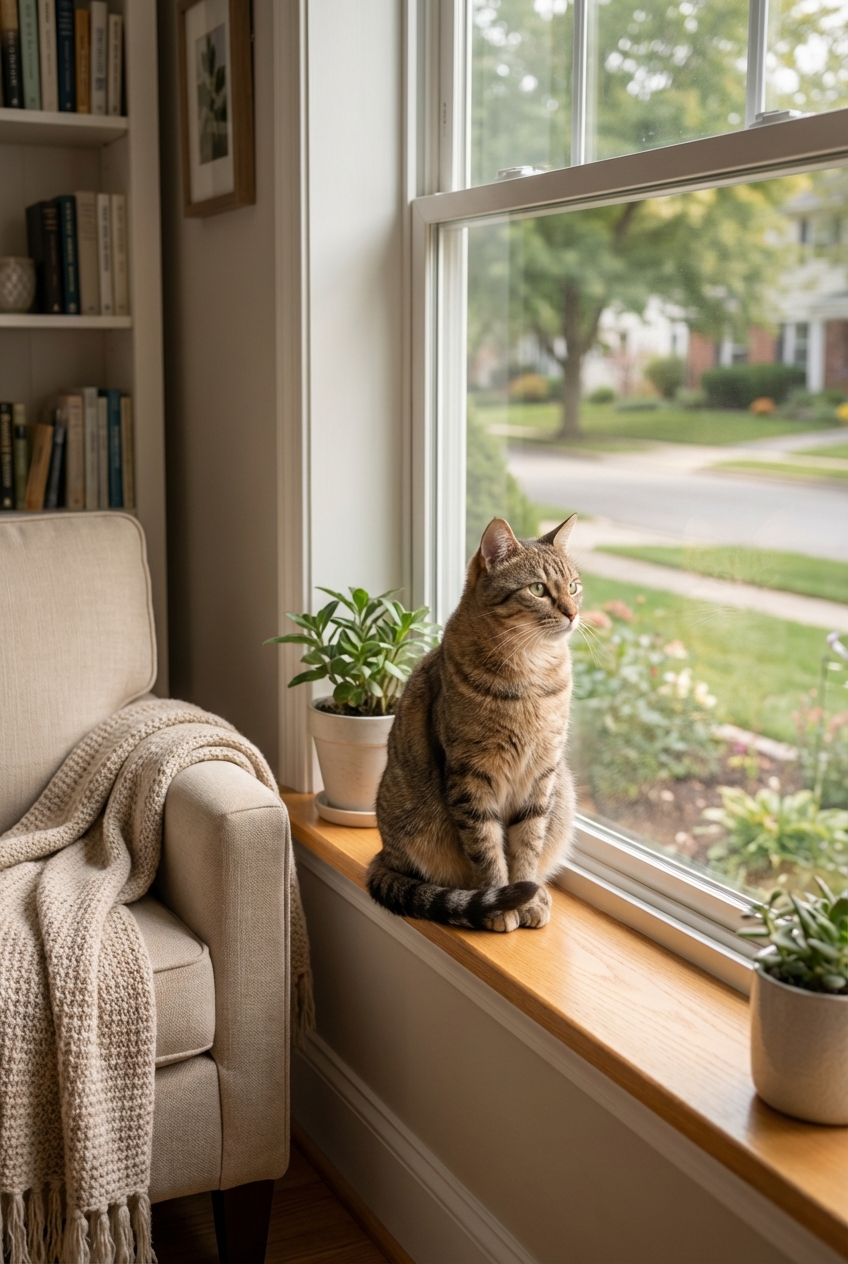
- Clues: belly or inner thigh hair loss, hair looks broken rather than falling out from the root, licking when you are asleep or away
Skin infections
Bacterial or yeast infections can develop after scratching, allergies, or excess moisture. They often cause odor, redness, and more itch.
- Clues: smell, greasy feel, redness, scabs, worsening quickly
Reactions and trauma (sometimes overlooked)
Localized hair loss can happen at a spot your cat keeps licking because it hurts or feels irritated. This can include injection-site reactions, minor wounds, or irritation from collars, harnesses, or topical products.
- Clues: one specific area, sudden onset, tenderness, a small lump, or your cat flinches when touched
Hormonal or medical issues (less common, but important)
Conditions like hyperthyroidism, Cushing’s disease (rare in cats), and some systemic illnesses can affect the coat. Poor nutrition or rapid weight loss can also impact skin and hair quality.
- Clues: appetite changes, weight loss, increased thirst, vomiting, changes in energy, thin skin
At-home tips that help
1) Start a simple “fur log”
Write down what you see for 7 to 14 days. This helps your veterinarian connect the dots faster.
- Where is the hair loss located?
- Is your cat licking, scratching, or biting?
- Any new foods, treats, litter, cleaners, or air fresheners?
- Any stressors: visitors, moving furniture, a new pet, construction noise?
2) Use consistent flea prevention
Even indoor-only cats can get fleas. If flea allergy is involved, prevention needs to be consistent for all pets in the household. Ask your vet for a product that is safe and effective for your cat’s age and weight.
3) Brush gently and regularly
Brushing removes loose fur, reduces mats, and lets you spot skin changes early. Keep sessions short and positive.
4) Support calm routines
For cats who may be stress-grooming, predictability helps. Try scheduled play, puzzle feeders, and safe resting zones.
- Two 5-minute play sessions daily can make a real difference.
- Offer vertical space like a cat tree or window perch.
- Keep litter boxes clean and in quiet locations.
5) Feed for skin health, avoid sudden changes
Healthy skin needs quality protein, essential fatty acids, and balanced vitamins and minerals. If you suspect food allergies, do not switch foods repeatedly. Instead, talk with your veterinarian about a structured elimination diet trial, which is the most reliable way to evaluate food-related itch and hair loss.
6) Skip bathing unless your vet advises it
Bathing is usually not necessary for hair loss and can worsen irritation if the wrong product is used. If a bath is recommended (for example, for ringworm protocols), your vet can tell you exactly what to use and how often.
What not to do
- Do not use dog flea products on cats. Some ingredients used for dogs can be toxic to cats.
- Do not apply essential oils or run oil diffusers around your cat. Risk is higher with certain oils and in small or poorly ventilated rooms. When in doubt, skip them and ask your vet.
- Do not assume it is “just shedding” if you see bald spots, scabs, redness, or your cat seems uncomfortable.
- Do not start steroid creams or random antifungals without guidance. You can mask symptoms and delay the right diagnosis.
When to call the vet
Hair loss is worth a veterinary visit when it is spreading, your cat seems itchy or painful, or you see skin changes. Call sooner if any of these are true:
- Open sores, bleeding, swelling, or pus
- Your cat is lethargic, losing weight, vomiting, or not eating normally
- Hair loss in a kitten, senior cat, or an immunocompromised cat
- Possible ringworm, especially if multiple pets or people in the home have new itchy skin lesions
- Your cat is on consistent flea prevention but still itchy or losing hair
- Hair loss plus frequent urination, straining, or crying in the litter box
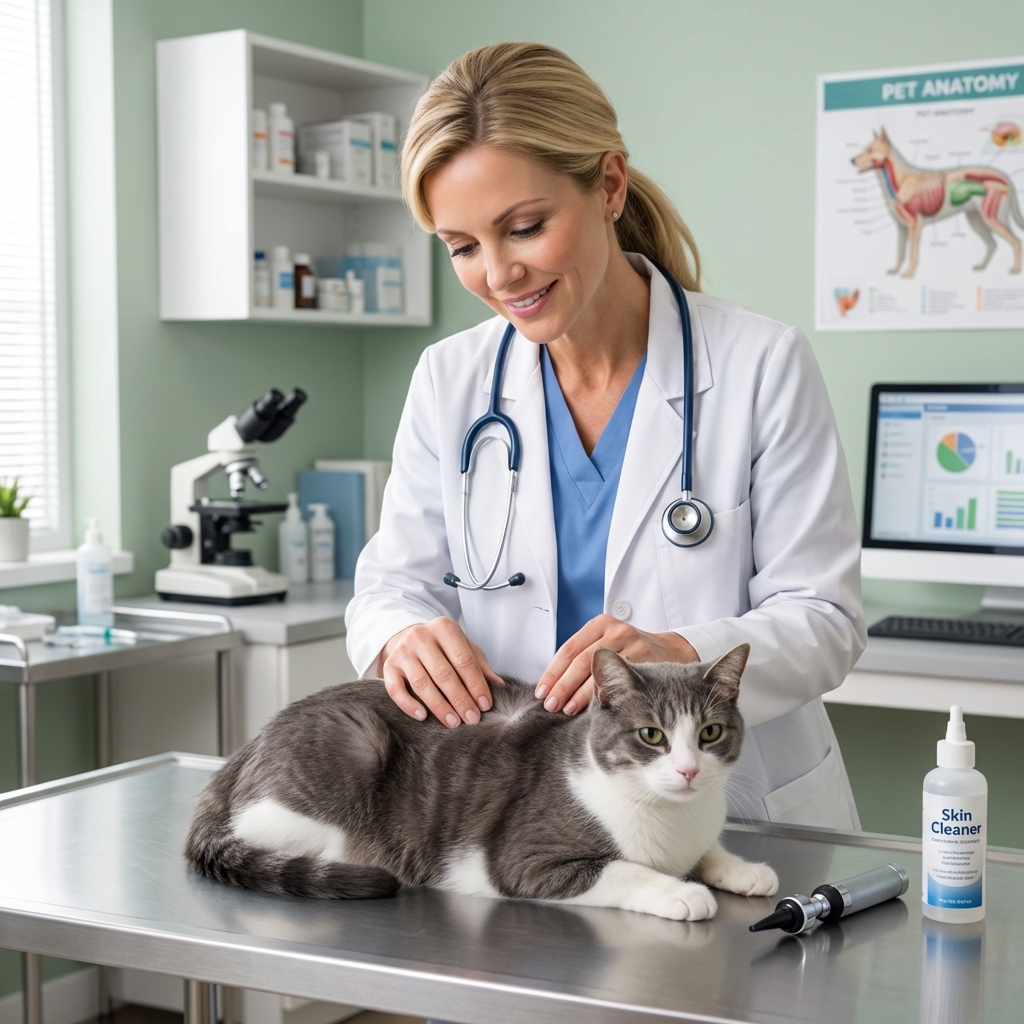
In clinic, your vet may recommend a flea comb exam, skin scraping, fungal testing, cytology (skin swab), or bloodwork depending on what they see. These tests can save time and money by preventing trial-and-error.
Quick comfort checklist
- Take clear photos of the area once a week in the same lighting
- Check for fleas and start vet-approved prevention if not already
- Trim nails if scratching is causing scabs
- Add enrichment and calm routines if stress is suspected
- Book a vet visit if it is new, worsening, or paired with other symptoms
Your cat’s coat is like a little health report. When it changes, it is your chance to step in early. With the right plan, most causes of cat hair loss can be improved. Some (like chronic allergies) may need long-term management, but your cat can still be comfortable and do well.