Learn what a true hairball looks like, how often is normal, and the red flags that need a vet or ER. Proven prevention: brushing, hydration, diet, and safe g...
Article
•
Designer Mixes
Help Your Cat With Hairballs

Shari Shidate
Designer Mixes contributor
Hairballs are one of those very “cat” problems that can look dramatic and sound worse than they are. One minute your cat is grooming like a pro, and the next you hear the familiar gagging sound that makes everyone in the house freeze.
As a veterinary assistant, I want you to know two things can be true at once: most hairballs are common and manageable, and frequent hairballs can also be a clue that something bigger is going on. The good news is you can often make a real difference with a few simple, vet-approved changes.
What hairballs are
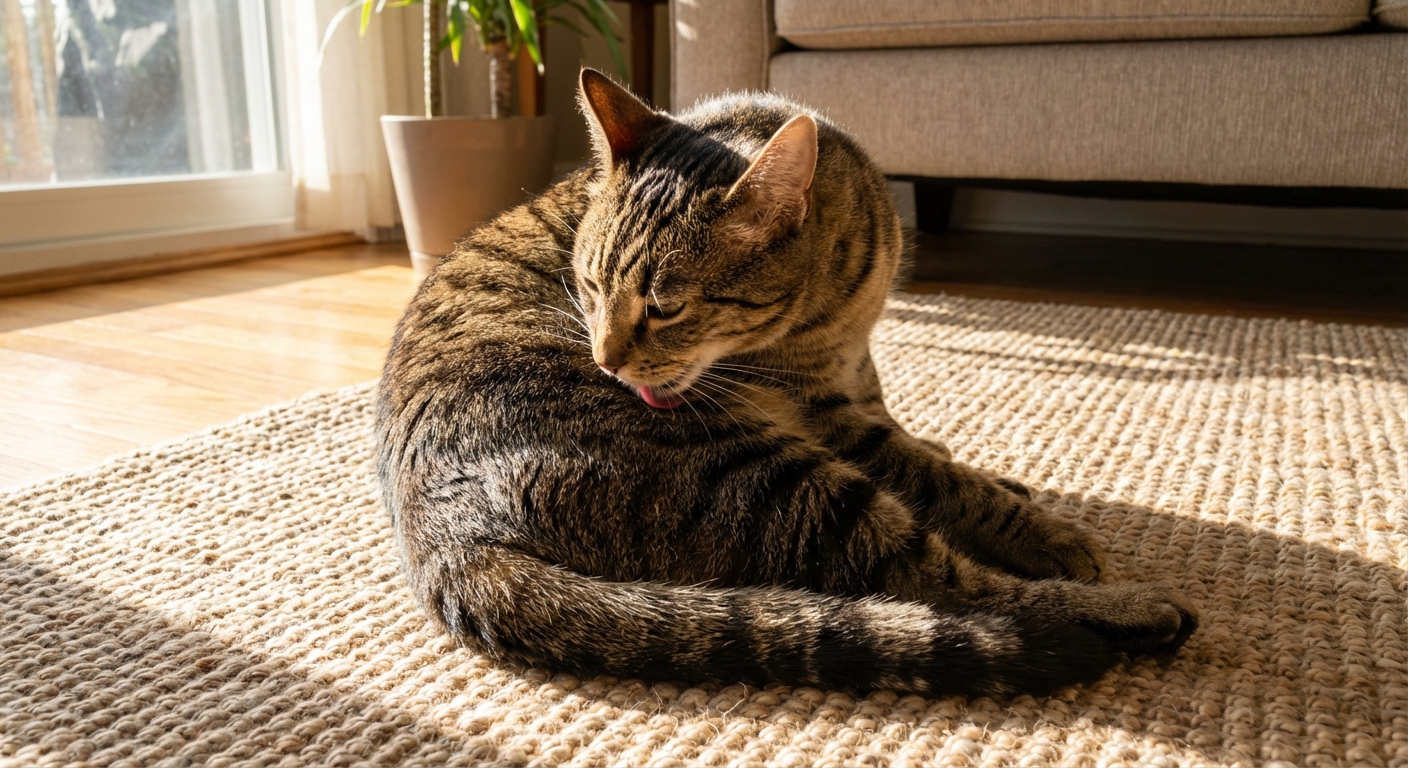
Cats have backward-facing barbs on their tongues that help them remove loose hair and debris while grooming. That swallowed hair usually moves through the digestive tract and passes in the stool.
A hairball happens when that hair stays in the stomach (and sometimes the upper intestine) and clumps into a damp wad. Eventually, the cat tries to vomit it up. The classic hairball is a tube-shaped clump of hair mixed with stomach fluid.
How often is normal?
- Occasional hairballs can be normal, especially for long-haired cats, heavy seasonal shedders, and cats who groom frequently.
- Frequent hairballs (for example weekly or more), gagging that produces nothing, appetite changes, constipation, diarrhea, or weight loss deserve a closer look.
Look-alikes and red flags
Many people assume “gagging equals hairball,” but coughing and retching can look alike. Cats with asthma, bronchitis, heart disease, or upper airway irritation may “hack” in a way that owners describe as trying to bring up a hairball.
Cough vs retch
- Coughing often looks like a low crouch with the neck stretched out, repeated hacking, and sometimes a swallow at the end.
- Retching more often includes abdominal heaving and that “about to vomit” body rhythm.
If you are not sure what you are seeing, a quick video for your vet can be incredibly helpful.
Call your vet urgently if you notice:
- Repeated unproductive retching or gagging, especially over several hours
- Lethargy, hiding, or obvious abdominal pain
- Not eating for 24 hours or more (sooner for kittens, seniors, or cats with chronic conditions like diabetes)
- Constipation lasting more than 48 hours, or straining with little output (sooner if your cat seems painful)
- Vomiting multiple times in a day, or vomiting with blood
- Any suspicion your cat swallowed string, ribbon, tinsel, or a toy piece
One important hairball truth: a true intestinal blockage can start with “just gagging.” If your gut says something is off, it is worth the phone call.
Ways to reduce hairballs
Helping with hairballs does not have to feel like a chore. Think of it as a simple “groom, hydrate, move, and feed smart” plan. These steps support healthy digestion and can help many cats pass hair more comfortably.
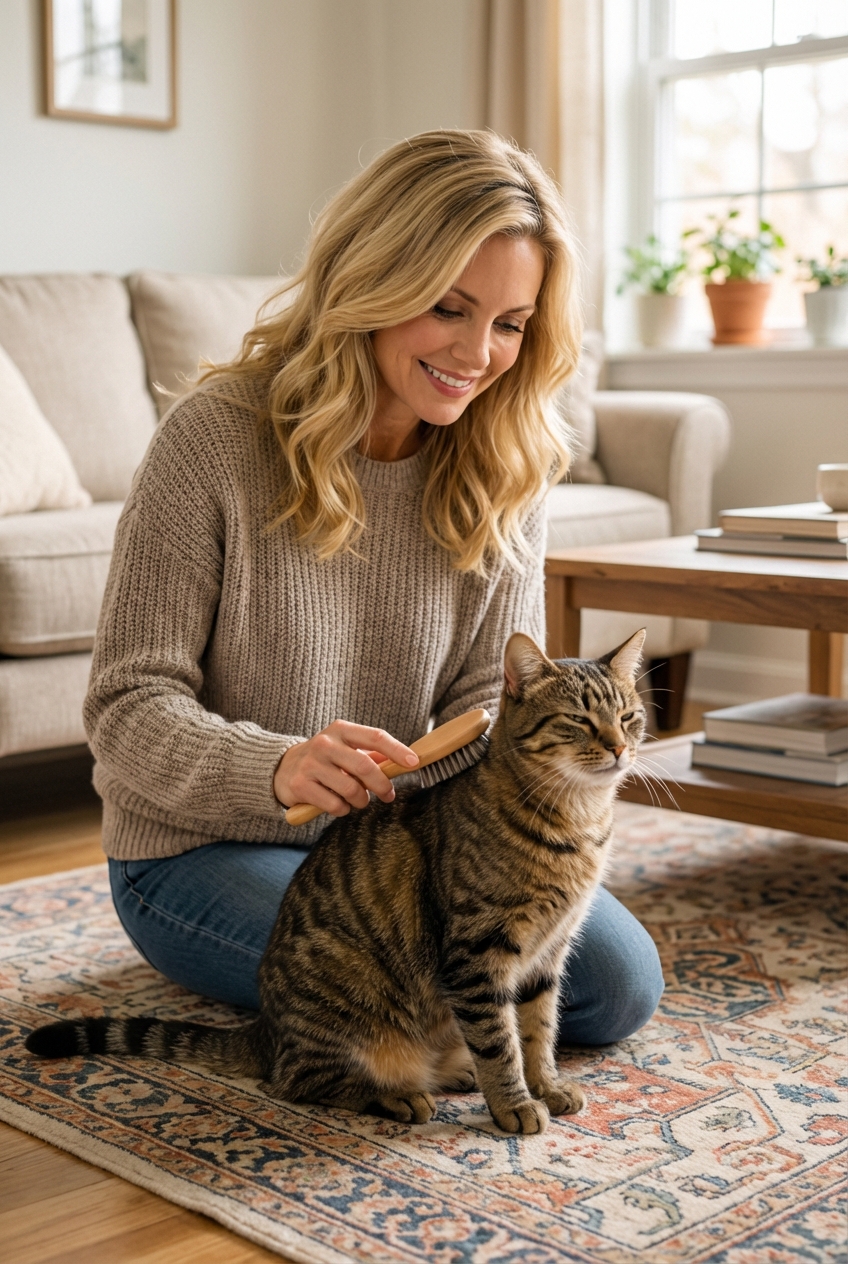
1) Make brushing a mini ritual
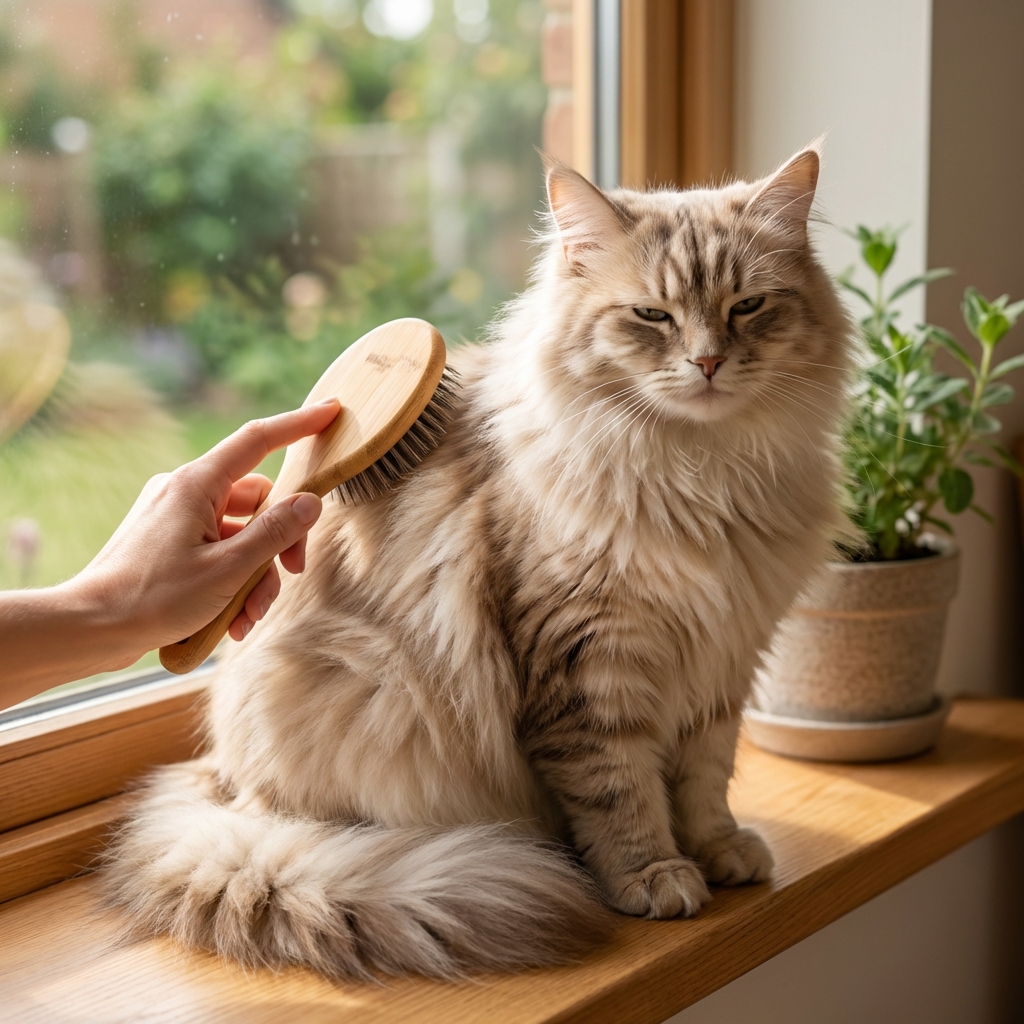
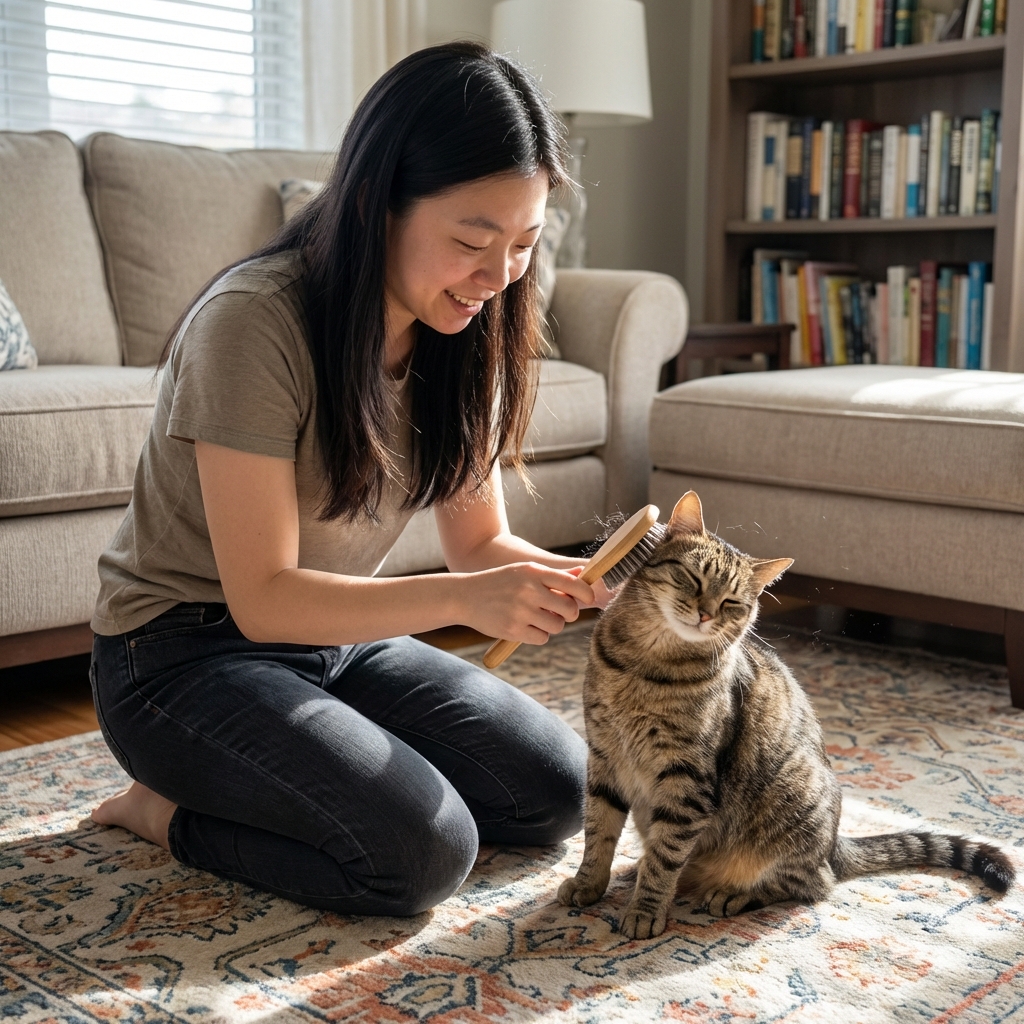
Brushing removes hair before your cat can swallow it. Even a few minutes helps, especially during shedding season.
- Short-haired cats: aim for 2 to 3 times per week
- Medium to long-haired cats: aim for daily or near-daily
- Keep sessions short at first and end with something positive like play or a treat
2) Add hydration in cat-approved ways
Good hydration supports stool quality and overall GI comfort, which may help hair move through instead of lingering.
- Offer a cat water fountain if your cat likes running water
- Feed more canned food or add a spoonful of warm water to meals
- Try a small amount of low-sodium broth made for pets (no onion or garlic)
- Place water bowls away from litter boxes and food for picky drinkers
3) Use play to support routine digestion
Movement supports overall health and can help some cats with constipation, stress, and overgrooming. Two short play sessions daily is a solid goal.
- Try 5 to 10 minutes with a wand toy, then let your cat “catch” it at the end
- Food puzzles can slow eating and add activity
- For multi-cat homes, provide enough resources to reduce stress and overgrooming
4) Consider the right fiber
Some cats do better with modest added fiber to help hair pass, but too much or the wrong type can cause gas or loose stools.
- Hairball-control diets often include specific fiber blends designed to move hair through
- Psyllium may be recommended in some cases, but ask your veterinarian for the right dose
- Plain pumpkin can help some cats, but it is not a cure-all and should be introduced slowly
5) Use hairball gels safely
Hairball gels or petroleum-based remedies can help some cats by lubricating hair through the GI tract. Used correctly, they can be a helpful tool, but they are not meant to replace daily management like grooming, hydration, and addressing underlying skin issues.
- Follow label directions carefully
- Do not force-administer (this increases aspiration risk)
- Avoid using mineral oil or human laxatives unless your veterinarian specifically tells you to
- Overuse of petroleum-based products may interfere with absorption of fat-soluble vitamins over time, so ask your vet if your cat needs frequent dosing
- If your cat needs these often, that is a sign to investigate the “why”
Quick safety note on home remedies: skip essential oils, “natural” cough remedies, and human medications. Cats are extra sensitive to many ingredients that are safe for people.
Why hairballs happen often
If hairballs are happening frequently, the grooming is usually the real issue. Often there is an underlying contributor, even if it is something simple like coat type, shedding season, or a cat who is an enthusiastic groomer.
Top culprits we see in clinic:
- Overgrooming from stress (changes at home, new pets, boredom, conflict between cats)
- Fleas or skin allergies causing itchiness (year-round flea prevention matters, even for many indoor cats)
- Environmental allergies that make skin inflamed
- Food sensitivities that affect skin or GI tract
- Obesity or arthritis making normal grooming harder, leading to mats and then big grooming sessions
- GI disease (inflammatory bowel disease, parasites, chronic constipation)
High-risk groups include long-haired cats, older cats, cats with skin disease, and cats who are overweight. If your cat is grooming enough to produce frequent hairballs, a skin and coat check with your veterinarian can be a game-changer.
Feeding for coat support
A healthy coat is still going to shed, especially with seasonal changes and genetics. That said, good nutrition can improve skin and coat quality, which may reduce breakage and excessive shedding for some cats.
Look for:
- Complete and balanced nutrition that meets AAFCO standards for your cat’s life stage
- High-quality protein to support skin and hair growth
- Omega-3 fatty acids (often from fish oil) to support skin health, as recommended by your vet
If you are considering supplements, especially oils, ask your veterinarian for a safe product and dose. Too much can cause GI upset and add extra calories.
Quick checklist
If you want an easy starting plan, here you go:
- Brush: 3 minutes a day for long-haired cats, several times a week for short-haired cats
- Hydrate: more wet food, fresh water stations, consider a fountain
- Move: two short play sessions daily
- Prevent: stay consistent with flea prevention if your vet recommends it for your region and lifestyle
- Monitor: track hairball frequency and any vomiting that is not hairball-related
- Check skin: itchiness, dandruff, overgrooming, mats
- Call the vet: if gagging is frequent, unproductive, or paired with appetite or stool changes
When to see your vet
If your cat has hairballs more than occasionally, it is worth a conversation. Your veterinarian may recommend a physical exam, stool testing, parasite control, a diet trial, or a skin evaluation. If coughing is suspected, chest imaging may be discussed. If obstruction or severe constipation is on the table, imaging (like X-rays or ultrasound) can be important.
You do not have to solve it alone. Most hairball-prone cats improve a lot once you find their personal mix of grooming support, hydration, and the right nutrition.