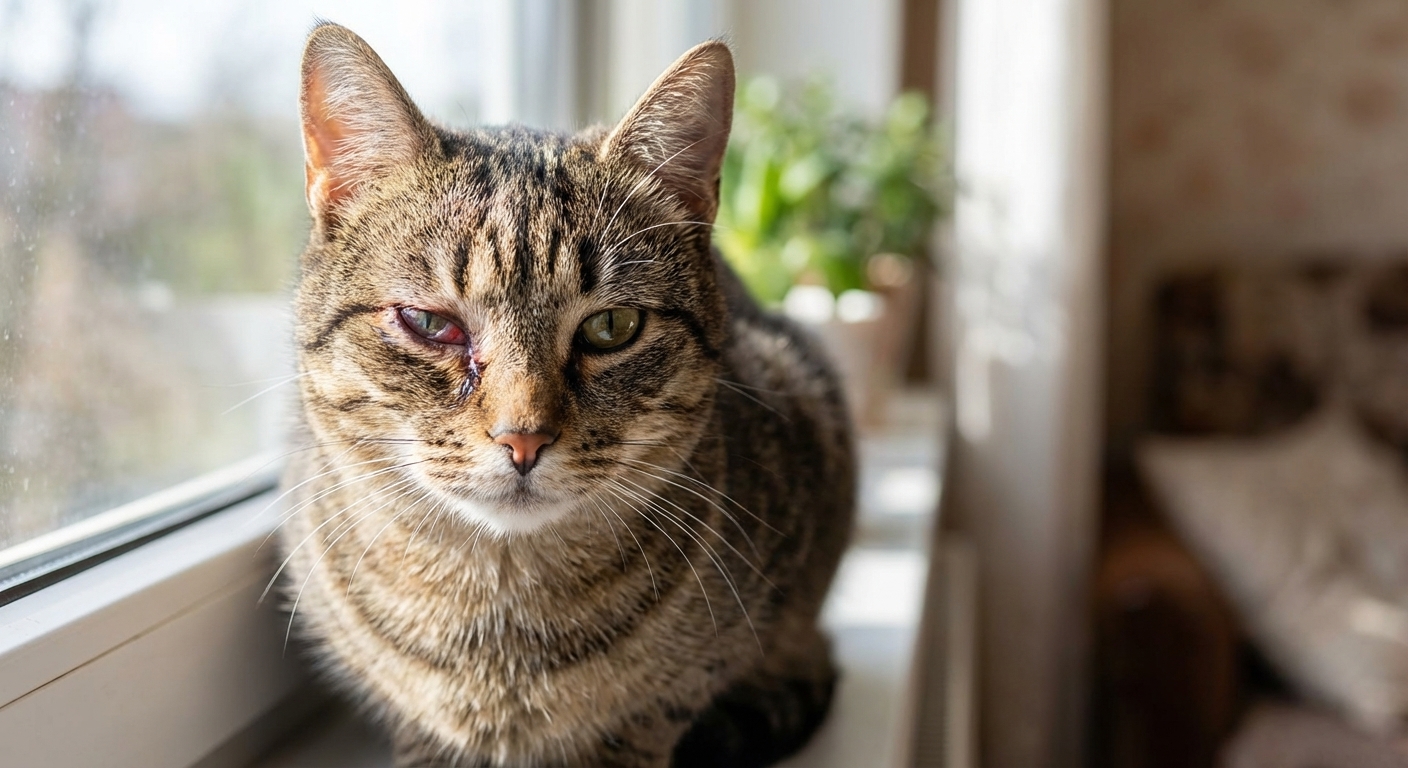
Cat sneezing, congestion, or watery eyes? Learn common feline URI signs, how long they last, safe home care, vet treatments, what not to give, and when to se...
Article
•
Designer Mixes
Help Your Cat With a Cold

Shari Shidate
Designer Mixes contributor
If your cat is sniffling, sneezing, or acting a little off, it can be scary, especially because cats tend to hide discomfort. The good news is that some mild upper respiratory infections (URIs) improve with supportive care at home. The key is knowing what you can safely do, how to monitor progress, and when it is time to call your veterinarian.
What a cat cold usually is
Most cat colds are URIs caused by viruses, especially feline herpesvirus (FHV-1) and feline calicivirus (FCV). These spread easily in multi-cat homes, shelters, and boarding environments. Sometimes bacteria take advantage of irritated airways and create a secondary infection.
Even though we call it a cold, it is not the same viruses that cause human colds. And some human cold medicines are dangerous for cats, so home treatment should be focused on comfort and hydration, not over-the-counter products.
Common signs you might see
- Sneezing and nasal congestion
- Runny nose or crusty nostrils
- Watery eyes, squinting, or eye discharge
- Noisy breathing or snoring sounds from congestion
- Coughing (less common than sneezing, and can also point to other issues like asthma)
- Less appetite, less energy
- Mouth ulcers or drooling (more common with calicivirus)
A mild URI often looks like a kitty version of a head cold. The biggest concern is that congestion can reduce smell, and cats who cannot smell well frequently stop eating.
At-home care that can help
1) Keep your cat eating, even if it takes some creativity
Appetite support is one of the most important ways to help cats bounce back. Cats can get into trouble quickly if they stop eating, especially if they are overweight or have other health issues.
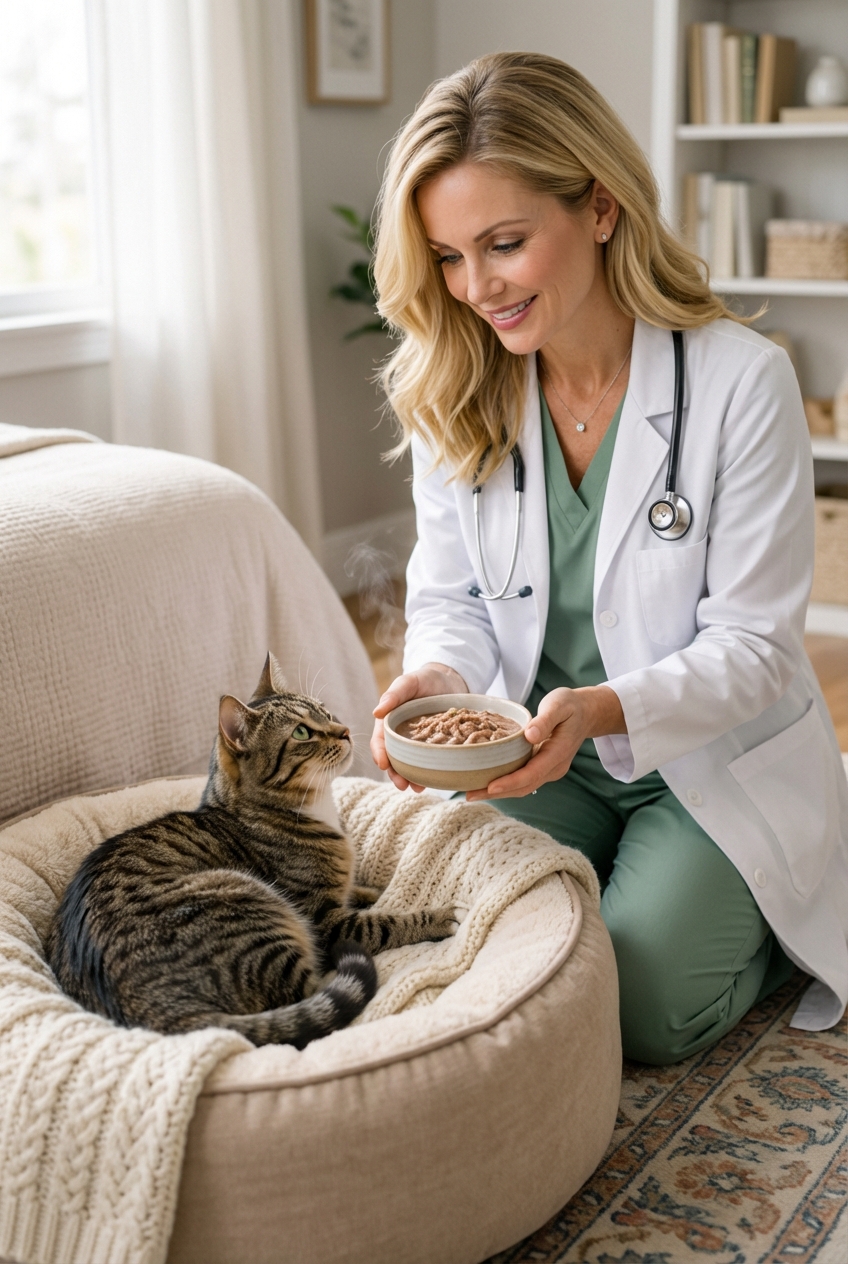
- Warm the food for a few seconds so it smells stronger. Think warm, not hot.
- Offer wet food more often, in smaller meals.
- Use strong-smelling toppers occasionally like canned tuna in water or sardines in water (avoid oil-packed or seasoned varieties, and keep amounts small). A little warmed plain chicken can also help.
- Hand-feed or offer on a flat plate if your cat is reluctant.
If your cat refuses food for about 24 hours, or is a kitten who is not eating well, call your veterinarian. Call sooner if your cat has diabetes, liver disease risk, other chronic illness, or if you are worried.
2) Increase hydration
Hydration supports mucus clearance and overall recovery. Many cats do better with extra moisture.
- Prioritize wet food.
- Add a little warm water or low-sodium broth (no onion or garlic) to meals.
- Provide multiple water stations, or use a cat fountain.
If your cat is drinking less than usual, will not drink at all, seems dehydrated (tacky gums, sunken eyes), or is hiding more than usual, call your vet sooner.
3) Gentle humidity for congestion
Warm humidity can loosen mucus and make breathing more comfortable.
- Run a hot shower and sit with your cat in the bathroom for 10 to 15 minutes, 1 to 2 times daily.
- Alternatively, use a cool-mist humidifier near their resting area.
Safety note: do not put your cat near running hot water or direct steam, and do not confine them if it causes stress. The goal is comfortable humidity, not heat.
4) Gently clean eyes and nose
Crusty discharge can make cats feel miserable, and it can irritate delicate skin.
- Use a soft cotton pad with warm water or sterile saline.
- Wipe from the inner corner of the eye outward, using a clean pad for each eye.
- For noses, soften crusts first with warm moisture, then wipe gently.
5) Rest, warmth, and low stress
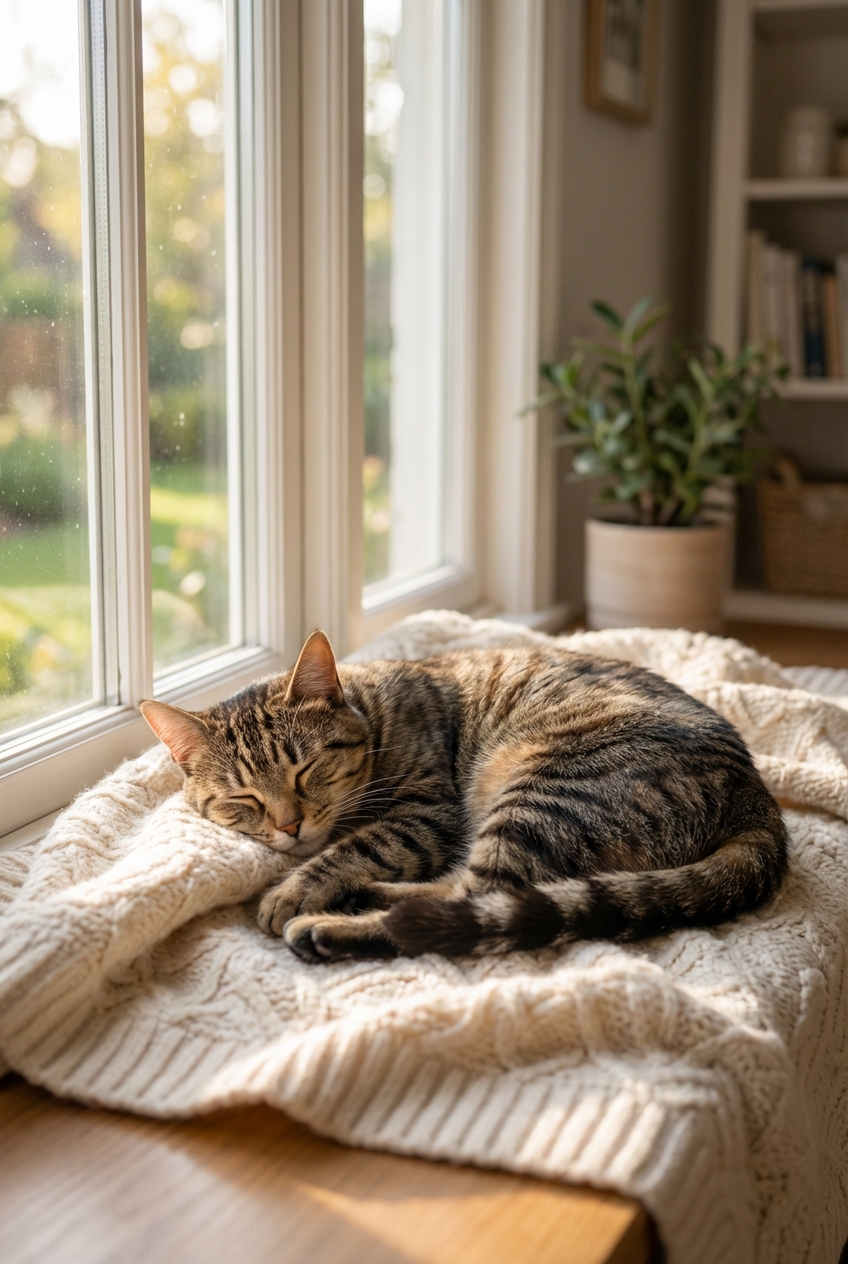
Think cozy recovery mode. Provide a warm bed, keep your home comfortably warm, and reduce household stressors like loud noises and unfamiliar visitors.
6) Reduce spread in multi-cat homes
If you have more than one cat, separate the sick cat if you can, and avoid sharing bowls, bedding, and litter boxes. Wash hands between cats and clean commonly touched surfaces. This helps reduce spread, especially in close quarters.
7) Simple monitoring
Once or twice daily, take a quick look at the basics: appetite, water intake, energy level, breathing effort, and any changes in eye or nose discharge. Jotting down notes can help you spot improvement or decide it is time to call.
What not to do
- Do not give human cold medications (decongestants, cough syrups, acetaminophen, ibuprofen). Many are toxic to cats.
- Do not use essential oils to open the sinuses. Cats are extremely sensitive to many oils and fumes.
- Do not force-feed without veterinary guidance, especially if your cat may be nauseated or struggling to breathe.
- Do not wait too long if breathing or appetite is a concern. Cats can decline fast.
When to call the vet right away
Supportive care is helpful for mild cases, but URIs can become serious. Contact your veterinarian promptly if you notice:
- Labored breathing, open-mouth breathing, or fast breathing
- Gums or tongue look pale or bluish
- Not eating for about 24 hours (or sooner for kittens, seniors, or cats with medical conditions)
- Not drinking, or signs of dehydration (tacky gums, marked lethargy)
- Repeated vomiting or severe lethargy
- Colored, bloody, or worsening discharge from nose or eyes, especially with fever, lethargy, or poor appetite (color alone does not confirm bacteria, but it does need assessment)
- Eye squinting, swelling, cloudiness, or obvious pain (eye problems need fast attention)
- Symptoms lasting more than 7 to 10 days, or worsening after initial improvement
- Your cat is a kitten, senior, pregnant, brachycephalic (flat-faced), immunocompromised, or has asthma or heart disease
In some cases, your vet may recommend testing or treatment such as antivirals, antibiotics for suspected secondary bacterial infection, eye medications, appetite support, fluids, or nebulization instructions. They may also want to rule out other causes like dental disease, a foreign body, asthma, pneumonia, or other lung problems, especially if cough is the main sign.
How long does a cat cold last?
Many mild URIs improve within 7 to 10 days. If feline herpesvirus is involved, stress can trigger flare-ups later. That does not mean you did anything wrong. It means your cat may need extra stress reduction and early supportive care when symptoms start.
Prevention that works
Vaccines matter
Core vaccines help reduce severity and spread of common respiratory viruses. They do not guarantee your cat will never sneeze again, but they often make infections milder and safer.
Reduce exposure and stress
- Quarantine new cats or fosters for 10 to 14 days if possible.
- Wash hands between cats, and keep shared bowls and litter areas clean.
- Support a calm routine, especially in multi-cat homes.
Nutrition and hydration support immunity
Consistent, high-quality nutrition and good hydration help the immune system do its job. If your cat has frequent URI symptoms, your veterinarian can help you assess underlying triggers like dental disease, chronic herpes flare-ups, allergies, asthma, or environmental irritants.

Quick checklist for today
- Offer warm, strong-smelling wet food and track how much your cat eats.
- Increase hydration with wet food and added water.
- Run a humidifier or do a calm bathroom humidity session.
- Gently wipe eyes and nose with warm water or saline.
- Separate from other cats if possible and avoid sharing bowls and litter.
- Call your vet if breathing, appetite, drinking, or eye pain is a concern.
If you are ever unsure, trust your instincts. A quick call to your veterinary clinic can save you stress and help your cat feel better sooner.