Vet-informed guide to a short-term bland diet for dogs: chicken and rice 1:2 ratio, daily cup ranges by weight, how many meals to split into, and red flags t...
Article
•
Designer Mixes
Help a Dog With an Upset Stomach

Shari Shidate
Designer Mixes contributor
As a veterinary assistant here in Frisco, Texas, I hear “My dog’s stomach is upset” almost daily. The tricky part is that an upset stomach can be something minor (like a new treat), or it can be your dog’s early warning sign that something more serious is going on. The goal is to calm the gut safely, prevent dehydration, and know exactly when it is time to call your veterinarian.
Common causes
Upset stomach is a symptom, not a diagnosis. These are some of the most common culprits:
- Dietary indiscretion: a fancy way of saying your dog ate something they should not have, like trash, table scraps, fatty foods, new treats, bones, chews, or they had a sudden diet change.
- Food sensitivity or intolerance: especially after switching foods too quickly.
- Parasites: like giardia, hookworms, roundworms, or whipworms.
- Stress: boarding, travel, a new pet, or schedule changes.
- Infections: viral or bacterial gastroenteritis.
- Medications: some pain meds, antibiotics, or supplements can irritate the GI tract.
- Serious issues: pancreatitis, foreign body obstruction, bloat, toxin exposure, or underlying disease.
If you know your dog got into something questionable, that context matters. When in doubt, contact your veterinarian sooner rather than later. It is always easier to treat a problem before dehydration and inflammation ramp up.
First: is this an emergency?
Home care is only appropriate for mild stomach upset in an otherwise bright, alert dog. Contact a veterinarian urgently (or go to emergency) if you notice any of the following:
- Repeated vomiting, inability to keep water down, or vomiting that continues longer than 12 to 24 hours (sooner if your dog is small, very young, very old, or has other symptoms)
- Blood in vomit or stool, or black, tarry stool
- Severe diarrhea, or diarrhea lasting longer than 24 to 48 hours (sooner for small dogs, puppies, seniors, or if your dog seems weak)
- Swollen or tight belly, unproductive retching, pacing, or obvious abdominal pain
- Extreme lethargy, collapse, weakness, fever, or pale gums
- Signs of dehydration (tacky gums, sunken eyes, skin that stays “tented”)
- Known or suspected toxin exposure (xylitol, chocolate, grapes/raisins, medications, etc.)
- Possible foreign object ingestion (toy pieces, socks, corn cobs, bones)
- Puppies, seniors, pregnant dogs, or dogs with chronic conditions (kidney disease, diabetes, Addison’s, etc.)
Special note: if your dog is a deep-chested breed (like a German Shepherd, Great Dane, Standard Poodle, Doberman), unproductive retching with a distended abdomen can be a red flag for bloat. That is an immediate emergency.
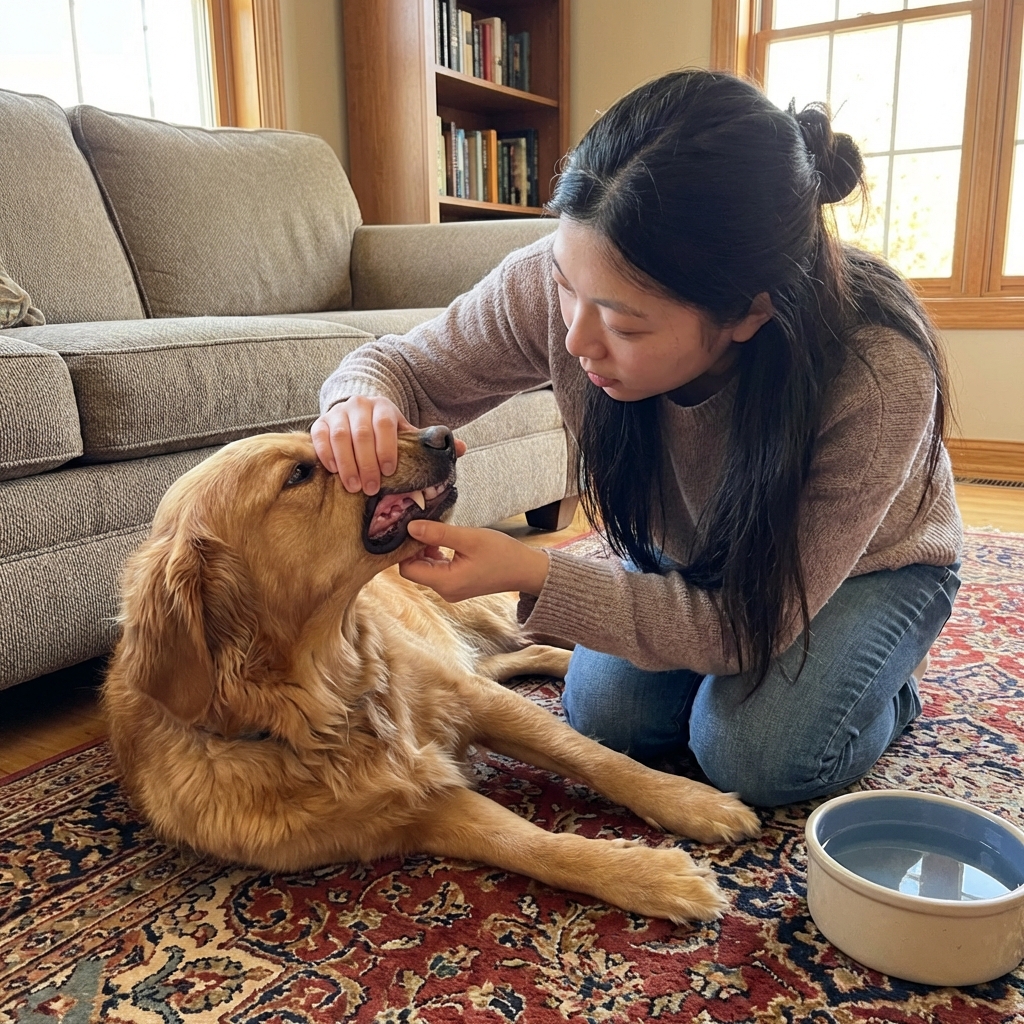
Home care for mild upset
1) Rest the stomach briefly (vomiting)
If your dog vomited once or twice but is otherwise acting normal, your veterinarian may recommend a brief break from food to let the stomach settle. For many healthy adult dogs, that can be around 6 to 12 hours, but the right plan depends on the dog and the situation. Do not fast puppies or toy breeds without veterinary guidance, because low blood sugar can become a problem quickly.
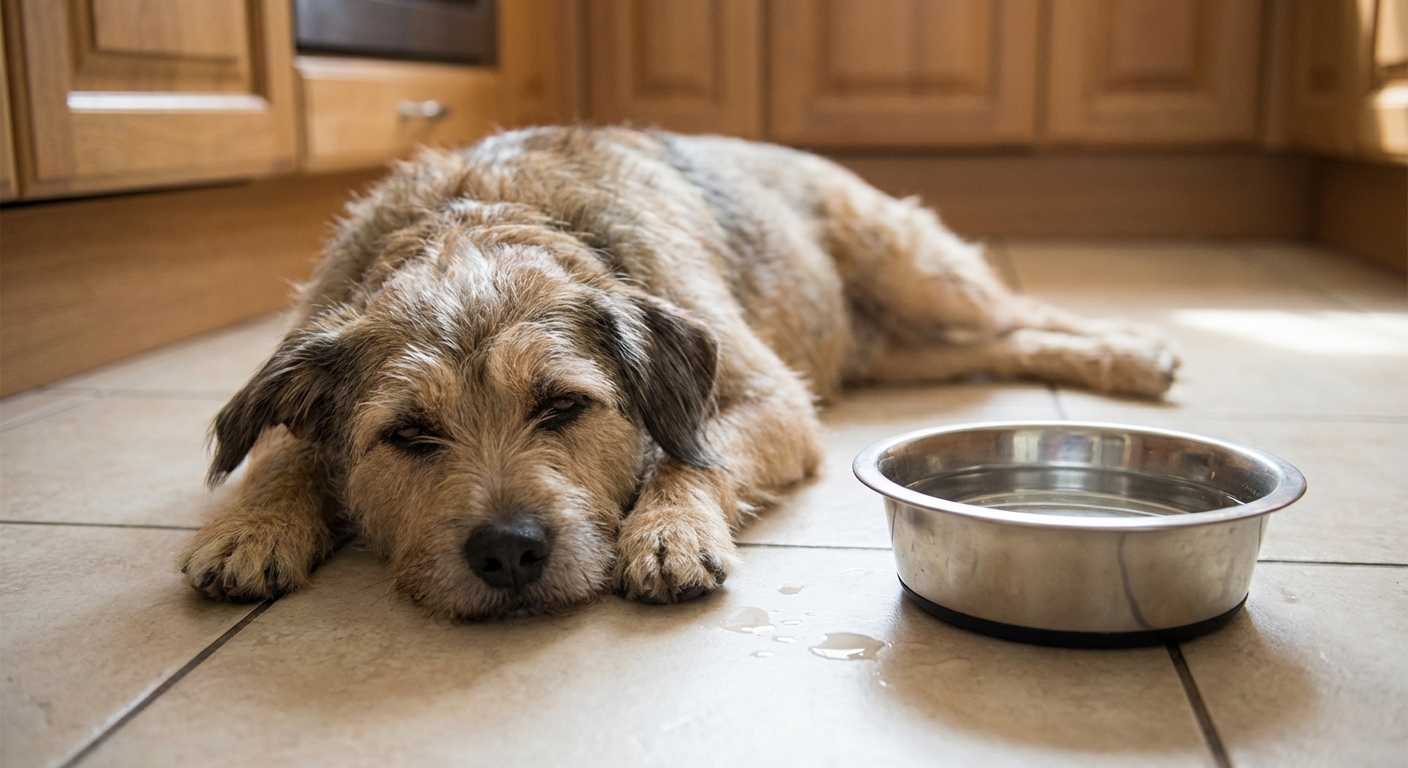
About water: dehydration is a major risk with vomiting and diarrhea, but if your dog is actively vomiting, even water can trigger another episode. In that case, follow your veterinarian’s guidance on timing and restart with tiny amounts as soon as your dog can tolerate it.
2) Offer tiny amounts of water
If your dog gulps a whole bowl and vomits, switch to smaller portions: a few licks or a small amount every 10 to 15 minutes. You can also offer ice chips. If your dog cannot keep even small sips down, contact your veterinarian.
3) Start a bland diet in small meals
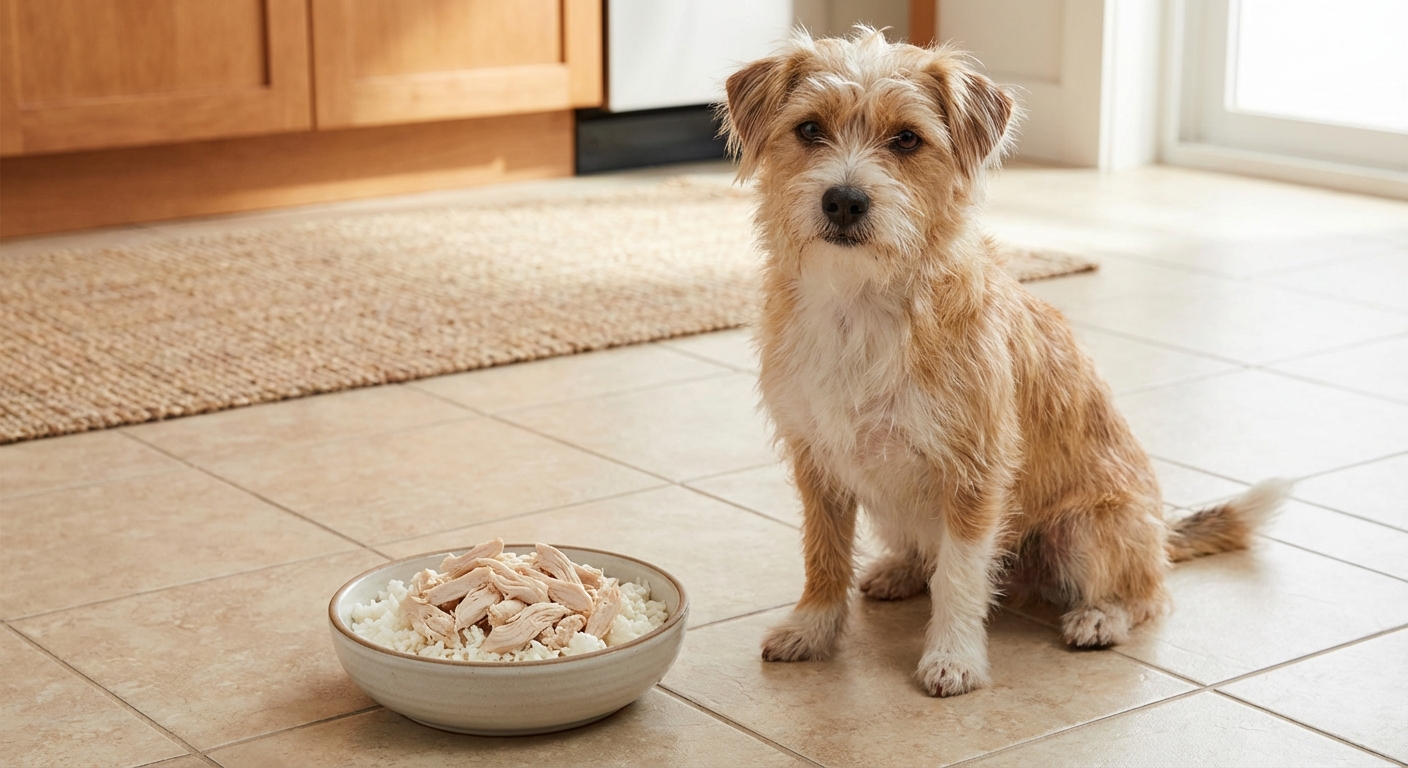
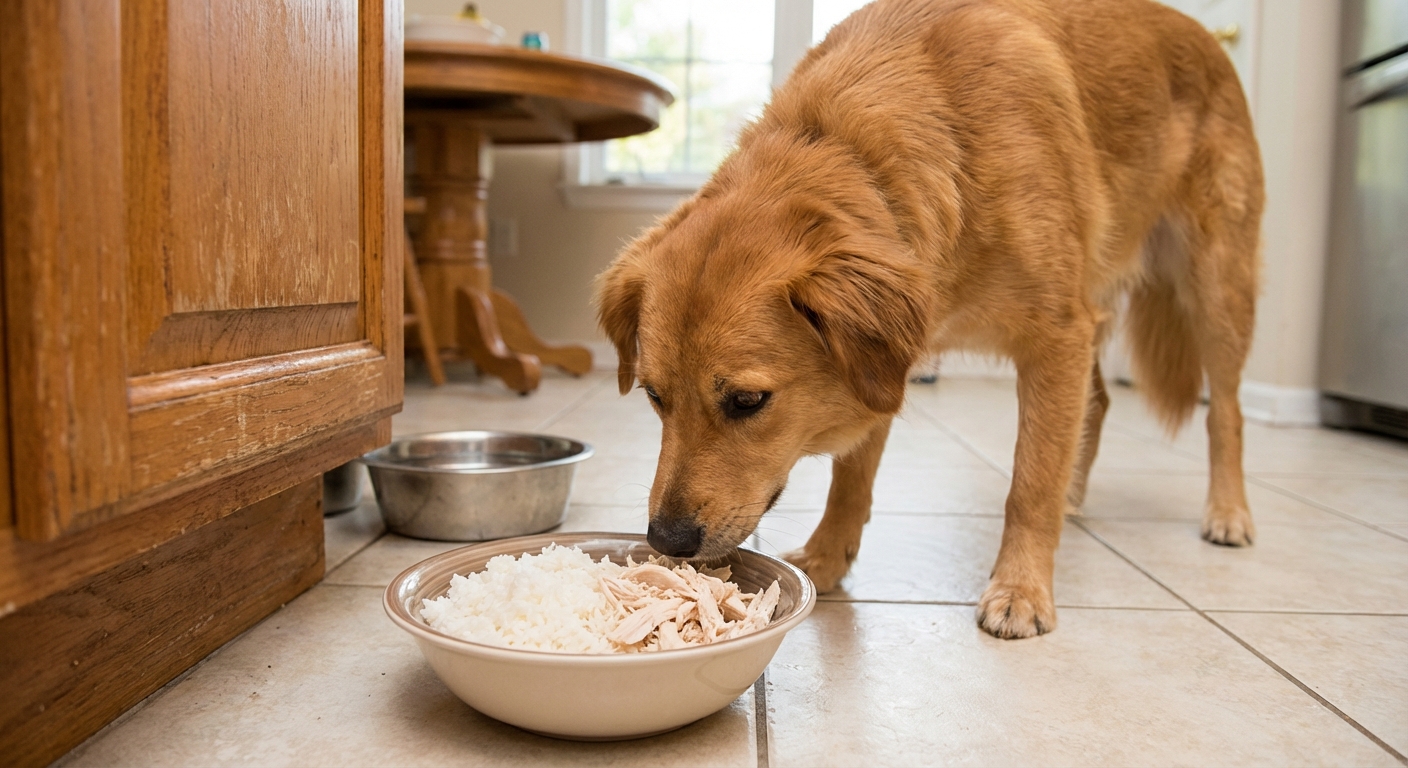
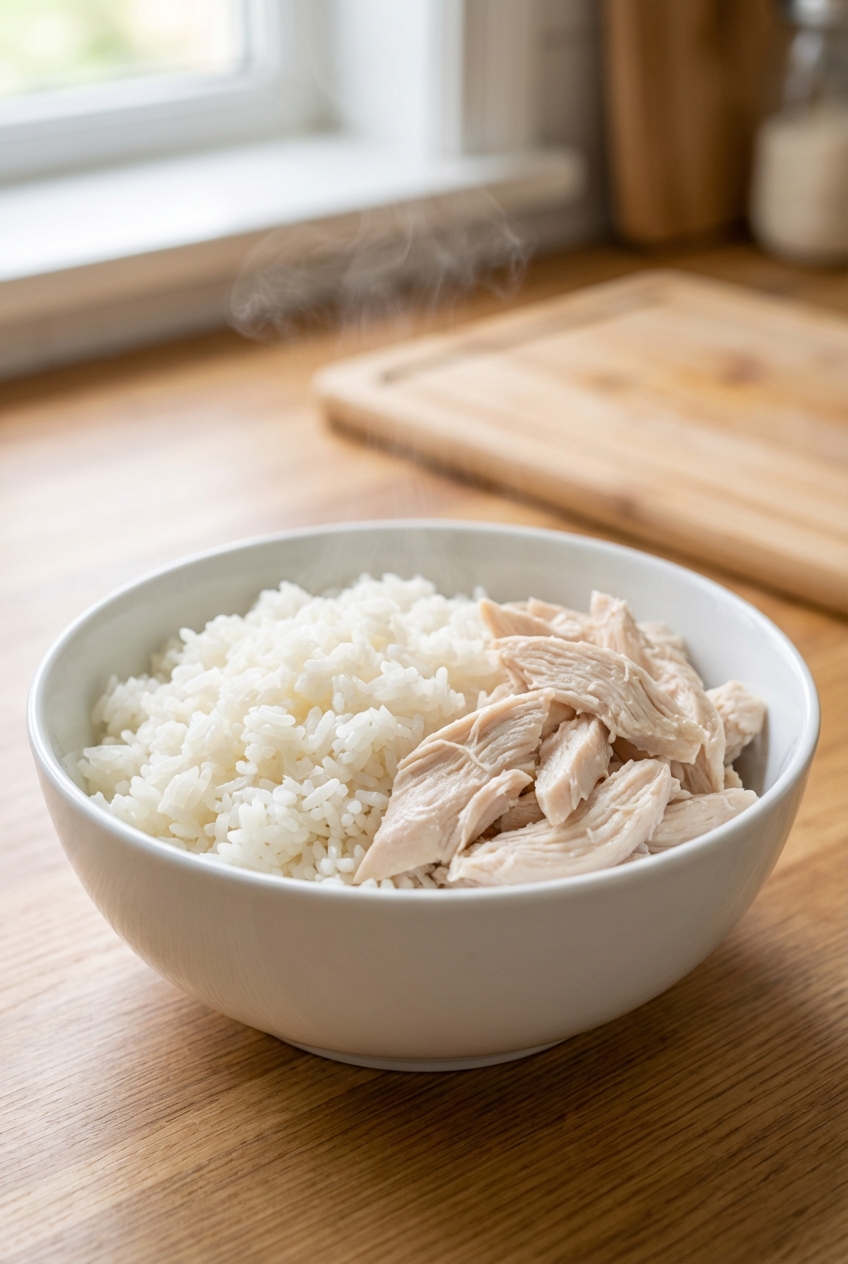
Once vomiting has stopped and your dog seems interested in food, offer a bland meal in small portions. A classic option many clinics use for short-term stomach upset is:
- Boiled skinless chicken breast (or very lean turkey)
- Plain white rice
A common starting ratio is 1 part protein to 2 parts rice, but exact ratios are less important than keeping it low-fat and easy to digest.
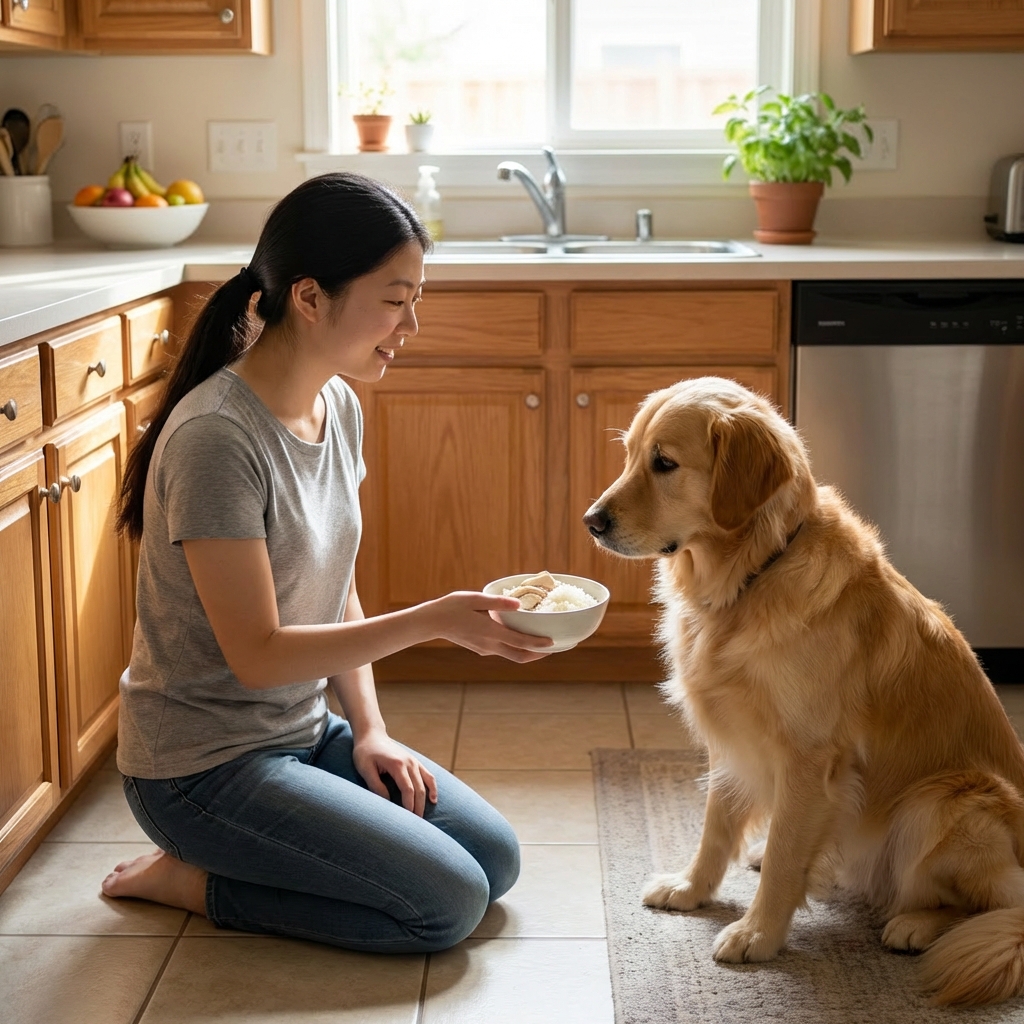
How small is “small”? A simple rule of thumb is to start with about 25 percent of your dog’s usual meal size, then repeat that small amount every 3 to 4 hours (roughly 4 to 6 mini meals per day) if things stay calm. If your dog vomits again, pause and contact your veterinarian.
Important: home bland diets are for short-term use only (often 2 to 3 days) unless your veterinarian tells you otherwise. They are not complete and balanced long-term nutrition. Some dogs do best with a prescription gastrointestinal diet instead.
If your dog has a history of pancreatitis, be extra cautious about fat and check with your veterinarian for the best plan.
4) Gentle add-ons (if needed)
For some dogs, these can help, but keep it simple and add one thing at a time:
- Plain canned pumpkin (not pie filling): can help normalize stool. Typical starting amounts are 1 to 2 teaspoons for small dogs and 1 tablespoon for larger dogs. Too much can cause gas or looser stool, so start small.
- Probiotics made for dogs: can support the gut microbiome, especially after stress or antibiotics.
- Electrolytes: only if your veterinarian approves. Many human sports drinks are too sugary and can worsen diarrhea. Your clinic may recommend a veterinary oral rehydration solution instead.
Avoid rich foods, oils, butter, high-fat meats, and heavy “people food.” When the stomach is upset, bland and boring is your best friend.
What not to do
- Do not give human medications like Pepto-Bismol, Imodium, aspirin, or ibuprofen unless your veterinarian specifically instructs you. Some can be dangerous, interact with other meds, or mask important symptoms. Imodium can be especially risky for some herding breeds and dogs with certain health conditions.
- Do not abruptly switch foods again and again. Frequent changes can keep the GI tract irritated.
- Do not use bones or fatty treats to “tempt” eating. That is a common trigger for pancreatitis and diarrhea.
- Do not ignore dehydration. A dog can go downhill quickly, especially small dogs and puppies.
What to monitor at home
If you are trying gentle home care, keep notes for the next 24 to 48 hours. Trends matter, and this helps your veterinarian if you need to call.
- Vomiting: how many times, when, and what it looks like (food, foam, bile)
- Stool: frequency and appearance (watery, soft, mucus, blood, black and tarry)
- Appetite and ability to keep food down
- Water intake and whether water stays down
- Energy level and comfort (resting normally versus restless, painful, or hiding)
- Urination (less pee can be a dehydration clue)
If the vomiting or diarrhea is increasing, your dog seems more tired, or you are seeing any dehydration signs, it is time to contact your veterinarian.
Back to normal food
When stools are improving and vomiting has stopped, transition back slowly over 3 to 5 days:
- Day 1: 75% bland diet, 25% regular food
- Day 2: 50% bland, 50% regular
- Day 3: 25% bland, 75% regular
- Day 4 to 5: 100% regular food
If diarrhea returns, step back to the previous day’s ratio and contact your veterinarian if it persists.
When to call your veterinarian
Reach out if:
- Your dog’s appetite is still low after 24 hours
- Diarrhea lasts more than 48 hours
- Your dog has recurring episodes (weekly or monthly “mystery tummy”)
- Your dog has known allergies, GI disease, or is on long-term medications
Your veterinarian may recommend a fecal test for parasites, bloodwork to check hydration and organ function, X-rays to rule out obstruction, or a prescription GI diet for a short period.
And if the stomach upset keeps coming back, it is worth digging deeper. Recurrent GI signs can be linked to chronic enteropathy, food allergy, pancreatitis, endocrine disease, or other underlying issues that need a tailored plan.
Prevention tips
- Transition foods slowly over 7 to 10 days.
- Keep trash secured and supervise chews and toys.
- Use a consistent treat strategy: small portions, low fat, and limited variety.
- Stay current on parasite prevention and do fecal checks as recommended.
- Manage stress: predictable routines and slow introductions to new environments can help sensitive dogs.
One of the biggest prevention wins is simply paying attention to patterns. If your dog gets loose stool after a certain treat, chew, or weekend “extra snacks,” that is your clue to simplify.
A gentle reminder
You do not have to figure this out alone. Mild tummy troubles are common, but you know your dog best. If something feels “off,” trust that instinct and contact your veterinarian. Early support can prevent dehydration, reduce discomfort, and help your dog bounce back faster.