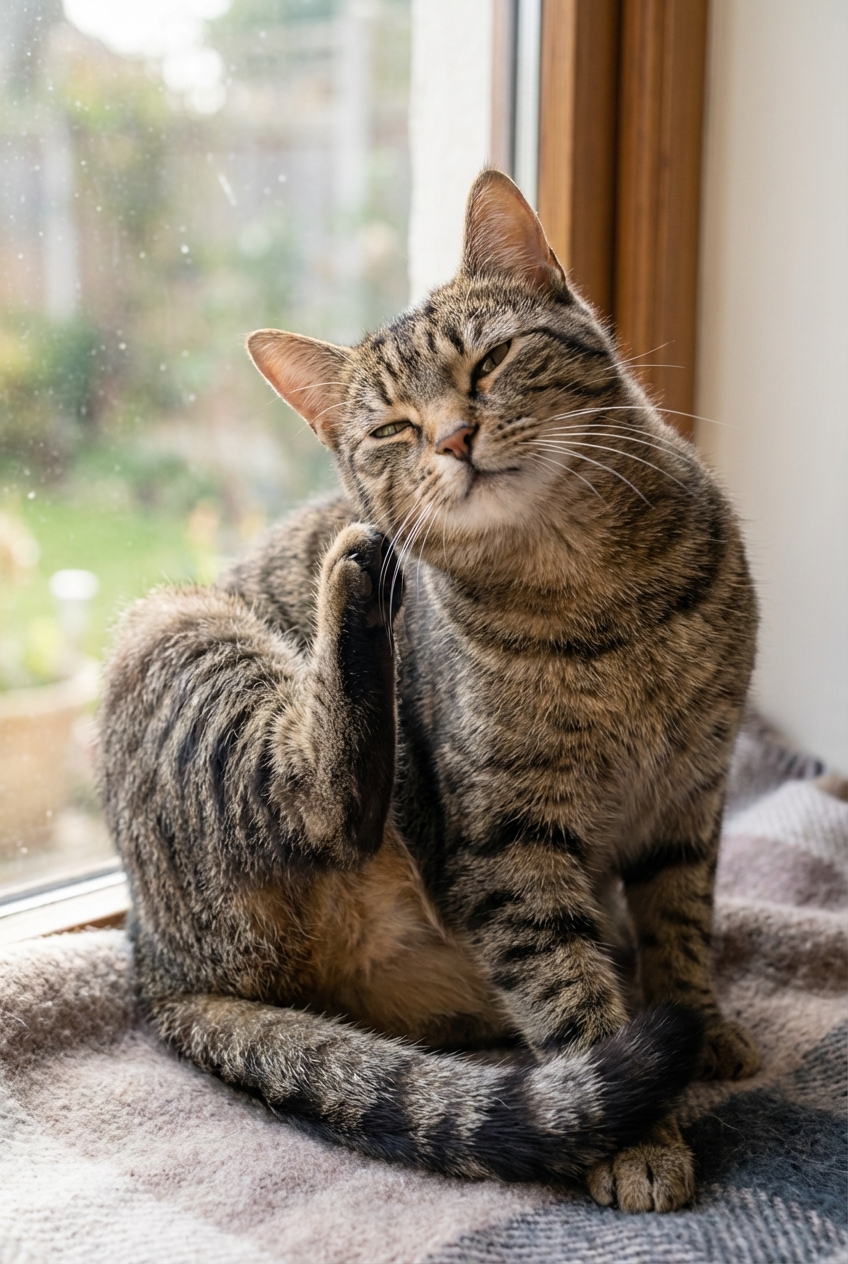
From fleas and allergies to mites, infections, ringworm, and stress grooming—learn the top causes of itchy skin in cats, key symptoms, vet diagnostics, and...
Article
•
Designer Mixes
Help a Cat With Itchy Skin at Home

Shari Shidate
Designer Mixes contributor
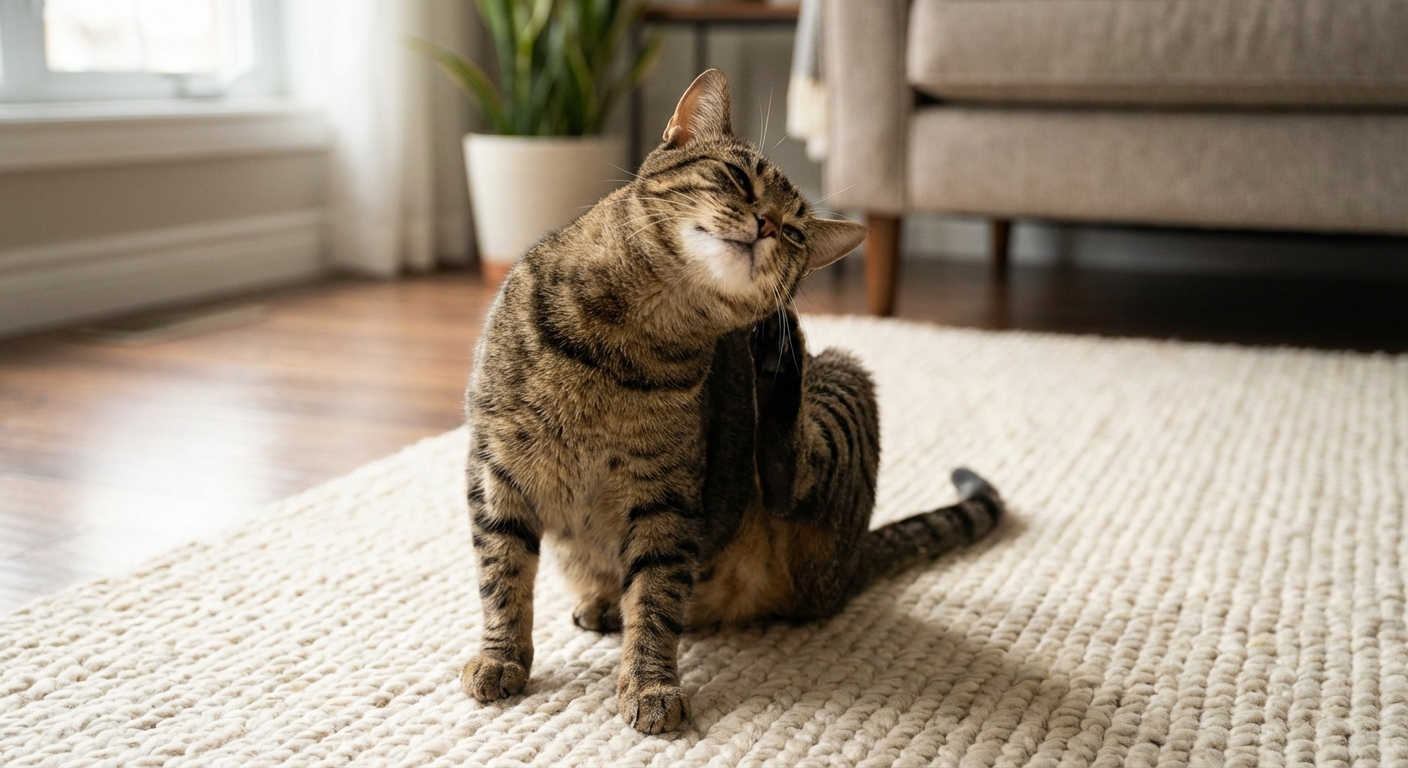
If your cat is licking, scratching, or chewing at their skin, it is tempting to reach for a quick fix. I get it. Itchy skin can make a sweet cat miserable fast, and it can keep the whole household up at night. The good news is that many mild cases improve with simple, evidence-based home care while you and your veterinarian work to find the root cause.
In this article, I will walk you through safe ways to soothe itch at home, the most common reasons cats get itchy, and the warning signs that mean it is time to see your vet right away.
First, check for urgent red flags
Home care is for mild itch with a cat who is otherwise acting normal. If you see any of the signs below, skip the home steps and schedule a vet visit as soon as you can.
- Open sores, bleeding, or oozing skin
- Facial swelling, hives, or sudden widespread redness
- Hair loss in patches with scabs or crusting
- Strong odor from the skin or ears
- Ear pain, head shaking, or dark debris in the ears
- Fleas visible or flea dirt that keeps coming back
- Not eating, hiding more than usual, fever, or lethargy
- Rapidly worsening itch or itch that is not improving within 7 to 14 days despite home steps
What is flea dirt? It looks like black pepper-like specks in the coat. If you place a few specks on a damp paper towel, they often smear reddish-brown because they are digested blood.
Also call your veterinarian promptly if your cat is very young, elderly, pregnant, or has chronic illness. Their skin issues can escalate faster and treatment choices are narrower. If you have concerns about ringworm (a contagious fungal infection that can spread to people), your vet should evaluate it. Ringworm often causes patchy hair loss and scaling, and itch can vary from none to intense.
Why cats get itchy (most common causes)
Itchy skin is a symptom, not a diagnosis. In cats, the top causes I see in clinic settings are:
- Fleas and flea allergy dermatitis: Many cats are allergic to flea saliva. Even one bite can trigger days of itching.
- Environmental allergies: Pollens, molds, dust mites, and even household sprays can contribute.
- Food allergy or food sensitivity: Can contribute to itch, skin lesions, or recurring ear inflammation. Patterns like head and neck itch can happen, but they are not diagnostic on their own.
- Dry skin: Low humidity, frequent grooming, harsh shampoos, or poor coat condition can make skin feel tight and flaky.
- Skin infection: Bacterial or yeast overgrowth can happen secondary to allergies or overgrooming.
- Mites: Some are contagious. Some cause intense itch even when you cannot see them.
- Stress and overgrooming: Cats can lick as a self-soothing behavior, then the skin becomes inflamed and itchier.
- Pain or medical “itch mimics”: Not all licking is allergy. Arthritis, bladder discomfort, constipation, or anal gland irritation can drive licking that looks like itch.
- Ringworm: A fungal infection that often causes patchy hair loss and scaling. It needs veterinary testing to confirm.
The most helpful mindset is: soothe the skin while you reduce the triggers and gather clues for your vet.
At-home steps that are safe and actually help
1) Treat fleas correctly, even if you do not see any
This is one of the highest-impact first steps for many itchy cats. Cats groom so well that fleas may not be obvious.
- Use a veterinarian-recommended flea prevention labeled for cats. Many effective options are monthly topicals or oral medications.
- Avoid dog flea products on cats. Many contain permethrins that can be toxic to cats.
- Treat every pet in the home that can carry fleas, and keep it consistent for at least 3 months. In heavier infestations or in high-flea regions, it often takes longer. Follow your veterinarian and product guidance.
- Wash bedding and vacuum carpets and baseboards weekly during outbreaks.
If your cat is indoor-only, fleas can still hitch a ride on humans, dogs, or used furniture.
What not to do: Avoid layering multiple flea products at the same time unless your veterinarian tells you to. Be cautious with over-the-counter flea shampoos, collars, and sprays, especially those containing pyrethrins or permethrins, since cats are more sensitive to these ingredients.
2) Support the skin barrier with moisture
Dry skin can worsen itch and make allergies feel more intense. You can help by improving hydration from the inside out.
- Increase water intake: Offer a water fountain, add extra bowls, or mix water into canned food.
- Choose a high-moisture diet when possible: Many cats do better with at least some canned food.
- Humidify the home in dry months: A clean, well-maintained humidifier can reduce flaking.
Skip coconut oil or heavy oils on the coat. Cats lick everything, and greasy coatings can upset the stomach and mat the fur.
3) Consider omega-3s (helpful as an add-on)
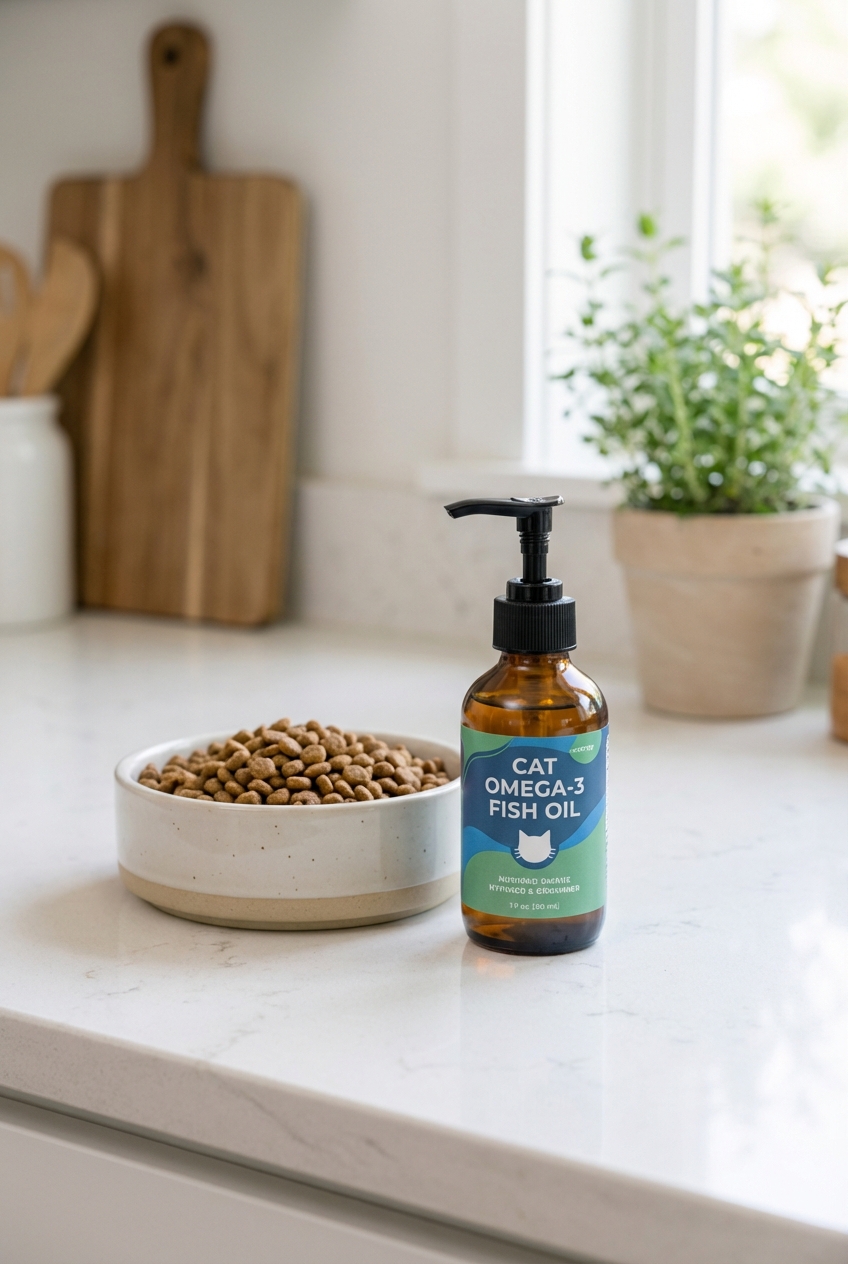
Omega-3 fatty acids (EPA and DHA) may reduce skin inflammation and support the skin barrier. In veterinary dermatology, omega-3s are commonly used as an adjunct for allergic skin disease, not as a stand-alone anti-itch treatment. They also tend to work gradually, so give it a few weeks to judge benefit.
- Use a pet-specific fish oil or a product your veterinarian recommends. Quality and dosing matter.
- Ask your vet for a dose based on your cat’s weight and the product concentration.
- Introduce slowly to avoid loose stools.
- Store properly: Fish oils go rancid. Keep them sealed and away from heat and light.
If your cat is on blood-thinning medications, has pancreatitis history, or is scheduled for surgery, ask your vet before starting omega-3s.
4) Reduce common household irritants
Cats are close to the floor and have sensitive airways and skin. Small changes can make a big difference.
- Switch to fragrance-free laundry detergent for pet bedding and blankets.
- Avoid plug-in air fresheners, heavy perfumes, and scented litter if you suspect sensitivity.
- Use gentle cleaning products and keep cats away until surfaces are fully dry.
- Choose low-dust litter to reduce irritant exposure.
5) Soothe mild itch with safe grooming
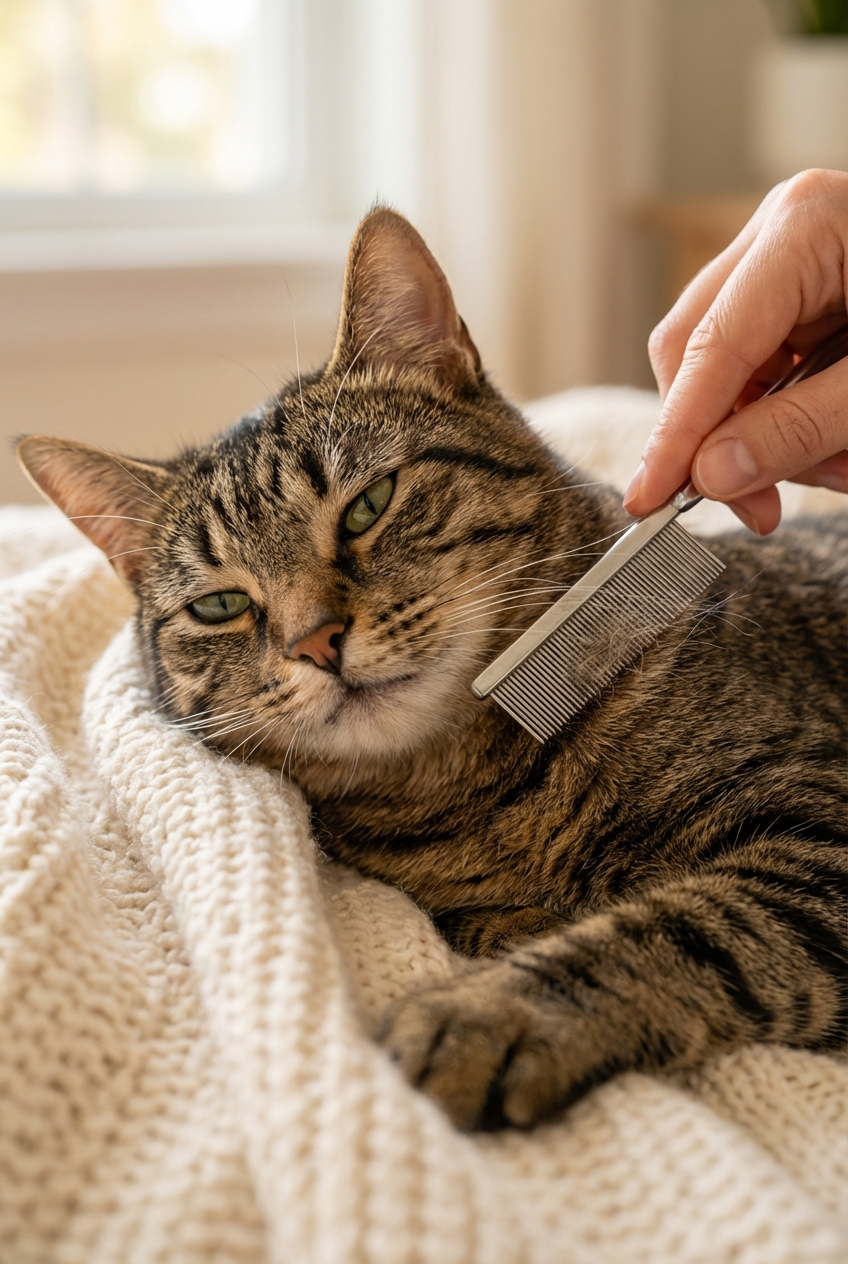
Gentle grooming can remove allergens, spread natural oils, and reduce tangles that pull at the skin.
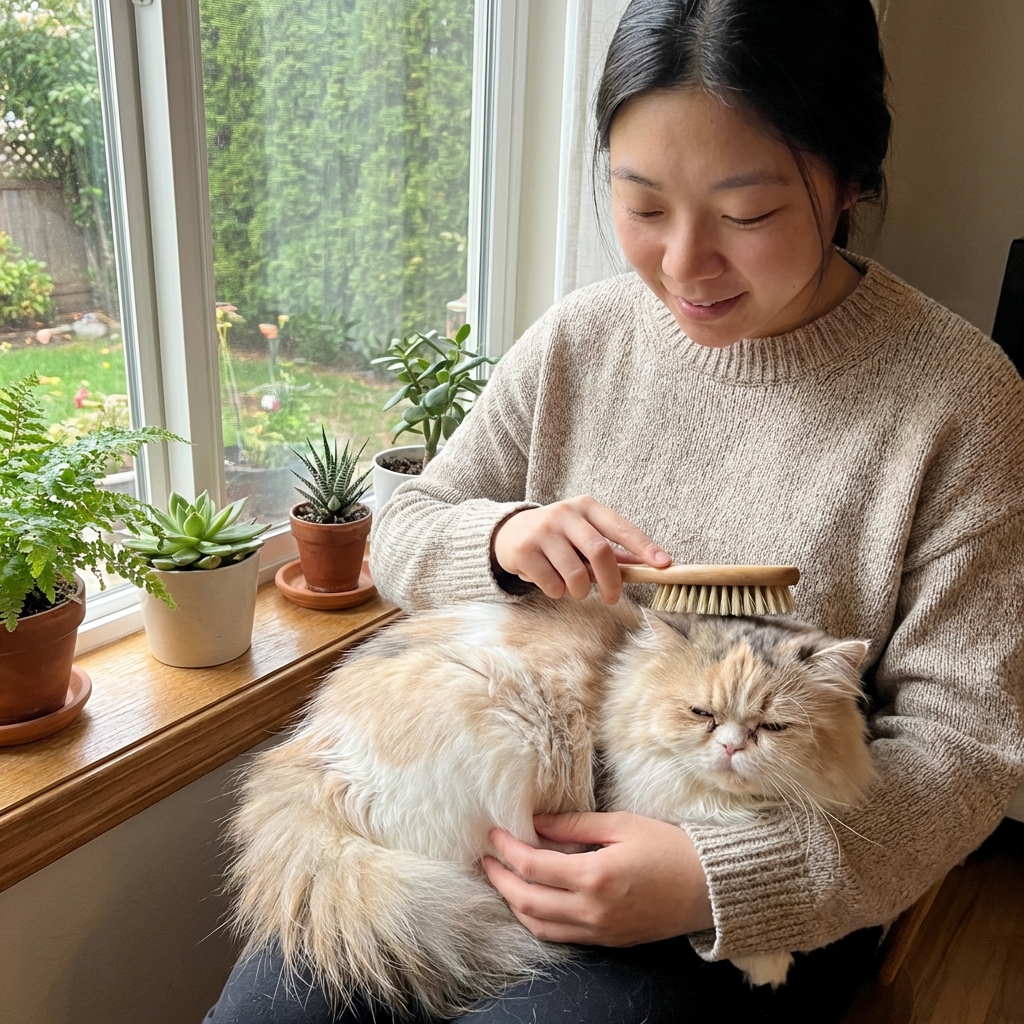
- Brush daily for short periods, especially during shedding seasons.
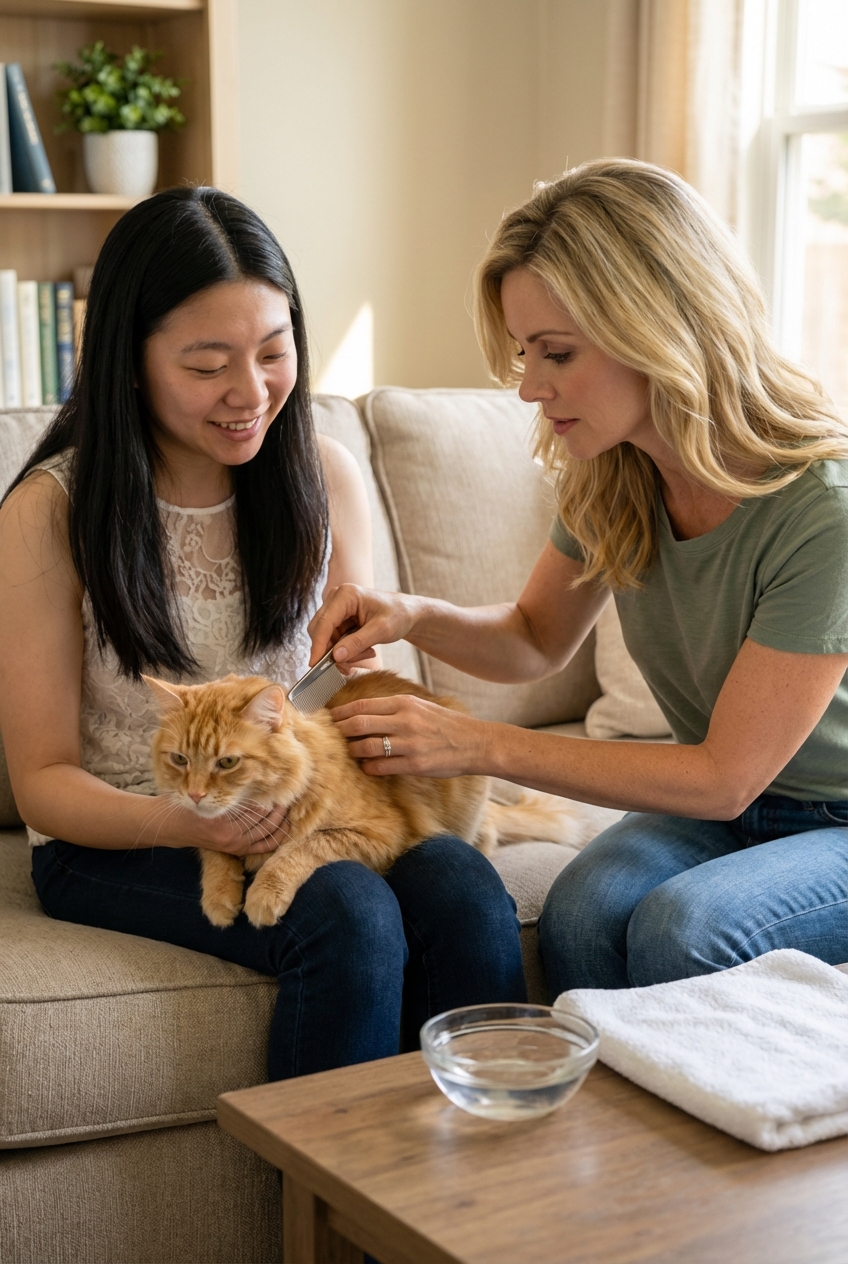
- Use a damp cloth wipe-down for cats that tolerate it: lightly wipe the coat to pick up pollen and dust.
- Avoid frequent baths unless your veterinarian directs you. Many cats develop more dryness after bathing.
If you do bathe a cat for a medical reason, only use a cat-safe, fragrance-free shampoo. Never use essential oils on cats, and do not use human shampoos.
6) Prevent self-trauma while you troubleshoot
When cats scratch or lick nonstop, the skin barrier breaks, and then itch and infection can spiral.
- Trim nails weekly or every other week to reduce damage.
- Use an e-collar or soft recovery collar if your cat is creating sores.
- Try a pet shirt for cats that overgroom the belly or sides, but monitor for stress and overheating.
Home remedies to avoid
I know the internet is full of DIY fixes, but some are unsafe for cats.
- Essential oils: Many are toxic to cats, even from diffusers or topical exposure.
- Human anti-itch creams (hydrocortisone, lidocaine, benzocaine): Cats lick them. Topical anesthetics like lidocaine and benzocaine can cause serious toxicity if ingested. Even hydrocortisone can be a problem if overused, applied to broken skin, or licked repeatedly. Use only products your veterinarian directs.
- Apple cider vinegar on raw skin: It stings and can worsen irritation.
- Tea tree oil: A known risk for toxicity in cats.
- Over-the-counter antihistamines without veterinary guidance: Dosing and suitability vary widely.
If you are tempted to try a product because it says “natural,” please pause. Natural does not always mean cat-safe.
When diet might be the clue
If your cat’s itch is persistent, food allergy is one possibility, although fleas and environmental allergies are more common overall. The most reliable way to evaluate food allergy is a veterinarian-guided elimination diet trial using a prescription hydrolyzed diet or a truly novel protein diet.
Here is the key point: switching proteins randomly every few weeks usually makes things harder to interpret. If you suspect food is involved, ask your vet about a structured 8 to 12 week diet trial and how to handle treats and flavored medications during the trial.
Simple 7-day checklist
If your cat is stable and you are starting home care today, this is a reasonable plan while you arrange veterinary follow-up if needed:
- Day 1: Start vet-approved flea prevention for all pets in the home, wash bedding.
- Days 1 to 7: Brush daily, wipe coat with a barely damp cloth 3 to 4 times this week.
- Days 1 to 7: Remove scented products and switch to fragrance-free laundry detergent for pet items.
- Days 3 to 7: Consider adding omega-3s if your veterinarian agrees, start low and go slow.
- All week: Track itch level and skin changes with phone photos so your vet can see progression.
Tip from a vet assistant: take one clear photo a day of the itchiest area in the same lighting. Patterns show up faster than you think.
What your veterinarian may recommend
If home care is not enough, your veterinarian can do a targeted exam and rule out the common culprits. Depending on findings, they may recommend:
- Prescription flea and parasite treatment or mite therapy
- Ear cytology for itchy ears (a quick microscope check of ear debris for yeast, bacteria, or mites)
- Skin cytology or fungal testing for infection (a microscope check or culture to look for bacteria, yeast, or fungi such as ringworm)
- Prescription anti-itch medications that are safer and more effective than guessing at home
- An elimination diet trial for suspected food allergy
- Referral to a veterinary dermatologist for recurring cases
It is always okay to advocate for your cat. If the itching keeps returning, ask what the plan is for finding the underlying cause, not just calming the flare.
Bottom line
You can help an itchy cat at home by focusing on the basics: consistent flea control, skin barrier support with hydration and possibly omega-3s, removing household irritants, and preventing self-trauma. If your cat has sores, odor, ear pain, or symptoms that are worsening or not improving within 7 to 14 days, a veterinary exam is the kindest next step. Itch is uncomfortable, but with the right plan, most cats get relief.