Turn chicken and rice into a more balanced homemade dog meal with veggies, calcium carbonate, and omega-3s. Includes gram weights, portion guidance, swaps, a...
Article
•
Designer Mixes
Heartworms in Dogs: Causes and Care Tips

Shari Shidate
Designer Mixes contributor
As a veterinary assistant here in Frisco, Texas, I can tell you heartworm disease is one of those problems that feels scary because it can be silent for a long time. The good news is that heartworms are highly preventable, and staying consistent with prevention and routine testing truly changes outcomes.

In this article, we will walk through what causes heartworms in dogs, why prevention matters so much, what signs to watch for, and what to do if your dog tests positive. This is general guidance, and your veterinarian may tailor recommendations to your dog’s exact needs.
What causes heartworms in dogs?
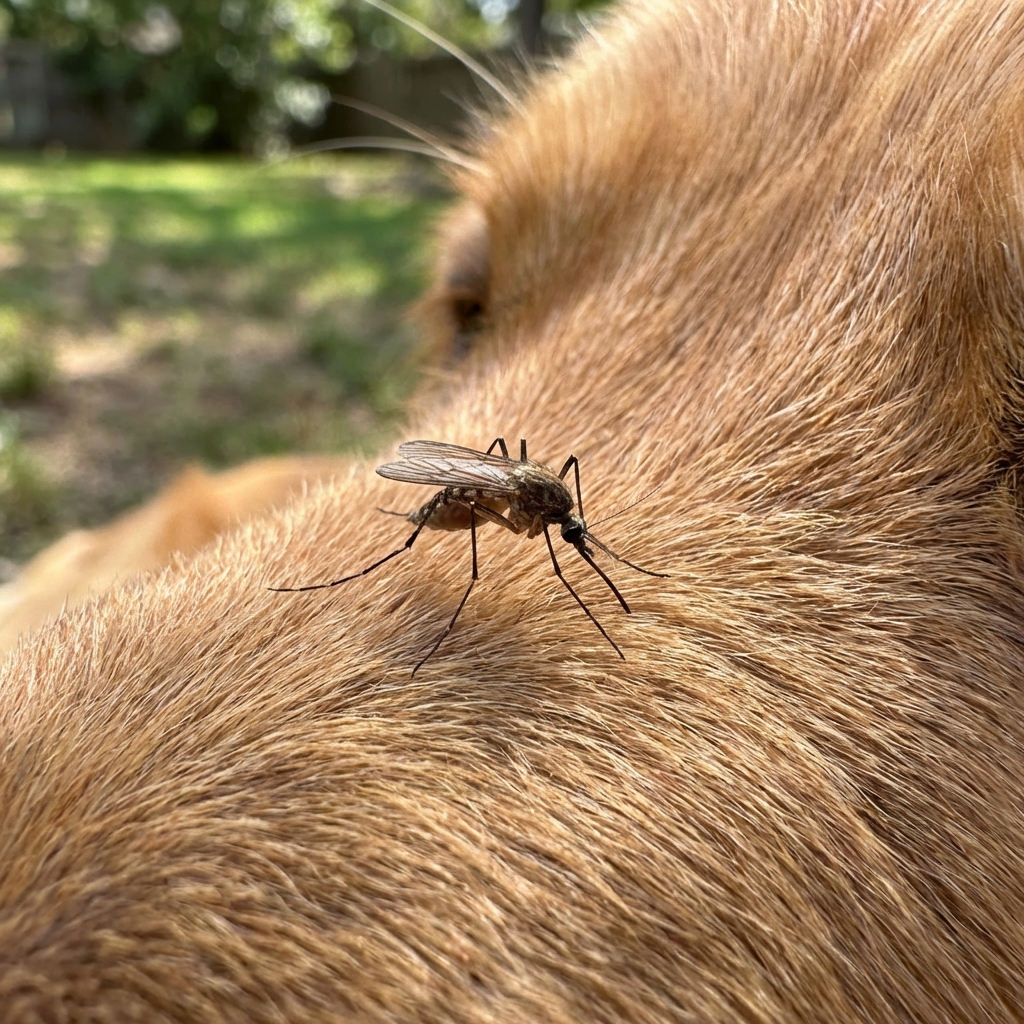
Heartworm disease is caused by a parasitic worm called Dirofilaria immitis. Dogs do not catch heartworms from other dogs directly. Instead, mosquitoes spread heartworms.
The mosquito connection
Here is the basic chain of events:
- A mosquito bites an infected animal (often a dog, but also wild canids like coyotes) and picks up microscopic heartworm larvae.
- Those larvae mature inside the mosquito into an infective stage (often called L3 larvae).
- The mosquito bites another dog and deposits the larvae into the dog’s skin.
- Over the next several months, the larvae migrate and mature into adult worms that live mainly in the pulmonary arteries. With heavier infections, worms can also extend into the heart.
That is why heartworm prevention is not just a summer thing in many areas. In Texas, mosquitoes can be active for long stretches of the year, and indoor mosquitoes are a real factor too.
Quick note for multi-pet households: cats can get heartworms too, although the disease looks different in cats. If you have a cat, ask your veterinarian what prevention makes sense in your area.
Why heartworms are such a big deal
Adult heartworms can grow to around a foot long and live for years. As the worm burden increases, the heart and lungs work harder, inflammation builds, and damage can become permanent.
Even when treatment is successful, some dogs can have lasting changes to the lungs or heart. Prevention is usually much simpler and safer than treatment.
Which dogs are at higher risk?
Any dog can get heartworms if a mosquito carrying larvae bites them. That said, risk tends to be higher when:
- Prevention is missed (late doses, skipped months, sharing meds with another pet, using an incorrect dose, or using expired medication).
- Mosquito exposure is high (near ponds, standing water, wooded areas, or after heavy rains).
- The dog spends time outdoors at dawn and dusk when mosquitoes are often most active.
- There is local wildlife (coyotes, foxes) that can help maintain heartworms in the environment.
One important reminder: “Indoor-only” is not a guarantee. Mosquitoes come inside homes, garages, and apartments.
Signs of heartworms
Many dogs look normal early on. In fact, we diagnose plenty of heartworm-positive dogs that seem totally fine at home, which is a big reason routine screening matters. Symptoms tend to appear as the disease progresses. Call your veterinarian if you notice:
- Persistent cough
- Getting tired faster on walks or playtime
- Shortness of breath
- Decreased appetite or weight loss
- Reluctance to exercise
- Swollen belly (fluid buildup in advanced cases)
- Collapse or weakness (an emergency)
Emergency note: A sudden collapse, very pale gums, or severe weakness can be consistent with a life-threatening complication (including a condition called caval syndrome). If you see this, seek emergency veterinary care right away.
Prevention that works
Heartworm prevention is one of the best examples of “small habit, big payoff.” Most preventives work by killing immature stages your dog picked up recently, typically within the last 30 days, when given on schedule. This is why consistent dosing is so important.
Common prevention options
- Monthly chewables (popular and easy for many dogs)
- Topical monthly medications (applied to the skin)
- Long-acting injections (given by your veterinarian, depending on the product)
These are prescription, weight-based medications, so the safest plan is the one your veterinarian recommends for your dog’s age, weight, lifestyle, and medical history. Some products also protect against intestinal parasites, and some include flea and tick coverage.
Do dogs still need testing on prevention?
Usually, yes. Many clinics recommend at least annual heartworm testing, even for dogs on preventives, because missed doses happen and no prevention plan is perfect. Your veterinarian may also recommend additional testing in situations like recent adoption, a long lapse, or a known exposure window.
Tip from the clinic: Put monthly prevention on a recurring calendar reminder, like the first of the month or the day rent or a regular bill is due.
If your dog tests positive
Hearing “heartworm positive” is stressful, but there is a plan. Your veterinarian will confirm the diagnosis and stage the disease. Treatment protocols can vary, but many cases follow a structured, vet-directed approach that may include a heartworm preventive, antibiotics like doxycycline, and a series of adulticide injections (often melarsomine), plus supportive medications when needed. Your clinic will walk you through the safest timeline for your dog.
1) Restrict activity
This is one of the most important parts of caring for a heartworm-positive dog. As worms die during treatment, fragments can cause inflammation and blockages in the lungs. Strenuous activity raises risk.
- Short, leash-only potty breaks
- No running, rough play, dog parks, or long hikes
- Use food puzzles, sniff games, and calm enrichment to prevent boredom
2) Follow medication directions
Depending on the case, dogs may be prescribed antibiotics, steroids, pain control, and a heartworm preventive. Give medications exactly as directed, and do not add supplements without checking with your vet. Even “natural” products can interfere with medications or worsen side effects.
3) Keep recheck visits
Follow-up testing and exams help your veterinarian evaluate response and determine when it is safe to gradually increase activity.

Home and yard tips
You cannot eliminate mosquitoes completely, but you can reduce bites:
- Dump standing water weekly (buckets, planters, birdbaths, kiddie pools).
- Keep grass trimmed and remove yard debris where mosquitoes hide.
- Use pet-safe mosquito control options recommended locally.
- Avoid peak mosquito times when possible (often dawn and dusk).
- Make sure window screens fit well and repair holes.
Remember: these steps help, but they do not replace a veterinarian-recommended heartworm preventive.
Common questions
Can my dog get heartworms in the winter?
In many regions, yes. Weather patterns are unpredictable, and warm spells can bring mosquitoes back quickly. In Texas, year-round prevention is often recommended.
What if I missed a dose?
Call your veterinarian. They may advise giving the dose now, adjusting the schedule, and planning a heartworm test at the right time. Do not double up unless your vet instructs you to.
Are heartworm preventives safe?
Most dogs do very well on them. Like any medication, side effects are possible, so the best choice is the one your veterinarian recommends for your dog’s specific needs and risk level.
The takeaway
Heartworms are caused by mosquito bites, and the disease can quietly damage the heart and lungs long before you see symptoms. The most caring thing you can do is keep prevention consistent, test regularly as directed by your veterinarian, and partner with your clinic if your dog ever tests positive.
If you are not sure which preventive is right for your dog, bring your questions to your next wellness visit. A quick conversation now can prevent a long, expensive, and risky treatment later.