
Make your dog’s meals more nourishing with 18 homemade recipes for full meals and treats, plus clear safety rules, storage tips, and guidance to keep diets...
Article
•
Designer Mixes
Heartworm Symptoms in Dogs: Behavior Clues

Shari Shidate
Designer Mixes contributor
As a veterinary assistant here in Frisco, Texas, I can tell you this with my whole heart: heartworm disease can look “mild” at first. Many dogs do not start with dramatic symptoms. Instead, you may notice small changes in behavior that are easy to blame on age, weather, or a busy week.
Heartworms are spread by mosquitoes, and the disease can quietly progress for months (sometimes longer) before you see obvious signs. Many other conditions can cause similar changes too, so I always think of heartworm as one important thing to rule out in our area.
The earlier you notice changes and call your veterinarian, the better the odds of protecting your dog’s heart, lungs, and overall energy.

Quick heartworm basics
Heartworm disease is caused by Dirofilaria immitis, a parasite transmitted through mosquito bites. Over time, worms grow and live in the blood vessels of the lungs and, in more advanced cases, in the heart. This affects oxygen delivery, circulation, and how hard the heart must work. That is why behavior shifts often show up as reduced stamina, avoidance of activity, and slower recovery after exercise.
Important note: many dogs look normal early on. That is also why veterinarians typically recommend routine prevention and regular testing, even for indoor dogs, especially in heartworm-endemic areas. Your vet can tailor the schedule to your region and your dog’s risk level.
Also, these signs are not heartworm-specific. Only a veterinary exam and testing can confirm what is going on.
Behavior changes to watch for
Behavior is often the first “symptom” families notice, because you know your dog’s normal better than anyone. Here are common behavior clues we see when heartworm disease is developing or progressing.
1) Less interest in play and walks
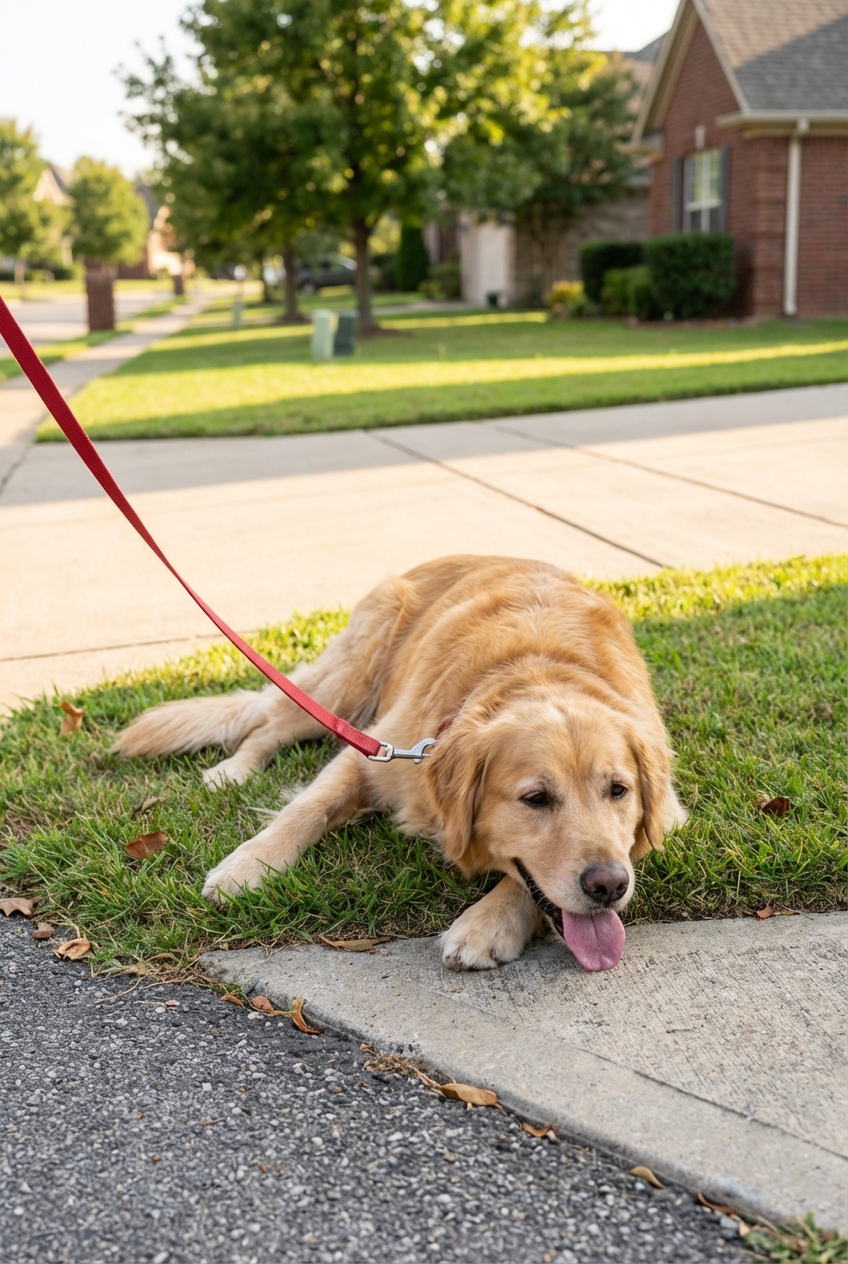
A dog who normally meets you at the leash suddenly hesitates, lags behind, or seems “not in the mood” may be experiencing reduced exercise tolerance. Heartworm disease can make activity feel harder because the lungs and blood vessels are under stress.
- Shorter play sessions than usual
- Stopping to rest more often on walks
- Choosing to lie down instead of engaging with family
2) Tiring faster than before
Fatigue is one of the classic early signs. The key is the pattern. If your dog consistently tires sooner, needs longer breaks, or seems wiped out after mild activity, put it on your radar.
- Less enthusiasm for high-energy play
- More “settling” during times they used to stay active
- Slower recovery after exercise
3) Avoiding exertion
Some dogs will self-limit to protect themselves. This can look like stubbornness, but it is often your dog saying, “That feels like too much.”
- Hanging back when other dogs run
- Reluctance to climb stairs or jump into the car
- Withdrawing during active household moments
4) Irritability or “not themselves”
When a dog is uncomfortable or struggling to breathe well during exertion, you may see mood changes.
- Less patience with other pets
- More sensitivity when handled
- Reduced tolerance for grooming or being picked up
5) Sleep changes (possible)
Sleep changes are not specific to heartworm, but any condition that affects breathing or comfort can disrupt rest. Some dogs may seem restless, switch positions, or choose a posture that feels easier to breathe in.
- Restlessness at night
- Changing sleep positions frequently
- Sleeping with the neck extended
6) Appetite changes
Not every heartworm-positive dog loses appetite, but illness and reduced stamina can affect eating habits, especially as disease progresses.
- Eating slower
- Skipping meals occasionally
- Weight loss over time
7) Coughing after activity or excitement
Coughing is not strictly “behavior,” but it is a common owner-noticed clue that often shows up with behavior changes. A dog may stop playing because coughing starts after running or when greeting guests.
Physical signs that may go with it
If you are noticing behavior changes, check for these symptoms too. These do not confirm heartworm on their own, but they strengthen the case for a veterinary visit and testing.
- Coughing, especially if persistent or triggered by activity
- Exercise intolerance or heavy breathing with mild exertion
- Lethargy that persists for days or weeks
- Weight loss or muscle loss over time
- Decreased appetite
- Rapid or labored breathing, including at rest
- Swollen belly in more advanced disease (fluid accumulation)
- Fainting or collapse with exertion
Urgent warning signs
Some heartworm cases become emergencies. If your dog has any of the following, call your veterinarian or an emergency clinic right away.
- Collapse, fainting, or inability to stand
- Pale gums or bluish tint to gums or tongue
- Severe breathing distress
- Sudden weakness plus dark or brownish urine
These signs can be associated with life-threatening complications, including a condition called caval syndrome, which requires immediate veterinary care.

Why it can look like aging
Heartworm symptoms often overlap with common issues like arthritis, allergies, kennel cough, being out of shape, or just getting older. That is why I encourage families to focus on change from baseline:
- Is your dog doing less than they did a month or two ago?
- Are you adjusting your routine around your dog’s stamina?
- Are you seeing a consistent pattern, not a one-off sleepy day?
If the answer is yes, it is worth a conversation with your veterinarian and a discussion of heartworm testing.
What to do next
Step 1: Limit strenuous activity
Until you know what is going on, avoid long runs, rough play, and intense fetch sessions. If heartworm disease is present, heavy exercise can increase risk because the heart and lungs are already under strain.
Step 2: Schedule an exam and heartworm test
Diagnosis usually starts with a blood test. If a dog tests positive, your veterinarian may recommend additional testing, such as chest X-rays and other lab work, to understand severity and guide treatment. This matters because signs can overlap with many other illnesses, and testing is the only way to confirm heartworm.
Step 3: Do not change meds on your own
If your dog missed prevention doses, tell your veterinary team. They can recommend the safest next steps, including how to restart prevention and whether testing is needed first. Avoid guessing or following one-size-fits-all online advice, because protocols should match your dog’s test results, timing of missed doses, and overall health.
Step 4: Plan for strict rest if positive
Heartworm treatment is very doable for many dogs, but it is not casual. It carries risk, outcomes depend on disease severity, and it requires strict activity restriction. A calm environment, leash-only potty breaks, and enrichment that does not involve running can make a huge difference.
Prevention basics
Heartworm prevention is safer, simpler, and usually far less expensive than treating established disease. Here are the habits I love to see in households that stay ahead of heartworm.
- Year-round prevention, because mosquitoes can show up during warm spells even outside peak summer
- Regular testing as recommended by your veterinarian, even when on preventatives, because no product is perfect if doses are late or missed
- Consistent reminders on your phone or calendar for monthly dosing
- Mosquito reduction around the home by eliminating standing water when possible
If you are unsure which preventive is best for your dog, your veterinarian can tailor options based on your dog’s age, lifestyle, region, and any other parasites of concern.
Simple 7-day tracker
If you want something practical to bring to your appointment, track these for 7 days:
- Walk duration and how many rest breaks your dog takes
- Any coughing and what triggered it (sleeping, excitement, exercise)
- Appetite (normal, reduced, skipped meal)
- Energy rating from 1 to 5 (1 very low, 5 normal)
- Breathing rate at rest (count breaths for 30 seconds and multiply by 2)
This kind of simple log helps your veterinary team see patterns and choose the right diagnostics.
Bottom line
Heartworm symptoms often start as subtle behavior shifts: less play, less stamina, more rest, and reluctance to move. Trust what you are noticing. If your dog is acting “off” for more than a day or two, especially with coughing or tiring easily, schedule a vet visit and ask about heartworm testing.
Your dog cannot tell you their chest feels heavy or their breathing feels harder. But their behavior usually tells the story first.