Understand the safest heartworm treatment for dogs: confirm and stage, start rest early, use doxycycline and monthly prevention, follow the AHS 3-dose melars...
Article
•
Designer Mixes
Heartworm in Cats: Symptoms, Quick Facts & Tips

Shari Shidate
Designer Mixes contributor
Heartworm disease in cats is one of those tricky topics I wish every pet parent understood sooner. I’m a veterinary assistant here in Frisco, Texas, and I’ve seen how surprised people are when a cat who “never goes outside” ends up sick. The hard truth is that heartworm in cats can be subtle, unpredictable, and sometimes serious, even with only a few worms present.
The good news is that prevention is simple, and knowing what to watch for can help you act fast.
What heartworm disease means in cats
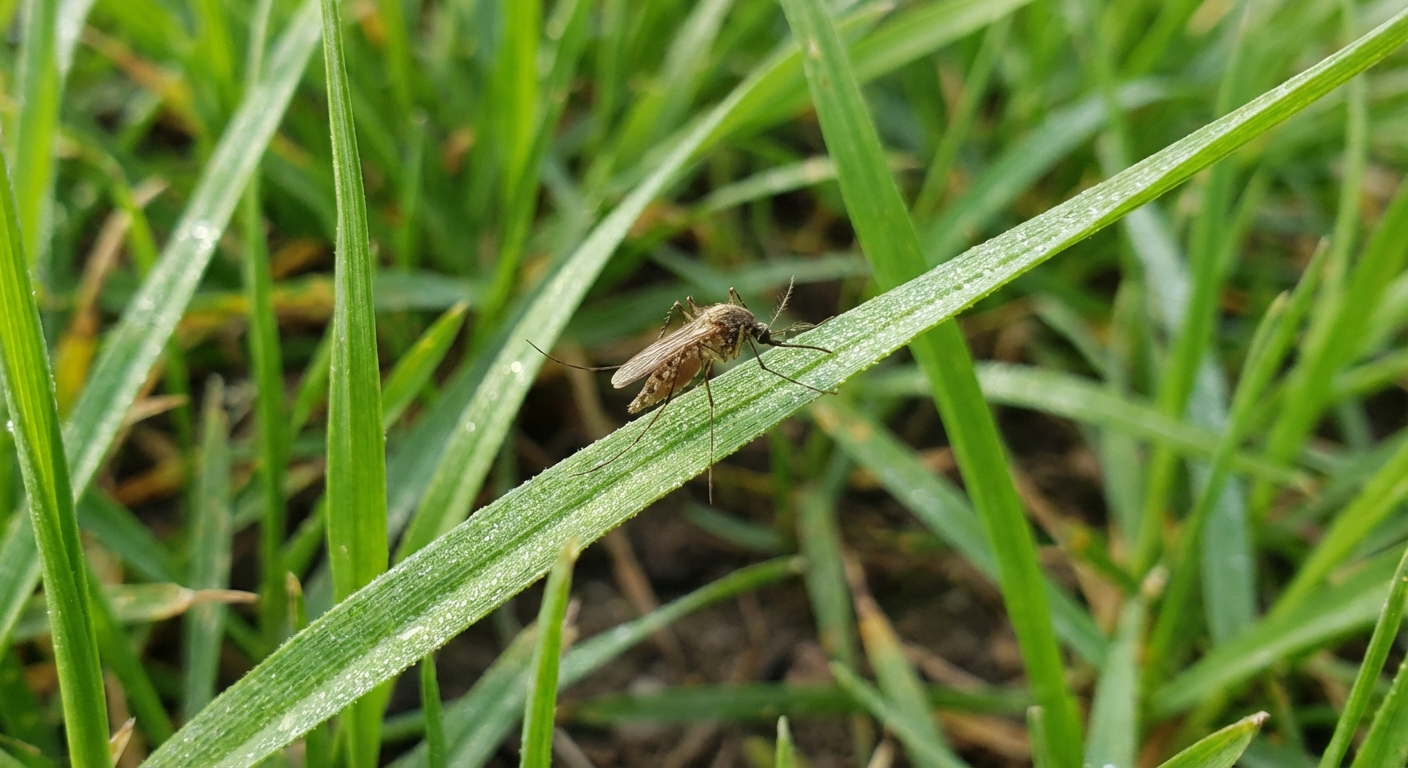
Heartworm disease is caused by Dirofilaria immitis, a parasite spread by mosquito bites. Dogs are the natural host, meaning heartworms commonly mature and reproduce in dogs. Cats are considered an atypical host, which sounds reassuring until you learn the twist: cats can become very ill from a small number of worms, and the disease can look like asthma or an upset stomach.
Here is the basic life cycle in plain language:
- A mosquito bites an infected animal (often a dog, coyote, or fox) and picks up microscopic baby heartworms (microfilariae).
- Those develop inside the mosquito into infective larvae (L3).
- When that mosquito bites a cat, it deposits larvae onto the skin near the bite, and they enter through the bite wound.
- Over the next few months, larvae migrate and may reach blood vessels of the lungs, and some may mature into adult worms.
In cats, many infections never develop into a full adult worm population. Even so, the inflammation caused by immature worms in the lungs can be significant. Veterinarians often refer to this as heartworm-associated respiratory disease (HARD), and it is one reason feline heartworm is often more of a lung disease than a “heart full of worms” scenario.
Symptoms at home
Cat heartworm symptoms are notorious for being vague. Some cats have intermittent signs. Some have dramatic episodes. Some show no obvious symptoms at all until they crash. Cats can also have flare-ups even after worms die, because the inflammation can linger.
Common signs
- Coughing or coughing fits that seem to come and go
- Fast or labored breathing, open-mouth breathing, or breathing that looks “harder” than normal
- Wheezing (often mistaken for asthma)
- Vomiting that is unexplained or recurring
- Lethargy or reduced interest in play
- Decreased appetite or weight loss
Urgent red flags (seek emergency care)
- Sudden collapse or extreme weakness
- Severe respiratory distress (rapid breathing, open-mouth breathing, blue or pale gums)
- Sudden severe pain or paralysis, especially in the back legs (this is not classic for heartworm and can be caused by other serious conditions like a blood clot, but it is always an emergency)
- Sudden death can occur in rare cases, which is why prevention matters so much
If you are ever unsure, trust your instincts and call your vet. Cats are masters at hiding illness, so “minor” changes can be meaningful.
Why a few worms can be a big deal
This surprises many people: a cat may have only one to three adult worms and still be quite ill. Here’s why:
- Smaller blood vessels: Cats have smaller pulmonary vessels, so inflammation and blockage can become a bigger issue.
- Big immune response: The cat’s immune system can react strongly to immature worms arriving in the lungs.
- Worm death is risky: When worms die, they can trigger intense inflammation or clots that worsen breathing problems.
Because of this, heartworm disease in cats is often more about lung inflammation than it is about a heavy adult worm burden.
Quick facts
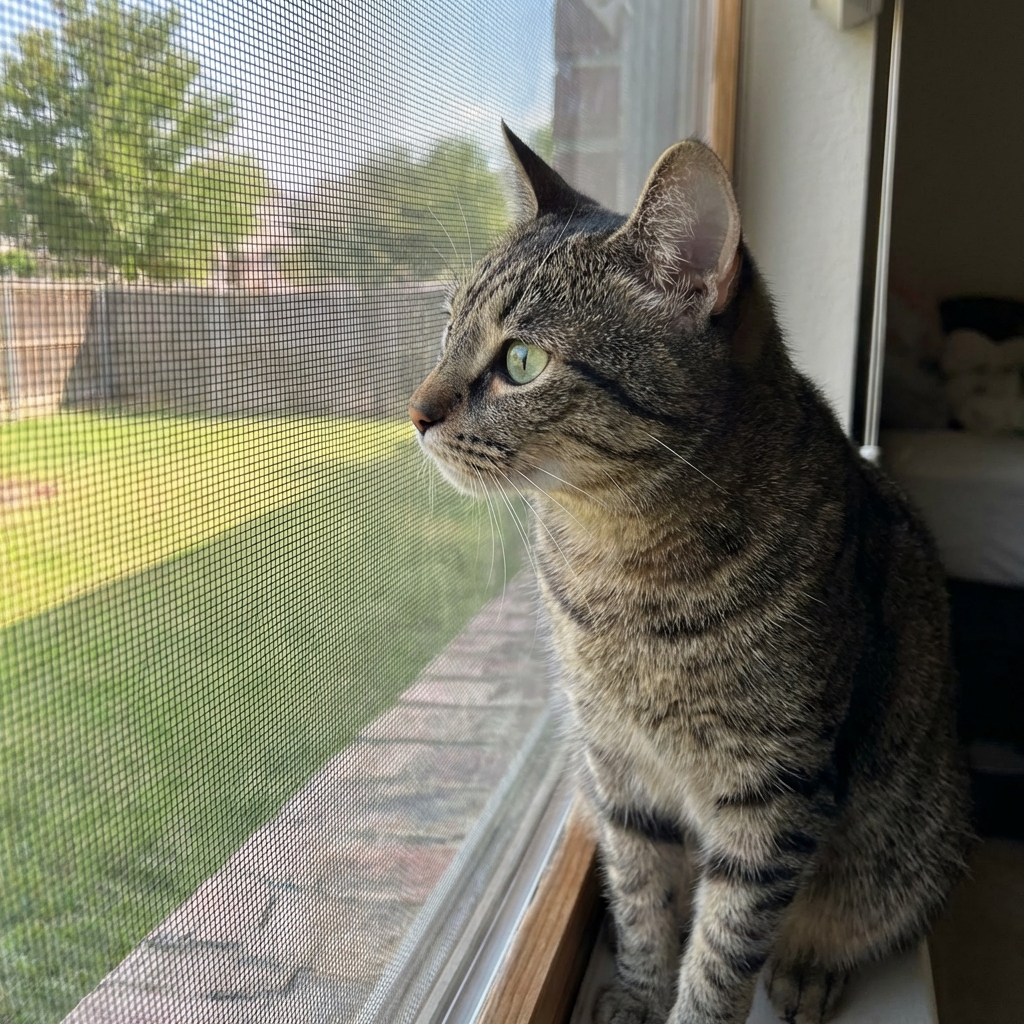
- Indoor cats are still at risk. Mosquitoes get indoors through doors, screens, garages, and open windows. Indoor-only cats have a lower risk than outdoor cats, but not zero risk.
- Heartworm can mimic asthma. Many cats are initially treated for feline asthma because the symptoms overlap.
- There is no safe, approved adulticide for cats in the U.S. Dogs can receive medications that kill adult worms. In cats, those drugs are not approved and are not considered safe, so we focus on supportive care and prevention.
- Not all infected cats test positive on a single test. Cats may have low worm numbers, male-only infections, or immature worms, so diagnosis can be challenging.
How vets diagnose it
Diagnosing heartworm in cats usually involves combining several tools, because no single test is perfect.
Common diagnostic pieces
- Antigen testing: Detects proteins from adult female worms. This can be negative if there are only male worms, immature worms, or a low worm burden.
- Antibody testing: Suggests exposure and immune response. It does not always confirm an active adult infection, but it can help identify HARD.
- Chest X-rays: Can show lung and vessel changes that support the suspicion of heartworm disease.
- Echocardiogram (heart ultrasound): Sometimes worms can be visualized, especially in heavier infections.
- Microfilariae testing: This is commonly used in dogs, but it is usually not very helpful in cats because cats rarely have detectable microfilariae in the bloodstream.
Your veterinarian will decide what combination makes sense based on symptoms, local risk, and exam findings. Screening in cats is not as straightforward as it is in dogs, so your vet may recommend periodic testing depending on your region and your cat’s risk.
Treatment options
Because cats do not have a safe, approved adult heartworm-killing drug, treatment is often focused on supportive care and managing inflammation while the cat’s body deals with the worms over time.
What treatment may include
- Corticosteroids to reduce lung inflammation in some cases
- Bronchodilators or other respiratory support depending on symptoms
- Oxygen therapy during severe respiratory episodes
- Careful monitoring with repeat imaging or testing as recommended
Some cats need only mild management. Others can have life-threatening events. That unpredictability is one reason veterinary teams emphasize prevention so strongly.
Important: Never give heartworm medications or steroids without veterinary guidance. Cats can be sensitive to dosing, and the wrong approach can make breathing issues worse.
Prevention that works
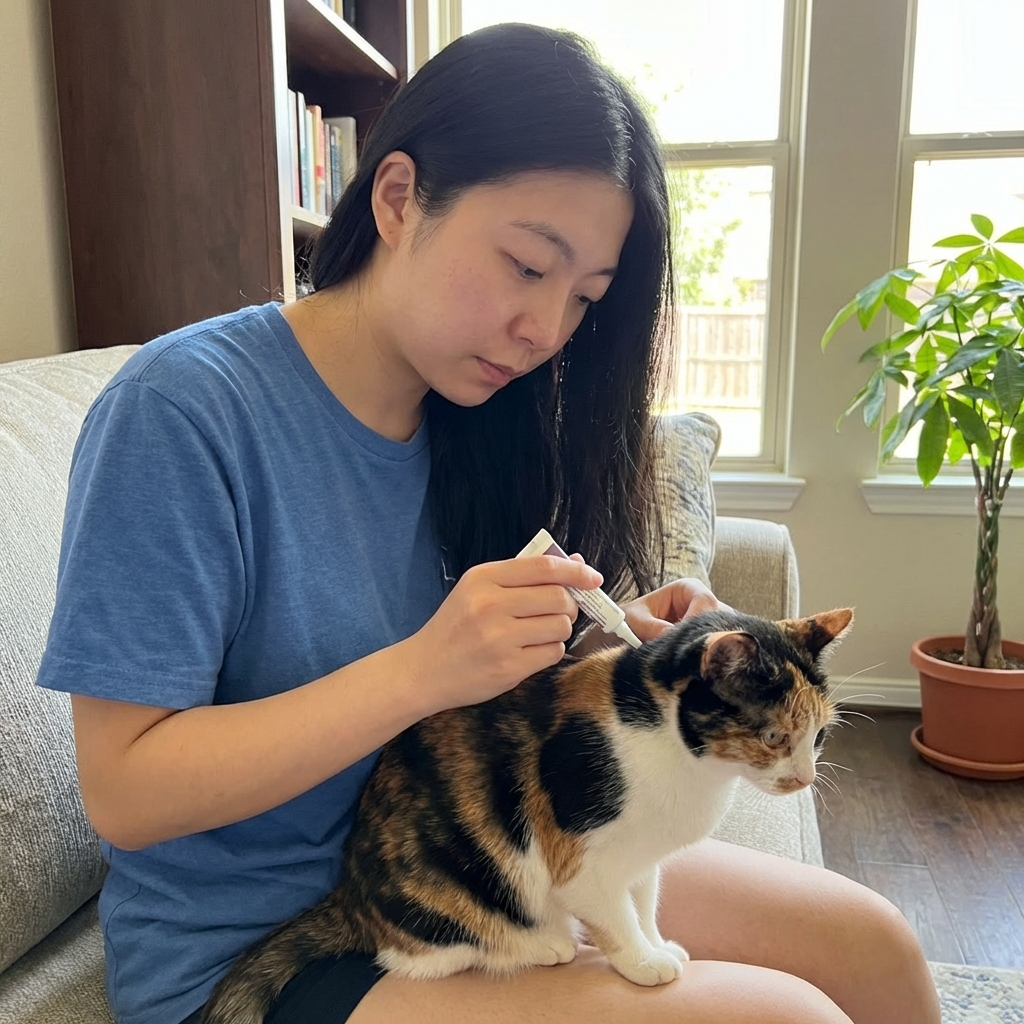
Prevention is the safest and most effective strategy for cats, whether they live indoors, outdoors, or both. Heartworm preventives for cats are prescription medications, typically given monthly. Many products also help protect against some intestinal parasites, but coverage varies by product.
Actionable steps
- Ask your veterinarian which preventive fits your cat. Factors include lifestyle, age, other parasite risks, and your cat’s tolerance for topical versus oral products.
- Use it year-round. In warm regions like Texas, mosquitoes can be active for long stretches, and indoor mosquitoes can show up any time.
- Set a reminder. A monthly calendar alert is simple and effective.
- Reduce mosquito exposure where you can. Repair window screens, avoid leaving doors open, and remove standing water around the home.
- Schedule regular wellness visits. Prevention works best as part of an overall parasite plan.
Frequently asked questions
Can my cat get heartworm if they never go outside?
Yes. It only takes one mosquito bite. Indoor-only cats have a lower risk than outdoor cats, but not zero risk.
Is heartworm in cats contagious to other pets or people?
No direct spread from cat to cat, cat to dog, or cat to human occurs. Mosquitoes are the middle step, so community mosquito control and prevention in pets is what reduces spread overall.
Is heartworm always fatal in cats?
No. Many cats survive, especially with prompt care and monitoring. The problem is that severe respiratory events can be sudden and unpredictable, which is why consistent prevention is such a smart choice.
When to call your vet
If your cat has new coughing, fast breathing, repeated vomiting, or a “not quite themselves” change that lingers more than a day or two, call your veterinarian and ask whether heartworm should be on the list. If your cat is open-mouth breathing, collapsing, or struggling for air, treat it as an emergency.
You do not have to figure this out alone. With the right preventive plan and early attention to symptoms, you are doing one of the best things possible for your cat’s long-term health.