
Heartworms spread by mosquitoes can silently damage your dog’s heart and lungs. Learn risks, symptoms, proven preventives, annual testing, and what treatme...
Article
•
Designer Mixes
Heartworm Disease in Dogs

Shari Shidate
Designer Mixes contributor
Heartworm disease is one of those conditions I wish every pet parent understood before it ever becomes an emergency. It is preventable, it can be life-threatening, and it often stays quiet for a long time while the damage is building.
Heartworms are long, spaghetti-like parasites that live primarily in the pulmonary arteries (the blood vessels of the lungs) and, in heavier infections, the right side of the heart. In dogs, heartworm disease can become severe, especially when infections go untreated. The good news is that with the right prevention plan and regular testing, most cases can be avoided.

What causes heartworm disease?
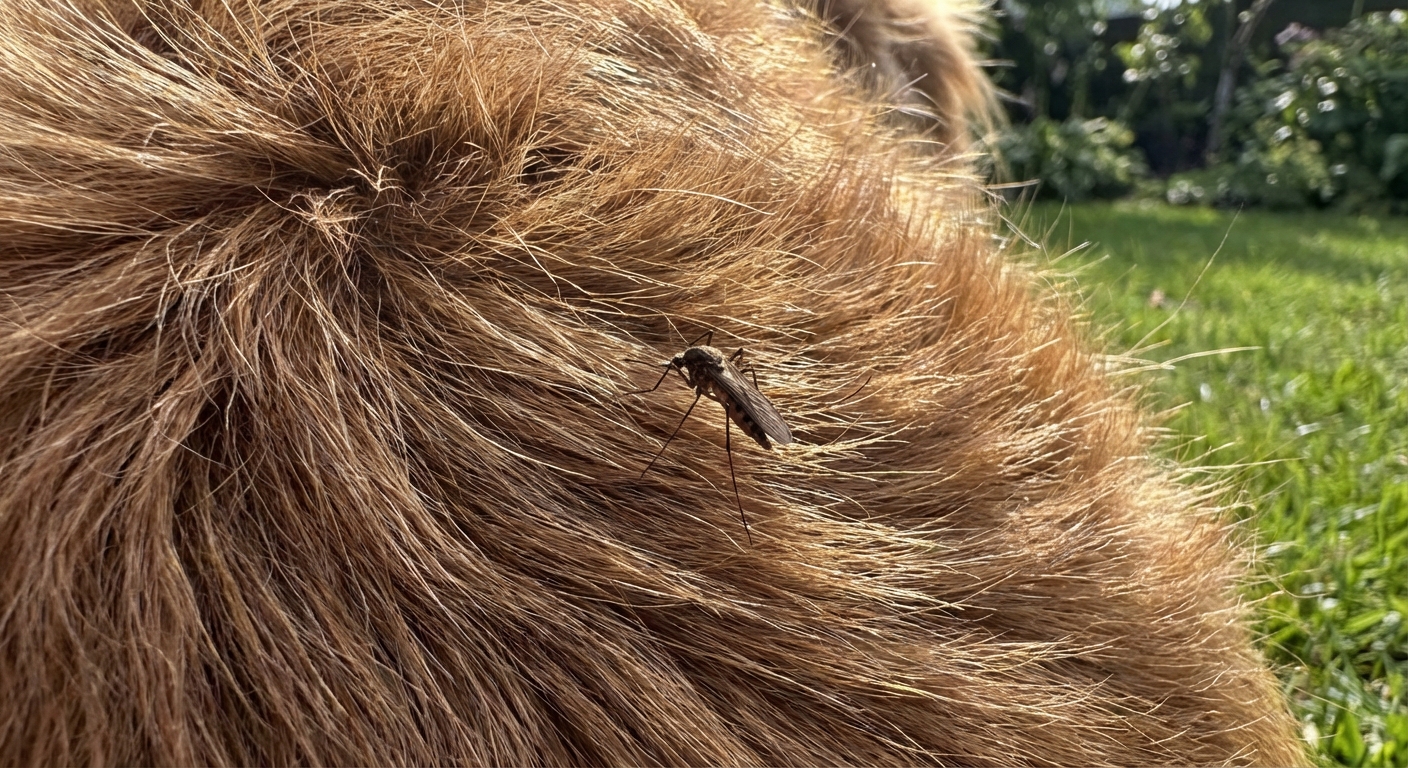
Heartworm disease is caused by a parasite called Dirofilaria immitis. Dogs get infected through the bite of an infected mosquito.
Here is the basic life cycle in plain language:
- A mosquito bites an infected animal and picks up microscopic heartworm babies called microfilariae.
- Those babies develop inside the mosquito into infective larvae (L3).
- The mosquito bites your dog and deposits larvae near the bite site, and the larvae enter through the tiny puncture wound.
- Over the next several months, larvae mature and migrate into the blood vessels of the lungs and eventually the heart.
Most dogs do not show obvious symptoms early on, which is why prevention and testing matter so much.
Why prevention matters
As a veterinary assistant, I have seen how tough heartworm treatment can be on a dog and on a family. Prevention is easier, safer, and usually far less expensive than treating an established infection.
Heartworm disease occurs across the United States, including in all 50 states. Mosquitoes can survive in many climates and can show up during warm spells even in cooler seasons. That is why many veterinarians recommend year-round prevention.
If you want a trusted source to explore, the American Heartworm Society offers excellent, up-to-date guidance for pet owners and veterinary teams.
Symptoms to watch for
Symptoms often depend on how many worms are present, how long the dog has been infected, and how the dog’s body responds. Some dogs seem normal until the disease is advanced.
Common early to mid-stage signs
- Mild but persistent cough
- Tiring more quickly on walks or during play
- Showing less interest in exercise
- Losing weight or eating less
More advanced signs
- Labored breathing or rapid breathing
- Weakness or collapse after activity
- Swollen belly from fluid buildup
- Pale gums
An emergency: caval syndrome
In severe cases with a heavy worm burden, worms can obstruct blood flow through the right side of the heart and tricuspid valve. This can cause sudden weakness or collapse, trouble breathing, pale gums, dark or coffee-colored urine, and shock. This is a true emergency and requires immediate veterinary care.
How vets diagnose it
Diagnosis is usually straightforward, but it is important to follow your veterinarian’s testing recommendations so the results are accurate.
- Antigen test: A blood test that detects proteins from adult female heartworms. This is the most common screening test.
- Microfilariae test: A blood test that checks for circulating baby heartworms.
- Additional staging tests: Chest X-rays, bloodwork, and sometimes an ultrasound of the heart may be recommended to understand how much damage is present and to guide treatment.
Important note: A dog can be infected but still test negative early on because it takes months for worms to mature. Antigen tests can also miss infections with a very low female worm burden or all-male worms. This is one reason consistent prevention and routine testing are often recommended.
Prevention options
Heartworm prevention is typically given monthly or on a longer-acting schedule, depending on the product. Your veterinarian will help you choose what fits your dog’s age, lifestyle, and health history.
Common prevention types
- Monthly chewable tablets: Often combined with intestinal parasite control.
- Monthly topical medications: Applied to the skin, usually between the shoulder blades.
- Injectable prevention: Given by a veterinarian every 6 or 12 months depending on the product.
Before you start prevention
In many cases, veterinarians recommend a heartworm test before starting prevention, especially for dogs that are new to you, have an unknown prevention history, or have missed doses. This matters because a dog that already has heartworms may need a different, safer plan and additional testing before any medication changes.
What prevention does and does not do
Most preventives work retroactively by killing immature heartworms your dog may have picked up recently. That is why dosing on time matters. If there is a long enough gap between doses, larvae can continue developing into later stages that are harder to eliminate with preventives alone.
Action step: Put prevention day on your calendar and tie it to a routine you already do, like the first of the month or the day you pay a bill.
If you missed a dose
It happens. If you realize you are late, give the dose as soon as you can (unless your veterinarian has told you otherwise) and call your vet for next steps. They may recommend:
- When to restart on schedule
- Whether additional testing is needed
- When to schedule the next heartworm test based on the length of the gap and your dog’s risk
If your dog has missed multiple doses or has been off prevention for a while, do not guess. Ask. This is one of those situations where a quick phone call can prevent a much bigger problem.
Treatment stages
Treating heartworm disease is not a single appointment. It is a staged process designed to kill the worms as safely as possible while protecting the heart and lungs.
Protocols can vary based on your dog’s condition and your veterinarian’s judgment. Many clinics follow American Heartworm Society guidance, which commonly includes a 3-injection melarsomine protocol for eligible dogs.

Stage 1: Confirm and stage
Your veterinarian will confirm the diagnosis and often recommend additional tests to stage the disease. This helps determine risk and tailor the plan.
- Antigen and microfilariae testing
- Bloodwork and urinalysis
- Chest X-rays to evaluate the heart and lungs
- Sometimes an echocardiogram depending on findings
Stage 2: Pre-treatment
Many dogs begin a period of pre-treatment before the adulticide injections. This phase may include:
- Strict exercise restriction: This is one of the most important parts. Activity increases the risk of complications as worms die and inflammation occurs.
- Antibiotic therapy (often doxycycline): Helps target a symbiotic bacteria (Wolbachia) inside heartworms, which can reduce inflammation and complications.
- Heartworm preventive: Often continued to prevent new infections and address immature stages, as directed by your veterinarian.
- Anti-inflammatory medication: Sometimes used based on the dog’s condition.
Depending on severity, some dogs need additional support medications or treatment for related issues before moving forward.
Stage 3: Adulticide injections
The primary drug used to kill adult heartworms is melarsomine, administered by injection. Many dogs are treated with a multi-injection series spaced out over time to improve safety and effectiveness. A commonly used approach is one injection, followed by two injections 24 hours apart about a month later, but your veterinarian will choose the safest plan for your dog.
During this phase, your dog may need:
- Pain control and rest
- Monitoring for complications
- Very strict activity restriction
Why rest is not optional: As adult worms die, they break down and can cause inflammation and blockages in the lung vessels. Running, jumping, and rough play raise the risk of serious complications.
Stage 4: Recovery and recheck
Recovery continues for weeks to months after treatment. Your veterinarian will tell you when to re-test, often several months after the last injection, to confirm the infection has cleared.
- Continue prevention exactly as prescribed
- Keep exercise restricted for the full recommended period
- Return for scheduled rechecks and testing
Some dogs with heavy disease burden can have lasting heart or lung changes. Early detection and prompt treatment improve the odds of a full return to normal activity.
Can it be treated at home?
Heartworm treatment should be guided by a veterinarian. There is no safe, reliable home remedy that kills adult heartworms without risking severe harm. Trying to treat heartworm disease without proper staging, prescription medications, and controlled exercise can put a dog at real risk.
Does breed matter?
When it comes to heartworm disease, there is no breed “immunity,” including for mixed-breed and designer dogs. Any dog can get heartworm disease. The prevention plan that works best depends more on lifestyle, location, and your dog’s health history than on breed.
If your dog spends time outdoors, goes to dog parks, hikes with you, or even just enjoys the backyard in the evening, consistent prevention is a smart choice.
What about cats?
Cats can also get heartworm disease, but it often looks different than it does in dogs, and diagnosis and management are not the same. If you have a cat in the home, ask your veterinarian what prevention makes sense for them too.
When to call your veterinarian
Please reach out to your vet promptly if your dog has:
- A persistent cough
- New exercise intolerance
- Rapid or labored breathing
- Collapse, weakness, or a swollen belly
- Missed heartworm prevention doses
If you are unsure, call anyway. I always tell families this: it is better to ask a small question early than to face a big crisis later.
Reminder: This article is for education and does not replace veterinary diagnosis or treatment. If you suspect heartworm disease, schedule an exam and testing with your veterinarian.