A practical guide to dog-safe fruits with portion sizes for tiny to large dogs, smart prep steps (remove pits, seeds, rinds), and urgent avoid list: grapes, ...
Article
•
Designer Mixes
Healthy Fruit for Dogs

Shari Shidate
Designer Mixes contributor
Fruit can be a wonderful “bonus food” for dogs when it is served safely and in the right amount. As a veterinary assistant here in Frisco, Texas, I often recommend certain dog-safe fruits because they are simple, affordable, and can add helpful nutrients and hydration. The key is portion control, smart prep, and knowing which fruits are truly dog-safe.
Think of fruit as a treat, not a meal. Many vets recommend keeping treats (including fruit) under about 10 percent of your dog’s daily calories. Too much fruit can mean tummy upset, weight gain, and for some dogs, it can raise blood sugar.
Quick safety rules first
- Start small. Offer one small piece, then watch over the next 24 hours for vomiting, diarrhea, gas, or itching.
- Wash and prep. Rinse fruit well. Remove pits, seeds, stems, cores, tough rinds, and peels unless noted as safe.
- Skip added sugar. Avoid fruit cups in syrup, sweetened dried fruit, fruit snacks, and anything with xylitol.
- Match the size to your dog. Small dogs need tiny pieces to help prevent choking.
- Medical conditions matter. If your dog has diabetes, pancreatitis history, obesity, chronic GI issues, or kidney disease, ask your veterinarian before adding fruit regularly.
Dog-safe fruits to try
These are my go-to fruits for most dogs. They are widely available, generally well tolerated, and easy to portion.
Blueberries
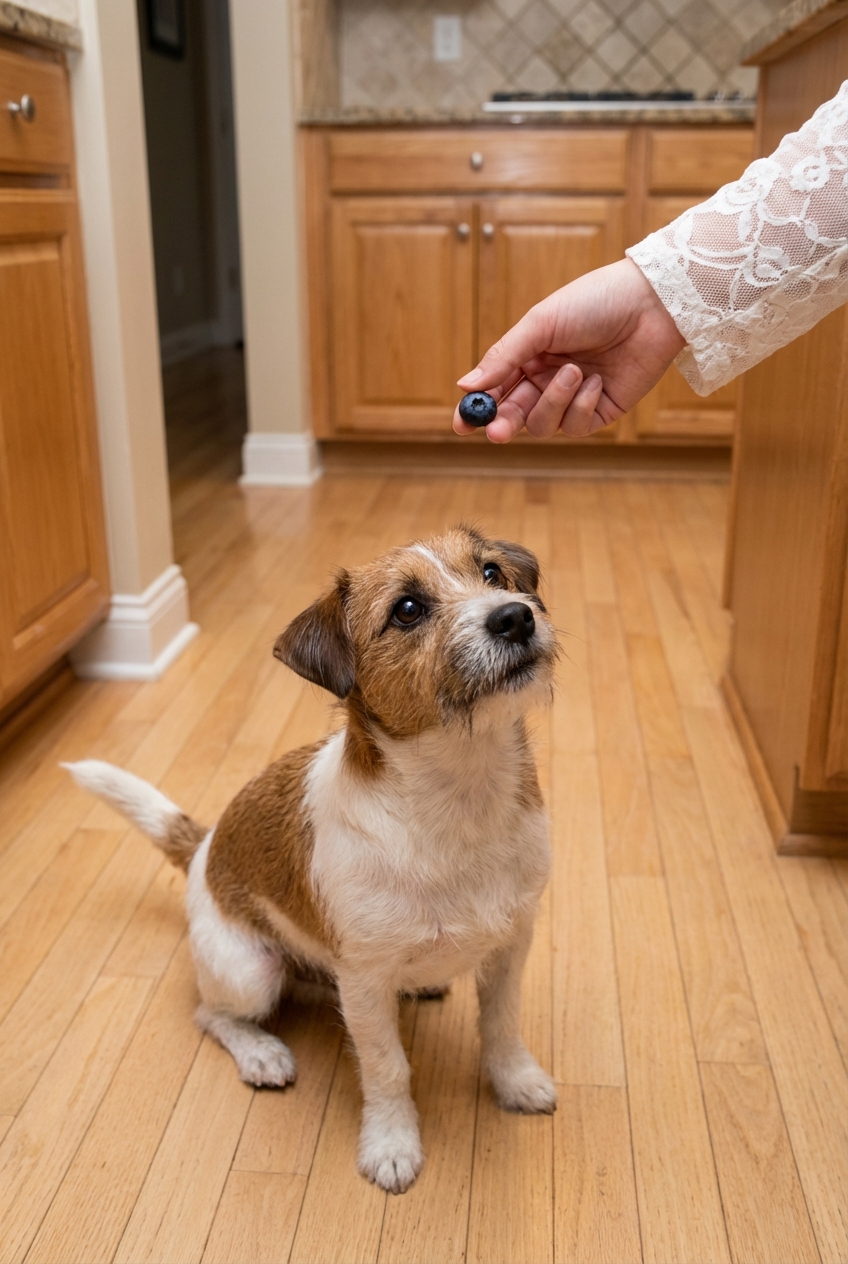
Blueberries are a favorite because they are easy to serve and naturally low in calories. They contain antioxidants and fiber.
- How to serve: Fresh or frozen. Serve whole for large dogs, halved for small dogs.
- Portion idea: 2 to 3 blueberries for tiny dogs, 4 to 8 for small dogs, 8 to 15 for medium to large dogs (count these toward treat calories).
Strawberries
Strawberries provide vitamin C and fiber. Some dogs do best with a smaller portion because the seeds and fiber can loosen stools if you overdo it.
- How to serve: Wash, remove the leafy top, slice thin.
- Portion idea: 1 small strawberry for small dogs, 2 to 4 for large dogs.
Apples (no seeds, no core)
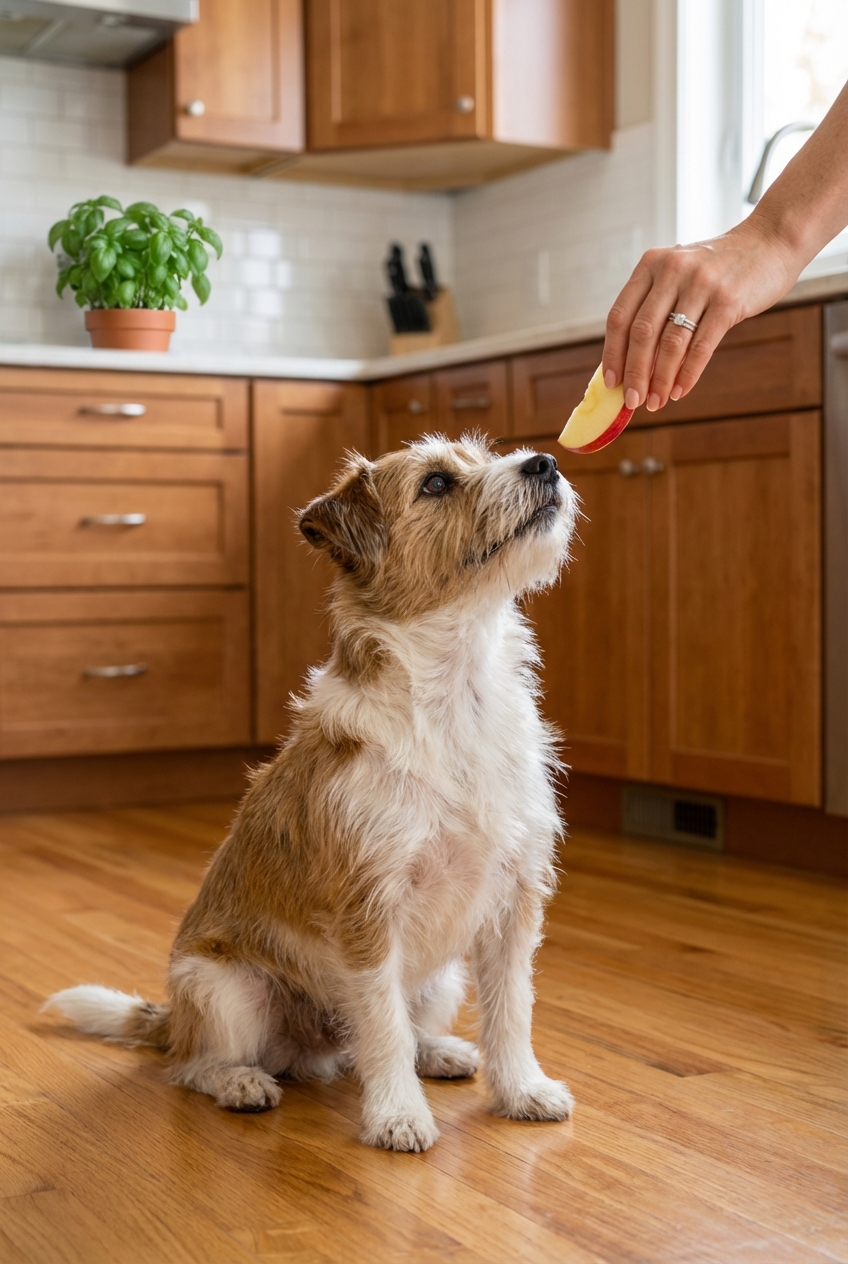
Apples are crunchy and hydrating. They also make a great “chew” treat when cut into slices. Apple seeds contain cyanogenic compounds, and the core can be a choking risk, so remove both.
- How to serve: Thin slices, no core, no seeds.
- Extra tip: If your dog is new to fruit, peel the apple for easier digestion.
Bananas
Bananas are higher in natural sugar than berries, so keep portions modest. They can be helpful for training treats when cut into tiny coins.
- How to serve: Small slices.
- Portion idea: 1 to 2 small slices for small dogs, 3 to 6 thin slices for large dogs.
Watermelon (no rind, no seeds)
Watermelon is mostly water, so it is a fantastic summer treat. The rind can cause GI upset and can be a choking or obstruction hazard.
- How to serve: Small seedless cubes, no rind.
- Fun option: Freeze small cubes for hot days.
Cantaloupe and honeydew (in moderation)
Melons are hydrating and generally gentle, but they contain more sugar than berries. Many dogs tolerate them well as an occasional treat.
- How to serve: Small cubes, no rind, no seeds.
Pineapple (small amounts)
Pineapple contains vitamin C and bromelain, but any special “benefit” for dogs is not well established. Focus on small portions because the acidity and sugar can be too much for sensitive stomachs.
- How to serve: Tiny chunks, fresh, no core, no skin.
- Avoid: Canned pineapple in syrup.
Other common fruits
If these show up in your kitchen, they are common questions in clinic. Most dogs can have small amounts with the right prep.
- Mango: Dog-safe in small amounts. Remove the pit and peel, and serve small pieces.
- Peaches, plums, apricots: The flesh can be okay in tiny portions, but the pits are a major choking and obstruction risk and contain cyanogenic compounds. Only offer pit-free slices, and do not let your dog chew the pit.
- Pears: Remove core and seeds, then serve thin slices.
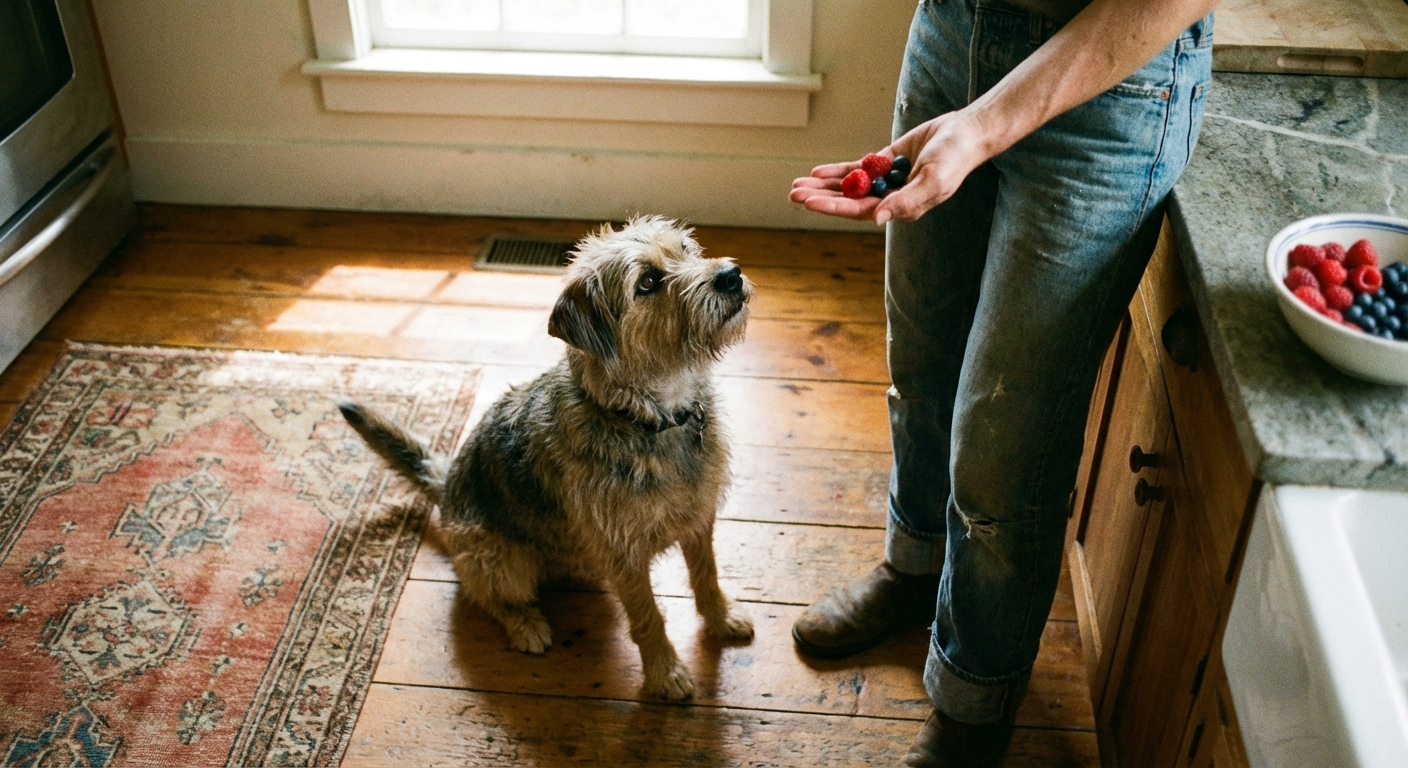
- Raspberries and blackberries: Usually okay in moderation, but too many can loosen stools.
- Cranberries: Fresh or plain dried can be okay in small amounts, but they are tart. Avoid cranberry mixes with raisins.
Fruits to avoid
These are the big ones I want every dog family to memorize.
- Grapes and raisins: Can cause kidney failure in dogs. No safe amount is known. Avoid them in any form, including fresh grapes, raisins, trail mix, baked goods, and cereals.
- Cherries: The pits, stems, and leaves contain cyanogenic compounds, and the pits are a choking and obstruction risk.
- Avocado: In dogs, the most common concerns are GI upset (it is high in fat) and the pit causing an obstruction. It is best to skip it.
- Unripe or green tomatoes and tomato plant parts: These can be irritating and potentially toxic in larger amounts due to solanine and tomatine. Small amounts of ripe red tomato flesh are generally considered low risk, but I still recommend keeping tomatoes off the regular treat list.
- Fruit with xylitol added: Xylitol is highly toxic to dogs.
Citrus
Small amounts of peeled orange are not typically toxic, but many dogs get stomach upset from citrus oils and acidity. If you try it, offer one small segment and watch closely.
How much is “just right”?
For most dogs, fruit works best as a tiny topper or a training treat. Here are simple serving ranges you can use. These should still count toward the “treat” calorie total.
- Toy and small dogs: 1 to 2 bite-size pieces, once a day or a few times per week.
- Medium dogs: 2 to 4 small pieces, once a day or a few times per week.
- Large dogs: 4 to 8 small pieces of low-sugar fruit like berries, a few times per week.
If your dog’s stool gets softer, scale back. That is the most common sign you are serving too much, too fast.
Serving ideas
Frozen fruit treats
Frozen blueberries or watermelon cubes can be great for enrichment. For dental safety, avoid large, rock-hard frozen chunks. Use small pieces, let them thaw for a minute or two, and supervise dogs that tend to crunch aggressively.
Fruit plus protein
If your dog gets a sensitive stomach from fruit alone, try pairing a tiny amount of fruit with a spoonful of plain, unsweetened yogurt or a bite of cooked chicken. This is not required, but it can make treats gentler for some dogs.
Simple fruit pops
Blend dog-safe fruit with a little water or plain yogurt, then freeze in a silicone mold. Keep portions small and treat-like.
When fruit is not a good idea
Fruit is not a one-size-fits-all snack. Check with your veterinarian first if your dog has:
- Diabetes or trouble regulating blood sugar
- Obesity or is on a weight-loss plan
- Pancreatitis history or a very sensitive GI tract
- Chronic diarrhea or inflammatory bowel disease
- Food allergies (especially if you are introducing multiple new foods at once)
Signs your dog is not tolerating fruit
- Vomiting
- Diarrhea or very soft stool
- Excess gas
- Itchy skin, face rubbing, or ear irritation
- Change in appetite
Emergency signs
If you ever suspect your dog got into grapes, raisins, or a xylitol-sweetened product, treat it as an emergency and contact your veterinarian or a pet poison helpline immediately. Also seek urgent care for possible choking or obstruction signs like repeated gagging, unproductive retching, abdominal pain, a swollen belly, or extreme restlessness.
My simple fruit routine
If you want an easy system that works, try this:
- Pick two fruits for the week (example: blueberries and apple slices).
- Prep once, store in an airtight container.
- Use fruit as a reward during walks, training, or nail-trim practice.
- Watch stool and weight and adjust portions down if needed.
Fruit should support your dog’s health, not complicate it. Start small, keep it simple, and stay consistent.