If you are looking at a Havapoo (Havanese x Poodle) and a Cavapoo (Cavalier King Charles Spaniel x Poodle), you are probably after the same thing most families want: a small, affectionate dog that fits real life. Both mixes can be wonderful. Both can also surprise you, especially on size, grooming, and allergies.
As a veterinary assistant, I always encourage people to plan for the dog you might get, not just the dog you hope you get. Let’s walk through the practical differences so you can choose with confidence. (This is general education, not a substitute for care from your own veterinarian.)

At a glance: Havapoo vs Cavapoo
- Havapoo: Havanese x Poodle (usually Toy or Mini Poodle). Often playful, people-focused, and a bit more “spunky” in some lines.
- Cavapoo: Cavalier King Charles Spaniel x Poodle (usually Toy or Mini Poodle). Often very cuddly, gentle, and strongly companion-oriented.
- Also called: Havapoo = Havanoodle; Cavapoo = Cavoodle.
- Typical lifespan (ranges): Havapoo often 12 to 16 years; Cavapoo often 10 to 15 years. Cavaliers can carry genetic risks (especially heart disease) that may shorten lifespan in some lines, so breeder health testing matters a lot here.
Important note: with any mixed breed, individual puppies can inherit different traits, even within the same litter. A good breeder will talk in probabilities and ranges, not guarantees.
Adult size: why it varies
Most of the size variation in both mixes comes from the Poodle parent’s size, plus the other parent’s size. Breeder selection and generation also matter. An F1 (first-generation) cross can be less predictable than a multigen pairing where size has been selected for over time.
Parent-breed size anchors
- Havanese: commonly about 7 to 13 pounds.
- Cavalier King Charles Spaniel: commonly about 13 to 18 pounds.
- Toy vs Mini Poodle: “Mini” can mean different things depending on the breeder. Some minis are quite small, others are closer to a small Standard.
Typical ranges you will see
- Havapoo: often 7 to 20 pounds, commonly around 10 to 15 pounds.
- Cavapoo: often 10 to 25 pounds, commonly around 12 to 20 pounds. Some can exceed 25 pounds if a larger Mini Poodle (or Standard-type size) is used.
Cavapoos can run a touch bigger on average because Cavaliers are generally larger than Havanese. But a Toy Poodle parent can keep either mix quite small.
How to predict size more realistically
- Ask for the exact weight of both parents and, if possible, grandparents.
- Ask what size Poodle was used: Toy, Mini, or “Moyen” (a non-AKC label roughly between Mini and Standard). Ask for actual height and weight, not just a category.
- Ask what generation the litter is (F1 vs multigen) and what adult weights they typically see for that generation.
- Request the breeder’s historical adult weights for prior litters from the same pairing.

Temperament: affectionate in different ways
Both mixes are typically social, loving, and happiest when they are included in day-to-day life. Where they can differ is how they show that affection and how sensitive they can be.
Havapoo tendencies
- Bright and playful, often enjoys games and training.
- Can be more alert and may bark more if not trained early.
- Often does well with respectful kids, but may be wigglier and more excitable.
Cavapoo tendencies
- Soft, cuddly, and people-oriented, often a true lap dog.
- Can be emotionally sensitive. Harsh training usually backfires.
- May be more prone to separation-related distress if left alone often.
Best practice for either mix: choose a puppy based on individual temperament, not just breed label. A reputable breeder will match puppies to homes based on confidence level, noise sensitivity, and play style.
Energy: small does not mean none
Poodles bring athletic ability and a need for mental stimulation. Havanese and Cavaliers add a companion-dog style that often prefers being with you over long solo adventures.
What most adults need
- Many adult Havapoos and Cavapoos do well with 30 to 60 minutes of total daily activity, split into chunks.
- Some higher-energy individuals (especially young, sporty lines) may enjoy more. Toy-size dogs, seniors, and dogs with medical issues may need less.
Havapoo activity style
- Daily walks plus short play sessions.
- Brain work like food puzzles, basic obedience, and scent games.
- If they get bored, you may see nuisance barking or “busy” behavior.
Cavapoo activity style
- Daily walks at a comfortable pace.
- Play and training, often slightly less intense than a comparably sized Havapoo.
- They can become clingy without structured independence practice.
Apartment life: yes, with a plan
Havapoos and Cavapoos are usually excellent apartment candidates because of their size and companion nature. The key is meeting their needs before they invent their own entertainment.
Havapoo in an apartment
- Often does well if you address alert barking early.
- Thrives on training and enrichment, which can be done indoors.
Cavapoo in an apartment
- Often quieter, but can struggle more with being alone.
- Independence training and a predictable routine are your best friends.
If your building has noise rules, ask the breeder about barking in their lines and what they do to expose puppies to household sounds.
Grooming: biggest day-to-day difference
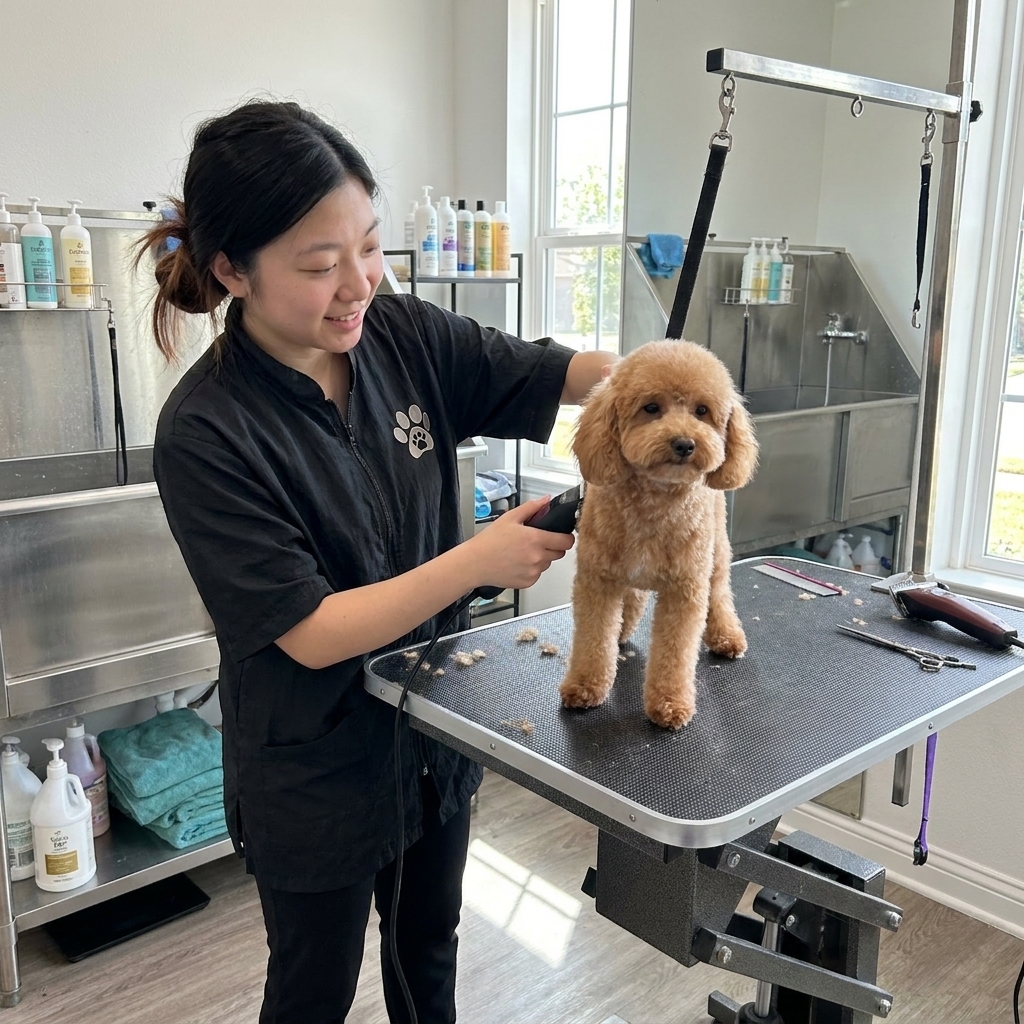
Both mixes can have wavy to curly coats, and both can mat if grooming slips. Coat outcome is not guaranteed, even with the same type of parents.
Typical grooming needs for both
- Brush at home: ideally 3 to 5 times per week (daily for longer coats).
- Professional grooming: about every 4 to 8 weeks, depending on length and lifestyle.
- Matting hot spots: behind the ears, under the collar or harness, armpits, inner thighs, and tail base.
- Ear care: floppy ears plus hair can trap moisture, so ask your vet about safe cleaning habits.
- Dental care: small dogs are prone to dental disease, so plan for tooth brushing and professional cleanings as recommended.
Budgeting tip: many families are surprised that grooming can be a long-term cost that rivals food. Before you commit, call local groomers and ask what they charge for a Havapoo or Cavapoo in the coat length you want.
Allergy realities: “hypoallergenic” myths
This is the part I wish every buyer understood upfront: no dog is truly hypoallergenic. Most dog allergies are triggered by proteins found in dander (skin flakes), saliva, and urine, not just hair.
So why do people say Poodle mixes are “hypoallergenic”?
Poodles often shed less, which can mean fewer airborne hair particles carrying dander. Some people with mild allergies do better with low-shedding coats. But it is not a guarantee. Allergy response varies by person and by individual dog, and it can change with repeated exposure.
What to do if allergies are a concern
- Meet adult dogs from the breeder’s lines, not just puppies.
- Do a real-world exposure test: spend time in the home, handle the dog, then see how you feel later. If possible, repeat on another day because one visit is not always enough.
- Ask your allergist about evidence-based options like daily antihistamines, HEPA filtration, and environmental control.
- Plan for grooming that reduces dander buildup: regular bathing and brushing, done safely and not overdone.
If a breeder promises “100% hypoallergenic,” consider that a red flag. Honest breeders talk about likelihood and variability, not certainty.
Health: what to watch
Mixes can sometimes benefit from genetic diversity, but “hybrid vigor” is not guaranteed. Health depends heavily on the parents, the lines behind them, and whether the breeder selects and tests responsibly.
A responsible breeder tests the parents and shares results. “Vet checked” is not the same thing as health testing.
Common concerns to discuss for Havapoos
- Patellar luxation (kneecap issues), common in small dogs.
- Dental crowding in smaller mouths.
- Eye issues depending on lines, such as cataracts or progressive retinal atrophy (PRA).
Common concerns to discuss for Cavapoos
- Mitral valve disease (MVD) is a major concern in Cavaliers. Your breeder should take cardiac health seriously.
- Syringomyelia and other Cavalier-associated neurological concerns are important to discuss, depending on lines.
- Patellar luxation and hip issues can also appear.
Ask your veterinarian which screenings matter most in your area and request documentation from the breeder. If you want a simple standard, look for OFA-style results where applicable (knees, hips, eyes) and breed-relevant cardiac evaluation.
For Cavapoos in particular, ask whether the Cavalier parent has been evaluated by a veterinary cardiologist (auscultation and, ideally, echocardiogram) and whether the breeder follows breeding-age thresholds and family-history selection aimed at reducing early-onset MVD risk.
Weight and feeding
These mixes are small and cute, which makes it easy to accidentally overfeed them. Extra weight worsens joint issues, can strain the heart and lungs, and often reduces quality of life over time.
- Ask your vet for a target weight range and a body condition score check at each visit.
- Measure meals, go easy on high-calorie treats, and use training rewards strategically.
- If you free-feed now, plan to switch to scheduled meals for better portion control.
Buyer red flags
- They guarantee hypoallergenic or “no shedding” with certainty.
- They always have puppies available, offer multiple mixes at once, or cannot tell you where their dogs live day-to-day.
- No proof of parent health testing, or they will only show a generic “vet letter.”
- Puppies are sent home extremely young (generally under 8 weeks is a major concern).
- They will not let you see where puppies are raised or they push to meet in a parking lot.
- Pressure tactics like “someone else is buying today” paired with large non-refundable deposits.
Questions to ask breeders
Parent details
- What are the exact weights, ages, and temperaments of both parents? Good breeders know this immediately and will show you the parents when possible.
- Which Poodle size is used and why? They should explain Toy vs Mini clearly, and give real measurements, not vague labels.
- Is this litter F1 or multigen, and what adult sizes have you gotten from similar pairings? Good breeders track outcomes and share realistic ranges.
Health testing
- What health tests have you done on the parents and can I see documentation? Look for breed-relevant screenings and results, not just verbal assurances.
- For Cavapoos: what do you do to reduce Cavalier heart disease risk? Listen for cardiology evaluation, breeding-age thresholds, and thoughtful selection of breeding stock, not vague promises.
Puppy raising and socialization
- How do you socialize puppies and what sounds, surfaces, and handling do they experience? The best breeders describe a structured plan.
- What support do you provide after purchase? Many reputable breeders offer lifetime take-back and coaching.
Coat and grooming expectations
- What coats have you seen from this pairing before? They should describe ranges and show photos of adult offspring.
- What grooming schedule do you recommend and what do your buyers typically spend? Realistic, experience-based answers matter.
Costs and insurance
Even healthy small dogs can be expensive over a lifetime. Cavapoos, in particular, may face higher veterinary costs if cardiac or neurological issues appear in their lines. Many families find it helpful to look into pet insurance early (before any conditions are documented), or to set up a dedicated vet savings fund.
Which mix fits you?
You might prefer a Havapoo if you want
- A small dog with a playful, trainable vibe
- A buddy for interactive games and enrichment
- A family dog that can handle a bit more activity
You might prefer a Cavapoo if you want
- A gentle, cuddle-forward companion
- A dog that tends to be a bit lower-key indoors
- A strong “best friend” dog, and you are home often
Either way, your best outcome comes from three things: a truly responsible breeder, early reward-based training, and a realistic plan for grooming and alone-time skills.
Quick checklist
- Confirm adult size expectations using parent weights, generation (F1 vs multigen), and prior litter outcomes.
- Budget for grooming every 4 to 8 weeks plus home brushing.
- If allergies matter, do a real exposure test with adult dogs (ideally more than once).
- Ask for health testing documentation, not marketing language.
- Choose the puppy whose temperament fits your household, even if it is not the “cutest” color.
If you want, tell me your living situation, work schedule, and whether allergies are in the picture, and I can help you decide which mix is more likely to fit your day-to-day life.