Chicken and rice can soothe mild stomach upset and help dogs transition back to normal food. Learn safe recipes, portions, how long to feed it, and when to c...
Article
•
Designer Mixes
Havapoo

Shari Shidate
Designer Mixes contributor
What Is a Havapoo?
A Havapoo is a small companion dog created by crossing a Havanese with a Poodle, most often a Toy or Miniature Poodle. You may also see this mix called a Havadoodle or Poovanese. People are drawn to Havapoos for their affectionate nature, clever minds, and often a low shedding coat. That said, no dog is truly hypoallergenic , and coats can vary from one puppy to the next.
From a lifestyle standpoint, Havapoos tend to adapt well to many homes, including apartments, as long as they receive daily exercise, gentle training, and plenty of social connection. These dogs typically want to be near their people, so they thrive with families who enjoy including a pet in everyday routines.
Appearance and Coat: What to Expect
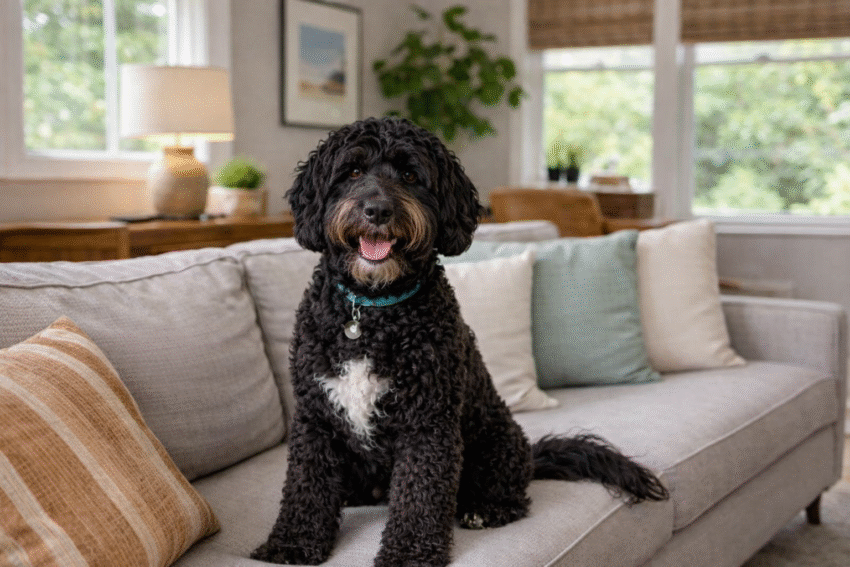
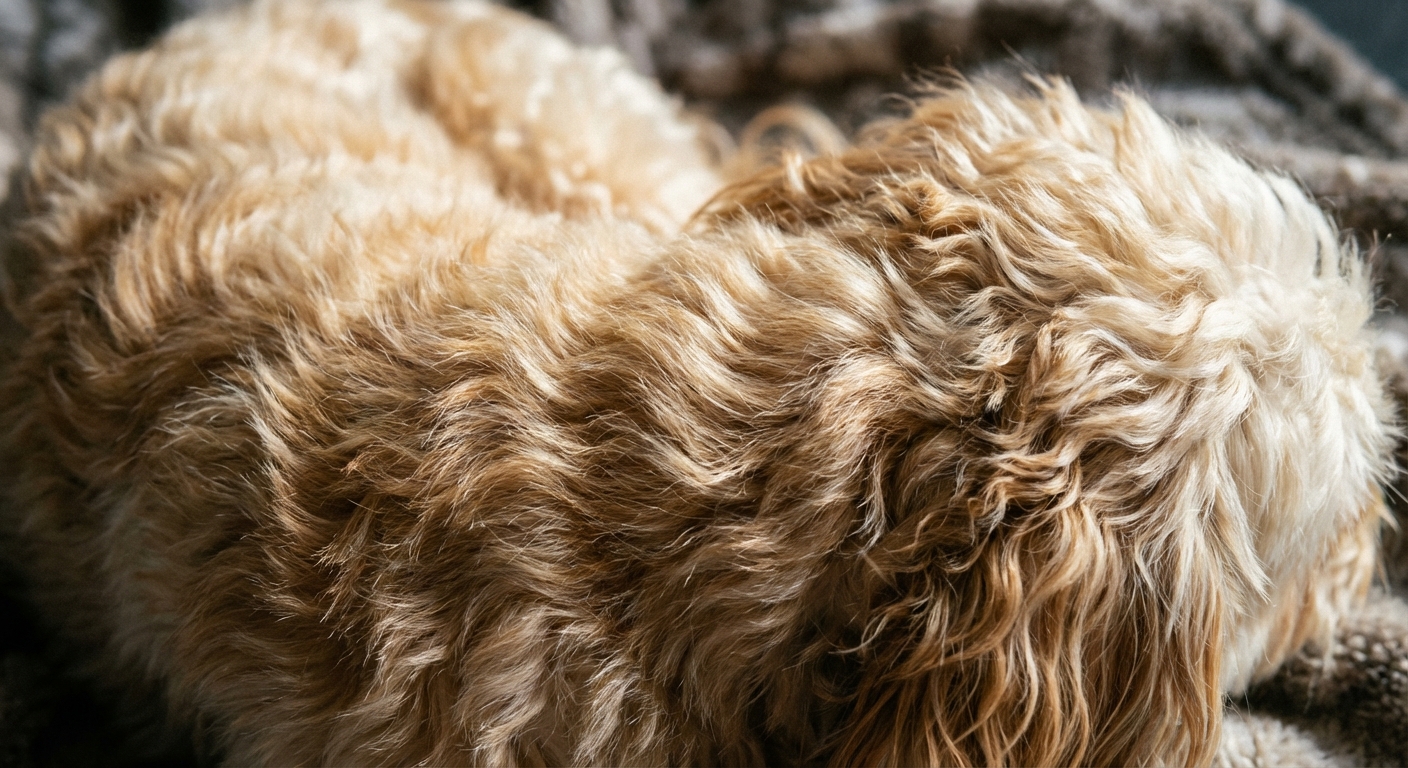
Havapoos are usually small, with soft, expressive faces and a coat that can range from wavy to curly. Coat texture and shedding level depend heavily on genetics and which traits the puppy inherits. Some Havapoos have a more Poodle-like curl, while others take on the Havanese-style wave.
Common coat colors
Havapoos can come in many colors, including cream, white, apricot, red, chocolate, black, silver, and combinations with markings. In some Poodle-influenced lines, coat color can lighten or change with age, so a puppy shade is not always the final shade.
Shedding and allergies
Many Havapoos shed less than typical double-coated breeds, but it is not guaranteed. Allergies are also complex. Most people react to dander and saliva proteins, not just fur. If allergies are a concern, spend time with the puppy and, if possible, adult dogs from the same lines. It can also help to talk with your veterinarian or an allergist for personalized guidance.
Temperament and Personality
Havapoos are often described as friendly, people-oriented, and eager to please. Many do well with respectful children and can be social with other pets when properly introduced.
- Affectionate: Often happiest curled up near their favorite person.
- Smart: Typically quick learners, especially with positive reinforcement.
- Sensitive: Harsh corrections can backfire. Gentle consistency works best.
- Social: They usually enjoy visitors and outings when socialized early.
One important reality: because they bond closely, some Havapoos are prone to separation anxiety if left alone for long stretches. Starting independence training early can make a big difference.
Size, Lifespan, and Activity Needs
Most Havapoos are small dogs, but adult size can vary widely based on the Poodle parent (Toy, Miniature, and in some cases larger-than-expected lines) and the puppy’s individual genetics.
- Typical weight: Often about 7 to 20 pounds, with some dogs falling outside this range
- Typical height: Commonly about 9 to 15 inches at the shoulder, with variation possible
- Lifespan: Frequently 12 to 15 years, sometimes longer with excellent care
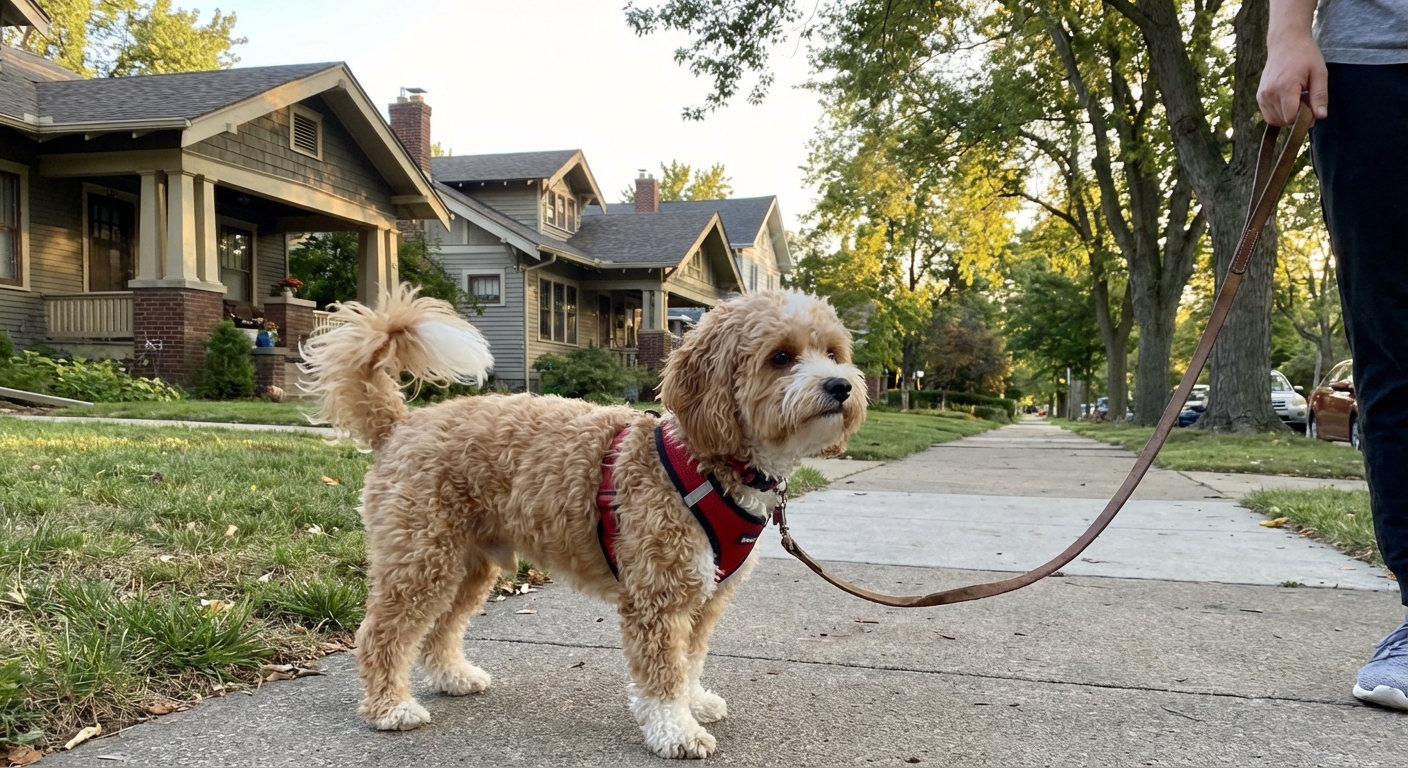
In terms of exercise, think “steady and consistent” rather than intense. A couple of short walks plus playtime usually meets their needs. Many also enjoy puzzle toys, sniffing games, and short training sessions that keep their brains engaged.
Grooming and Maintenance
Havapoos can be relatively low shedding, but that often comes with a tradeoff: more grooming. Wavy and curly coats can mat if brushing is inconsistent.
Practical grooming routine
- Brushing: 3 to 5 times per week, and daily during longer coat phases
- Professional grooming: Often every 4 to 8 weeks depending on coat length and how easily it mats
- Bathing: About every 3 to 6 weeks, or as needed
- Ears: Check weekly, especially if the ears are hairier or moisture-prone
- Teeth: Ideally brush daily, but even a few times per week helps
- Nails: Trim every 2 to 4 weeks
If you are new to grooming, ask your groomer to show you how to line-brush and how to spot early mats behind the ears, under the collar, and in the armpit area. Those are common trouble spots.
Time and cost are worth thinking about up front. Even with a shorter “teddy” trim, many Havapoos still need consistent at-home brushing plus recurring professional appointments to stay comfortable and mat-free.
Training Tips That Actually Work
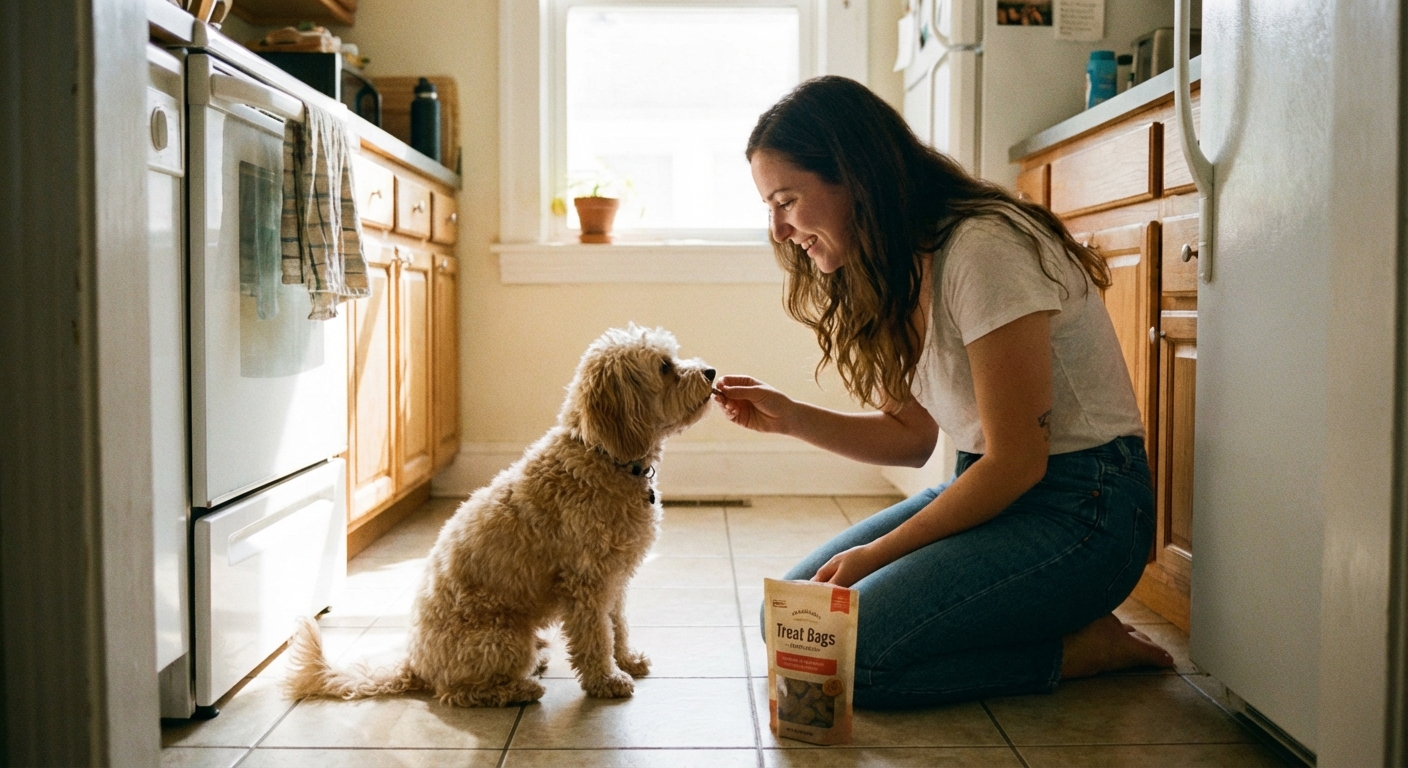
Havapoos typically respond beautifully to positive reinforcement: treats, praise, play, and short sessions. Many families find that small, consistent habits add up quickly with bright, people-focused dogs.
Focus areas for most Havapoos
- House training: Use a predictable schedule, reward immediately, and supervise closely.
- Socialization: Calm exposure to people, sounds, surfaces, and friendly dogs during puppyhood.
- Alone-time skills: Practice short departures so the dog learns you always come back.
- Leash manners: Reward walking near you before pulling becomes a habit.
Because small dogs can be unintentionally babied, some pick up nuisance behaviors like barking for attention. Structure, enrichment, and teaching an alternate behavior, like “go to your mat,” usually helps.
Puppy Energy, Adult Rhythm, and Barking
Havapoo puppies often have short bursts of big energy, followed by an impressive ability to nap. In adolescence, it is common to see more testing of boundaries and extra excitability, which is exactly when consistent routines and short training sessions pay off.
As adults, many Havapoos settle into a pleasant companion rhythm, but they still do best with daily walks, play, and some kind of mental challenge.
Barking varies by individual and environment. Some Havapoos are naturally alert and will announce visitors, hallway noise, or outdoor activity. Early training, enough exercise, and teaching a cue like “quiet” can prevent barking from becoming a default habit.
Health Considerations to Know
Mixed-breed dogs can still inherit health issues from either parent breed. The best protection is thoughtful breeding practices, early veterinary care, and healthy daily habits.
Concerns that may appear in a Havapoo line
- Dental crowding: Common in small breeds, making dental care especially important.
- Patellar luxation: A kneecap issue seen in many small dogs.
- Hip and leg joint issues: Some small dogs can be affected by conditions like hip dysplasia or Legg-Calvé-Perthes disease.
- Eye concerns: Some lines can be prone to issues such as cataracts or progressive retinal atrophy (PRA), so regular checks matter.
- Ear infections: More likely if the ears trap moisture or have heavy hair growth.
- Allergies and skin sensitivity: Can show up as itching, licking, or recurrent ear problems.
- Heart disease: Mitral valve disease is a general concern in small dogs, especially with age.
When choosing a puppy, ask the breeder or rescue about veterinary records and any health testing for the parent dogs. Depending on the lines, reputable programs may use screenings such as OFA evaluations (for example, patellas and hips), CAER eye exams, and breed-relevant DNA testing when appropriate (including testing related to PRA in Poodle lines). Your veterinarian can help you interpret results and decide what matters most for your dog.
Feeding and Daily Wellness
Nutrition is a foundational part of a Havapoo’s long-term health. Small dogs can be prone to weight gain, and even a little extra weight can stress joints and impact energy levels.
Simple, evidence-based feeding approach
- Choose a complete diet: Look for a reputable brand that meets AAFCO standards for the correct life stage.
- Measure portions: Use a measuring cup or scale and adjust based on body condition, not just the label.
- Limit treats: Aim for treats to be no more than about 10 percent of daily calories.
- Support dental health: Daily brushing is best. Dental chews can help, but they do not replace brushing.
If your Havapoo has a sensitive stomach or itchy skin, talk with your veterinarian before switching foods repeatedly. A structured plan, sometimes including a diet trial, can help identify what is really going on.
Ethical Sourcing: How to Choose a Puppy or Rescue
If you are considering adding a Havapoo to your home, prioritize temperament, health history, and ethical sourcing. A great match is less about the “perfect” mix and more about choosing a dog whose needs align with your real life and daily rhythm.
Questions worth asking
- What health tests were completed on the parent dogs, and can you share documentation?
- Can I meet the puppy’s mother (and the father if available) or see information about them?
- How are puppies raised and socialized in the home, and what exposure have they had so far?
- What support do you provide after placement (contract, return policy, guidance)?
Red flags to avoid
- No proof of health screening, or vague answers that cannot be verified
- Multiple litters always available, no questions asked about your home, or pressure to buy quickly
- Unwillingness to let you see where the dogs live and how puppies are cared for
Rescue can also be a wonderful path. Ask about foster notes, behavior observations, and any medical work completed so you can set realistic expectations and plan a smooth transition.
Is a Havapoo Right for You?
A Havapoo can be an excellent match if you want a friendly, trainable companion and you are prepared for consistent grooming and plenty of together time. They often do best in homes where someone is around for much of the day, or where the family is committed to building independence skills gradually.
Great fit for
- Individuals or families wanting a small, affectionate companion
- Homes that can provide daily walks and play
- People willing to brush regularly and keep up with grooming
May be challenging for
- Households where the dog is alone for long hours most days
- Anyone who prefers a truly low-maintenance coat
If you decide a Havapoo is right for you, set yourself up for success by planning for grooming, training, and a realistic daily routine. With the right match, these little dogs can be deeply rewarding companions for years.