Hear your dog whine the moment you grab your keys? Learn the real signs of separation anxiety and follow a gentle, step-by-step plan—camera setup, calm ski...
Article
•
Designer Mixes
Havanese Velcro Dog Guide

Shari Shidate
Designer Mixes contributor
The Havanese has a big reputation in a small, fluffy package: they are famously devoted, people-focused companion dogs. If you have ever heard someone call a Havanese a “Velcro dog,” that is usually not an exaggeration. Many Havanese strongly prefer to be with their person most of the day, following from room to room and soaking up attention like it is their job.
As a veterinary assistant, I love helping families match their lifestyle to the right breed. With Havanese, the key question is simple: do you want a dog who is happiest when they are close to you most of the time? If yes, you may have found your heart dog.
Quick note: This is general guidance. Your veterinarian can help tailor recommendations to your dog’s age, health, and routine.

Havanese at a Glance
- Origin: Cuba
- Size: Small, often around 7 to 13 lb (adult), with a compact build
- Lifespan: Often about 14 to 16 years
- Grooming: High if kept long, moderate if clipped
- Exercise: Usually about 30 to 60 minutes daily split into short sessions
- Alone time: Often prefers company, benefits from early independence training
What “Velcro Dog” Means
A Velcro dog is a dog who bonds tightly and prefers constant proximity. For many Havanese, closeness is not just a preference, it is a strong and consistent trait you will notice in daily life.
Common behaviors
- Shadowing you around the house, even for quick tasks
- Choosing laps and cuddles over independent play
- Greeting you enthusiastically even after short separations
- Becoming unsettled if shut out of a room
This trait can be wonderful for someone who wants a true companion. It can also create challenges if your household has long workdays away from home or frequent travel that does not include your dog.
Temperament in Real Life
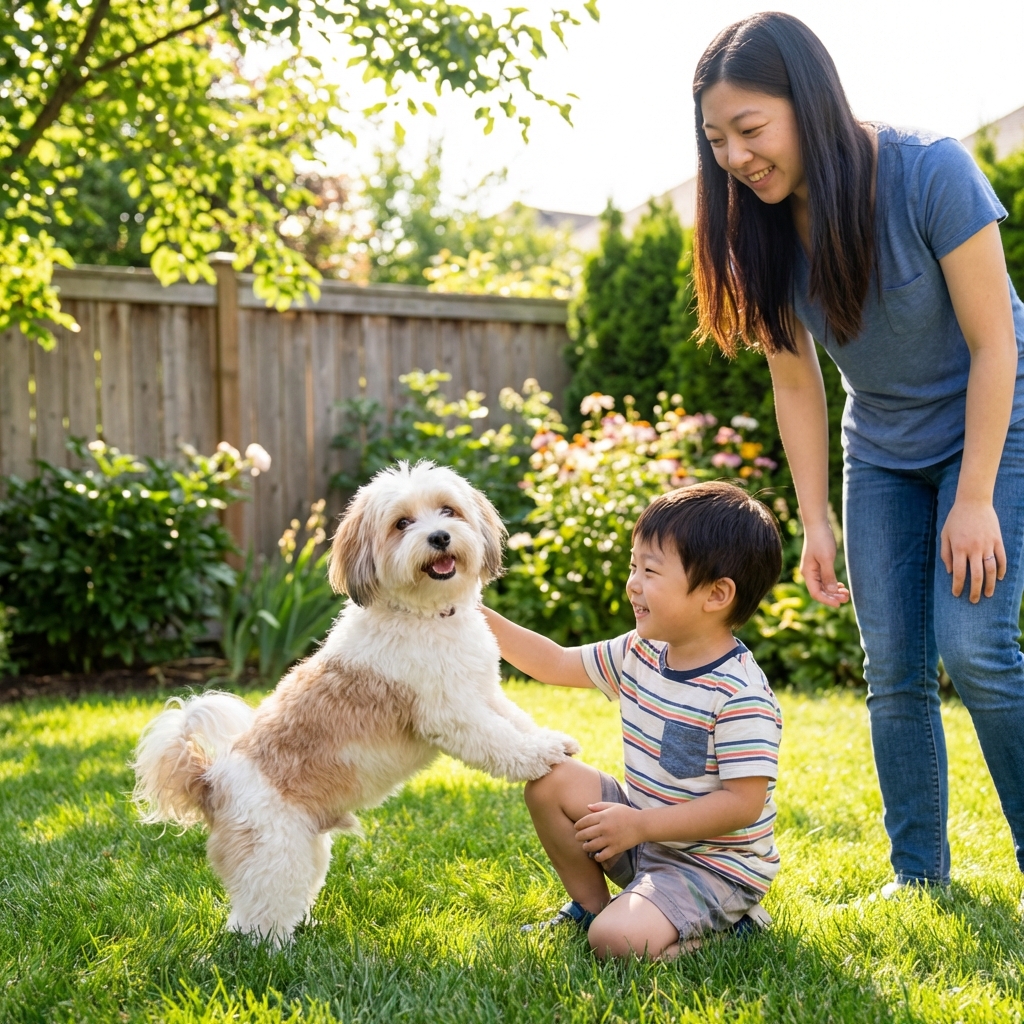
Havanese are typically affectionate, bright, and socially tuned-in. Many are gentle with kids, friendly with guests after a short warm-up, and eager to learn when training is positive and consistent.
They were developed as companion dogs, and it shows. A Havanese often watches your face, stays attuned to your cues, and seems to want to participate in whatever you are doing.
Personality highlights
- Affectionate: Often thrives on touch, closeness, and attention
- Trainable: Responds best to rewards, praise, and short, fun sessions
- Sensitive: Harsh corrections can backfire and increase stress
- Playful: Many enjoy interactive games more than solo toys
Barking and Alertness
Many Havanese are alert and will let you know when something changes, like a knock at the door or a new person outside. That does not mean they are yappy by default, but vocal habits can develop if barking gets rewarded with attention or excitement.
How to keep barking manageable
- Teach “quiet” early: Reward a pause in barking, then build duration
- Give a job: Ask for “place” on a mat when the doorbell rings
- Reduce triggers: Use window film or limit access to high-traffic windows if needed
- Meet daily needs: Under-exercised, under-enriched dogs often bark more
Coat and Grooming
Havanese are a small breed, which many people love for apartment living and easier travel. Their coat is a signature feature: long, soft, and often wavy. It is beautiful, but it is also a commitment.
A common question: Some people call Havanese “hypoallergenic,” but no dog is truly hypoallergenic. Many Havanese are lower-shedding, yet they still produce allergens (like dander and saliva). If allergies are a concern, spend time with the breed first and talk with your medical provider.
Grooming realities
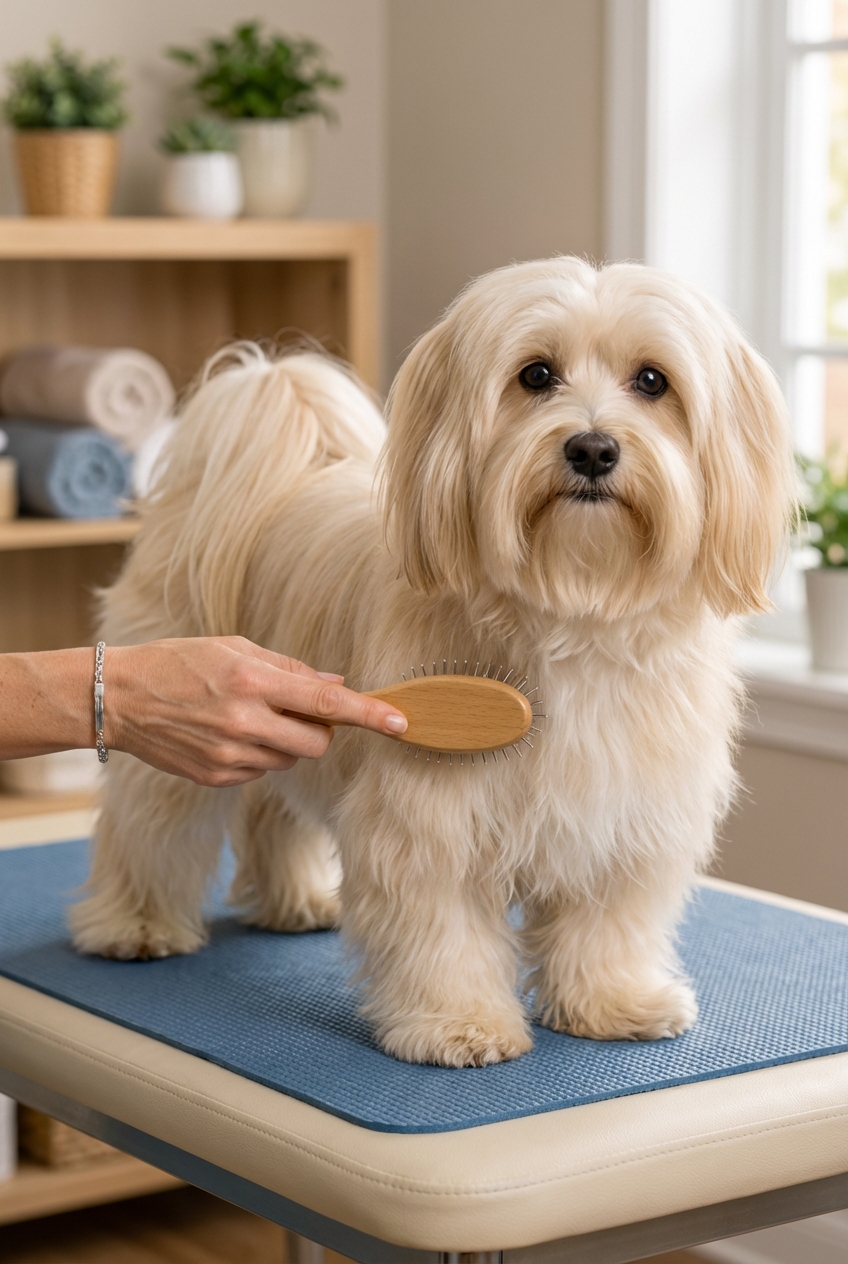
- Daily or near-daily brushing helps prevent mats, especially behind ears, in armpits, and around the collar area.
- Professional grooming is common. If you keep a shorter clip, many families schedule grooming about every 4 to 8 weeks.
- Short “puppy cuts” can be a practical option for busy families while still keeping that Havanese charm.
From a wellness perspective, matting is not just cosmetic. Tight mats can pull on skin, trap moisture, and contribute to irritation or infection. If brushing is difficult, ask your groomer or veterinary team to show you the most effective tools and technique for your dog’s coat type.
Puppy tip: start gentle handling and brushing practice right away. Even 30 to 60 seconds a day helps your Havanese learn that grooming is safe and normal.
Exercise and Enrichment
Havanese do not usually need marathon runs, but they do need daily movement and brain work. Some common nuisance behaviors in small companion breeds come from boredom or under-stimulation, not “stubbornness.”
A simple daily routine
- Two or three short walks (often totaling about 30 to 60 minutes daily)
- One training game (5 to 10 minutes)
- One enrichment activity like a food puzzle, sniffing game, or scatter feeding
Sniffing is natural stress relief for dogs. Even a short “sniffari” walk where your Havanese gets to explore at their pace can make a noticeable difference in calmness at home.
Separation Anxiety
Because Havanese are so people-oriented, they can be prone to separation-related distress. Not every Havanese will develop separation anxiety. It is also important to know separation anxiety can occur in any breed and is influenced by many factors, including early experiences, routine changes, and individual temperament.
Signs to watch for
- Vocalizing, barking, or whining when left alone
- Destructive behavior focused near doors or windows
- House soiling that happens primarily when alone
- Pacing, drooling, or frantic greeting behavior
If you see these patterns, talk with your veterinarian. Separation anxiety is a treatable medical and behavioral issue. A plan may include behavior modification, predictable routines, enrichment, and in some cases prescription medication. For more targeted support, your vet may refer you to a qualified trainer or behavior professional (for example, a CSAT provider or an IAABC consultant).
How to help your Havanese feel safe alone
- Practice tiny departures: Step out for seconds, then minutes, rewarding calm behavior.
- Build independence gently: Teach “settle on a mat” while you move around the home.
- Use food enrichment: A stuffed frozen food toy can create positive alone-time associations.
- Keep exits low-key: Calm departures and calm returns help reduce stress cues.
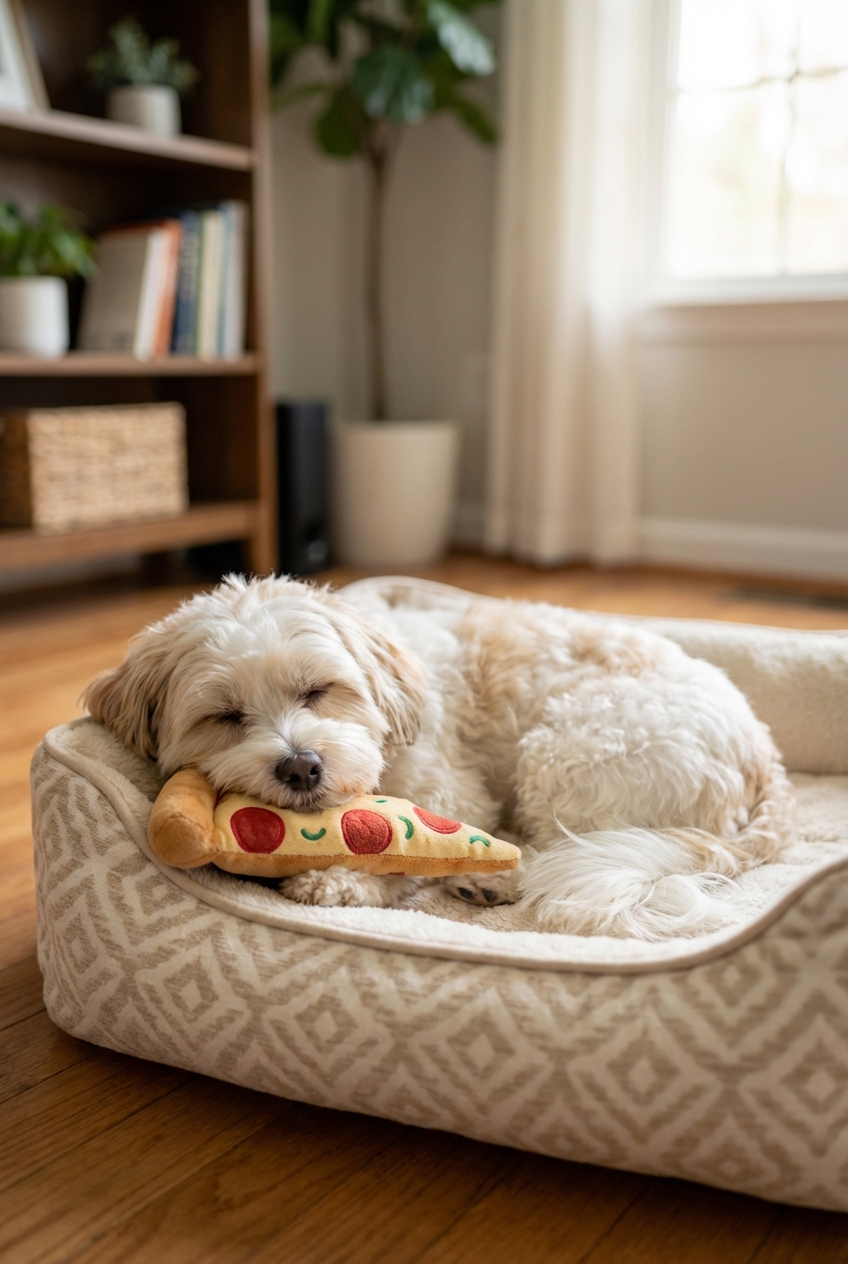
Training Tips
Havanese often shine with positive reinforcement training because they are motivated by connection. Think of training as a relationship-building activity, not a chore.
Best practices
- Keep sessions short: 3 to 8 minutes, multiple times a day
- Reward what you like: Treats, praise, play, or a quick cuddle
- Prioritize socialization: Safe exposure to people, sounds, surfaces, and gentle handling
- Teach “quiet” and “place”: Helpful for doorbell excitement
Puppy note: the early months are a key time to build comfort with grooming tools, being picked up, nail trims, tooth brushing, and calm time in a crate or playpen. Those habits pay off for life.
Many Havanese do best with gentle consistency. If your dog seems “stubborn,” step back and ask: is the reward valuable enough, is the environment too distracting, or is the session too long?
Health Considerations
No breed is perfect health-wise, and it is smart to go in with eyes wide open. Responsible breeding, preventive care, and healthy weight maintenance matter a lot for long-term quality of life.
What veterinary teams often watch for
- Dental disease: Small mouths can mean crowded teeth and faster tartar buildup.
- Knee and joint issues: Luxating patella can occur in small dogs.
- Eye concerns: Some Havanese can develop eye issues, so routine exams help catch problems early.
- Heart disease: Small breeds as a group are prone to age-related heart disease, like mitral valve disease, so your vet may listen closely for murmurs over time.
- Weight gain: Even a little extra weight can strain joints and affect overall health.
Actionable basics that truly help: brush teeth regularly with dog-safe toothpaste, schedule routine wellness visits, keep nails trimmed for proper gait, and maintain a lean body condition.

Feeding Basics
Nutrition is one of the most powerful daily choices you can make for your dog. For Havanese, the goal is steady energy, healthy digestion, great skin and coat, and maintaining a lean body condition.
Evidence-based guidelines
- Choose a complete and balanced diet that meets AAFCO standards for your dog’s life stage.
- Measure meals and monitor treats. Small dogs can gain weight quickly.
- Prioritize dental support: tooth brushing plus dental chews, ideally products accepted by the VOHC (Veterinary Oral Health Council) when available, and cleanings as recommended.
If you want to add fresh foods, start slowly. Many families do well with a “topper” approach, adding a small amount of gently cooked, dog-safe whole foods to a balanced base diet. Just remember that toppers should not unbalance the diet, and sudden changes can cause GI upset.
Always avoid toxic foods like grapes, raisins, onions, xylitol, and alcohol. If you are ever unsure, call your vet or a pet poison hotline right away.
Is a Havanese Right for You?
A Havanese is a wonderful match if you want a dog who thrives on closeness and family life. They tend to do best with people who are home often, can include the dog in daily routines, and enjoy gentle training and grooming.
You may love this breed if you want
- A cuddly, affectionate companion
- A small dog with a big personality
- A breed that enjoys learning and attention
You may want to reconsider if
- Your dog will be alone for long stretches most days
- You prefer a very independent dog
- Grooming time and coat care feel stressful or unrealistic
With Havanese, the “Velcro” trait is the magic and the management plan. When you meet their need for companionship thoughtfully, they often give you a lifetime of warmth and devotion.
Quick Start Checklist
- Schedule a wellness visit and discuss preventive care, vaccines, parasite protection, and spay or neuter timing.
- Start gentle alone-time training immediately, even if you work from home.
- Commit to brushing routines or choose a manageable haircut schedule with a groomer.
- Begin reward-based training: name response, recall, leash skills, settle, and handling exercises.
- Protect those small joints: use ramps for furniture if needed and reduce high-impact jumping, especially for puppies or dogs with known knee issues.