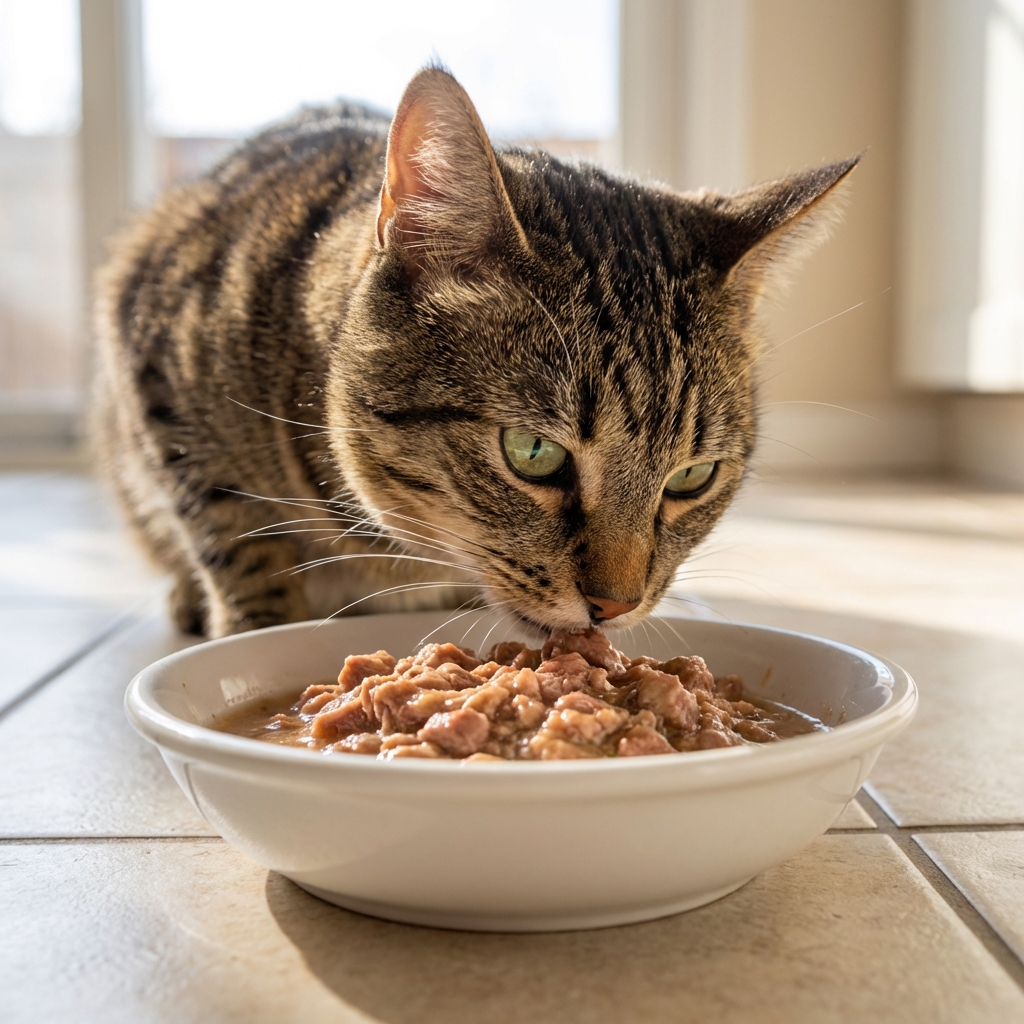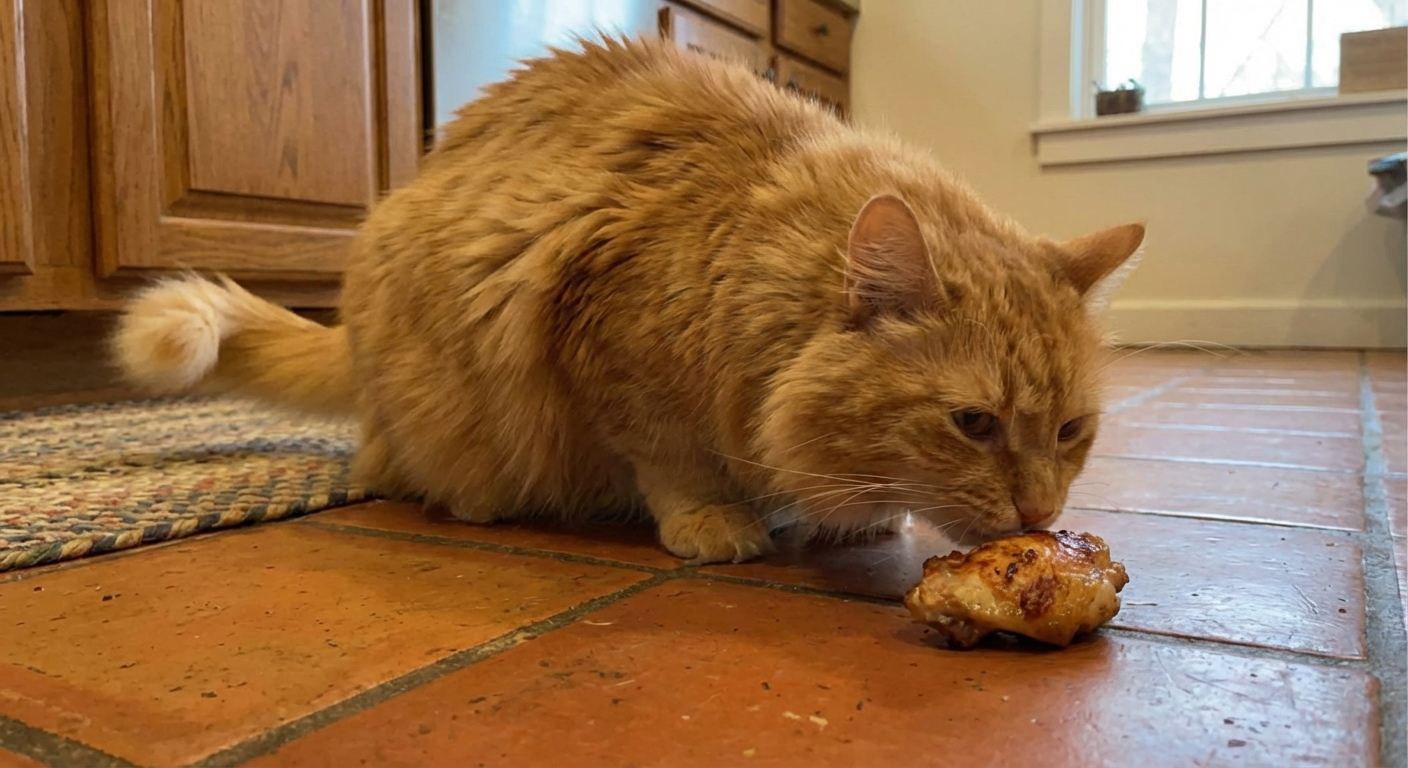
From cooked chicken and eggs to pumpkin and a few fruits, learn cat-safe human foods, what to avoid (onion, garlic, chocolate, grapes), and smart portion tips.
Article
•
Designer Mixes
Havana Brown Cat Breed: Temperament, Care, Health, and What to Know Before You Adopt

Shari Shidate
Designer Mixes contributor
Meet the Havana Brown
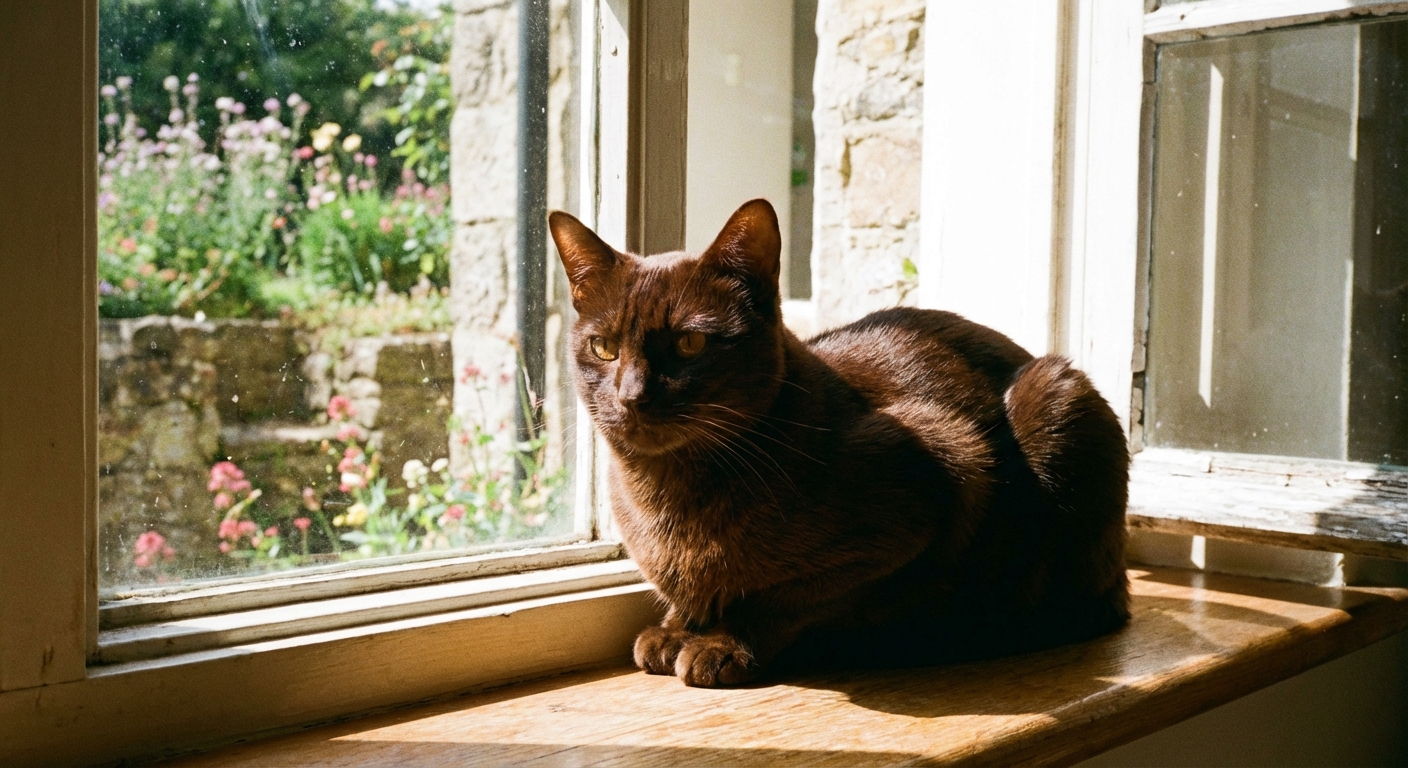
The Havana Brown is one of those breeds that quietly wins people over. With a warm, chocolate-colored coat and striking green eyes, this cat has a polished, elegant look. But the real charm is their personality. Havana Browns are typically affectionate, curious, and people-focused without being overly demanding.
I often remind families that choosing a pet is a little like choosing a lifestyle. The Havana Brown tends to thrive in homes where they get daily interaction, gentle play, and a predictable routine. If you enjoy a cat who wants to be part of your day, this breed can be a wonderful fit.
Origin and Breed History
The Havana Brown as we know it was developed in England in the mid-20th century through carefully planned crosses. Early breeding programs paired Siamese-type cats with black domestic shorthairs (and in some lines, other breeds) with the goal of producing kittens with a consistent, rich chocolate-brown coat and a distinct head shape and expression. The breed later gained recognition and development in other countries as well.
The name can be a bit confusing. Despite what it sounds like, the Havana Brown is not from Cuba. The name is commonly associated with the rich brown color, often compared to the shade of a Havana cigar.
Appearance: What Makes a Havana Brown Unique
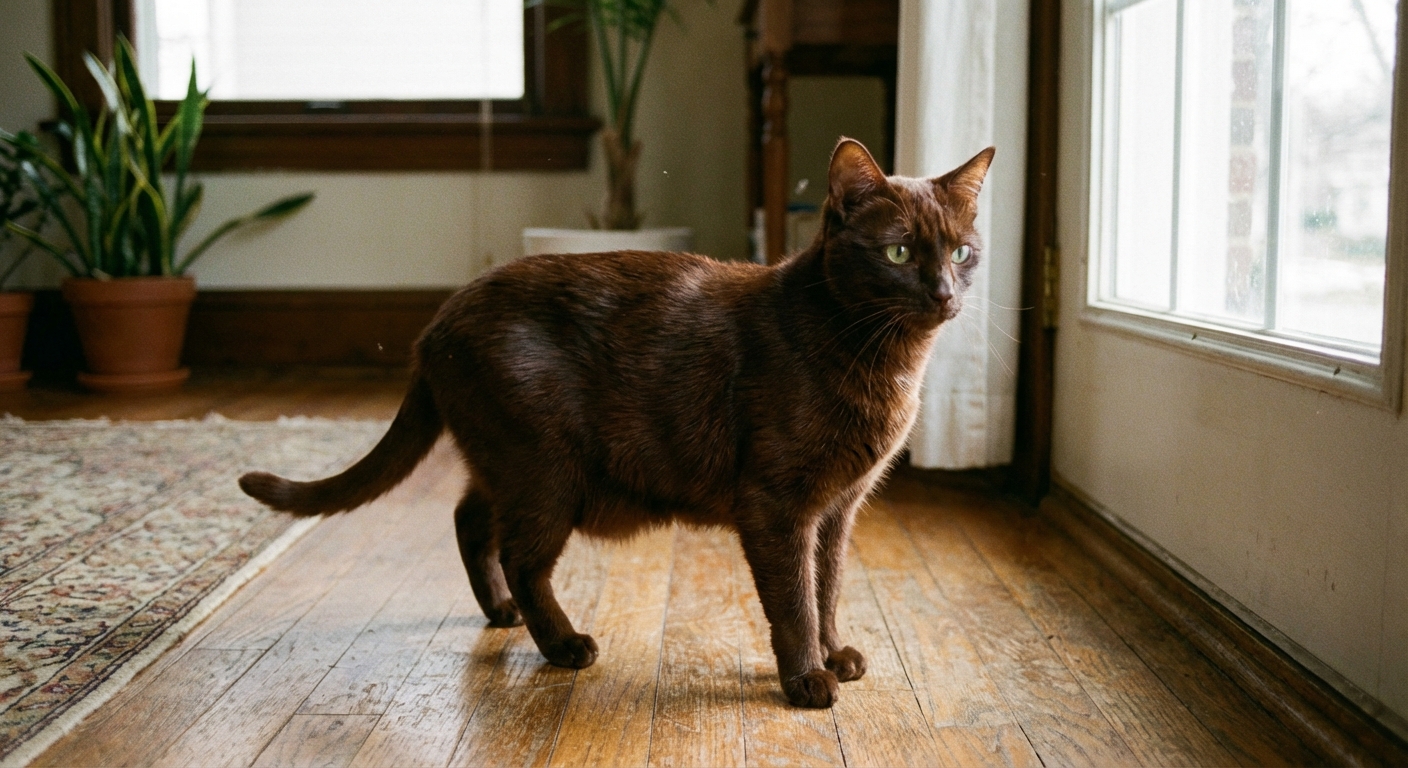
Havana Browns are medium-sized cats with a muscular but graceful build. They look athletic rather than bulky, and their coat is short, smooth, and close to the body. Their most recognizable features include:
- Coat color: A solid, warm brown (chocolate tones are typical).
- Eyes: Usually vivid green, which contrasts beautifully with the coat.
- Head and muzzle: A distinctive muzzle, often described as “corn cob” shaped, with a noticeable pinch behind the whisker pads that gives them a thoughtful, alert expression.
Temperament and Personality
If you want a cat who feels like a friendly roommate, the Havana Brown often fits that description. Many are known for being social and emotionally tuned in to their people. They may follow you from room to room, settle nearby while you work, and greet visitors with curiosity rather than fear.
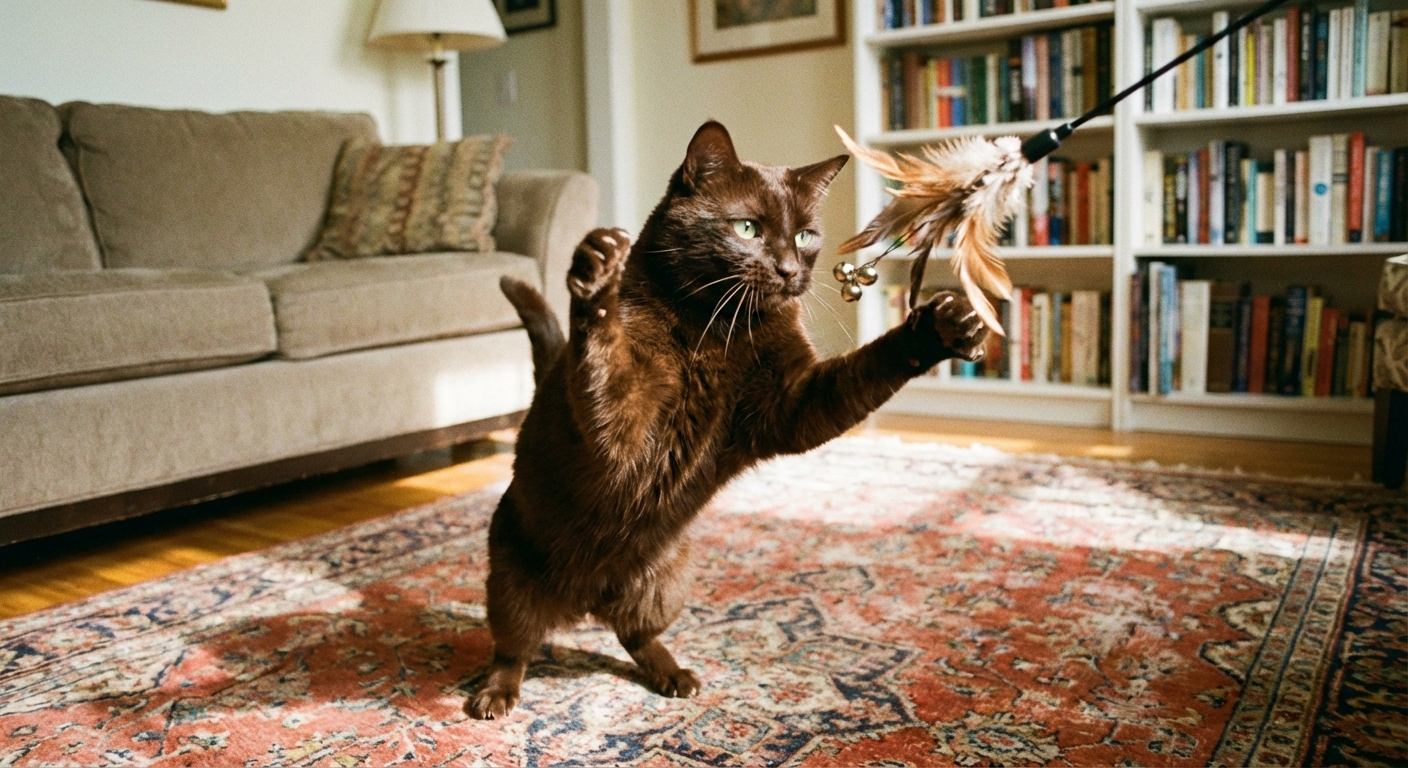
One of the most charming quirks owners mention is how tactile they can be. Havana Browns are often quick to use their paws to gently touch you, tap your arm for attention, or investigate new objects with a careful, almost hand-like curiosity.
Common personality traits
- Affectionate: Many enjoy being close, and some like being held or sitting on laps.
- Playful: They typically stay playful well past kittenhood.
- Intelligent and curious: Puzzle toys and interactive games are often a hit.
- People-oriented: They can be happiest when they get daily attention.
Because they can be so attached, Havana Browns may not love being left alone for long hours day after day. If your schedule is very busy, consider whether a second pet companion or extra enrichment could help.
Suitability as a Family Pet
In many households, Havana Browns do well with respectful children, gentle dogs, and other cats. Their social nature often makes them adaptable, especially when introductions are done slowly and thoughtfully.
Best home environment
- Homes where someone is around for part of the day, or where the cat has companionship.
- Families who enjoy interactive play and can offer daily attention.
- Households willing to provide enrichment like scratching posts, climbing spaces, and puzzle feeders.
As with any breed, personality varies by individual. A good breeder or rescue can help match you with a cat whose temperament fits your lifestyle.
Health: What Owners Should Know
Havana Browns are generally considered a healthy breed, but no cat is “immune” to health concerns. A smart approach is to plan for prevention: routine vet care, good nutrition, dental hygiene, weight management, and a low-stress home environment.
Potential health considerations
- Dental health: Like many cats, they can be prone to dental disease if teeth are not cared for.
- Weight gain: People-oriented cats can become less active if routines change. Portion control and play help.
- Breed lines matter: Because Havana Browns are relatively rare, responsible breeding practices are especially important.
Ask your veterinarian about a dental care plan and age-appropriate screening. If you are adopting from a breeder, ask about health testing, family history, and what support they offer after adoption.
Care and Grooming
The Havana Brown’s short coat is one of the easier types to maintain. Most do well with simple, consistent grooming and a clean environment.
Grooming basics
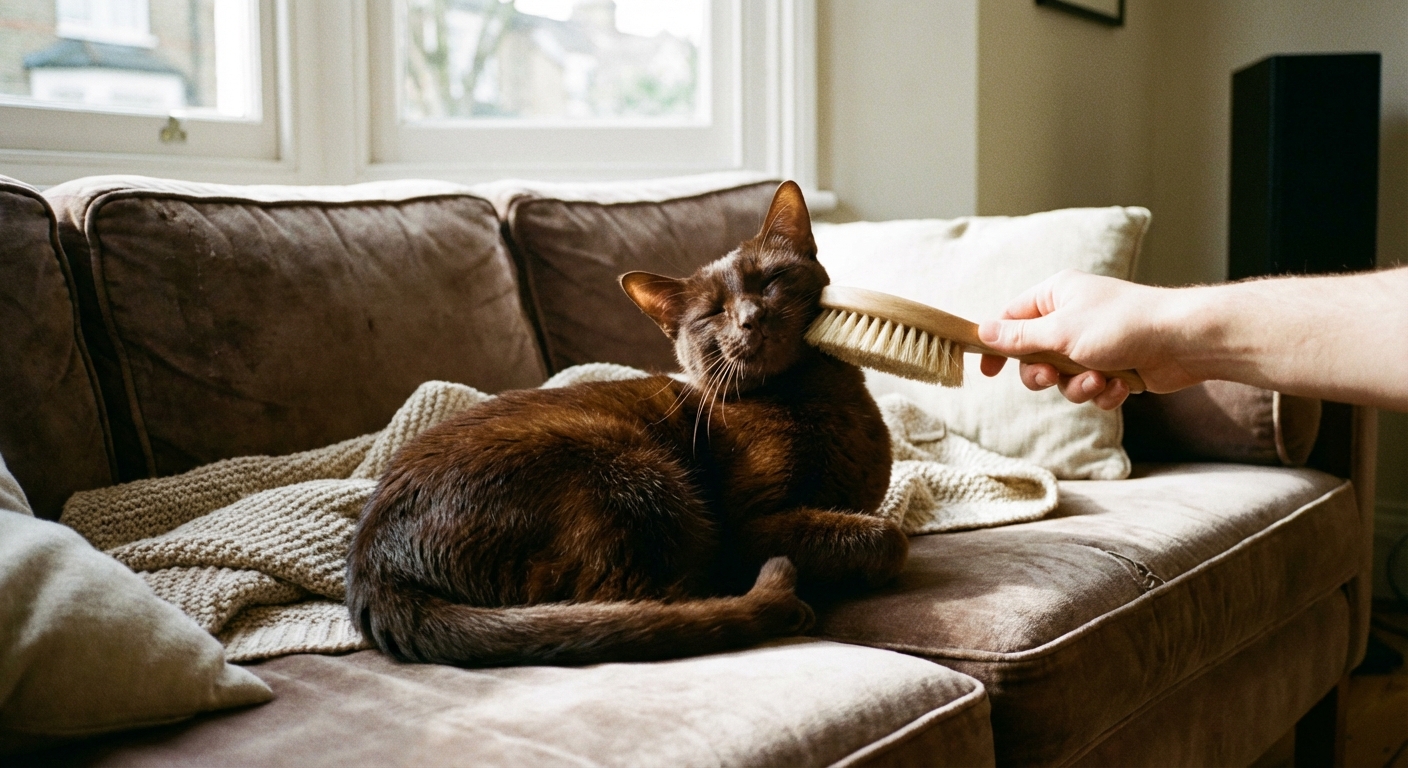
- Brushing: Once weekly is often enough to remove loose hair and keep the coat glossy.
- Nails: Trim every 2 to 4 weeks, depending on growth and scratching habits.
- Ears: Check weekly for wax buildup or irritation and clean only if your vet recommends it.
- Teeth: Brushing a few times per week is ideal. Daily is best if your cat tolerates it.
Think of grooming as preventive care. Short sessions that end on a positive note tend to work best, especially if you start early.
Nutrition and Healthy Weight
Nutrition is one of the most powerful tools you have to support your cat’s long-term health. A high-quality, complete and balanced cat food, whether wet, dry, or a combination, can work well. The right choice depends on your cat’s age, activity level, preferences, and medical needs.
Practical feeding tips
- Measure portions: Free-feeding can quietly lead to weight gain in indoor cats.
- Prioritize hydration: Many cats do better with some wet food and easy access to fresh water.
- Use food for enrichment: Puzzle feeders can slow eating and increase daily activity.
- Monitor body condition: You should be able to feel ribs with a light touch, without a thick fat layer.
If you are unsure about portions, your veterinarian can help calculate calorie needs and create a plan that fits your cat’s routine.
Exercise and Enrichment
Havana Browns often enjoy being engaged, not just entertained. Interactive play helps keep muscles strong, supports a healthy weight, and reduces stress-related behaviors.
Enrichment ideas that usually work well
- Two short play sessions per day using wand toys or toss-and-chase games.
- Cat trees or wall shelves for climbing and vertical space.
- Window perches for safe bird watching.
- Rotating toys every week so they feel “new” again.
Consistent play is especially helpful if your Havana Brown is very social. A few minutes of focused interaction can make a big difference in behavior and bonding.
Indoor Living and Safety
Because Havana Browns are rare and often very people-friendly, many owners choose to keep them indoors for safety. Indoor life reduces risks like traffic injuries, parasites, and infectious diseases. If you want to give outdoor access, consider a secure catio or harness training.
Simple safety upgrades
- Secure window screens and balconies.
- Keep toxic foods and plants out of reach.
- Use microchipping plus a breakaway collar if recommended by your vet.
- Provide multiple scratching surfaces to protect furniture and support healthy behavior.
Is a Havana Brown Right for You?
The Havana Brown is often ideal for people who want a companion cat with a warm, interactive personality. If you like a quiet home where your cat can be involved in daily routines, this breed is a great match.
This breed may be a strong fit if you:
- Want a social, affectionate cat who enjoys attention.
- Can commit to daily play and interaction.
- Prefer a low-maintenance coat with simple grooming needs.
You may want to think twice if you:
- Are away from home for very long hours most days without pet support.
- Prefer a very independent cat with minimal interaction.
Small, consistent habits compound into remarkable results over time, and that is true in pet care too. With routine vet visits, thoughtful nutrition, and daily engagement, a Havana Brown can be a healthy, loving companion for years.
Quick FAQs
Are Havana Browns hypoallergenic?
No cat is truly hypoallergenic . Havana Browns have short coats, but allergies are typically triggered by proteins in saliva and dander, not hair length.
Do Havana Browns shed a lot?
They usually shed moderately. Weekly brushing often keeps shedding manageable.
Are they good with other pets?
Many do well with other cats and cat-friendly dogs, especially with slow introductions and adequate space.