Wondering if your cat loves you? The slow blink is a powerful sign of trust. Learn what it means, why cats do it, how to respond, and mistakes to avoid.
Article
•
Designer Mixes
Handy Signs Your Cat Loves You

Shari Shidate
Designer Mixes contributor
Cats are subtle, and that is part of their charm. As a veterinary assistant here in Frisco, Texas, I hear the same question all the time: “How do I know my cat really loves me?” The good news is that cat affection is real. It just tends to look different than a dog’s.
Below are commonly observed, research-supported signs of feline attachment, plus simple ways to strengthen your bond while respecting your cat’s comfort and boundaries. (If you want the research, see the notes at the end.)
What “love” looks like
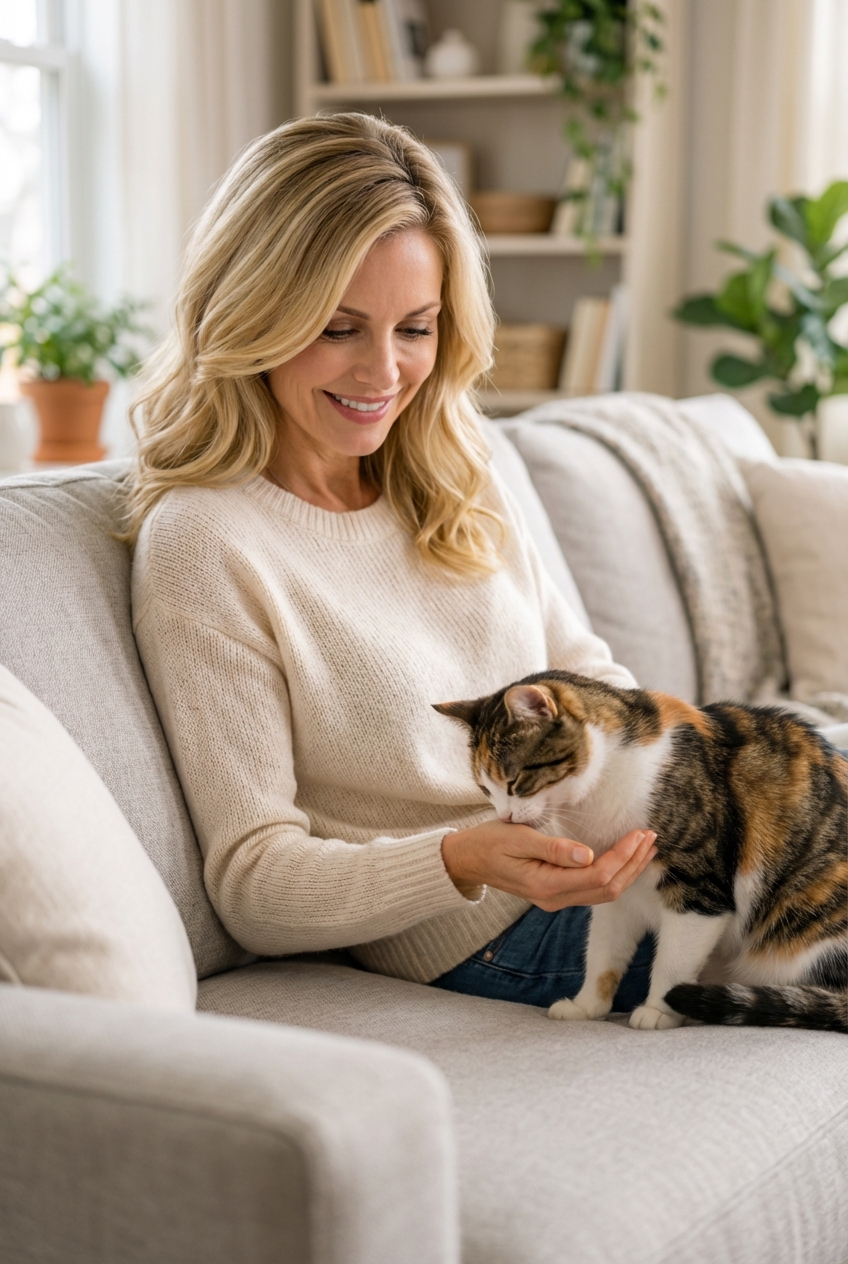
In behavior science, we often talk about attachment, affiliation, and trust rather than “love.” Cats show closeness by choosing to spend time near you, sharing their scent, and using calm body language around you.
No single sign is perfect on its own. Look for patterns. If your cat regularly seeks your company, relaxes with you, and asks for contact on their terms, that is a strong indicator of a healthy bond.
In clinic, we see this all the time: cats with secure, respectful routines tend to show clearer signs of comfort, even if they are not classic lap cats.
Handy signs your cat loves you
1) Slow blinking at you
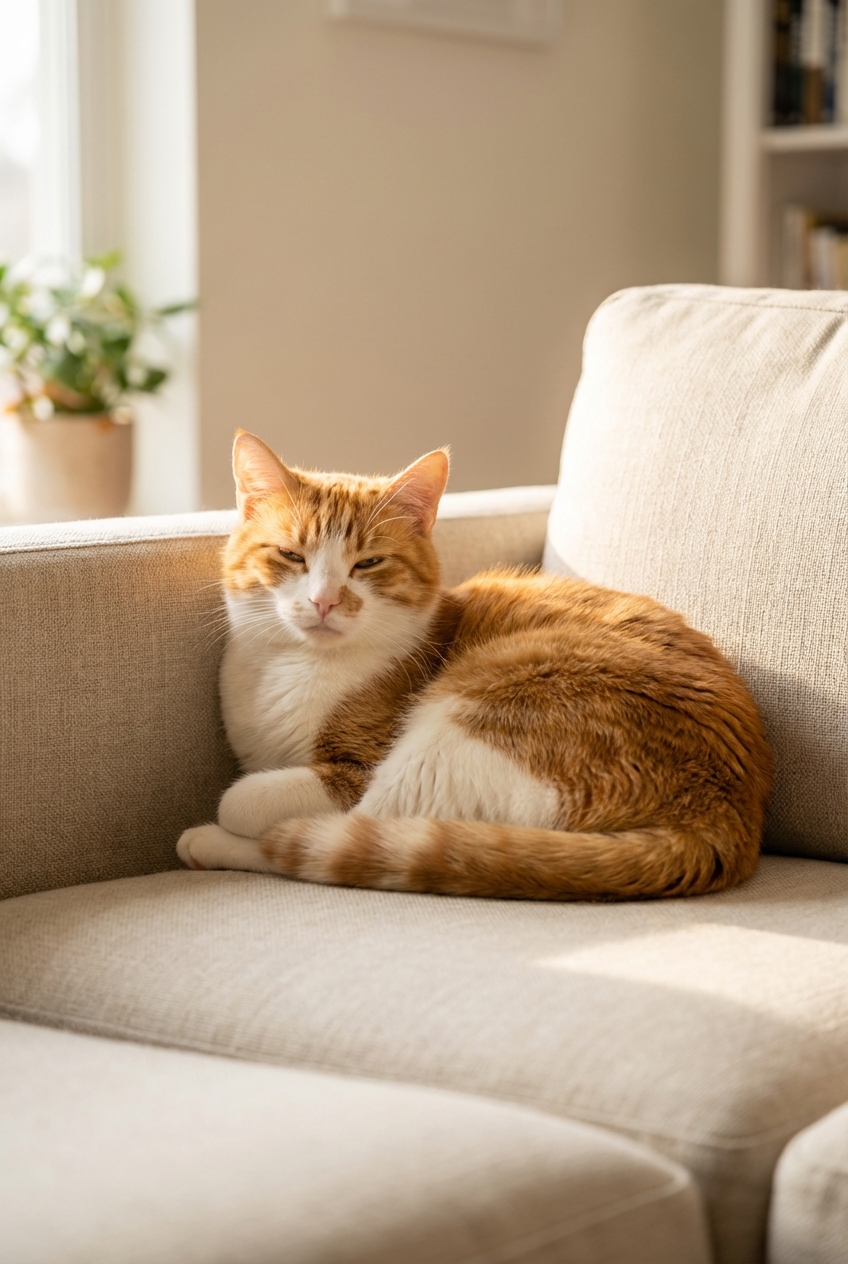
The slow blink is one of the clearest signals of comfort and trust. Many cats will soften their eyes, blink slowly, and sometimes half-close their lids when they feel safe. Research suggests slow blinking can function as a positive, affiliative signal between cats and people.
- Try it: Slow blink back from a short distance and look slightly away afterward. Let your cat decide if they want to approach.
2) Head bunting and cheek rubbing
When your cat rubs their head or cheeks on you, they are depositing scent from facial glands. This friendly social behavior helps create a shared “family” scent.
- What it means: “You are part of my group.”
- Best response: Offer your hand for them to rub, then pause and see if they ask for more.
3) Kneading (the biscuit-making move)
Kneading is common in relaxed cats and often traces back to kittenhood. Many cats knead when they feel content and secure.
- Tip: Put a soft blanket on your lap to protect your skin and make it more comfortable for both of you.
4) Purring in a relaxed context
Purring can mean contentment, but cats also purr when they are stressed or in pain. Context matters.
- Bonding clue: Purring while their body is loose, ears neutral, tail calm, and they are choosing to stay close.
- Red flag: Purring while hiding, crouched, breathing fast, or not eating can indicate discomfort. If you are unsure, check with your veterinarian.
5) Following you from room to room
Some cats are “shadow cats.” They may not want constant petting, but they want proximity. Choosing to be near you, especially in calm moments, is meaningful.
- What to do: Reward this with gentle talk, a predictable routine, or an occasional treat. Avoid scooping them up for affection when they are simply enjoying being close.
6) Sleeping near you (or on you)
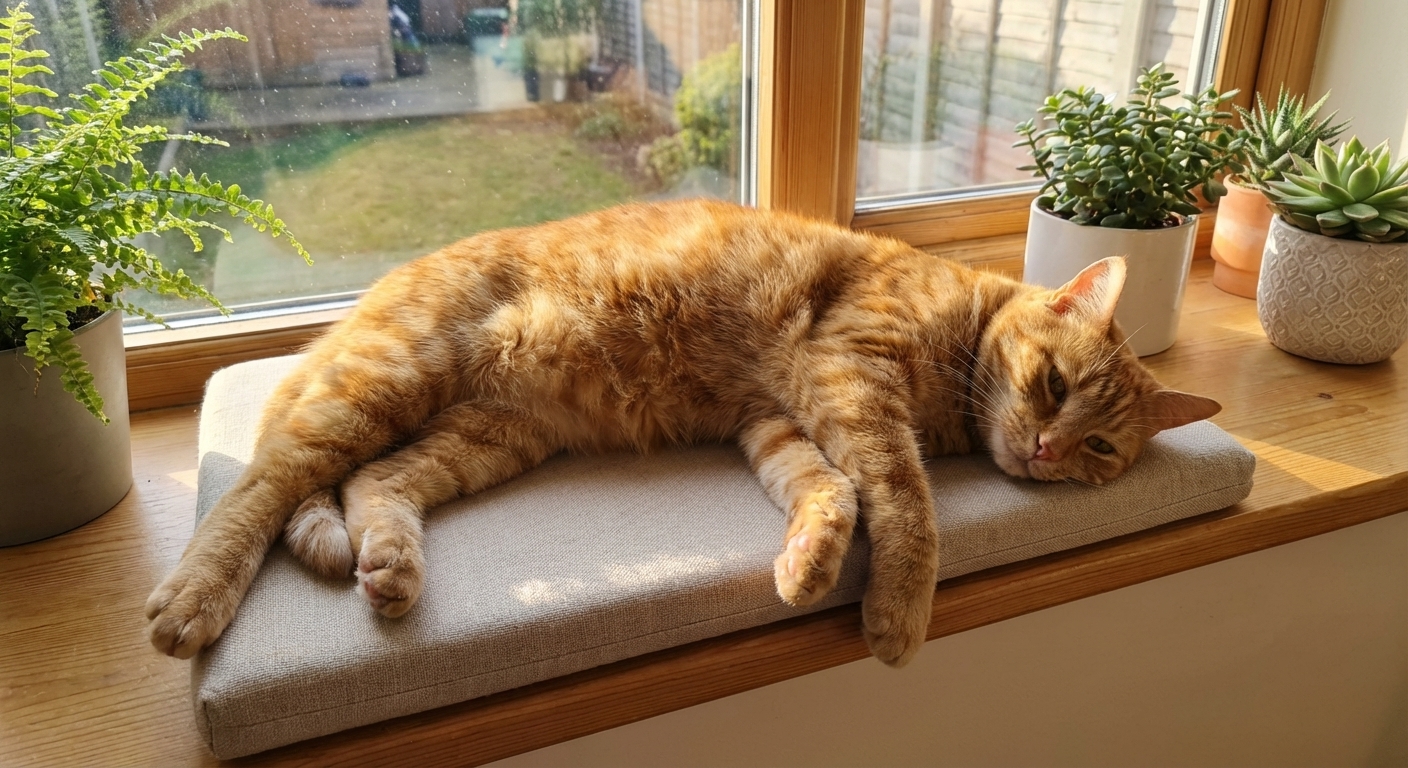
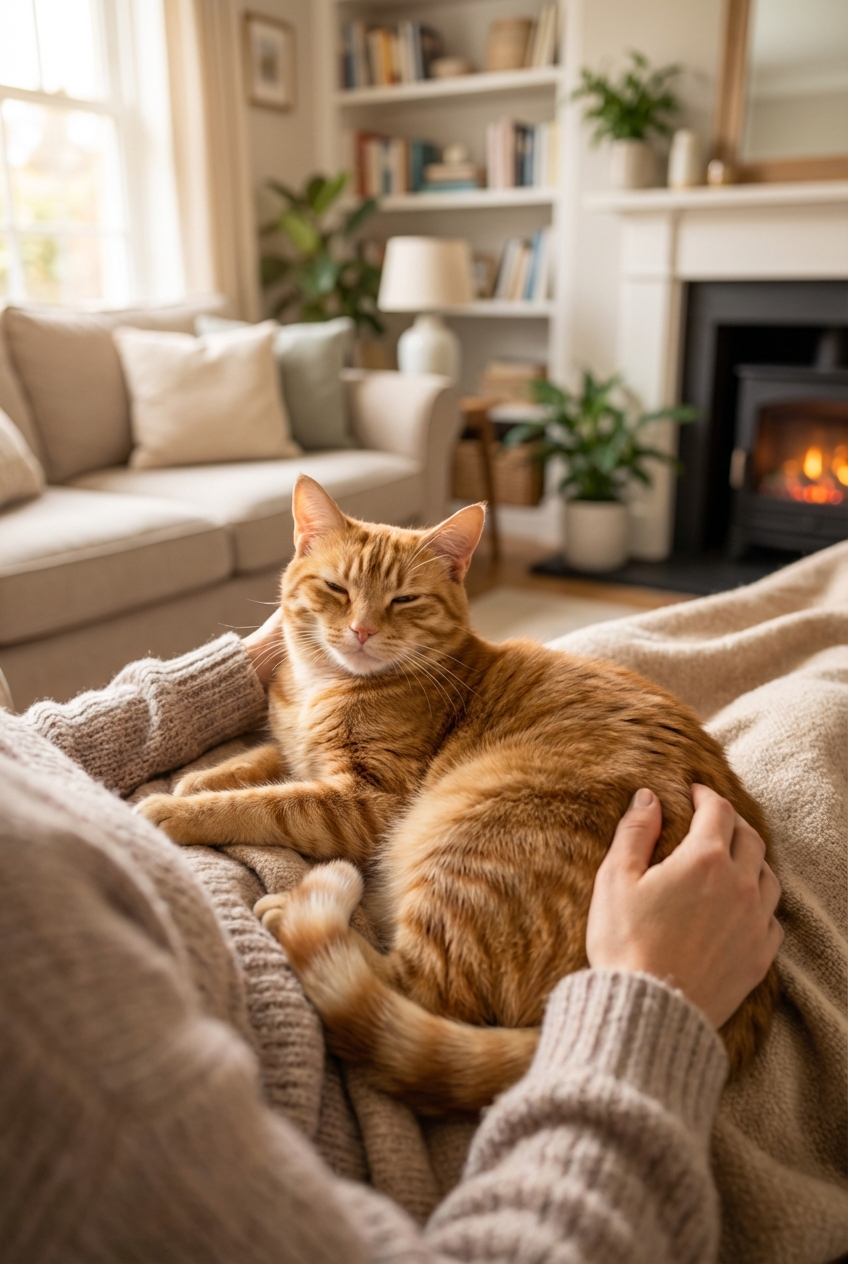
Sleep is a vulnerable time. When your cat chooses to nap near you, they are saying you feel like safe company.
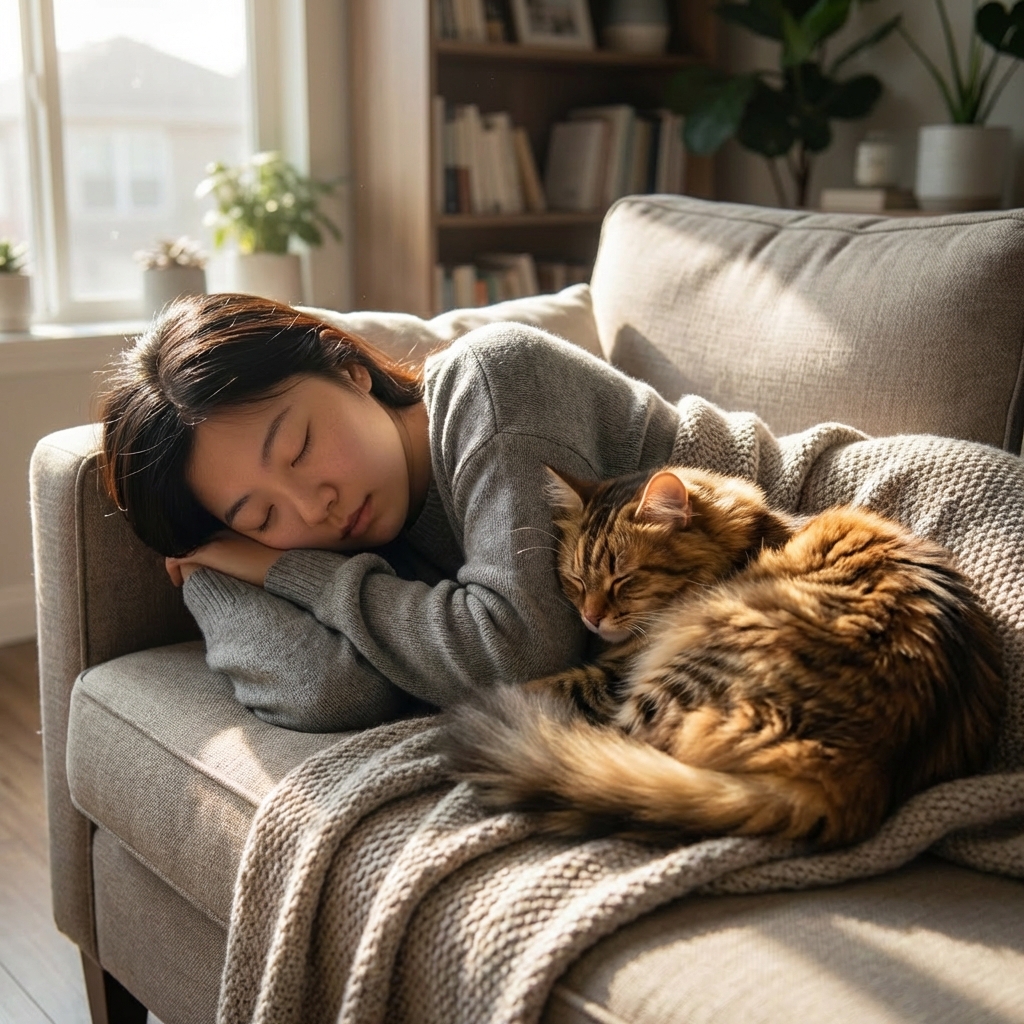
- Extra sweet sign: Belly exposed, paws tucked, or stretched out in a relaxed sprawl.
7) Showing you their belly (without asking for belly rubs)
A belly display is often a trust signal, not an invitation to touch. Many cats will swat or bite if a hand goes straight to the belly because it can be a sensitive area.
- Try this instead: Offer cheek or chin scratches, and let your cat reposition if they want more.
8) Tail language: upright tail with a soft tip
A tail held upright like a flag is a friendly greeting. If the tip has a gentle curve or a little “question mark,” that is often a great sign.
- Bonus: A cat who walks up with an upright tail and rubs you is giving a clear social hello.
9) Bringing you “gifts”
Whether it is a toy or, unfortunately, a bug or mouse, gift-giving can happen for a few reasons: social bonding, attention-seeking, or simply redirected hunting behavior. It can still be a sign your cat feels comfortable involving you in their world.
- What to do: Stay calm. Praise gently, redirect to a toy, and consider more daily play to satisfy hunting instincts.
- Quick safety note: If the “gift” is a wild critter, wash your hands, clean the area, and contact your vet if you have parasite concerns. Keeping cats indoors (or supervised outdoors) also protects wildlife and reduces exposure risks.
10) Grooming you (or asking for grooming)
Some cats lick your hand or hair, or they may rub their face along you repeatedly. Social grooming is a bonding behavior between cats, and many extend it to humans they trust.
- Note: If licking becomes intense or your cat starts chewing fabric or your hair, mention it to your vet. Anxiety, boredom, or skin issues can play a role.
11) The friendly chirp or soft meow
Adult cats typically vocalize more with humans than with other adult cats. A gentle trill, chirp, or quiet meow can be your cat’s way of checking in or greeting you.
- Try it: Respond with a calm voice. Many cats enjoy predictable, low-volume communication.
12) Choosing you after a startle
If something sudden happens and your cat runs toward you, or returns to you quickly afterward, that is a strong trust cue. In behavior terms, you are functioning as a secure base. Research on cat-human attachment supports that some cats seek their person for reassurance in unfamiliar or stressful situations.
Build a stronger bond
Let your cat start most interactions
Affection that is chosen is the kind that builds trust. Hold out a finger or your hand and let your cat approach and rub first.
Pet in the green light zones
Most cats prefer the cheeks, chin, and base of the ears. Some like shoulder and back strokes. Many dislike belly, paws, and tail handling.
- Watch for “I’m done” cues: skin twitching, tail swishing, ears rotating back, sudden head turns toward your hand, or moving away.
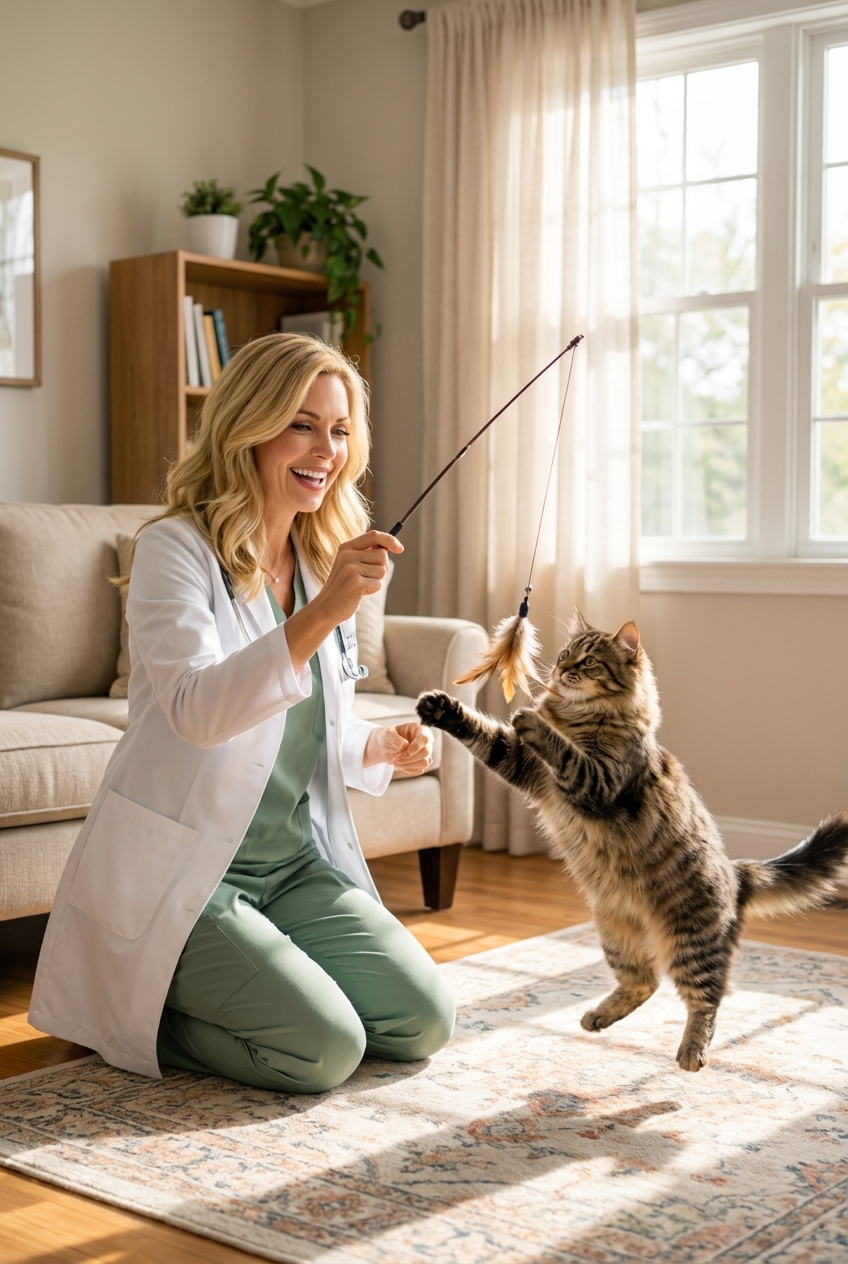
Play like prey once or twice a day
Interactive play supports mental health, reduces stress, and creates a positive association with you.
- Simple routine: 5 to 10 minutes with a wand toy, then let your cat “catch” it, followed by a small treat or meal.
Use treats strategically
You do not need a lot. A few tiny treats can reinforce calm, friendly behaviors like coming when called or settling near you.
Respect safe spaces
Cat trees, window perches, and quiet hiding spots reduce stress for many cats. A calmer cat often becomes more socially open, but some relaxed cats still prefer independence, and some stressed cats may become clingy. The goal is comfort, not forcing affection.
Individual differences matter
Cats vary a lot. Age, personality, early socialization, past trauma, household changes, and whether they share space with other pets can all shape how they show affection. Some cats are chatty. Some are quiet. Some are snugglers. Some love being nearby but not touched. Those differences are normal.
When it might not be love
Sometimes behaviors that look affectionate are actually signs of stress or a medical issue.
- Constant clinginess that is new: can be anxiety, pain, or changes in the home.
- Sudden irritability during petting: can be arthritis, dental pain, skin allergies, or overstimulation.
- Hiding more than usual: often signals illness or stress.
If your cat’s behavior changes quickly, appetite changes, litter box habits change, or you see vomiting, diarrhea, or weight loss, it is time to call your veterinarian. Behavior is a health sign in cats.
If medical causes are ruled out and you are dealing with ongoing fear, anxiety, or aggression, ask your vet about a referral to a qualified behavior professional (for example, a board-certified veterinary behaviorist or a certified cat behavior consultant).
Trust your gut. You know your cat’s “normal.” If something feels off, it is always okay to ask for a checkup.
Quick checklist
- Slow blinks at you
- Rubs cheeks or forehead on you
- Relaxes and naps near you
- Greets you with an upright tail
- Seeks you out after a scare
- Accepts gentle petting and walks away calmly when finished
Your cat does not need to be a lap cat to adore you. Many show love by sharing space, choosing closeness, and speaking in quiet feline ways. Notice the patterns, honor their boundaries, and you will feel that bond grow.
Research notes
- Slow blinking as positive cat-human communication has been studied in controlled settings (for example, work by researchers at the University of Sussex).
- Cat-human attachment and secure base effects have been explored in behavioral studies (including research published in peer-reviewed journals on animal behavior).