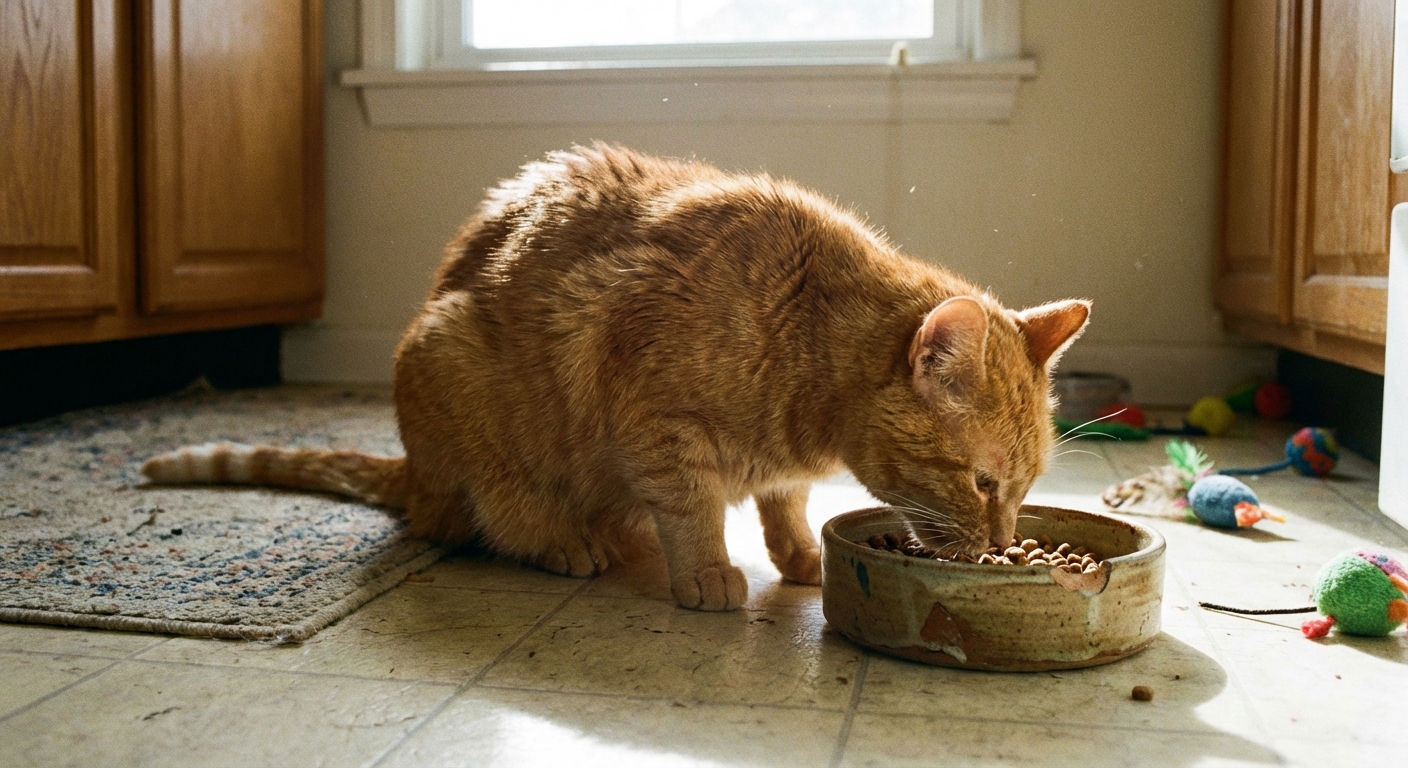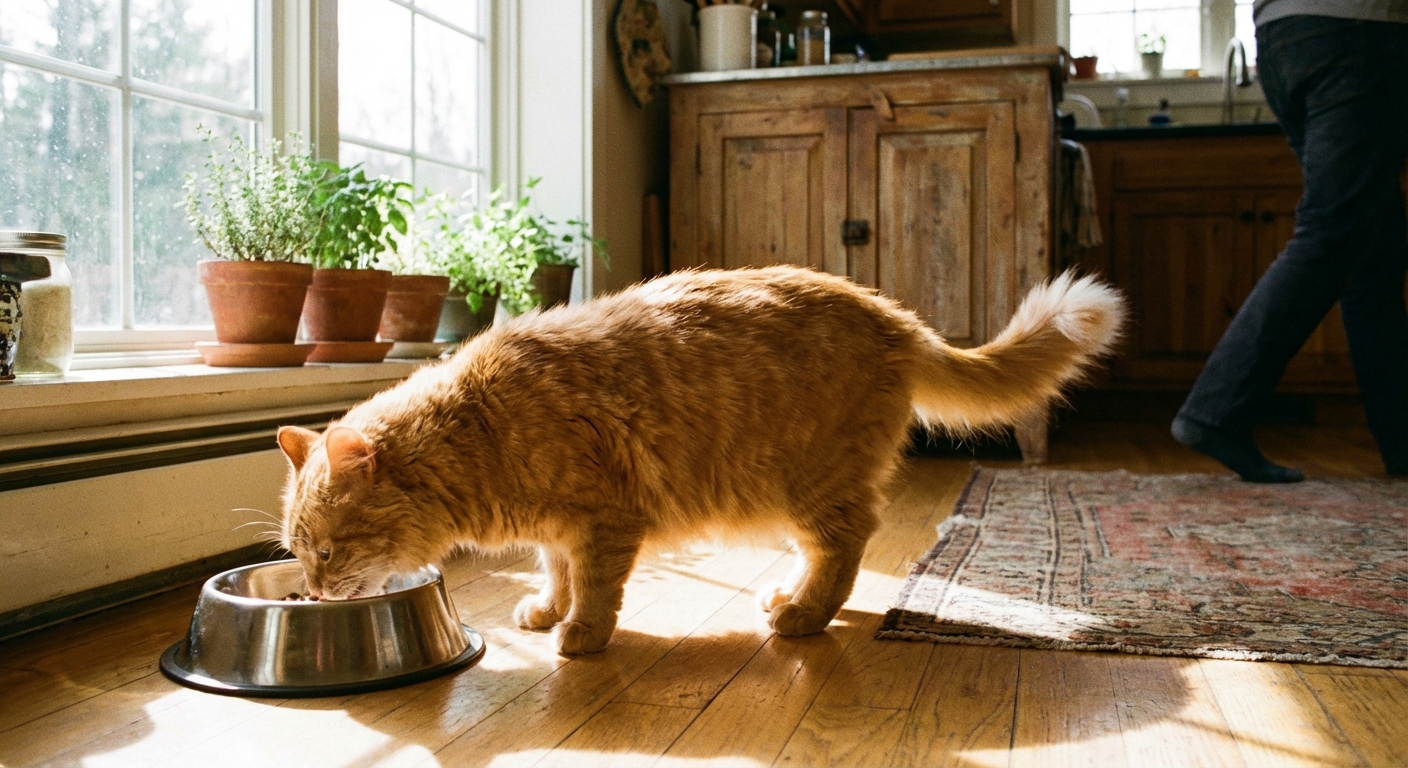
Support steadier glucose with high-protein, low-carb homemade meals. Get macro targets, safe ingredients, what to avoid, portion guidance, and 4 simple recip...
Article
•
Designer Mixes
Handy Help for Cats With Diabetes

Shari Shidate
Designer Mixes contributor
Cats can live long, happy lives with diabetes, and I want you to know that right up front. As a veterinary assistant, I have watched many families go from overwhelmed to confident once they understand what is happening in their cat’s body and what routines actually make the biggest difference.
This guide is here to give you practical, evidence-based support: what diabetes is, the signs to watch for, how insulin and food work together, and when it is time to call your vet.
What diabetes means in cats
Most diabetic cats have diabetes mellitus that behaves a lot like type 2 diabetes in people. That means their blood glucose (blood sugar) runs too high because the body is not using insulin effectively, not making enough insulin, or both.
Glucose is fuel. Insulin is the key that helps move glucose from the bloodstream into cells. When the “key” is missing or not working well, glucose builds up in the blood and spills into urine. That pulls extra water with it, which is why you see big thirst and larger litter clumps.
A quick nuance: if a cat is very hard to regulate, your veterinarian may look for other factors that can raise glucose or increase insulin needs, such as infections (including UTIs), pancreatitis, dental disease, obesity, or less common hormonal conditions like acromegaly (hypersomatotropism) or Cushing’s disease. Some medications, especially steroids or progestins, can also be diabetogenic. None of this is meant to alarm you, just to explain why “standard” plans sometimes need extra detective work.
Common signs (and why they happen)
Diabetes can start subtly. If you notice any of these, schedule a vet visit and bring a brief symptom log (when it started, how often, and any changes you have noticed).
- Drinking more and seeming constantly thirsty
- Urinating more, larger or more frequent litter box clumps
- Weight loss even though appetite is normal or increased
- Ravenous appetite or, in some cats, appetite that later decreases
- Lethargy or reduced grooming
- Weak back legs or walking “down on the hocks” (diabetic neuropathy)
Important note: sudden weakness, collapse, tremors, or disorientation can be an emergency, especially if a cat is on insulin. More on that below.
How vets diagnose diabetes
Diagnosis typically involves:
- Bloodwork showing elevated blood glucose
- Urinalysis showing glucose in the urine and checking for ketones
- Fructosamine testing in some cases to help confirm sustained high glucose (useful because cats can spike glucose from stress at the clinic)
Your veterinarian will also check for common contributors like obesity, pancreatitis, dental disease, and infections, because treating those can make diabetes easier to control. If urinary issues keep popping up, your vet may recommend a urine culture to look for a UTI.
Insulin basics
For most diabetic cats, insulin is the cornerstone of treatment. Your vet will choose an insulin type and starting dose, then adjust based on how your cat responds. Common examples you may hear about include glargine, PZI, and detemir, but the “best” choice depends on your cat and your clinic’s protocol.
Routine is your superpower
- Same schedule every day: many cats receive insulin about every 12 hours. Follow your veterinarian’s plan closely.
- Food then insulin: many cats get insulin after you confirm they ate, but do exactly what your veterinarian has instructed for your cat.
- Correct storage and handling: follow the label and your vet’s instructions. Some insulins are gently rolled, not shaken.
- Proper syringes: U-40 vs U-100 matters. Using the wrong syringe can cause dangerous dosing errors.
- Record keeping: a simple log for appetite, water intake, insulin dose and time, and any readings if you home-test.
If you ever miss a dose or are unsure whether insulin went in, do not double up without veterinary guidance. Call your clinic for the safest next step.
Food and diabetes
Nutrition is not just a side note in feline diabetes. Many cats do best on a high-protein, low-carbohydrate diet, often in canned form. Cats are obligate carnivores, and lowering dietary carbs can reduce glucose spikes and improve insulin sensitivity.
One important caveat: diet is not one-size-fits-all. If your cat also has chronic kidney disease, pancreatitis, IBD, food allergies, or other medical concerns, your veterinarian may tailor the plan to balance diabetes control with the bigger picture.
Important safety point
If your cat is already on insulin, changing to a much lower-carbohydrate diet can reduce insulin needs quickly. That is a good thing, but it means your cat may be at higher risk for hypoglycemia if the insulin dose is not adjusted. Always coordinate diet changes with your veterinarian.
Feeding routines that often work well
- Consistency first: same food, same amounts, predictable times.
- Multiple small meals can help some cats, but follow your vet’s insulin timing plan.
- Weight management: gradual weight loss (if overweight) can significantly improve control.
The care triad
If you remember one framework, make it this: diabetes control is usually a three-part routine of insulin, food, and monitoring. When one piece changes, the other two often need to be adjusted with your veterinary team.
Home monitoring
Even if you never do a single at-home glucose reading, you can learn a lot from daily observation.
Watch these at home
- Water intake: is it trending up or down?
- Urination: litter clump size and frequency
- Appetite: steady, increased, decreased, picky
- Body weight: weekly weigh-ins can reveal patterns early
- Energy and gait: especially hind-leg weakness
Glucose curves and home testing
Your vet may recommend a glucose curve to see how blood sugar changes over the day. Many cats have lower, less stress-influenced readings at home compared with the clinic. If you want to home-test, ask your veterinary team to teach you technique, targets, and what numbers should trigger a call.
Low blood sugar
Hypoglycemia (blood glucose that drops too low) can be life-threatening and can happen from too much insulin, not eating, vomiting, or unexpected changes in diet or activity.
Possible signs
- Sudden weakness or wobbliness
- Trembling
- Disorientation, staring, acting “not themselves”
- Seizures or collapse
What to do
If your cat is awake and able to swallow, contact your veterinarian immediately for instructions.
If your vet has previously told you to do so, you may be instructed to rub a small amount of corn syrup or honey on the gums to raise blood sugar temporarily while you head in. Do not force liquids, and do not put anything in your cat’s mouth if they are seizing, collapsed, or not able to swallow safely.
If your cat is having seizures, is collapsed, or cannot swallow safely, this is an emergency. Go to an emergency clinic right away.
Keep your vet’s daytime number and the nearest emergency hospital number saved in your phone.
DKA warning signs
Diabetic ketoacidosis (DKA) is a serious complication that can occur when insulin is not available or not effective and the body starts breaking down fat rapidly, producing ketones. It requires immediate veterinary care and hospitalization.
Signs that warrant urgent evaluation
- Not eating or eating much less
- Vomiting
- Severe lethargy, dehydration
- Rapid breathing
- Sweet or acetone-like breath in some cases
Many cats with DKA also have an underlying trigger such as infection, pancreatitis, or missed insulin. The earlier treatment starts, the better the outcome.
Can cats go into remission?
Yes, some cats can achieve diabetic remission, meaning they maintain normal glucose without insulin for a period of time. Remission is more likely when diabetes is caught early and managed with the right insulin plan, consistent low-carbohydrate nutrition (when appropriate), weight management, and treatment of underlying issues.
Remission is not guaranteed, and it is not “cured forever.” Do not stop insulin abruptly unless your veterinarian tells you to. Cats in remission still benefit from routine monitoring and a diabetes-friendly diet.
Making daily care easier
Diabetes care feels like a lot at first, so let’s make it practical.
My sanity-saving tips
- Set phone alarms for meals and insulin.
- Create a small station with insulin, syringes, treats, and your logbook.
- Use calm handling: quiet room, predictable routine, gentle praise.
- Ask about ear-prick training if you plan to home-test. It is a skill, not a personality trait, and many cats adapt beautifully.
- Do not go it alone: your veterinary team wants to help you troubleshoot, especially early on when dose adjustments are common.
Call or go in?
Call your vet today
- Drinking and urinating more than usual for more than a day or two
- Weight loss, ravenous appetite, or suddenly picky eating
- New hind-leg weakness or walking down on the hocks
- Vomiting once, mild lethargy, or you are not sure an insulin dose was given correctly
Go to the ER now
- Seizure, collapse, severe weakness, or your cat cannot stand
- Signs of hypoglycemia (especially in a cat on insulin)
- Repeated vomiting, not eating, or obvious dehydration
- Fast or labored breathing, extreme lethargy
Questions to ask your vet
- What insulin type and syringe should I use, and can you show me the correct dosing?
- How close to 12 hours apart should doses be for my cat, and what should I do if I am off schedule?
- Should I give insulin before or after my cat eats?
- What should I do if my cat does not eat before insulin time?
- Do you recommend home glucose testing for my cat?
- What food do you recommend, and how should we transition safely?
- How often do we need rechecks and glucose curves at the start?
- What signs mean “call today” versus “go to the ER now”?
Consistency is the secret sauce with diabetic cats. Small, steady habits beat perfection every time.
Quick reminder
This article is educational and not a substitute for veterinary care. If your cat is newly diagnosed, acting ill, not eating, vomiting, or showing signs of low blood sugar, contact your veterinarian or emergency clinic right away.