Vomiting or diarrhea in cats can turn serious fast. Learn safe home care steps, hydration and bland diet tips, probiotics, red flags for the vet, and risky r...
Article
•
Designer Mixes
Handy Cat Upset Stomach Care Tips

Shari Shidate
Designer Mixes contributor
If your cat has an upset stomach, it can feel stressful fast. The good news is that many mild tummy troubles can be handled safely at home with calm observation, hydration support, and a simple feeding plan. The key is knowing what is normal, what is not, and when to call your veterinarian.
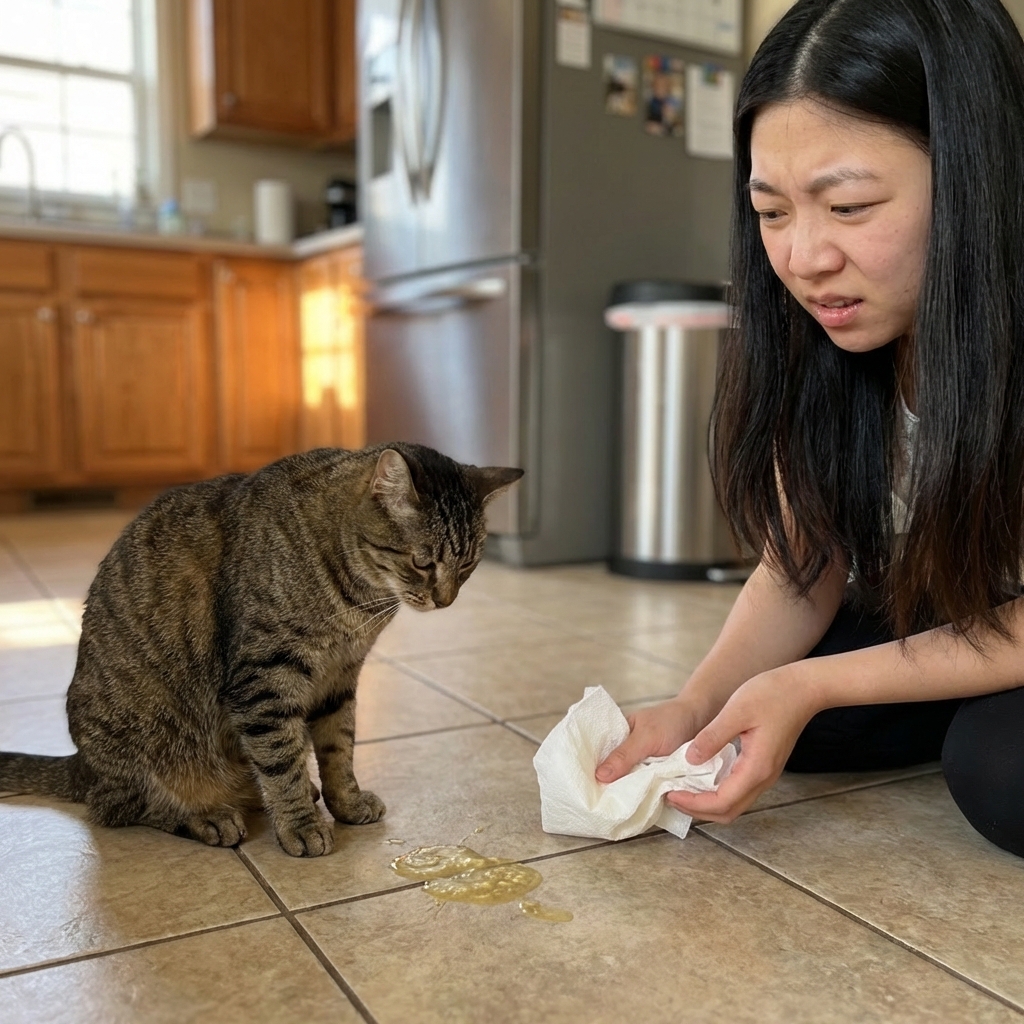
As a veterinary assistant, I always tell families: your cat’s stomach symptoms are a clue, not just an inconvenience. A single vomit after eating too fast or an occasional hairball can happen. Repeated vomiting, diarrhea, or a cat who seems “off” is a different situation. Let’s walk through practical steps that are commonly recommended in clinics, with safety front and center.
Common causes
Cats can get stomach upset for many reasons, and the cause matters because the wrong home treatment can sometimes make things worse.
- Hairballs causing gagging, coughing, or vomiting
- Diet changes or rich foods like fatty table scraps
- Eating too fast or overeating
- Food intolerance or sensitivity to certain proteins or additives
- Stress from changes in routine, travel, guests, or new pets
- Parasites like roundworms or giardia, especially in kittens and outdoor cats
- Toxins including lilies, cleaning products, essential oils, mouse bait, and some human medications
- Underlying illness such as pancreatitis, kidney disease, hyperthyroidism, inflammatory bowel disease, or urinary obstruction that looks like tummy pain
If you suspect toxin exposure, string ingestion, or your cat is acting “not like themselves,” skip the home care steps and call your veterinarian or a pet poison hotline right away.
First: quick safety check
Before you change food or try supportive care, pause and look for red flags. If any of these are present, your cat needs veterinary help urgently, and the sooner the better.
Call your vet today or go to urgent care if you see:
- Repeated vomiting (more than 2 to 3 times in 24 hours), vomiting that continues after you try a small bland meal, or vomiting that is worsening
- Blood in vomit or stool, or black tarry stool (this can indicate digested blood)
- Watery diarrhea that continues beyond 24 hours, or diarrhea with weakness
- Marked lethargy, hiding, collapse, or weakness
- Signs of dehydration (dry or tacky gums, sunken eyes). Skin “tenting” can be hard to judge in cats, especially seniors or overweight cats, so when in doubt, call your clinic
- Abdominal pain, a tense belly, or crying when picked up
- Straining to urinate or frequent trips to the litter box with little output (an emergency, especially in male cats)
- Refusing all food for 24 hours (or 12 hours for kittens)
- An overweight cat or any cat with liver disease that is not eating, because cats can be at risk for hepatic lipidosis when they go without calories
- A kitten, senior cat, pregnant cat, or a cat with diabetes, kidney disease, or other chronic conditions
- Possible ingestion of string, ribbon, tinsel, bones, needles, or toys
Important note: Cats are not small dogs. They can develop serious complications from not eating. If your cat will not eat at all, do not “wait it out” for several days.
Quick clarification: Vomiting involves heaving and a belly contraction. Regurgitation is more passive and may look like food coming back up soon after eating. Either one can be significant if it repeats, but the distinction can help your vet.
Gentle home care
If your cat is bright, alert, drinking at least a little, and symptoms are mild, you can try supportive care for a short window. Think of this as giving the gut a calm, simple workload while you monitor closely.
Step 1: Brief food pause
For adult cats who vomited once or twice and are otherwise acting normal, a brief pause from food can help. Often this is just a couple of hours. Then offer a small, bland meal.
- Do not fast kittens. Kittens can get low blood sugar quickly.
- If your cat has diabetes, liver disease, or other medical issues, call your vet before pausing meals.
- If vomiting continues, or your cat vomits again after the first small bland meal, stop home care and call your veterinarian.
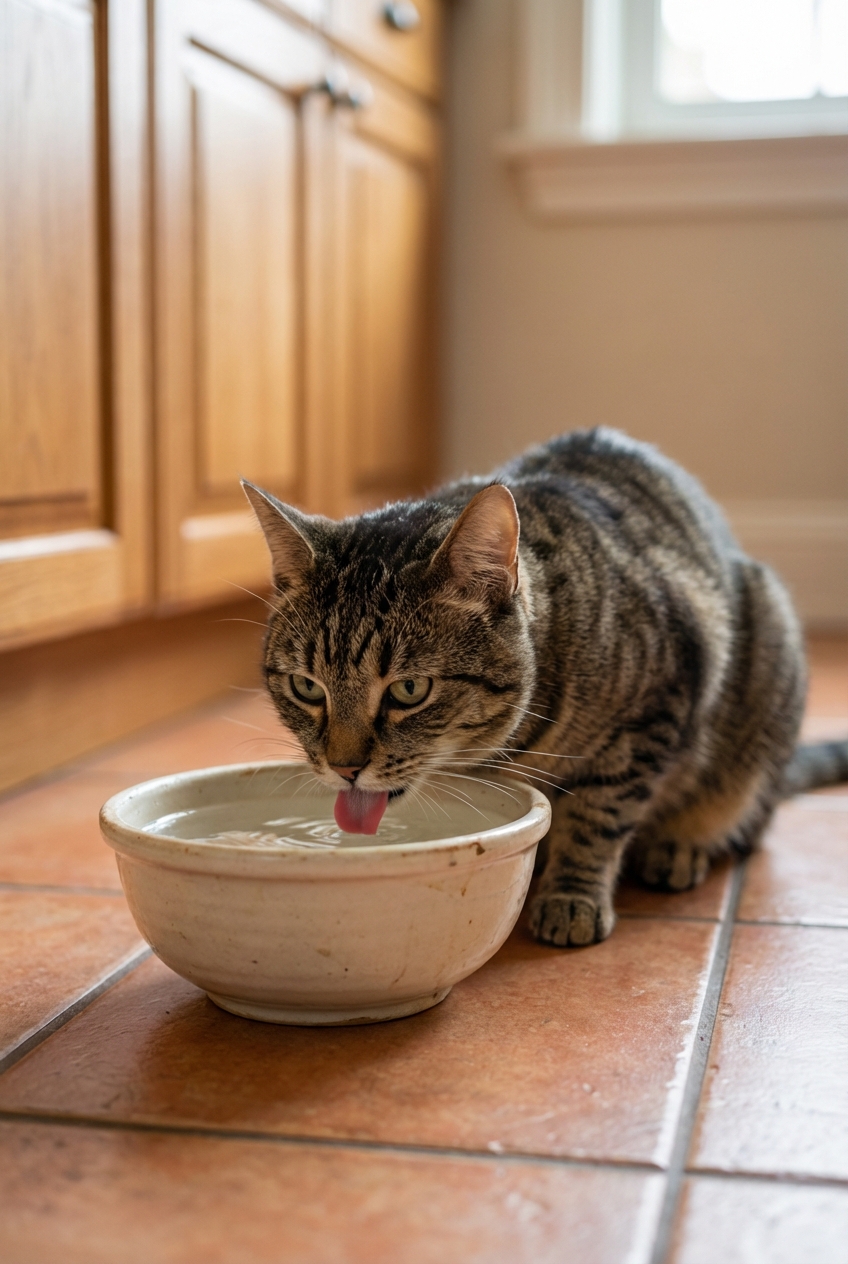
Step 2: Support hydration
Dehydration is one of the biggest risks with vomiting and diarrhea. Encourage fluids gently.
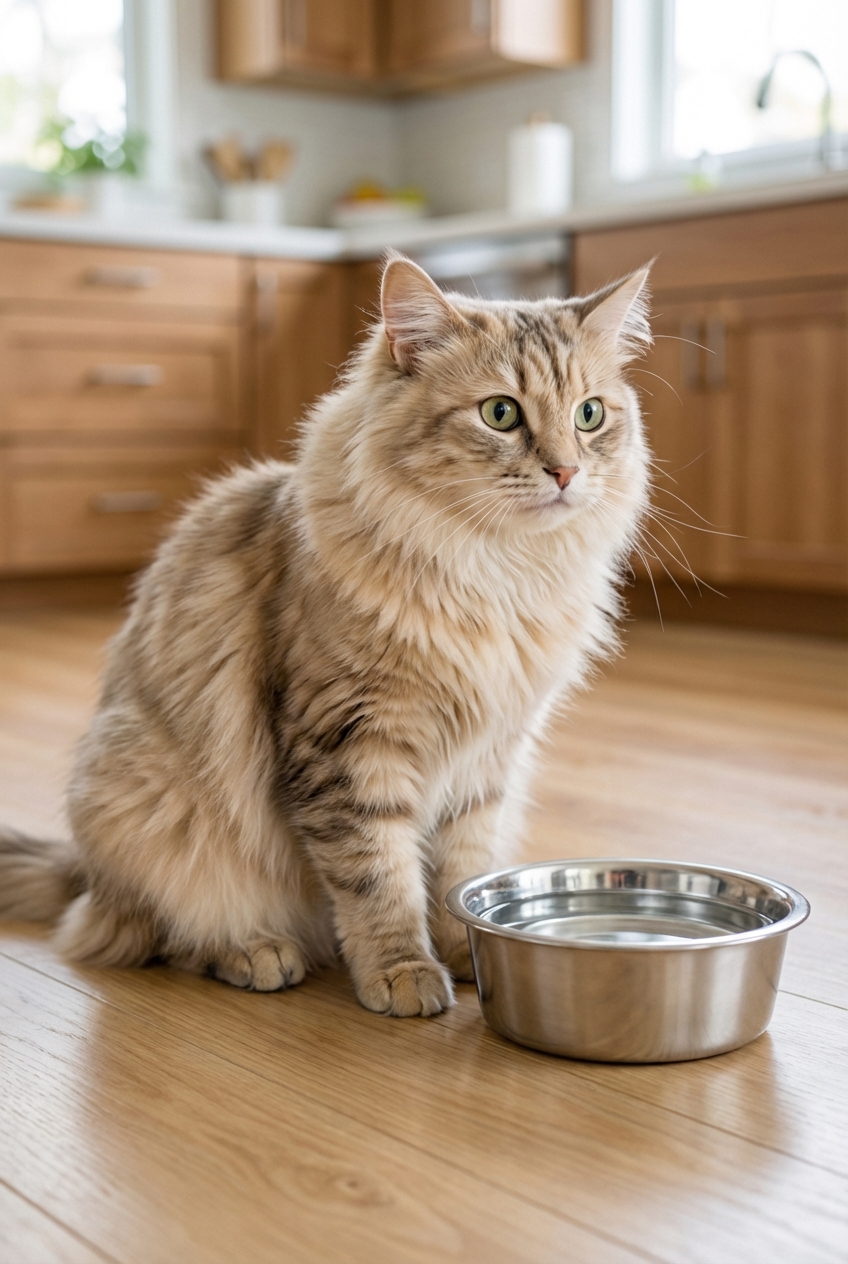
- Offer fresh water in multiple spots.
- Try a pet fountain if your cat prefers moving water.
- You can offer a small amount of water from tuna packed in water (not oil, no seasonings) to encourage drinking, in moderation.
- If you use broth, be very careful. Many store broths contain onion or garlic, which are unsafe for cats. Only use a truly onion and garlic free option, and when in doubt, stick with plain water.
- If your cat vomits water immediately, offer 1 to 2 teaspoons at a time every 20 to 30 minutes and reassess.
Step 3: Small bland meals
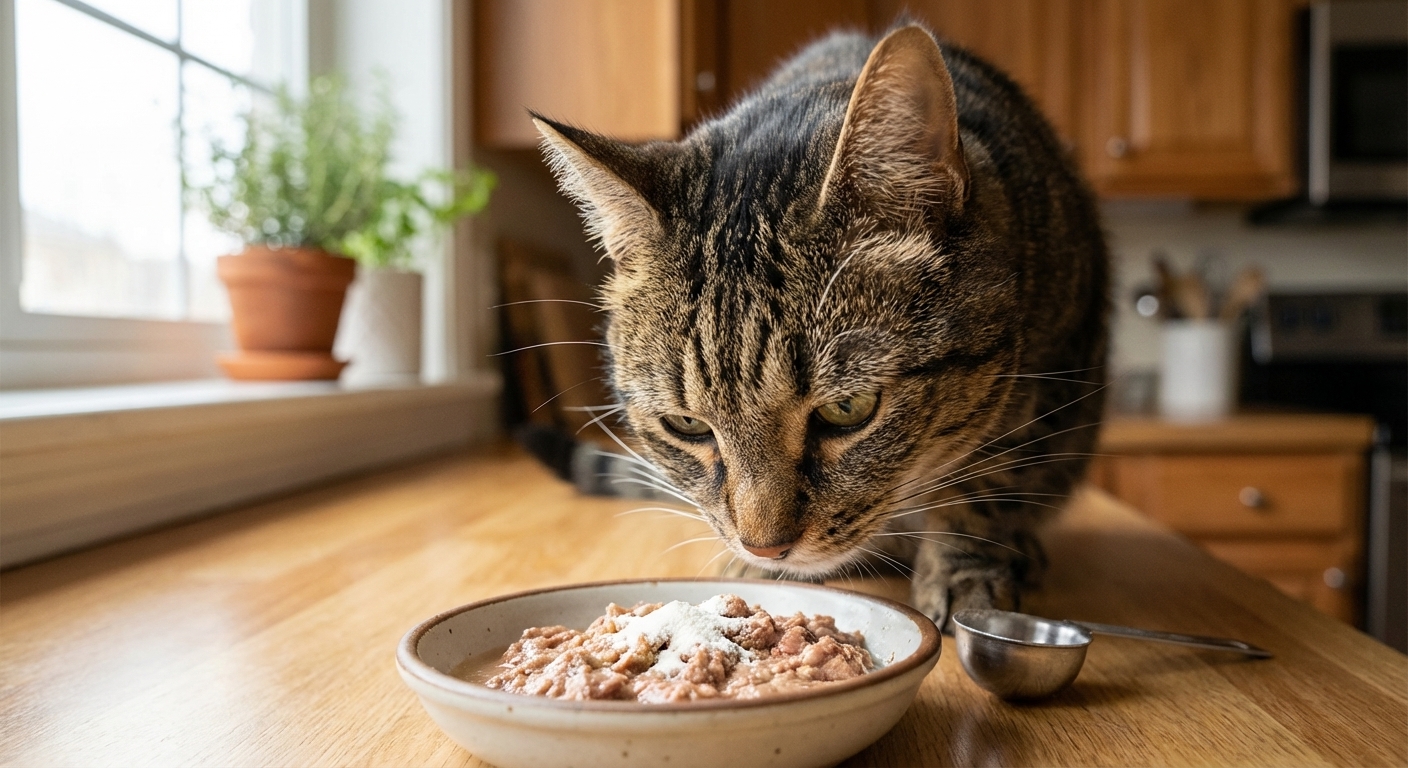
A bland diet can calm the stomach by reducing fat and limiting ingredients. Offer small meals every 4 to 6 hours for 24 to 48 hours, then transition back to the regular diet gradually.
Best first choice (short-term):
- Veterinary gastrointestinal canned food (often the easiest and most consistent option)
Other cat-friendly bland options (short-term only):
- Plain, cooked chicken breast (no skin, no seasoning)
- Plain, cooked turkey (no seasoning, no skin)
- A small amount of plain white rice only if your veterinarian says it is appropriate. Some cats do not do well with carbs, and many do best with mostly meat
How much? Start with 1 to 2 teaspoons for a small cat or 1 tablespoon for a larger cat. If that stays down for a few hours, offer a little more.
Step 4: Transition back slowly
Once stools and appetite look normal, shift back over 3 to 5 days:
- Day 1: 75% bland diet, 25% regular food
- Day 2: 50% bland diet, 50% regular food
- Day 3: 25% bland diet, 75% regular food
- Day 4 to 5: 100% regular food
What “mild” diarrhea looks like
Soft, formed stool that holds some shape is often easier to monitor at home than stool that is pure liquid. If stool is watery, frequent, or your cat seems weak, that is a reason to call your vet sooner rather than later.
What not to do
These are the well-intended choices that can cause real harm in cats.
- Do not give human medications like Pepto-Bismol, aspirin, ibuprofen, acetaminophen, or anti-diarrheals unless your veterinarian specifically instructs you. Some are toxic to cats.
- Do not use essential oils for nausea or calming. Many essential oils are unsafe for cats.
- Do not offer milk unless you know your cat tolerates it. Many cats are lactose intolerant.
- Do not make sudden diet changes in an already upset stomach. Keep it simple and gradual.
- Do not ignore litter box changes such as straining, frequent attempts, or yowling. Urinary obstruction can mimic stomach pain.
Vet-approved add-ons
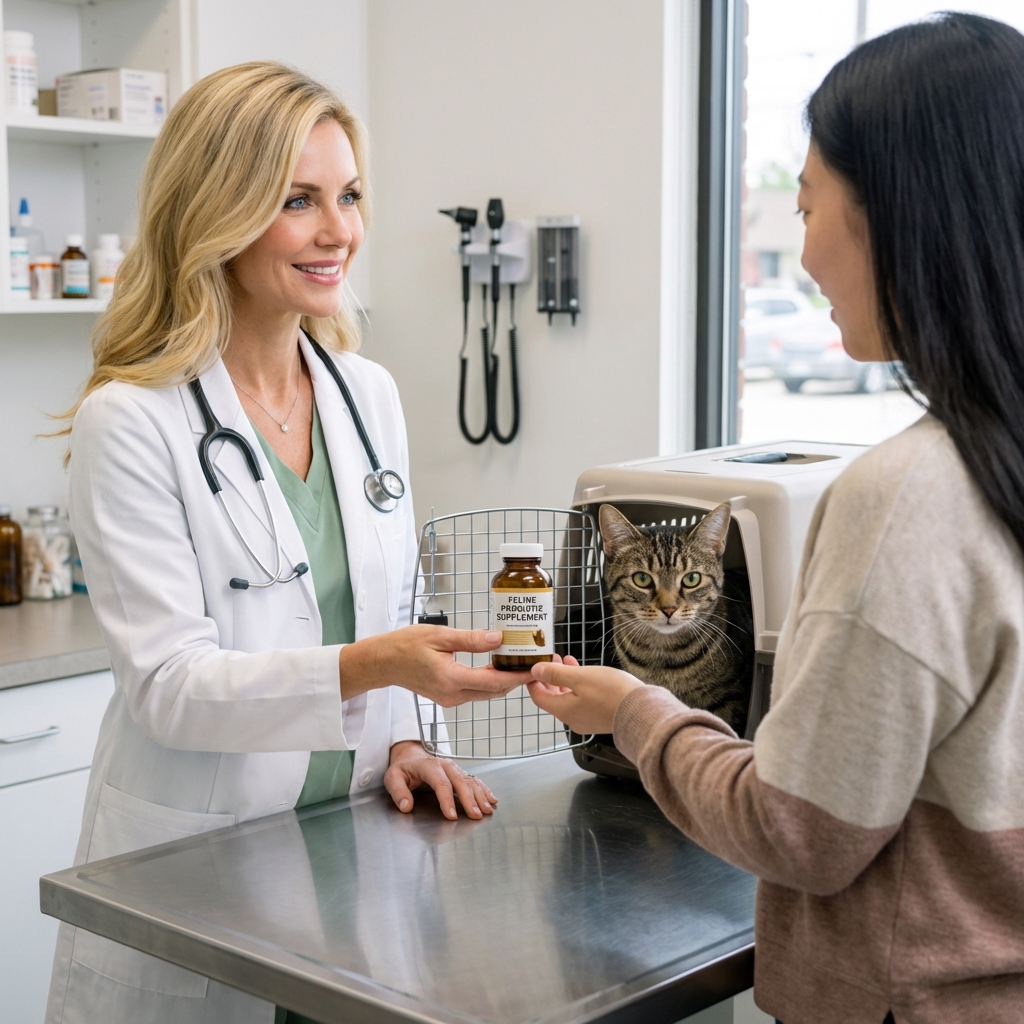
Some supportive tools can help, but it is best to match them to the cause. A quick call to your clinic can save time and prevent setbacks.
Options your vet may recommend
- Probiotics made for cats to support the gut microbiome during diarrhea or after stress
- Anti-nausea medication such as maropitant for vomiting, when appropriate
- Deworming if parasites are suspected, especially in kittens
- Hairball control plan including brushing routines, hairball diets, or vet-approved lubricants
- Prescription GI diets for sensitive stomachs or recurring issues
When it keeps coming back
If your cat has frequent vomiting, chronic loose stool, or cycles of appetite changes, it is time for a deeper look. “Sensitive stomach” is sometimes a symptom label, not a final diagnosis.
Your veterinarian may suggest:
- Fecal testing for parasites and giardia
- Bloodwork to check kidney values, liver enzymes, thyroid, electrolytes, and inflammation markers
- Urinalysis, especially if there is any litter box concern
- Abdominal imaging (x-rays or ultrasound) if a foreign body or pancreatitis is possible
- A structured food trial to evaluate food allergy or intolerance
One practical tip: keep a simple log in your phone of vomiting episodes, stool appearance (soft versus watery), new treats, diet changes, and stress events. Patterns really do show up when you track them.
Quick checklist
- Keep your cat warm, quiet, and stress-free
- Offer water often, in small amounts if needed
- Feed small bland meals for 24 to 48 hours if symptoms are mild
- Clean the litter box and monitor stool and urine closely
- Stop home care and call your veterinarian if vomiting returns, symptoms last beyond 24 hours, or any red flag appears
If you are ever unsure, trust your instincts and call your clinic. You know your cat’s normal better than anyone, and early care is often simpler and less expensive than waiting.