A veterinary assistant’s guide to cat vomiting: vomiting vs. regurgitation, what foam/bile/blood can mean, common causes like hairballs and toxins, safe ho...
Article
•
Designer Mixes
Hairballs vs. Vomit in Cats

Shari Shidate
Designer Mixes contributor
If you live with a cat, you have probably found a “surprise” on the floor and wondered: Was that a hairball, or is my cat actually vomiting? As a veterinary assistant, I can tell you this is one of the most common worries I hear, and it is a good question. Hairballs can be normal sometimes, but frequent vomiting is not something to brush off.
This guide will help you tell the difference, understand what is normal, and know when it is time to call your veterinarian.
What a hairball is
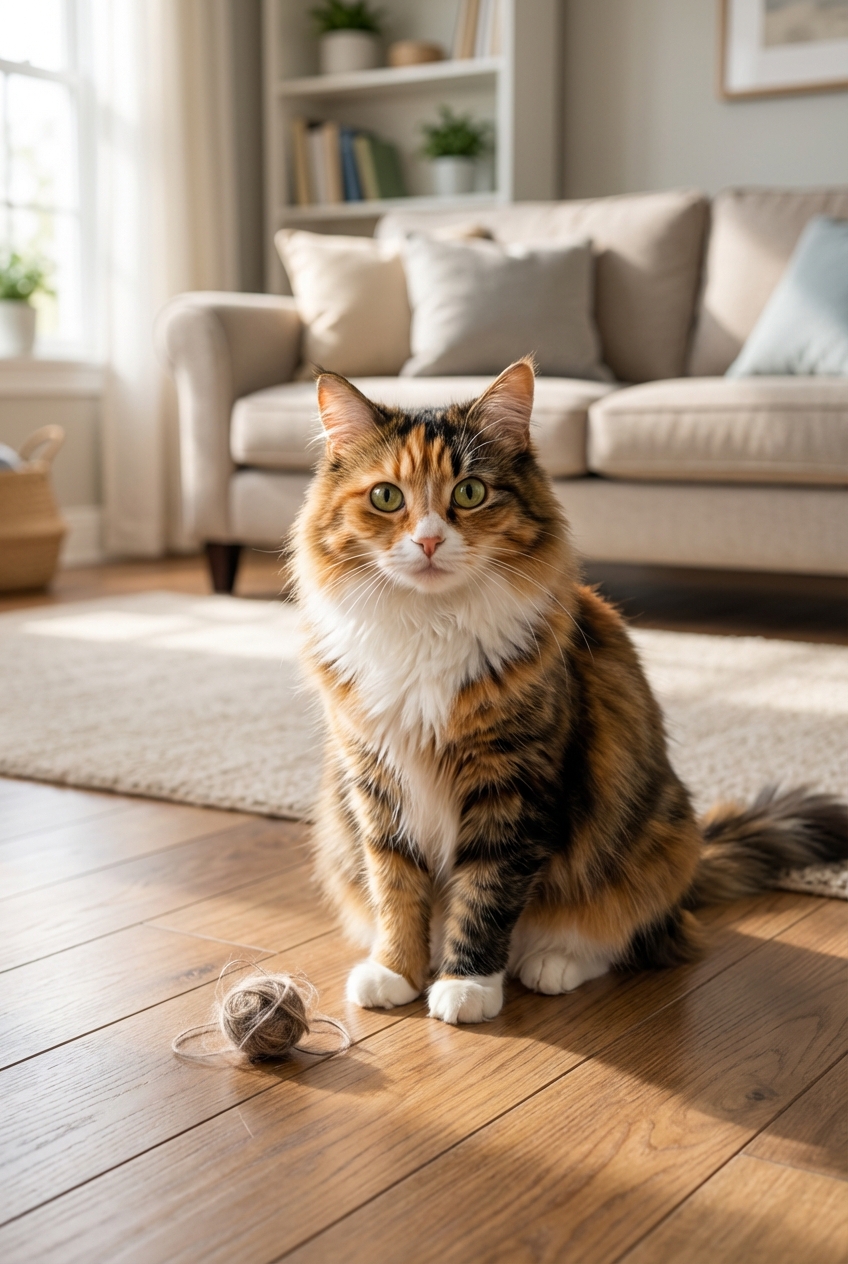
Cats swallow hair during grooming. Most of it passes through the digestive tract, but some hair can stay in the stomach and mat together. When that wad gets too big to move along, your cat may bring it up as a hairball.
Occasional hairballs are more common in:
- Long-haired cats
- Cats that groom excessively
- Cats that shed heavily (seasonal changes)
- Cats with skin irritation, allergies, or fleas
Typical hairball signs
A classic hairball episode usually includes loud retching and repeated gagging. The final product is often:
- Tube or cigar-shaped (a rope-like wad of hair)
- Mostly hair, sometimes with a little clear or foamy fluid
- Not usually mixed with a lot of food
Many cats act fairly normal right after a hairball, like nothing happened.
What vomiting looks like
Vomiting is the forceful emptying of stomach contents. It can happen for simple reasons, like eating too fast, but it can also signal medical issues like inflammation, parasites, dietary intolerance, pancreatitis, kidney disease, thyroid disease, toxin exposure, or intestinal blockage.
Clues it is vomiting
- The material is mostly food (partially digested kibble or wet food)
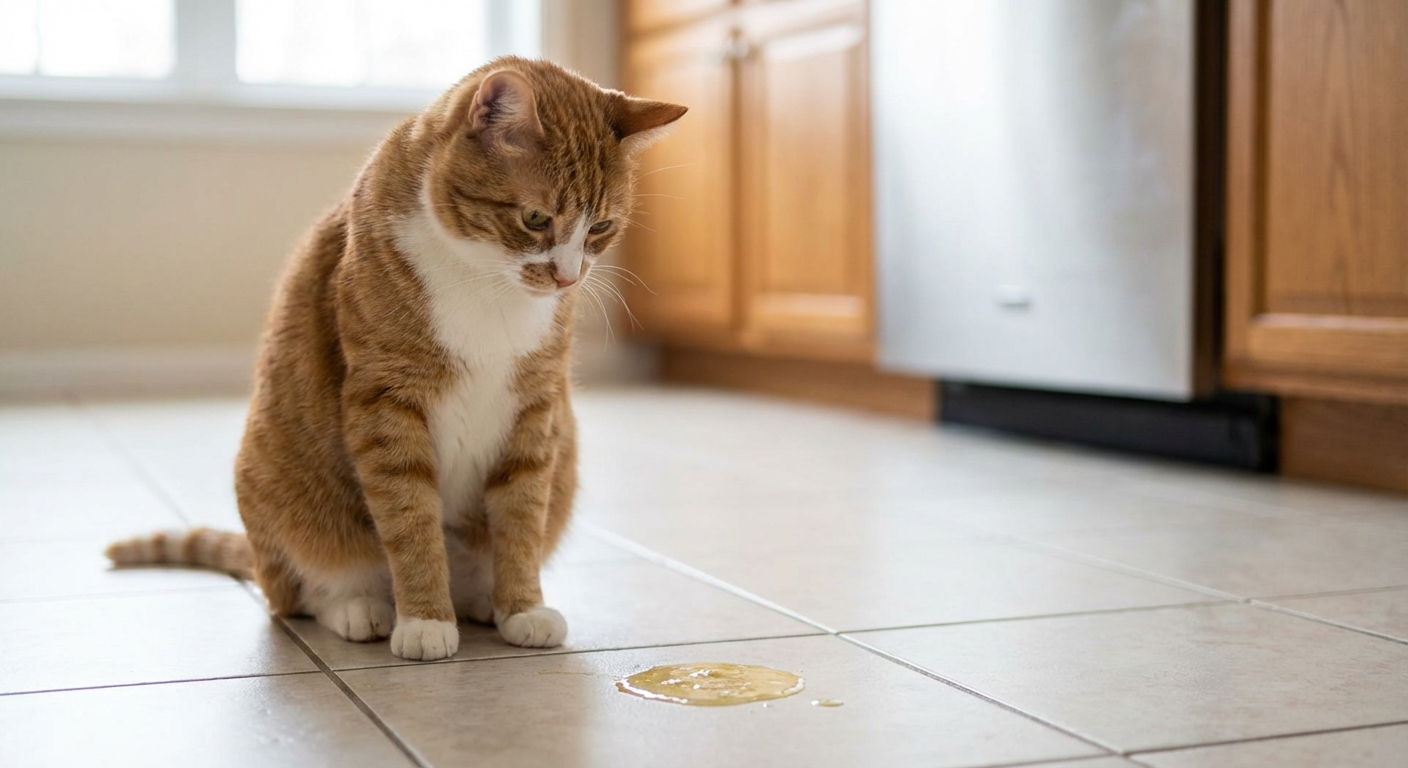
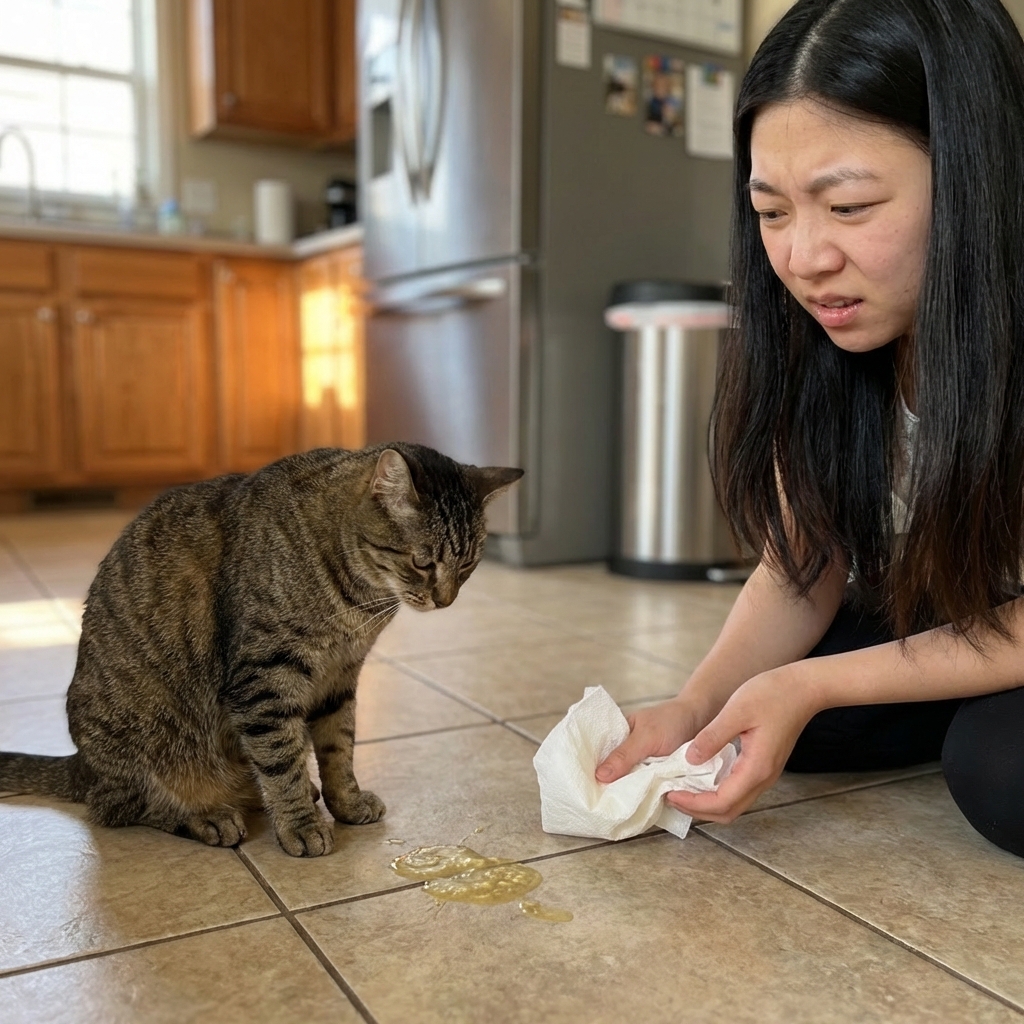
- There is yellow (sometimes yellow-green) liquid (bile)
- There is a large volume of fluid or repeated puddles
- There is no hair “log”, just fluid or food
- Your cat seems lethargic, hiding, drooling, or not interested in food afterward
Helpful tip: Snap a quick photo and note the time. Vets can learn a lot from the appearance and frequency.
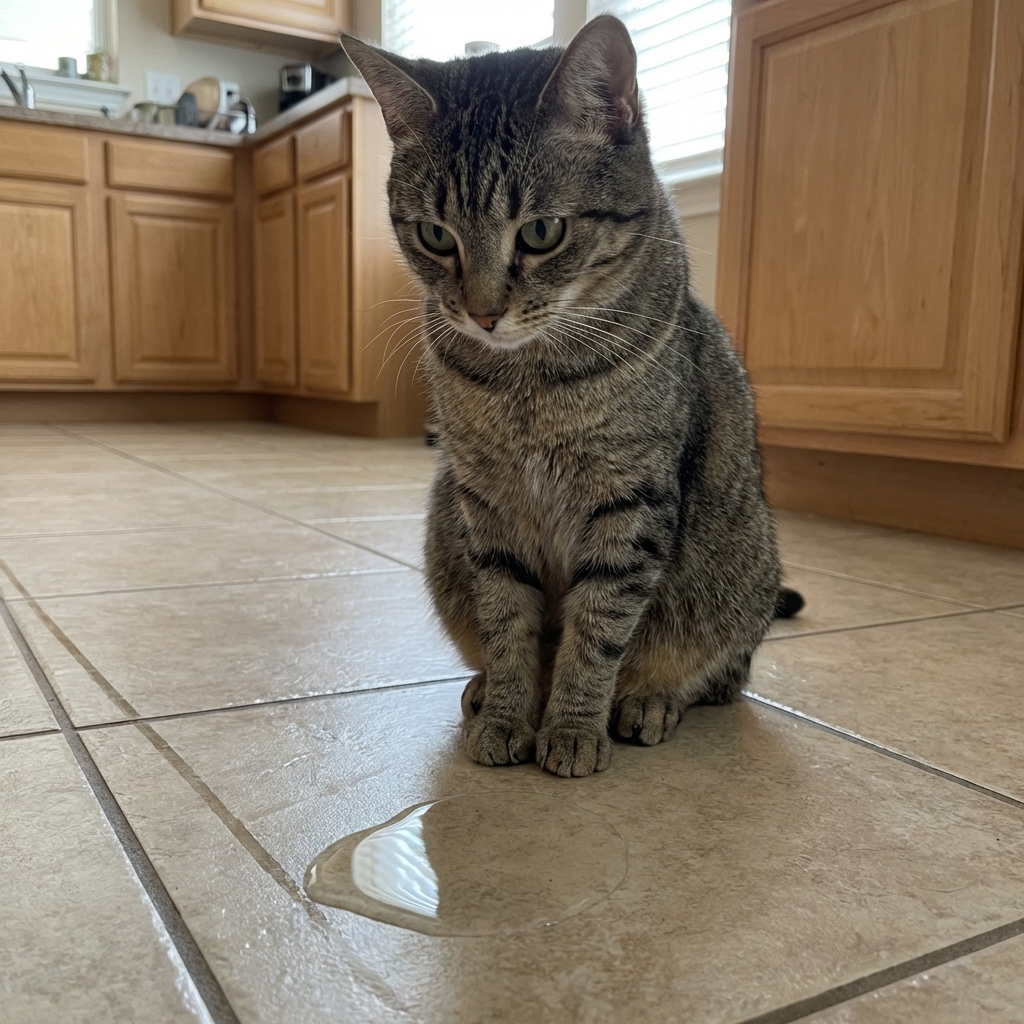
Hairball, vomit, or other?
There are a few look-alikes that can confuse even experienced cat parents.
Regurgitation
Regurgitation is more passive than vomiting. Food comes back up with minimal effort, often soon after eating, and it may look like a tube of undigested food. This can be related to eating too fast, esophagus irritation, or other esophageal issues.
Coughing can look like retching
Some cats with asthma or respiratory disease crouch low, extend their neck, and make a hacking sound that owners assume is a hairball. If your cat often “hacks” but rarely produces a hairball, it is worth discussing asthma with your vet.
When to call the vet
I always tell cat owners: trust your gut. If something feels off, it is better to call and be reassured than to wait.
Also, if your cat is a kitten, a senior, or has a chronic condition (like kidney disease, diabetes, hyperthyroidism, or IBD), your vet may want to know sooner even if the episode seems mild.
Get care promptly if you notice:
- Repeated vomiting in a day, vomiting that continues into the next day, or any clear increase from your cat’s usual pattern (even if “usual” is occasional)
- Repeated unproductive retching (trying to vomit but nothing comes up), especially if it happens again and again over a short period or your cat seems distressed
- Blood in vomit (bright red or coffee-ground appearance)
- Yellow (or yellow-green) vomit with refusal to eat or signs of pain
- Possible dehydration (tacky gums, reduced skin elasticity, dullness). These signs can be subtle in cats, so when in doubt, let your vet assess.
- Lethargy, hiding, fever, weakness, or collapse
- Diarrhea along with vomiting
- Weight loss or chronic poor appetite
- Possible toxin exposure (plants, human meds, essential oils, lilies, chemicals)
- String from toys, ribbon, or hair ties seen in or near vomit or stool (do not pull it)
Important: A cat that is repeatedly retching with little or no output can be dealing with an obstruction, severe nausea, or respiratory distress. Those are not “wait and see” situations.
Why cats vomit
Here are a few of the most frequent causes we see in practice:
- Eating too fast or overeating
- Diet change (especially sudden switches)
- Food sensitivity or intolerance
- Hair and grooming leading to stomach irritation
- Parasites (more common in kittens and outdoor cats)
- Inflammatory bowel disease or chronic GI inflammation
- Kidney disease (nausea is a common sign)
- Hyperthyroidism in older cats
- Pancreatitis
- Foreign body or obstruction (string, foam toys, bones)
What you can do at home
If your cat has one episode, is otherwise acting normal, and there are no red flags, these steps can help you support their stomach and reduce hairball issues.
Reduce hairballs
- Brush regularly, especially long-haired cats. Even a few minutes a day can make a big difference.
- Consider a vet-approved hairball remedy or lubricant gel if your veterinarian says it is appropriate for your cat.
- Support hydration: add water fountains, offer more wet food, or mix a little water into canned food.
- Talk to your vet about diet: some cats benefit from hairball-focused diets or higher fiber, but it should be individualized.
Reduce vomiting triggers
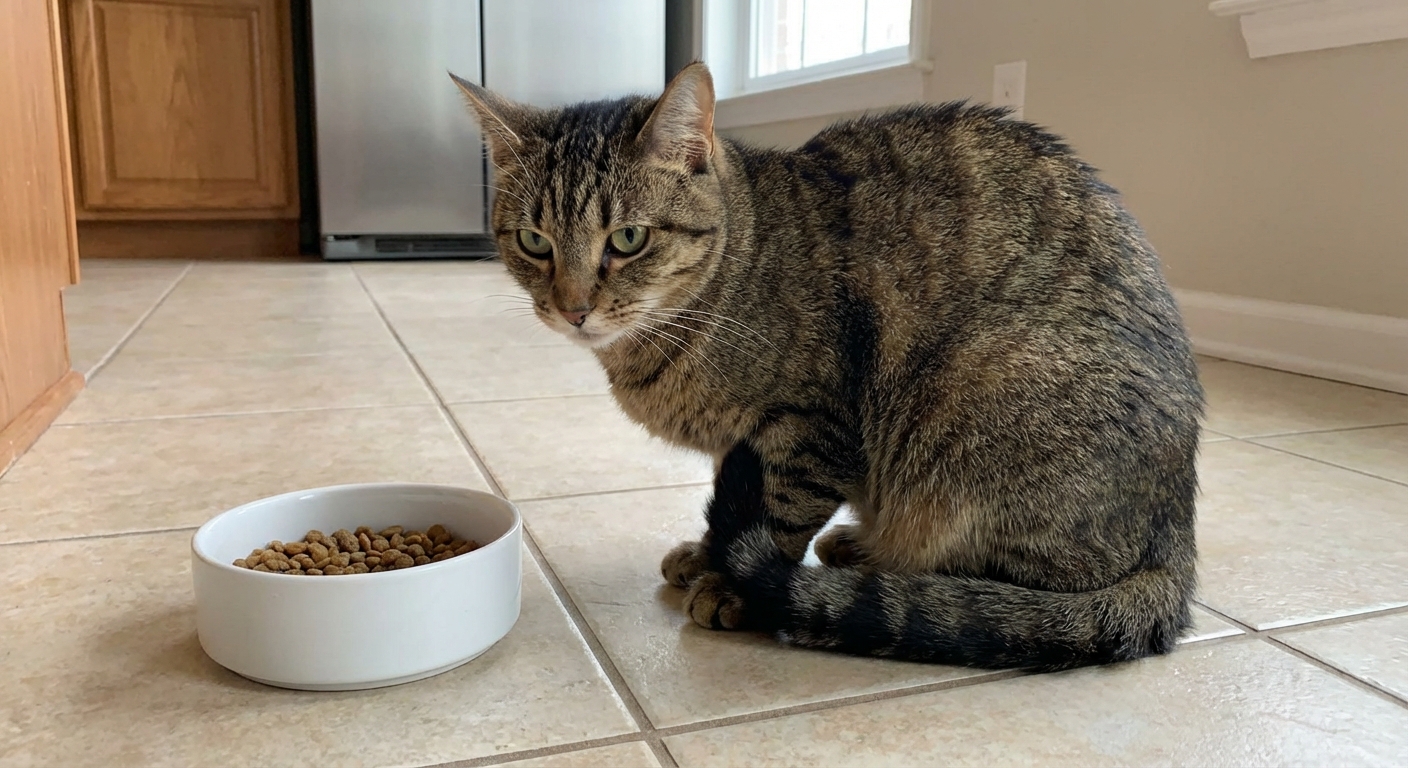
- Slow down fast eaters with puzzle feeders or spreading food on a wide, shallow dish.
- Avoid sudden diet changes. Transition gradually over 7 to 10 days.
- Limit access to strings and chewable items that could become foreign bodies.
Please avoid: giving human medications for stomach upset unless your veterinarian specifically instructs you to. Some can be toxic to cats (for example, salicylate-containing products like Pepto-Bismol), and others may be inappropriate depending on the ingredients, dose, and your cat’s health.
What your vet may do
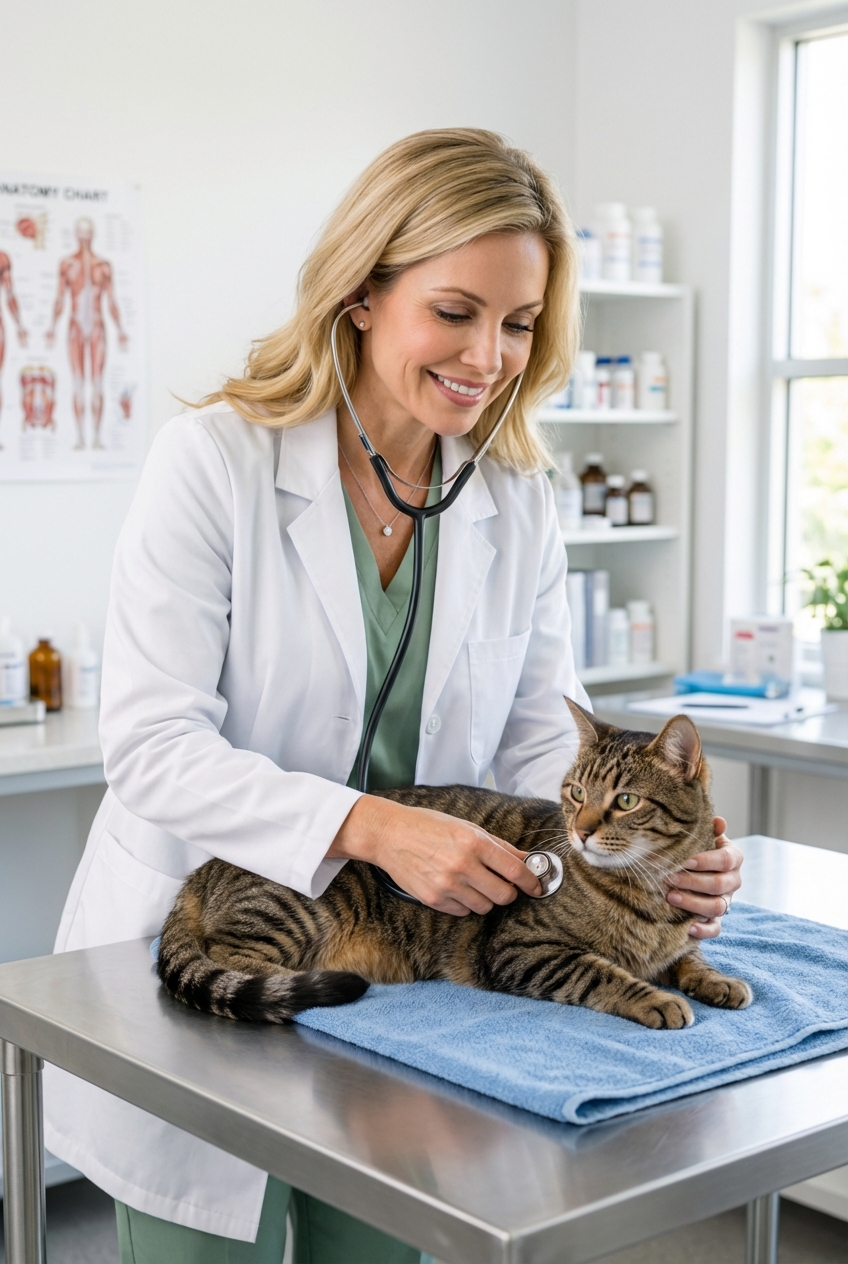
If vomiting is frequent or your cat seems unwell, your vet will likely start with a good history and exam, then tailor diagnostics to your cat’s age and symptoms.
Depending on the case, that may include:
- Fecal testing for parasites
- Bloodwork to check kidney, liver, thyroid, and hydration status
- X-rays or ultrasound to look for blockage or inflammation
- A diet trial (novel protein or hydrolyzed diet)
- Prescription anti-nausea medications or GI protectants
The goal is not just to stop the vomiting, but to find the reason it is happening.
Quick check
- Hairball is more likely if you see a tube or cigar-shaped wad of hair, with retching and minimal food.
- Vomiting is more likely if you see food, bile, repeated puddles, or your cat acts sick afterward.
- Call your vet if it is frequent, forceful, bloody, unproductive, or paired with lethargy, pain, possible dehydration, or appetite loss.
Your cat cannot tell you what hurts, but their patterns can. If you are seeing more than the occasional hairball, or anything that is changing from your cat’s normal, it is worth a real conversation with your veterinarian. You are not overreacting. You are being a great cat parent.