Hairballs can be normal—but frequent gagging or vomiting may signal a bigger issue. Get vet-approved tips on brushing, hydration, fiber, diet, gels, and wh...
Article
•
Designer Mixes
Hairballs in Cats: Quick Treatment Guide

Shari Shidate
Designer Mixes contributor
Hairballs can feel like a normal “cat thing” until your cat is gagging frequently, bringing up large clumps of hair, or vomiting food and foam instead. The good news is that most hairballs are manageable with a few steps that are commonly recommended by veterinarians and focused on healthy grooming and a healthy gut.
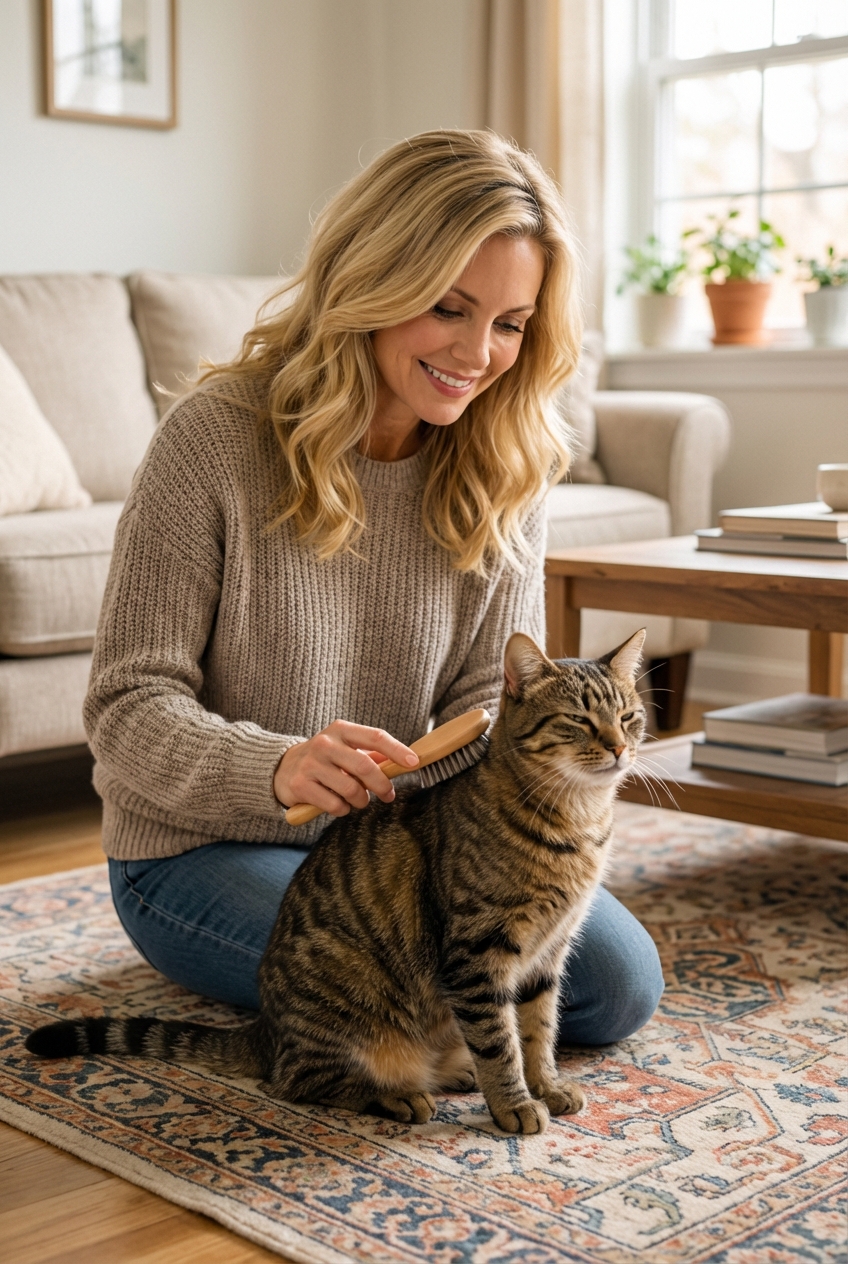
As a veterinary assistant, I always tell pet parents to think of hairballs as a signal. Sometimes it is just seasonal shedding. Sometimes it is telling us your cat is over-grooming, constipated, stressed, or dealing with an underlying issue like allergies or inflammatory bowel disease.
What hairballs are and why they happen
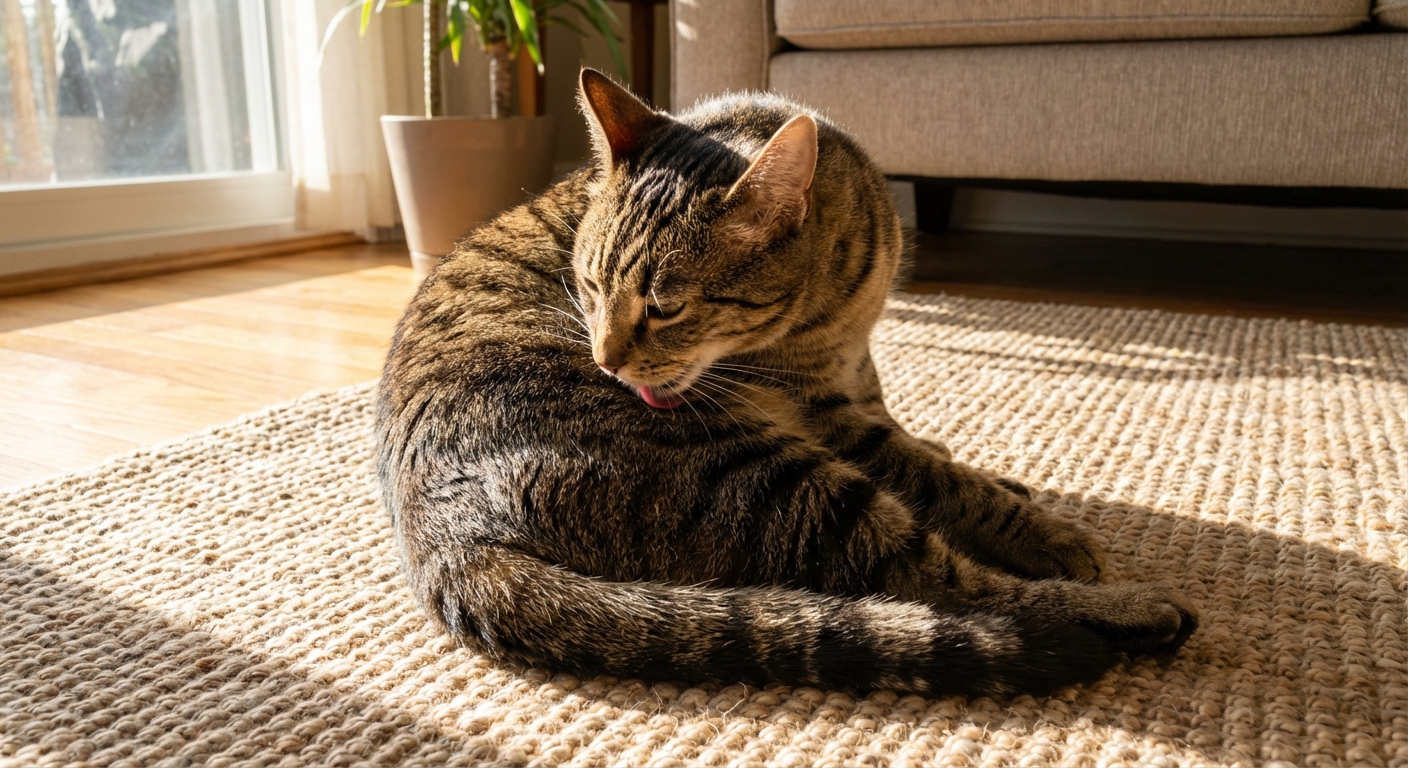
Cats swallow hair during grooming. Most of that hair should pass through the GI tract and come out in the stool. A hairball forms when hair stays in the stomach, tangles together, and your cat tries to retch or vomit it up.
Hairballs are more likely when:
- Your cat is a frequent groomer or over-grooms due to stress, pain, fleas, or allergies
- Shedding increases seasonally
- Your cat has a long or dense coat
- Your cat is dehydrated or constipated, which can slow normal GI movement
- There is an underlying GI condition that affects motility
Fiber can help some cats, but it is not one-size-fits-all. Some cats do best with a modest increase in fiber, while others may get gassy or develop looser stools if the type or amount is not right.
Hairball or bigger problem?
Occasional gagging and producing a hairball can be normal, especially in long-haired cats. What worries veterinary teams is repeated unproductive retching or vomiting that is not actually a hairball.
Another common mix-up is coughing. Cats with asthma or other airway irritation may have coughing fits that owners assume are hairballs. If you are unsure whether it is coughing or retching, record a quick video for your veterinarian. It helps more than you would think.
Call your vet promptly if you notice
- Repeated gagging or retching with nothing coming up
- Vomiting multiple times in a day, or vomiting for more than 24 hours
- Loss of appetite, hiding, lethargy, or a painful belly
- Constipation, straining, or no stool for more than 48 hours, especially if this is unusual for your cat
- Blood in vomit or stool
- A history of intestinal blockage or your cat may have eaten string, ribbon, or toy pieces
Hairballs can occasionally contribute to an intestinal obstruction. A true blockage is an emergency, so it is always worth being cautious when signs seem more intense than the usual hairball routine.
Fast at-home steps that help
If your cat is alert, eating, and only dealing with mild, occasional hairballs, these are the strategies I see work well in real homes.
1) Brush smarter, not harder
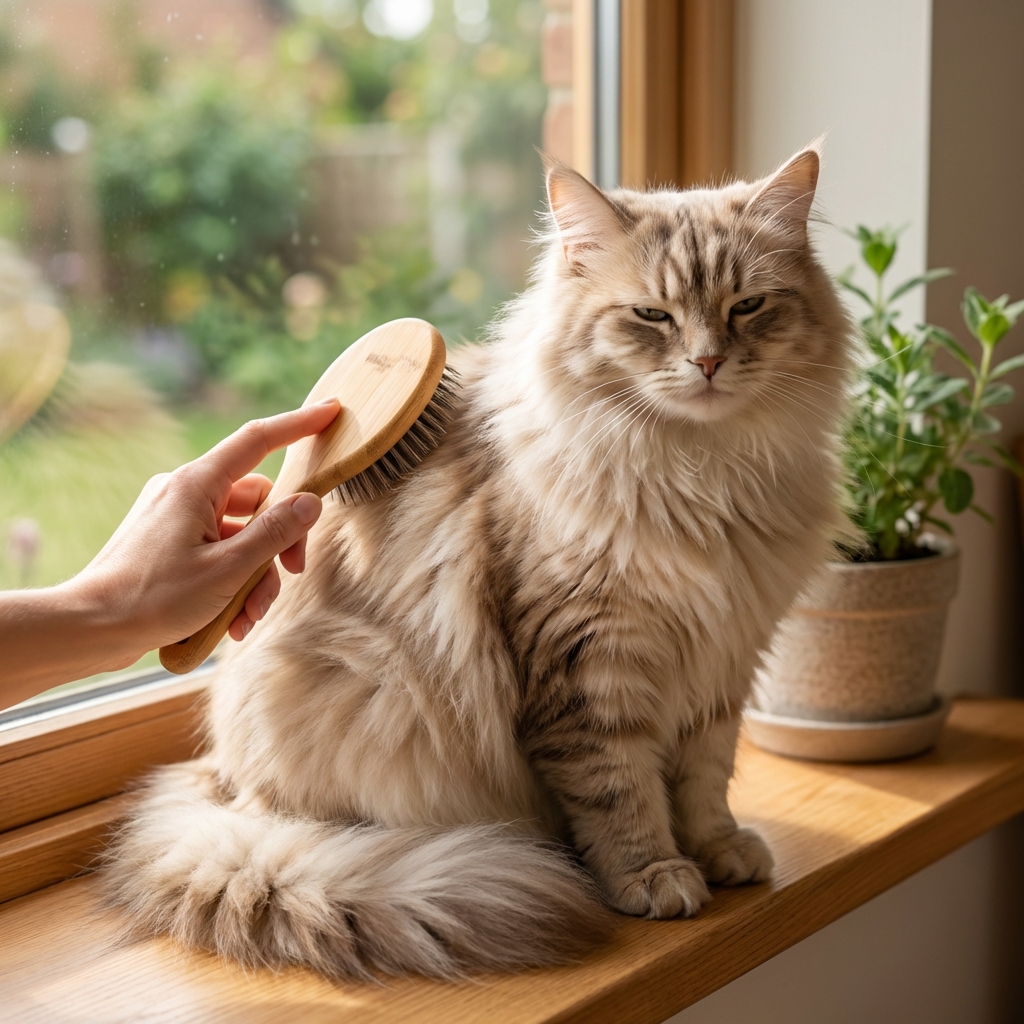
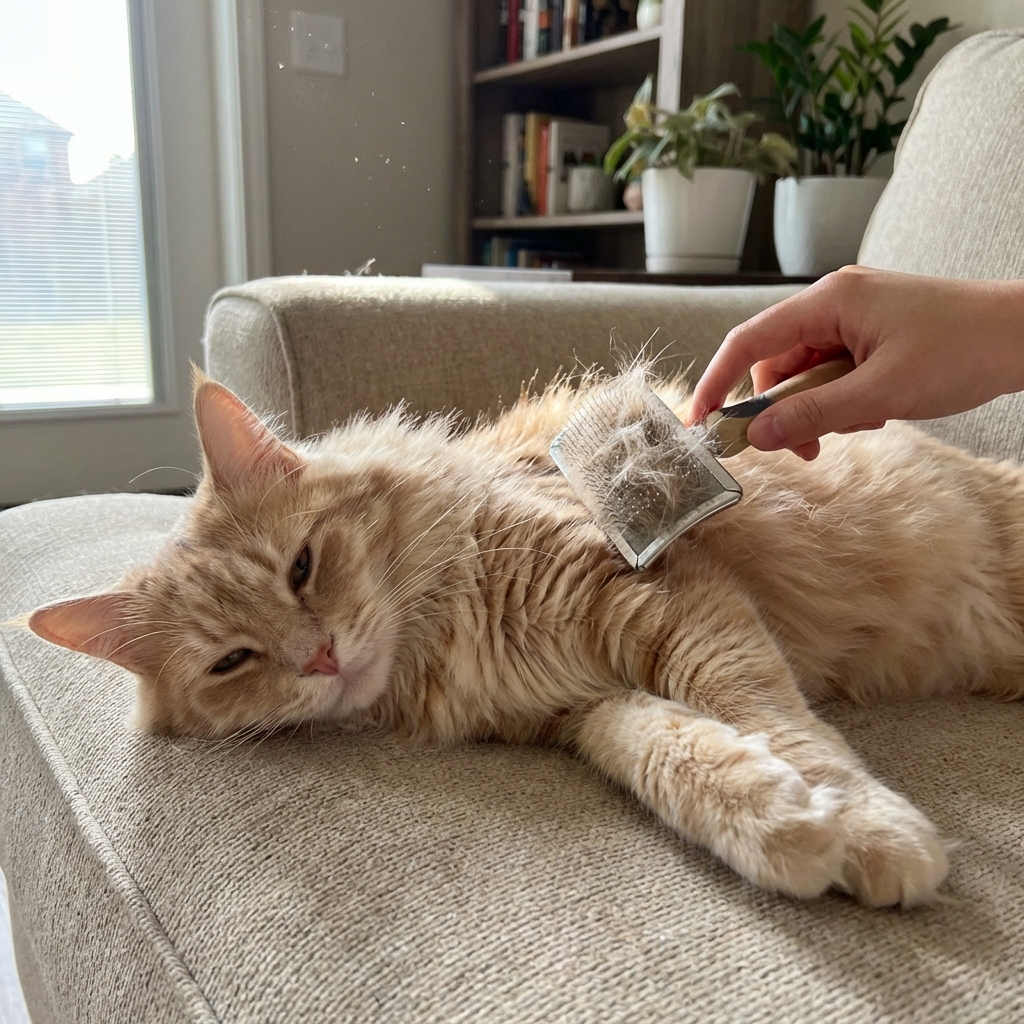
Regular brushing during shedding season can dramatically reduce swallowed hair. For many cats, short sessions are best.
- Short-haired cats: 2 to 3 minutes, several times a week
- Long-haired cats: 5 minutes daily, especially on the belly and behind the legs
- Wipe down with a slightly damp hand after brushing to catch loose hair
2) Increase hydration
Hydration helps keep stool moving, and that helps hair pass through. Many cats are naturally low drinkers, so we have to get creative.
- Feed more canned or wet food
- Add a tablespoon or two of water to wet food
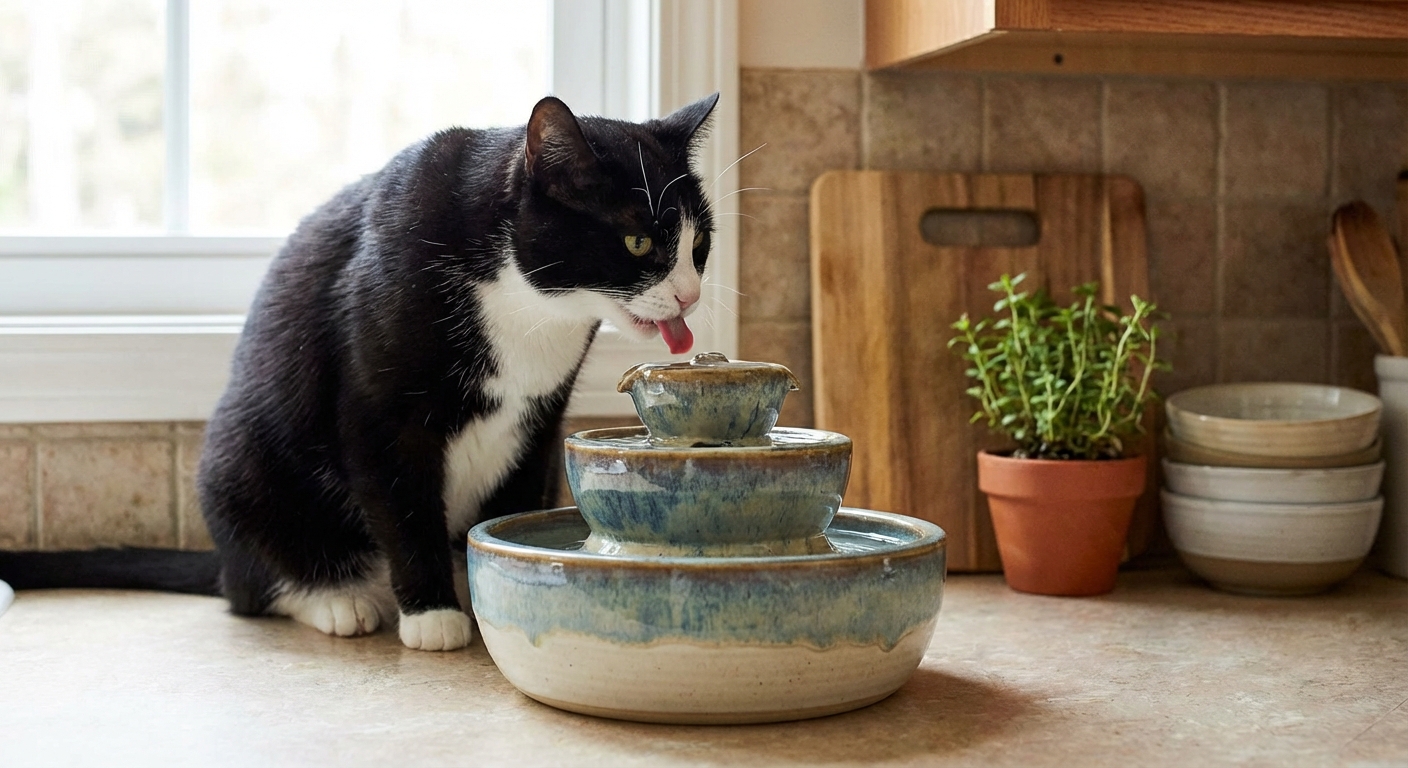
- Try a cat water fountain and place it away from the litter box
- Offer low-sodium broth made for pets, if your veterinarian agrees
3) Use a hairball lubricant correctly
Hairball gels or lubricants can help hair move through the digestive tract. Use only products made for cats and follow the label instructions. If your cat has chronic vomiting, constipation, or is on other medications, ask your veterinarian first. Some lubricants can interfere with absorption of certain oral medications, so your vet may recommend spacing doses apart.
4) Add fiber gently
Fiber can help hair move along by supporting healthy stool formation. Some cats do best with a modest increase in fiber, while others get gassy or have looser stool if the change is too fast or the fiber is not a good match.
- Consider a veterinarian-recommended hairball diet if hairballs are frequent
- Ask your vet about safe fiber options for your specific cat, especially if they have IBD or constipation
- Make diet changes gradually over 7 to 10 days to avoid digestive upset
5) Consider a hairball treat or supplement
Some hairball chews and supplements combine fiber with oils to support GI transit. Choose reputable brands and avoid doubling up on multiple hairball products at the same time, which can lead to diarrhea or calorie overload.
If hairballs are frequent
If your cat is producing hairballs weekly or gagging often, the long-term fix is usually not “more hairball gel.” It is finding out why your cat is swallowing so much hair or why their digestion is not moving normally.
Common root causes
- Fleas or mites: itch drives over-grooming
- Allergies: food or environmental allergies can cause itch and skin inflammation
- Stress and anxiety: over-grooming is a classic stress behavior
- Pain: arthritis or abdominal discomfort can trigger odd grooming patterns
- GI disease: inflammation can increase vomiting and change motility
- Obesity: can reduce activity and affect gut movement
If any of these sound possible, a veterinary visit is truly worth it. A physical exam, weight check, and basic lab work can save months of guesswork. Seniors, and any cat with weight loss, should be evaluated sooner rather than later.
What not to do
- Do not give human laxatives or medications unless your veterinarian tells you to
- Avoid leaving string toys, ribbon, yarn, hair ties, or tinsel out unattended
- Avoid experimenting with household oils (like olive oil or coconut oil) without veterinary guidance. They can trigger GI upset, and may be risky for cats with a history of pancreatitis or on fat-restricted diets
Quick prevention checklist
- Brush routinely, especially during shedding
- Feed moisture-rich meals, and consider wet food for many cats
- Keep litter boxes clean so you can track stool frequency and consistency
- Use consistent parasite prevention recommended by your veterinarian
- Reduce stress with daily play, predictable routines, and options like puzzle feeders, vertical perches, and veterinarian-recommended pheromone diffusers
- Schedule a vet check if gagging or vomiting becomes frequent
If your cat is retching repeatedly and not producing a hairball, treat it as a red flag. Better to call your vet and get reassurance than miss an obstruction or GI flare-up.
FAQs
How often are hairballs normal?
Many veterinarians consider occasional hairballs normal, especially in long-haired cats or during seasonal shedding. If you are seeing frequent gagging, weekly hairballs, or vomiting without hairballs, it is time to investigate.
Do hairball diets work?
They can, particularly for cats with frequent hairballs and no other medical problems. These diets often use specific fiber blends to help move hair through the intestines. Transition slowly and monitor stool quality.
Should I use oils like olive oil or coconut oil?
I do not recommend experimenting with household oils without veterinary guidance. Some cats get diarrhea or vomiting, and higher-fat additions can be risky for cats with a history of pancreatitis or those who need fat-restricted diets. Products formulated for cats and your veterinarian’s advice are the safest route.