Learn what a true hairball looks like, how often is normal, and the red flags that need a vet or ER. Proven prevention: brushing, hydration, diet, and safe g...
Article
•
Designer Mixes
Hairballs in Cats: Causes, Symptoms, and How to Prevent Them

Shari Shidate
Designer Mixes contributor
Hairballs can feel like one of those “just part of having a cat” things. But when something keeps happening, it is often your cat’s way of telling you a few simple changes could make life more comfortable. The good news is that most hairballs are manageable with smart grooming, hydration, and nutrition support.
Quick note: This is general pet information, not veterinary advice. If you are worried or your cat’s symptoms are frequent, call your veterinarian.
What hairballs are
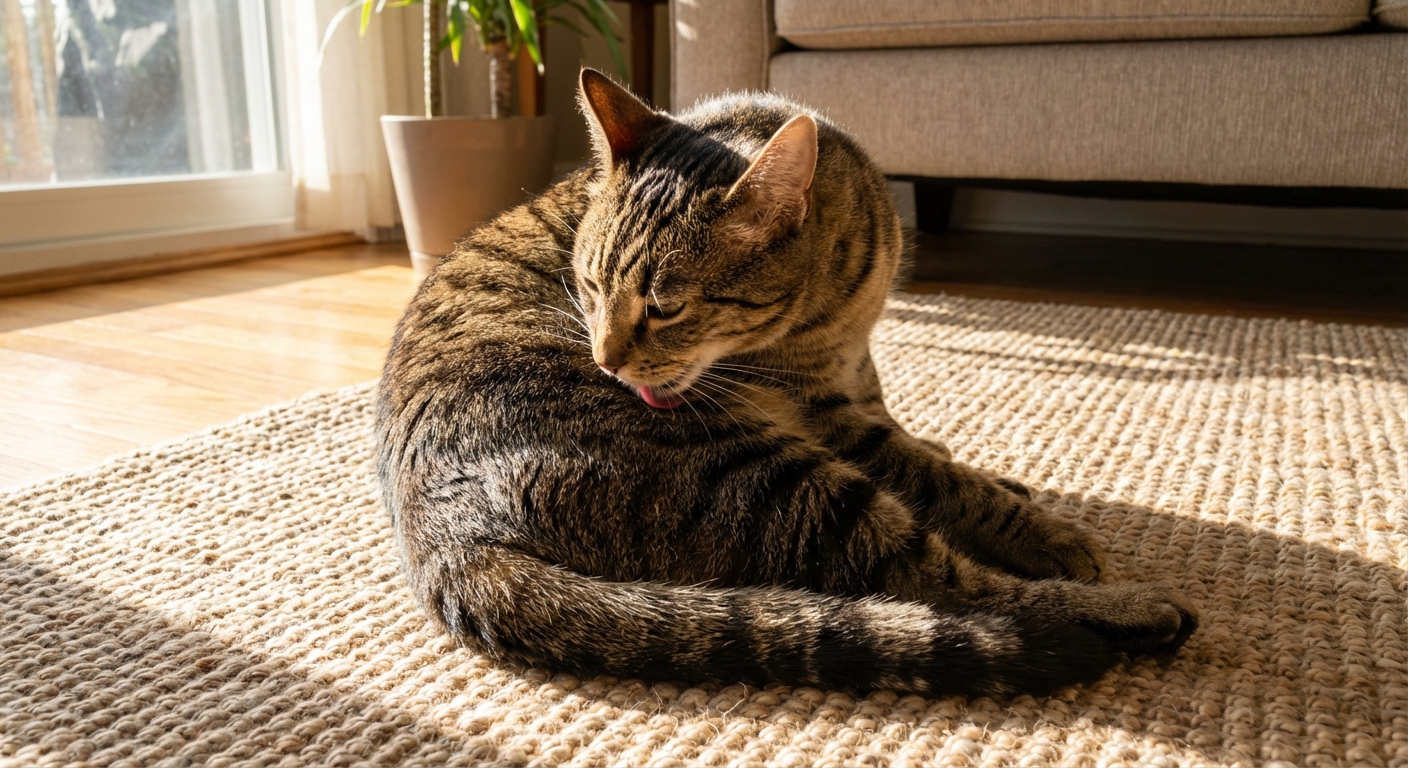
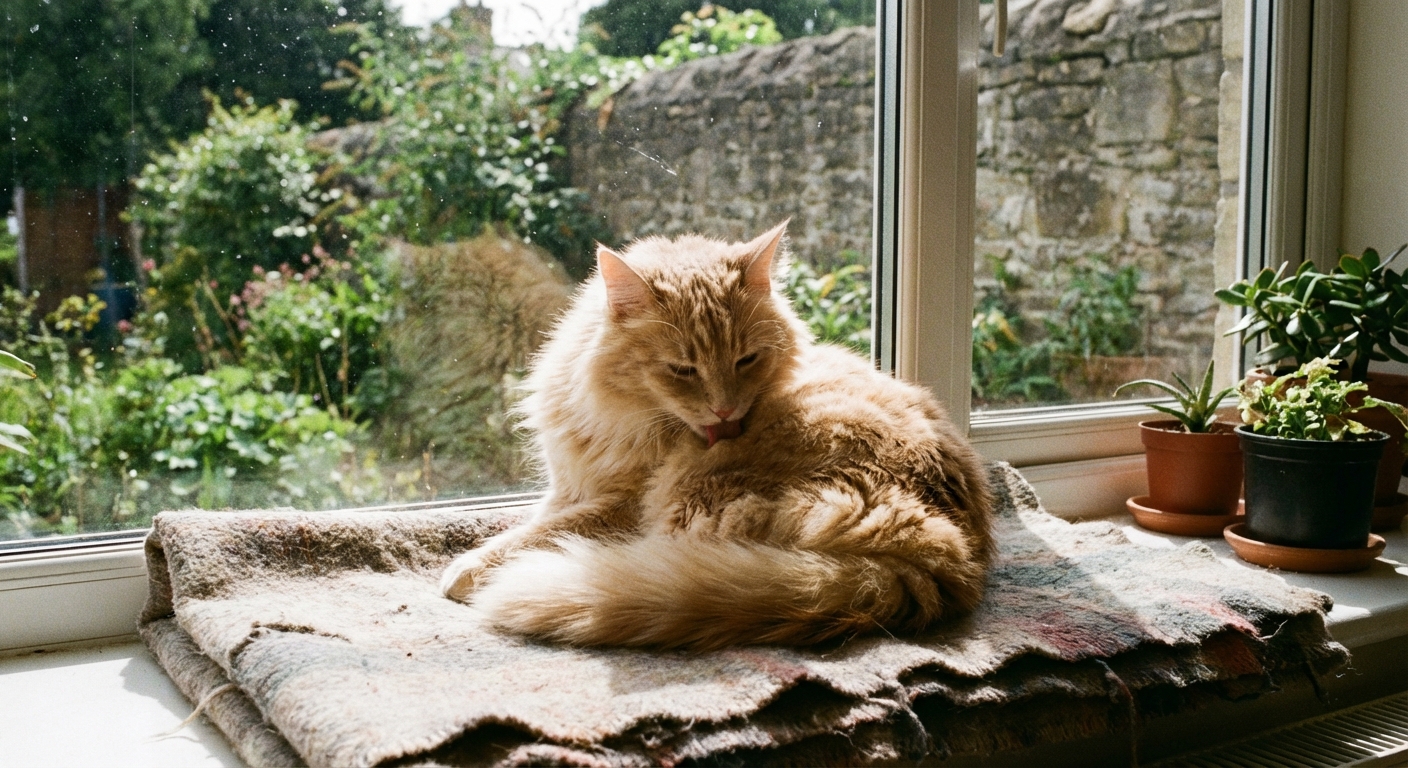
Cats are fastidious groomers. Their tongues have tiny backward-facing barbs that pull loose fur off the coat. That fur is usually swallowed and passes through the digestive tract, though some cats will vomit more intermittently.
A hairball forms when swallowed hair clumps together in the stomach instead of moving along normally. Cats often cough or gag to bring it up, which is why you may find a damp, tubular wad of hair on the floor.
Common causes
Hairballs happen when the amount of swallowed hair outweighs your cat’s ability to pass it. Several factors can tip the balance.
- Shedding and seasonal coat changes: Many cats shed more in spring and fall, increasing swallowed fur.
- Long or dense coats: Long-haired breeds and cats with thick undercoats tend to ingest more hair.
- Overgrooming: This can be triggered by stress, boredom, allergies, skin irritation, pain, or parasites like fleas.
- Dry skin or poor coat condition: When skin is dry, more hair may break or shed and be swallowed during grooming.
- Low activity or obesity: This may contribute by reducing normal gut movement, although hydration, diet, and fiber are often bigger levers.
- Constipation tendency or digestive upset: Cats who run constipated or have sensitive stomachs may be more likely to have hair linger and clump.
Signs your cat has a hairball
The classic hairball episode includes gagging, retching, and then producing the hairball. It is also common to see a bit of mucus or foamy fluid.
Typical signs
- Gagging or hacking, especially after grooming
- Retching followed by vomiting up a hairball
- Reduced appetite for a short period right before or after
- Constipation or small, dry stools in some cats
When it might not be a hairball
Many people assume coughing equals hairballs, but coughing can also signal asthma, respiratory infection, heart issues, or other conditions. If your cat is repeatedly “hacking” without producing a hairball, or seems to be coughing (especially with wheezing or rapid breathing), it is worth discussing with your veterinarian.
Call your veterinarian urgently
Hairballs are usually minor, but a hairball can contribute to a blockage in rare cases. Seek veterinary care promptly if you notice any of the following:
- Repeated retching with no hairball produced
- Loss of appetite lasting more than 24 hours
- Lethargy or hiding more than usual
- Abdominal swelling or obvious pain when touched
- Ongoing vomiting or vomiting with blood
- Constipation for more than 48 hours or straining
- Difficulty breathing or persistent coughing
Designer Mixes note: Pet info, not veterinary advice. If you are worried, it is always appropriate to call your veterinarian for guidance.
How to prevent hairballs
Prevention is about reducing the amount of hair swallowed and supporting healthy digestion so hair moves through smoothly. Small, consistent habits can make a noticeable difference over time.
1) Brush with purpose
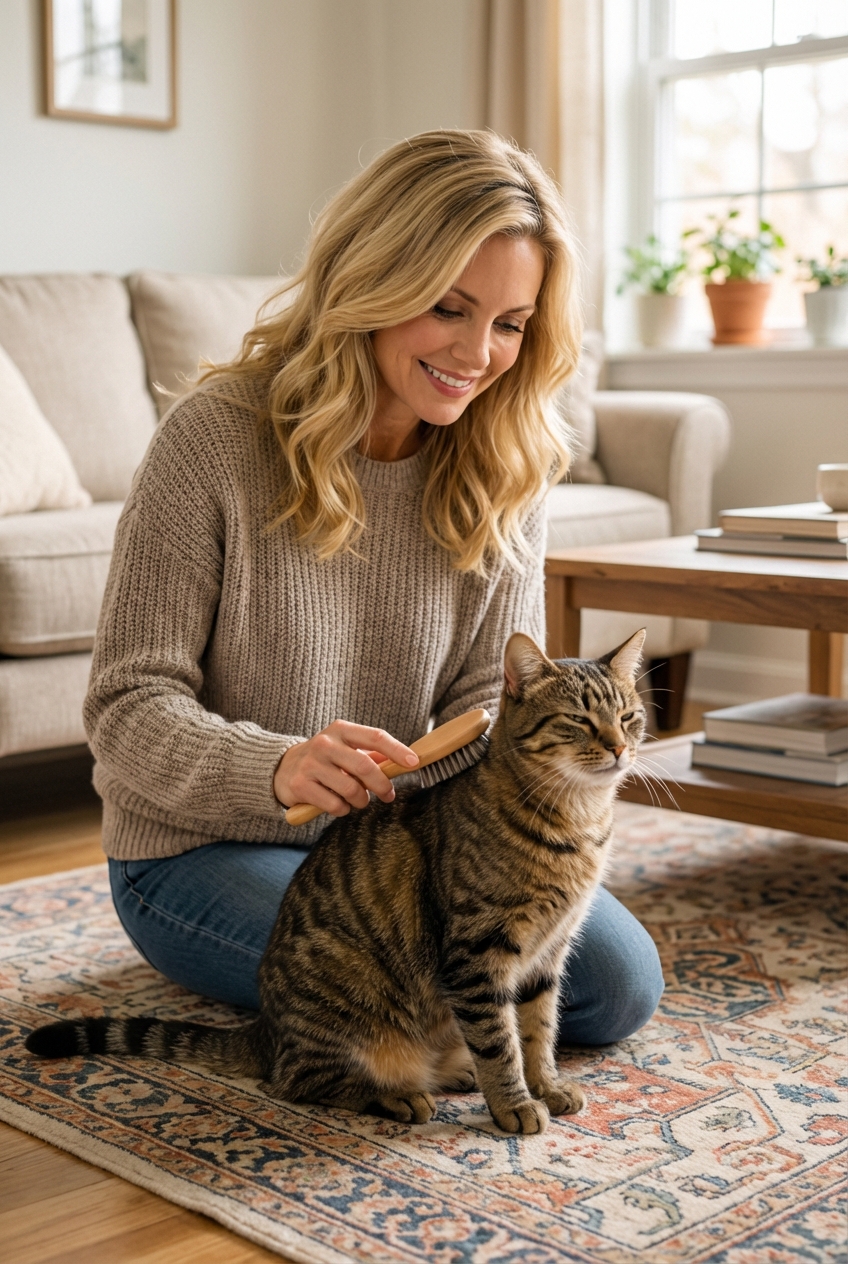
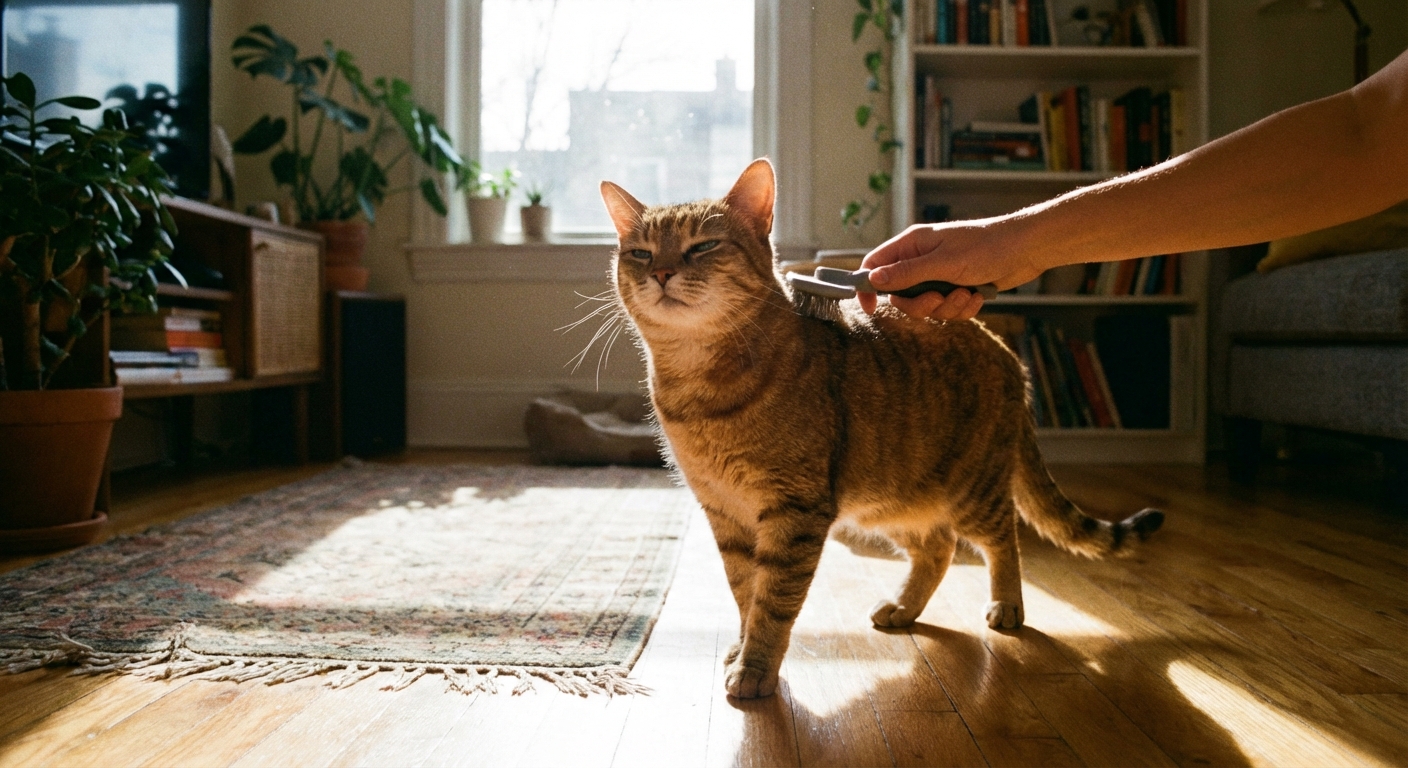
- Short-haired cats: Aim for 2 to 3 times per week, daily during heavy shedding.
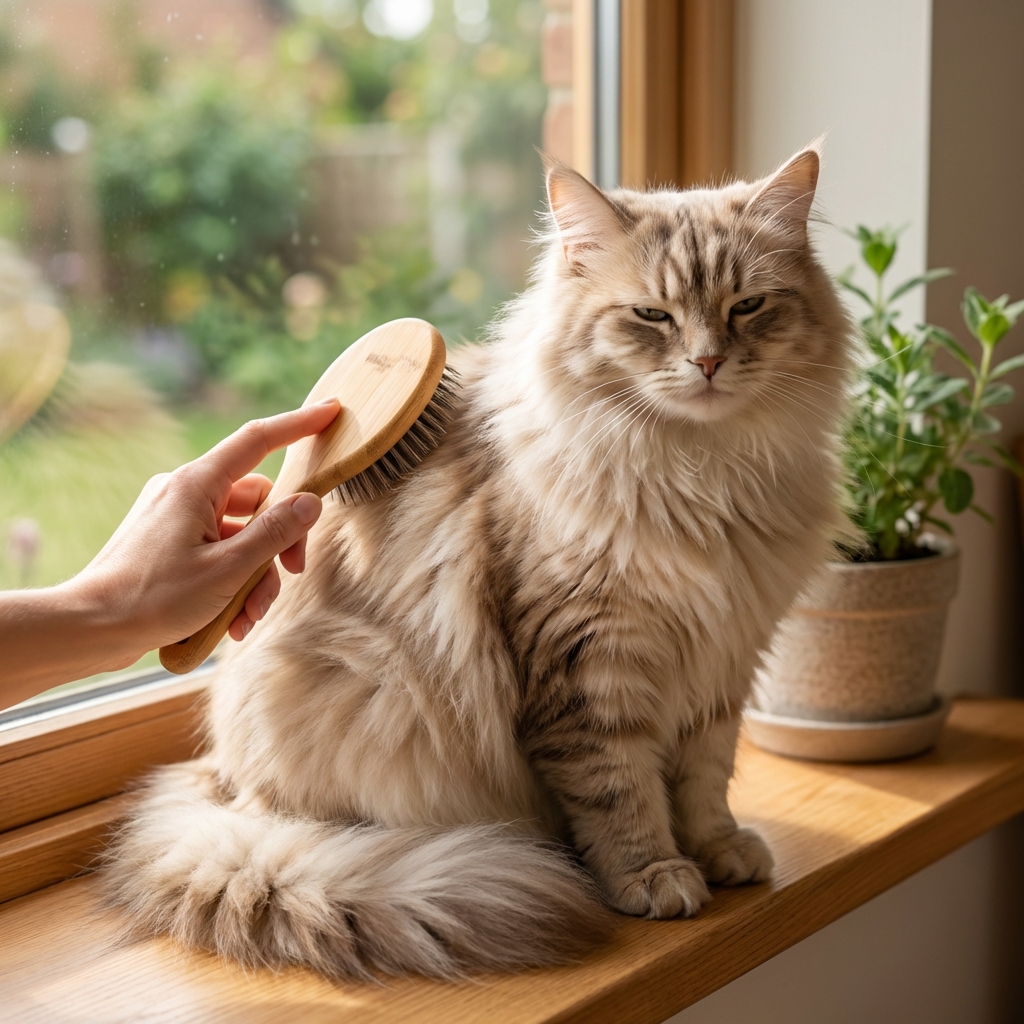
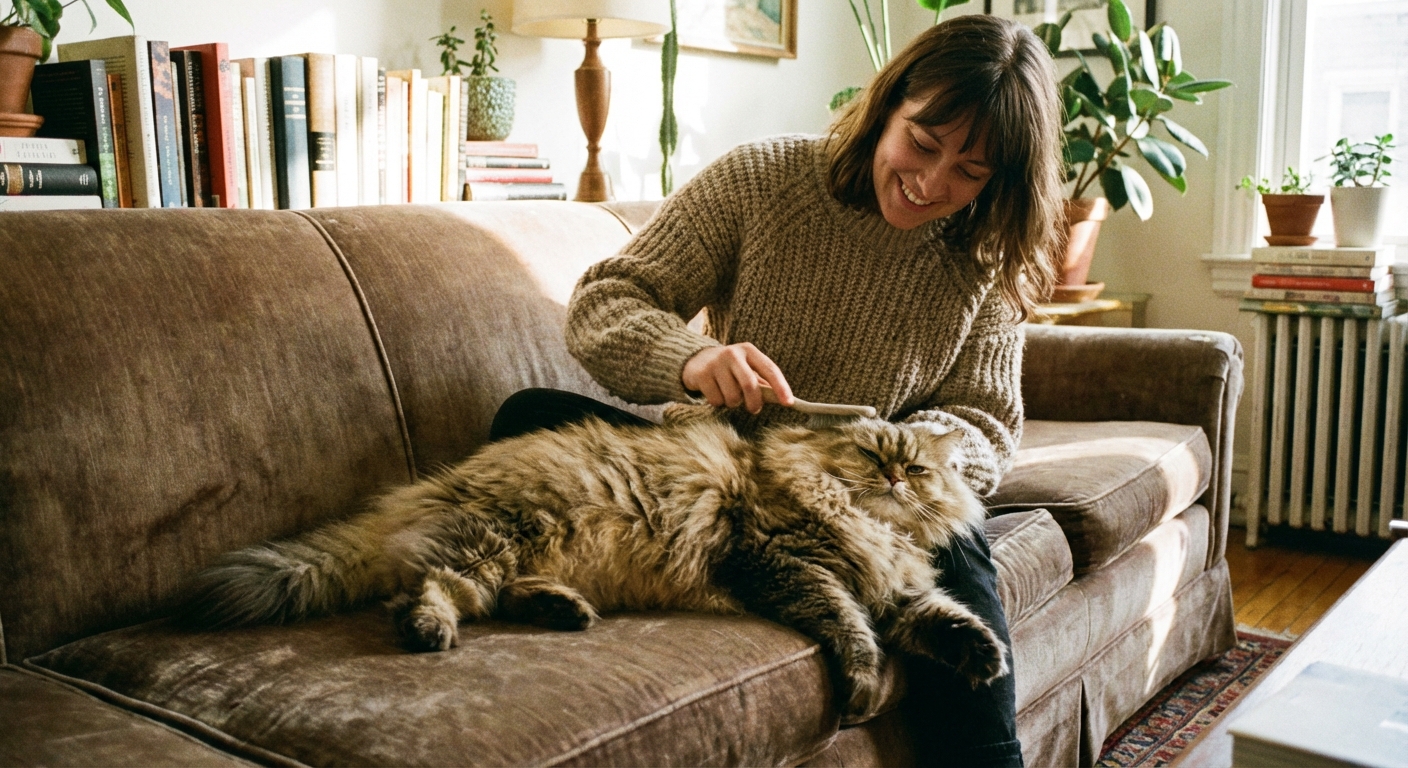
- Long-haired cats: Daily brushing is often ideal.
- Use tools that match the coat, such as a slicker brush for long coats or a rubber grooming mitt for short coats.
- Tool safety: Be gentle with deshedding blades and rakes, and avoid repeatedly scraping the same area. If you notice redness, dandruff worsening, or your cat seems sore, switch tools and talk with your veterinarian or a professional groomer.
- Keep sessions short and positive. A few calm minutes beats a wrestling match.
2) Support hydration
Hydration helps keep stools soft and supports normal intestinal movement.
- Consider a cat water fountain if your cat prefers running water.
- Offer wet food for part or all of the diet if it fits your veterinarian’s recommendations.
- Add a small amount of water to wet food for cats who tolerate it.
3) Nutrition that supports digestion
Some cats benefit from diets formulated for hairball management, often using specific fiber types to help move hair through the gut. Others do best with a highly digestible diet that reduces GI upset.
- If you change foods, do it gradually over 7 to 10 days to avoid stomach upset.
- If your cat has frequent vomiting, constipation, or a history of GI issues, ask your veterinarian which diet style is best.
4) Vet-approved lubricants or supplements
Some products help hair pass more easily, but they should be used thoughtfully, especially for cats with other health conditions. Avoid using human laxatives or oils unless your veterinarian has specifically directed you to.
- If you use petroleum-based hairball gels, follow label directions and ask your veterinarian about timing if your cat takes medications or supplements, since overuse can interfere with normal absorption.
5) Reduce overgrooming triggers
If your cat is grooming excessively, preventing hairballs means addressing the “why,” not just the fur.
- Flea control: Even indoor cats can get fleas, which can drive itch and grooming.
- Stress reduction: Predictable routines, playtime, and safe hiding spots help.
- Environmental enrichment: Food puzzles, climbing spaces, and daily interactive play reduce boredom grooming.
- Skin and allergy support: If you see scabs, dandruff, redness, or hair thinning, talk with your veterinarian.
Hairballs vs vomiting
Occasional hairballs are common, but frequent vomiting can signal something else. A helpful rule of thumb is to focus on what comes up, how often it happens, and whether your cat seems normal afterward.
- Hairball pattern: Retching or gagging followed by a hairball (often a wet, tubular clump of hair). Many cats return to normal fairly quickly.
- Vomiting pattern: Material is mostly food, liquid, or foam rather than a hair “tube.” It may repeat, or show up alongside appetite changes, weight loss, diarrhea, constipation, or behavior changes.
If you are seeing frequent episodes (for example, more than 1 to 2 hairballs per month), or any weight loss or changes in thirst, litter box habits, or energy, schedule a visit with your veterinarian. Chronic hairballs can be linked with issues like skin disease, parasites, dietary intolerance, or underlying GI disease, so it is worth checking in.
Simple weekly routine
- Daily: Fresh water check, 5 to 10 minutes of play, quick coat check for tangles or dandruff.
- 2 to 7 times per week: Brushing based on coat length and shedding season.
- Weekly: Wash bedding, vacuum favorite lounging areas, and rotate enrichment toys.
- Monthly: Review flea prevention schedule and note any uptick in grooming, coughing, or gagging.
Bottom line
Hairballs are usually a sign that grooming, shedding, and digestion are slightly out of balance. With consistent brushing, better hydration, and a food plan that supports healthy gut motility, most cats have fewer episodes and feel better overall.
If your cat’s symptoms are frequent, worsening, or do not match the classic hairball pattern, loop in your veterinarian. Early guidance can prevent discomfort and help rule out problems that look like hairballs but are not.