Hairballs can be normal—but frequent gagging or vomiting may signal a bigger issue. Get vet-approved tips on brushing, hydration, fiber, diet, gels, and wh...
Article
•
Designer Mixes
Hairballs in Cats

Shari Shidate
Designer Mixes contributor
Hairballs happen to many cats at some point, and as a veterinary assistant I hear the same question all the time: “Is this normal, or should I worry?” The answer is often reassuring, but not always. A small, occasional hairball can be part of normal grooming. Hairballs that are frequent, repeated gagging with nothing produced, or any appetite or litter box habit changes deserve a closer look.
Quick guideline: For most cats, a hairball once in a while (for example, every few weeks) can be normal. If it is happening more than once or twice a month, or the episodes are increasing, it is time to troubleshoot and consider an exam.
Medical note: This article is for general education and is not a substitute for veterinary care.
Below I will walk you through what causes hairballs, how to prevent them in a practical way, and which treatments are evidence-based and safe.
What hairballs are
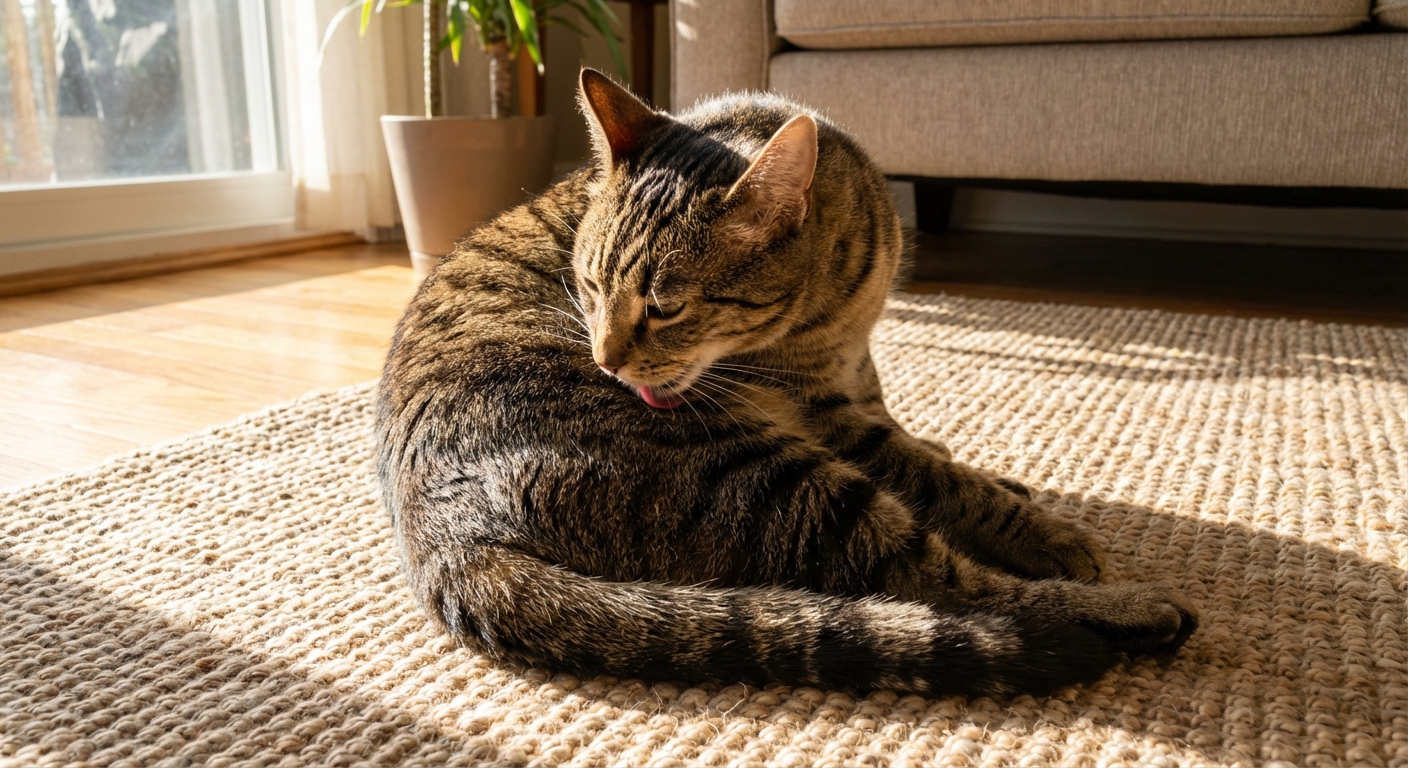
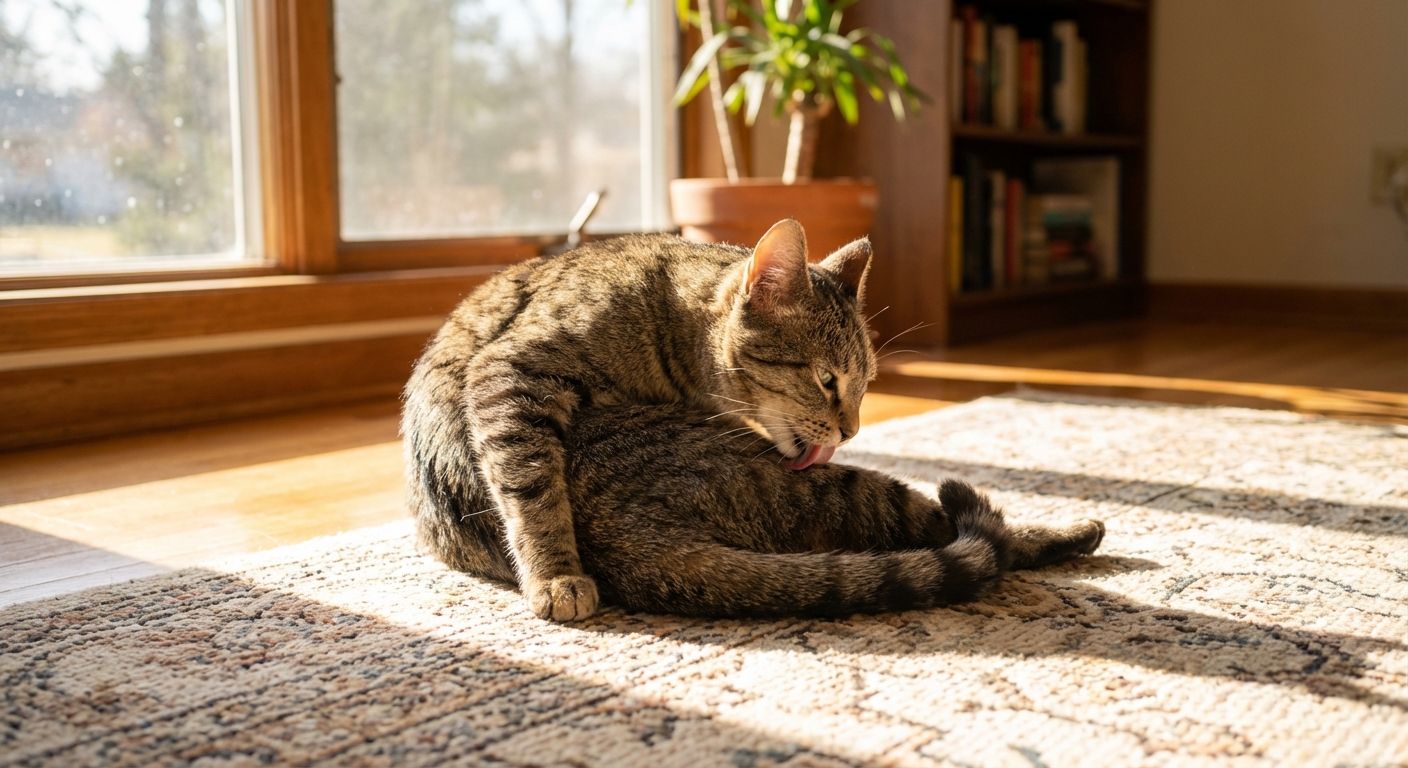
When cats groom, their tiny backward-facing tongue barbs pull loose hair into the mouth. Most swallowed hair passes through the digestive tract and is eliminated in the stool. A hairball forms when some of that hair stays in the stomach and tangles into a damp clump. Eventually, your cat may vomit it up as a tube-shaped mass of hair and stomach fluid.
It is common to see brief retching or gagging right before a hairball comes up. What is not normal is repeated gagging with no hairball produced, or vomiting that keeps happening.
Cough vs retch tip: Many owners understandably mix these up. Retching usually includes abdominal heaving and ends in vomit or a hairball. Coughing fits may look like the cat is trying to clear the airway and often produce no vomit. If you are unsure, take a short video for your veterinarian. It helps a lot.
Causes and risk factors
Hairballs are usually a grooming and gut-motility issue, but the reason a cat is swallowing excess hair can vary. These are the most common contributors we see in practice:
- Heavy shedding or seasonal coat changes, especially in spring and fall.
- Long hair or dense undercoats (Persians, Maine Coons, Ragdolls, and many mixes).
- Overgrooming from stress, boredom, pain, or skin disease.
- Fleas, mites, or allergies that make the skin itchy.
- Obesity or arthritis, which can change grooming patterns and contribute to matting and uneven shedding.
- Low water intake or a very dry diet, which can contribute to firmer stools in some cats and may make it harder for hair to pass smoothly.
- Digestive motility changes, including constipation or inflammatory bowel issues.
Important note: Cats with frequent hairballs sometimes have an underlying medical issue that looks like “just hairballs” at first, such as asthma (coughing), food intolerance, parasites, constipation, or chronic vomiting from GI disease. If it is happening often, it is worth investigating.
When to worry
Call your veterinarian promptly if you notice any of the following. These signs can point to intestinal obstruction, dehydration, pancreatitis, asthma, or another condition that needs treatment.
- Repeated retching or gagging with no hairball produced
- Vomiting more than once in 24 hours, especially if your cat seems off, cannot keep food down, is very young or older, or has other health conditions
- Loss of appetite, hiding, lethargy, or pain
- Constipation, straining, or no stool
- Diarrhea or blood in stool
- Distended belly or signs of dehydration (tacky gums, weakness)
- Coughing fits that sound like hairballs but never produce one (this can be asthma)
Urgent concern: If your cat is repeatedly retching and nothing comes up, especially with lethargy, refusal to eat, a painful belly, or no stool, treat it as urgent. Obstruction is a true emergency. Also contact your vet right away if you suspect string, ribbon, tinsel, or other linear objects were swallowed.
Prevention that works
The most effective prevention plan is usually a mix of grooming, hydration support, and the right diet. Start simple and be consistent.
1) Brush on a schedule
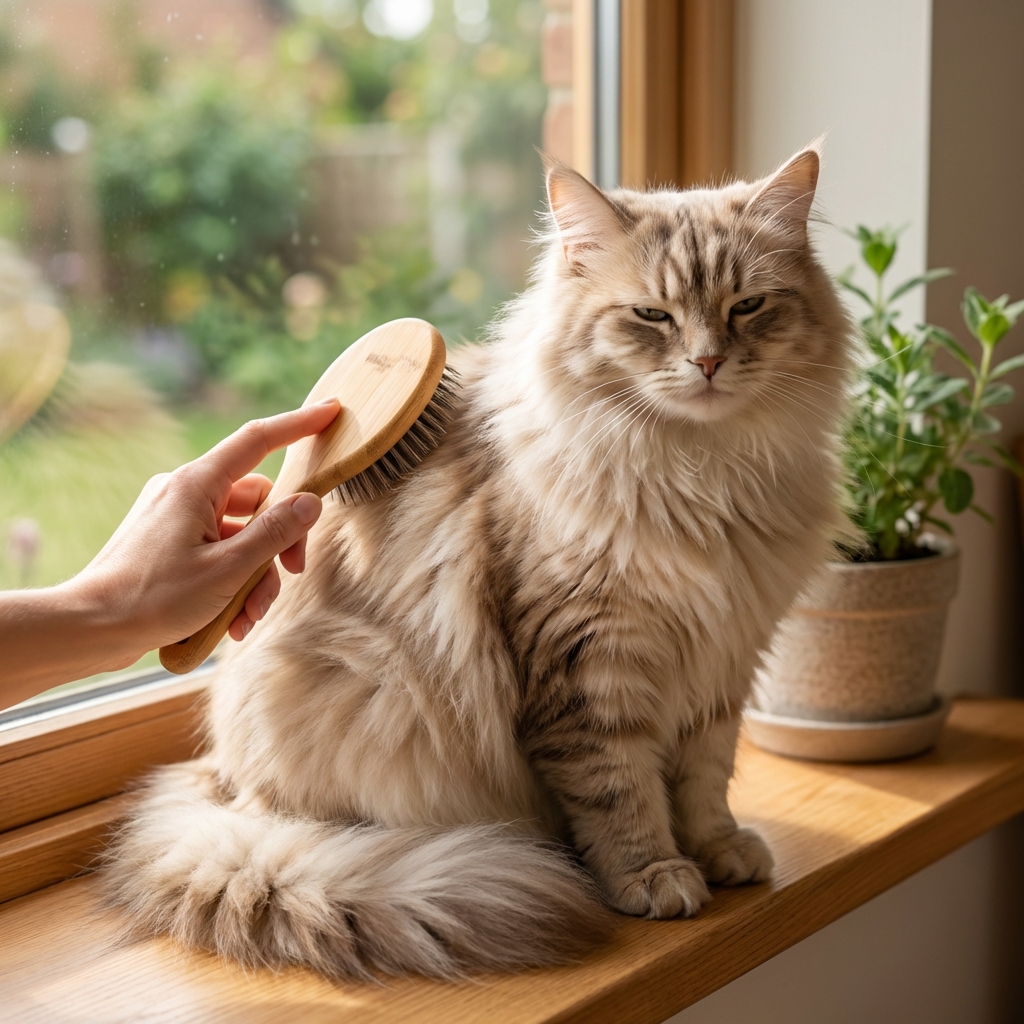
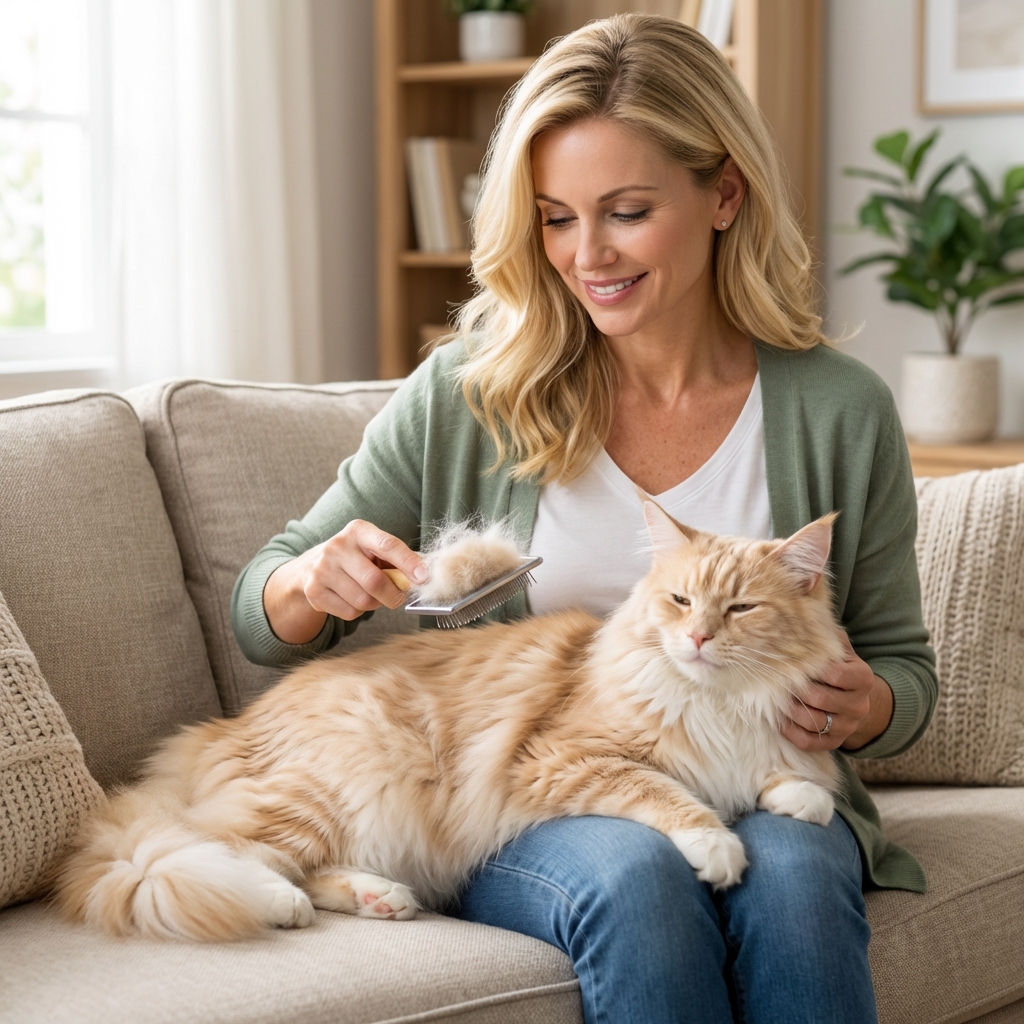
Brushing removes loose hair before your cat swallows it. For many cats:
- Short-haired cats: 2 to 3 times per week
- Long-haired cats: daily, especially during shedding season
Tool tips:
- A rubber curry brush can be great for short coats.
- A slicker brush plus a wide-tooth comb helps many long-haired coats.
- Deshedding tools can be helpful, but go gently and avoid overdoing it on sensitive cats.
If your cat dislikes brushing, keep sessions short (30 to 60 seconds), reward afterward, and slowly build up. The best brush is the one your cat will tolerate.
2) Support hydration
Hydration supports normal GI function and stool quality, which may help hair move through more comfortably.
- Offer more wet food (even adding one wet meal a day can help many cats).
- Add a small amount of warm water to wet food to make a “gravy.”
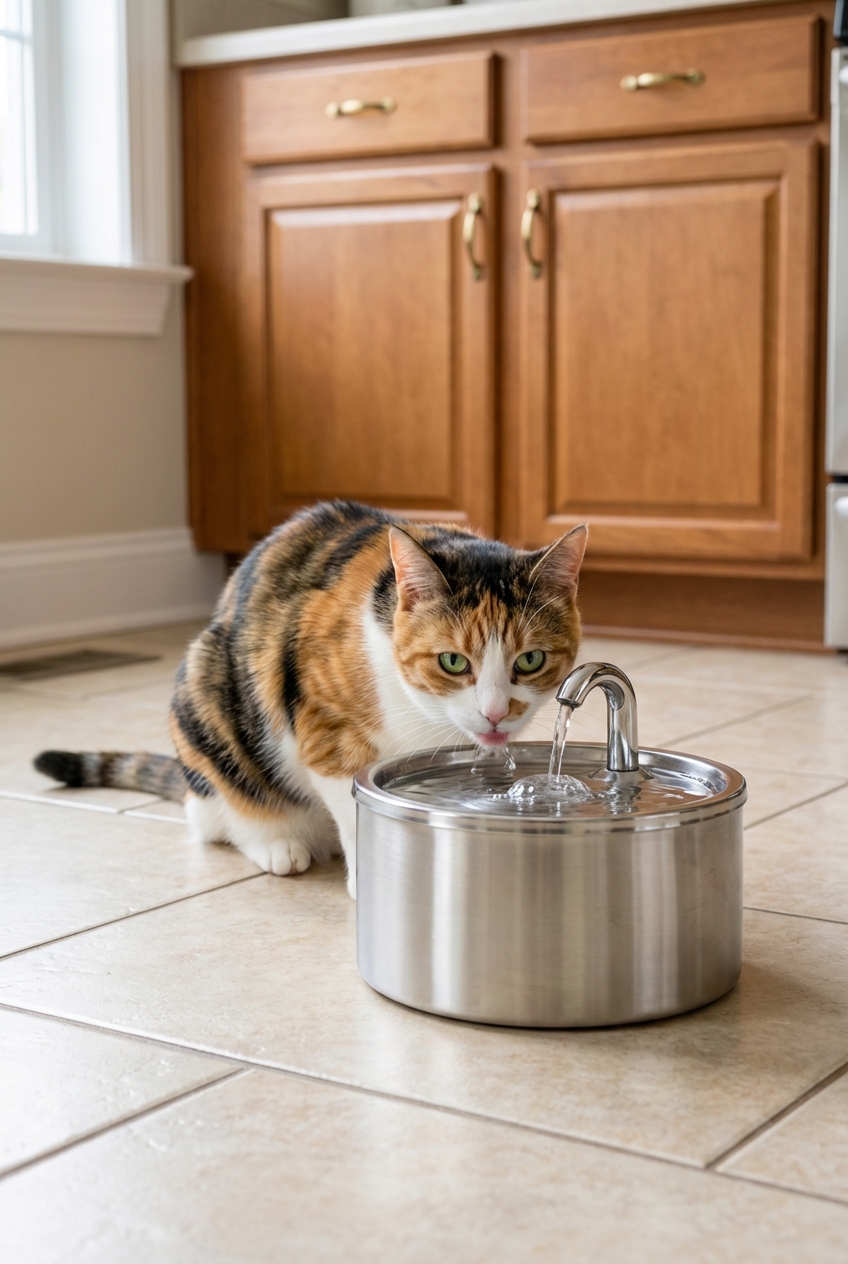
- Use a cat water fountain if your cat prefers running water.
- Keep bowls clean and place them away from the litter box.
3) Diet and fiber support
Some cats benefit from diets formulated to move hair through the intestines using specific fiber blends. A veterinarian can help you choose an appropriate option, especially if your cat has a sensitive stomach.
Fiber can help some cats, but more is not always better. Too much fiber in the wrong cat can cause gas, loose stool, or reduced calorie absorption.
4) Address overgrooming
If your cat is licking constantly, do not assume it is “just a habit.” Common triggers include fleas, allergies, pain, and stress. Helpful steps:
- Keep flea prevention consistent and vet-approved.
- Talk to your veterinarian about allergy signs (itching, head and neck scratching, scabs, ear issues).
- Reduce stress with predictable routines, play sessions, and environmental enrichment.
Safe treatments
If your cat has an occasional hairball, you can often manage it at home with gentle, vet-approved options. If hairballs are frequent, treatment should include finding the underlying cause.
Hairball gels and lubricants
Petroleum-based hairball gels can help some cats pass hair more easily. They are typically given in small amounts as directed on the label or by your veterinarian. They are not a daily long-term fix for every cat, but they can be useful during heavy shedding.
Hairball treats
Some over-the-counter hairball treats include fiber to support GI movement. Choose products from reputable brands and introduce slowly. If your cat gains weight easily, treats can add calories quickly.
Probiotics
For cats with sensitive digestion or chronic GI signs, a veterinarian-recommended feline probiotic may help some cats with stool quality and vomiting. Evidence varies by product and strain, so it is worth asking your veterinarian which option fits your cat.
What to skip
- Do not give mineral oil, coconut oil, butter, or other “home remedies” without veterinary guidance. These can cause GI upset, add unnecessary calories, and some oils (especially mineral oil) carry an aspiration risk if accidentally inhaled.
- Do not give laxatives meant for people unless your veterinarian specifically prescribes them.
- Do not assume chronic vomiting is normal. Cats hide illness, and ongoing vomiting deserves a workup.
If your cat is retching repeatedly and nothing comes up, treat it as urgent. A hairball can sometimes contribute to an intestinal blockage, and early care matters.
Simple 3-week plan
If you want a straightforward starting point, here is a gentle plan many cat families can follow:
- Week 1: Brush 3 times, add one extra wet-food meal or add water to meals, and confirm your flea prevention is current.
- Week 2: Continue brushing, consider a veterinarian-approved hairball gel 1 to 2 times that week during heavy shedding, and track vomiting frequency.
- Week 3: If hairballs are still frequent, schedule a vet visit to rule out skin disease, parasites, asthma, constipation, and GI conditions.
You know your cat best. If something feels off, trust that instinct and get them checked. Most of the time, we can get hairballs under control with small routine changes, and your cat will feel much more comfortable.