Learn why cats get hairballs and what to do now: brushing routines, hydration hacks, safe hairball gels, gentle fiber, and when gagging or vomiting needs a v...
Article
•
Designer Mixes
Hairball Remedies That Work

Shari Shidate
Designer Mixes contributor
Hairballs are one of those “gross but common” realities of sharing life with a cat. The good news is you do not have to just tolerate them. In many healthy cats, hairballs can often be reduced with a few practical, vet-informed changes at home. Results vary depending on coat type, shedding season, and any underlying health issues.
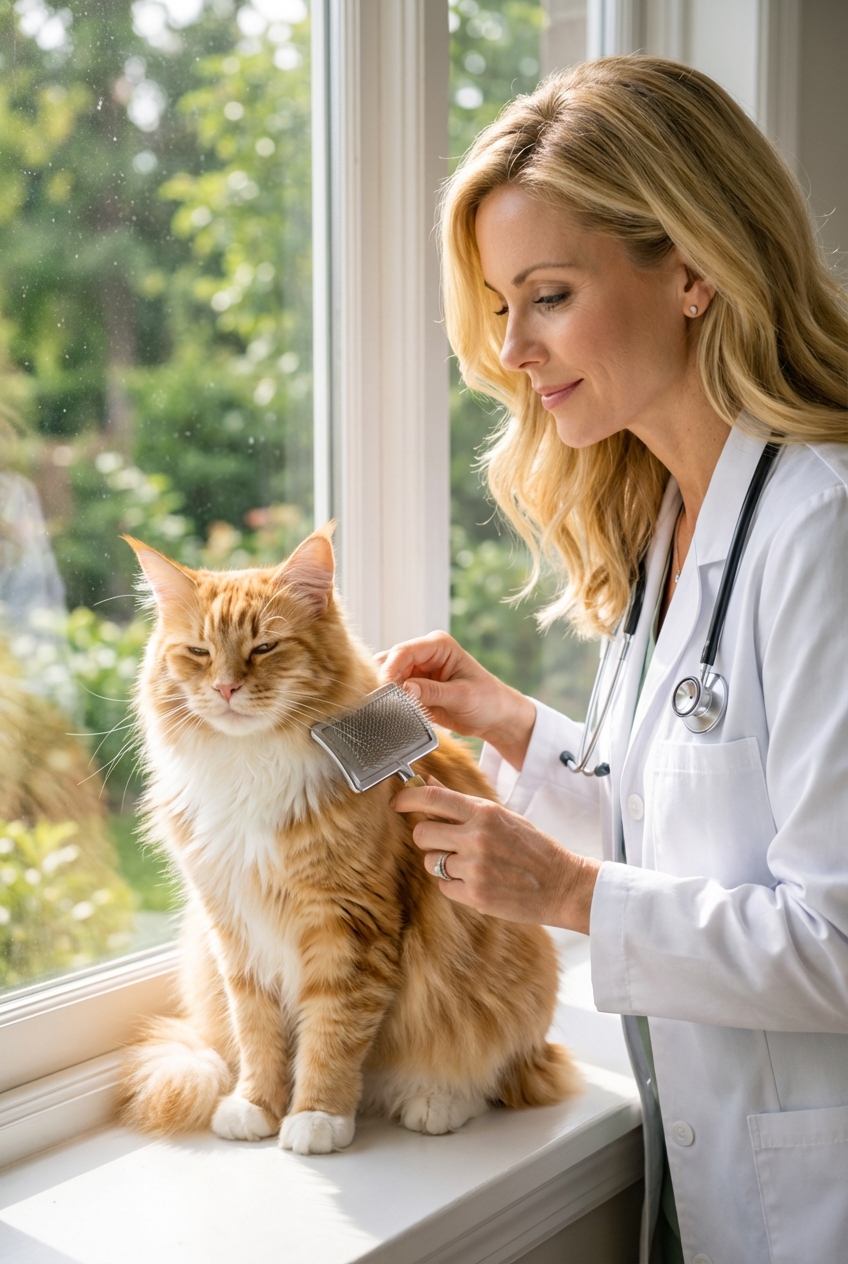
As a veterinary assistant, I always like to start with two questions: Is this actually a normal hairball issue, and what is driving the extra hair ingestion? When we address those, the right remedy becomes much clearer.
One quick note up front: if it looks more like coughing than vomiting, treat it as a possible respiratory issue (like asthma) and call your vet.
Hairballs: what is normal and what is not
Cats swallow hair during grooming. Most of that hair should move through the GI tract and pass in stool. A “hairball” happens when hair clumps in the stomach and is vomited up.
Occasional hairballs can be normal, especially during seasonal shedding or in long-haired cats. Some cats may have one now and then and never need more than routine grooming. What is not normal is frequent vomiting, ongoing gagging without producing a hairball, or any signs your cat feels unwell.
Call your vet promptly if you notice:
- Repeated retching or gagging with little or no vomit produced
- Vomiting more than once a week, as a rule of thumb, or a sudden increase in frequency
- Loss of appetite, lethargy, weight loss, or hiding more than usual
- Constipation, straining, or little to no stool
- Bloated or painful abdomen
- Open-mouth breathing or coughing that seems like “hairball hacking” (this can mimic asthma)
Important: A true intestinal blockage from hair (or other material) is a medical emergency. If your cat is vomiting repeatedly and cannot keep food or water down, do not wait it out.
Why some cats get more hairballs
Hairballs are usually a symptom of either more hair being swallowed or slower movement through the digestive tract.
Common contributors
- Heavy shedding or long coats (more loose hair available to swallow)
- Overgrooming due to stress, boredom, pain, or skin irritation
- Fleas or allergies that trigger itching and extra licking
- Dry skin from low humidity or nutrition gaps
- Dehydration and constipation, which can slow transit
- Obesity or limited mobility, which can reduce normal activity and gut motility
Hairball remedies that help
1) Brush smarter
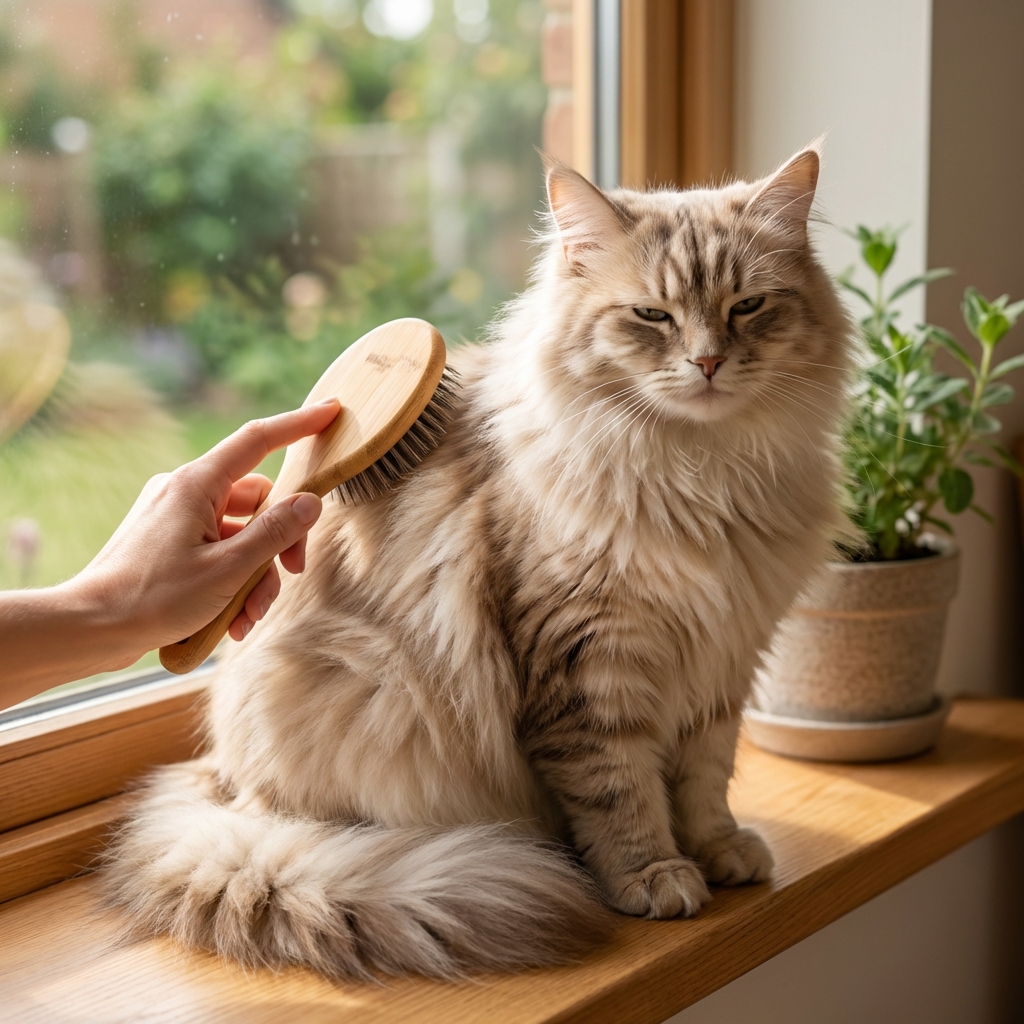
This is the most effective “low-tech” fix because it removes hair before your cat swallows it.
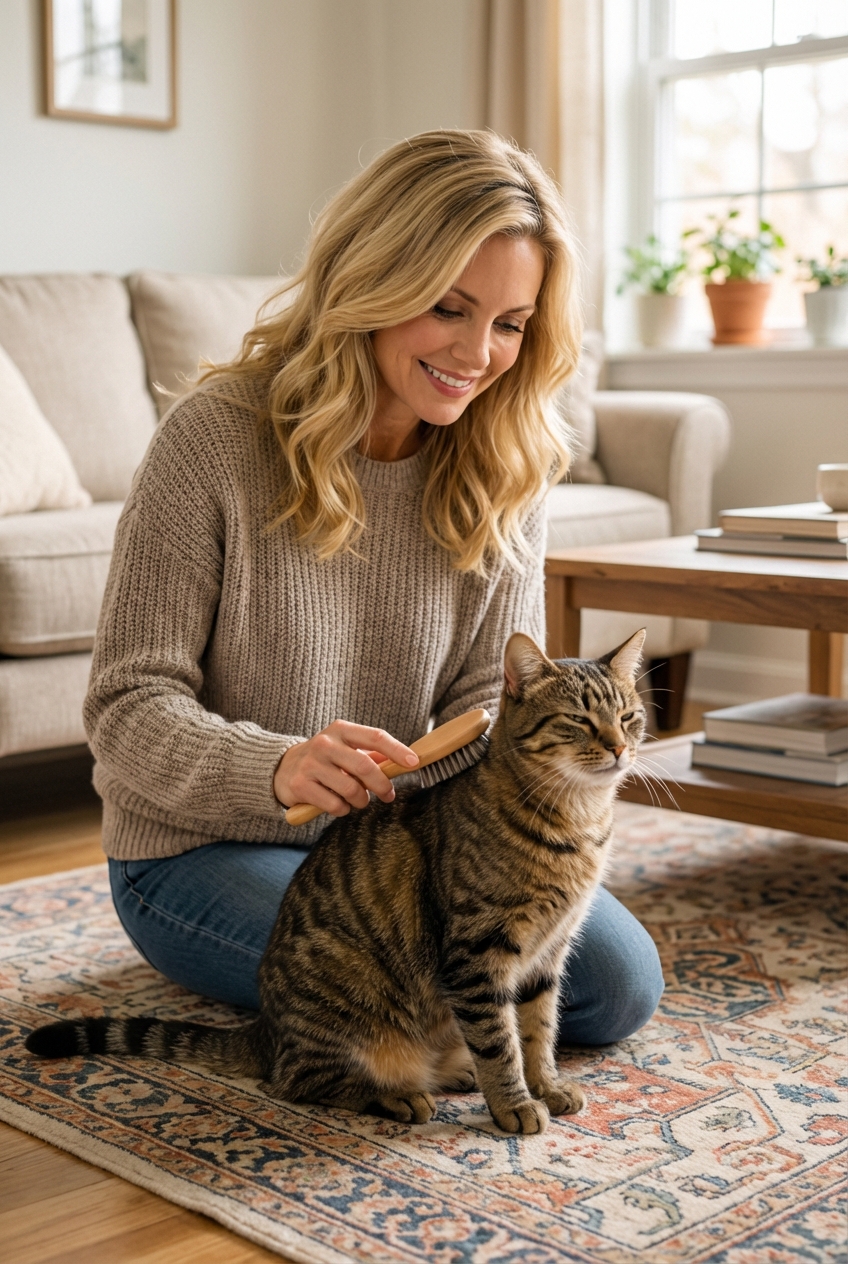
- Short-haired cats: brush 2 to 3 times per week, daily during heavy sheds
- Long-haired cats: brush daily if possible
- Use tools that match the coat: a soft slicker for fluff, a comb for tangles, and a de-shedding tool sparingly (too much can irritate skin)
If your cat hates brushing, start with 30 seconds and end with a treat. Consistency beats intensity.
If brushing is a constant battle, ask your vet or groomer about professional grooming, including a trim for long coats. For some cats, a simple “sanitary” or belly trim makes maintenance much easier.
2) Add moisture
Better hydration supports normal GI motility and stool consistency, which can help hair pass through rather than building up.
- Increase wet food meals if you can
- Add a tablespoon or two of warm water to canned food to make a “gravy” texture
- Use a pet water fountain (many cats drink more from moving water)
- Offer multiple water stations in quiet areas
3) Use fiber carefully
Fiber can help some cats pass hair in stool by supporting stool quality and intestinal transit. Response varies by cat and by fiber type, so go slowly.
Vet commonly suggested options:
- Psyllium (tiny amounts mixed into food)
- Canned pumpkin (plain pumpkin, not pie filling)
- Hairball diets formulated with specific fiber blends
Introduce fiber gradually over several days to reduce gas and diarrhea. Because dosing varies by cat size and stool consistency, ask your vet for a starting amount and adjust based on litter box results.
4) Consider omega-3s
When skin is healthier, some cats groom less intensely. Omega-3 fatty acids can support the skin barrier and coat quality, which may help if dry skin or dandruff is part of the picture.
- Use a pet-specific fish oil product to avoid dosing mistakes
- Introduce slowly to prevent diarrhea
- Do not use human supplements with added flavors or sweeteners
If your cat is on any medication or has a history of pancreatitis or GI sensitivity, get your vet’s guidance first.
5) Hairball gels: useful short-term
Many veterinarians recommend petroleum-based hairball gels for short-term help, especially during shedding seasons. They may help hair slide through more easily, but they are not a replacement for daily grooming and hydration.
- Follow the label and your vet’s instructions
- Avoid giving at the same time as medications. Separate by a few hours unless your vet advises otherwise, since it can affect absorption
- If your cat has frequent hairballs, gels alone are usually not enough
6) Fix the reason for overgrooming
If your cat is licking more than usual, the “remedy” is often not a hairball product. It is fixing the trigger.
- Fleas: even indoor cats can get fleas, and one bite can drive intense grooming
- Allergies: food or environmental allergies can show up as itching and overgrooming
- Stress: new pets, moves, schedule changes, and conflict with other cats can all increase grooming
- Pain: arthritis can lead to overgrooming around sore joints
If you see bald spots, scabs, or skin redness, schedule a vet visit. That is a medical issue, not a “more brushing” issue.
What to avoid
- Giving oils or butter as a “lubricant.” These are not reliable, can upset the stomach, and add unnecessary fat.
- Using laxatives not made for cats. Human products can be dangerous.
- Assuming all gagging is hairballs. Cats with asthma, nausea, or foreign bodies can look like they are trying to cough up a hairball.
- Ignoring frequent vomiting. Hairball vomiting that happens often is still vomiting, and it deserves a medical conversation.
- Making sudden diet changes. Switch foods and add fiber gradually to avoid GI upset.
A simple 2-week plan
Days 1 to 3
- Brush daily for 2 minutes
- Add a little water to one meal per day
- Track vomiting and stool in a notes app
Days 4 to 7
- Keep brushing daily
- Increase wet food or add water to two meals per day
- If your vet agrees, start a small amount of fiber support and increase slowly
Week 2
- Adjust based on the litter box: you want comfortable, formed stool
- Consider adding omega-3s if coat is dry or dandruffy
- If hairballs are still frequent, book a vet check to look for overgrooming triggers or constipation
Many households see improvement with grooming plus hydration alone, especially when done consistently.
When to see the vet
If hairballs are happening frequently, your vet may recommend an exam and possibly:
- Checking weight, hydration, and abdominal comfort
- Ruling out constipation, parasites, or GI disease
- Discussing diet change options, including hairball formulas or sensitive-stomach diets
- Evaluating skin and coat for allergies or fleas
- Considering imaging if a blockage is a concern
It is also worth saying plainly: chronic “hairball” vomiting is not always hairballs. Conditions like inflammatory bowel disease, pancreatitis, or hyperthyroidism can cause repeated vomiting and may need treatment beyond hairball control.
Your goal is not just fewer hairballs. It is a cat that is comfortable, eating well, and not vomiting regularly.