Learn what a true hairball looks like, how often is normal, and the red flags that need a vet or ER. Proven prevention: brushing, hydration, diet, and safe g...
Article
•
Designer Mixes
Hairball Home Remedies for Cats

Shari Shidate
Designer Mixes contributor
Hairballs can look dramatic, but most of the time they are a common grooming side effect, especially for long-haired cats, heavy shedders, and cats that love to self-soothe by overgrooming. The good news is that many hairball problems improve with simple, evidence-based changes at home.
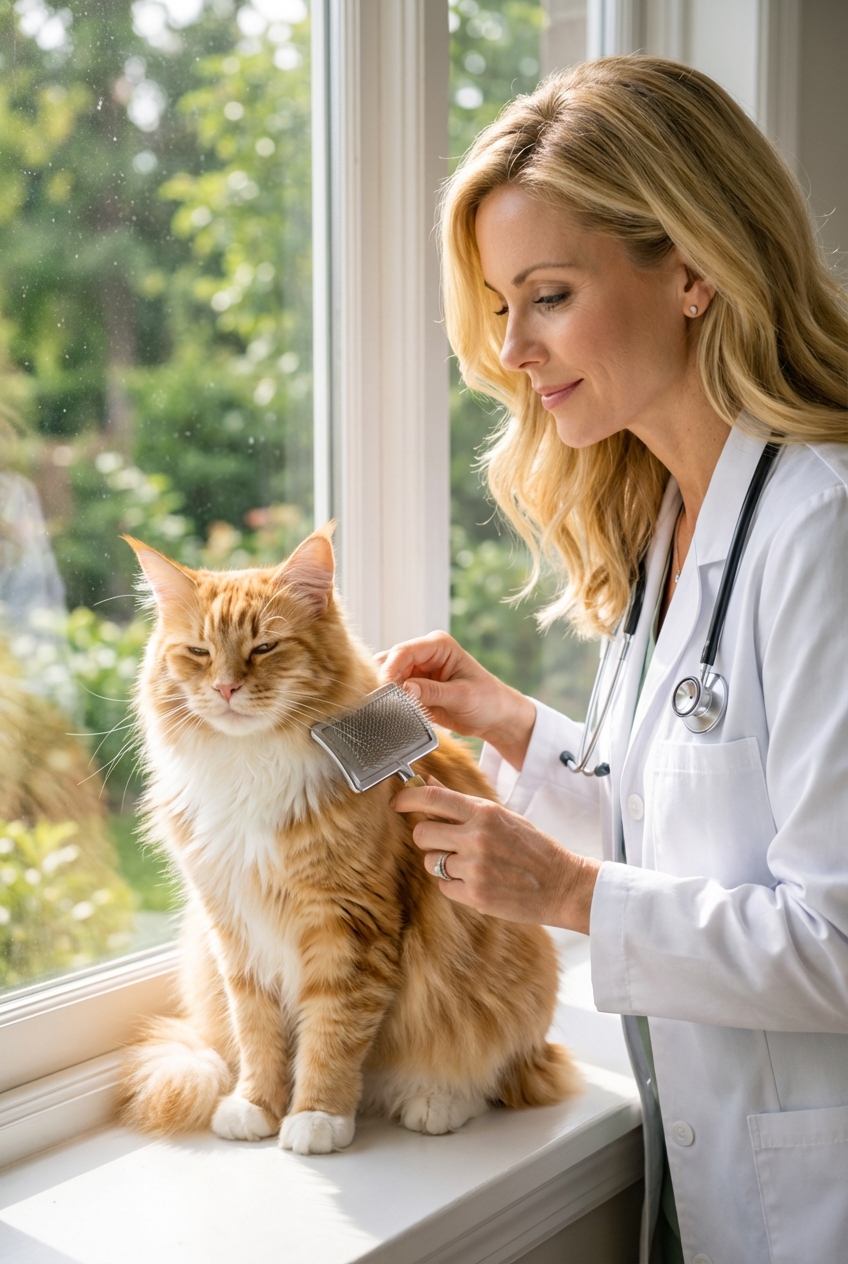
As a veterinary assistant, I always like to start with this reminder: occasional hairballs can be normal. As a general rule, frequent hairballs (often considered more than once a week), repeated gagging, or changes in appetite, energy, breathing, or stool deserve a closer look.
One more important note: cats can cough in a way that looks like they are trying to vomit a hairball. If you are not sure which it is, you are not alone.
What hairballs are and why they happen
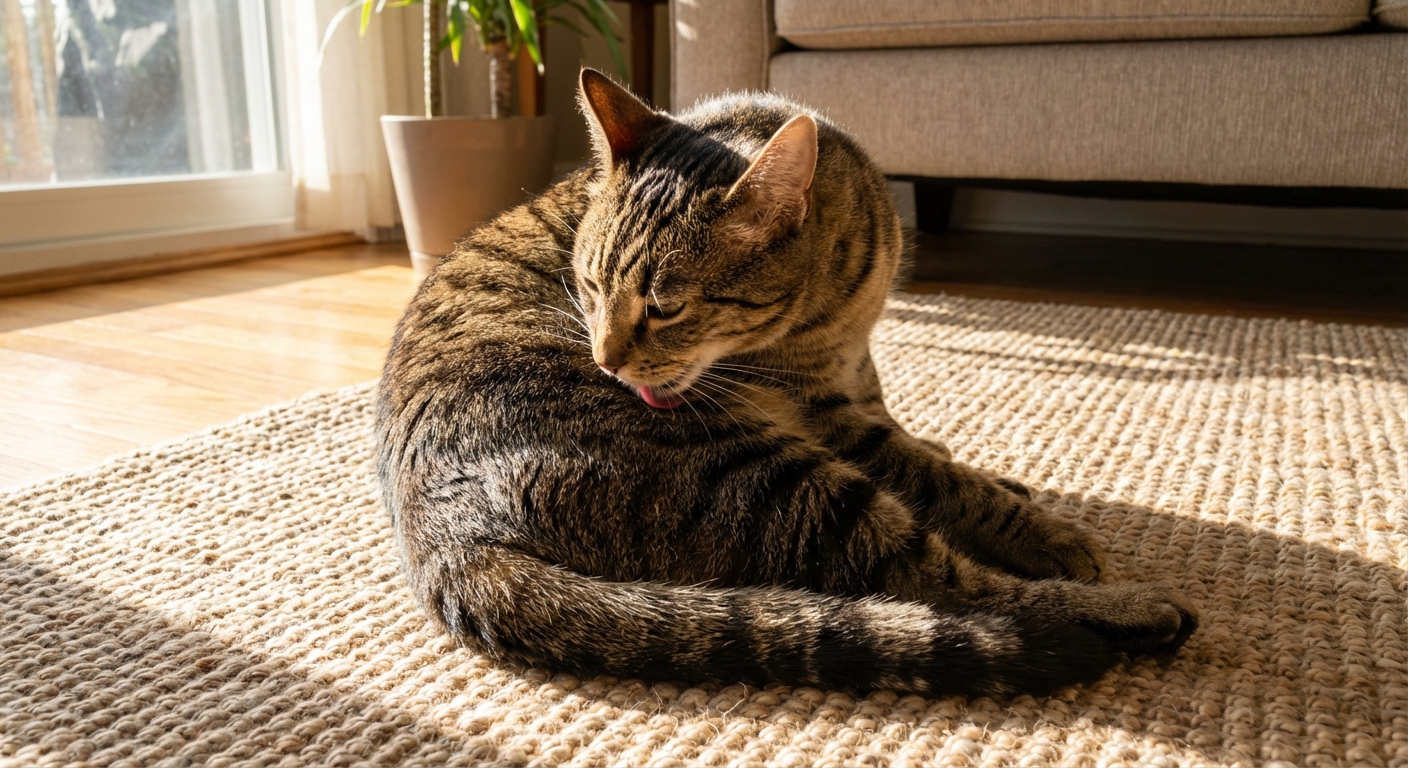
When cats groom, they swallow loose hair. Much of that hair moves through the digestive tract and exits in the stool. A hairball happens when hair collects in the stomach and forms into a wad that your cat vomits up.
Hairballs tend to increase when any of these are true:
- More hair is swallowed (shedding season, long hair, mats, not enough brushing).
- Grooming is excessive (stress, allergies, skin irritation, pain, parasites).
- GI movement is slower or the gut is irritated (dehydration or constipation in some cats, diet changes, and some medical issues). Fiber can help certain cats, but it is not one-size-fits-all.
When a “hairball” is an emergency
Please do not try home remedies first if you notice any of the signs below. These can indicate a blockage, asthma, pneumonia, heart disease, or another serious condition.
Seek urgent veterinary care if your cat:
- Is repeatedly retching but nothing comes up
- Has trouble breathing, open-mouth breathing, or rapid breathing
- Stops eating for more than 24 hours, or is very lethargic
- Has a painful belly, hunched posture, or cries when picked up
- Has constipation, diarrhea, or no stool along with vomiting
- Is vomiting frequently (for example, more than once a week), even if hair comes up
Tip from the clinic: Many owners describe “hairballs,” but the cat is actually coughing. If you can, take a short video of the episode for your veterinarian. It helps more than you think.
Home basics that actually help
Think of hairball prevention like a three-part plan: reduce the hair swallowed, help it move through, and address any trigger for overgrooming.
1) Brush more, but keep it easy
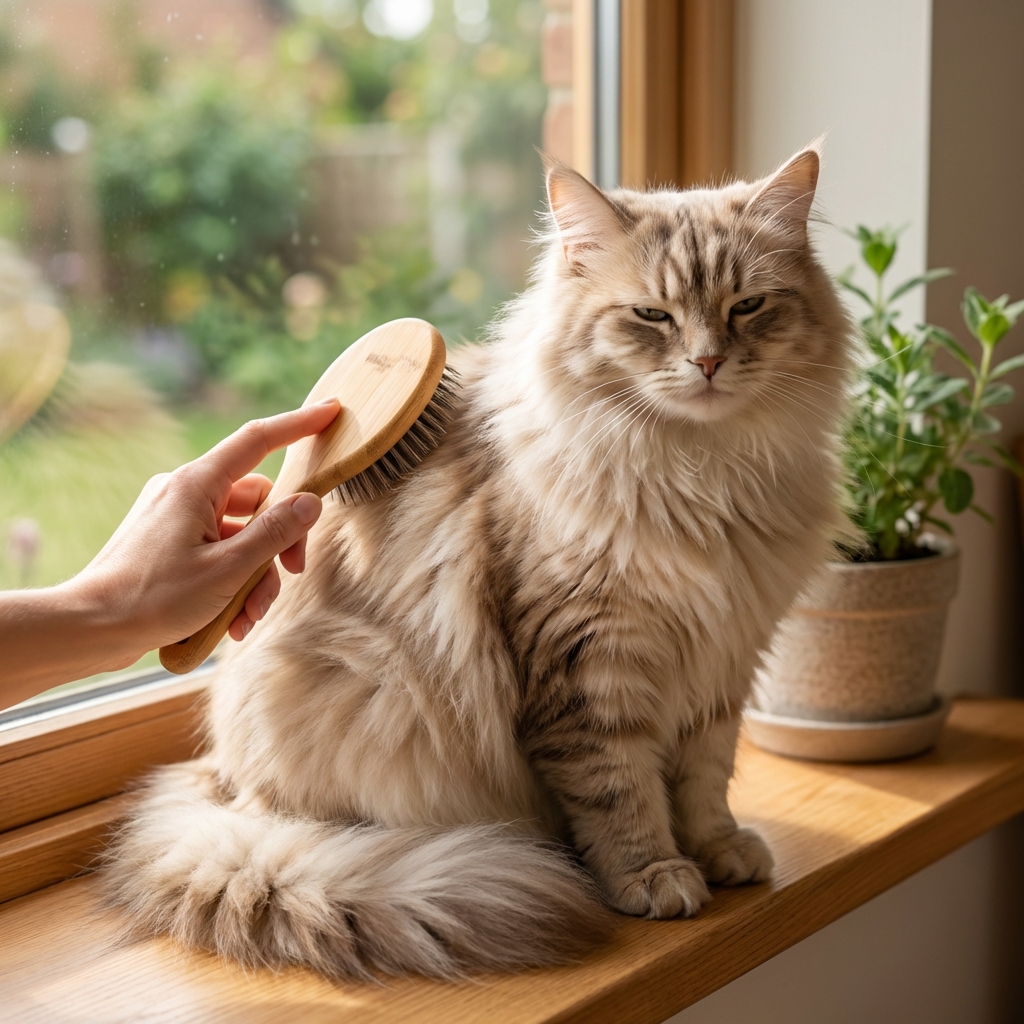
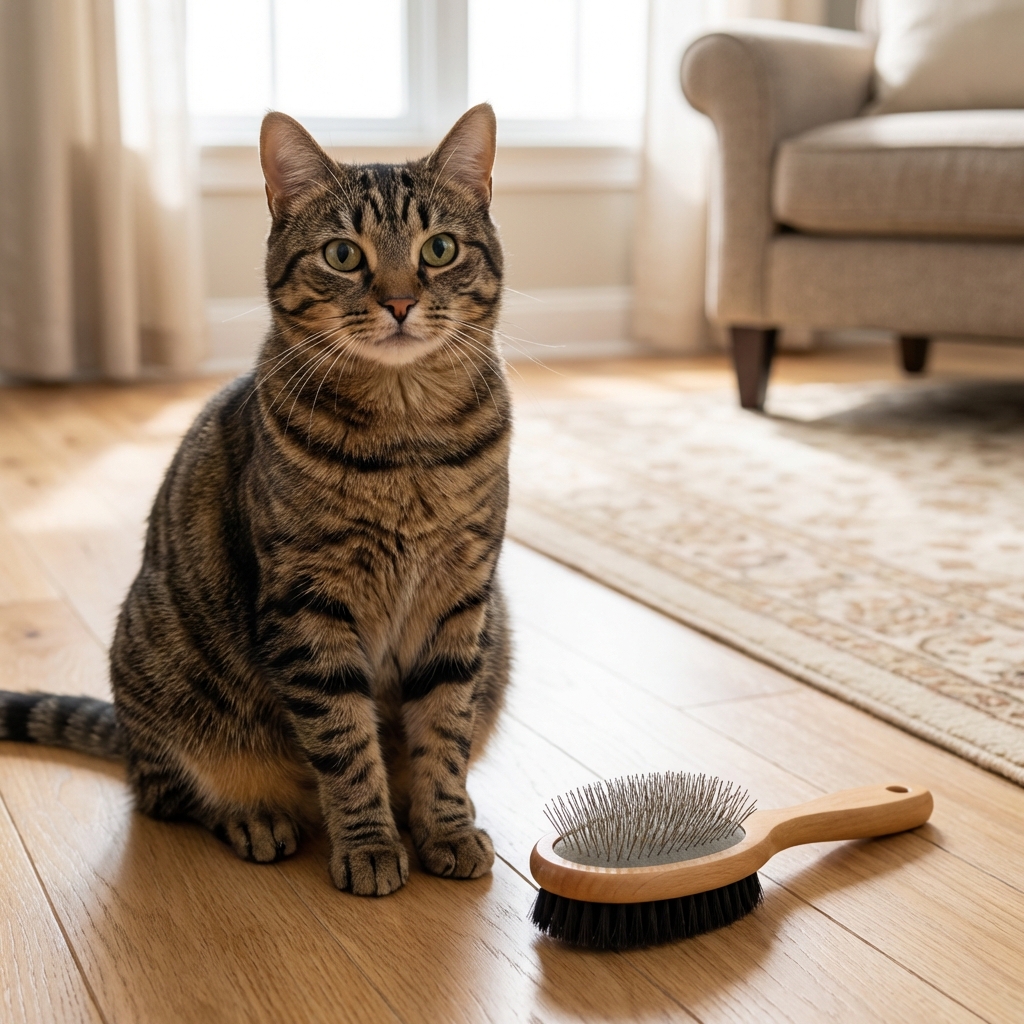
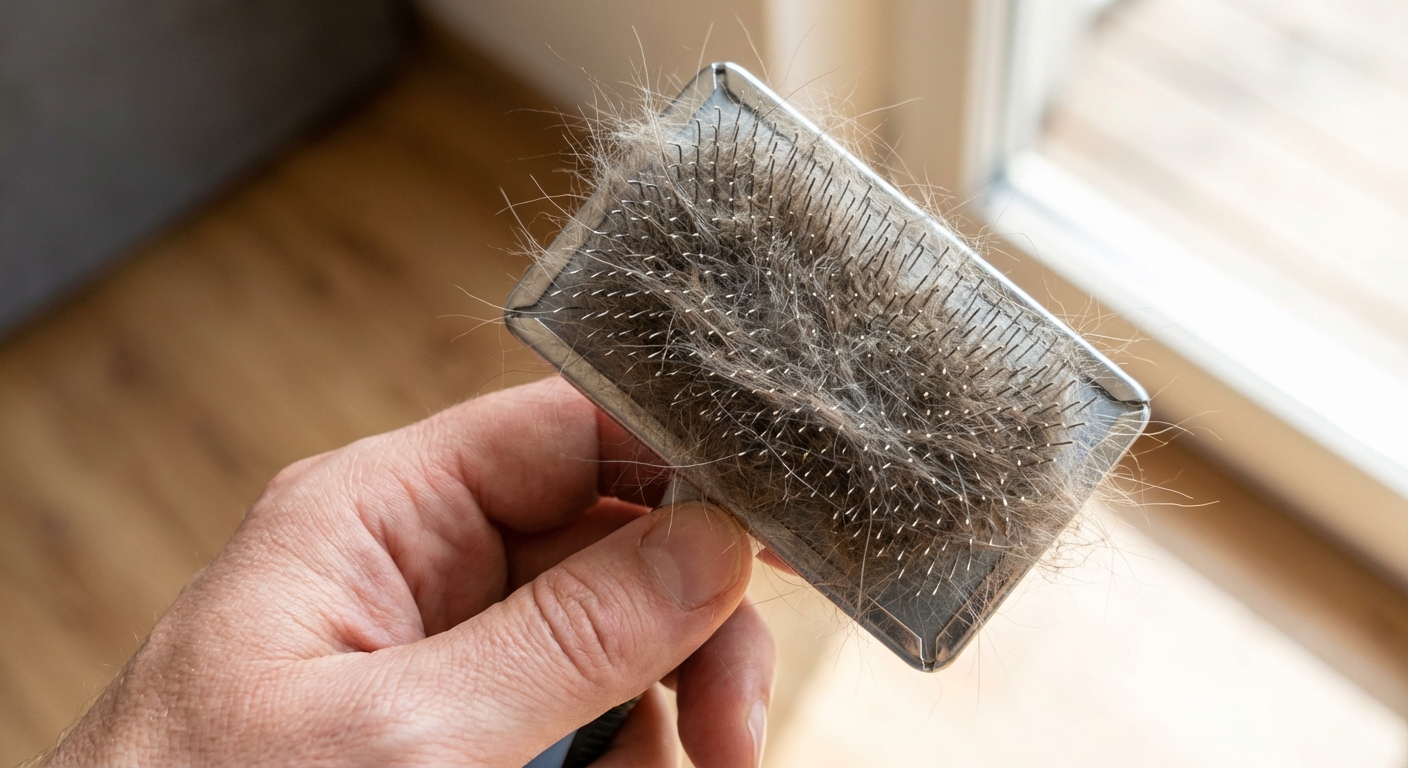
Brushing is the most direct home remedy because it removes hair before your cat swallows it.
- Short-haired cats: aim for 2 to 3 times per week, daily during heavy shedding.
- Long-haired cats: aim for daily, especially under the chest, belly, and behind the legs where mats form.
- Start small: 60 seconds is fine. Pair brushing with a treat so it becomes a routine.
2) Hydration helps more than you think
When cats are not well hydrated, they can be more prone to constipation or firmer stools, which may slow GI transit. For some cats, that can make hair harder to move through smoothly.
- Add wet food (even a partial switch helps).
- Try a cat water fountain if your cat likes moving water.
- Flavor water with a small splash of tuna water (from tuna packed in water, not oil) as an occasional encouragement.
- Offer broth made for pets, or plain, unseasoned broth with no onion or garlic.
Safety note: Onion and garlic can be toxic to cats, even in powders. Avoid “human” broths unless you know every ingredient.
3) Fiber can help, but tailor it
Fiber can help hair pass through the GI tract for some cats, but too much too fast can cause gas, loose stool, constipation, or refusal to eat. Start slow and watch the litter box closely.
Gentle fiber options to discuss with your vet:
- Psyllium husk (a tiny amount mixed into wet food can help some cats)
- Canned pumpkin (plain pumpkin only, not pie filling)
- Hairball-control diets that use specific fiber blends
If your cat has diabetes, kidney disease, IBD, constipation history, or is on prescription food, ask your veterinarian before adding fiber. The best dose is very individual.
4) Omega-3s for skin and coat support
Supporting skin health may reduce irritation-driven grooming and can improve coat quality. Many veterinarians recommend omega-3 fatty acids (EPA and DHA), usually from fish oil, for coat support and inflammatory skin conditions. It is helpful support for some cats, but it is not usually the main fix on its own.
- Choose a pet-specific omega-3 to avoid unnecessary additives.
- Introduce gradually to prevent digestive upset.
5) Reduce overgrooming triggers
If your cat is grooming out of stress or itch, hairballs will keep coming back until the trigger is addressed.
- Parasite control: use consistent flea prevention recommended by your veterinarian.
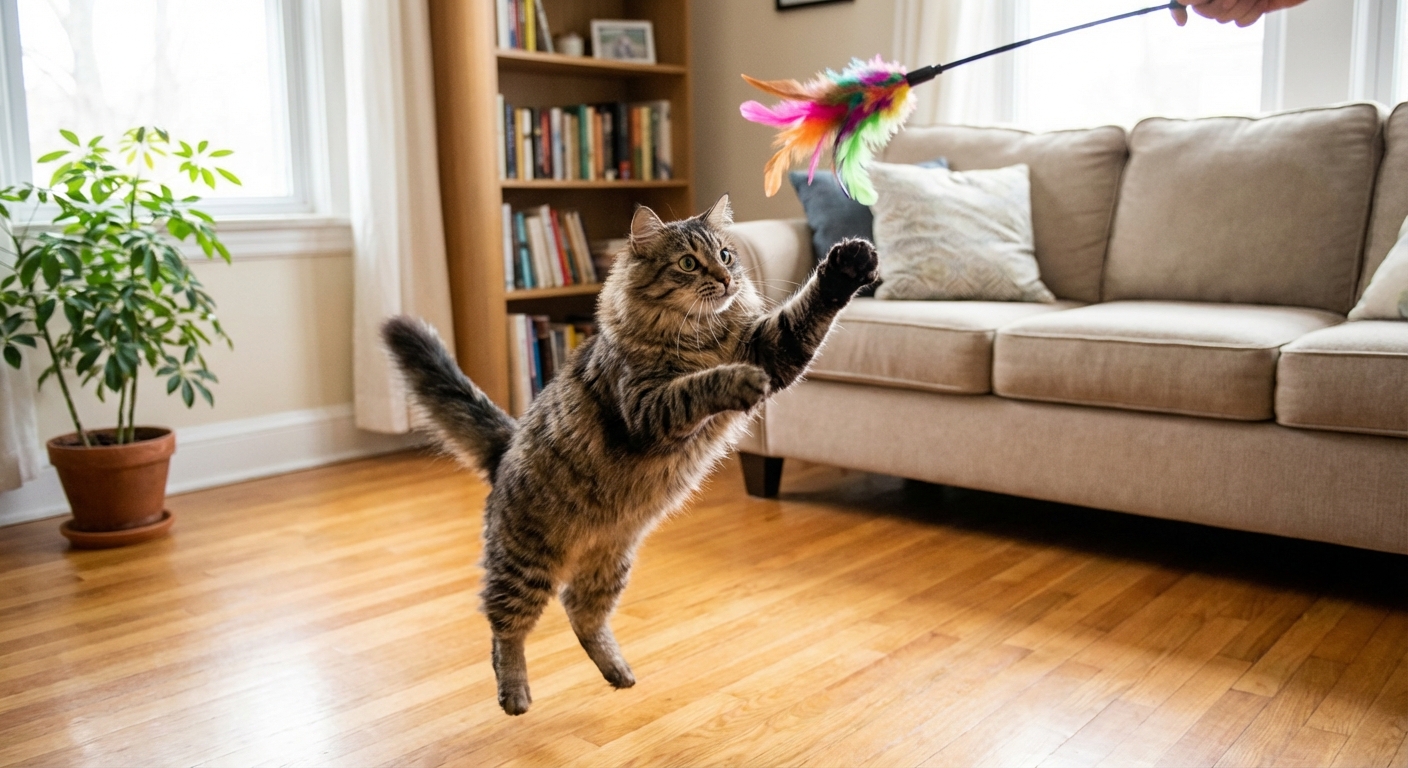
- Stress support: provide predictable routines, vertical space (cat trees), and play sessions.
- Allergy clues: recurring ear debris, itchy skin, belly licking, or scabs should be discussed with your vet.
Home remedies to avoid
I get why people reach for pantry solutions, but some popular advice is risky for cats.
- Mineral oil: aspiration risk if accidentally inhaled, and it can interfere with nutrient absorption.
- Human laxatives: can cause dehydration and electrolyte problems.
- Butter or oils in large amounts: may trigger diarrhea or pancreatitis in sensitive cats.
- Essential oils: many are toxic to cats and can cause serious illness.
- Household Vaseline: some veterinarians recommend petroleum-based hairball gels for certain cats, but those are cat-labeled products with dosing guidance. Do not substitute household Vaseline or improvise dosing at home without veterinary direction.
A simple 7-day reset
If your cat is otherwise healthy and you are dealing with recurring hairballs, try a gentle one-week reset. Keep it simple, consistent, and track results.
What to track
- Episode date and time
- Was it vomiting or coughing (video helps)
- Hair amount (none, small, large)
- Appetite and energy
- Stool frequency and firmness
Day 1 to 2
- Brush for 1 to 3 minutes daily.
- Add 1 extra wet-food meal (or increase wet portion).
- Set up a water fountain or add one more water bowl.
Day 3 to 5
- Continue daily brushing.
- Schedule two short play sessions per day (5 to 10 minutes).
- If approved by your vet, begin a tiny fiber addition and monitor stool.
Day 6 to 7
- Evaluate: fewer hacks, improved stool, better coat, less licking?
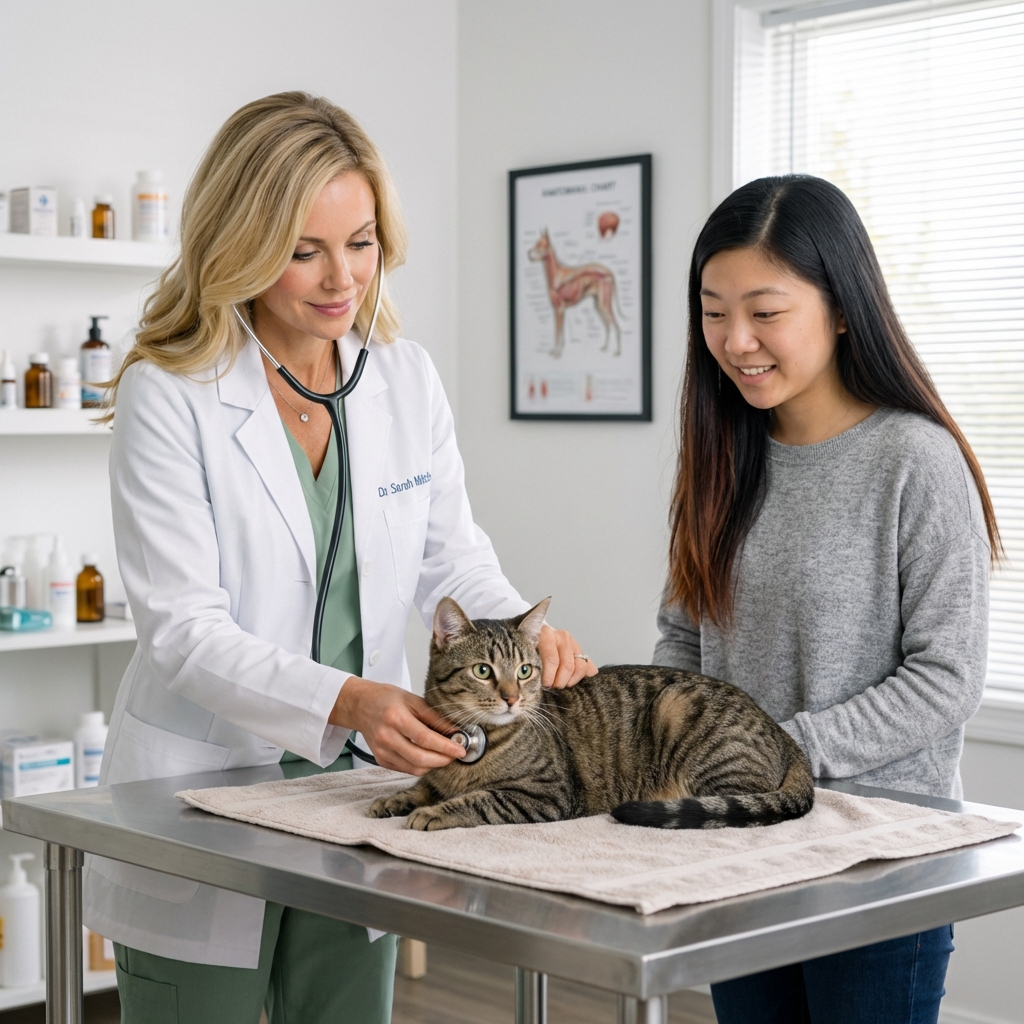
- If no improvement or symptoms worsen, schedule a vet exam.
Bring your notes. Frequency of vomiting, stool quality, and diet details can help your veterinarian narrow down the cause quickly.
What to ask your vet
Frequent hairballs are often a symptom, not the full story. Your vet may ask about diet, grooming, and patterns of vomiting. Depending on your cat, they may also discuss:
- Ruling out asthma or chronic bronchitis if coughing is suspected
- Checking for constipation or dehydration
- Skin and coat evaluation for allergies or parasites
- GI causes like IBD, food sensitivities, motility issues, or foreign material
- Other contributors, especially in older cats, such as hyperthyroidism or chronic nausea
- Safe use of cat-labeled hairball gels, targeted fiber, or prescription diets
The bottom line
The best hairball home remedy plan is usually not one magic ingredient. It is a combination of regular brushing, better hydration, the right fiber strategy, and addressing overgrooming triggers. Start slowly, watch the litter box, and trust your instincts. If your cat seems uncomfortable or the episodes are frequent, a vet visit is the kindest next step.
Quick reminder: This article is general education and not a substitute for veterinary diagnosis or treatment.