Seeing bald spots or thinning fur? Learn what cat hair loss can look like, the most common causes (fleas, allergies, ringworm, stress), safe at-home steps, a...
Article
•
Designer Mixes
Hair Loss in Cats: Causes and Treatment

Shari Shidate
Designer Mixes contributor
Noticing bald spots or extra shedding on your cat can feel scary, especially when it seems to happen overnight. The good news is that many causes of feline hair loss are treatable once you identify what is driving it. As a veterinary assistant, I can tell you that the best outcomes usually come from two things: catching it early and getting a clear diagnosis before trying a bunch of home remedies.
Quick note: this article is for education and cannot diagnose your cat. If your cat is uncomfortable or getting worse, your veterinarian is the right next step.
In this article, we will walk through the most common reasons cats lose hair, what you can look for at home, what your veterinarian may test for, and the treatment options that are most likely to help.
What counts as hair loss in cats?
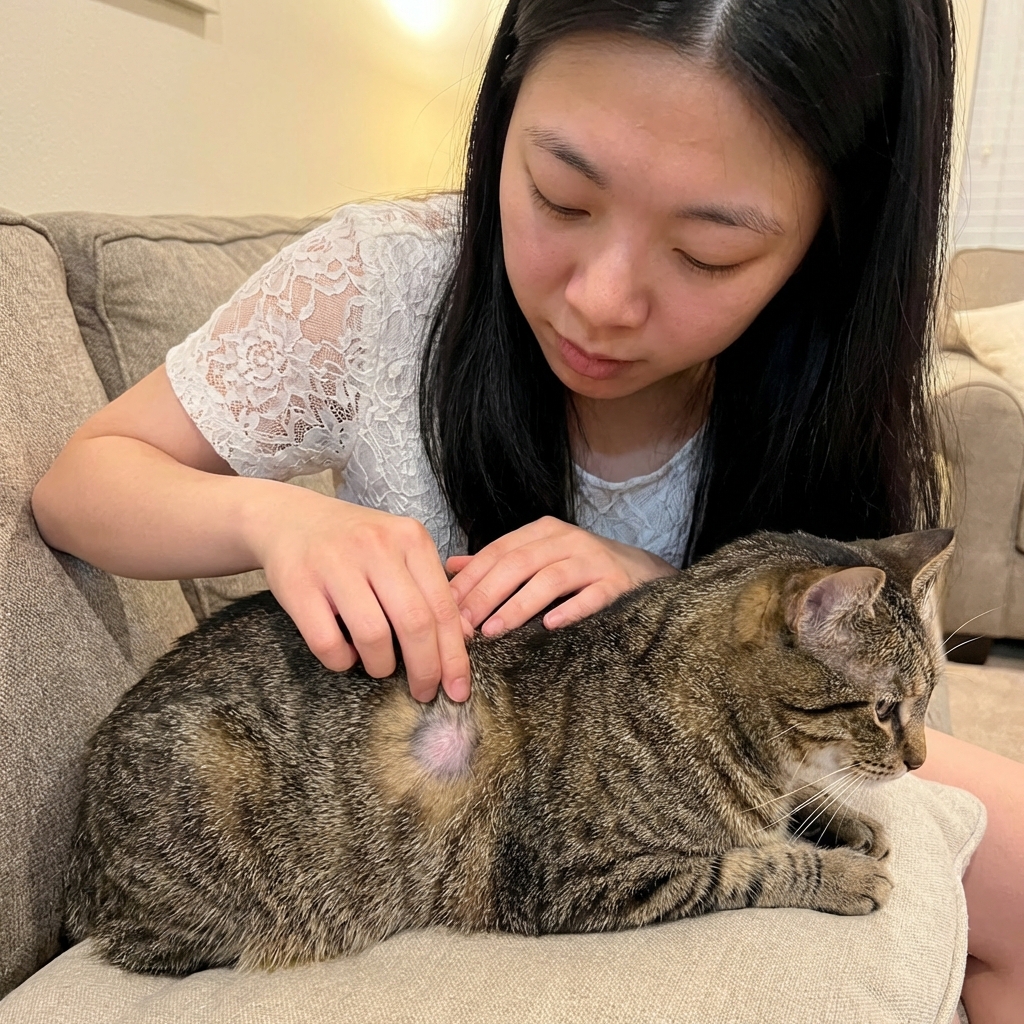
Hair loss in cats (also called alopecia) can look different depending on the cause. Sometimes the hair truly falls out. Other times, the cat is overgrooming and breaking the hair off close to the skin, which can look like thinning or “shaved” areas.
Common patterns you might notice
- Patchy bald spots on the face, ears, legs, or belly
- Thinning hair along the back or tail base
- Symmetrical hair loss on both sides of the body (often linked to overgrooming)
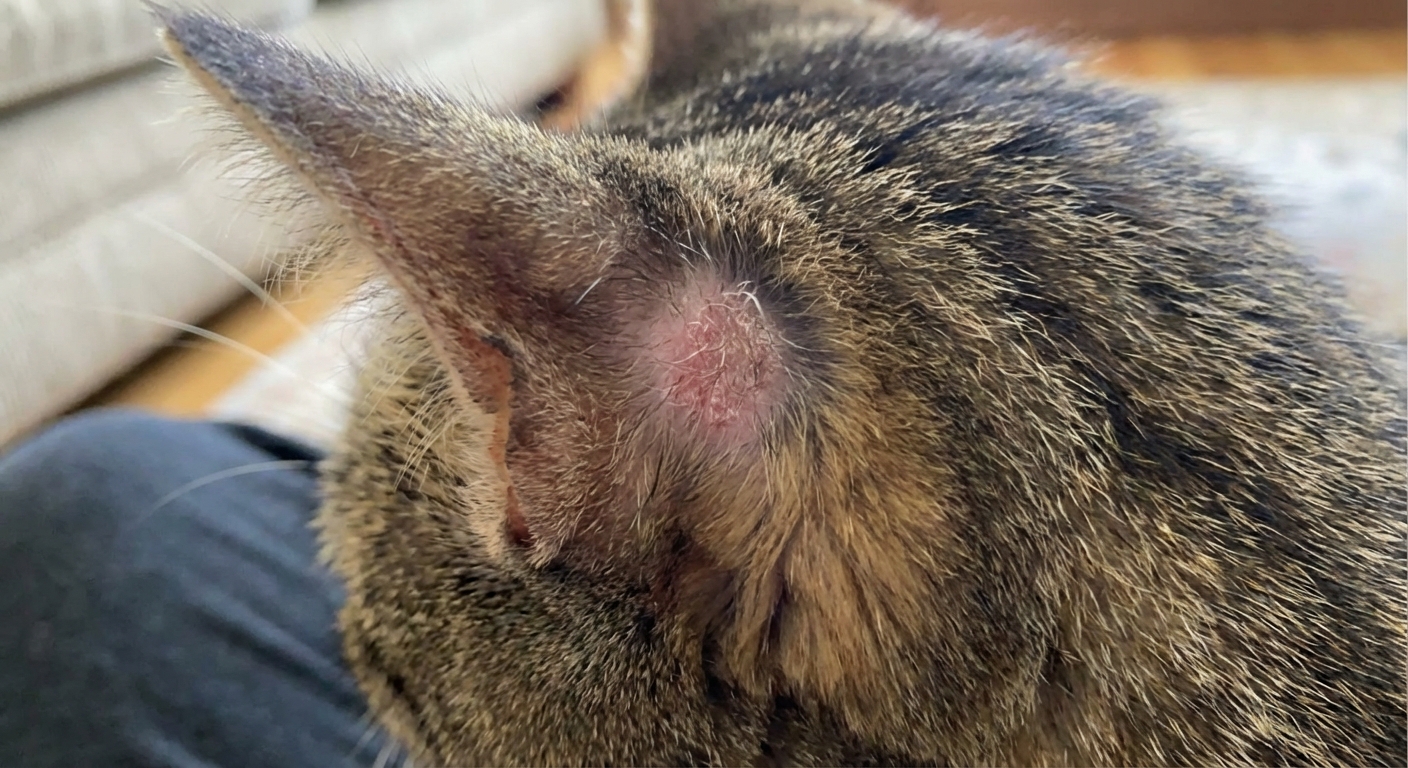
- Scabs, redness, flakes, or sores along with missing fur
- Hair loss around the collar area or where topical products are applied
If your cat has hair loss plus itching, pain, open sores, or any change in appetite or behavior, it is time to schedule a veterinary visit.
Top causes of hair loss in cats
Hair loss is a symptom, not a diagnosis. Here are the most common root causes we see in clinics.
Fleas and flea allergy dermatitis
Even indoor cats can get fleas. Some cats are also allergic to flea saliva, which can cause intense itching from just a few bites.
- Typical clues: hair loss at the tail base, scabs along the back, frequent scratching, small black “flea dirt” specks in the coat
- Why it matters: cats may overgroom so much that you never see a flea
Safety reminder: never use dog flea products on cats unless your veterinarian specifically says it is safe. Some dog-only products (including permethrin and related ingredients) can be toxic to cats.
Mites and other parasites
Different parasites can affect cats, including Demodex (uncommon), Notoedres cati (feline scabies), and Otodectes (ear mites) . Lice are uncommon but possible, especially in cats with heavy neglect or poor coat care. These can cause itching, crusting, and patchy fur loss.
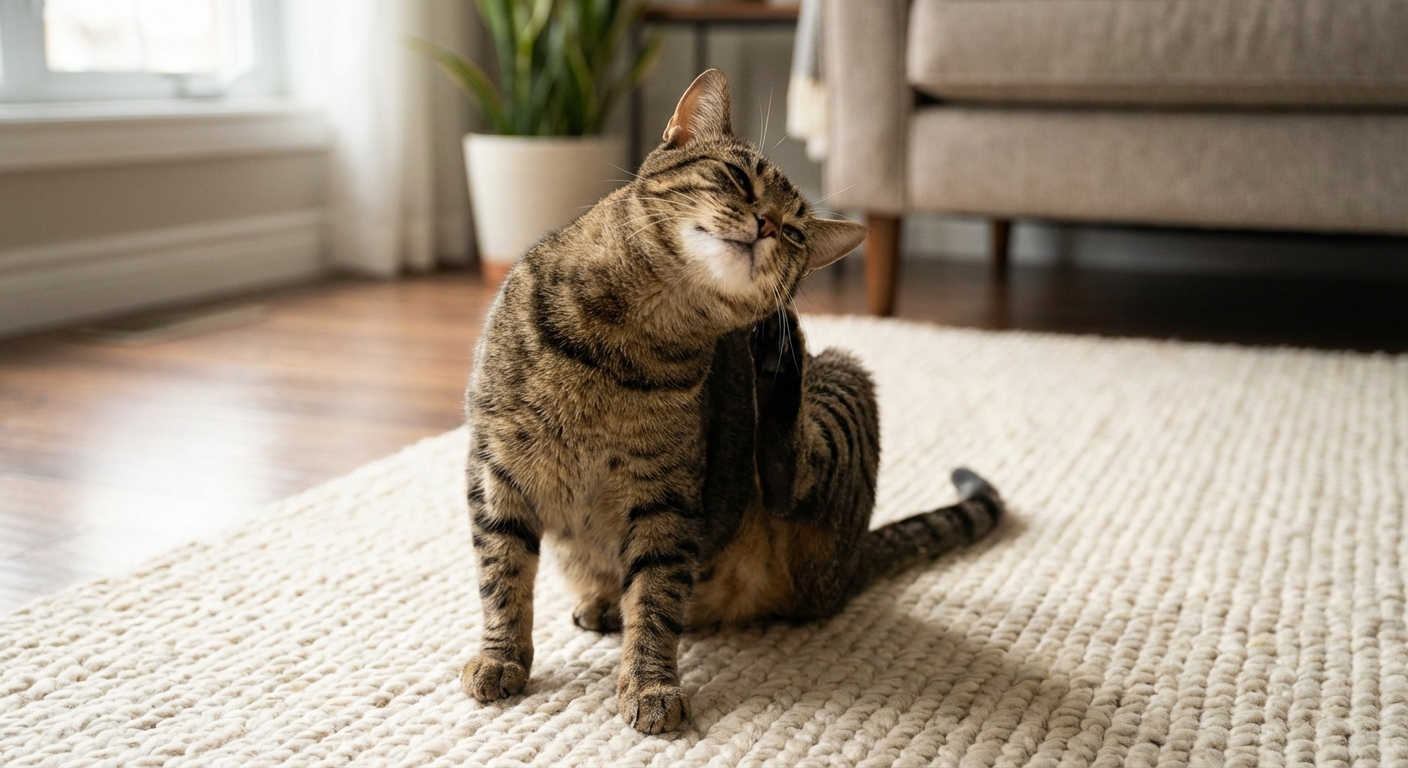
- Typical clues: crusty ears or face, intense itching, thickened skin, hair loss that spreads, head and neck scratching (often with ear mites)
Ringworm (fungal infection)
Ringworm is common in kittens, multi-cat homes, and shelter or rescue settings. It is also zoonotic, meaning it can spread to people.
- Typical clues: circular patches of hair loss, broken hairs, scaling, mild to moderate itch, sometimes no itch at all
- Household note: ringworm spores can persist in the environment and require thorough cleaning
Allergies (food, environmental, or contact)
Cats can develop allergies to ingredients in food, environmental triggers (like pollen or dust mites), or contact irritants (like certain plastics, cleaners, or topical products).
- Typical clues: itchy skin, recurrent skin irritation, facial itching, belly licking, head and neck scratching. Ear issues can happen, but they are not as classic in cats as they are in dogs.
- Food allergy pattern : often non-seasonal itching that does not clearly come and go with the time of year
- Common pattern: hair loss from overgrooming, especially on the belly, inner thighs, or sides
Stress and overgrooming
When cats feel anxious or overstimulated, they may lick or chew their coat as a coping behavior. This is sometimes called psychogenic alopecia, but it should only be considered after medical causes are ruled out.
- Typical clues: symmetrical thinning on the belly or sides, no obvious rash at first, stressful life changes (new pet, move, schedule change)
Skin infection (bacterial or yeast)
Infections may develop after scratching, allergies, flea bites, or moisture trapped in the coat. Secondary infections are common in itchy cats.
- Typical clues: redness, odor, greasy coat, crusts, pimples, tenderness
Immune and inflammatory skin conditions
Some cats lose hair due to inflammatory skin disease, even without an obvious parasite or infection.
- Eosinophilic granuloma complex: can cause plaques, ulcers, or raised lesions and may be linked to allergies
- Feline acne: usually affects the chin and lips and can cause comedones, crusting, and localized hair loss
Hormonal or internal disease (uncommon in cats)
Compared to dogs, endocrine causes of alopecia are less common in cats. Hyperthyroidism can affect coat quality and shedding, but it is not a classic cause of true bald patches. Rarely, cats can develop conditions like hyperadrenocorticism (Cushing’s disease) or paraneoplastic alopecia, which may cause thinning hair that is often not very itchy.
- Typical clues: weight loss or gain, increased thirst, behavioral changes, dull coat, thinning hair without much itching
Pain-related grooming
Arthritis, urinary discomfort, dental pain, or abdominal pain can cause a cat to lick one area repeatedly.
- Typical clues: focused licking in one spot (like the belly or inner thighs), reluctance to jump, hiding, sensitivity to touch
Genetics and normal coat changes
Some cats naturally have thinner hair in certain areas (for example, sparse hair in front of the ears can be normal). Seasonal shedding is also normal, but it should not cause true bald patches or irritated skin.
What you can check at home (safely)
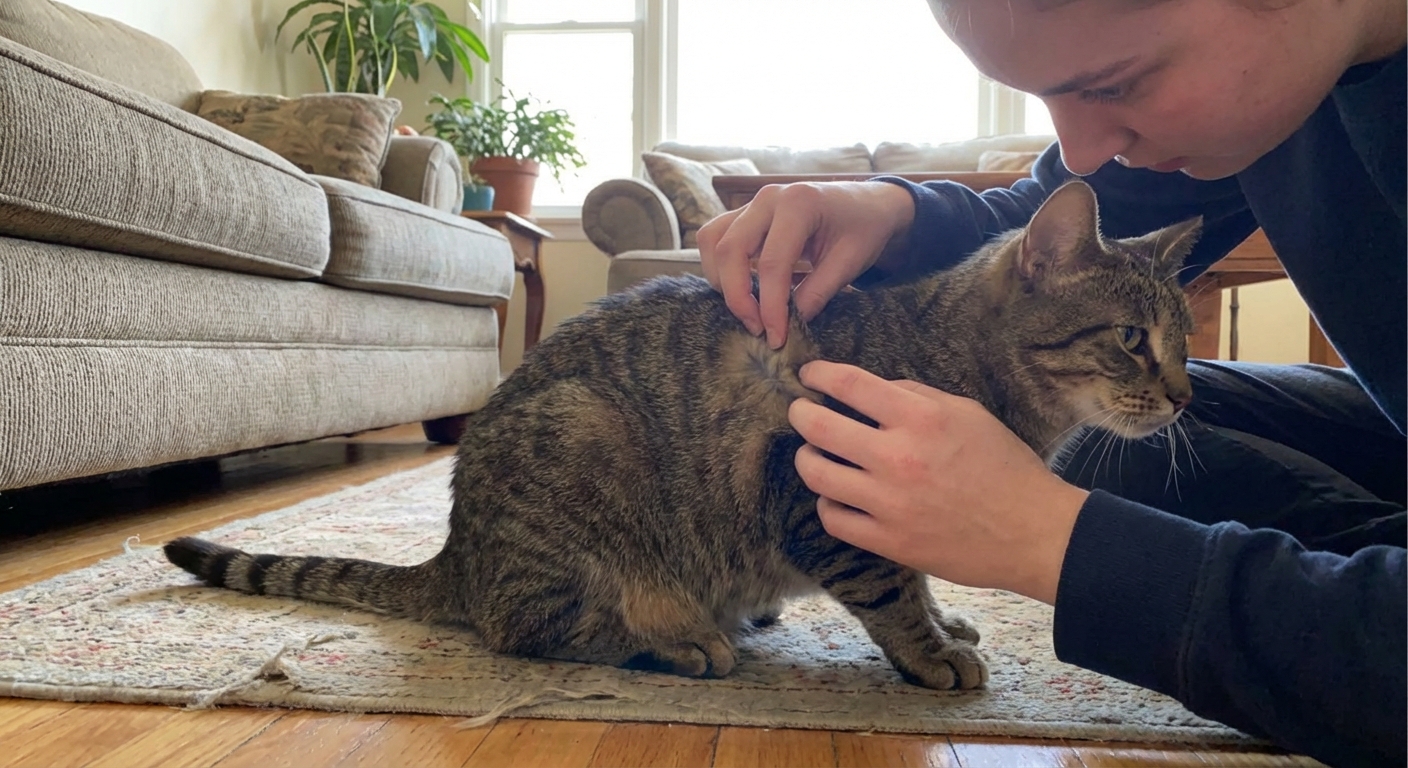
You do not need fancy tools to gather helpful information for your vet. A quick, gentle “coat and skin check” can guide next steps.
At-home checklist
- Where is the hair loss? Tail base, belly, face, ears, or scattered?
- Is it itchy? Scratching, licking, chewing, or head shaking?
- What does the skin look like? Redness, scabs, flakes, bumps, dark pigment, moisture, odor?
- Any parasites signs? Use a flea comb if you have one. If you see black specks, place them on a damp white paper towel. If they turn reddish brown, that supports flea dirt .
- Any new products? Flea meds, shampoos, new litter, new cleaner, new collar?
- Any life changes? New pet, visitors, construction noise, moving furniture, travel?
Please skip: essential oils, human anti-itch creams, peroxide, or random antifungals without guidance. Cats are very sensitive to certain ingredients, and some products can be toxic when licked.
How vets diagnose the cause
Because hair loss has so many possible causes, vets typically start with the most common and most contagious possibilities first.
Tests your vet may recommend
- Flea combing and skin exam
- Skin cytology (tape prep or impression smear to look for bacteria or yeast)
- Skin scraping (to look for mites)
- Ear exam and ear cytology (especially if head and neck itching is present)
- Fungal testing (Wood’s lamp screening, culture, or PCR testing for ringworm)
- Trichogram (looking at hairs under a microscope to see if they are being broken by grooming or damaged by infection)
- Allergy approach (strict flea control trial, elimination diet trial, or medications)
- Bloodwork (if systemic disease is suspected)
- Biopsy (for unusual cases or if lesions do not respond to treatment)
Ringworm testing tip: Wood’s lamp is a helpful screening tool, but it is not definitive. Some ringworm species do not glow, and other materials can sometimes fluoresce. Your vet may recommend culture or PCR to confirm.
Treatment options
The right treatment depends on the cause, but here is what treatment commonly looks like in real life.
Fleas: full-home approach
- Prescription flea prevention for all pets in the home (even indoor-only animals)
- Environmental cleanup: vacuum frequently, wash bedding, treat severe infestations if needed
- Itch control when appropriate (your vet may prescribe medication to break the itch cycle)
Ringworm: treat the cat and the environment
- Oral antifungal medication may be needed
- Topical therapy (medicated dips or shampoos, depending on your vet’s plan)
- Cleaning routine to reduce spores: frequent vacuuming, laundering fabrics, targeted disinfectants
- Contact control: in multi-pet homes, your vet may recommend limiting contact and using a dedicated “treatment room” when possible
- Time and rechecks: treatment often takes weeks, and follow-up testing may be recommended to confirm clearance
Mites: targeted parasiticide
- Prescription parasite treatment based on the parasite type
- Follow-up rechecks to confirm the mites are gone
Allergies: step by step and patient
Allergy cases often require a “trial and observe” approach.
- Strict flea control (even if you think fleas are not the issue)
- Food trial: a veterinarian-guided elimination diet for 8 to 12 weeks
- Medications for itch and inflammation when needed
- Treat secondary infections (bacteria and yeast often hitchhike on allergic skin)
Stress overgrooming: reduce triggers and support calm
- Rule out medical causes first, especially pain, fleas, and allergies
- Environmental enrichment: predictable playtimes, puzzle feeders, perches, hiding spots
- Pheromone support (your vet can recommend options)
- Medication in some cases for anxiety or compulsive grooming
Infections: treat what is present
- Antibiotics or antifungals if your vet confirms bacterial or yeast infection
- Medicated wipes or shampoos for localized areas
- Address the underlying trigger (fleas, allergies, overgrooming), or the infection may come back
Hormonal or systemic disease: treat the primary condition
When hair loss is related to internal disease, the coat typically improves after the underlying issue is managed. Your vet may recommend long-term monitoring and follow-ups.
How long for hair to grow back?
Hair regrowth depends on the cause and whether the cat is still licking the area. Once the trigger is controlled, you can often see visible regrowth within about 4 to 12 weeks, but it can take longer with chronic allergies, severe infections, ringworm treatment protocols, or repeated flare-ups.
Tips to support healthy regrowth
- Stick with the treatment plan for the full recommended time, even if it looks better fast.
- Keep up consistent parasite prevention year-round.
- Feed a complete and balanced diet. Avoid random supplements unless your vet recommends them.
- Schedule rechecks if you are not seeing progress within the expected window.
When it is urgent
Some cases need prompt care, especially when hair loss is paired with other symptoms.
Contact your vet quickly if you notice:
- Open sores, bleeding, or rapidly spreading lesions
- Swelling of the face or hives
- Signs of pain when touched
- Lethargy, fever, not eating, vomiting, or diarrhea
- Hair loss in a young kitten (ringworm and parasites are common and contagious)
- Humans in the household developing itchy circular rashes (possible ringworm exposure)
Preventing future hair loss
You cannot prevent every cause, but you can reduce the most common triggers.
- Use vet-approved flea prevention consistently for every pet in the home.
- Keep stress low with routine, play, and safe spaces.
- Schedule wellness exams so skin issues are caught early.
- Avoid scented products on your cat (and be careful with strong cleaners and air fresheners).
- Address itching early. The longer the itch cycle continues, the harder it can be to stop.
If you are seeing hair loss on your cat right now, take a few clear photos of the area and jot down when it started. That simple prep can help your veterinarian narrow things down faster and get your cat comfortable sooner.
If you remember one thing: do not guess and treat at random. Start with safe observations at home, keep your cat on cat-safe parasite prevention, and loop your vet in early so you treat the real cause.