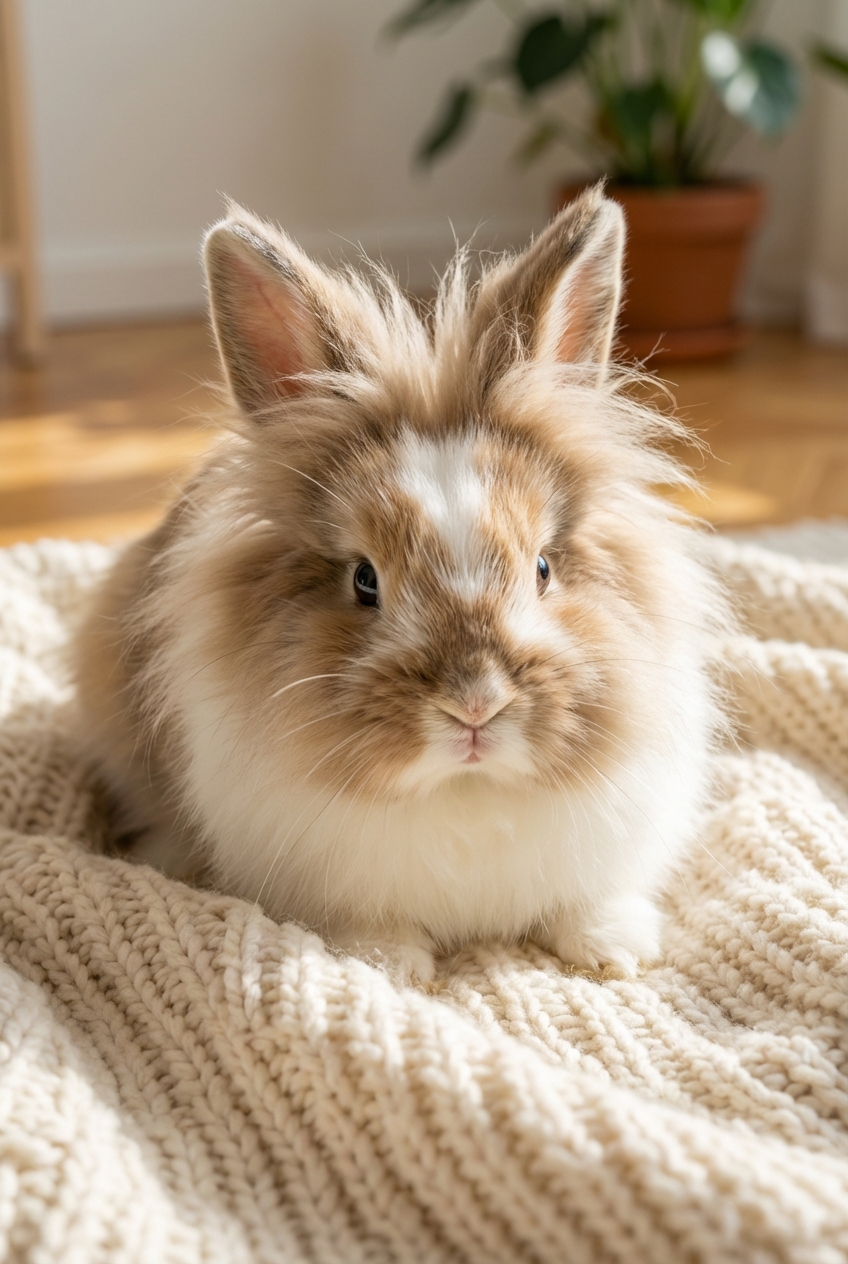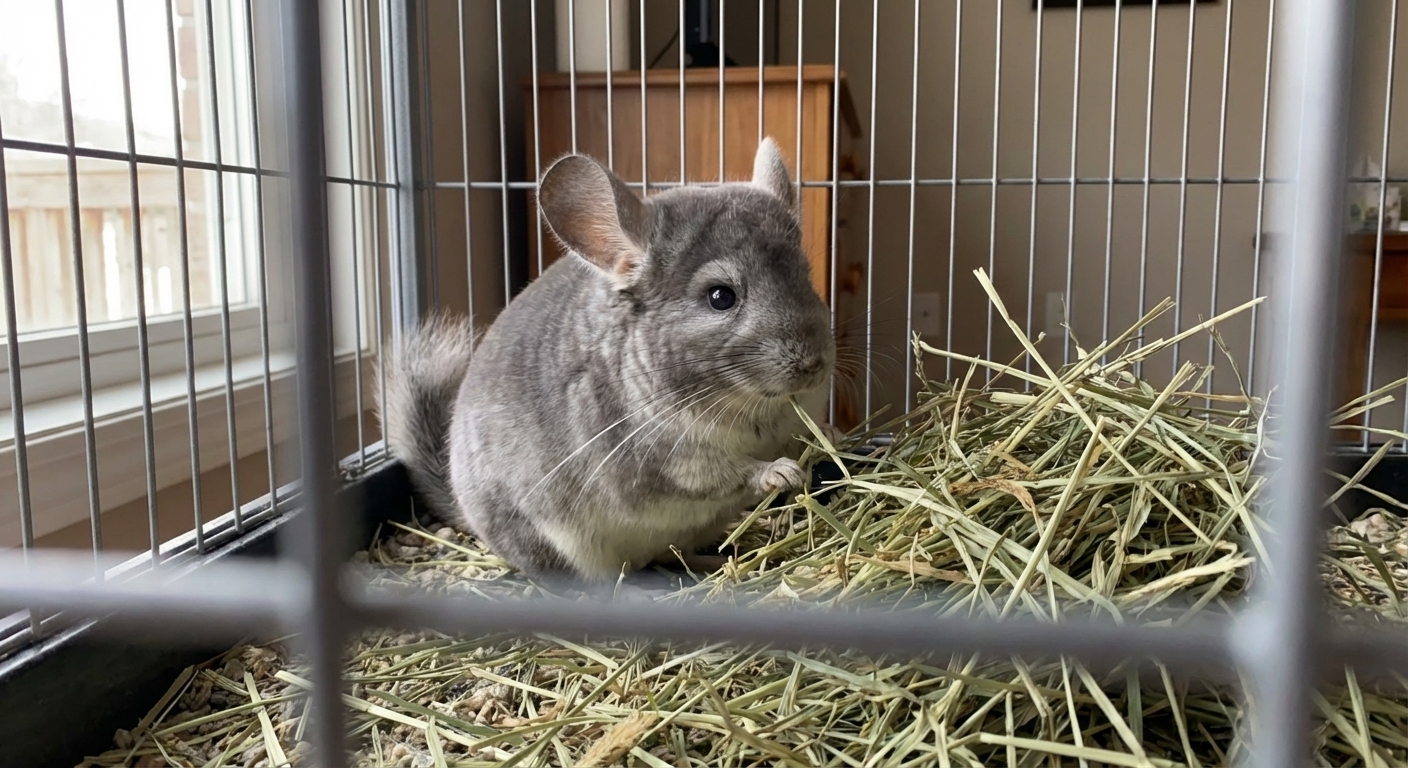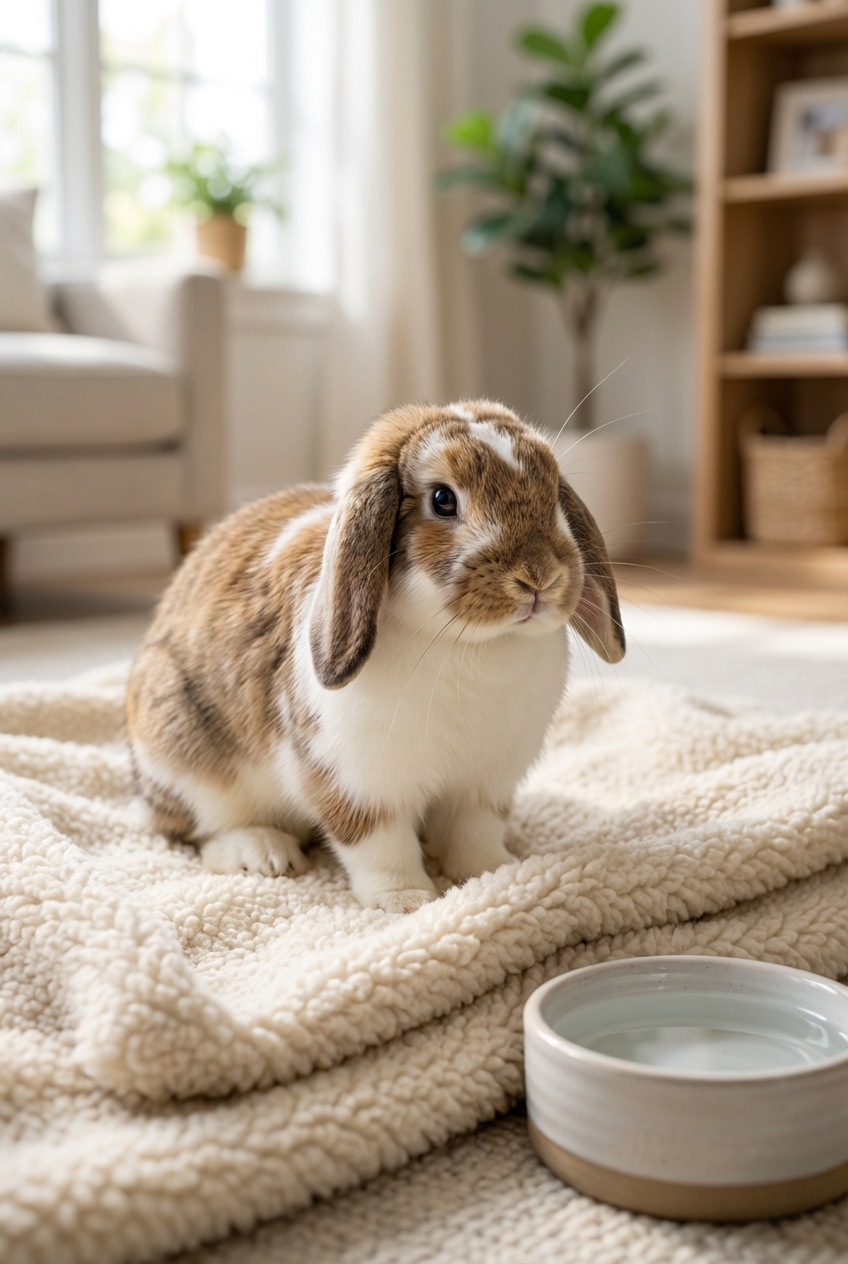
Practical rabbit care tips for a healthier, happier bunny: ideal housing and flooring, hay-first diet, greens and pellets, litter training, safe handling, gr...
Article
•
Designer Mixes
Guinea Pig Care: Diet, Housing, and Health Basics

Shari Shidate
Designer Mixes contributor
Guinea pigs are gentle, social little herbivores that thrive when their daily basics are rock solid: unlimited hay, enough space to move, and a buddy to share life with. As a veterinary assistant, I can tell you that most preventable guinea pig health problems come back to a few simple issues: not enough hay, not enough vitamin C, cages that are too small, and delayed vet care when symptoms first appear.
Let’s walk through the essentials so you can feel confident, whether you are bringing home your first piggy or upgrading care for the one you already love. And a quick note: every guinea pig is an individual, so your exotics vet may tailor these ranges based on age, weight, and body condition.
Diet basics: Hay first
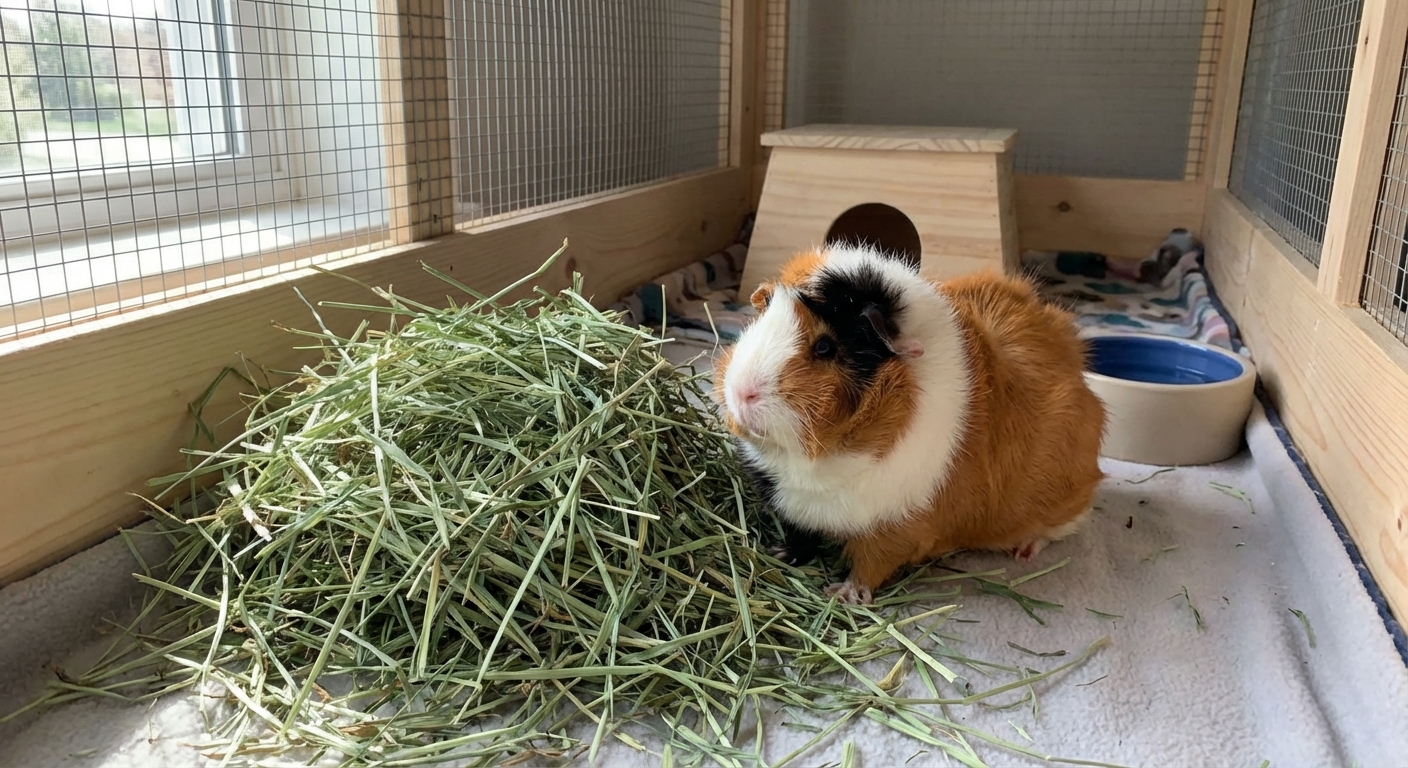
If you remember one thing, make it this: hay is the foundation of a healthy guinea pig diet. Guinea pigs have continuously growing teeth and a digestive system built for constant grazing. Hay provides the long-stem fiber that keeps the gut moving and helps wear teeth evenly.
Unlimited grass hay
- Offer unlimited timothy hay (or orchard grass, meadow hay) every day.
- Keep it clean, dry, and fresh. Replace wet or soiled hay promptly.
- For guinea pigs under about 6 months, pregnant, or nursing: alfalfa hay can be appropriate because it is richer in calcium and calories. Adults usually do best on grass hay, which may help reduce bladder stone risk in pigs that are prone. (Stones are multifactorial, so hydration and overall diet still matter a lot.)
Pellets: small portion
Pellets should support the diet, not replace hay. Choose a plain, timothy-based pellet with stabilized vitamin C.
- Most adults: about 1 to 2 tablespoons per pig per day (roughly 1/8 cup). Some adults need less, especially if weight creeps up.
- Young pigs: may need a bit more and may use alfalfa-based pellets temporarily.
- Use the scale: If weight trends up or down, adjust with your vet’s guidance.
- Avoid mixes with colorful bits, seeds, nuts, or dried fruit. These encourage picky eating and are not appropriate for guinea pigs.
Veggies daily (vitamin C)
Guinea pigs cannot make their own vitamin C. Without enough, they can develop scurvy, which is painful and potentially life-threatening. Daily vegetables are a great way to help meet vitamin C needs.
- Offer a variety, roughly 1 cup of veggies per pig per day, split into two meals if you can.
- Vitamin C target: many adult guinea pigs need about 20 to 30 mg per day, with higher needs during pregnancy, growth, stress, or illness. Your exotics vet can help you choose the right approach for your pig.
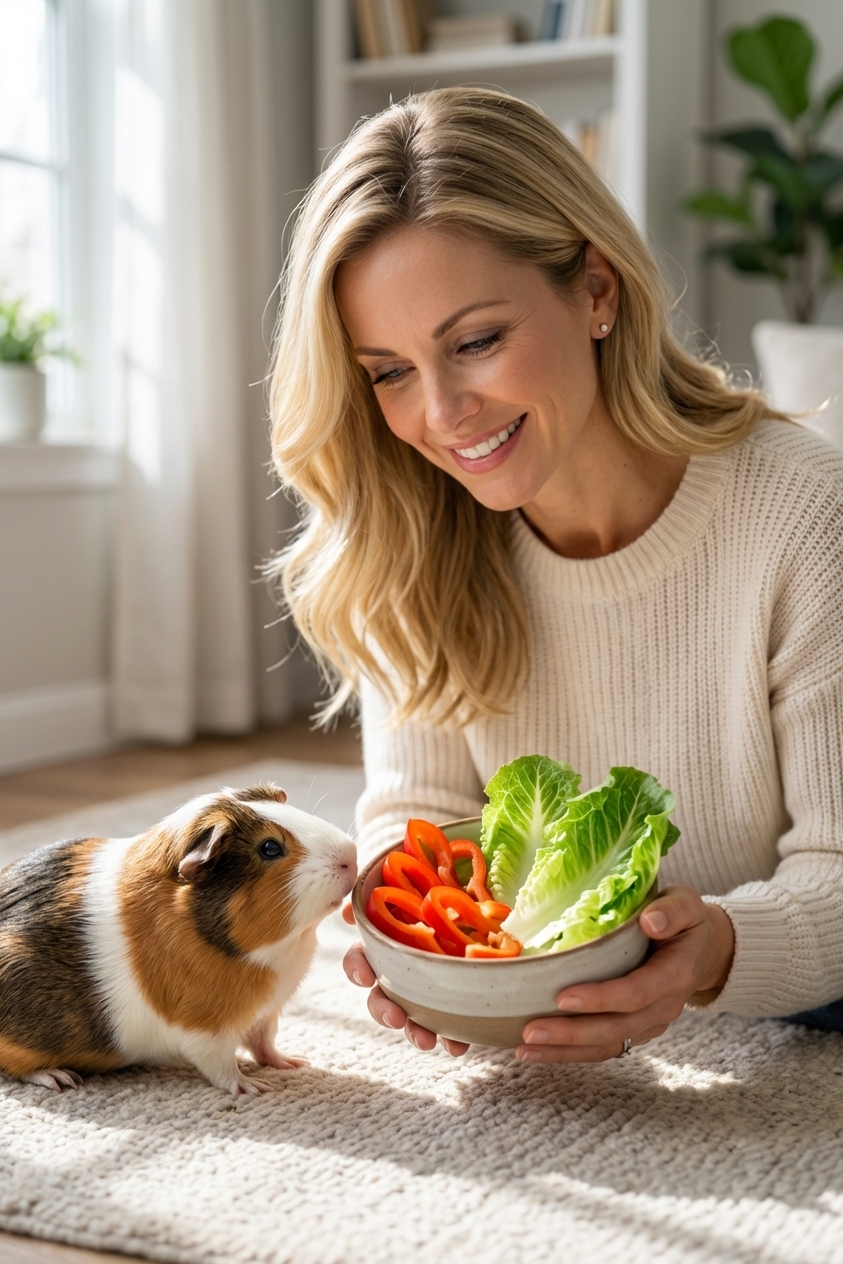
- Top vitamin C staple: bell pepper (especially red) is an excellent daily choice.
- Herbs: cilantro can be part of rotation. Parsley is best as an occasional add-on since it can be higher in calcium and oxalates.
- Other good staples: romaine, green leaf lettuce, cucumber, zucchini.
- Go easy on high-calcium greens (like kale and spinach). They can be fine in small amounts for some pigs, but too much may contribute to urinary issues in prone animals.
Vitamin C supplements
Many guinea pigs do well with smart food choices, but some benefit from supplementation, especially picky eaters or pigs recovering from illness. Talk with an exotics veterinarian about the right dose for your pet.
- Do not rely on vitamin C water drops. They break down quickly and can make water taste “off,” causing your guinea pig to drink less.
- Use a measured chewable or liquid vitamin C designed for guinea pigs if your vet recommends it.
Fruit and treats
Fruit is basically dessert for guinea pigs. Offer it sparingly to avoid digestive upset and excess sugar.
- Think: a thin slice of apple, a few blueberries, or a small strawberry piece 1 to 2 times per week.
- Avoid yogurt drops and sugary pet store treats.
Fresh water
- Provide clean water daily.
- Bottles work well, but check the sipper every day to ensure it is flowing. Some guinea pigs prefer a heavy ceramic bowl. Either is fine if kept clean.
Foods to avoid
When in doubt, skip it and ask your exotics vet. A few common no-go items:
- Onion, garlic, chives
- Chocolate, caffeine
- Dairy (including yogurt treats)
- Bread, crackers, cereal
- Iceberg lettuce (low nutrition and can upset some pigs)
- Sudden diet changes: introduce new veggies slowly to protect the gut.
Housing: space and safety
Small cages are one of the biggest welfare issues I see with guinea pigs. These animals need room to walk, run, and popcorn. A bigger enclosure is not just “nice.” It is preventive healthcare.
Cage size
Minimums vary by organization, but these are commonly recommended starting points (often cited in C&C and Guinea Lynx style guidance):
- 1 guinea pig: at least 7.5 square feet (bigger is better)
- 2 guinea pigs: at least 10.5 square feet
- 3 guinea pigs: at least 13 square feet
More space reduces stress, encourages movement, and can even help with better litter habits.
Setup basics
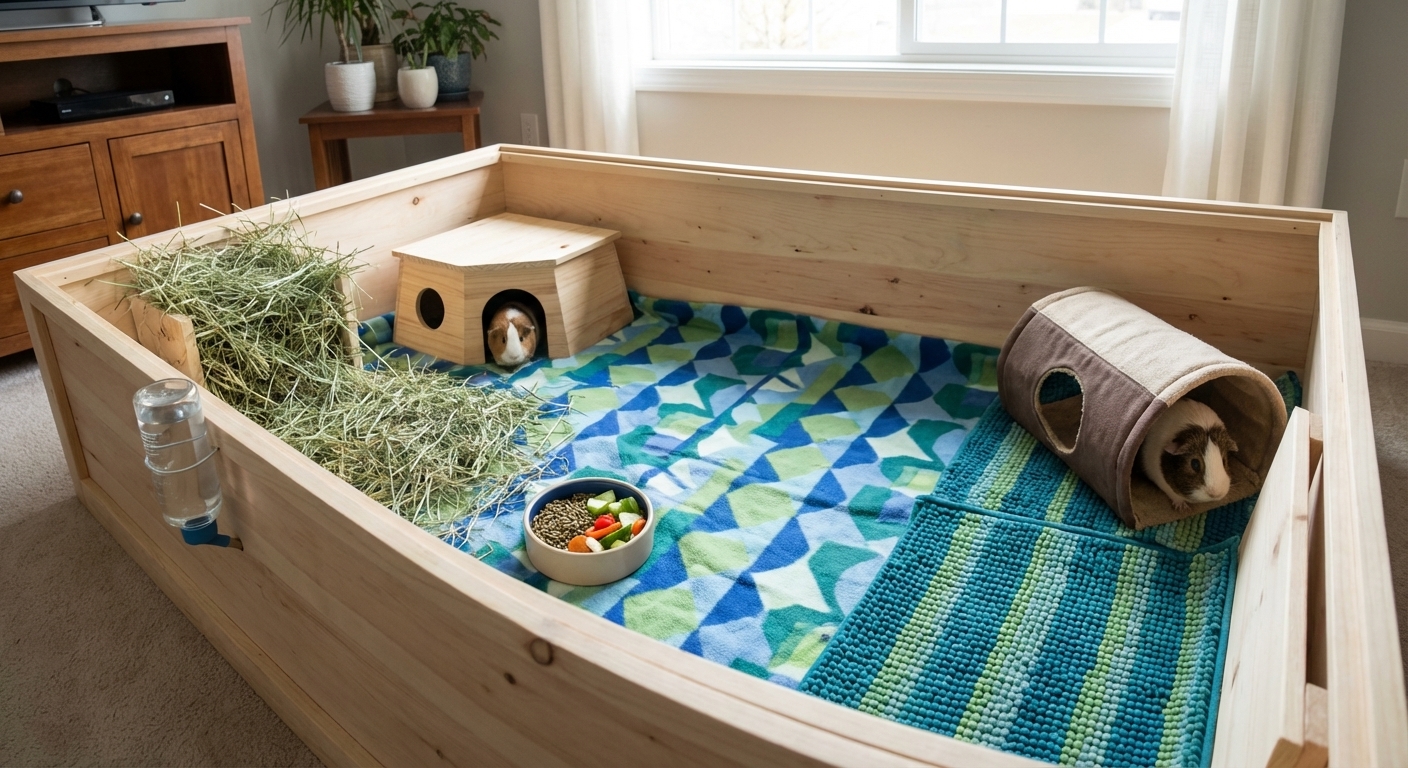
- Solid flooring only. Wire-bottom cages can injure feet.
- Bedding: paper-based bedding or fleece liners are popular. Keep it dry and change frequently to reduce ammonia buildup.
- Avoid aromatic softwoods (especially cedar) and very dusty bedding. If you use pine, choose kiln-dried and low-dust, and monitor for irritation.
- Hideouts: at least one hide per pig, plus an extra. Guinea pigs feel safer when they can retreat.
- Hay station: a clean hay pile or rack, ideally near a litter area.
- Chews: offer safe, untreated chews. Avoid painted or treated wood.
Temp and placement
- Keep them in a quiet part of the home where they can still see and hear family activity.
- Aim for about 65 to 75°F. Guinea pigs can overheat easily.
- Avoid drafts, direct sun, smoke, and strong fragrances or airborne irritants (including some scented sprays and essential oil diffusers).
Exercise and enrichment
Even with a good cage, supervised floor time is wonderful enrichment. Use a safe pen area, block off cords, and provide a hide box and hay.
- Great add-ons: tunnels, paper bags stuffed with hay, foraging piles, and rotating safe chew toys.
- Avoid exercise wheels and balls. Guinea pig spines are not built for them.
Social needs: pairs
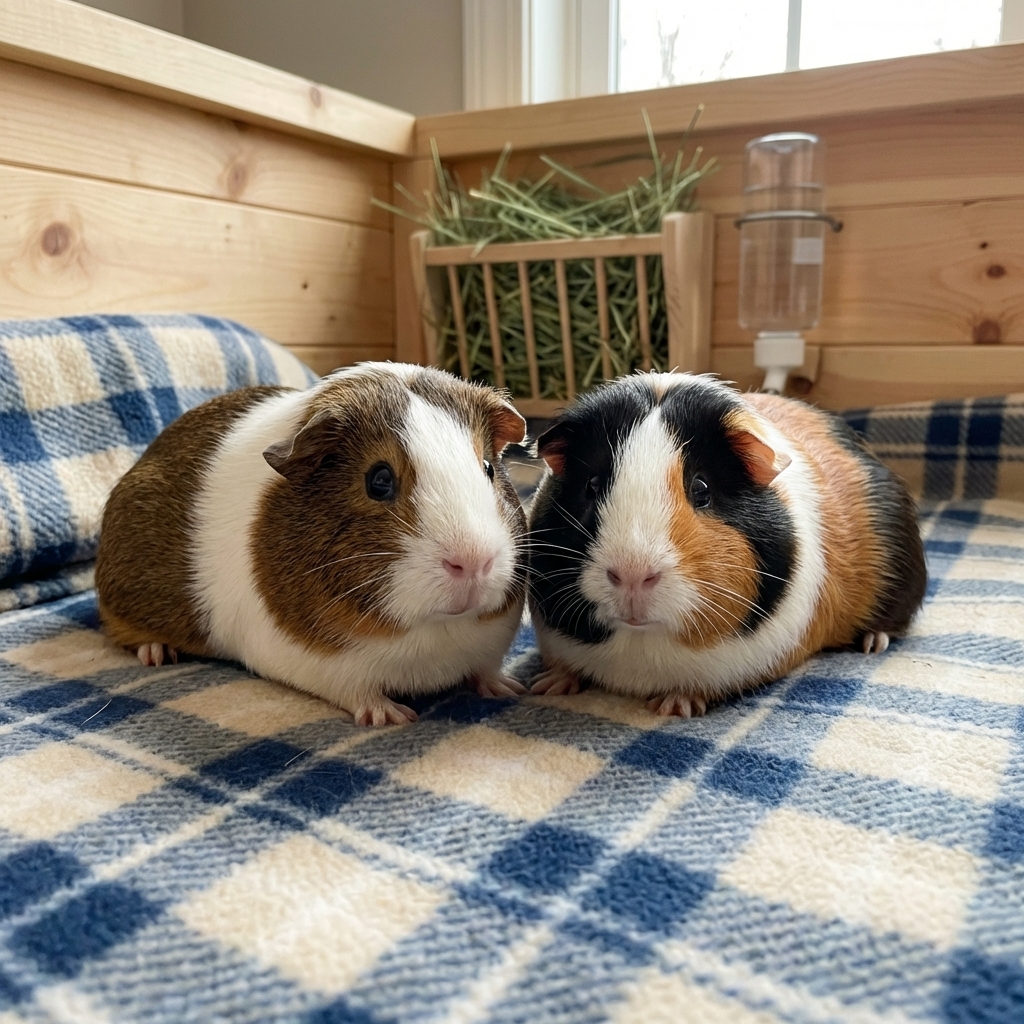
Guinea pigs are social animals. Many do best with a compatible friend, and some countries and regions even have guidance or rules emphasizing social housing. A bonded pair often shows more natural behaviors like mutual grooming, relaxed lounging, and confident exploring.
Best pairings
- Two females often do well together.
- Neutered male with a female is commonly a stable pairing.
- Two males can work, but introductions need care, space must be generous, and personalities matter.
Introductions
- Use a neutral space (not the existing cage).
- Provide multiple hides with two exits so nobody gets trapped.
- Expect some rumbling, mounting, and chasing at first. This can be normal dominance behavior.
- Separate only for true fighting: biting with injury, locked-on balling up, or blood drawn.
Common health issues
If you have nailed diet, housing, and companionship, you have already done a lot of preventive medicine. The next step is learning the early warning signs, since guinea pigs are masters at hiding illness.
In the clinic, we often hear, “She seemed fine yesterday.” That is why knowing the common problems and subtle early signs matters so much.
Respiratory infections
Upper respiratory infections can become serious quickly in guinea pigs.
Watch for:
- Sneezing, nasal discharge, crusty nose
- Watery or crusty eyes
- Noisy breathing, wheezing, increased effort to breathe
- Lethargy, reduced appetite
Prevention tips: keep bedding clean, reduce dust, avoid drafts, and never delay vet care if breathing seems “off.”
Scurvy (vitamin C deficiency)
Scurvy is still seen, especially in guinea pigs fed mostly pellets, poor-quality diets, or little fresh produce.
Signs can include:
- Limping, painful joints, reluctance to move
- Rough coat, poor healing
- Weight loss, low appetite
- Swollen gums, dental discomfort
Prevention tips: daily vitamin C-rich veggies, quality pellets, and vet-guided supplementation when needed.
Dental disease
Because guinea pig teeth grow continuously, diet and genetics both matter. Too little hay is a common contributor.
Watch for:
- Drooling or wet chin
- Difficulty chewing, dropping food
- Smaller or fewer poops
- Weight loss
Prevention tips: unlimited hay, routine weight checks, and prompt evaluation if eating changes.
Gut slowdown and digestive upset
If your guinea pig stops eating, it is an emergency. Their gut needs constant movement, and appetite loss is often a sign of pain or underlying illness.
Watch for:
- Not eating or drinking
- Very small poops or no poops
- Hunched posture, belly discomfort
What to do: call an exotics vet urgently. Supportive feeding and pain control may be needed, but this should be done under veterinary guidance.
Prevention tips: steady hay intake, slow diet changes, limit sugary treats, and get help quickly if appetite drops.
Urinary issues
Some guinea pigs are prone to urinary problems.
Watch for:
- Straining to pee, frequent small urinations
- Blood in urine
- Crying when urinating
- Reduced appetite or hiding
Prevention tips: encourage hydration, keep diet balanced, and avoid overdoing high-calcium foods in adults.
Skin issues and parasites
Mites, fungal infections, and barbering (fur chewing) can happen.
Watch for:
- Intense itching, dandruff, hair loss
- Crusty skin or bald patches
- Scabs, sores, sensitivity to touch
Important: never use dog or cat flea products on guinea pigs. See an exotics veterinarian for safe treatment.
Grooming and routine care
Guinea pigs are relatively low-maintenance, but a little routine care goes a long way.
Brushing
- Short-haired: light brushing weekly.
- Long-haired: brushing several times per week, plus occasional trimming to prevent mats.
Nail trims
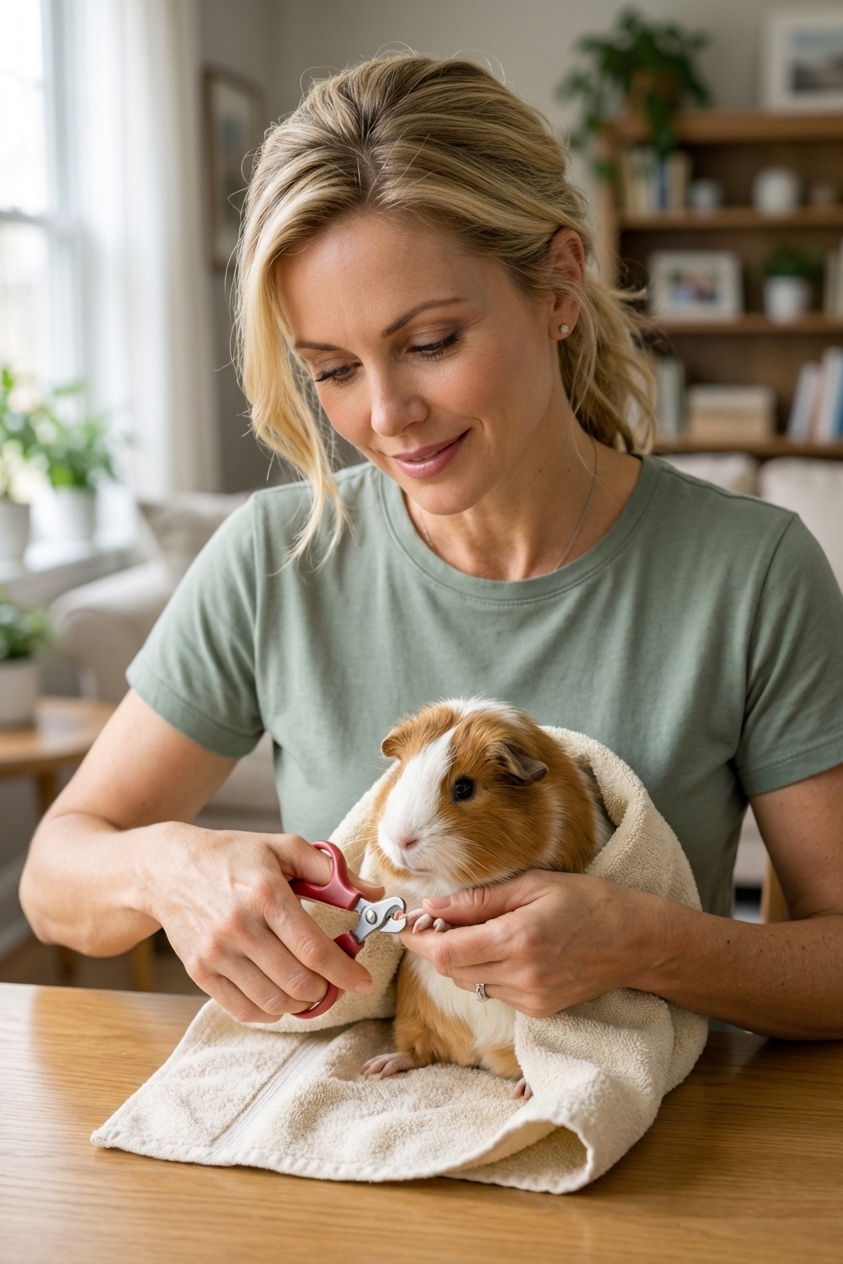
Most guinea pigs need nail trims about every 3 to 6 weeks. If you see curling nails or your guinea pig starts walking differently, it is time. Ask your vet clinic to show you how to trim safely.
Bathing
Usually not needed. Spot clean when possible. If a bath is necessary, use a small animal-safe shampoo, keep them warm, and dry thoroughly.
Weight checks
This is one of the best at-home health tools. Weigh weekly with a kitchen scale and write it down. Unexplained weight loss is often the first sign something is wrong.
Signs of illness
Guinea pigs can decline quickly, so trust your instincts. If your pet seems “not quite right,” it is worth a call to an exotics veterinarian.
Call urgently
- Not eating for 6 to 8 hours, or any sign of refusing favorite foods
- No poop or very small, dry poops
- Labored breathing, open-mouth breathing, or blue-tinged gums
- Severe lethargy or collapse
- Blood in urine or straining to urinate
- Head tilt, loss of balance, or seizures
Schedule soon
- Weight loss
- Drooling or trouble chewing
- Hair loss, scabs, intense itching
- Persistent diarrhea or very soft stool
- Lumps, swelling, or wounds
If you are ever unsure, err on the side of caution. With guinea pigs, waiting often makes treatment harder and more expensive.
Quick daily checklist
- Unlimited fresh hay available
- Fresh water provided and bottle or bowl working properly
- Veggies served, including a vitamin C-rich option
- Cage spot-cleaned, wet bedding removed
- Guinea pigs observed eating, moving normally, and interacting
One last note
You do not have to be perfect to be a great guinea pig parent. Start with the big wins: more hay, more space, daily vitamin C-rich veggies, and prompt vet care when anything changes. Those simple steps can add up to a happier pet and a longer, healthier life.
If you are just getting started, consider scheduling a “new pet” exam with an exotics veterinarian. It is also smart to identify an exotics-capable clinic and emergency option ahead of time, since many general practices do not treat guinea pigs.