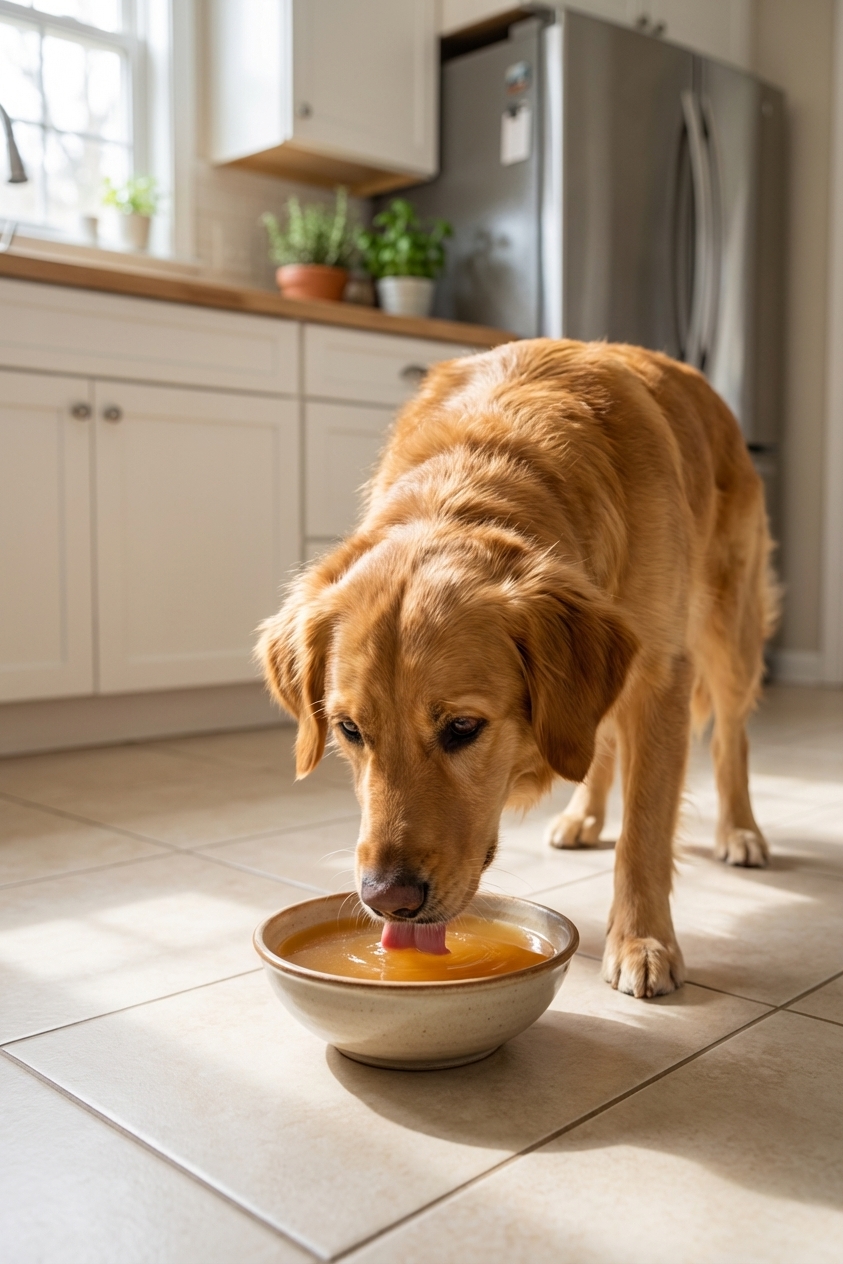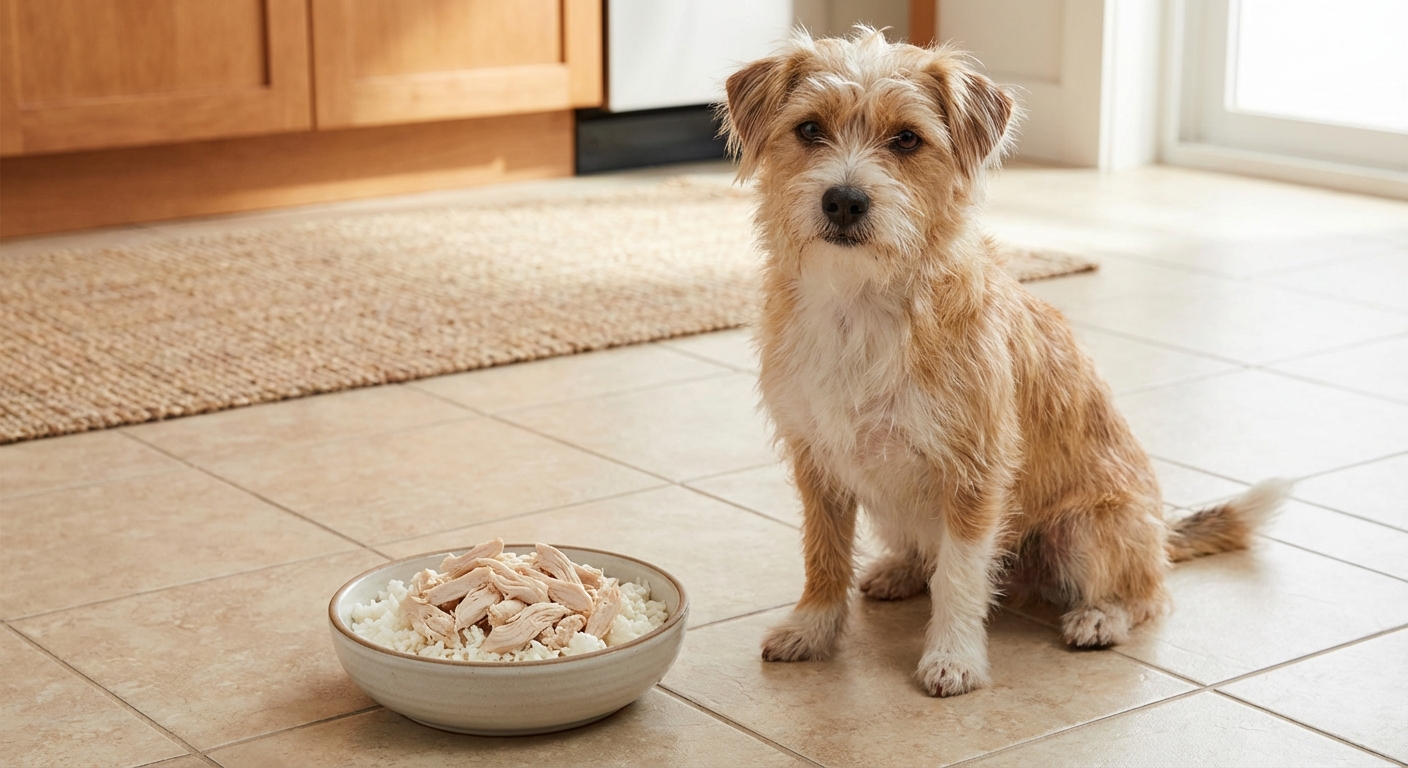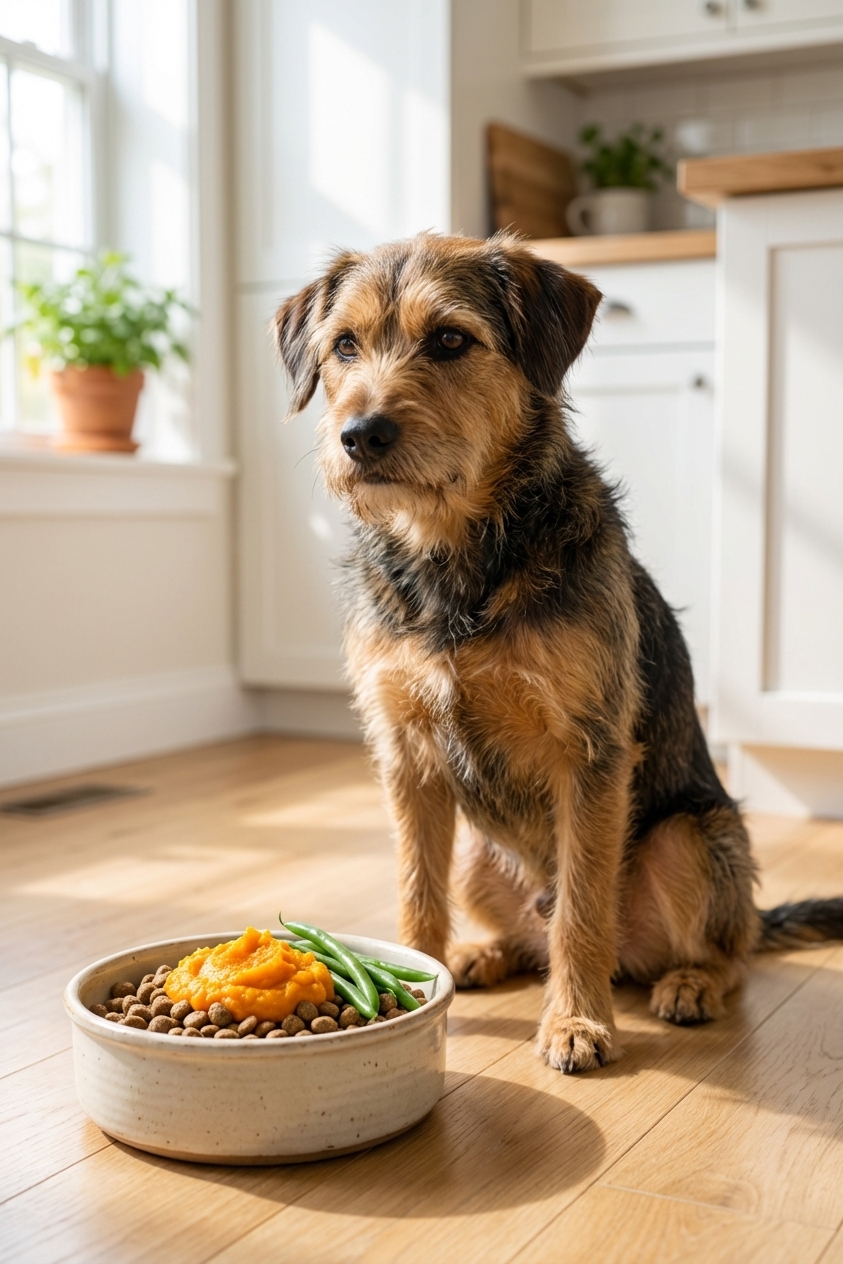
Make meals more tempting and nutritious with simple dog food toppers: bone broth, cooked eggs, sardines, pumpkin, and steamed veggies—plus portions, storag...
Article
•
Designer Mixes
Grieving Dog Symptoms and Support

Shari Shidate
Designer Mixes contributor
When a dog loses a companion, their world can change overnight. I have seen it in clinics and in my own foster work here in Frisco, Texas: dogs grieve. And while every pup shows it differently, there are some real patterns you can watch for.
This guide will walk you through typical grieving dog symptoms, what is considered normal, what is not, and how to support your dog’s health and wellness while their heart catches up to the change.
Can dogs grieve?
Yes. Dogs form strong social bonds with people and other animals. When that bond is suddenly gone, many dogs show behavioral and physical changes that look a lot like grief in humans: disrupted routines, reduced appetite, clinginess, and withdrawal.
Sometimes it is grief, sometimes it is also stress from changes in the home (different schedules, different rooms closed off, new smells, fewer walks). Often it is both.
Note: This article is educational and not a substitute for veterinary care. If something feels “off” with your dog’s body or behavior, it is always okay to call your veterinarian.
Common grieving dog symptoms
Grief can show up in your dog’s mood, habits, and even digestion. Here are the signs I see most often. You might notice a few at once, and they may come and go.
Behavior changes
- Searching behaviors: pacing, checking rooms, waiting by doors, sniffing the companion’s favorite spots
- Clinginess: following you more, leaning on you, seeking more physical contact, whining when you leave
- Withdrawal: sleeping more, choosing quiet corners, less interest in play
- Restlessness: trouble settling, especially at night
- Vocalizing: barking, whining, or new “calling” sounds
- Changes in social behavior: less tolerant of other pets, or unusually needy with them
- Regression: accidents in the house, more marking, or forgetting cues they know well
Transitions matter here. Symptoms often spike during routine moments that used to include the other pet, like meal time, the evening walk, or bedtime.
Appetite and digestion changes
- Reduced appetite or picky eating
- Changes in drinking (less often, or sometimes more)
- Loose stool from stress
- Vomiting in some dogs, especially if they go too long without eating, eat grass, or have an underlying issue (vomiting that persists should be discussed with your vet)
Body language and energy
- Low energy on walks, less interest in toys
- Heavy sighing, trembling, panting at rest, or visible tension
- Changes in grooming: more licking, paw chewing, or less self-care in some dogs
- Sleep changes: sleeping much more, or waking often and wandering
How long does dog grief last?
There is no single timeline. Some dogs bounce back in a couple of weeks. Others take a few months. In general, you should see small improvements over time, even if the process is not linear.
Examples of “small improvements” can look like:
- eating a little more consistently
- showing curiosity on walks again (sniffing, tail a bit looser)
- choosing to play for a minute or two
- settling faster at bedtime
Factors that can affect the timeline include:
- how closely bonded the animals were
- your dog’s personality (sensitive, anxious, very social)
- how sudden the loss was
- other changes happening at the same time (moving, new schedule, illness)
- your dog’s age and overall health
When it might be medical
This part is important. Grief can look like illness, and illness can look like grief. If your dog’s behavior changes after a loss, do not assume it is only emotional.
Call your veterinarian promptly if you notice:
- Refusing food for 24 hours (or missing 2 meals) or sooner for puppies, seniors, small dogs, or dogs with medical conditions
- Not eating plus lethargy, weakness, or “just not themselves”
- Vomiting or diarrhea lasting more than a day, repeated episodes, or any blood in vomit or stool
- Rapid weight loss
- Coughing, labored breathing, or collapse
- Sudden aggression, confusion, or disorientation
- Increased drinking and urination (could indicate endocrine or kidney issues)
- Pain signs like panting at rest, trembling, reluctance to move, or hunched posture
Also consider that in multi-pet households, dogs sometimes eat less because they are used to social eating or competition. When that dynamic changes, appetite patterns can change too. Still, if appetite changes are significant or prolonged, get guidance from your vet.
Steps that help
You cannot “fix” grief, but you can support your dog’s nervous system, routine, and physical health while they process the change.
1) Keep the routine steady
Dogs feel safer when life is predictable. Aim for consistent:
- meal times
- walk times
- bedtime and wake-up time
- training cues and house rules
2) Offer calm connection
Some dogs need closeness. Others need space. Offer calm companionship:
- quiet petting sessions
- sniff walks (let them sniff more than usual)
- low-pressure play invitations
If your dog is withdrawing, sit nearby without demanding interaction. Your presence still counts.
3) Support appetite gently
Stress can reduce appetite, and skipping meals can make nausea worse for some dogs. If your vet says it is safe, try short-term appetite support strategies:
- warm the food slightly to increase aroma
- add a spoonful of plain cooked chicken or turkey
- offer a bland meal for a day or two if the stomach seems sensitive (vet-approved)
- feed smaller meals more often
If you are transitioning to homemade or fresh foods, go slowly. A grieving dog’s gut can be more reactive, so this is not the time for sudden diet experiments.
4) Add brain-based enrichment
Mental work can relieve stress without overexciting your dog.
- food puzzles
- scatter feeding in the grass
- short training refreshers (sit, touch, down) with high-value rewards
5) Protect sleep and decompression
Grief is tiring. Make rest easy:
- create a quiet safe zone with a comfortable bed
- use white noise if your home feels too quiet now
- keep visitors and loud events limited for a little while
House soiling
Accidents can happen during grief, even in dogs who have been reliably house-trained for years. Stress changes sleep, appetite, and routine, and that can change bathroom habits too.
- take more frequent potty breaks for a couple of weeks
- praise and reward outdoor potty like you did in puppyhood
- use an enzymatic cleaner indoors to fully remove odors
- avoid punishment, it can increase anxiety and make the problem worse
If accidents are sudden, frequent, or paired with increased thirst, straining, or pain signs, call your veterinarian to rule out urinary or GI issues.
Separation anxiety
After a loss, some dogs struggle more when left alone. If you notice new panic behaviors (howling, drooling, destructive chewing, trying to escape), address it early.
- practice short, easy absences and return before your dog escalates
- use predictable departure cues and a calm routine
- offer a safe enrichment item (if your dog can have it safely)
- talk with your vet or a credentialed trainer if it is not improving
What not to do
When your dog is grieving, the most well-meant choices can sometimes add stress.
- Do not rush to get a new pet as a “replacement.” Some dogs eventually enjoy a new companion, but timing matters.
- Do not punish regressions like accidents, clinginess, or restlessness.
- Do not overhaul diet, schedule, and environment all at once. Keep changes small and steady.
- Do not force interaction with people or other pets if your dog is asking for space.
Seeing the deceased pet
In some situations, allowing a dog to sniff and spend a short, calm moment with the deceased companion may reduce searching behavior. Evidence is limited, but some owners and clinicians report that it helps certain dogs understand the change.
This is very personal and not always possible. If you choose to do it, keep the environment quiet, supervise closely, and do not force interaction. If your dog becomes distressed, gently redirect and end the exposure.
Kids and a grieving dog
If you have children at home, explain that your dog may act differently for a while. Encourage kids to:
- speak softly and move calmly around the dog
- offer gentle affection only if the dog seeks it
- avoid crowding the dog when they are resting
- help with simple care routines like filling the water bowl (with supervision)
This is also a sweet opportunity for kids to learn compassion and respect for animal emotions.
Extra support
If your dog’s grief symptoms are intense or not improving, you have options. Talk with your veterinarian about:
- pain screening (especially in seniors, pain and grief can overlap)
- short-term anti-nausea support if appetite loss is causing stomach upset
- behavior support or referral to a credentialed trainer or veterinary behaviorist
- anxiety management tools (environmental changes, pheromones, or medications when appropriate)
In multi-dog homes, watch for new tension after the household dynamic changes. Resource guarding, snapping, or changes around food and beds are worth addressing early.
There is no shame in getting help. Supporting emotional wellness is part of whole-body health.
Daily check-in
During this transition, I recommend tracking a few basics each day for 2 weeks. It gives you clarity and helps your vet if you need to call.
- Appetite: ate all, ate some, refused
- Water intake: normal, lower, higher
- Stool: normal, soft, diarrhea, constipation
- Energy: normal, slightly down, very down
- Comfort: relaxed, restless, anxious
- Alone time: settled, mildly upset, panicked
Grief can be real and still be gentle on the body. The goal is to notice early if stress is tipping into a health problem.
Closing thoughts
If your dog is grieving, you are not alone. The most helpful things you can give are patience, steadiness, and small acts of comfort that keep their body healthy while their heart heals.
With time and loving routine, most dogs do adjust. And if your gut tells you something feels off, trust that instinct and check in with your veterinarian. It is always okay to ask.