A compassionate, vet-informed guide to coping after losing a dog—what grief can feel like, handling guilt after euthanasia, memorial ideas, helping kids an...
Article
•
Designer Mixes
Grief After Losing a Pet: What Helps Most

Shari Shidate
Designer Mixes contributor
Losing a pet can feel like the ground shifts under you. One minute you are following your normal routine, and the next there is a quiet, painful absence that shows up everywhere: the food bowl, the leash by the door, the spot on the couch. As a veterinary assistant here in Frisco, Texas, I have seen how deep this loss can be, and I want you to know something important: pet grief is real grief, and you deserve real support.

This article focuses on what tends to help most, based on grief research, mental health guidance, and the patterns many families experience after saying goodbye.
Quick note: This is general information, not a substitute for care from a licensed mental health professional. For concerns about a surviving pet’s health or behavior, your veterinarian is the best next step.
Why it hurts so much
Our pets are not “just animals.” For many of us, they are family, daily companionship, a source of comfort, and a steady routine. When they are gone, you are grieving multiple losses at once:
- The bond: unconditional presence and affection.
- The role your pet played: your walking buddy, your shadow in the kitchen, your child’s first friend.
- Daily structure: feeding, meds, potty breaks, playtime.
- Your sense of steadiness: many people rely on pets for comfort and calm, especially during stress.
It is also common to experience disenfranchised grief, which is grief that is not fully recognized by others. If someone has told you, “You can get another one,” and you felt stunned or angry, that reaction makes sense. Love is not replaceable.
What grief can look like
Pet grief is personal, but many people experience a mix of emotional, physical, and daily-life changes, especially in the first days and weeks.
Common emotional reactions
- Sadness, crying spells
- Guilt or “what if” thoughts
- Anger (at illness, aging, an accident, even at the vet or yourself)
- Numbness or disbelief
- Relief (especially after a long illness), often followed by guilt about feeling relieved
Common physical and daily-life symptoms
- Trouble sleeping or vivid dreams
- Appetite changes
- Difficulty focusing
- Restlessness, fatigue
If any of this resonates, it does not mean you are “doing grief wrong.” It means your mind and body are responding to loss.
What helps most
1) Give the grief a place to go
Grief needs expression. When we push it down, it can come out sideways as irritability, anxiety, or exhaustion. Helpful options include:
- Talk it out with a friend who “gets it” or a counselor.
- Write a letter to your pet: what you loved, what you miss, what you wish had been different.
- Say their name out loud. It can be grounding and validating.

2) Create a small goodbye ritual
Many people find that rituals can help them acknowledge what happened and begin to process it. This can be simple and still powerful:
- Light a candle at the time you used to do your evening walk.
- Make a photo print and place it somewhere meaningful.
- Plant a flower or tree.
- Play a song and allow yourself to cry without rushing it.
If you chose euthanasia, a ritual can be especially healing. Humane euthanasia is often a final act of love, but it can still leave you with heavy “did I do it too soon?” or “too late?” thoughts. A ritual helps you honor the intention: preventing suffering and offering peace.
And if your grief practices are shaped by culture or faith, that matters too. Prayer, sitting shiva, a blessing, a private burial, or a simple moment of silence can all be meaningful. There is no single “right” way to say goodbye.
3) Expect the guilt loop
Guilt is one of the most common and painful parts of pet loss. It can sound like:
- “I should have noticed sooner.”
- “I should have done more.”
- “I shouldn’t have gone on that trip.”
- “I made the wrong call.”
When guilt shows up, try a two-step approach:
- Reality check: List what you did do. Vet visits, medications, late-night monitoring, special meals, carrying them to bed. Many people do far more than they realize.
- Compassion statement: “I made the best decision I could with the information I had, guided by love.”
If you are stuck on euthanasia timing, it can help to remember that veterinary teams aim to prevent the crisis moment: respiratory distress, severe pain, panic, or a traumatic emergency. Choosing a peaceful goodbye is not “giving up.”
4) Keep a couple routines
After a loss, everything can feel unstructured. Keeping one or two routines can help you feel a little more steady.
- Go for a walk at your usual time, even if it is shorter.
- Eat a basic meal (simple is fine).
- Keep sleep and wake times as consistent as you can.
This is not about “moving on.” It is about giving yourself enough stability to get through the day while you grieve.
5) Lean on validating support
Connection is one of the most consistently helpful supports in grief. Look for:
- A trusted friend who loved your pet too
- An online pet loss group moderated by professionals
- A pet loss hotline or counseling service
- A therapist, especially if your grief is complicated by anxiety, depression, or past losses
If your local clinic offers pet loss resources, ask. Many veterinary hospitals keep lists of counselors and hotlines because they see how common this pain is.
6) Help other pets adjust
Surviving pets may show grief-like changes too. They might search, vocalize, cling, or seem withdrawn. What helps most is calm consistency:
- Maintain feeding and walking schedules.
- Offer extra enrichment (sniff walks, puzzle feeders, gentle play).
- Give them space if they seem tired or avoidant.
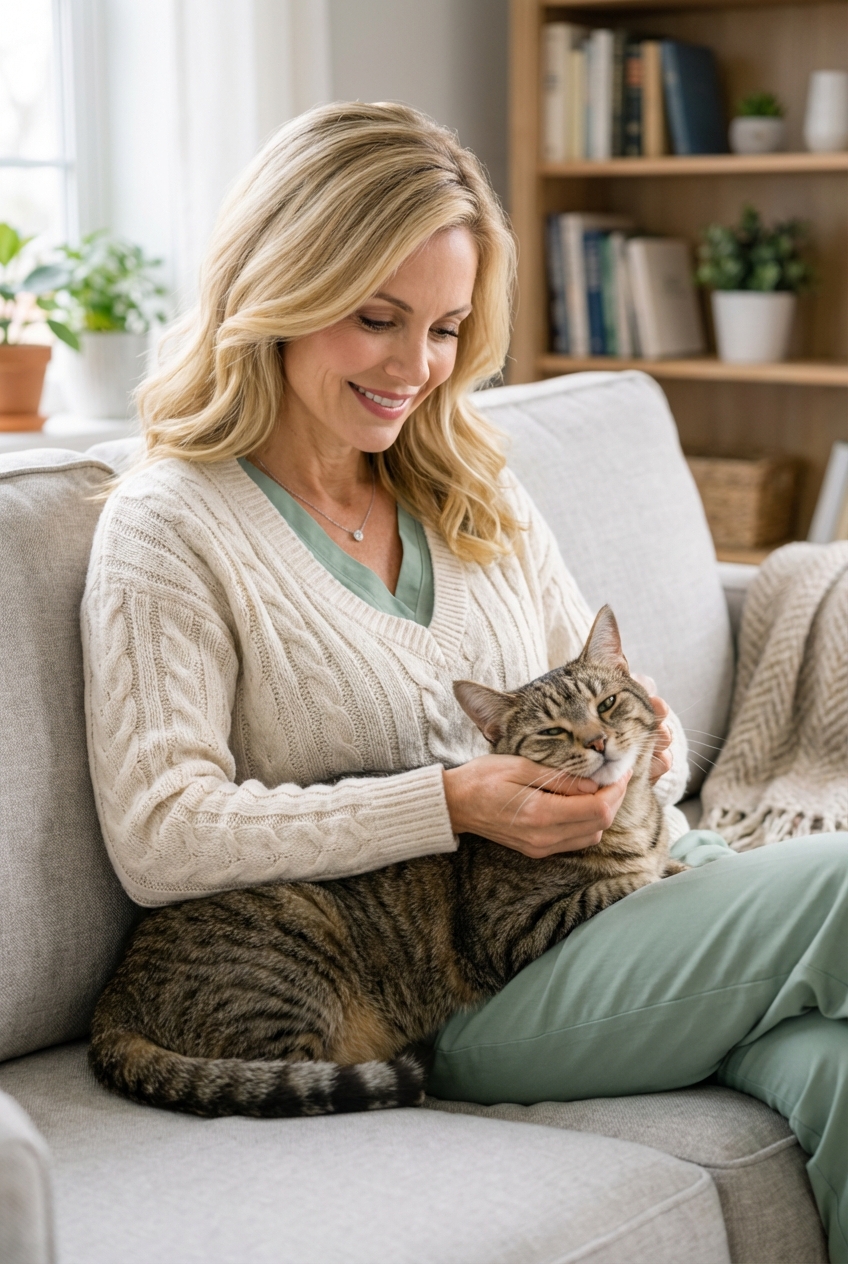
If your pet stops eating, call your veterinarian sooner rather than later. For cats especially, not eating for 24 hours can become serious. Also call if you see vomiting, diarrhea, pain, or sudden behavior changes that worry you.
7) Memorialize in your way
Some people want a big tribute. Some want something private. Either is valid. Ideas that many families find healing:
- Create a small memory box: collar, tag, paw print, a favorite toy.
- Choose one photo and frame it.
- Make a donation to a shelter or rescue in your pet’s name.
- Volunteer one afternoon when you are ready.
A memorial is not about staying stuck. It is about integrating the relationship into your life story in a loving way.
8) Aftercare options
If your loss is recent, you may still be making practical decisions while in shock. If it helps, ask your clinic what options are available, including private or communal cremation, burial guidance (including local rules), and keepsakes like paw prints or fur clippings. Choosing what fits your values and budget is enough. It does not have to be perfect.
9) Helping kids with pet loss
Children often grieve in bursts. They might seem “fine” and then suddenly cry at bedtime, or ask the same questions repeatedly. Helpful, gentle approaches include:
- Use clear language (for many kids, “died” is less confusing than “went to sleep”).
- Let them take part in a small ritual, like drawing a picture, picking a photo, or helping plant a flower.
- Keep routines where you can. Kids often feel safer with predictability.
If a child has ongoing sleep issues, new fears, major behavior changes, or persistent sadness that interferes with school or daily life, consider talking with a pediatrician or child therapist for extra support.
What to avoid
- Rushing yourself with “I should be over this by now.” There is no standard timeline.
- Minimizing the bond because others do. Your grief does not need permission.
- Major decisions in the first wave if possible: moving, quitting a job, adopting immediately out of panic. Give yourself time to stabilize.
- Isolation. Alone time can be restorative, but total withdrawal can increase distress.
When to get more help
There is no “right” way to grieve, but reaching out for professional support is wise if you notice:
- You cannot function at work or home for an extended period
- Panic symptoms that are escalating
- Persistent insomnia that is affecting health
- Intense guilt that will not ease, even with reassurance
- Thoughts of self-harm or feeling like life is not worth living
If you are in immediate danger or thinking about harming yourself, call your local emergency number right away. In the U.S., you can call or text 988 for the Suicide and Crisis Lifeline. If you are outside the U.S., look up your country’s crisis line or emergency number.
Adopting again
This question is tender, and the best answer is personal. Some people adopt quickly because the home feels too quiet. Others need months or longer. A helpful frame is this: a new pet is not a replacement, it is a new relationship.
You might be ready if:
- You can talk about your pet and feel warmth alongside sadness
- You are open to a different personality and different needs
- The idea comes from love, not from trying to erase pain
If you are not ready, that is okay. You are still a loving pet person.
Closing thought
Grief is the cost of a deep bond, but it is also proof that something meaningful happened. Your pet’s life mattered. Your care mattered. And the love you shared does not disappear. It changes form.
Be patient with yourself. In grief, small steps count.